Tag: I&B ministry

  • I&B ministry forms Joint Working Group for audience measurement sampling

    I&B ministry forms Joint Working Group for audience measurement sampling

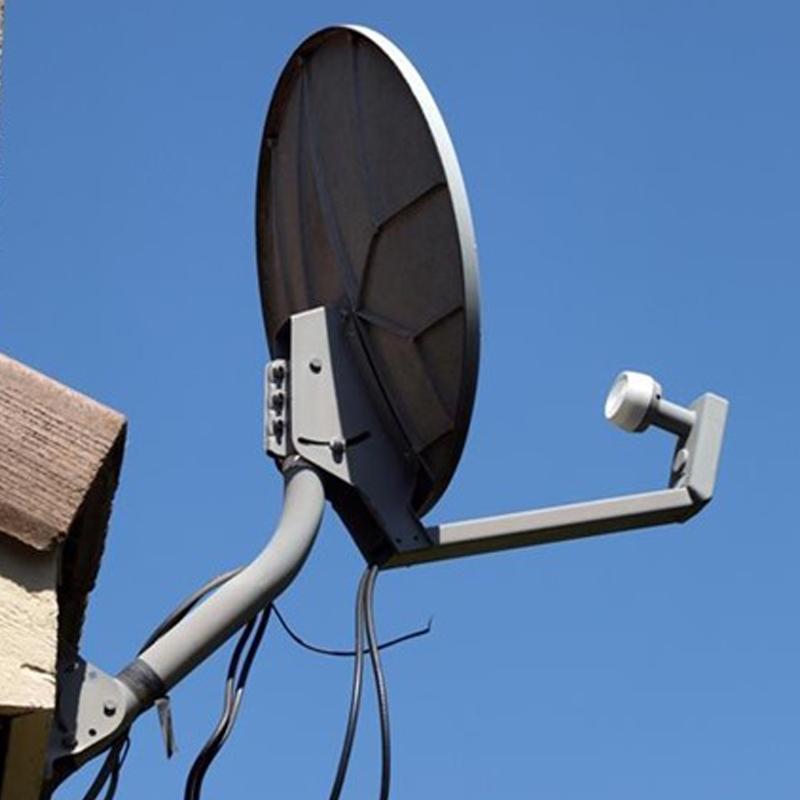
    Mumbai: The ministry of information and broadcasting (MIB) has formed a Joint Working Group to formulate a mandate for exploring data capturing capabilities in Set Top Boxes (STBs) for audience measurement sampling.

    With Prasar Bharti CEO Shashi Shekhar Vempati as the chairman and DTH association president Harit Nagpal as a member, the joint working group will have one representative each from MeitY, BIS, Barc India, and AIDCF. It will submit its report to the I&B ministry within the next four months.

    The current guidelines for the TV Rating Agencies prescribe the use of panel homes, drawn by establishment survey and representative of the TV viewing population, for carrying out the Audience measurement. However, the latest recommendations from the Telecom Regulatory Authority of India (Trai) and TRP committee headed by Prasar Bharati CEO suggested combining traditional sample-based statistical approaches with big data approaches like Return Path Data in STBS.

    The new working group has been entrusted to study different aspects of the data capturing including Return Path Data (RPD) in the context of the audience measurement, international practices, and security of the viewership data. “It will also study successful global best practices in RPD, like that of Canada, the models undertaken by Barc India and other independent experiments by DTH operators and other relevant stakeholders,” said the ministry on Wednesday.

    The Group will specify minimum standards for RPD capable STBS, SOPs for certification and audit of the same, and specify common protocols, data standards, and modifications to current rating methodology so that data from RpD capable STBS could be integrated into the current TV ratings system.

    Additionally, it will specify minimum standards for any smartphone-based Apps to augment the above proposed RPD system for integration into the current TV ratings.

    -Specify SOPs for certification and audit of the same.

    -Evolve a consensus for how such different data sets including RpD/ smartphone-based data collection will be priced/ costs shared within the framework of the TV ratings system.

    -Specify consent-based privacy framework to govern all such data collection and use within TV ratings.

    -Establish timelines for rollout of above with a clear roadmap to guide all stakeholders while laying out points of responsibility for the same. 

  • Need to integrate the spirit of nation-building in each citizen: I&B minister

    Need to integrate the spirit of nation-building in each citizen: I&B minister

    New Delhi: “India is a pivotal power in Asia and as a member of the BRICS consortium, we would like to play a crucial role to strengthen ties between the member countries” said union minister of Information and broadcasting Anurag Singh Thakur.

    Thakur was addressing the virtual inaugural of ‘BRICS Film Technology Symposium’, being organised by FICCI, jointly with the ministry of I&B and FTII, here on Wednesday. “India takes pride in organising the first-ever BRICS Film Technology Symposium as a part of the special event planned in the run-up to the BRICS summit to be held in India,” he said.

    According to the minister, the focus of the BRICS Film Technology symposium is to acknowledge the service sector and technicians working for the film industry. “I am sure the symposium will create opportunities for the working professionals in the field of film technology of all BRICS nations to explore the world of cinema with a new perspective and vision,” said Thakur, highlighting the need to win the hearts and minds of the people from all BRICS nations. “A film symposium is an event which brings together one and all through the medium of cinema technology.”

    “Organising the first-ever BRICS Film Technology Symposium is a step in this direction to bring the people from all member states together. Through the medium of films, art and culture we have also opened avenues for cooperation which will be supporting development and growth in the film business,” he added.

    The two-day symposium intends to form partnerships and provide a platform for technological companies and organisations promoting films and bring the film community together for better communication, cooperation and collaboration.

    “BRICS countries are significant players in the field of VFX animation, computer-generated imagery, and media outsourcing. There is a great potential for collaborating with each other to enhance the technology in film production and cinematic experiences for the world of entertainment. The BRICS Film Festival which we will be organising along with the 52nd International Film Festival of India will provide us another opportunity to interact and share the best of our Cinemas,” said MIB secretary, Apurva Chandra.

    The event is spread over two days with sessions conducted by eminent speakers from all the BRICS countries. A virtual exhibition is being held as well.

  • Azadi Ka Amrit Mahotsav: Anurag Thakur to kick-off ‘Iconic Week’ celebrations

    Azadi Ka Amrit Mahotsav: Anurag Thakur to kick-off ‘Iconic Week’ celebrations

    Mumbai: Union minister for information and broadcasting Anurag Thakur will kick off a gamut of activities to celebrate the ‘Azadi ka Amrit Mahotsav’ from 23-29 August. Thakur will kick off the ‘Iconic Week’ which will attract participation from across the country under the overall spirit of ‘Jan Bhagidari and Jan Andolan’, the I&B ministry said.

    According to the press statement released by the ministry, the objective is to showcase the journey of New India and celebrate the contribution of freedom fighters including the ‘unsung heroes’ of the freedom struggle through massive outreach activities. “The celebrations will be a 360-degree outreach via traditional means such as cultural programmes, nukkad natak and TV programmes along with innovative means of digital and social media,” it added.

    The AIR will launch a series of special programmes called ‘Dharohar’ which are speeches of freedom fighters; ‘Nishaan’ which will showcase 75 landmark sites and ‘Aparajita’, a show on women leaders. 

    The Doordarshan network will telecast programmes covering themes such as diplomacy, Digital India and legislative reforms through sectoral programmes like ‘Naye Bharat Ka Naya Safar’ and ‘Journey of New India’. Daily news capsules on ‘Unsung heroes and Freedom Struggle’ will also be shown, the ministry said.

    The National Film Development Corporation of India (NFDC) is also organising a film festival on its OTT platform www.cinemasofindia.com screening a specially curated bouquet of films such as “Island City”, “Crossing Bridges” and many others, it added.

    DD Network will showcase a series of documentaries such as “Netaji”, “Merger of Princely States”, etc. Popular films like “Raazi” will also be broadcasted. 

    The Bureau of Outreach and Communication (BOC) will also reach out to the people through nukkad nataks, skits, magic shows, puppetry, folk recitals through more than 50 integrated communication and outreach programmes by ROBs and over 1,000 PRTs by Song and Drama Division across the country. BOC will also launch an eBook on ‘Making of the Constitution’ on its website.

  • Bombay HC stays parts of new IT rules

    Bombay HC stays parts of new IT rules

    New Delhi: The Bombay high court has granted an interim stay to the implementation of parts of the Information Technology (IT) Rules, 2021 which require that all online publishers follow a “code of ethics” and norms of conduct.

    According to the court, “prima facie” (on the face of it), sub-clauses 1 and 3 of clause 9 of the Intermediary Guidelines and Digital Media Ethics Code Rules, 2021 violated the petitioners’ constitutional right to freedom of speech and expression under Article 19. Provisions of clause 9 also went beyond the scope of the substantive law (the Information Technology Act of 2000), it added further, according to PTI.

    The court was hearing two petitions filed by digital news portal `The Leaflet’ and journalist Nikhil Wagle which had challenged the new regulations notified by the government in February this year. According to the petitions, the new rules are “vague”, “draconian”, and bound to have a “chilling effect” on the freedom of press and right to free speech guaranteed by the Constitution. The petitioners had also contended that the rules “go beyond the parameters set by the Information Technology Act and limits set under Article 19 of the Constitution”, and sought an interim stay on the implementation of the new IT Rules till the court gives its final decision in the matter.

    Meanwhile, the high court has refused to stay clause 14 that pertains to the setting up of an inter-ministerial committee with powers to regulate online content and deal with grievances and breach of rules, and clause 16 which is about blocking of online content in case of an emergency.

    The Information Technology (Intermediary Guidelines and Digital Ethics Code) Rules, 2021 seek to regulate dissemination and publication of content in cyber space, including social media platforms. The rules notified in February, also recommend a three-tier mechanism for the regulation of all online media. Under the rules, the digital publishers are required to take urgent steps for appointing a grievance officer, if not done, and place all relevant details in the public domain. They also need to constitute self-regulatory bodies through mutual consultation so that the grievances are addressed at the level of publishers or the self-regulating bodies themselves.

    It is significant to note that similar petitions opposing the new rules have been filed in high courts across the country.

  • Bombay HC seeks government’s response over stay on IT media rules

    Bombay HC seeks government’s response over stay on IT media rules

    New Delhi: The Bombay high court has asked the central government to submit a response as to why an interim stay should not be given to the implementation of the Information Technology (IT) Rules, 2021, as demanded by two petitions.

    “File a short affidavit on why interim relief should not be granted,” the HC told the Union government, adjourning the hearing to 13 August.

    The court was hearing two petitions filed by digital news portal `The Leaflet’ and journalist Nikhil Wagle who had challenged the new regulations notified by the government in February this year. According to the petitions, the new rules are “vague”, “draconian”, and bound to have a “chilling effect” on the freedom of press and right to free speech guaranteed by the Constitution.

    The petitions had also contended that the rules “go beyond the parameters set by the Information Technology Act and limits set under Article 19 of the Constitution.”

    It is significant to note that similar petitions opposing the new rules have been filed in high courts across the country. The government has been asked to submit its response by 13 August.

    In a separate case, the government told the Delhi high court on Tuesday, that Twitter was prima facie in compliance with the new IT Rules by appointing a chief compliance officer (CCO), resident grievance officer (RGO) and nodal contact person on permanent basis.

    The Information Technology (Intermediary Guidelines and Digital Ethics Code) Rules, 2021 seek to regulate dissemination and publication of content in cyber space, including social media platforms.

    The rules also recommend a three-tier mechanism for the regulation of all online media. Under the rules, the digital publishers are required to take urgent steps for appointing a grievance officer, if not done, and place all relevant details in the public domain. They also need to constitute self-regulatory bodies through mutual consultation so that the grievances are addressed at the level of publishers or the self-regulating bodies themselves.

  • I&B ministry acted against 126 violations of Programme Code in last 3 years

    I&B ministry acted against 126 violations of Programme Code in last 3 years

    Mumbai: During 2018 to 2021, the Government took action against 126 cases of violation of Programme Code laid down in the Cable Television Networks (CTN) Rules, 1994 framed under Cable Television Networks Act, 1995. The action with respect to cases was taken by issuance of advisories, warnings, apology scroll orders, and off-air orders, said the ministry on Friday.

    “Government has an institutional mechanism for taking action in respect of private TV channels which are found to violate the Programme Code. The I&B ministry also issues advisories from time to time to private satellite TV channels for adhering to the Programme Code,” said the minister of information and broadcasting, Anurag Thakur in the ongoing monsoon session of the Parliament.

    The minister was responding to a query put forth in the Lok Sabha on whether the Government has taken cognizance of high decibel, sensationalist and slanderous news programmes/debates being hosted on Indian news channels. The Government was asked whether it has received complaints against news channels for violating the broadcasting guidelines and broadcasting fake news, hate and divisive agenda during the last three years.

    The Government was also asked whether it is planning to initiate any code of conduct or broad guidelines for the debates that happen on electronic media and the time by which final decision is likely to be taken in this regard.

    The Programme Code contains broad guidelines related to content broadcast on private television channels.

    The guidelines also provide that no programme should contain anything obscene, defamatory, deliberate, false and suggestive innuendos, and half-truths, and should not criticise malign or slander any individual in person or certain groups, segments of social, public and moral life of the country.

    The Rules provide for a three-level complaint redressal mechanism; Level I by the broadcaster, Level II by the self-regulating bodies of the broadcasters; and Level III by oversight mechanism of the Central Government.

  • Licences of 204 private TV channels revoked in last four years : I&B minister

    Licences of 204 private TV channels revoked in last four years : I&B minister

    New Delhi: The ministry of information and broadcasting has revoked licences of over 200 private TV channels during 2016-2020, union I&B minister Anurag Thakur told the Parliament on Monday.

    Responding to a query in Rajya Sabha during the ongoing monsoon session, Thakur said that as on date, there are 916 private satellite TV channels which have been granted permission by the government under the Up-linking and Downlinking Guidelines, 2011.

    “However, many channels failed to fulfil the guidelines and ceased to operate in the last five years,” he said. “TV channels cease operation due to various reasons, including for non-fulfilment of conditions under the guidelines. During the last five years, 204 TV channels have ceased to operate.”

    Thakur also told the Parliament that the government also takes action against private TV channels for violation of programme code laid down under the Cable Television Networks (Regulation) Act, 1995 by issuance of warnings, advisories, off-air orders, etc. “The government has issued warnings in 128 cases for violation of guidelines,” he said.

    The minister said 60 private satellite TV channels were given permission to operate in the country in 2016-17, 34 in 2017-18, 56 each in 2018-19 and 2019-20, and 22 in 2020-21.

  • PM’s ‘Mann Ki Baat’ generated over Rs 30.80 cr revenue since 2014: I&B ministry

    PM’s ‘Mann Ki Baat’ generated over Rs 30.80 cr revenue since 2014: I&B ministry

    New Delhi: Prime minister Narendra Modi’s monthly radio show, Mann Ki Baat has generated over Rs 30.80 crore as revenue since it began in 2014, with the highest of over Rs 10.64 crore earned in 2017-18, according to the ministry of information and broadcasting.

    The data was shared by union minister Anurag Thakur in Rajya Sabha on the first day of the monsoon session. Thakur said, 34 DD channels and around 91 private Satellite TV channels broadcast this radio program throughout India. “Mann Ki Baat has achieved 11.8 crore viewership and 14.3 crore reach in 2020. This has created renewed interest and awareness in traditional radio,” he told the Parliament.

    According to data shared by the ministry, the programme fetched Rs 1.16 crore as revenue in 2014-15, which rose to Rs 2.81 crore in 2015-16. The overall revenue crossed Rs 5.14 crore in 2016-17 and reached the highest mark of Rs 10.64 crore in 2017-18. However, the revenue has fallen since then. In 2018-19, it generated Rs 7.47 crore revenue in 2018-19, which came down to Rs 2.56 crore in 2019-20. In the pandemic torn 2020-21, it collected an overall revenue of Rs 1.02 crore, the lowest since 2014.

    The programme is broadcast at 11 am on the last Sunday of each month through various channels of the All India Radio and Doordarshan. Prasar Bharati has broadcast 78 episodes of the programme till date on its AIR and Doordarshan network. It has also undertaken the translation and re-broadcast in 51 languages/dialects, he added.

    As per the audience data measured by the Broadcast Audience Research Council (BARC), the cumulative reach of viewership of the programme has been estimated to range from approximately six crore to 14.35 crore during the period 2018 to 2020.

    “The main objective of ‘Mann Ki Baat’ programme of the prime minister is to reach to the masses across the country through the radio,” said Thakur, “The programme also provides every citizen the opportunity to connect, suggest, and become part of participatory governance through the prime minister’s radio address.”

    The minister said Prasar Bharati produces ‘Mann ki Baat’ leveraging existing in-house resources with no additional expenditure. “In-house staff is leveraged for production and existing translators engaged on assignment basis for language versions,” he added. 

  • Parliament’s Monsoon Session to begin from today

    Parliament’s Monsoon Session to begin from today

    New Delhi: The monsoon session of the Parliament is all set to begin on Monday. The session will conclude on August 13. It will also be the first session for some of the newly inducted Cabinet ministers, including Anurag Thakur who was recently sworn in as the information and broadcasting minister.

    This will also be the first session of parliament since the results of assembly polls in Assam, West Bengal, Tamil Nadu, Kerala, and Puducherry. Last year, the monsoon session began in September and the winter session was not held due to the Covid-19 situation. According to the ministry of parliamentary affairs, during the 19 sittings of the session, 31 Government business items including 29 Bills and 2 financial items will be taken up. Six bills will be brought to replace the ordinances.

    Lok Sabha will meet from 11 am to 1 pm and from 2 pm to 6 pm unless directed otherwise by Speaker Om Birla. Four days have been allotted for the transaction of private members’ business, which is taken up in the post-lunch session.

    Parliamentary Affairs minister Shri Pralhad Joshi said that the Government is ready for discussion on any topic under the rules. Seeking full cooperation of all the parties in the smooth running of the houses, he said that there should be structured debate on the issues. An all-party meeting was held on Sunday to discuss the same.

  • 52nd edition of IFFI calls for entries for Indian Panorama

    52nd edition of IFFI calls for entries for Indian Panorama

    New Delhi: The 52nd International Film Festival of India (IFFI) has announced a call for entries for Indian Panorama, 2021. Indian Panorama is a flagship component of the International Film Festival of India (IFFI) under which the best of contemporary Indian films are selected for the promotion of film art.

    The 52nd edition of IFFI will be held in Goa from 20 to 28 November.

    The last date to submit applications online is 12 August and the last date of the receipt of the hard copy of the online submitted application, along with other requisite documents is 23 August. A set of guidelines have to be followed while submitting films for the 2021 Indian Panorama, said the organisers on Monday.

    The date of CBFC or completion of production of the submitted film should be during the last 12 months preceding the festival – 1 August 2020 to 31 July 2021. Films not certified by CBFC and produced within this period can also be submitted. All films must carry English subtitles.

    Indian Panorama was introduced in 1978 as part of the International Film Festival of India to promote Indian Films and its rich culture and heritage through Indian films. The Indian Panorama has ever since been completely devoted to showcasing the best of the Indian films of the year.

    The aim of the Indian Panorama, organised by the Directorate of Film Festivals, ministry of information and broadcasting is to select the feature and non-feature films of cinematic, thematic, and aesthetic excellence, for the promotion of film art through the non-profit screening of these films in international film festivals in India and abroad, Indian Film Weeks held under Bilateral Cultural Exchange Programmes and Specialised Indian Film Festivals outside cultural exchange protocols, and special Indian Panorama festivals in India.