Tag: IAMAI

  • GST Bill crucial for Start-Up India, Digital India success: IAMAI

    GST Bill crucial for Start-Up India, Digital India success: IAMAI

    MUMBAI: Industry body – Internet and Mobile Association of India (IAMAI) has urged the Parliament to pass the crucial GST (Goods & Services Tax) Bill in the forthcoming budget session. The industry body has said that the smooth passage of GST Bill is crucial for the success of mega economic and social projects, especially Digital India and Start-Up India.

    The GST Bill, which subsumes all indirect taxes to create one rate and integrate the country into a single market, is the biggest tax reform that is being undertaken since Independence, but is pending approval of the Rajya Sabha.

    The Digital India plan is about connecting, empowering and enabling citizens and encouraging local electronic manufacturing. Similarly, Start-Up India is focused on promoting entrepreneurship, and through small entrepreneurs, generating employment.

    Local manufacturing, NoFN, e-Gov, as a part of Digital India, where private sector is involved, crucially rests on the successful passage of GST Bill in Parliament, which seeks to create one market through one tax system. Similarly, start-ups, online market places, and other online service providers, all require a single market plan.

    IAMAI president Subho Ray said, “The extant tax structure of India is heavily fragmented, with multiple indirect taxes levied by different authorities at different stages of a transaction. Fiscal federalism has led to different procedures and rates of VAT and other forms of LBTs across the states. This creates logistical challenges for the industry, besides giving rise to compliance related complications. Conflict of interests between tax authorities in case of inter-state transaction is a major pain point for the industry today. GST will help the digital industry business model flourish by providing uniformity in tax rates and regulations across the country. This will help doing business in India easier, allow free-play to market dynamics and allow deeper penetration of these services.”

    Given that much of the developments in the digital industry are disruptive innovations, business models like online platforms, aggregators, etc are essentially services provided by intermediaries. Such services are revolutionising the existing markets of both goods and services. Thus, online ticketing services or e-tailing are providing newer modes of access for consumers to existing goods and services, said IAMAI.

    The digital industry unequivocally stands for the smooth passage of GST and hopes that the bill will be passed in the upcoming budget session, as any further delay will push back the transformative projects of the government.
  • GST Bill crucial for Start-Up India, Digital India success: IAMAI

    GST Bill crucial for Start-Up India, Digital India success: IAMAI

    MUMBAI: Industry body – Internet and Mobile Association of India (IAMAI) has urged the Parliament to pass the crucial GST (Goods & Services Tax) Bill in the forthcoming budget session. The industry body has said that the smooth passage of GST Bill is crucial for the success of mega economic and social projects, especially Digital India and Start-Up India.

    The GST Bill, which subsumes all indirect taxes to create one rate and integrate the country into a single market, is the biggest tax reform that is being undertaken since Independence, but is pending approval of the Rajya Sabha.

    The Digital India plan is about connecting, empowering and enabling citizens and encouraging local electronic manufacturing. Similarly, Start-Up India is focused on promoting entrepreneurship, and through small entrepreneurs, generating employment.

    Local manufacturing, NoFN, e-Gov, as a part of Digital India, where private sector is involved, crucially rests on the successful passage of GST Bill in Parliament, which seeks to create one market through one tax system. Similarly, start-ups, online market places, and other online service providers, all require a single market plan.

    IAMAI president Subho Ray said, “The extant tax structure of India is heavily fragmented, with multiple indirect taxes levied by different authorities at different stages of a transaction. Fiscal federalism has led to different procedures and rates of VAT and other forms of LBTs across the states. This creates logistical challenges for the industry, besides giving rise to compliance related complications. Conflict of interests between tax authorities in case of inter-state transaction is a major pain point for the industry today. GST will help the digital industry business model flourish by providing uniformity in tax rates and regulations across the country. This will help doing business in India easier, allow free-play to market dynamics and allow deeper penetration of these services.”

    Given that much of the developments in the digital industry are disruptive innovations, business models like online platforms, aggregators, etc are essentially services provided by intermediaries. Such services are revolutionising the existing markets of both goods and services. Thus, online ticketing services or e-tailing are providing newer modes of access for consumers to existing goods and services, said IAMAI.

    The digital industry unequivocally stands for the smooth passage of GST and hopes that the bill will be passed in the upcoming budget session, as any further delay will push back the transformative projects of the government.
  • ‘Digital marketers need to be more confident:’ Digital Marketer Awards

    ‘Digital marketers need to be more confident:’ Digital Marketer Awards

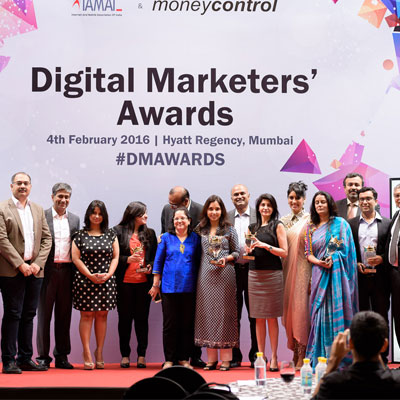
    MUMBAI: For the first time, India’s top digital marketers came under one roof to appreciate and uphold the brilliant work that their peers are doing exclusively on the digital front. Put together by Moneycontrol and IAMAI, the maiden Digital Marketing Awards saw a healthy turnover of CMOs, executives and creatives from various sectors in the industry.

    Dentsu Aegis Network chairman & CEO South Asia Ashish Bhasin set the tone of the awards function with his address to the audience. “Digital marketers should get confident,” he said, adding, “We must move on from convincing others and ourselves about the imminent digital future with quotes, studies and results. If someone isn’t convinced already, leave them be. They will soon follow after.”

    Staying true to the medium that the show was vouching for, attendees were requested to tweet about the event with #DMAwards, with a live Twitter feed visible to all on the monitor.

    Network18 group board of director Rohit Bansal was the Keynote Speaker at the award ceremony and shared his views on the future of digital marketing where new trends were being introduced every day.

    On the difficulty in categorising the entries, jury and Mahindra Holidays & Resort India CMO Deepali Nair shared that the first edition of the awards was definitely a learning experience and based on the results and feedback the jury is considering to club or separate a few categories. “When deciding on how many categories to have it is always a debate as to what to club and what not to. After we got the entries, there was a bit of learning on how to categorise the digital campaigns. You may see one or two more categories next year because in clubbing some categories, we saw some entries losing out. Some brands are restricted by virtue of their categories and hence we are thinking of separating them. A category like Travel and Hospitality is vast and there is a lot of good work, so each deserve their own category for the awards,” Nair said.

    Conversely, she added, “In several awards we have seen bank, insurance and mutual funds as separate categories. But when you think of financial services and what they are doing on the digital front in their digital brand communication, I feel that is a category we can club together.”

    Speaking on the occasion, Moneycontrol COO Rubeena Singh said, “Brands have started investing a lot of money in digital marketing, which is significantly growing every single day. We at Moneycontrol have also taken path breaking initiatives to reach out to the youth through this medium. Being the face of India’s digital growth story, we feel there couldn’t have been a better opportunity for us to recognise the leaders in the digital marketing industry today.”

    The awards come at a crucial juncture when the industry upgrades itself to the changing times and not only churn out serious digital work but have yardsticks and standards to compare and appreciate the trends setters.

    The winners, who took away the Digital Marketing Awards are as follows:

    • Karthi Marshan, Kotak- Digital Marketer of the Year, Banking/ Insurance

    • Gaurav Suri, UTI mutual fund – Digital Marketer of the Year, Mutual Fund / Broking

    • Naveen Kukreja, Policy Bazar – Digital Marketer of the Year, ECommerce / Online Classified

    • Manmeet Vohra, Starbucks – Digital Marketer of the Year, Travel /Hospitality

    • Bedraj Tripathy, Godrej Interio- Digital Marketer of the Year, FMCG / Consumer Durable

    • Aparna Lal, Microsoft – Digital Marketer of the Year, IT / ITES

    • Karan Sarin, One Plus – Digital Marketer of the Year, Mobile Service/Hardware

    • Reema Kundnani, Oberoi Realty – Digital Marketer of the Year, Real Estate

    • Amit Tiwari, Philips – Digital Marketer of the Year, Healthcare

    • Virat Khullar, Renault – Digital Marketer of the Year, Automobile

  • ‘Digital marketers need to be more confident:’ Digital Marketer Awards

    ‘Digital marketers need to be more confident:’ Digital Marketer Awards

    MUMBAI: For the first time, India’s top digital marketers came under one roof to appreciate and uphold the brilliant work that their peers are doing exclusively on the digital front. Put together by Moneycontrol and IAMAI, the maiden Digital Marketing Awards saw a healthy turnover of CMOs, executives and creatives from various sectors in the industry.

    Dentsu Aegis Network chairman & CEO South Asia Ashish Bhasin set the tone of the awards function with his address to the audience. “Digital marketers should get confident,” he said, adding, “We must move on from convincing others and ourselves about the imminent digital future with quotes, studies and results. If someone isn’t convinced already, leave them be. They will soon follow after.”

    Staying true to the medium that the show was vouching for, attendees were requested to tweet about the event with #DMAwards, with a live Twitter feed visible to all on the monitor.

    Network18 group board of director Rohit Bansal was the Keynote Speaker at the award ceremony and shared his views on the future of digital marketing where new trends were being introduced every day.

    On the difficulty in categorising the entries, jury and Mahindra Holidays & Resort India CMO Deepali Nair shared that the first edition of the awards was definitely a learning experience and based on the results and feedback the jury is considering to club or separate a few categories. “When deciding on how many categories to have it is always a debate as to what to club and what not to. After we got the entries, there was a bit of learning on how to categorise the digital campaigns. You may see one or two more categories next year because in clubbing some categories, we saw some entries losing out. Some brands are restricted by virtue of their categories and hence we are thinking of separating them. A category like Travel and Hospitality is vast and there is a lot of good work, so each deserve their own category for the awards,” Nair said.

    Conversely, she added, “In several awards we have seen bank, insurance and mutual funds as separate categories. But when you think of financial services and what they are doing on the digital front in their digital brand communication, I feel that is a category we can club together.”

    Speaking on the occasion, Moneycontrol COO Rubeena Singh said, “Brands have started investing a lot of money in digital marketing, which is significantly growing every single day. We at Moneycontrol have also taken path breaking initiatives to reach out to the youth through this medium. Being the face of India’s digital growth story, we feel there couldn’t have been a better opportunity for us to recognise the leaders in the digital marketing industry today.”

    The awards come at a crucial juncture when the industry upgrades itself to the changing times and not only churn out serious digital work but have yardsticks and standards to compare and appreciate the trends setters.

    The winners, who took away the Digital Marketing Awards are as follows:

    • Karthi Marshan, Kotak- Digital Marketer of the Year, Banking/ Insurance

    • Gaurav Suri, UTI mutual fund – Digital Marketer of the Year, Mutual Fund / Broking

    • Naveen Kukreja, Policy Bazar – Digital Marketer of the Year, ECommerce / Online Classified

    • Manmeet Vohra, Starbucks – Digital Marketer of the Year, Travel /Hospitality

    • Bedraj Tripathy, Godrej Interio- Digital Marketer of the Year, FMCG / Consumer Durable

    • Aparna Lal, Microsoft – Digital Marketer of the Year, IT / ITES

    • Karan Sarin, One Plus – Digital Marketer of the Year, Mobile Service/Hardware

    • Reema Kundnani, Oberoi Realty – Digital Marketer of the Year, Real Estate

    • Amit Tiwari, Philips – Digital Marketer of the Year, Healthcare

    • Virat Khullar, Renault – Digital Marketer of the Year, Automobile

  • 9 incentives that digital start-ups need: IAMAI

    9 incentives that digital start-ups need: IAMAI

    MUMBAI: To recognise Prime Minister Narendra Modi’s vision of ‘Digital India,’ the industry body Internet and Mobile Association of India (IAMAI) has come up with specific fiscal and non-fiscal measures that India’s Internet scene requires. According to the association, the digital start-up ecosystem in India should be systematically encouraged by focusing on specific fiscal interventions.


    The suggestions are as follows: 


    1) Improve Investment Environment: India’s entrepreneurs need early stage venture capital, which is why the domestic venture capital sector needs to develop further. In the US, the VC industry took off when their government allowed the large pension funds to put 5-10 per cent of their assets into VC firms.


    2) Angel Tax: Angel Tax under Sec 56 (2) of the Income Tax Act has not been tailored to restrict start-up funding but it has put start-ups under the the Income Tax scanner, questioning the valuation by domestic individual investors. The criteria to qualify as an angel fund are stringent and need to be eased to support the start-up ecosystem in the country. The association suggests that there should be tax breaks and incentives for individuals supporting start-ups with capital.


    3) Incentivize Internet services start-ups: Internet services based start-ups form the bulk of internet companies in India. Comprising aggregators, digital advertisers and online classifieds, bring in a lot of efficiency, and are the largest employment generators. They are either enabling businesses, or they are creating lot of employment in the country, resulting in many people are earning a lot of money than they should otherwise have.


    4) Service Tax: Start-ups end up paying a huge amount over the first three years in way of service tax. Survival then takes a back seat and penalties just make a struggling start-up’s life harder. The association recommends that for the first three years, the service tax could be waived off or incentivizes the start-ups, if they pay their service taxes on time.


    5) Streamline taxation for e-commerce: Online marketplaces are changing the way businesses are done in India. Small players are setting up niche businesses in India and are attracting lot of investments in India. Online marketplaces bring in a lot of efficiency in the entire retail value chain from customer experience to payments and delivery.


    6) Taxes on e-commerce transactions: The e-commerce marketplace industry is being subjected to onerous VAT demands from several states. They should be recognised as marketplaces and exempt from VAT demands in states. As market places they provide a service to online sellers and pay the service tax on that account. The State of Rajasthan for example treats e-commerce players as market places.


    7) Boost FinTech Start-ups: FinTech plays a significant role in serving those underserved or not served by formal institutional mechanisms. They are also likely to play a significant role in various financial inclusion programmes of the government. Various forms of FinTech services such as pre-paid instruments, wallets and others create efficiency, transparency and wider reach in financial transaction.


    8) P2P lending and crowd-funding need contribution from government: While some early inroads have been made in the P2P lending segment in the country, individual efforts have not translated into a policy from the government. The lack of clarity of rules and regulations has meant the industry is shooting in the dark. In the absence of dictated policy or scriptures, it is quite plausible that misguided individuals may fall prey to unscrupulous operators that may look to make a quick buck.


    9) Easy KYC through Aadhar: This will allow innovators to build new services, which in turn will help bring more people under the ambit of financial services. Various forms of digital payments such as pre-paid instruments, wallets and others create efficiency, transparency and wider reach in financial transaction.

  • Social media & e-mail marketing top preferred channels for Indian marketers in 2016

    Social media & e-mail marketing top preferred channels for Indian marketers in 2016

    NEW DELHI: Customer acquisition will be the primary focus for marketing activities to be carried out in 2016 for 58 per cent of Indian marketers, a study shows.


    The study by Octane Research shows that Social Media (66 per cent) topped the list of marketing activities planned for 2016. 


    Email marketing was not far behind, with a 53 per cent share of Indian marketers. What’s more, according to the study, more than 50 per cent of marketers are planning to increase investment in all these activities.


    Social media updates are the top choice for achieving maximum customer engagement (46 per cent), followed by email campaigns (28 per cent). SMS marketing was the least preferred (eight per cent).


    A total of 64 per cent of Indian marketers believe that social media helps in improving brand reputation and increasing awareness. Social media also helps in extending the reach of email content to new markets and accelerating the growth of subscribers.


    As per the study, around 80 per cent of Indian marketers believe that integrated campaigns (email, social and mobile) can result in a moderate to significant increase in conversion rates.


    About 85 per cent of the Indian marketers are tracking revenues generated through e-marketing activities. A total 50 per cent of respondents shared that e-marketing activities are contributing to more than 10 per cent share of their revenues.


    Email marketing proved effective for over half of the respondents, as 53 per cent of marketers found email marketing “effective” or “very effective.”


    Reaching out to target audience (54 per cent votes) and acquiring new email addresses (50 per cent) surfaced as the top challenges faced by Indian marketers in 2015. Increasing the conversion rates was also a challenge faced by 35 per cent of marketers.


    For the 2016 issue of this annual state of online marketing in India study, India’s leading industry associations – Internet and Mobile Association of India (IAMAI), Retailers Association of India, Direct Marketing Association of India and Digital Defynd extended their support to Octane Research resulting in an active participation from 450+ Indian marketers from 400+ Brands.


    Referring to the Annual Industry Report, Octane marketing director and co-founder Punit Modhgil said, “2015 was the year that digital firmly established in India. With more than 400 million India consumers on the internet now, India CMOs have dialled up their investments in digital marketing. In terms of impact, Indian marketers have recorded Social and Email Marketing to be the top performing online marketing channels.”

  • IAMAI names FreeCharge’s Kunal Shah as new chairman

    IAMAI names FreeCharge’s Kunal Shah as new chairman

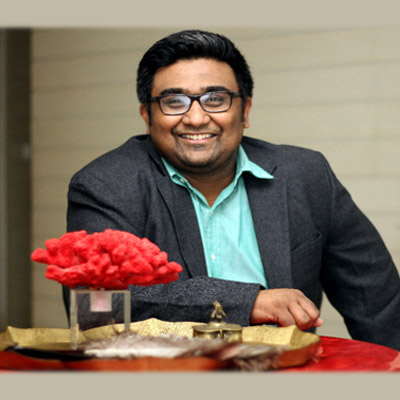
    MUMBAI: The Internet and Mobile Association of India (IAMAI) has named FreeCharge co-founder and CEO Kunal Shah as its new chairman.


    The move was necessitated following Nishant Rao’s move to join Freshdesk as global chief operating officer, from LinkedIn.


    The Association has also named CCAvenue CEO Vishwas Patel as the new treasurer. Saavn Vinodh Bhat co-founder, president & chief strategy officer remains the vice-chairman of the association. 


    Shah co-founded FreeCharge in August 2010 with the aim to build a business that turned recharges into rewarding experiences for its consumers. In April 2015, FreeCharge was acquired by Snapdeal. Post acquisition, FreeCharge continues to be an independent entity under Shah’s leadership.

  • IndiaMart clocks 60% traction on mobile

    IndiaMart clocks 60% traction on mobile

    MUMBAI: Online marketplace IndiaMart has said that 60 per cent of its visitor traffic is coming from its mobile app and mobile website. In line with the company’s mobile first strategy, IndiaMart launched the mobile app in March, 2013 and have registered 25 lakh downloads till date.


    Apart from the top eight cities, IndiaMart’s mobile app has witnessed significant traffic from cities like Jaipur, Lucknow, Chandigarh, Indore and Surat. India is a mobile-first internet country for a large portion of the population. Tier 2 and Tier 3 cities along with other parts of rural India have been witnessing phenomenal growth in smartphone usage, helped in a major part by improvement in internet penetration and affordability.


    IndiaMart director Dinesh Gulati said, “The user base on IndiaMart’s marketplace comprises of over two crore buyers. B2B buying is following the B2C buying trend where mobile is becoming the dominant medium for accessing internet. As per the recent IAMAI report, year on year growth in Mobile Internet users has been 65 per cent in urban areas and 99 per cent in rural areas. Interestingly, now 90 per cent of users who access internet through mobile consider it as the primary device for accessing Internet. While the mobile internet brings a lot of opportunities to the SMB community, we will be present wherever our customers are, both online as well as on the app.”


    The average time spent on the app is measured to be seven – eight minutes per user everyday. Android followed by iOS and Windows have seen maximum number of mobile app usage.