Tag: Hyderabad

  • FabAlley eyes Rs 100 cr in GMV by ’18

    FabAlley eyes Rs 100 cr in GMV by ’18

    MUMBAI: FabAlley has raised Series A round of funding of USD 2 million from India Quotient, angel investors namely, Tushar Singh, Ranjan Sharma, FAO Ventures along with the Indian Angel Network (IAN). This is FabAlley’s second round of funding, having raised their seed round from IAN in late 2013.

    “Indian fashion e-commerce has a lot of curators and aggregators but very few Indian brands. FabAlley is already a leading brand and we believe that with this investment they would be able to scale up rapidly. The founding team has executed with sharp focus on the right metrics and has shown great promise of building a premium online brand for women,” said India Quotient partner Madhukar Sinha.

    On course towards becoming India’s foremost leading fast fashion brand, the company is growing year on year at 100%. This growth trajectory has led FabAlley to a profitable H1 2016-17.

    FabAlley co-founder Shivani Poddar said, “For the coming year, we will focus on an effective execution strategy to expand FabAlley’s geographical footprint and capitalize on the large opportunities in the online space ahead of us. We are on track to hit Rs 100 crore in gross merchandise value (GMV) in 2017-18 and will continue to focus on building a profitable and sustainable business in the long term.”

    In July 2016, FabAlley ventured into the offline segment through a tie-up with Central chain – a multi-brand store operated by the Future Group. Currently, they have outlets in cities like Gurgaon, Noida, Mumbai, Hyderabad, Patna and Ahmedabad to give their customers a touch-and-feel experience through interactive shop-in-shops, displaying FabAlley’s newest and best-selling apparel.

  • FabAlley eyes Rs 100 cr in GMV by ’18

    FabAlley eyes Rs 100 cr in GMV by ’18

    MUMBAI: FabAlley has raised Series A round of funding of USD 2 million from India Quotient, angel investors namely, Tushar Singh, Ranjan Sharma, FAO Ventures along with the Indian Angel Network (IAN). This is FabAlley’s second round of funding, having raised their seed round from IAN in late 2013.

    “Indian fashion e-commerce has a lot of curators and aggregators but very few Indian brands. FabAlley is already a leading brand and we believe that with this investment they would be able to scale up rapidly. The founding team has executed with sharp focus on the right metrics and has shown great promise of building a premium online brand for women,” said India Quotient partner Madhukar Sinha.

    On course towards becoming India’s foremost leading fast fashion brand, the company is growing year on year at 100%. This growth trajectory has led FabAlley to a profitable H1 2016-17.

    FabAlley co-founder Shivani Poddar said, “For the coming year, we will focus on an effective execution strategy to expand FabAlley’s geographical footprint and capitalize on the large opportunities in the online space ahead of us. We are on track to hit Rs 100 crore in gross merchandise value (GMV) in 2017-18 and will continue to focus on building a profitable and sustainable business in the long term.”

    In July 2016, FabAlley ventured into the offline segment through a tie-up with Central chain – a multi-brand store operated by the Future Group. Currently, they have outlets in cities like Gurgaon, Noida, Mumbai, Hyderabad, Patna and Ahmedabad to give their customers a touch-and-feel experience through interactive shop-in-shops, displaying FabAlley’s newest and best-selling apparel.

  • Deloitte: Indian film industry to touch Rs 23,800 crore by 2020

    Deloitte: Indian film industry to touch Rs 23,800 crore by 2020

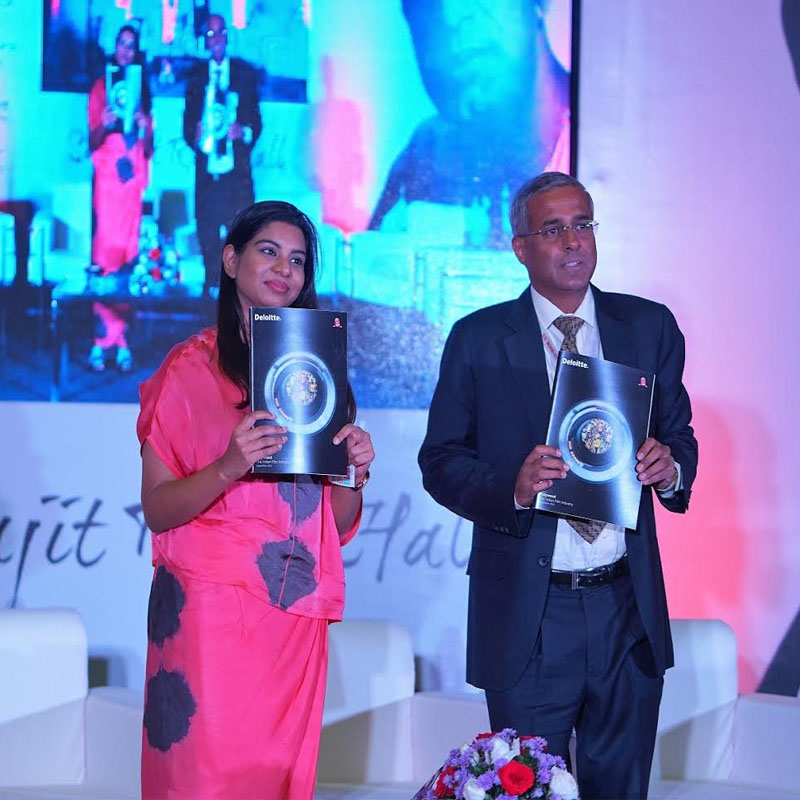
    MUMBAI: Can the Indian film industry come up to scale and rival the US and Canadian box offices? Yes, it can. The potential is huge, says a new report on the Indian cinema industry released by Deloitte Touche Tohmatsu India at the Indywood Film Carnival taking place during 24-27 September in Ramoji Film City, Hyderabad.

    Both, the US and Canada, have a box office of $11 billion annually though they produce less films (700). India, with 1,500 to 2,000 films in more than 20 languages, is the world’s largest film producer and it also has the second highest footfalls at 2.1 billion, just behind China (2.2 billion).

    It is growing at a rapid clip of 10 per cent and its gross realisations are at Rs 13,800 crore ($2.1 billion). “This is mainly due to low ticket realizations and occupancy levels, lack of quality content, and rampant piracy,” says the report titled “IndyWood: The Indian Film Industry.”

    This growth is set to accelerate further to 11.5 per cent CAGR and by 2020 the Indian film industry will gross revenues of Rs 23,800 crore ($3.7 billion). Yes, that’s still not measuring up to the US and Canadian revenues, but given time, the Indian film industry will grow even further.

    Says the Deloitte report: “The key growth drivers are rising income levels and a swelling middle class, expansion of multiplexes in smaller cities, investments by foreign studios in domestic and regional productions, growing popularity of niche movies, and the emergence of digital and ancillary revenue streams.”

    The report points out that “By 2020, the Indian average household income is expected to reach $18,500 from $8,000 currently with a corresponding middle class of over 90 million people. This level of median household income will drive discretionary spending on leisure and entertainment. The proliferation of internet and smart phone usage has opened up a new platform for film distribution and viewing.”

    In all, 43 per cent of revenues for Indian cinema are accounted for by the Hindi film industry with regional and international cinema contributing 50 and seven per cent respectively. Tamil and Telugu movies account for 36 per cent, with other regional languages contributing 14 per cent. The south Indian film industry accounts for Rs 4200 crore, and is growing at 12 per cent CAGR. The Marathi film industry has ballooned to gross revenues of Rs 150 crore and it grew at 40-45 per cent in 2015, even as the Gujarati film business expanded to Rs 55 crore in 2015.

    The report says that “cable and satellite rights and online/ digital aggregation revenues are the fastest growing segments, and are expected to grow at a CAGR of about 15 per cent over the period FY6-FY20, driven by rising demand for movies on TV and increasing smartphone penetration across the country respectively. On the other hand, home videos have been shrinking due to increasing piracy and growing popularity of digital platforms. Home video has lost share to video on demand (VOD) through direct-to-home (DTH) operators and over-the-top (OTT) platforms.”

    What’s helping contribute to the Indian film industry’s revenues is in-cinema advertising which stood at Rs 630 crore in 2015 and is expected to grow 18-20 per cent annually over the next four years. Demand is expected to rise from Tier 2 and Tier 3 cities where retail malls and multiplexes are slated to come up — which obviously will lead to more screens.

    Says the report: “Multiplexes have shown a growth rate of 15 per cent in Indian cities, increasing from 925 in 2009 to 2,100 in 2015. Over 2,000 single screen cinemas have been shut down or converted to multiplexes in the last year mainly due to greater cost of operations (higher entertainment taxes, increase in distributors’ share, and lower ticket prices), non-viability of running on a standalone basis and low occupancy rate. Multiplexes currently account for approximately 26 per cent market share of the screens; however, they contribute more than 40 per cent of box office collections. Wider content and programming flexibility result in higher occupancy and hence profitability of multiplexes. With comparison to growing economies, India has a low penetration of multiplexes with a potential to have almost 7,500-10,000 multiplex screens across the nation.”

    Also, film studios will have to start looking at international markets for revenues. Only 15 per cent of Indian cinema makers revenues comes from outside India, while Hollywood earns two-thirds of its revenues outside the US. The report also states that the producers and distributors should start looking at the potential of merchandising, licensing for mobile and games, delivering movies directly to the consumers via the internet or on their smart phones.

    Piracy if controlled could also help the Indian film industry which loses nearly Rs 19,000 crore annually to pirate sites. “Over 150 sites thrive on piracy where content is stolen from Indian movies, quick copies are made and distributed globally. Nearly half of the 150 are from the US, followed by 11 from Canada, nine from Panama and six from Pakistan. The top 100 sites make Rs 35 billion ($510 million) highlighting the extent of the issue,” the report highlights.

  • Deloitte: Indian film industry to touch Rs 23,800 crore by 2020

    Deloitte: Indian film industry to touch Rs 23,800 crore by 2020

    MUMBAI: Can the Indian film industry come up to scale and rival the US and Canadian box offices? Yes, it can. The potential is huge, says a new report on the Indian cinema industry released by Deloitte Touche Tohmatsu India at the Indywood Film Carnival taking place during 24-27 September in Ramoji Film City, Hyderabad.

    Both, the US and Canada, have a box office of $11 billion annually though they produce less films (700). India, with 1,500 to 2,000 films in more than 20 languages, is the world’s largest film producer and it also has the second highest footfalls at 2.1 billion, just behind China (2.2 billion).

    It is growing at a rapid clip of 10 per cent and its gross realisations are at Rs 13,800 crore ($2.1 billion). “This is mainly due to low ticket realizations and occupancy levels, lack of quality content, and rampant piracy,” says the report titled “IndyWood: The Indian Film Industry.”

    This growth is set to accelerate further to 11.5 per cent CAGR and by 2020 the Indian film industry will gross revenues of Rs 23,800 crore ($3.7 billion). Yes, that’s still not measuring up to the US and Canadian revenues, but given time, the Indian film industry will grow even further.

    Says the Deloitte report: “The key growth drivers are rising income levels and a swelling middle class, expansion of multiplexes in smaller cities, investments by foreign studios in domestic and regional productions, growing popularity of niche movies, and the emergence of digital and ancillary revenue streams.”

    The report points out that “By 2020, the Indian average household income is expected to reach $18,500 from $8,000 currently with a corresponding middle class of over 90 million people. This level of median household income will drive discretionary spending on leisure and entertainment. The proliferation of internet and smart phone usage has opened up a new platform for film distribution and viewing.”

    In all, 43 per cent of revenues for Indian cinema are accounted for by the Hindi film industry with regional and international cinema contributing 50 and seven per cent respectively. Tamil and Telugu movies account for 36 per cent, with other regional languages contributing 14 per cent. The south Indian film industry accounts for Rs 4200 crore, and is growing at 12 per cent CAGR. The Marathi film industry has ballooned to gross revenues of Rs 150 crore and it grew at 40-45 per cent in 2015, even as the Gujarati film business expanded to Rs 55 crore in 2015.

    The report says that “cable and satellite rights and online/ digital aggregation revenues are the fastest growing segments, and are expected to grow at a CAGR of about 15 per cent over the period FY6-FY20, driven by rising demand for movies on TV and increasing smartphone penetration across the country respectively. On the other hand, home videos have been shrinking due to increasing piracy and growing popularity of digital platforms. Home video has lost share to video on demand (VOD) through direct-to-home (DTH) operators and over-the-top (OTT) platforms.”

    What’s helping contribute to the Indian film industry’s revenues is in-cinema advertising which stood at Rs 630 crore in 2015 and is expected to grow 18-20 per cent annually over the next four years. Demand is expected to rise from Tier 2 and Tier 3 cities where retail malls and multiplexes are slated to come up — which obviously will lead to more screens.

    Says the report: “Multiplexes have shown a growth rate of 15 per cent in Indian cities, increasing from 925 in 2009 to 2,100 in 2015. Over 2,000 single screen cinemas have been shut down or converted to multiplexes in the last year mainly due to greater cost of operations (higher entertainment taxes, increase in distributors’ share, and lower ticket prices), non-viability of running on a standalone basis and low occupancy rate. Multiplexes currently account for approximately 26 per cent market share of the screens; however, they contribute more than 40 per cent of box office collections. Wider content and programming flexibility result in higher occupancy and hence profitability of multiplexes. With comparison to growing economies, India has a low penetration of multiplexes with a potential to have almost 7,500-10,000 multiplex screens across the nation.”

    Also, film studios will have to start looking at international markets for revenues. Only 15 per cent of Indian cinema makers revenues comes from outside India, while Hollywood earns two-thirds of its revenues outside the US. The report also states that the producers and distributors should start looking at the potential of merchandising, licensing for mobile and games, delivering movies directly to the consumers via the internet or on their smart phones.

    Piracy if controlled could also help the Indian film industry which loses nearly Rs 19,000 crore annually to pirate sites. “Over 150 sites thrive on piracy where content is stolen from Indian movies, quick copies are made and distributed globally. Nearly half of the 150 are from the US, followed by 11 from Canada, nine from Panama and six from Pakistan. The top 100 sites make Rs 35 billion ($510 million) highlighting the extent of the issue,” the report highlights.
  • Agriculture news on private TV channels recommended

    Agriculture news on private TV channels recommended

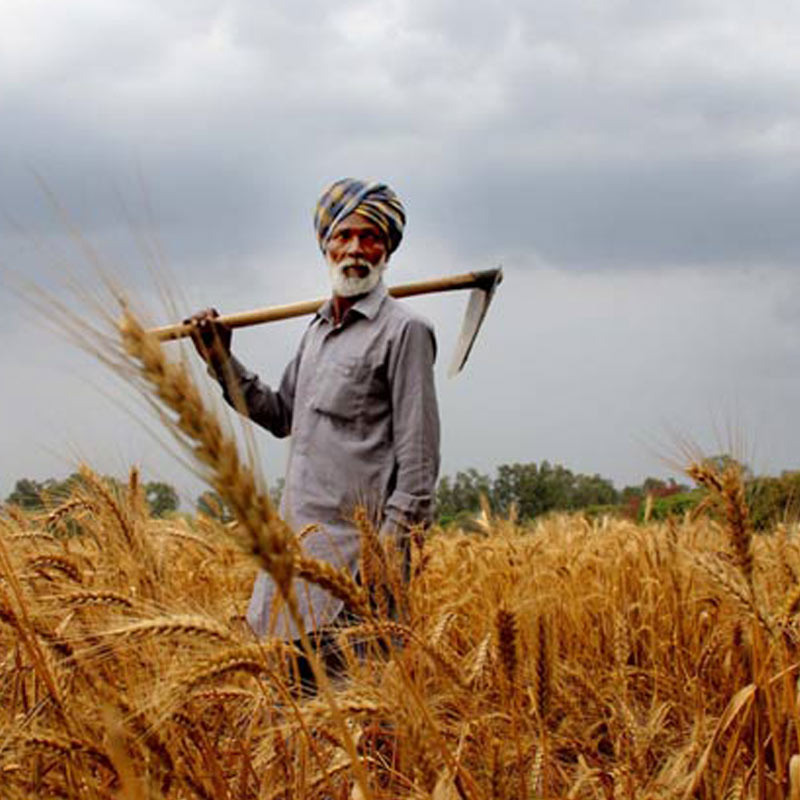
    NEW DELHI: Private television channels should devote some of their time for news on development of agriculture and farmers, Information and Broadcasting Minister M Venkaiah Naidu has said.

    He pointed out that Doordarshan’s Kisan channel was providing credible information to farmers and updating their knowledge about agriculture. He said that it would be useful if private TV channels reduced some of their time from news to focus on agriculture.

    Naidu was in Hyderabad over the weekend to give away anniversary awards of Rytu Nestam journal for progressive farmers.

    Local journalists who had contributed to development of agriculture were also honoured for their contribution.

  • Agriculture news on private TV channels recommended

    Agriculture news on private TV channels recommended

    NEW DELHI: Private television channels should devote some of their time for news on development of agriculture and farmers, Information and Broadcasting Minister M Venkaiah Naidu has said.

    He pointed out that Doordarshan’s Kisan channel was providing credible information to farmers and updating their knowledge about agriculture. He said that it would be useful if private TV channels reduced some of their time from news to focus on agriculture.

    Naidu was in Hyderabad over the weekend to give away anniversary awards of Rytu Nestam journal for progressive farmers.

    Local journalists who had contributed to development of agriculture were also honoured for their contribution.

  • Do not mix news with views and avoid speculation: Naidu

    Do not mix news with views and avoid speculation: Naidu

    NEW DELHI: Information & Broadcasting Minister M Venkaiah Naidu today handed out some sanskari (rooted in culture) advise to officials of All India Radio and Doordarshan while reminding them of a pubcaster’s responsibilities in dishing out information devoid of sensationalism.

    Stressing on the need for upholding credibility in dissemination of information by public broadcasters, the Minister said, “Public service broadcasters have a great responsibility on their shoulders to ensure credibility in the era of competition.”

    Naidu was speaking at a review meeting during a visit to the All India Radio (AIR) and Doordarshan (DD) centres in Hyderabad on Monday.
    Naidu infused confidence in the officials of different media units of Ministry of Information and Broadcasting (MIB) while interacting with them to understand their problems.

    He said the information empowerment of the people is quintessential in the age of information revolution, and information is “great ammunition in the hands of the people in fighting corruption, poverty and inequalities from the society for the overall development of India”.

    The Minister added that the public discourse should be guided by development rather than disruptive tactics and politics.
    Public broadcasters must excel in factual information while communicating to the mass audience. He advised those in the public broadcaster Prasar Bharati, parent of DD and AIR, not to jump to conclusions but confirm the news before putting it on air.

    “A public broadcaster, while disseminating information must abstain from obscenity, vulgarity and violence”, he said, adding that people in the media while producing programmes, plays, cultural programmes, must keep in mind India’s great heritage, culture, traditions and customs in mind.

    He advised people in media to maintain high standards in informing the masses, keeping in mind the philosophy and guidelines established by the founding fathers in various spheres of public life. “Let us not mix news with views and create a bad practice,” Naidu exhorted Prasar Bharati officials.

    He advocated that media should work together in bringing social harmony and discourage politicisation of social issues and not play into the hands of terrorists and to avoid in “turning them into heroes”.
    He wanted the media to be biased towards rural people, agriculturists, down trodden sections, women and disabled people in giving more coverage to highlight their grievances.

  • Do not mix news with views and avoid speculation: Naidu

    Do not mix news with views and avoid speculation: Naidu

    NEW DELHI: Information & Broadcasting Minister M Venkaiah Naidu today handed out some sanskari (rooted in culture) advise to officials of All India Radio and Doordarshan while reminding them of a pubcaster’s responsibilities in dishing out information devoid of sensationalism.

    Stressing on the need for upholding credibility in dissemination of information by public broadcasters, the Minister said, “Public service broadcasters have a great responsibility on their shoulders to ensure credibility in the era of competition.”

    Naidu was speaking at a review meeting during a visit to the All India Radio (AIR) and Doordarshan (DD) centres in Hyderabad on Monday.
    Naidu infused confidence in the officials of different media units of Ministry of Information and Broadcasting (MIB) while interacting with them to understand their problems.

    He said the information empowerment of the people is quintessential in the age of information revolution, and information is “great ammunition in the hands of the people in fighting corruption, poverty and inequalities from the society for the overall development of India”.

    The Minister added that the public discourse should be guided by development rather than disruptive tactics and politics.
    Public broadcasters must excel in factual information while communicating to the mass audience. He advised those in the public broadcaster Prasar Bharati, parent of DD and AIR, not to jump to conclusions but confirm the news before putting it on air.

    “A public broadcaster, while disseminating information must abstain from obscenity, vulgarity and violence”, he said, adding that people in the media while producing programmes, plays, cultural programmes, must keep in mind India’s great heritage, culture, traditions and customs in mind.

    He advised people in media to maintain high standards in informing the masses, keeping in mind the philosophy and guidelines established by the founding fathers in various spheres of public life. “Let us not mix news with views and create a bad practice,” Naidu exhorted Prasar Bharati officials.

    He advocated that media should work together in bringing social harmony and discourage politicisation of social issues and not play into the hands of terrorists and to avoid in “turning them into heroes”.
    He wanted the media to be biased towards rural people, agriculturists, down trodden sections, women and disabled people in giving more coverage to highlight their grievances.

  • Timesaverz introduces experience cards

    Timesaverz introduces experience cards

    MUMBAI: Timesaverz, India’s first tech enabled services platform that takes care of everything from cleaning tasks to handymen jobs, laundry maintenance to at-home beauty services and appliances repairs to pest control has announced the launch of experience cards that signals the beginning of it selling services as a product.

    Timesaverz that works on both web and mobile interface, has been witnessing a 10X growth YoY operating across key metros – Mumbai, Navi Mumabi, Thane, Delhi, Gurgaon, Noida, Pune, Hyderabad and Bangalore. Now the customers will be able to purchase experience cards pre-loaded with a specific service or a certain amount of their choice. These experience cards will be valid for a period of three months from the date of purchase.

    Timesaverz is the first company in the on-demand services space that has made its foray into experience cards akin to gift cards that product oriented companies have. Speaking about the launch, this is what Debadutta Upadhyaya, Co-founder and CEO says,“As a company, most of our category and product launches have been driven by customer feedback and one of the things that emerged during these interactions was that people are increasingly becoming open to the idea of experiencing services to their friends and family, especially young men and women experiencing services to their old parents around festive time and special occasions like Diwali, Mother’s Day, shifting homes etc., to ease their life.”

    The experience cards are highly customizable with various templates and a space for adding a personalized message. The customer will be able to purchase these via the Timesaverz website and can pay for the same online through credit/debit cards or wallets.

    Timesaverz sees a great potential in adoption of these cards across both B2C and B2B clientele segment.

    Click on the below link to register now.

    Link – https://www.timesaverz.com/experience-cards

  • Timesaverz introduces experience cards

    Timesaverz introduces experience cards

    MUMBAI: Timesaverz, India’s first tech enabled services platform that takes care of everything from cleaning tasks to handymen jobs, laundry maintenance to at-home beauty services and appliances repairs to pest control has announced the launch of experience cards that signals the beginning of it selling services as a product.

    Timesaverz that works on both web and mobile interface, has been witnessing a 10X growth YoY operating across key metros – Mumbai, Navi Mumabi, Thane, Delhi, Gurgaon, Noida, Pune, Hyderabad and Bangalore. Now the customers will be able to purchase experience cards pre-loaded with a specific service or a certain amount of their choice. These experience cards will be valid for a period of three months from the date of purchase.

    Timesaverz is the first company in the on-demand services space that has made its foray into experience cards akin to gift cards that product oriented companies have. Speaking about the launch, this is what Debadutta Upadhyaya, Co-founder and CEO says,“As a company, most of our category and product launches have been driven by customer feedback and one of the things that emerged during these interactions was that people are increasingly becoming open to the idea of experiencing services to their friends and family, especially young men and women experiencing services to their old parents around festive time and special occasions like Diwali, Mother’s Day, shifting homes etc., to ease their life.”

    The experience cards are highly customizable with various templates and a space for adding a personalized message. The customer will be able to purchase these via the Timesaverz website and can pay for the same online through credit/debit cards or wallets.

    Timesaverz sees a great potential in adoption of these cards across both B2C and B2B clientele segment.

    Click on the below link to register now.

    Link – https://www.timesaverz.com/experience-cards