Tag: HUL

  • BARC week 36: Patanjali tops individually, HUL brands top in overall in ad insertions

    BARC week 36: Patanjali tops individually, HUL brands top in overall in ad insertions

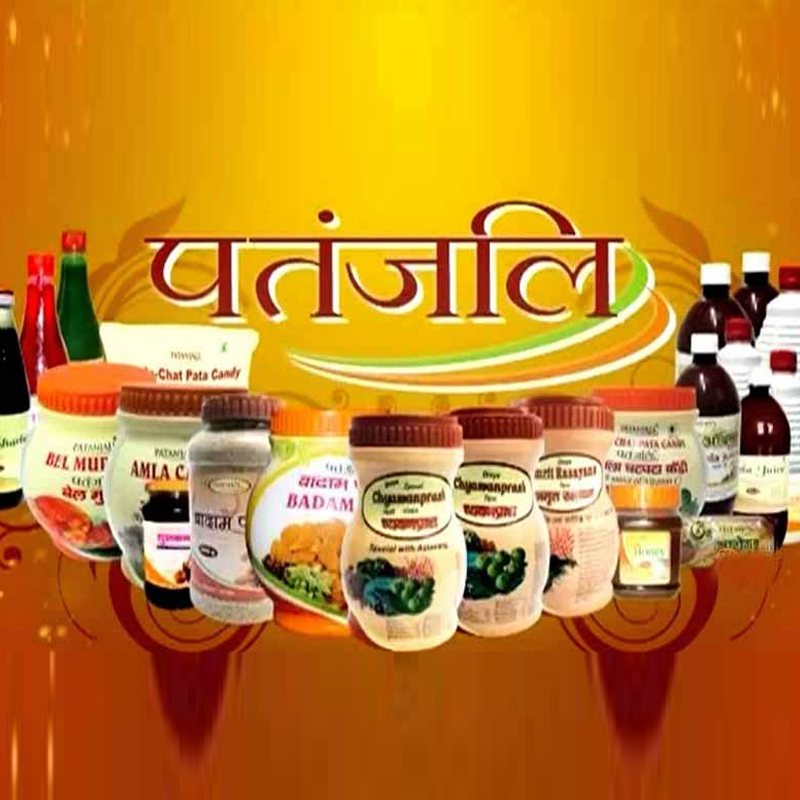
    BENGALURU: Personal care, confectionary, food and beverage, oral-care, automobile brands were among the top ten advertisers during BARC week 36 in terms of ad insertions. Though Patanjali Ayurved Limited brand Patanjali led in terms of the maximum number of ad insertions, six of Hindustan Unilever Limited (HUL) brands were also a part of the top ten brands list – and the combined ad insertions of 79,767 by the six HUL brands was a little more than triple of Patanjali’s insertions

    Patanjali led the top ten brands across genres all India (U+R): 4+ individuals in terms of ad insertions with 26,579 insertions in BARC week 36. Far behind at second place was HUL’s Fair & Lovely (personal care) brand with 15,640 insertions, followed by another HUL brand Lakme (personal care) at number three with 14,765 insertions.

    Mondelez International’s confectionary brand Cadbury was at fourth place with 13,532 insertions, while Colgate-Palmolive Company oral care brand Colgate was at fifth with 13,189 insertions. Three of HUL’s brands – Surf (home care), Dove (personal care) and Pond’s (personal care) were at sixth, seventh and eighth places with 12,982, 12,711 and 12,479 insertions each respectively. Automobile brand Honda followed at ninth place with 11,199 closely followed at tenth place by HUL’s beverage or food and drink brand Brooke Bond with 11,190 ad insertions.

  • BARC week 36: Patanjali tops individually, HUL brands top in overall in ad insertions

    BARC week 36: Patanjali tops individually, HUL brands top in overall in ad insertions

    BENGALURU: Personal care, confectionary, food and beverage, oral-care, automobile brands were among the top ten advertisers during BARC week 36 in terms of ad insertions. Though Patanjali Ayurved Limited brand Patanjali led in terms of the maximum number of ad insertions, six of Hindustan Unilever Limited (HUL) brands were also a part of the top ten brands list – and the combined ad insertions of 79,767 by the six HUL brands was a little more than triple of Patanjali’s insertions

    Patanjali led the top ten brands across genres all India (U+R): 4+ individuals in terms of ad insertions with 26,579 insertions in BARC week 36. Far behind at second place was HUL’s Fair & Lovely (personal care) brand with 15,640 insertions, followed by another HUL brand Lakme (personal care) at number three with 14,765 insertions.

    Mondelez International’s confectionary brand Cadbury was at fourth place with 13,532 insertions, while Colgate-Palmolive Company oral care brand Colgate was at fifth with 13,189 insertions. Three of HUL’s brands – Surf (home care), Dove (personal care) and Pond’s (personal care) were at sixth, seventh and eighth places with 12,982, 12,711 and 12,479 insertions each respectively. Automobile brand Honda followed at ninth place with 11,199 closely followed at tenth place by HUL’s beverage or food and drink brand Brooke Bond with 11,190 ad insertions.

  • “Story telling and production quality are going to drive the Kannada TV market”- Ashok Namboodiri

    “Story telling and production quality are going to drive the Kannada TV market”- Ashok Namboodiri

    Three months back Ashok Namboodiri replaced Star India’s Kannada entertainment channel Suvarna’s business head Anup Chandrasekharan.

    Namboodiri hails from a very strong FMCG background with more than 20 years experience with heavyweight MNCs like HUL, Coca Cola, Tata Tea, and Britannia. Prior to joining the channel, Namboodiri was the business head of J K Helene Curtis where he was responsible for building the FMCG portfolio of brands like Park Avenue and Raymond.

    In a very short span, under his guidance, Star India revamped its nine-year old brand Suvarna as Star Suvarna and its movie channel Suvarna Plus as Star Suvarna Plus. This was a part of an initiative to lift the channel’s position to numero uno in the Kannada market.  

    Indiantelevision.com’s Sonam Saini had a tete a tete with Namboodiri who spoke about his journey in the media & entertainment space, challenges and his plans for Star Suvarna. Excerpts from the conversation:

    How different is the media and entertainment space as compared to the other industry categories you have worked in before? Where do you draw your motivation from?

    I think it’s a very exciting space. The ability to understand the style of the consumer and then to address that with stories which can have an impact which goes beyond entertainment but that impacts life itself in some way.. And I particularly think this aspect of the story is very important. Compared to what I was doing earlier then this is a very fascinating and exciting space to be in.

    Motivation comes from people interaction. In some form and manner your ability to reach out to people, get insights, keeping your eyes and ears to story ideas that can come from anywhere that  makes for a very enriching experience.

    What is it like to be the business head of the channel? If you were to describe three biggest challenges what would they be?

    When it comes to running a business, the principle remains the same. You need to establish the systems and processes, put down your metrics to review periodically and also you need people to rally around a larger vision that you set for the business.

    Where I am finding this extremely challenging and exciting is in the area where I have to really convert ideas to stories that attract and engages consumer eyeballs. Here the product is something that is intangible, yet touches so deeply at the same time.

    Picking up the right story is the challenge, with the evolution of technologies, consumers are so well connected to  global trends that keeping pace and raising the bar is very important. Also, making sure in execution,  quality is not sacrificed.

    How is regional broadcasting in India different now from say what it was three years back?

    From the standpoint  of the kind of stories that need to be told, the regional market is becoming extremely competitive than what it was three years back.

    It opens the environment and gives the viewer a much more enriching experience as you have new shows, stories, characters, new technology that has come in due to the increased competitive intensity.

    Each market is different and has a different style of telling stories. In Star Suvarna we have launched Har Har Mahadev on a much higher scale when it comes to production and quality, which has completely changed the standard. That is the other thing where regional television is actually going through a change.

    How has the profile of a regional channel viewer changed say in the past three years?

    There are two things, one is the matter of trends – globalization, access to what is happening around the world, and the fact that the world is becoming younger..these trends are applicable to all including regional viewers. Secondly, the social and cultural trends are changing.

    If you were to pitch a brand to come and associate with Suvarna what would your differentiator be that your competition cannot offer?

    Star Suvarna has been here for nine years in the business and whatever research we have done one thing is evident that Star Suvarna enjoys a very unique place in the life of the Kannada consumer. Our DNA is about exclusive content and being the exclusive in content attracts potential advertisers as well.

    HD in regional channels has been the talking point over the past few months. Do you think having an HD offering in the regional market is a profitable proposition?

    With the evolution of technology, consumers are accessing content through various formats and as well as through channels in the form of HD and SD. That really doesn’t matter, at the end of day, the thing that will drive the  future is better stories and those which are executed in a superior manner. The quality will become very crucial going forward.  

    Do you think there is enough marketing of content in the region you operate? What would  Suvarna’s marketing spend per year be  and what is the media mix in terms of TV, Print, Outdoor and Digital?

    Yes, we have rolled out a 360 degree marketing campaign for our launch along with Har Har Mahadev. We are doing unique things like running a campaign reaching out the people of Karnataka. We are covering all the media channels through this campaign. We don’t comment on particular numbers. We aim to be very competitive and establishing properties that drive the marketing spends. We go for everything basically the home channel is the big one. We pick and choose the media depending on what is the objective.  

    You have just revamped the nine year old brand Suvarna and Suvarna Plus. What is the idea behind it? What new will we see in the channel?

    When we did our research and we found out that we have the capability to raise the bars altogether to a new level. We have done a lot of work on the show Har Har Mahadev – visual effects, production quality that we have has never been seen in any other show in the Kannada market. Using this as the disruption in the market, we thought it’s the right time to relaunch the channel.  We all are excited about the new line up which is there in the pipeline and of course we will leverage the Star network for technological upgradation and the entire expertise that is there to leverage from the ecosystem.  

    How has the satellite acquisition rights space for Kannada films been? Has there been a rise in acquisition price? What kind of competition is there?

    I won’t be able to comment on the price but films are an integral part of the programming line up of any GEC channel so we are also looking at the same.

    What are the programming innovations that a regional movie channel can undertake?

    Innovations can be done in two ways, one in the execution and other in the way of storytelling and content.

    What do you think will be the key driver of growth in Kannada regional market?

    Execution is the big one, talent, getting the right kind of expertise, infrastructures and digitization are going to be the key drivers. The Kannada consumer is as demanding as any other consumer, therefore fulfilling their desires will also be the important driver of growth in Kannada market. 
  • “Story telling and production quality are going to drive the Kannada TV market”- Ashok Namboodiri

    “Story telling and production quality are going to drive the Kannada TV market”- Ashok Namboodiri

    Three months back Ashok Namboodiri replaced Star India’s Kannada entertainment channel Suvarna’s business head Anup Chandrasekharan.

    Namboodiri hails from a very strong FMCG background with more than 20 years experience with heavyweight MNCs like HUL, Coca Cola, Tata Tea, and Britannia. Prior to joining the channel, Namboodiri was the business head of J K Helene Curtis where he was responsible for building the FMCG portfolio of brands like Park Avenue and Raymond.

    In a very short span, under his guidance, Star India revamped its nine-year old brand Suvarna as Star Suvarna and its movie channel Suvarna Plus as Star Suvarna Plus. This was a part of an initiative to lift the channel’s position to numero uno in the Kannada market.  

    Indiantelevision.com’s Sonam Saini had a tete a tete with Namboodiri who spoke about his journey in the media & entertainment space, challenges and his plans for Star Suvarna. Excerpts from the conversation:

    How different is the media and entertainment space as compared to the other industry categories you have worked in before? Where do you draw your motivation from?

    I think it’s a very exciting space. The ability to understand the style of the consumer and then to address that with stories which can have an impact which goes beyond entertainment but that impacts life itself in some way.. And I particularly think this aspect of the story is very important. Compared to what I was doing earlier then this is a very fascinating and exciting space to be in.

    Motivation comes from people interaction. In some form and manner your ability to reach out to people, get insights, keeping your eyes and ears to story ideas that can come from anywhere that  makes for a very enriching experience.

    What is it like to be the business head of the channel? If you were to describe three biggest challenges what would they be?

    When it comes to running a business, the principle remains the same. You need to establish the systems and processes, put down your metrics to review periodically and also you need people to rally around a larger vision that you set for the business.

    Where I am finding this extremely challenging and exciting is in the area where I have to really convert ideas to stories that attract and engages consumer eyeballs. Here the product is something that is intangible, yet touches so deeply at the same time.

    Picking up the right story is the challenge, with the evolution of technologies, consumers are so well connected to  global trends that keeping pace and raising the bar is very important. Also, making sure in execution,  quality is not sacrificed.

    How is regional broadcasting in India different now from say what it was three years back?

    From the standpoint  of the kind of stories that need to be told, the regional market is becoming extremely competitive than what it was three years back.

    It opens the environment and gives the viewer a much more enriching experience as you have new shows, stories, characters, new technology that has come in due to the increased competitive intensity.

    Each market is different and has a different style of telling stories. In Star Suvarna we have launched Har Har Mahadev on a much higher scale when it comes to production and quality, which has completely changed the standard. That is the other thing where regional television is actually going through a change.

    How has the profile of a regional channel viewer changed say in the past three years?

    There are two things, one is the matter of trends – globalization, access to what is happening around the world, and the fact that the world is becoming younger..these trends are applicable to all including regional viewers. Secondly, the social and cultural trends are changing.

    If you were to pitch a brand to come and associate with Suvarna what would your differentiator be that your competition cannot offer?

    Star Suvarna has been here for nine years in the business and whatever research we have done one thing is evident that Star Suvarna enjoys a very unique place in the life of the Kannada consumer. Our DNA is about exclusive content and being the exclusive in content attracts potential advertisers as well.

    HD in regional channels has been the talking point over the past few months. Do you think having an HD offering in the regional market is a profitable proposition?

    With the evolution of technology, consumers are accessing content through various formats and as well as through channels in the form of HD and SD. That really doesn’t matter, at the end of day, the thing that will drive the  future is better stories and those which are executed in a superior manner. The quality will become very crucial going forward.  

    Do you think there is enough marketing of content in the region you operate? What would  Suvarna’s marketing spend per year be  and what is the media mix in terms of TV, Print, Outdoor and Digital?

    Yes, we have rolled out a 360 degree marketing campaign for our launch along with Har Har Mahadev. We are doing unique things like running a campaign reaching out the people of Karnataka. We are covering all the media channels through this campaign. We don’t comment on particular numbers. We aim to be very competitive and establishing properties that drive the marketing spends. We go for everything basically the home channel is the big one. We pick and choose the media depending on what is the objective.  

    You have just revamped the nine year old brand Suvarna and Suvarna Plus. What is the idea behind it? What new will we see in the channel?

    When we did our research and we found out that we have the capability to raise the bars altogether to a new level. We have done a lot of work on the show Har Har Mahadev – visual effects, production quality that we have has never been seen in any other show in the Kannada market. Using this as the disruption in the market, we thought it’s the right time to relaunch the channel.  We all are excited about the new line up which is there in the pipeline and of course we will leverage the Star network for technological upgradation and the entire expertise that is there to leverage from the ecosystem.  

    How has the satellite acquisition rights space for Kannada films been? Has there been a rise in acquisition price? What kind of competition is there?

    I won’t be able to comment on the price but films are an integral part of the programming line up of any GEC channel so we are also looking at the same.

    What are the programming innovations that a regional movie channel can undertake?

    Innovations can be done in two ways, one in the execution and other in the way of storytelling and content.

    What do you think will be the key driver of growth in Kannada regional market?

    Execution is the big one, talent, getting the right kind of expertise, infrastructures and digitization are going to be the key drivers. The Kannada consumer is as demanding as any other consumer, therefore fulfilling their desires will also be the important driver of growth in Kannada market. 

  • Ad spends at Hindustan Unilever shrink marginally in Q1-2017

    Ad spends at Hindustan Unilever shrink marginally in Q1-2017

    MUMBAI: Hindustan Unilver Ltd (HUL) shaved off Rs 13-odd crore in advertising spends in Q1-2017.

    According to its latest quarter (30 June 2016) financials reported yesterday, the FMCG megacorp spent Rs 879.73 crore on advertising and promotions (A&P) as compared to Rs 892.73 crore in the previous year’s corresponding period. At this level, A&P is at 11 per cent of sales and is down 60 basis points, says the company.

    Since April 2016, the company has reorganized its businesses under four main categories: home care, personal care, foods, and refreshments with a residual segment called “others” and has even reconstituted its management committee based on this structure.

    It has also started reporting its results in compliance with the Ind AS (Indian accounting system) since Q1-2017.

    HUL reported revenues of Rs 7987.4 crore as against Rs 7712.74 crore in Q1-2016. Chairman Harish Manwani said that the market conditions were challenging with growth slowing down in both volume and value terms. HUL, however, tracked ahead of the market with an improvement in its margins, he said. Both in value and volume terms, the company grew four per cent, even as operating margin swelled by 70 basis points. Operating profit in Q1-2017 stood at Rs 1542.60 crore (Q1-2016 Rs 1437.08 crore) while net profit was at Rs 1,173.90 crore in Q1-2017 (Rs 1069.17 crore in Q1-2016).

    HUL’s re-categorisation of its product portfolio means that:

    Home care includes: fabric wash, household care, water (Surf Excel, Rin, Active Wheel, SunLight, Comfort, Vim Domex, Cif and Unilever Pure).

    Personal Care includes personal wash, skin care, hair care, oral care, deodrants, cosmetics (Lux, Dove, Pears, Rexona, Hamam, Lifebuoy, Fair & Lovely, Pond’s, Vaseline, Lakme, St Ives, Clinic Plus, Sunsilk, Tresemme, Indulekha, Closeup, Pepsodent, Ayush and Axe).

    Refreshment includes: Tea, Coffee, ice-creams and frozen desserts (Taj Mahal, Red Label, 3 Roses, Taaza, Lipton, Bru, Kwality Walls, Magnum).

    Foods includes ketchups, jams soups and instant noodles (Kissan, Knorr, Annapurna.)

    The standout during the quarter was the home care segment, which saw sales expanding by seven per cent. It was followed by refreshment which grew by five per cent, food by four per cent and finally personal care which expanded by two per cent.

    The home care segment, according to the company, is witnessing growth in the fabric wash category primarily from the premium products with Surf doing well, even as the Unilever Pure water devices are reporting traction in off take.

    The refreshment segment reported a healthy growth in green and natural teas, even as ice cream and frozen desserts grew robustly in Q1-2017.

    In the foods segment, Kissan Ketchups expanded healthily, even as Knorr soups and noodles reported robust growth, says the company.

    The personal care segment witnessed a shrinkage in the personal wash category even as the skin care category grew with BB and CC creams doing well in the premium range.

    The company also completed its acquisition of Indulekha – including the trademarks Indulekha and Vayodha – from Mosons group on 7 April 2016. The acquisition is costing HUL Rs 330 crore plus a deferred consideration of 10 per cent of domestic sales from the brands, payable annually, over five years.

    HUL also said that it is going ahead with its intention to divest from any business which is not part of its core activities. This means it is offloading its 50 per cent equity stake in its 21 year old joint venture in Kimberly-Clarke Lever Private Ltd (KCCL) to its joint venture partner Kimberly-Clarke. The company produces and markets baby & child care and feminine care products under the brand Huggies and Kotex.

    Manwani, in the Q1-2017 investor report, expressed concern on recent volume trends, saying that market growth is likely to continue to remain muted but he was optimistic about the medium term impact of the monsoon and seventh commission payout. “Even though input costs could rise, the company will continue to focus on volume driven growth with an improvement in margins,” he said.

    Observers, however, opine that HUL, along with other FMCG MNCs, is under attack from a host of new home grown nimbler and hungry-for-growth competitors such as Patanjali Ayurveda. How it tackles their onslaught in the coming year will impact its performance.

  • Ad spends at Hindustan Unilever shrink marginally in Q1-2017

    Ad spends at Hindustan Unilever shrink marginally in Q1-2017

    MUMBAI: Hindustan Unilver Ltd (HUL) shaved off Rs 13-odd crore in advertising spends in Q1-2017.

    According to its latest quarter (30 June 2016) financials reported yesterday, the FMCG megacorp spent Rs 879.73 crore on advertising and promotions (A&P) as compared to Rs 892.73 crore in the previous year’s corresponding period. At this level, A&P is at 11 per cent of sales and is down 60 basis points, says the company.

    Since April 2016, the company has reorganized its businesses under four main categories: home care, personal care, foods, and refreshments with a residual segment called “others” and has even reconstituted its management committee based on this structure.

    It has also started reporting its results in compliance with the Ind AS (Indian accounting system) since Q1-2017.

    HUL reported revenues of Rs 7987.4 crore as against Rs 7712.74 crore in Q1-2016. Chairman Harish Manwani said that the market conditions were challenging with growth slowing down in both volume and value terms. HUL, however, tracked ahead of the market with an improvement in its margins, he said. Both in value and volume terms, the company grew four per cent, even as operating margin swelled by 70 basis points. Operating profit in Q1-2017 stood at Rs 1542.60 crore (Q1-2016 Rs 1437.08 crore) while net profit was at Rs 1,173.90 crore in Q1-2017 (Rs 1069.17 crore in Q1-2016).

    HUL’s re-categorisation of its product portfolio means that:

    Home care includes: fabric wash, household care, water (Surf Excel, Rin, Active Wheel, SunLight, Comfort, Vim Domex, Cif and Unilever Pure).

    Personal Care includes personal wash, skin care, hair care, oral care, deodrants, cosmetics (Lux, Dove, Pears, Rexona, Hamam, Lifebuoy, Fair & Lovely, Pond’s, Vaseline, Lakme, St Ives, Clinic Plus, Sunsilk, Tresemme, Indulekha, Closeup, Pepsodent, Ayush and Axe).

    Refreshment includes: Tea, Coffee, ice-creams and frozen desserts (Taj Mahal, Red Label, 3 Roses, Taaza, Lipton, Bru, Kwality Walls, Magnum).

    Foods includes ketchups, jams soups and instant noodles (Kissan, Knorr, Annapurna.)

    The standout during the quarter was the home care segment, which saw sales expanding by seven per cent. It was followed by refreshment which grew by five per cent, food by four per cent and finally personal care which expanded by two per cent.

    The home care segment, according to the company, is witnessing growth in the fabric wash category primarily from the premium products with Surf doing well, even as the Unilever Pure water devices are reporting traction in off take.

    The refreshment segment reported a healthy growth in green and natural teas, even as ice cream and frozen desserts grew robustly in Q1-2017.

    In the foods segment, Kissan Ketchups expanded healthily, even as Knorr soups and noodles reported robust growth, says the company.

    The personal care segment witnessed a shrinkage in the personal wash category even as the skin care category grew with BB and CC creams doing well in the premium range.

    The company also completed its acquisition of Indulekha – including the trademarks Indulekha and Vayodha – from Mosons group on 7 April 2016. The acquisition is costing HUL Rs 330 crore plus a deferred consideration of 10 per cent of domestic sales from the brands, payable annually, over five years.

    HUL also said that it is going ahead with its intention to divest from any business which is not part of its core activities. This means it is offloading its 50 per cent equity stake in its 21 year old joint venture in Kimberly-Clarke Lever Private Ltd (KCCL) to its joint venture partner Kimberly-Clarke. The company produces and markets baby & child care and feminine care products under the brand Huggies and Kotex.

    Manwani, in the Q1-2017 investor report, expressed concern on recent volume trends, saying that market growth is likely to continue to remain muted but he was optimistic about the medium term impact of the monsoon and seventh commission payout. “Even though input costs could rise, the company will continue to focus on volume driven growth with an improvement in margins,” he said.

    Observers, however, opine that HUL, along with other FMCG MNCs, is under attack from a host of new home grown nimbler and hungry-for-growth competitors such as Patanjali Ayurveda. How it tackles their onslaught in the coming year will impact its performance.

  • Viacom18 promotes Soumen Ray as CFO; appoints Narayan Rajan as chief of staff

    Viacom18 promotes Soumen Ray as CFO; appoints Narayan Rajan as chief of staff

    MUMBAI: Viacom18 has appointed Narayan Ranjan to a new and strategic role of Viacom 18 chief of staff. In his new role, Narayan Ranjan would be responsible for mergers & acquisition, internal audit, internal control as well as the admin function while continuing work on improving group level governance.

    Viacom18 has also promoted Soumen Ray as the Chief Financial Officer of the company. Soumen joined as the Deputy CFO at Viacom18 in 2013 and has played a pivotal role in the company’s growth trajectory. Both the managerial changes have been made with effect from April 15, 2016.

    Commenting on the management restructuring, Viacom18 Group CEO Sudhanshu Vats said, “With a 30X growth in topline since inception, we are one of India’s fastest growing M&E companies. As we gear up for a more streamlined growth phase, it is imperative to align our corporate functions so that we can leverage both the experience and the expertise that our leaders possess. Narayan Ranjan, one of our more experienced and senior leaders, will now take on a more strategically aligned role that streamlines our business and administrative processes across the ever-growing brands of Viacom18. Soumen Ray, who as the Deputy CFO, has been pivotal in streamlining the network’s financial performance, will now take over as the Chief Financial Officer.”

    Ranjan had joined Viacom18 twelve years back to head the finance function after having successfully managed critical roles within the broadcast industry and outside and was part of the team that forged this JV back in 2007. He has been a recipient of numerous awards including the “CFO100” awards in 2016 and 2015; winner of 100 “Most Influential CFOs in India” award in 2015 and the “Best Finance Team of the Year” award in 2015 by Chartered Institute of management accountants.

    With close to 2 decades of experience in financial planning, Soumen Ray had joined Viacom18 three years ago after successful stints at HUL, ITC and Eveready Industries. A Chartered Accountant by qualification, Ray has played a pivotal role in the network’s meteoric growth, over the last few years.

  • Viacom18 promotes Soumen Ray as CFO; appoints Narayan Rajan as chief of staff

    Viacom18 promotes Soumen Ray as CFO; appoints Narayan Rajan as chief of staff

    MUMBAI: Viacom18 has appointed Narayan Ranjan to a new and strategic role of Viacom 18 chief of staff. In his new role, Narayan Ranjan would be responsible for mergers & acquisition, internal audit, internal control as well as the admin function while continuing work on improving group level governance.

    Viacom18 has also promoted Soumen Ray as the Chief Financial Officer of the company. Soumen joined as the Deputy CFO at Viacom18 in 2013 and has played a pivotal role in the company’s growth trajectory. Both the managerial changes have been made with effect from April 15, 2016.

    Commenting on the management restructuring, Viacom18 Group CEO Sudhanshu Vats said, “With a 30X growth in topline since inception, we are one of India’s fastest growing M&E companies. As we gear up for a more streamlined growth phase, it is imperative to align our corporate functions so that we can leverage both the experience and the expertise that our leaders possess. Narayan Ranjan, one of our more experienced and senior leaders, will now take on a more strategically aligned role that streamlines our business and administrative processes across the ever-growing brands of Viacom18. Soumen Ray, who as the Deputy CFO, has been pivotal in streamlining the network’s financial performance, will now take over as the Chief Financial Officer.”

    Ranjan had joined Viacom18 twelve years back to head the finance function after having successfully managed critical roles within the broadcast industry and outside and was part of the team that forged this JV back in 2007. He has been a recipient of numerous awards including the “CFO100” awards in 2016 and 2015; winner of 100 “Most Influential CFOs in India” award in 2015 and the “Best Finance Team of the Year” award in 2015 by Chartered Institute of management accountants.

    With close to 2 decades of experience in financial planning, Soumen Ray had joined Viacom18 three years ago after successful stints at HUL, ITC and Eveready Industries. A Chartered Accountant by qualification, Ray has played a pivotal role in the network’s meteoric growth, over the last few years.

  • Q3-2016: HUL YoY marketing spends up 16.4%

    Q3-2016: HUL YoY marketing spends up 16.4%

    BENGALURU: Indian FMCG giant Hindustan Unilever Limited (HUL) Advertisement and Promotions expense (marketing spends, ASP) in Q3-2016 (quarter ended 31 December, 2015, current quarter, Q3-16) was 16.4 per cent more YoY at Rs 1,137.79 crore (14.3 Total Income from operations or TIO) as compared to Rs 977.12 crore (12.6 per cent of TIO), but declined 0.6 per cent QoQ from Rs 1,145.04 crore (14.4 per cent of TIO).

    Note: (1) 100 lakh = 100,00,000 = 1 crore = 10 million.

    (2) All figures in this report are standalone figures filed by the company. The trends are based on the numbers submitted by the company or picked up from the company’s website.

    Company Speak

    HUL chairman Harish Manwani said, “We have stepped up investment behind our brands and delivered another quarter of profitable volume led growth, consistent with our strategic intent. In an environment of moderating growth and benign input costs, we remain focused on innovation and market development to drive volumes competitively whilst improving operating margins. As channels and markets evolve, we continue to make strategic interventions to strengthen our portfolio and sharpen our executional capabilities to serve our consumers even better.”

    Advertising and Sales Promotion (ASP) trends

    Last quarter (Q2-16), HUL’s ASP was the highest both in terms of absolute rupees and percentage of TIO at Rs 1145.04 crore and 14.4 per cent during a 15 quarter period starting Q1-2013 until Q3-2016. The current quarter’s ASP (mentioned above) is the second highest during the same period. It must be noted than in the current fiscal (FY-2016) during all the three quarters to date, HUL’s ASP has been the highest in rupees and in terms of percentage during the period under consideration and has been above 14 per cent – in Q1-2016, it was 14.2 per cent.

    The lowest ASP in absolute rupees was in Q2-2013 at Rs 768.98 crore (12.2 per cent), while it was lowest in terms of percentage of TIO in Q4-14 at 11.8 per cent (Rs 840.34 crore). The white broken trend line indicates that ASP in absolute rupees during the period under consideration shows an upward trend. ASP in terms percentage of TIO (broken pink line) also shows an upward trend, though not as sharp as in the case of absolute rupees during the period under consideration. As a matter of fact, since Q1-2013, the company’s ASP has been the highest in absolute rupees in the first quarter (Q1) and the lowest in the second quarter (Q2), the only exception being in the year 2014, where Q2-2014 ASP was the highest in the year and was more than Q1-2014 ASP, which was second highest in that year. In FY-2013 and FY-2014, ASP was lowest in Q4, while in Q4-2015, ASP was more than in Q3-2015.

    HUL Revenue and PAT

    Please refer to Fig B above. HUL reported 2.7 per cent YoY growth in TIO in Q3-2016 at Rs 7,980.99 crore as compared to Rs 7,774.32 crore and was 0.3 per cent higher QoQ as compared to Rs 7,955.39 crore. The company’s TIO shows a linear increasing trend as indicated by the broken blue trend line in Fig B. TIO in Q1-2016 is the highest reported by the company during the 15 quarter period under consideration in this report.

    HUL’s PAT in Q3-2016 was 22.4 per cent lower YoY at Rs 971.40 crore (12.2 per cent margin) as compared to Rs 1,252.17 crore (16.1 per cent margin) and was one per cent more QoQ as compared to Rs 962.24 crore (12.1 per cent margin). During the period under consideration, HUL’s highest PAT was highest in Q1-2013 at Rs 1,331.19 crore (20.9 per cent of TIO), both in terms of absolute rupees and in percentage of TIO. While PAT in absolute rupees shows a linear increasing trend as indicated by the broken pink trend line in Fig B, while in terms of percentage of TIO, the linear trend is declining as indicated by the broken yellow line.

    HUL’s take on categories and its brands

    Soaps and Detergents

    Robust volume growth offset by price deflation was seen. The segment witnessed continued price deflation in the quarter given the benign input costs. Skin Cleansing was driven by strong volume growth on Dove, Pears and Lifebuoy. The liquids portfolio registered another quarter of double digit growth. In Laundry, growth momentum was sustained with both Surf and Rin growing volumes in double digit while Comfort Fabric Conditioners led market development of the category and delivered another quarter of high growth. Household Care performance was driven by Vim.

    Personal Products

    The reported growth of this segment was impacted by the delayed winter and the one-time realignment of channel spends undertaken with a view to driving its effectiveness in the marketplace Skin Care delivered volume led growth driven by Fair and Lovely, Pond’s and Lakme. Fair and Lovely continued to do well and saw an encouraging response to the BB cream. The performance of Pond’s was led by premium skin lightening while Lakme growth was buoyed by premium innovations and facewash. Hair Care maintained its strong volume led growth momentum, with Dove and TRESemmé leading the category performance. In Oral Care, the overall performance was subdued. Close Up growth was driven by impactful activation while Pepsodent Clove and Salt continued to do well. Lakme Colour Cosmetics sustained its strong innovation led growth across the core, Absolute and 9 to 5 ranges.

    Beverages

    In Tea, Red Label, Taj Mahal and 3 Roses grew well, driven by focused in-market initiatives. Lipton Green Tea registered another quarter of high growth on sustained market development. In Coffee, Bru delivered double digit growth and achieved market leadership.

    Packaged Foods

    The segment saw its ninth successive quarter of double digit growth. Sustained market development and recent innovations resulted in another quarter of double digit growth across all key brands. Kissan maintained its strong growth momentum across both Ketchups and Jams. Knorr growth was led by new variants of Instant Soups and a new range of Knorr Chef’s Masalas was introduced at the quarter end. Ice Creams delivered another strong quarter, led by Magnum and sharper in-market execution on Kwality Walls.

  • Q3-2016: HUL YoY marketing spends up 16.4%

    Q3-2016: HUL YoY marketing spends up 16.4%

    BENGALURU: Indian FMCG giant Hindustan Unilever Limited (HUL) Advertisement and Promotions expense (marketing spends, ASP) in Q3-2016 (quarter ended 31 December, 2015, current quarter, Q3-16) was 16.4 per cent more YoY at Rs 1,137.79 crore (14.3 Total Income from operations or TIO) as compared to Rs 977.12 crore (12.6 per cent of TIO), but declined 0.6 per cent QoQ from Rs 1,145.04 crore (14.4 per cent of TIO).

    Note: (1) 100 lakh = 100,00,000 = 1 crore = 10 million.

    (2) All figures in this report are standalone figures filed by the company. The trends are based on the numbers submitted by the company or picked up from the company’s website.

    Company Speak

    HUL chairman Harish Manwani said, “We have stepped up investment behind our brands and delivered another quarter of profitable volume led growth, consistent with our strategic intent. In an environment of moderating growth and benign input costs, we remain focused on innovation and market development to drive volumes competitively whilst improving operating margins. As channels and markets evolve, we continue to make strategic interventions to strengthen our portfolio and sharpen our executional capabilities to serve our consumers even better.”

    Advertising and Sales Promotion (ASP) trends

    Last quarter (Q2-16), HUL’s ASP was the highest both in terms of absolute rupees and percentage of TIO at Rs 1145.04 crore and 14.4 per cent during a 15 quarter period starting Q1-2013 until Q3-2016. The current quarter’s ASP (mentioned above) is the second highest during the same period. It must be noted than in the current fiscal (FY-2016) during all the three quarters to date, HUL’s ASP has been the highest in rupees and in terms of percentage during the period under consideration and has been above 14 per cent – in Q1-2016, it was 14.2 per cent.

    The lowest ASP in absolute rupees was in Q2-2013 at Rs 768.98 crore (12.2 per cent), while it was lowest in terms of percentage of TIO in Q4-14 at 11.8 per cent (Rs 840.34 crore). The white broken trend line indicates that ASP in absolute rupees during the period under consideration shows an upward trend. ASP in terms percentage of TIO (broken pink line) also shows an upward trend, though not as sharp as in the case of absolute rupees during the period under consideration. As a matter of fact, since Q1-2013, the company’s ASP has been the highest in absolute rupees in the first quarter (Q1) and the lowest in the second quarter (Q2), the only exception being in the year 2014, where Q2-2014 ASP was the highest in the year and was more than Q1-2014 ASP, which was second highest in that year. In FY-2013 and FY-2014, ASP was lowest in Q4, while in Q4-2015, ASP was more than in Q3-2015.

    HUL Revenue and PAT

    Please refer to Fig B above. HUL reported 2.7 per cent YoY growth in TIO in Q3-2016 at Rs 7,980.99 crore as compared to Rs 7,774.32 crore and was 0.3 per cent higher QoQ as compared to Rs 7,955.39 crore. The company’s TIO shows a linear increasing trend as indicated by the broken blue trend line in Fig B. TIO in Q1-2016 is the highest reported by the company during the 15 quarter period under consideration in this report.

    HUL’s PAT in Q3-2016 was 22.4 per cent lower YoY at Rs 971.40 crore (12.2 per cent margin) as compared to Rs 1,252.17 crore (16.1 per cent margin) and was one per cent more QoQ as compared to Rs 962.24 crore (12.1 per cent margin). During the period under consideration, HUL’s highest PAT was highest in Q1-2013 at Rs 1,331.19 crore (20.9 per cent of TIO), both in terms of absolute rupees and in percentage of TIO. While PAT in absolute rupees shows a linear increasing trend as indicated by the broken pink trend line in Fig B, while in terms of percentage of TIO, the linear trend is declining as indicated by the broken yellow line.

    HUL’s take on categories and its brands

    Soaps and Detergents

    Robust volume growth offset by price deflation was seen. The segment witnessed continued price deflation in the quarter given the benign input costs. Skin Cleansing was driven by strong volume growth on Dove, Pears and Lifebuoy. The liquids portfolio registered another quarter of double digit growth. In Laundry, growth momentum was sustained with both Surf and Rin growing volumes in double digit while Comfort Fabric Conditioners led market development of the category and delivered another quarter of high growth. Household Care performance was driven by Vim.

    Personal Products

    The reported growth of this segment was impacted by the delayed winter and the one-time realignment of channel spends undertaken with a view to driving its effectiveness in the marketplace Skin Care delivered volume led growth driven by Fair and Lovely, Pond’s and Lakme. Fair and Lovely continued to do well and saw an encouraging response to the BB cream. The performance of Pond’s was led by premium skin lightening while Lakme growth was buoyed by premium innovations and facewash. Hair Care maintained its strong volume led growth momentum, with Dove and TRESemmé leading the category performance. In Oral Care, the overall performance was subdued. Close Up growth was driven by impactful activation while Pepsodent Clove and Salt continued to do well. Lakme Colour Cosmetics sustained its strong innovation led growth across the core, Absolute and 9 to 5 ranges.

    Beverages

    In Tea, Red Label, Taj Mahal and 3 Roses grew well, driven by focused in-market initiatives. Lipton Green Tea registered another quarter of high growth on sustained market development. In Coffee, Bru delivered double digit growth and achieved market leadership.

    Packaged Foods

    The segment saw its ninth successive quarter of double digit growth. Sustained market development and recent innovations resulted in another quarter of double digit growth across all key brands. Kissan maintained its strong growth momentum across both Ketchups and Jams. Knorr growth was led by new variants of Instant Soups and a new range of Knorr Chef’s Masalas was introduced at the quarter end. Ice Creams delivered another strong quarter, led by Magnum and sharper in-market execution on Kwality Walls.