Tag: Hotstar

  • Disney+ Hotstar ropes in Google’s Sunil Rayan as president & head

    Disney+ Hotstar ropes in Google’s Sunil Rayan as president & head

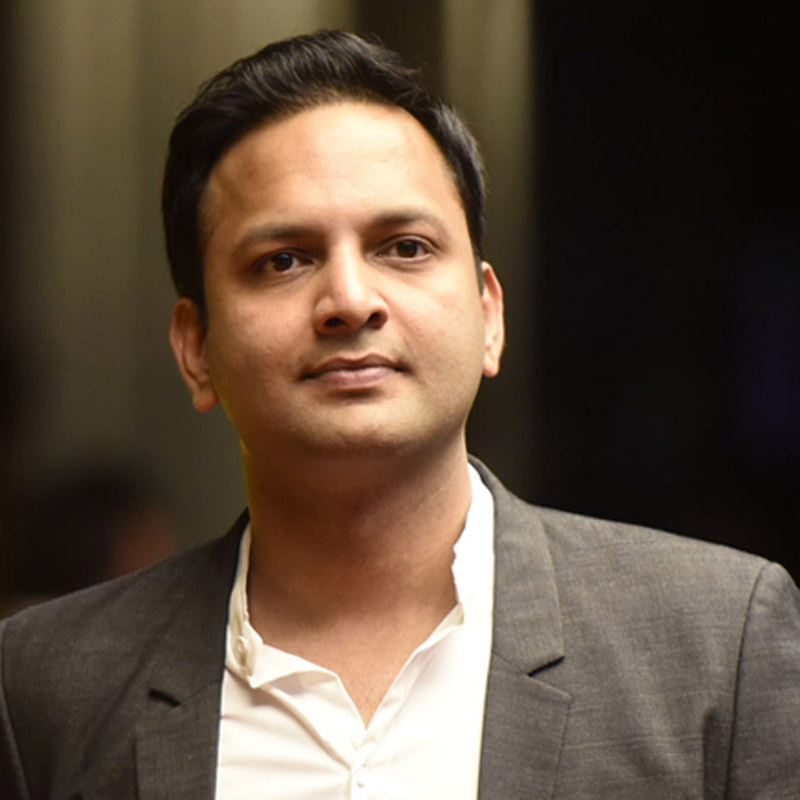
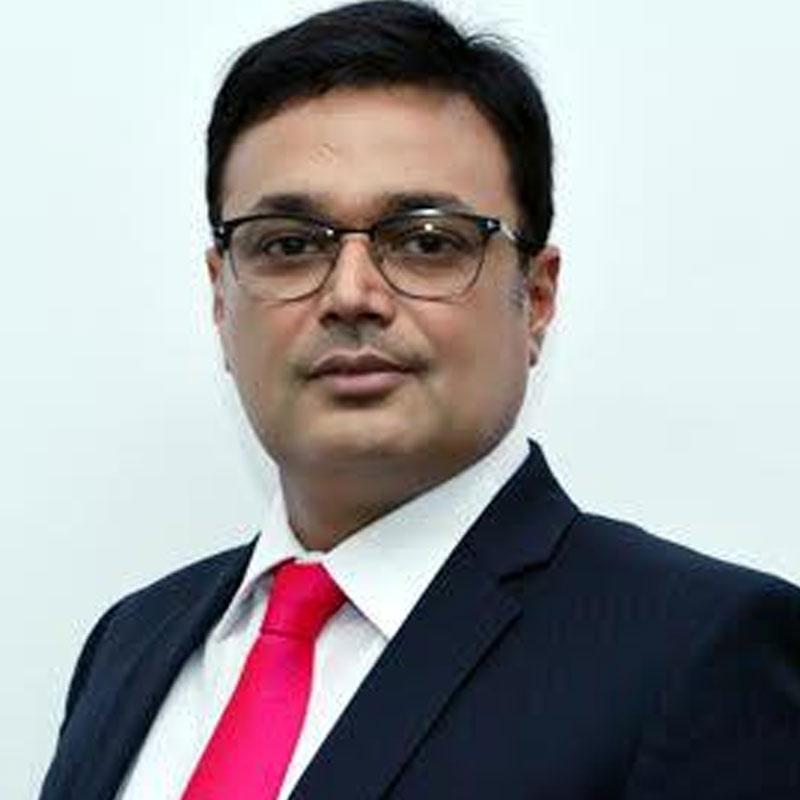
    KOLKATA: The rebranded Disney+ Hotstar service gets a new head in India. As per reports, the streaming service has appointed Sunil Rayan as the new president and head. Rayan comes from Google where he was managing director for Google Cloud for Games. Former Hotstar CEO Ajit Mohan left the company in 2018.

    At Google, Rayan helped oversee product, engineering and business development strategies to help build Google Cloud for Games as managing director of the segment managing the mobile app promotion business team in 13 locations across the world. He left Google in April 2020. He also worked as associate principal at American management consulting firm McKinsey & Co.

    Rayan will be working closely with Walt Disney Company Asia Pacific president and Star and Disney India chairman Uday Shankar. As the new head, he will be leading a service which has seen major changes in content strategy, subscription model as as rebranding in last one and half year. Walt Disney's Disney+ was integrated into Hotstar in April 2020.

    “Five years ago, we set out to disrupt the way India consumed content and that mission has turned out to be totally revolutionary. Sunil is an exciting talent with global accomplishments and I am very excited to have him lead the talented Disney+ Hotstar team. At Disney+ Hotstar India, we are on a mission to create the country's largest and most advanced platform for curated content, and Sunil is just the right person to drive that ambition,” Shankar commented.

    Follow Tellychakkar for the consumer facing news & entertainment

  • Modi 2.0: The year gone by for I&B ministry

    Modi 2.0: The year gone by for I&B ministry

    MUMBAI: The ruling Bharatiya Janta Party (BJP) recently completed one year in its second term in office at a time when the world reels under the novel SarsCoV2 crises. Through this year, the government has taken several key decisions and measures which have kept the ministry of information and broadcasting (MIB) busy.   

    Under the leadership of Prakash Javadekar, MIB doled out various significant measures and guidelines that will have a lasting impact on the media and entertainment industry. Here are some key announcements and proposals by the MIB in the past year.  

    OTT industry in self-regulatory mode

    Javadekar stressed on the importance of self-regulation rather than setting up a statutory body for the OTT industry and also assured stakeholders such as Netflix, Amazon Prime, Zee5, MX Player, ALTBalaji, Hotstar, Voot and Jio regarding the same. MIB had asked OTT content players in March this year to set up an adjudicatory body and decide on a code of conduct within 100 days. Most OTT players are in favour of mutually agreeable terms and not an imposing statutory body.

    Fake or fact?

    In 2019, the Press Information Bureau (PIB) decided to fight fake news by setting up a fact-checking unit. Aiming for better communication around the pandemic between citizens and the government, PIB also launched a Covid2019 fact check unit. In addition to that, it launched a Twitter handle, @CovidnewsbyMIB, and started #IndiaFightsCorona to share all pandemic-related updates.

    A year of guidelines, advisories and new policies

    From issuing several guidelines and regulations to implementations of advisories and policies, MIB under Javadekar, had a lot to offer in the past year.

    In June 2019, the ministry issued an advisory to all private television channels to carry end credits of the programmes in the language that they are being telecasted in. The step was an initiative towards promoting Indian languages.

    Following this, MIB announced the implementation of accessibility standard for TV programmes for those with hearing disability. It became mandatory for all news channels to carry at least one programme a day with sign language broadcast and subtitles, while other channels were asked to have at least one show a week with similar features.

    MIB also recently issued draft policy guidelines stipulating that social media platforms with 25 million monthly unique users will be eligible for government ads. Under the new policy, the bureau of outreach will also partake in the bidding process, including buying inventory or space for government messaging. To bring community radios at par with TV channels, Javadekar proposed to raise advertisement air time to 12 minutes from seven minutes.

    The ministry has also been issuing advisories to private satellite TV channels to adhere to the Programme and Advertising Codes as prescribed in the Cable Television Networks (Regulation) Act 1995.

    Staying informed

    In an effort to keep spirits uplifted during the pandemic, the MIB directed broadcasters and distribution platform operators (DPOs) to ensure uninterrupted supply of services to subscribers and to cooperate with other players. It also requested all states and union territories to provide a constant flow of authentic information for the public by ensuring operational continuity of the print and electronic media.

  • How Covid2019 is affecting outdoor media

    How Covid2019 is affecting outdoor media

    Outdoor advertising had a fantastic 2019. Defying predictions, India’s OOH (Out Of Home) industry, grew at over 15 per cent. Driven by IPL, elections and a huge increase in the OTT industry’s outdoor advertising, the industry saw a big increase, enabled adequately by digitization. The industry itself has been seeing radical positive transformation over the years. From the rather primitive static format, it has now become a dynamic audiovisual one, with all kinds of creativity made possible by technology. Global giants like Google Maps and LinkedIn have used OOH to create an impact, in addition to Netflix, Amazon Prime and Hotstar. Events are a big money spinner for OOH, and last year KumbhMela was proof of this. Witnessing audiences in crores, the promotion of brands on-site contributed significantly. In the financial year 2019, the revenue generated from out-of-home advertising across India amounted to over Rs 34 billion. This was estimated to reach up to Rs 52 billion by the financial year 2024, and Rs 38 billion in 2020.

    But all this has now been severely affected by the pandemic Covid2019. Many organizations have slashed their ad campaign budgets and have left the advertisers reeling for their incomes. OOH has been acutely affected in this scenario.

    Looking at history does not help, as during the previous instances of recession or pandemic, digital media or ambient advertising (a variation of outdoor) were not as developed as it is today. 1918 was the year when the Spanish Flu hit the world, and at that point mass television broadcast was at least 25 years away. Much later, in 2008, when the financial crisis hit the world, digital marketing was just fledgling.  But today, it is hard to find a single household that is not reached through digital and/or outdoor advertising.

    Lockdown has changed the way we live and the way in which we consume media. Urging people to stay indoors has resulted in streets and roads being empty. Halting public transport has created a vacuum in bus shelters and train stations and the busy shopping areas are deserted. The familiar red colour of Coca-Cola or the bright branding of Samsung is no longer visible while walking down the busy areas of metros in India. Many hoarding sites are empty as there are no consumers to view these.

    In-home media has been the gainer during this period. Whether it is TV, which has increased reach in terms of viewers and duration of viewership, or web streaming, which has seen a significant climb in the household watching time, or even video games (where playtime has gone up), people staying at home has resulted in a sharp increase in in-home entertainment and viewing.

    Out-of-home also includes ambient advertising i.e., advertising in unexpected areas. Aimed at evoking an emotional response, ambient advertising includes placing products, models etc. in attractive locations like malls and restaurants in order to catch the consumer’s attention. It is also called ‘creative guerilla advertising,’ and that has also hit a new low now. Reduction in public traffic has done away with the need for this kind of advertising, at least temporarily. Cancelling events has also had a bearing on this industry. With no immediate need to promote new products on a mass scale, clients are cancelling these events, leaving the advertisers high and dry.

    So, how can the outdoor media industry buck the trend?

    Outdoor medium is an integral part of our cityscapes and our lives. It has always had a place in building trust with local communities. Located in proximity to where people live and commute, it ensures a special bond with the citizens of that geography. And in times such as the current crisis, the medium is all the more relevant in garnering faith and educating the public. The medium, therefore, needs to play to its strengths. There have been cases where governments have recognized this and placed their confidence in this medium. According to the Ad Council of the US, ‘Out Of Home’ media plays a critical part in informing local communities and residents on how to stay safe during times of uncertainty. As part of their ongoing efforts to address the growing Covid2019 pandemic, the US department of health and human services (HHS) and centers for disease control and prevention (CDC), have convened (OOH) industry leaders, to bring critical Covid2019 safety messaging to the American public. From mall kiosks to airport TVs to Uber car tops and billboards, the industry is leveraging their extensive networks to help slow the spread of the virus. The scenario in India is no different. The advertising giants – Lintas, Ogilvy, JWT, etc. – are all focusing efforts on their outdoor advertising arm to bring more awareness to the public on Covid2019.

    Already known for its novel campaigns in the ambient format, the OOH industry needs further innovations. Take the case of Ro, an American digital health company, that has both men and women health products. Situated in New York, they decided to use outdoor medium and came up with a public utility message on safety on billboards, while also announcing their website-based tele-health assessments. This dual-purpose innovation helped them gain consumer mind share while also doing public good.

    Flexibility is the other aspect that will enable OOH to flourish. Media agency outfits that have a digital or TV component should allow clients to trade their outdoor budgets for digital or TV campaigns during this lockdown period, thereby retaining clientele. This will give them the much-needed revenues and allow them to get back on track once the current crisis is over.

    Making advertising trustworthy has always been a challenge. The metric for measuring trust in advertisements – the AD TRUST Scale – highlights the reliability of source as the topmost. Outdoor medium scores significantly on that front. Seeing China rebound from Covid2019 gives hope to outdoor marketers that all will be well soon. Coincidentally, the Beijing Olympics of 2008 was one of the pioneer outdoor events which showcased what OOH was capable of, through spectacular creativity (and technology). Given that outdoor advertising touches people in a personal, topical way, it is important that the industry adopts a combination of the above-mentioned strategies of playing to its strengths, practicing innovation and retaining flexibility.

    (The author is senior associate professor (marketing), Great Lakes Institute of Management, Chennai.)

  • Uday Shankar’s tips to win COVID2019 crisis

    Uday Shankar’s tips to win COVID2019 crisis

    MUMBAI: It is hard to measure the impact of COVID2019, harder to predict when everything will get back to normalcy. The uncertainty created by a virus, which is worse than a war, is instilling fear into minds. How does someone come out stronger amidst this chaos? The Walt Disney Company APAC chairman and Star and Disney India president Uday Shankar suggests simple measures – building core strength, reduce liabilities, taking calibrated risks and strategising.

    Even as the fear of catching the virus looms large, the economic instability is adding more worry. However, Shankar prioritises safety and reminds that unless you are safe there is nothing to look forward to.

    “The economy does look bad. There’s no trying to soften the bad news. So, let’s all get prepared. Today, if the entire country is going to be locked down, the wings of economy have come to a halt and it looks like a couple of quarters will be lost in terms of economic value,” he says reminding us about upcoming second-order, complex challenges like reduction in salaries, job losses, businesses struggling with liquidity and cash, etc.

    “This is a kind of economic setback that this country has not seen since independence. We had many hiccups and turbulences along the way but this kind of undifferentiated and pan-national economic crisis is not something we have seen,” he states.

    Despite all the negativity surrounding us, Shankar advises us to have a positive outlook. “I think the world has become tougher. This virus has created a crisis which is unprecedented. However, the world is not going to come to an end; this is not Armageddon. It has seen crises like this and has survived to grow stronger,” he says.

    Calling himself a ‘practitioner’, as is true with Shankar’s shift and rise from a journalism background to being one of the world mavericks of the media and entertainment world, his suggestion is to not let the fear of the unknown overtake you.

    Here are his four tips:

    Calibrated risks

    Shankar’s first tip to everyone – individuals and businesses –  is to reduce the risk. Focus on your core skills and build on that by acquiring knowledge. “Invest your time in learning a new skill. Knowing something is always uplifting. It gives you confidence. It is a journey from awareness to knowledge,” he says.

    However, he warns against gambling in this uncertain period. “There’s a difference between a gamble and a risk. You don’t know if this is the bottom or it’s further down. So, I don’t recommend gambling,” he points out.

    Reduce liabilities

    With less cash in your pockets, everyone needs to reduce their liabilities. Anything that’s not urgent can wait. Sharing an anecdote from his life at Star India, Shankar says that right after he took over the business, the world was hit by the 2008 economic crisis.

    “It looked like the world that would come to an end but I decided that there has to be an opportunity. My team and I decided to build on our core strength – our entertainment channel Star Plus. We decided to invest in that and not do anything new for some time. After that, our core business got stronger and we had fewer liabilities,” he shares.

    Strategise

    Even without an MBA background, Shankar spells out strategy in simple words: making choices. “There’s no better time than now to take decisions on what you will do, absolutely not do or postpone. All you need is clarity and purpose. Hit pause, rethink and think about how to lighten your load,” he guides those in the webinar.

    What has helped Shankar take the right calls in his journey from being a journalist to a media honcho is going with his gut instinct. He advises not to turn away from any information but process it for yourself.

    Star India, being one of the biggest content churning broadcasters, gets a lot of story pitches on a daily basis. Shankar picks what his gut says will work. “There’s no guarantee it will succeed but I will know that I failed doing what I wanted to do rather than what someone else wanted to do. You don’t want to fail and feel miserable that it was someone else’s suggestion. In most cases, the first attempt is not successful but if it’s something you’ve always wanted, you will make it work,” he says.

    Conviction

    Star India’s OTT platform Disney+Hotstar, launched five years ago as just Hotstar is today one of the top world players. But, in 2015, Shankar’s ambition was criticised. India was an expensive and data-dark market. But Shankar envisioned that people without TVs but with access to smartphones would want to consume video content. So, despite someone warning him that his “company has too much money and bosses too much faith in him”, akin to saying you’re investing in a losing proposition, his bet has played off.

    As data got democratised, opportunities opened up. “I wouldn’t have had the confidence if I did not have the conviction,” he says.

    Similarly, the company placed a bet on sports when everyone thought it had nothing new to offer. “I believed the power of cricket was only going to grow. That’s been our experience in the last five to six years. The number of consumers has doubled. The other is the story of kabaddi. They believed it was a 1000-year-old dead sport. Ronnie (Screwvala) was one of the first to believe that people will watch kabaddi if it’s made to look like a serious modern sport. Today, it is the second-most-watched sport in the country,” he reminisces.

    Along the way, he rejected taking up many other sports, such as basketball, which have been successful in other countries. “I believed I understood India and I realise that Indians would like to watch something they’ve grown up with and seen in their neighbourhood. So, my message is to stay with your conviction and do not go for applause in the stadium,” he says.

    His final message is to stay positive. If you're safe and healthy you will be able to finally triumph. He also tells people to look into the failures of those who have been successful. “There are a lot of us who admire many leaders. The problem with all of us is we read only the success. Rarely do we get an insight into the journey to success. All the people that I admire have had to face many setbacks, failures and handicaps before gaining the success that the world admires,” he states.

    Praising the country’s tackling of COVID-19, Shankar mentions, “This country has been ahead of the curve. Yes, a lockdown is miserable. But individuals and the country will come out stronger. We need to be positive and not selfish. Today, we need community, friends, family and the nation even more than we have needed in the past.”

    In a short Q&A session, Screwvala posed a question on how the youth can have long-term views rather than weekly. Shankar reiterates the need to think long-term because the short term is only likely to get worse.

    “It is going to be fluid and bad. Though we should hope for it to get better, we need to be realistically prepared for it to get worse. India is a country of youth. We have a long life ahead of us. A few quarters and even a year or two is not what we’re planning. The youth are impatient and full of energy. They want to achieve everything overnight. You will dissipate a lot of energy and get frustrated in doing that.

    To do that, Shankar says that people need to build endurance which he thinks is a skill visible in a marathon, even though the marathon runner may look ‘unattractive and unsexy’ as compared to a 100-metre sprinter.

    Speaking on consumer patterns, the Disney boss is aware that people will be extremely cautious about being in crowded places and that will determine their behaviour. The environment is going to be cynical and full of fear. Consumers will be conservative as the changing lifestyle will persist even after the lockdown is lifted. Hence, instead of going for five things at a time, he asks to take one-two tasks and see if they can deliver the same business goals.

    While many have been pushed into working from home, Shankar is no different. But this new normal, for him, has brought more efficiency.  “It is exhausting and tiring because there is no difference between work and home but I find myself more productive since I can focus more on what’s important and urgent. At work, we spend a lot of time doing trivial and inessential things,” he shares about his work-from-home experience.

    Leading a bunch of teams across APAC, Screwvala asks what qualities he admires in other countries. To this, Shankar says that China’s discipline and Japan’s dedication and collaborative spirit are admirable.

    To leaders, Shankar says that it is a time to pause and start again. He calls the COVID-19 crisis a washout. Just because something worked before the crisis, does not mean it will afterwards, too. “Production of our [Star India] shows has stopped and the habit may have been interrupted. The fact that it was doing well before lockdown is not the reason why the show will be watched again,” he says grimly.

    To the youngsters looking at a career in media, he says that one of the key reasons to choose this field is because “Even Corona doesn’t stop the consumption of media”. Shankar says that whenever the world feels uncertainty, it gravitates to media – content. Information and awareness give you a sense of comfort and assurance in the volatile world.

    However, the media is also relentless and if you don’t mind challenging yourself every single day, and being fine with the fact that what you’re going to say is going to be judged by every person, there’s every reason to be in media.

    He concludes with a cricket analogy. “It’s the time to watch every cricket ball and let most of the balls go. Then pick your ball and hit it out of the park.” 

  • Netflix emerges as largest OTT beneficiary during lockdown: report

    Netflix emerges as largest OTT beneficiary during lockdown: report

    MUMBAI: With the first phase of the lockdown coming to an end, it has become evident that the over the top (OTT) streaming industry has picked pace. It is, perhaps, one of the few industries that will emerge positively out of the economic impact of this pandemic. Streaming colossal Netflix has emerged as the largest beneficiary among OTTs.

    According to a report from KalaGato, which takes into account the lockdown period of 5 February to 29 March, Netflix users have been spending an average of eighty minutes a day on the platform by the time the lockdown was in place. Recently, the streaming service, which is still considered as a premium, has churned out original episodic content as well as digital movies which have gained word of mouth like Jaamtara, Taaj Mahal 1989 and Yeh Ballet. 

    “Juxtapose this with Hotstar that has experienced a thirty per cent decline in total session time. This could be a result of the different content libraries of the two platforms. Netflix creates the sensation of an endless well of content while Hotstar’s library feels much more limited. Netflix is built for binge-watching while the other feels more point and shoot,” the report added. 

    In the same period, the open rate of Netflix and MX Player went up by 68 per cent and 18 per cent respectively. Both platforms have seen an increase in daily active users as well. Netflix’s DAU has jumped by 102 per cent whereas MX Player has experienced a 14 per cent spike. Despite a falling open rate, Amazon Prime Video which has recently pushed some of its premium content before the paywall, has gained 83 per cent more DAUs.

    On the other hand, the leader in the Indian OTT space has witnessed a fall in both DAUs and open rates by 55 per cent and 43 per cent respectively. The report attributes the weaker performance of Hotstar to the absence of a sporting event, the USP of Hotstar’s popularity. However, the case may change soon with the launch of Disney+ in India as the rebranded Disney+Hotstar service already has around eight million subscribers.

  • Disney+ Hotstar to go live from 3 April

    Disney+ Hotstar to go live from 3 April

    MUMBAI: Star India has announced the upgrade of Hotstar to Disney+ Hotstar will take place on 3 April 2020. With a fresh new look and enhanced user interface, Disney+ Hotstar brings together the magic of Disney’s storytelling and the scale and technological expertise of Hotstar, giving users an unparalleled video streaming experience.

    As people across the country practise social distancing and stay at home, Disney+ Hotstar is set to offer an unmatched entertainment experience for families with the world’s best superhero movies, unrivalled animated films, popular kids programming, recently released Bollywood blockbusters, exclusive Hotstar Specials shows, unlimited LIVE sporting action, and much more. Starting 3 April three distinct offerings – Disney+ Hotstar VIP, Disney+ Hotstar Premium and an ad-supported basic tier will be available, offering consumers an abundance of choice.

    The Walt Disney Company APAC and Chairman, Star & Disney India president Uday Shankar said, “With the success of Hotstar, we ushered in a new era for premium video streaming in India. Today, as we unveil Disney+ Hotstar, we take yet another momentous step in staying committed to our promise of delivering high-quality impactful stories for India that have not only entertained but also made a difference in people’s lives, a promise that is even more meaningful in challenging times such as this. We hope the power of Disney’s storytelling, delivered through Hotstar’s technology, will help our viewers find moments of comfort, happiness and inspiration during these difficult times.”

    From the comfort of their homes, Disney+ Hotstar VIP subscribers can explore the world of great entertainment in a language of their choice. Subscribers will now get expanded access to the entire Marvel Cinematic Universe and the best of superheroes movies like The Avengers, Iron Man, Thor Ragnarok, latest and biggest movies including The Lion King, Frozen II, Aladdin and Toy Story 4. Families can spend quality time together with engaging content and characters like Mickey Mouse, Gajju Bhai, Doraemon and Shin-chan. Stay entertained with the latest Bollywood movies like Panga, Tanhaji and more immediately after theatrical release, watch exclusive Hotstar Specials shows in seven languages like the hugely popular Neeraj Pandey’s Special Ops, Out of Love, Criminal Justice, unlimited LIVE sporting action, and STAR serials before TV and much more. Users can now enjoy all this at an affordable price of Rs 399/- for a year.

    Subscribers of Disney+ Hotstar Premium will receive all the benefits of Disney+ Hotstar VIP, with the addition of access to English language content and 29 critically acclaimed Disney+ Originals, including The Mandalorian from executive producer and writer Jon Favreau; High School Musical: The Musical: The Series, a creative modern take on the hit franchise; and the live-action Lady and the Tramp, a timeless re-telling of the 1955 animated classic; and many more to come; as well as the latest American shows from studios like HBO, Fox, Showtime at the price of Rs 1499 for a year.

    All existing subscribers will be automatically upgraded to their respective new subscription plan and will be charged the new rates upon renewal.

    A separate Disney+ branded section will help users navigate the wonderful Disney, Pixar, Marvel, Star Wars, and National Geographic content available on the service. Subscribers will enjoy the benefits of unlimited downloads of all Disney+ movies and shows, as well as personalized recommendations. Additionally, parents can navigate through the kids-safe mode to access age-appropriate content. 

    Users will continue to enjoy high-quality free content such as daily catch-up TV shows in eight Indian languages, a vast library of blockbuster movies like Housefull 4, Chhichhore, Badhai Ho, Komali and many more, and LIVE and on-demand news in eight languages from the leading news channels in the country. Disney+ Hotstar will also have a comprehensive sports clips offering for its free users, covering major sporting events such IPL, BCCI cricket series, Premier League, ISL and PKL, with all the exciting action from the day available as match highlights, key individual performances and match analysis.

    As a prelude to the launch, Disney+ Hotstar will host India’s largest virtual red carpet event on 2 April with the premiere of The Lion King (in English, Hindi, Tamil & Telugu) at 6 pm followed by the popular Disney+ original The Mandalorian at 8 pm. Helping build a virtual community and conversations in these times of physical and social distancing, users will be able to interact on the social feed on the platform, as these premieres are happening. They can chat with their friends and family, share photos and badges with them and the rest of India, and also interact with some of their favourite celebrities who will be at the red-carpet premiere event with them, all while staying safe at home.

  • Disney+ launches in seven European countries

    Disney+ launches in seven European countries

    MUMBAI: Disney+ has launched in Europe as the coronavirus continues its macabre journey at different parts of the world. It may be recalled that just a few days ago, the streaming platform launched in India, only to withdraw abruptly the next day.

    The Walt Disney Company’s streaming service will launch in France on April 7.

    The European launch of Disney+ means that it will be available in the UK, Ireland, Germany, Italy, Spain, Austria and Switzerland. Disney+ will come with a comparatively lower bandwidth utilisation in view of the growing worries about the capability of some broadband infrastructure to manage the likely surge in consumer demand.  

    In 2019 November, Disney+ launched its service in the US, Canada, the Netherlands, Australia, New Zealand and Puerto Rico. 

    Disney+ provides a treasure-trove of more than 26 original movies and series, films, and television episodes and much more. The launch means that audiences in the UK, Ireland, Germany, Italy, Spain, Austria and Switzerland will be able to enjoy streaming of Disney+ on almost all major mobile and connected TV devices, which include smart television, streaming media players and gaming consoles. Disney+ provides commercial-free viewing and unlimited downloads on up to 10 devices, in addition to customised recommendations. While subscribers may set up to seven different profiles, parents are at liberty to set Kids Profiles which feature child-friendly interface. It enables parents to restrict inappropriate content.

    Kevin Mayer, Chairman of Walt Disney Direct-to-Consumer & International, said that launching in seven markets simultaneously is a new milestone for Disney. “As the streaming home for Disney, Marvel, Pixar, Star Wars and National Geographic, Disney+ delivers high-quality, optimistic storytelling that fans expect from our brands, now available broadly, conveniently and permanently on Disney+. We humbly hope that this service can bring some much-needed moments of respite for families during these difficult times.”

    Meanwhile, the streaming platform (DIS +14.5%) is enjoying its best day as a stock since October 2008. Though at $98.18, it's still significantly off a 52-week high of $153.41, or even the $140 mark of a month ago.

    According to MoffettNathanson, Disney was unencumbered by language barriers unlike Netflix which had to localize its content for various non-English-speaking regions. Moreover, Disney+ is rolling out in Europe at a time when a large part of the population is staying at home due to the COVID-19 pandemic. The lockdown is likely to help the service to boost its subscriber uptake. 

    Unlike other international markets, Disney already has its OTT presence in India through Hotstar which came under its umbrella after the 21st Century Fox acquisition. Bob Iger, the ideator of Disney’s streaming journey, wanted to exploit Hotstar’s popularity in the country and launch the merged and rebranded service during IPL. Due to the outbreak of Coronavirus pandemic, the cricket tournament has been postponed and the entry of Disney+ got delayed in India.

  • Disney+ launch in India stalled due to IPL delay

    Disney+ launch in India stalled due to IPL delay

    MUMBAI: COVID-19 pandemic has stalled the entry of Disney+ in India. The scheduled launch of the streaming service has been paused and the new date is yet to be revealed.  

    “We recently announced that Disney+ would launch in India through the Hotstar service in conjunction with beginning of the Indian Premier League cricket season. Given the delay of the season, we have made the decision to briefly pause the roll-out of Disney+ and will announce a new revised premiere date for the service soon,” the Walt Disney Company APAC President, Star and Disney India Chairman Uday Shankar said.

    Former Disney CEO Bob Iger said in an earnings call after Q1 result that it would be launching the service in India through Hotstar on 29 March at the beginning of the Indian Premier League. After a successful first few months of its domestic launch, Disney+ is now gearing up for its international expansion. Iger wanted Disney+ to leverage the success of Hotstar in India by bundling the two services. During IPL 2019 , Hotstar registered more than 300 million users.

  • Hotstar unveils India’s longest billboard, showcasing range of content offering

    Hotstar unveils India’s longest billboard, showcasing range of content offering

    MUMBAI: Streaming platform Hotstar has unveiled a unique out-of-home initiative through a massive billboard spanning 10,000 sq. ft in Uttar Pradesh, to highlight the variety and scale of content available on its platform. With entertainment options moving indoors, the brand provides viewers the convenience of sitting back and exploring its extensive range of high-quality free content through these uncertain times.

    View the longest billboard here – https://vimeo.com/398152303

    Touted as the longest ever in India, the billboard is part of Hotstar’s exciting new 360-degree marketing campaign, “Hotstar ka vaada, free entertainment sabse zyada”, aimed at reaching out to millions of viewers in Hindi-speaking markets in Tier II and Tier III cities, who currently have little access to high-quality content for free.

    The Social Street collaborated with Hotstar on this campaign from idea to execution, to source out and construct the longest billboard the country has ever seen from ground up. Standing tall and long on the arterial road joining Shastri Setu (Shastri Bridge) to Jaunpur Tiraha in Mirzapur, the mammoth structure was completed within a period of 6-7 days. The billboard constructed 1000 feet in length and 10 feet in height with an additional 2 feet of height of cut-outs, used a solid framework of bamboos and iron frames to sustain extreme weather conditions.

    The billboard showcased Hotstar’s vast library of high-quality free content including several movies like Chhichhore, Mission Mangal; TV shows from Star Plus like Yeh Rishta Kya Kehlata Hain, Nazar, Kasauti Zindagi Kay and Star Bharat like Savdhaan India along with News.

    Mandeep Malhotra, Founding Partner & CEO, The Social Street, says, “Working Hotstar is always brilliant and fun. The brand inspires us to unlock new ideas and create campaigns that push boundaries. With the longest billboard campaign too, we wanted to create something that would send out the brand’s message in a way that wows people. We were able to leverage media in a way that managed to create brand-new boundaries. Some of our past campaign work with Hotstar, like IPL Largest Player Hunt and Game of Thrones, too are a testament of the innovation, creativity and impact that is at the heart of brand.”

    With more than a 60% share of entertainment consumption in 2019, Tier II and III cities have been fueling the growth of online video consumption in India. However, a large section of the audience in these cities still does not have access to high-quality entertainment and is limited to watching reruns of outdated content. While some have lost access to paid channels following the TRAI tariff order, others are hampered by infrastructure issues such as frequent power cuts. This issue of access is further exacerbated by a single shared TV screen in large households.

    The new campaign by Hotstar aims at bridging this accessibility gap for its viewers, through fresh and innovative ways to spread the word about its vast library of high-quality free content.

  • Netflix and its India story

    Netflix and its India story

    MUMBAI: Netflix has been making  a good catch wherever it has been spreading its net over the past three years. But viewers in Indian waters do not get snared easily by the bait of snazzy and edgy content like in other parts of the world and that is something the streamer learned the hard way. It made a scratchy debut with just a handful of original shows and a thin catalogue of local content in 2016. Net result: only the top sliver (in the hundred thousand or so) of India’s 1.3 billion populace bit and it was left wondering why the service was not getting traction like it was elsewhere.

    The answer lay in localisation: India’s masses care very little about Stranger Things or Black Mirror – Bandersnatch – two series that fired viewers’ imaginations in several countries. Indians would rather watch a Naagin or a Nazar. And just having a Sacred Games and a couple of local movies and shows were not enough to make Indians flash out their check books or credit cards to pay the stiff Rs 700- plus monthly fee in a market where cable TV offered a smorgasbord of 700 channels at less than half that price. And CEO Reed Hastings' promise to shareholders that India would bring in the next 100 million subs seemed like an empty one.

    Cut to 2020: the SVOD platform seems to be getting its act right and has rolled out a slate of local originals –both films and series – like Yeh Ballet, Sacred Games, Jamtara , Leila, Delhi Crime – and many more are in pre-prod stage or on the shooting floor.

    According to media reports, its financials too are getting better. Netflix’s India business grew more than 700 per cent during financial year 2019 recording revenues of Rs 466.7 crore and a net profit of Rs 5.1 crore. Hastings continues to have lots of faith in India’s entertainment-hungry viewers: he has kept a stash of Rs 3000 crore to invest in original content over the next two years.

    India needs that kind of investment; maybe more. There are more than 150 free-to-air channels offering TV shows (fiction and drama), movies and a lot more. Premium cable and satellite pay TV general entertainment channels at Rs 12 to Rs 19 also don’t cost that much. And they offer entertainment which suits the milieu that they are living in and even meets their aspiration needs. The main Indian broadcasters Zee TV, Sony, Star and Viacom18 have strong streaming services, ZEE5, SonyLIV, Hotstar and VOOT, which not only serve the linear feeds of the GECs but also offer the shows and movies on demand, apart from offering premium digital-only originals. Then there are independent streamers like AltBalaji, MX Player, hoichoi and ShemarooMe, which too have interesting programmes for their viewers.

    What bodes well for Netflix is that it has invested in local hires like Monika Shergill, Srishti Behl Arya, Aashish Singh with lots of experience in the local media and the entertainment industry. Earlier, for the first two years, Netflix executives in Los Angeles had oversight over the India office and the content that was being acquired and churned out. The perks of a team familiar with local content is already reflecting in the recent content slate.

    Since the end of 2018, the dramatic change in the overall approach has become noticeable. The platform has joined hands with big names of B-Town like Karan Johar, Shah Rukh Khan, Anurag Kashyap, Dibakar Banerjee and Vikramaditya Motwane. Kashyap’s Sacred Games was the first Indian original series to give the platform prominence in the cluttered market. While Red Chillies Entertainment’s Bard of Blood was critically acclaimed, Dharmatic Production’s Drive received negative feedback. At Indiantelevision.com’s The Content Hub 2020, Netflix’s Aashish Singh said that a number of people watched the film adding that the service does want to create content for every mood of the member and every segment.

    The diversity of Indian audience may sound a cliched and over-stated fact but no one can deny the truth. Film-buff Indians can now watch erstwhile star Manisha Koirala in its upcoming original film Maska. The platform has also slated a comedy special original Ladies Up. Mighty Little Bheem will also get a new season soon. To battle with the broadcaster-led platforms like Zee5, Hotstar, Voot, which have legacy content and international rival Amazon Prime Video with its shopping benefits, Netflix must reach into the heartland or Bharat as it is called. Especially when it looks to sign on that humongous 100 million subscribers from the country.

    Indians are price-sensitive consumers and it's a well-known fact. As is the fact that India is a mobile-first video consumption market thanks to cheap handsets and almost-free data plans. Last year, Netflix hit both these peculiarities by launching a mobile-only pack for Rs 199 per month as against the Rs 799 for the premium large screen experience. In its latest investor conference call, Netflix chief product officer Greg Peters said that thanks to this, they have been able to add incremental subscribers along with an increase in retention.

    The platform is also coming up with more innovative marketing strategies. Over the last year, Netflix India’s social media presence has also started gaining more word of mouth in the vast e-universe of the country. It is also recently testing a Rs 5 plan for the intial month which has again created good chatter. Moreover, it recently added a feature which allows users to make their watchlist decision easier. On the back of the new top 10 feature, Netflix members will notice a newly designed row that will show them what's popular in India.  

    One of the major challenges for Netflix is increasing its awareness to beyond tier-I and tier-II cities. More vernacular, localised content may give the platform a fillip in India’s interiors where smart phones work, even if TVs don’t because of frequent power outages. Although competition is bound to rise for the streaming service in India with the entry of Disney+, there’s optimism abounding about Netflix’s Indian journey in the days, months and years ahead. It looks like its story will have a happy ending.