Tag: Hotstar

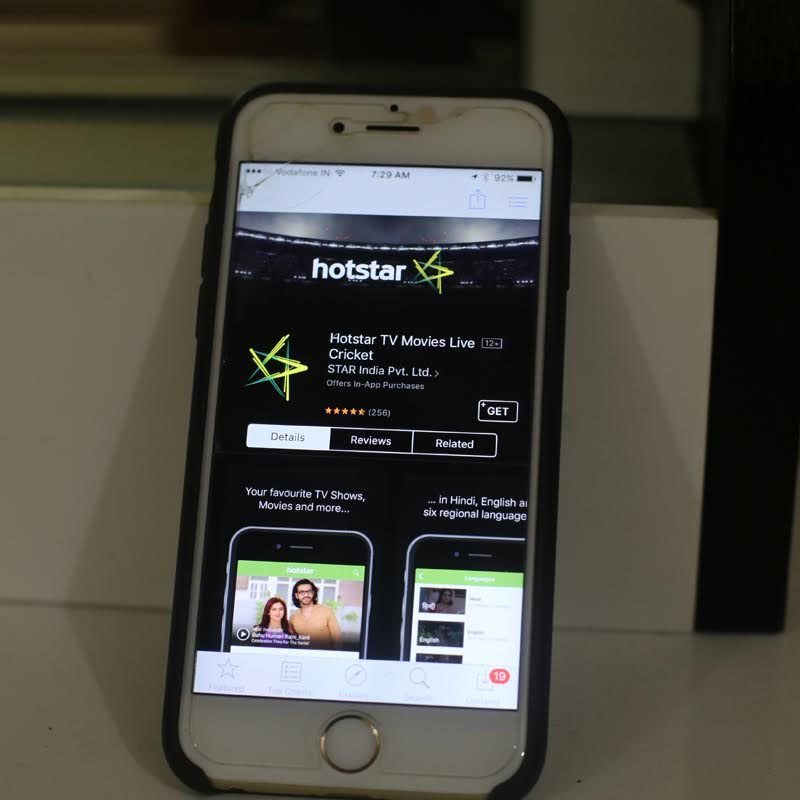
  • Hotstar targets billion minutes watch time daily

    Hotstar targets billion minutes watch time daily

    MUMBAI: The new mantra at the Twenty First Century Fox-owned Star India subsidiary Novi Digital’s Hotstar is the figure of a billion. Yes, a billion. Not a billion subscribers, but a billion minutes. Speaking at a conference in China yesterday, its senior vice-president and head of product Varun Narang stated that the OTT service’s target is to get to a billion minutes of watch time daily.

    “Once you get to a billion minutes a day, you’re talking about a real, real business,” stated Narang at the conference.

    Narang was roped in to Hotstar from Whipclip last year and has had more than half a decade’s product experience with top-notch services such as Hulu and Amazon in the US. He was recruited to lead the team which is helping build mobile solutions for the app and help innovate content discovery, quality of video playbacks as well as build native advertising platforms for the app.

    Speaking at the Bank of America Merrill Lynch Media and entertainment conference earlier this month Twenty First Century Fox executive chairman Lachlan Murdoch had stated that Hotstar had gone from streaming 750 million minutes to 2.5 billion minutes between July and August 2016. That means it has some distance to travel before it gets to that billion minutes a day figure.

    Responding to a question from ace analyst Jessica Jean Reif Cohen on the media powerhouse’s plans for India, Lachlan had elaborated that Hotstar is expected “to grow significantly with the launch of Reliance Jio’s mobile 4G service, which Hotstar is the exclusive (sic) program provider for. So, on the Reliance Jio phones — the biggest launch of consumer product in many many years – Hotstar is the exclusive television provider on the platform. And so we think where every single single consumer will have access to Hotstar premium which is a $3 service. And, they’ll have it provided by Reliance for free. So, it’s a very exciting time in India for us. Just to have this in perspective, those streaming numbers for Hotstar is about, if you compare with Netflix in India, Netflix is about six per cent the size of Hotstar”.

    Among the initiatives, Hotstar is looking to scale up the product quickly is rolling it out globally in the near future, targeting the south Asian diaspora, Narang revealed at the conference. This was something that even Star India chairman Uday Shankar had stated at the Ficci Frames conference in Mumbai earlier this year.

    Narang admitted that what was helping Hotstar is the fact that “content rights are a lot easier for us in India than they are in the US.”

    Other things that could aid it get there is its catalogue of around 35,000 hours of entertainment content. At its investor call conference during the announcement of its annual results Twenty First Century Fox CFO John Nallen had pointed out that “in the beginning, we saw pretty severe sort of volatility and spike, largely around sports viewership on the Hotstar platform to when there was a big cricket tournament or something like that. But, gradually over the last year, what’s really built and gotten much more momentum is scripted programming, it’s Indian-scripted programming in multiple languages, and that’s really driving, that’s been the most gratifying and to see more consistent viewership of that and that’s really a big, big part of the volume now, and it’s the fastest way growing part of the volume on a consistent basis, local Indian-scripted programming at very high volumes.”

    Currently, Hotstar has an estimated 72 million downloads with around 50 million active users.

  • Saying traditional TV is dying in India is premature

    Saying traditional TV is dying in India is premature

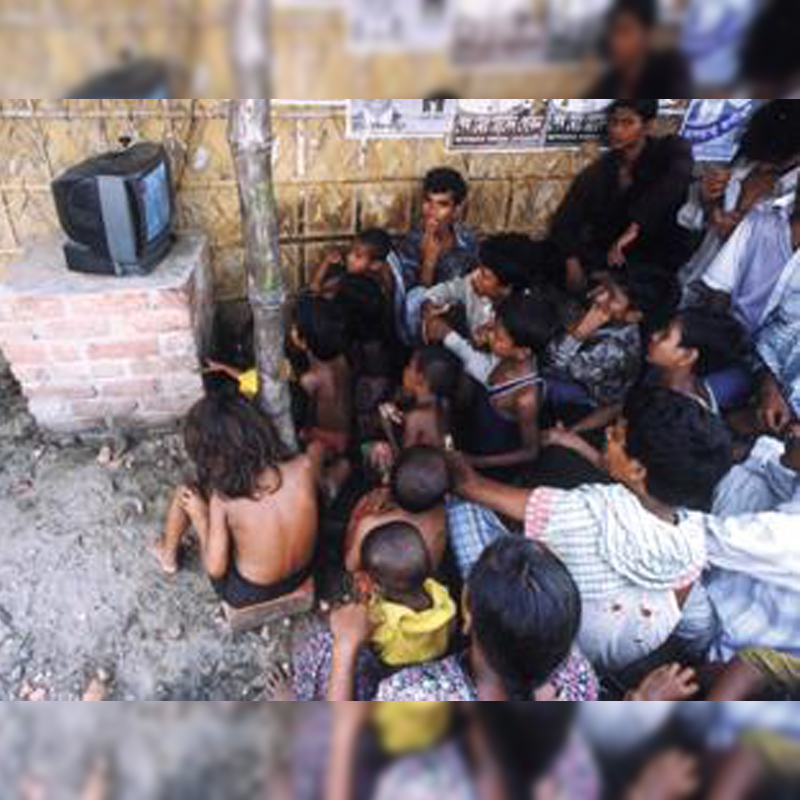
    On a recent road trip to Ladakh with friends we stopped at a nondescript roadside ‘dhaba’ (makeshift eatery) near the Himachal Pradesh and J&K border for tea and to stretch sore limbs. As tea was being boiled, stifled giggling from inside the hutment attracted me. While trying to see if my smart-phone was working so I could check-in on FB, I peeped inside. A group of local kids were enjoying a soap opera on television; courtesy DD FreeDish, a free-to-air DTH platform. My mobile phone, in the meanwhile, showed no signs of life with a No-Network message flashing.

    This, and many other such examples in India’s hinterland, highlight a fact loud and clear: India may be going digital, but Bharat (as non-urban hinterlands of India is referred to by some sociologists and marketers) still roots for the traditional. Such instances also tell us that in a country as diversified, complex and challenging as India, traditional habits, like TV watching, are there to stay despite technological disruptions like streaming video and smart-phones.

    Globally, death of traditional TV viewing has been predicted for past few years. But data and analytics from more mature and developed markets and even some East Asian nations – where digital is a big draw – show that TV as we know it is not going away anytime soon.

    A US Department of Labour Survey, released early 2016, states that watching TV was the leisure activity that “occupied the most time (2.8 hours per day), for those aged 15 and over.”

    BARB (UK equivalent of BARC India) data shows that average daily video viewing by all individuals is 4hrs 35mins and that TV accounts for 94 per cent of all video advertising time. Over the last decade, despite several “disruptive” technological developments, time spent watching TV has hardly dipped, as was being forecast. More importantly, TV continues to have largest reach of all media: it reaches 71per cent of population in a day, 93per cent in a week, and 98 per cent in a month.
    And, these are markets with near total saturation of TV homes, and a highly developed and widespread digital eco-system.

    What about India?

    Appetite for more TV content is only bound to grow given that only 153 million homes in India have TV out of a total of about 250 million (a penetration of about 60 per cent). Rise in disposable incomes, increasing fragmentation of families and continued challenges of Indian infrastructure are bound to push TV viewing higher.

    All-India BARC data for 47 weeks appear to validate that. Average daily TV viewing stands at 3 hours 16 minutes, showing headroom for growth, compared to more mature TV markets that have higher TV penetration rate of 97+ per cent.

    India has close to 900 licensed channels and while Ministry of Information and Broadcasting (MIB) agrees some of these licensees may not be on air, but scores of applicants are in queue too — another indicator of growth in appetite for TV.

    But, what about the perception that traditional TV viewership is losing out due to growth of digital platforms?

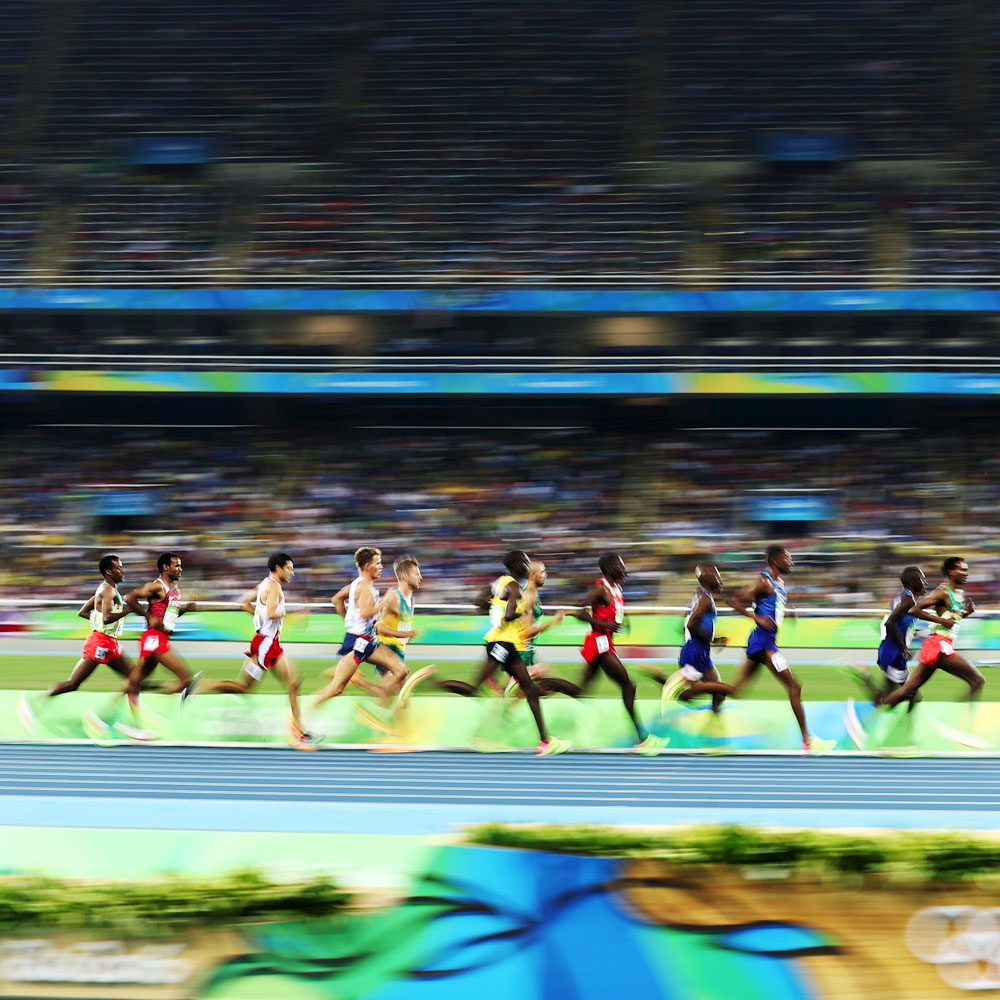
    Let’s look at BARC India data for a recent TV event, the Rio Olympics. TV viewership for Rio 2016 grew 2.65 times as compared to London 2012. While 16 million unique viewers watched the broadcast of London Games in India, the corresponding figure for Rio Games is 43 million (using the same viewership base – 1million+ towns). If one looks at the all-India (Urban+Rural) base, Rio 2016 set another high of 203.8 million unique viewers.

    This brings us to cricket, India’s fav sports (apart from politics). BARC data shows that a new viewership high was achieved during an India-Pakistan ICC T20 World Cup match in 2016, which generated a whopping 80.5 million impressions across Star Sports Network and DD National. And these numbers came on the back of not just a larger number of people watching TV, but also considerable higher time spent on TV.

    When asked about linear TV’s impending death in India owing to digital’s growth, Colors CEO and President of the Advertising Club (of India) Raj Nayak waved away the analysis asserting, “I am ready to stick out my neck on this. People who say that traditional television is dying don’t know what they are talking about. TV has been growing and there is still big headroom for its growth in India.”

    India may be adopting mobile phones faster than the US or other western countries, and a major percentage of them are smart-phones. Still, challenges for digital players are big and many ranging from costly data, indifferent bandwidth speed and getting the right content mix for a country that has 22 official languages and over 700 dialects.

    At Vidnet2016, an OTT conference organised by indiantelevision.com recently, Hotstar chief Ajit Mohan admitted that high cost of data is a major hurdle for expansion of streaming services like Hotstar and others like Voot, dittoTV, BoxTv, Arre, Savvn, Hooq, Viu, SonyLiv, etc.

    Data pointing to greater consumption of TV is one side of the picture. Globally, studies and data also indicate that TV remains a highly effective form of advertising.

    A study by the Institute of Practitioners of Advertising (UK’s equivalent of India’s AAAI) shows that TV continues to guarantee best commercial outcomes of campaigns for things such as sales, profit, market share, etc. Echoing similar sentiments, Colors’ Nayak added, “Digital advertising does not have the same impact that TV (advertising) has… Even Amazon, Google and other e-commerce companies have to use TV to make an impact.”

    US-based eMarketer (started in 1996 to study digital trends and considered one of the most widely cited research providers in the media) admits that despite a drop in TV watching time, in general, it hasn’t stopped marketers from pouring significant amounts of money into television advertising.

    Without discounting the strides being made by digital players in India (and they seem to be mushrooming all over like dotcoms during the dotcom boom of the late 1990s), traditional TV’s importance and reach still outstrips that of digital.

    Pointing out that digital does offer consumers choices of watching TV (government lingo for video consumption) at different time and in different formats, a senior government official, having worked at MIB, on condition of anonymity admitted that TV is not going away from India. Rather, the size of India will help it retain its pre-eminence as opposed to other media.

    GroupM too testifies to TV’s strong presence in India compared to other segments of media like print, OOH and digital. In projections made in January 2016, which are re-visited mid-year to do any course corrections if necessary, the company said television was estimated to grow by 17.6 per cent to touch Rs 27,074 crore (Rs. 2,7,0740 million) this year against Rs 23,022 crore (Rs. 23,02,20 million) last year as far as advertising spends go.

    Colors’ Nayak aptly sums up the issue: “There is no doubts that digital will see growth at a phenomenal pace especially with Reliance Jio addressing the bandwidth and speed issues, but digital must be seen as another platform for delivering content and that’s it. There will be lot of content consumption on digital platforms, but it will not be at the cost of (traditional) TV viewing.”

    Like Nayak, I too am ready to bet my bucks on linear or traditional TV in India. Digital has to travel many more miles in India before it can be a replacement for TV, which is still far off from near-saturation point or even plateauing off.

    (Author is Consulting Editor to indiantelevision.com)
  • Saying traditional TV is dying in India is premature

    Saying traditional TV is dying in India is premature

    On a recent road trip to Ladakh with friends we stopped at a nondescript roadside ‘dhaba’ (makeshift eatery) near the Himachal Pradesh and J&K border for tea and to stretch sore limbs. As tea was being boiled, stifled giggling from inside the hutment attracted me. While trying to see if my smart-phone was working so I could check-in on FB, I peeped inside. A group of local kids were enjoying a soap opera on television; courtesy DD FreeDish, a free-to-air DTH platform. My mobile phone, in the meanwhile, showed no signs of life with a No-Network message flashing.

    This, and many other such examples in India’s hinterland, highlight a fact loud and clear: India may be going digital, but Bharat (as non-urban hinterlands of India is referred to by some sociologists and marketers) still roots for the traditional. Such instances also tell us that in a country as diversified, complex and challenging as India, traditional habits, like TV watching, are there to stay despite technological disruptions like streaming video and smart-phones.

    Globally, death of traditional TV viewing has been predicted for past few years. But data and analytics from more mature and developed markets and even some East Asian nations – where digital is a big draw – show that TV as we know it is not going away anytime soon.

    A US Department of Labour Survey, released early 2016, states that watching TV was the leisure activity that “occupied the most time (2.8 hours per day), for those aged 15 and over.”

    BARB (UK equivalent of BARC India) data shows that average daily video viewing by all individuals is 4hrs 35mins and that TV accounts for 94 per cent of all video advertising time. Over the last decade, despite several “disruptive” technological developments, time spent watching TV has hardly dipped, as was being forecast. More importantly, TV continues to have largest reach of all media: it reaches 71per cent of population in a day, 93per cent in a week, and 98 per cent in a month.
    And, these are markets with near total saturation of TV homes, and a highly developed and widespread digital eco-system.

    What about India?

    Appetite for more TV content is only bound to grow given that only 153 million homes in India have TV out of a total of about 250 million (a penetration of about 60 per cent). Rise in disposable incomes, increasing fragmentation of families and continued challenges of Indian infrastructure are bound to push TV viewing higher.

    All-India BARC data for 47 weeks appear to validate that. Average daily TV viewing stands at 3 hours 16 minutes, showing headroom for growth, compared to more mature TV markets that have higher TV penetration rate of 97+ per cent.

    India has close to 900 licensed channels and while Ministry of Information and Broadcasting (MIB) agrees some of these licensees may not be on air, but scores of applicants are in queue too — another indicator of growth in appetite for TV.

    But, what about the perception that traditional TV viewership is losing out due to growth of digital platforms?

    Let’s look at BARC India data for a recent TV event, the Rio Olympics. TV viewership for Rio 2016 grew 2.65 times as compared to London 2012. While 16 million unique viewers watched the broadcast of London Games in India, the corresponding figure for Rio Games is 43 million (using the same viewership base – 1million+ towns). If one looks at the all-India (Urban+Rural) base, Rio 2016 set another high of 203.8 million unique viewers.

    This brings us to cricket, India’s fav sports (apart from politics). BARC data shows that a new viewership high was achieved during an India-Pakistan ICC T20 World Cup match in 2016, which generated a whopping 80.5 million impressions across Star Sports Network and DD National. And these numbers came on the back of not just a larger number of people watching TV, but also considerable higher time spent on TV.

    When asked about linear TV’s impending death in India owing to digital’s growth, Colors CEO and President of the Advertising Club (of India) Raj Nayak waved away the analysis asserting, “I am ready to stick out my neck on this. People who say that traditional television is dying don’t know what they are talking about. TV has been growing and there is still big headroom for its growth in India.”

    India may be adopting mobile phones faster than the US or other western countries, and a major percentage of them are smart-phones. Still, challenges for digital players are big and many ranging from costly data, indifferent bandwidth speed and getting the right content mix for a country that has 22 official languages and over 700 dialects.

    At Vidnet2016, an OTT conference organised by indiantelevision.com recently, Hotstar chief Ajit Mohan admitted that high cost of data is a major hurdle for expansion of streaming services like Hotstar and others like Voot, dittoTV, BoxTv, Arre, Savvn, Hooq, Viu, SonyLiv, etc.

    Data pointing to greater consumption of TV is one side of the picture. Globally, studies and data also indicate that TV remains a highly effective form of advertising.

    A study by the Institute of Practitioners of Advertising (UK’s equivalent of India’s AAAI) shows that TV continues to guarantee best commercial outcomes of campaigns for things such as sales, profit, market share, etc. Echoing similar sentiments, Colors’ Nayak added, “Digital advertising does not have the same impact that TV (advertising) has… Even Amazon, Google and other e-commerce companies have to use TV to make an impact.”

    US-based eMarketer (started in 1996 to study digital trends and considered one of the most widely cited research providers in the media) admits that despite a drop in TV watching time, in general, it hasn’t stopped marketers from pouring significant amounts of money into television advertising.

    Without discounting the strides being made by digital players in India (and they seem to be mushrooming all over like dotcoms during the dotcom boom of the late 1990s), traditional TV’s importance and reach still outstrips that of digital.

    Pointing out that digital does offer consumers choices of watching TV (government lingo for video consumption) at different time and in different formats, a senior government official, having worked at MIB, on condition of anonymity admitted that TV is not going away from India. Rather, the size of India will help it retain its pre-eminence as opposed to other media.

    GroupM too testifies to TV’s strong presence in India compared to other segments of media like print, OOH and digital. In projections made in January 2016, which are re-visited mid-year to do any course corrections if necessary, the company said television was estimated to grow by 17.6 per cent to touch Rs 27,074 crore (Rs. 2,7,0740 million) this year against Rs 23,022 crore (Rs. 23,02,20 million) last year as far as advertising spends go.

    Colors’ Nayak aptly sums up the issue: “There is no doubts that digital will see growth at a phenomenal pace especially with Reliance Jio addressing the bandwidth and speed issues, but digital must be seen as another platform for delivering content and that’s it. There will be lot of content consumption on digital platforms, but it will not be at the cost of (traditional) TV viewing.”

    Like Nayak, I too am ready to bet my bucks on linear or traditional TV in India. Digital has to travel many more miles in India before it can be a replacement for TV, which is still far off from near-saturation point or even plateauing off.

    (Author is Consulting Editor to indiantelevision.com)
  • Are we headed for a sports broadcasting ‘Duopoly’ in India?

    Are we headed for a sports broadcasting ‘Duopoly’ in India?

    As a nation, India has evolved significantly in sports broadcasting. With unbounded technological progress nipping away at our heels, a digital evolution was a long time coming, especially in the Indian subcontinent. The sporting world has all its eyes on the recent SPN̶̶-ZEEL deal, an acquisition that will leverage, consolidate and crucially enhance the relationship between right-holder, broadcaster and the fan. Truly, India has launched itself to transforming into a sporting nation to reckon with. 

    Content and consolidation will drive and scale up distribution and reach for both – network(s) within India and the subcontinent. 

    This acquisition is a major win and a penetration peak for SPN. It can now break into hitherto untapped territories and consolidate content from a far-‘reaching’ perspective. The world is in a frenzied state of “digital data drive” and this drive is only going to escalate. Our broadcasting output is changing every day. Last two decades has seen Single TV households changing their viewing environs from terrestrial TV to cable and satellite. The big daddies of the DTH universe are all moving towards consolidating the reality of second and third screen-driven ecosystems.

    Taking stock of things, Star India has the telecast rights of BCCI, ICC, Cricket Australia, English Cricket Board, Formula 1, EPL and tennis Grand Slams like Wimbledon and the French Open. In addition to this, Star has significant rights to the local sports leagues like ISL, PKL, PBL, HIL and IPTL. 

    SPN, on the other hand, proudly holds the rights to FIFA, UEFA, Euro, NBA and UFC on the international circuit. Through this landmark deal with TEN Sports, SPN now has an open-door all-access pass to the media rights of numerous golfing events as well as the rights to the cricket boards of African countries, Sri Lanka, West Indies and Pakistan. In the tennis world, they own the first and the last Grand Slams of the year – Australian Open and the US open, respectively. However, in India, IPL remains their biggest marquee acquisition despite being up for renewal post the 2017 season.

    The sports broadcast gladiatorial arena thus will soon witness a veritable battle between these two. With two key players running neck and neck towards the finish line, it’s a race that changes the environment and brings about a scale-up in distribution and revenue.

    The network that makes itself more accessible, more consumable and creates, builds and sustains real-time conversations while enhancing fan experience will emerge as the monarch in a currently duopolistic condition. The focus on Digital India, the technological and revenue-right prowess of the two key network players should reveal some of the answers in the times to come. Data will play a pivotal role in making sports content more consumable and build real-time conversations around enhancing fan experience and build higher level stickiness and relevance. 

    This phenomenon is aptly called ‘Datagiri’ – big data is the big dada, and it will outpace the traditional broadcast model soon enough. With live sports streaming and on-the-spot digital consumption through various media platforms such as Hotstar and Sony Liv may look to rise to the top with the Usain Bolt speed, a certain aggression and a prepared relevantly stronger digital interface.

    The digital ecosystem experiences an amplification of connections at an exponential rate. Every day, there is a new surge in distribution and a revamping of the “traditional” model since consumers are establishing newer ways and means of connecting with their favorite sports. After all, the name of the game is “enhanced fan experience”. The Rio Olympics displayed this very digital omnipresence – it was up to the fans to consume sports data, whenever, however, and in whichever way suited them best. The power was at the consumer’s fingertips.

    Some questions though surface strongly — Will data-driven content-providers compete with the traditional broadcast platforms? Will telecom players drive and build the next billion sports consumers? Will the definition of the 1st screen economy change?  These are just some of the questions that will be answered in times to come. 

    In summary, it promises an exciting time for the Sports Fan. The sports fan will share its limelight with no one; he or she will be at the centrestage of the best sporting live action. It will be served on a platter for his or her gluttonous consumption – peppered with analytic appetisers and tantalizing trivia, thus cinching a momentous union between networks, right-holders and sports fans. 

    (The author is the business head of ESP Properties. The views expressed are entirely his own and Indiantelevision.com does not subscribe to them)
     

  • Are we headed for a sports broadcasting ‘Duopoly’ in India?

    Are we headed for a sports broadcasting ‘Duopoly’ in India?

    As a nation, India has evolved significantly in sports broadcasting. With unbounded technological progress nipping away at our heels, a digital evolution was a long time coming, especially in the Indian subcontinent. The sporting world has all its eyes on the recent SPN̶̶-ZEEL deal, an acquisition that will leverage, consolidate and crucially enhance the relationship between right-holder, broadcaster and the fan. Truly, India has launched itself to transforming into a sporting nation to reckon with. 

    Content and consolidation will drive and scale up distribution and reach for both – network(s) within India and the subcontinent. 

    This acquisition is a major win and a penetration peak for SPN. It can now break into hitherto untapped territories and consolidate content from a far-‘reaching’ perspective. The world is in a frenzied state of “digital data drive” and this drive is only going to escalate. Our broadcasting output is changing every day. Last two decades has seen Single TV households changing their viewing environs from terrestrial TV to cable and satellite. The big daddies of the DTH universe are all moving towards consolidating the reality of second and third screen-driven ecosystems.

    Taking stock of things, Star India has the telecast rights of BCCI, ICC, Cricket Australia, English Cricket Board, Formula 1, EPL and tennis Grand Slams like Wimbledon and the French Open. In addition to this, Star has significant rights to the local sports leagues like ISL, PKL, PBL, HIL and IPTL. 

    SPN, on the other hand, proudly holds the rights to FIFA, UEFA, Euro, NBA and UFC on the international circuit. Through this landmark deal with TEN Sports, SPN now has an open-door all-access pass to the media rights of numerous golfing events as well as the rights to the cricket boards of African countries, Sri Lanka, West Indies and Pakistan. In the tennis world, they own the first and the last Grand Slams of the year – Australian Open and the US open, respectively. However, in India, IPL remains their biggest marquee acquisition despite being up for renewal post the 2017 season.

    The sports broadcast gladiatorial arena thus will soon witness a veritable battle between these two. With two key players running neck and neck towards the finish line, it’s a race that changes the environment and brings about a scale-up in distribution and revenue.

    The network that makes itself more accessible, more consumable and creates, builds and sustains real-time conversations while enhancing fan experience will emerge as the monarch in a currently duopolistic condition. The focus on Digital India, the technological and revenue-right prowess of the two key network players should reveal some of the answers in the times to come. Data will play a pivotal role in making sports content more consumable and build real-time conversations around enhancing fan experience and build higher level stickiness and relevance. 

    This phenomenon is aptly called ‘Datagiri’ – big data is the big dada, and it will outpace the traditional broadcast model soon enough. With live sports streaming and on-the-spot digital consumption through various media platforms such as Hotstar and Sony Liv may look to rise to the top with the Usain Bolt speed, a certain aggression and a prepared relevantly stronger digital interface.

    The digital ecosystem experiences an amplification of connections at an exponential rate. Every day, there is a new surge in distribution and a revamping of the “traditional” model since consumers are establishing newer ways and means of connecting with their favorite sports. After all, the name of the game is “enhanced fan experience”. The Rio Olympics displayed this very digital omnipresence – it was up to the fans to consume sports data, whenever, however, and in whichever way suited them best. The power was at the consumer’s fingertips.

    Some questions though surface strongly — Will data-driven content-providers compete with the traditional broadcast platforms? Will telecom players drive and build the next billion sports consumers? Will the definition of the 1st screen economy change?  These are just some of the questions that will be answered in times to come. 

    In summary, it promises an exciting time for the Sports Fan. The sports fan will share its limelight with no one; he or she will be at the centrestage of the best sporting live action. It will be served on a platter for his or her gluttonous consumption – peppered with analytic appetisers and tantalizing trivia, thus cinching a momentous union between networks, right-holders and sports fans. 

    (The author is the business head of ESP Properties. The views expressed are entirely his own and Indiantelevision.com does not subscribe to them)
     

  • Star’s multi-screen Rio 2016 coverage gets thumbs up from viewers

    Star’s multi-screen Rio 2016 coverage gets thumbs up from viewers

    MUMBAI: With 191 million viewers tuning into watch the just concluded Rio Olympics in Brazil and every two out of three doing so on Star Sports channels, coupled with nearly 70 percent of the reach of television in affluent homes in the top 6 metros via digital platform Hotstar, it has been a gold medal performance from Star India.

    This statement from Star India today when the media world is talking about a over US$ 350 million buyout of TEN Sports by Sony Pictures Network India, is important from the point of view of sports broadcasting in India. SPNI also runs co-branded sports channels with ESPN.

    “For us, it is a matter of pride that Star Sports is the destination network for multi sports consumption in the country. Our endeavour to build a multi sports ecosystem is being rewarded with audience interest and attention not just in cricket but even in other sports…Star India’s unprecedented reach made the Rio 2016 Olympic Games the most epic sporting event in the history of viewing sports in India,” an official statement from Star quoted Star Sports CEO Nitin Kukreja as saying.

    The immersive and data rich experience, backed by powerful visuals and marketing, has once again created history in terms of user delight, translating into the highest ever viewership of Olympics in India, Star claimed.

    “As the official television broadcaster in India (the Olympics feed were shared with pubcaster Doordarshan by Star under stipulated regulations), Star Sports brought the game alive and the Rio 2016 Olympic Games was bigger than ever before with an unprecedented 191 million viewers (as per BARC data; CS 4+ Urban) tuning in to watch the games,” the Star statement stated, highlighting that two out of every three viewers tuned in to watch the mega event on the Star Sports network, thus “re-establishing its credentials as one of the leading sports networks in India capable of delivering national impact across geographies and demographics.”

    Hotstar, the exclusive digital streaming partner in India for the Rio Games, providing round the clock coverage of the games with 14 live streams for sports fans, attracted nearly “70 per cent of the reach of television in affluent homes in the top 6 metros” delivering an incremental reach of almost 10 million viewers in India with viewers streaming almost an hour of the Games during the two weeks, propelling Olympics into the top brackets of sporting events covered online, Star said.

    The standout highlight of the tournament was when India came together to watch the thrilling badminton women’s singles final between PV Sindhu and Spain’s Carolina Marin.

    The gruelling gold medal encounter garnered 17.2million impressions (again BARC data), making it the highest viewed TV programme on that day. It was also the highest rated non-cricket game on any sports network since the inception of BARC. On Hotstar, more than 5 million viewers tuned in to watch the match live, unprecedented for any event outside of international cricket, Star statement added.

    According to Hotstar CEO Ajit Moha, “As the world celebrated its sports champions, Hotstar enabled an experience that was unprecedented for sports fans not just in India but anywhere in the world: free access to almost every single moment of the Olympics fans with big moments being curated and showcased on the platform round the clock. Olympics allowed us to showcase our mission of building India’s most exciting content destination on demand.”

    With Star Sports channels showing various disciplines of Rio Games, including one channel dedicated to Hindi commentary, Star also undertook a massive campaign #IsseBadaKuchNahi ( nothing is bigger than this) focused on the stature of the Olympics as well as the medal prospects from India.

    Star Sports, which has some premier sporting properties in its portfolio, has been creating a multi-sport ecosystem in India. In 2016, from the ICC World T20 to Seasons 3 & 4 of Pro Kabaddi to the recently concluded Olympics, with each of these events delivering in excess of 175 million audiences at an all-India level (Source: BARC). Further in the year ahead, Star Sports has a multi-sport calendar coming up, consisting of 2016 Kabaddi World Cup in Ahmedabad, the international cricket season at home for team India and the Indian Super League.

    Hotstar, having already established itself as the premier digital sports destination in India, offered the widest possible coverage of all 42 sports with over 3000 hours of live coverage on the web, and 14+ streams running on the app all day. Its communication was focused on the massive choice it offered sports fans, with access to every moment of the Olympics and the convenience of watching live games or catching up on big performances any time of the day.

  • Star’s multi-screen Rio 2016 coverage gets thumbs up from viewers

    Star’s multi-screen Rio 2016 coverage gets thumbs up from viewers

    MUMBAI: With 191 million viewers tuning into watch the just concluded Rio Olympics in Brazil and every two out of three doing so on Star Sports channels, coupled with nearly 70 percent of the reach of television in affluent homes in the top 6 metros via digital platform Hotstar, it has been a gold medal performance from Star India.

    This statement from Star India today when the media world is talking about a over US$ 350 million buyout of TEN Sports by Sony Pictures Network India, is important from the point of view of sports broadcasting in India. SPNI also runs co-branded sports channels with ESPN.

    “For us, it is a matter of pride that Star Sports is the destination network for multi sports consumption in the country. Our endeavour to build a multi sports ecosystem is being rewarded with audience interest and attention not just in cricket but even in other sports…Star India’s unprecedented reach made the Rio 2016 Olympic Games the most epic sporting event in the history of viewing sports in India,” an official statement from Star quoted Star Sports CEO Nitin Kukreja as saying.

    The immersive and data rich experience, backed by powerful visuals and marketing, has once again created history in terms of user delight, translating into the highest ever viewership of Olympics in India, Star claimed.

    “As the official television broadcaster in India (the Olympics feed were shared with pubcaster Doordarshan by Star under stipulated regulations), Star Sports brought the game alive and the Rio 2016 Olympic Games was bigger than ever before with an unprecedented 191 million viewers (as per BARC data; CS 4+ Urban) tuning in to watch the games,” the Star statement stated, highlighting that two out of every three viewers tuned in to watch the mega event on the Star Sports network, thus “re-establishing its credentials as one of the leading sports networks in India capable of delivering national impact across geographies and demographics.”

    Hotstar, the exclusive digital streaming partner in India for the Rio Games, providing round the clock coverage of the games with 14 live streams for sports fans, attracted nearly “70 per cent of the reach of television in affluent homes in the top 6 metros” delivering an incremental reach of almost 10 million viewers in India with viewers streaming almost an hour of the Games during the two weeks, propelling Olympics into the top brackets of sporting events covered online, Star said.

    The standout highlight of the tournament was when India came together to watch the thrilling badminton women’s singles final between PV Sindhu and Spain’s Carolina Marin.

    The gruelling gold medal encounter garnered 17.2million impressions (again BARC data), making it the highest viewed TV programme on that day. It was also the highest rated non-cricket game on any sports network since the inception of BARC. On Hotstar, more than 5 million viewers tuned in to watch the match live, unprecedented for any event outside of international cricket, Star statement added.

    According to Hotstar CEO Ajit Moha, “As the world celebrated its sports champions, Hotstar enabled an experience that was unprecedented for sports fans not just in India but anywhere in the world: free access to almost every single moment of the Olympics fans with big moments being curated and showcased on the platform round the clock. Olympics allowed us to showcase our mission of building India’s most exciting content destination on demand.”

    With Star Sports channels showing various disciplines of Rio Games, including one channel dedicated to Hindi commentary, Star also undertook a massive campaign #IsseBadaKuchNahi ( nothing is bigger than this) focused on the stature of the Olympics as well as the medal prospects from India.

    Star Sports, which has some premier sporting properties in its portfolio, has been creating a multi-sport ecosystem in India. In 2016, from the ICC World T20 to Seasons 3 & 4 of Pro Kabaddi to the recently concluded Olympics, with each of these events delivering in excess of 175 million audiences at an all-India level (Source: BARC). Further in the year ahead, Star Sports has a multi-sport calendar coming up, consisting of 2016 Kabaddi World Cup in Ahmedabad, the international cricket season at home for team India and the Indian Super League.

    Hotstar, having already established itself as the premier digital sports destination in India, offered the widest possible coverage of all 42 sports with over 3000 hours of live coverage on the web, and 14+ streams running on the app all day. Its communication was focused on the massive choice it offered sports fans, with access to every moment of the Olympics and the convenience of watching live games or catching up on big performances any time of the day.

  • Prime Focus Tech gets funding from PE firm Ambit Pragma

    Prime Focus Tech gets funding from PE firm Ambit Pragma

    MUMBAI: Prime Focus Technologies (PFT) – the technology offshoot of media services company Prime Focus – informed the Bombay stock exchange today that it had received its first round of funding from growth capital private equity fund Ambit Pragma.

    The amount or how much was being divested in favour of Ambit Pragma was not disclosed by PFT .

    It, however, elaborated that it proposes to use the investment for intensifying its development efforts of the software as a service (SaaS) products including its CLEAR Media ERPand gaining deeper penetration and growth in strategic markets such as North America and EMEA with increased sales and marketing efforts.

    PFT’s flagship product CLEAR Media ERP is targeted at M&E companies who increasingly adopt technology to tap the digital consumer landscape while enhancing efficiencies and lowering Total Cost of Ownership (TCO).

    CLEAR is the world’s first and most proven cloud based Media ERP Suite that virtualizes the content supply chain and builds a connected enterprise for M&E companies.

    PFT works with more than 300 clients in India and is the chosen technology partner for more than 100 clients globally including various leading broadcasters, studios, brands, sports and digital organizations.

    PFT’s award winning CLEAR Media ERP suite and Cloud Media Services have been successfully deployed for the last eight years in global M&E companies such as 21st Century Fox-owned Star India, Novi Digital, Hotstar, Miramax, Disney, Warner Bros, Global Eagle Entertainment, Cricket Australia, CBS Television Studios, 20th Century Fox Television Studios, FX Networks, Crown Media Holdings, Legendary Pictures, Starz Media, Lionsgate, A+E Networks, HBO, Mnet, CNBC Africa, SABC, IFC Films, HOOQ, Sony Music, Voot, Hearst Television, Showtime, BCCI, Indian Premier League and The Associated Press,among others.

    “Media ERP adoption in the global M&E industry has been growing steadily. With flat revenues and shrinking margins in traditional media, content enterprises especially broadcasters and studios have a tough time finding resources to invest in new monetization opportunities. M&E companies have to completely rethink technology investments and rejig their business model to survive in the new digital reality,” says PFT founder & CEO Ramki Sankaranarayanan.

    The investment by Ambit Pragma istremendous market validation of the business opportunity we serve and offers us growth capital to execute on our strategy for global leadership in the Media ERP space. We are delighted to have a like-minded partner in Ambit Pragma who appreciates the realities and opportunities within the M&E industry.”

    Adds Ambit Pragma CEO Rajeev Agrawal: “PFT is a global pioneer addressing the challenge s content enterprises are facing in this hyper digital market through their cutting-edge technology. The architectural road map of the product, its multiple use cases and their management’s thought leadership, represent a compelling opportunity for us to make the investment.”

  • Prime Focus Tech gets funding from PE firm Ambit Pragma

    Prime Focus Tech gets funding from PE firm Ambit Pragma

    MUMBAI: Prime Focus Technologies (PFT) – the technology offshoot of media services company Prime Focus – informed the Bombay stock exchange today that it had received its first round of funding from growth capital private equity fund Ambit Pragma.

    The amount or how much was being divested in favour of Ambit Pragma was not disclosed by PFT .

    It, however, elaborated that it proposes to use the investment for intensifying its development efforts of the software as a service (SaaS) products including its CLEAR Media ERPand gaining deeper penetration and growth in strategic markets such as North America and EMEA with increased sales and marketing efforts.

    PFT’s flagship product CLEAR Media ERP is targeted at M&E companies who increasingly adopt technology to tap the digital consumer landscape while enhancing efficiencies and lowering Total Cost of Ownership (TCO).

    CLEAR is the world’s first and most proven cloud based Media ERP Suite that virtualizes the content supply chain and builds a connected enterprise for M&E companies.

    PFT works with more than 300 clients in India and is the chosen technology partner for more than 100 clients globally including various leading broadcasters, studios, brands, sports and digital organizations.

    PFT’s award winning CLEAR Media ERP suite and Cloud Media Services have been successfully deployed for the last eight years in global M&E companies such as 21st Century Fox-owned Star India, Novi Digital, Hotstar, Miramax, Disney, Warner Bros, Global Eagle Entertainment, Cricket Australia, CBS Television Studios, 20th Century Fox Television Studios, FX Networks, Crown Media Holdings, Legendary Pictures, Starz Media, Lionsgate, A+E Networks, HBO, Mnet, CNBC Africa, SABC, IFC Films, HOOQ, Sony Music, Voot, Hearst Television, Showtime, BCCI, Indian Premier League and The Associated Press,among others.

    “Media ERP adoption in the global M&E industry has been growing steadily. With flat revenues and shrinking margins in traditional media, content enterprises especially broadcasters and studios have a tough time finding resources to invest in new monetization opportunities. M&E companies have to completely rethink technology investments and rejig their business model to survive in the new digital reality,” says PFT founder & CEO Ramki Sankaranarayanan.

    The investment by Ambit Pragma istremendous market validation of the business opportunity we serve and offers us growth capital to execute on our strategy for global leadership in the Media ERP space. We are delighted to have a like-minded partner in Ambit Pragma who appreciates the realities and opportunities within the M&E industry.”

    Adds Ambit Pragma CEO Rajeev Agrawal: “PFT is a global pioneer addressing the challenge s content enterprises are facing in this hyper digital market through their cutting-edge technology. The architectural road map of the product, its multiple use cases and their management’s thought leadership, represent a compelling opportunity for us to make the investment.”

  • Govt defers mega spectrum auction to Oct 1

    Govt defers mega spectrum auction to Oct 1

    NEW DELHI: The Indian government has deferred to Oct 1, 2016 mega sale of mobile frequencies that are aimed at ushering in quality telecoms services, including 4G services capable of delivering hi-speed broadband speed for easy video delivery.

    “For start of the auction 29th September READ start of the auction 1st October,” PTI quoted a revised government communication inviting application for spectrum auction as saying.

    As per an earlier schedule, bids for airwaves was scheduled to start from September 29 that fell during the ‘shradh’ period considered inauspicious to start new ventures as Indians pay homage to departed souls during this period.

    Telecom operators had demanded that the spectrum sale, which is the biggest ever auction, should begin with the start of Navratra festival, considered auspicious, the PTI report states.

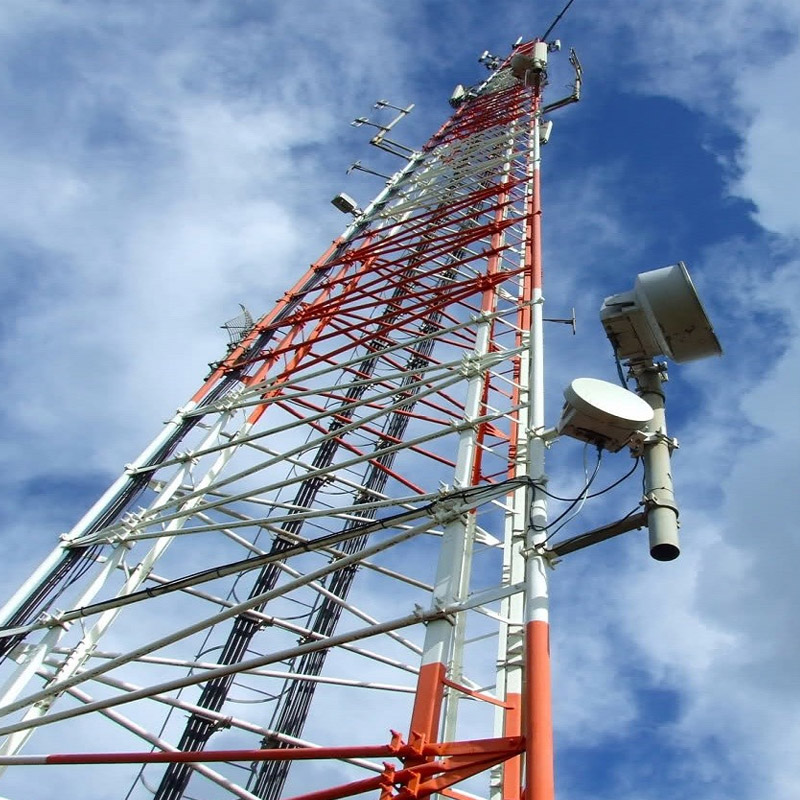
    Department of Telecoms (DoT) has put on the block a total of 2,354.55 megahertz of mobile frequencies for auction in bandwidths of 700 Mhz, 800 Mhz, 900 Mhz, 1800 Mhz, 2100 Mhz and 2300 Mhz.

    All the radiowaves being put for auction can be used for high speed 4G services.

    Recently during Vidnet2016, an OTT-specific conference organised by Indiantelevision, Star India’s chief of digital initiative (Hotstar) Ajit Mohan had opined that for platforms like Hotstar high data cost and low quality bandwidth were major challenges.

    At base price, the sale of all spectrum would fetch bids worth Rs 5.63 lakh crore. Of this, spectrum in premium 700 Mhz band alone has potential to attract bids of Rs 4 lakh crore.

    Industry experts, however, have cast doubts over success of the spectrum auction due to high base price of mobile airwaves, but DoT has expressed confidence saying buyers of airwaves in the most expensive frequency band 700 Mhz would be able to save 70 per cent of the cost they will spend on rolling out infrastructure, the PTI reports states.