Tag: Hotstar

  • Disney, Pixar & Marvel movies available on Hotstar; exclusive deal signed

    Disney, Pixar & Marvel movies available on Hotstar; exclusive deal signed

    MUMBAI: This year Disney India has witnessed spectacular success with its Hollywood movies setting benchmarks that reflect the increasing popularity of English movies in the country. Similarly, Hotstar has emerged as a market leader signaling the rise of digital and mobile entertainment platforms. Hotstar has now announced a new studio partnership with Disney India to dramatically augment its Premium service. It has inked a multi-year SVOD deal with Disney India to showcase the studio’s biggest hits exclusively on Hotstar Premium in India which includes movies like Lucasfilm Star Wars: The Force Awakens, Disney’s The Jungle Book and Moana, Marvel’s Captain America: Civil War and Doctor Strange, Disney.Pixar’s Finding Dory amongst others.

    In addition, Hotstar premium subscribers will also have access to popular movies and classics from Disney’s library including Disney.Pixar’s Ratatouille, Brave, Toy Story 3; Disney’s The Lion King, Pirates of the Caribbean: Dead Man’s Chest as well as popular American TV series from ABC Studios such as Castle and Desperate Housewives. Hotstar subscribers will be able to access this content conveniently through Disney, Marvel and ABC Studios branded sections on the homepage of Hotstar.

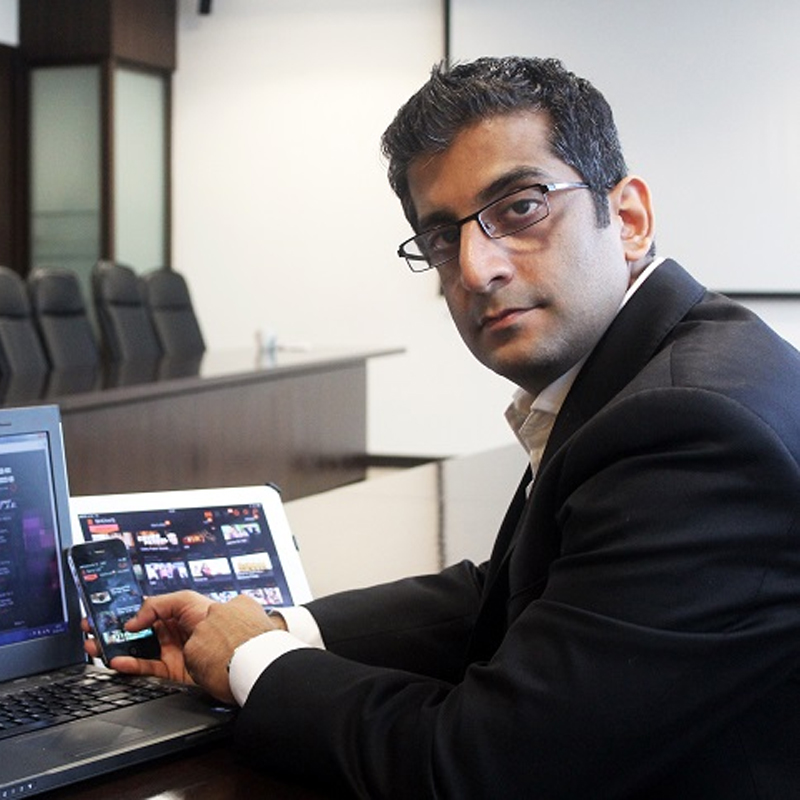
    Hotstar CEO Ajit Mohan said, “Over the last 6 months, we have established Premium as an exciting new service for an Indian audience that is interested in international stories. The deal with Disney is in line with our strategy of bringing the best of new shows and movies from around the world to our Premium subscribers. This partnership signals our continuing strategy: we will invest deeply and widely with the best story tellers in the world to ensure that Premium continues as the standout streaming service in the country.”

    “Our movies have met with much success in theatres this year. This deal is important for us as it enables us to offer our movies across Disney, Marvel, Star Wars and Pixar brands and our ABC Studios’ TV shows to our audience wherever they are. Hotstar Premium is an ideal home for our content and it gives subscribers across the country, the chance to revisit their loved stories,” said Disney India VP Studios Amrita Pandey.

    Setting its sights on shaping the connected TV experience in India, Hotstar recently appropriated the top spot on iTunes as Apple TV’s App of the Year for India 2016. The recognition came on the back of a breakthrough year in which Hotstar continued to lead and disrupt the Indian market place. The service now has more than 140 million downloads to date. According to third party tracking provider App Annie, that tracks app usage of video streaming platforms, more than 50 million users used the service in India in the month of December.

  • Star’s five marketing strategies that helped sports grow in 2016

    Star’s five marketing strategies that helped sports grow in 2016

    “Business has only two functions: marketing and innovation,” is a lesser known observation of Milan Kundera, the Czech-born French writer who’s more famous for Unbearable Lightness of Being and more such thought-provoking novels.

    Why are we cross referencing Kundera in a write-up for sports marketing campaigns? Simply because Star India and its bouquet of sports channels, marketed under brand Star Sports, are following Kundera’s words to a T— and successfully too.

    In a dynamic world of sports broadcasting where events are now held and telecast almost round the year — at times various big ticket events held and aired live the same day in different part of the globe in different time zones — it is difficult to ensure the success of every league or tournament in terms of advertising revenue. Behind the numbers’ game, lot of research is done to finalise marketing strategies, which are aimed to ensure that audiences are given exactly what they want, where they want and how they want.

    With some smart packaging, marketing and advertising, Star India has managed not only to acquire broadcast rights for the region for some of the big sporting events, but also get the eyeballs — and advertising revenue — to justify the millions of dollars it is sinking into Indian sports. A business newspaper reported last year that Star India has bet Rs. 200 billion (Rs. 20,000 crore) on sports. This money has been ploughed into not only getting the rights for Indian cricket, Summer Olympics and sundry other games, but also into building lesser sports like kabaddi and cash in on football’s popularity by creating an Indian football league with participation of retired international stars.

    We look at five marketing strategies of Star India, helmed by Chairman and CEO Uday Shankar and his deputy Sanjay Gupta, which helped the respective sports aired on Star Sports grow in terms of viewership in India.

    1. India vs. England Test Series

    In an age where T20 and slam-bang form of cricket is being aggressively promoted and vastly followed, it has been a refreshing change to see Test cricket getting good viewership. India had been itching to take revenge over England, a side which had defeated the Indian cricket gladiators in three consecutive Test series prior to this.

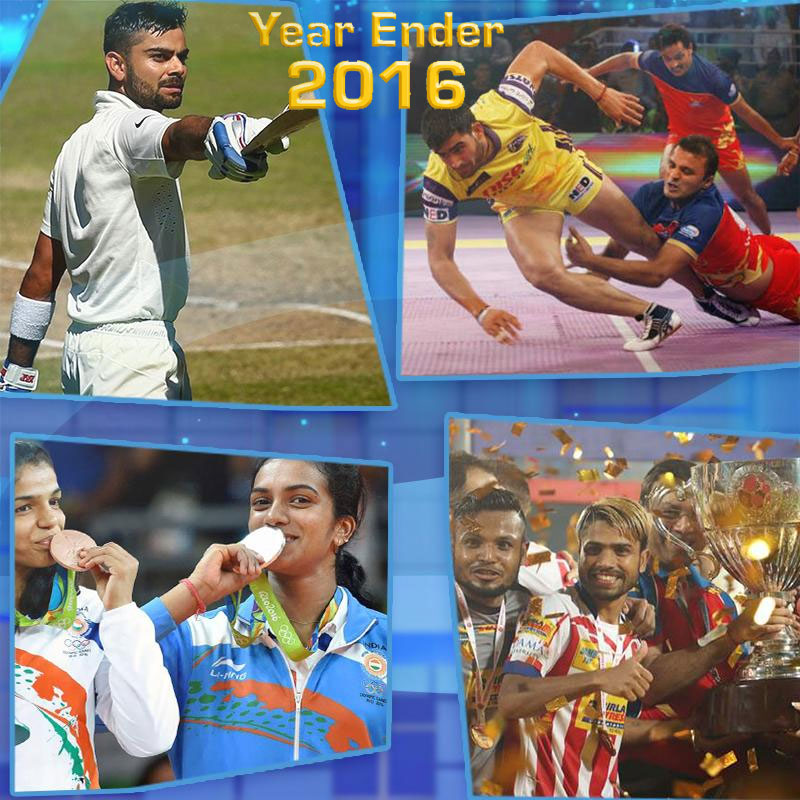
    Building up the tension with #scoretosettle, Star Sports network used the Virat Kohli factor very effectively and the response was satisfying. The five-match Test series had a reach of 159 million viewers. BARC recorded a total of 728 million impressions in the India urban market and a total of 1,217 impressions in the all-India market. The fourth Test had the highest rating with 4.9, proving the series was the biggest of the year.

    Virat Kohli scored a brilliant 235 in the fourth Test and the rise of Karun Nair and Jayant Yadav had Indian viewers glued to their TV screens. There would have been additional viewers reached via Star’s digital platform Hotstar that too streamed the matches. The series was won 4-0. It was not only Team Virat that put on a sterling performance in recent times, but also Star Sports in terms of viewership.

    2. ICC Cricket T20 World Cup

    In a heavily marketed campaign of the year, the T20 World Cup was being played on the Indian soil for the first time in its history. Quirky, gripping and nationally-emotional TVCs were made and beamed on national television starting early 2016. With #T20WC as easy and relatable as ever, the match between India vs. Pakistan trended with #maukamauka, setting the tone for brilliant support for the Men in Blue. India defeated Pakistan comfortably, riding on Virat Kohli’s brilliant half century after the team, at one time, was tottering at 23/3 due to a fearful Mohammed Amir spell. India reached the semi-finals, only to be defeated by eventual winners West Indies.

    The tournament reached 393 million people in India, one of the highest viewed tournaments in 2016. The India vs. Pakistan game got a rating of 17.3 across the Star Sports network, becoming the most watched T20 game ever since the 2007 WC final played between the arch-rivals.

    While the cricket on display was high quality, credit must be given to the marketers who too did their job magnificently. Video snippets and memes capturing Mauka-man’s reactions were also pushed in real-time during the match and after it, which contributed to #IndvsPak overtaking the tournament’s official hash tag during the game.

    The Mauka Mauka campaign, originally devised in 2015 by Ranchi-born Suresh Triveni for Star Sports, not only connected with cricket fans instantly, but also got featured in a Forbes’ list of five best sports marketing campaigns that went viral in 2015. Even as the campaign’s character still connects with viewers when used by Star Sports, writing about it in 2015 Forbes said, “Occasionally, a campaign hits a nerve and it catches the attention of a whole country. For India, this is that campaign.”

    3. Rio Summer Olympics 

    It doesn’t get bigger than the Olympics, does it? In one of the most apt hash tags in Indian markets last year, Star Sports used #issebadakuchnahi in the build up to the Rio Olympics 2016. Rest as they say, is history. Female badminton player PV Sindhu reached the finals and was part of an extensive marketing programme by the Star network.

     The tall and powerful Indian, who catapulted overnight as a superwoman in an overtly patriarchal country, lost to Spain’s Caroline Marin in a well-fought three-set final 21-19, 21-12 and 21-15. The match recorded 17.2 million impressions, the most viewed programme on that day across all genres in India. In total, 202 million viewers tuned in to watch the Rio Games on television and 10 million (Star’s internal figures) watched the live streaming on Star’s digital sibling, Hotstar.

    The whole scenario of Indian alternative sports or non-cricket games has changed after the Rio Olympics. Fans found new heroes in gymnast Dipa Karmakar, Sindhu, wrestler and bronze medallist Sakshi Malik, Aditi Ashok and various other sports personalities. As part of the story-telling, Star Sports brought their stories to fans via videos, images and content and ensured continuous engagement with fans throughout the tournament with conversations peaking when India clinched two medals (badminton and wrestling). So thought out was the marketing engagement unleashed by Star Sports that it even dug out the noodle-haired Indo-Canadian Kamal Sidhu, one of India’s fav music veejays and TV anchors during the mid 1990s and early 2000s, as the host for pre-live Olympics programmes.

    #BillionCheers, a 360-degree campaign that happened before, during and after the Olympics helped #Rio2016 become one of the top trending hash tags in India in 2016.

     4. India Super League

    The Indian football extravaganza was one of the hottest tournaments in 2016 in terms of viewership. The league saw the arrival of 2010 World Cup Golden Ball winner Diego Forlan join hands with Mumbai City FC, taking the side to the semi-finals for the first time in three editions. The league was won by Atletico de Kolkata, which defeated fellow first season finalists Kerala Blasters at a wildly-cheering houseful Kochi Stadium in Kerala.

    Using the Diwali fervour as a peg to enhance viewership, Star Sports network used a tagline of ‘Ye Diwali Football wali’ to connect the game to the audiences and the soccer culture of the nation. While 41 million fans tuned in to television to watch the final, it was a rise of 41 per cent viewership compared to the final of ISL 2015. In Kerala, the ISL matches were viewed more than the 2016 T20 cricket WC semi-final between India and West Indies and the Euro 2016 final.

    In West Bengal, the match had a higher viewership than the IPL 9 final. The league saw a total viewership of 216 million and a steep growth in rural viewership, cumulatively reaching 101 million viewers in a new high for the sport. This edition of the league also registered double view-time as compared to 2015 on the digital platform Hotstar.

    5. Kabaddi World Cup

    Arguably the alternative sport of 2016, kabaddi grew manifold with two editions of Pro Kabaddi League (PKL) and the men’s World Cup in the same year. The viewership of every event grew as time progressed and the game can now boast of having a dedicated audience, both on ground and on TV and digital platforms. The fourth edition of the PKL posted 10 million average BARC impressions and is the only league in the country to have registered a growth trend in four editions. The league has shown a growth of 51 per cent in the last four seasons and has been one of the key reasons for India’s good performance in the World Cup.

    As India snapped up the World Cup, the men’s edition clocked a whopping 114 million impressions spread across 33 matches over 16 days. Star helped building its audience with #readytoraid and a TVC that captured well rural India, the topography the game is primarily associated with.

    The women’s kabbadi challenge was even better. In the marketing strategy, Star Sports highlighted that women regularly challenge gender stereotypes in the society and can cross the line in kabaddi as well – the hash tag being an apt #crosstheline. After women’s kabaddi in PKL IV, the first two matches got a viewership of 38 million, the highest any women’s sport has got in India ever. The tournament had a total viewership of 90.4 million, with an average of 6.7 million impressions as per BARC data. This number is 2.3 times higher than the second semi-final between New Zealand and West Indies, the highest rated women’s game till date. Thus, women’s kabaddi Challenge features amongst the top 10 sporting events watched on Indian television over the last one year.
  • Star’s five marketing strategies that helped sports grow in 2016

    Star’s five marketing strategies that helped sports grow in 2016

    “Business has only two functions: marketing and innovation,” is a lesser known observation of Milan Kundera, the Czech-born French writer who’s more famous for Unbearable Lightness of Being and more such thought-provoking novels.

    Why are we cross referencing Kundera in a write-up for sports marketing campaigns? Simply because Star India and its bouquet of sports channels, marketed under brand Star Sports, are following Kundera’s words to a T— and successfully too.

    In a dynamic world of sports broadcasting where events are now held and telecast almost round the year — at times various big ticket events held and aired live the same day in different part of the globe in different time zones — it is difficult to ensure the success of every league or tournament in terms of advertising revenue. Behind the numbers’ game, lot of research is done to finalise marketing strategies, which are aimed to ensure that audiences are given exactly what they want, where they want and how they want.

    With some smart packaging, marketing and advertising, Star India has managed not only to acquire broadcast rights for the region for some of the big sporting events, but also get the eyeballs — and advertising revenue — to justify the millions of dollars it is sinking into Indian sports. A business newspaper reported last year that Star India has bet Rs. 200 billion (Rs. 20,000 crore) on sports. This money has been ploughed into not only getting the rights for Indian cricket, Summer Olympics and sundry other games, but also into building lesser sports like kabaddi and cash in on football’s popularity by creating an Indian football league with participation of retired international stars.

    We look at five marketing strategies of Star India, helmed by Chairman and CEO Uday Shankar and his deputy Sanjay Gupta, which helped the respective sports aired on Star Sports grow in terms of viewership in India.

    1. India vs. England Test Series

    In an age where T20 and slam-bang form of cricket is being aggressively promoted and vastly followed, it has been a refreshing change to see Test cricket getting good viewership. India had been itching to take revenge over England, a side which had defeated the Indian cricket gladiators in three consecutive Test series prior to this.

    Building up the tension with #scoretosettle, Star Sports network used the Virat Kohli factor very effectively and the response was satisfying. The five-match Test series had a reach of 159 million viewers. BARC recorded a total of 728 million impressions in the India urban market and a total of 1,217 impressions in the all-India market. The fourth Test had the highest rating with 4.9, proving the series was the biggest of the year.

    Virat Kohli scored a brilliant 235 in the fourth Test and the rise of Karun Nair and Jayant Yadav had Indian viewers glued to their TV screens. There would have been additional viewers reached via Star’s digital platform Hotstar that too streamed the matches. The series was won 4-0. It was not only Team Virat that put on a sterling performance in recent times, but also Star Sports in terms of viewership.

    2. ICC Cricket T20 World Cup

    In a heavily marketed campaign of the year, the T20 World Cup was being played on the Indian soil for the first time in its history. Quirky, gripping and nationally-emotional TVCs were made and beamed on national television starting early 2016. With #T20WC as easy and relatable as ever, the match between India vs. Pakistan trended with #maukamauka, setting the tone for brilliant support for the Men in Blue. India defeated Pakistan comfortably, riding on Virat Kohli’s brilliant half century after the team, at one time, was tottering at 23/3 due to a fearful Mohammed Amir spell. India reached the semi-finals, only to be defeated by eventual winners West Indies.

    The tournament reached 393 million people in India, one of the highest viewed tournaments in 2016. The India vs. Pakistan game got a rating of 17.3 across the Star Sports network, becoming the most watched T20 game ever since the 2007 WC final played between the arch-rivals.

    While the cricket on display was high quality, credit must be given to the marketers who too did their job magnificently. Video snippets and memes capturing Mauka-man’s reactions were also pushed in real-time during the match and after it, which contributed to #IndvsPak overtaking the tournament’s official hash tag during the game.

    The Mauka Mauka campaign, originally devised in 2015 by Ranchi-born Suresh Triveni for Star Sports, not only connected with cricket fans instantly, but also got featured in a Forbes’ list of five best sports marketing campaigns that went viral in 2015. Even as the campaign’s character still connects with viewers when used by Star Sports, writing about it in 2015 Forbes said, “Occasionally, a campaign hits a nerve and it catches the attention of a whole country. For India, this is that campaign.”

    3. Rio Summer Olympics 

    It doesn’t get bigger than the Olympics, does it? In one of the most apt hash tags in Indian markets last year, Star Sports used #issebadakuchnahi in the build up to the Rio Olympics 2016. Rest as they say, is history. Female badminton player PV Sindhu reached the finals and was part of an extensive marketing programme by the Star network.

     The tall and powerful Indian, who catapulted overnight as a superwoman in an overtly patriarchal country, lost to Spain’s Caroline Marin in a well-fought three-set final 21-19, 21-12 and 21-15. The match recorded 17.2 million impressions, the most viewed programme on that day across all genres in India. In total, 202 million viewers tuned in to watch the Rio Games on television and 10 million (Star’s internal figures) watched the live streaming on Star’s digital sibling, Hotstar.

    The whole scenario of Indian alternative sports or non-cricket games has changed after the Rio Olympics. Fans found new heroes in gymnast Dipa Karmakar, Sindhu, wrestler and bronze medallist Sakshi Malik, Aditi Ashok and various other sports personalities. As part of the story-telling, Star Sports brought their stories to fans via videos, images and content and ensured continuous engagement with fans throughout the tournament with conversations peaking when India clinched two medals (badminton and wrestling). So thought out was the marketing engagement unleashed by Star Sports that it even dug out the noodle-haired Indo-Canadian Kamal Sidhu, one of India’s fav music veejays and TV anchors during the mid 1990s and early 2000s, as the host for pre-live Olympics programmes.

    #BillionCheers, a 360-degree campaign that happened before, during and after the Olympics helped #Rio2016 become one of the top trending hash tags in India in 2016.

     4. India Super League

    The Indian football extravaganza was one of the hottest tournaments in 2016 in terms of viewership. The league saw the arrival of 2010 World Cup Golden Ball winner Diego Forlan join hands with Mumbai City FC, taking the side to the semi-finals for the first time in three editions. The league was won by Atletico de Kolkata, which defeated fellow first season finalists Kerala Blasters at a wildly-cheering houseful Kochi Stadium in Kerala.

    Using the Diwali fervour as a peg to enhance viewership, Star Sports network used a tagline of ‘Ye Diwali Football wali’ to connect the game to the audiences and the soccer culture of the nation. While 41 million fans tuned in to television to watch the final, it was a rise of 41 per cent viewership compared to the final of ISL 2015. In Kerala, the ISL matches were viewed more than the 2016 T20 cricket WC semi-final between India and West Indies and the Euro 2016 final.

    In West Bengal, the match had a higher viewership than the IPL 9 final. The league saw a total viewership of 216 million and a steep growth in rural viewership, cumulatively reaching 101 million viewers in a new high for the sport. This edition of the league also registered double view-time as compared to 2015 on the digital platform Hotstar.

    5. Kabaddi World Cup

    Arguably the alternative sport of 2016, kabaddi grew manifold with two editions of Pro Kabaddi League (PKL) and the men’s World Cup in the same year. The viewership of every event grew as time progressed and the game can now boast of having a dedicated audience, both on ground and on TV and digital platforms. The fourth edition of the PKL posted 10 million average BARC impressions and is the only league in the country to have registered a growth trend in four editions. The league has shown a growth of 51 per cent in the last four seasons and has been one of the key reasons for India’s good performance in the World Cup.

    As India snapped up the World Cup, the men’s edition clocked a whopping 114 million impressions spread across 33 matches over 16 days. Star helped building its audience with #readytoraid and a TVC that captured well rural India, the topography the game is primarily associated with.

    The women’s kabbadi challenge was even better. In the marketing strategy, Star Sports highlighted that women regularly challenge gender stereotypes in the society and can cross the line in kabaddi as well – the hash tag being an apt #crosstheline. After women’s kabaddi in PKL IV, the first two matches got a viewership of 38 million, the highest any women’s sport has got in India ever. The tournament had a total viewership of 90.4 million, with an average of 6.7 million impressions as per BARC data. This number is 2.3 times higher than the second semi-final between New Zealand and West Indies, the highest rated women’s game till date. Thus, women’s kabaddi Challenge features amongst the top 10 sporting events watched on Indian television over the last one year.
  • Ratings make India-England ‘Biggest Test Series of the Year’

    Ratings make India-England ‘Biggest Test Series of the Year’

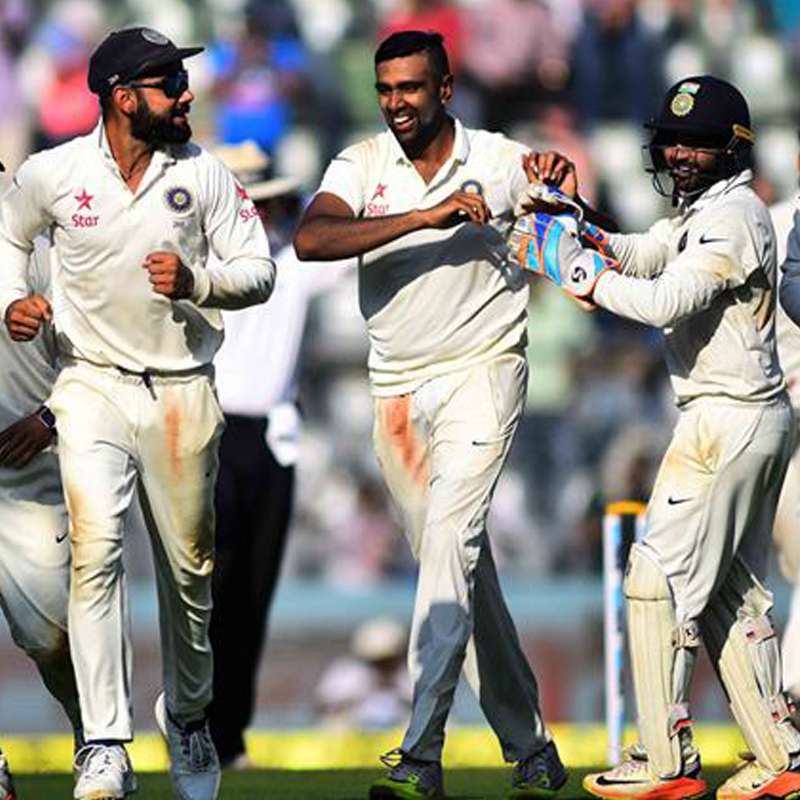
    MUMBAI: In a season, which will see India play 13 Tests in 2016-17, the longer format of cricket has seen a revival in terms of following and viewership. Owing to intense finishes, audience numbers in the last three games at Mohali, Mumbai and Chennai in the India versus England series was good. Following India’s good performance, broadcast rights holder Star India and its digital sibling Hotstar too gained.

    While India defeated the England cricket team comprehensively 4-0 in the five-match Test series, it was clear that Captain Virat Kohli and his team’s exploits were getting back the mojo associated with Test cricket. Team India’s cricketing exploits reflected on the numbers too: a total of 572 million impressions in the first four Tests in the urban market and a total of 956 million impressions in the all-India market.

    The fourth Test saw Kohli hitting 235, his third triple century this year. According to Broadcast Audience Research Council (BARC) India ratings, the highest viewership, 246 million impressions, was garnered in the fourth Test, in which India defeated the visitors by an innings and 36 runs. This was also the highest rating for any Test featuring India in the last three years. Calculated on 4+ all-India pro-rata base, the data proves that it was indeed the ‘Biggest Test series of the Year’.

    With Dean Jones clearly suggesting that Asia, in general, and India, in particular, need to like the longer format of the game for its survival, the ratings prove that audiences are on the right track. With the next test series at home lined up against Australia, there’s surely no dearth of excitement for the fans of the longer version of the game. The four match Test series starts on 23 February 2017.

    Meanwhile, coming back to India vs. England series, the first Test got 244 million impressions in the all-India market and clocked 144 million impressions from the urban market. The second Test grew in numbers with 248 and 147 million impressions, respectively, in the all-India and urban market. The third Test saw a little lull, garnering 218 and 131 million impressions, respectively.

  • Ratings make India-England ‘Biggest Test Series of the Year’

    Ratings make India-England ‘Biggest Test Series of the Year’

    MUMBAI: In a season, which will see India play 13 Tests in 2016-17, the longer format of cricket has seen a revival in terms of following and viewership. Owing to intense finishes, audience numbers in the last three games at Mohali, Mumbai and Chennai in the India versus England series was good. Following India’s good performance, broadcast rights holder Star India and its digital sibling Hotstar too gained.

    While India defeated the England cricket team comprehensively 4-0 in the five-match Test series, it was clear that Captain Virat Kohli and his team’s exploits were getting back the mojo associated with Test cricket. Team India’s cricketing exploits reflected on the numbers too: a total of 572 million impressions in the first four Tests in the urban market and a total of 956 million impressions in the all-India market.

    The fourth Test saw Kohli hitting 235, his third triple century this year. According to Broadcast Audience Research Council (BARC) India ratings, the highest viewership, 246 million impressions, was garnered in the fourth Test, in which India defeated the visitors by an innings and 36 runs. This was also the highest rating for any Test featuring India in the last three years. Calculated on 4+ all-India pro-rata base, the data proves that it was indeed the ‘Biggest Test series of the Year’.

    With Dean Jones clearly suggesting that Asia, in general, and India, in particular, need to like the longer format of the game for its survival, the ratings prove that audiences are on the right track. With the next test series at home lined up against Australia, there’s surely no dearth of excitement for the fans of the longer version of the game. The four match Test series starts on 23 February 2017.

    Meanwhile, coming back to India vs. England series, the first Test got 244 million impressions in the all-India market and clocked 144 million impressions from the urban market. The second Test grew in numbers with 248 and 147 million impressions, respectively, in the all-India and urban market. The third Test saw a little lull, garnering 218 and 131 million impressions, respectively.

  • Why Ajit Mohan allowed Amazon Prime to advertise on Hotstar

    Why Ajit Mohan allowed Amazon Prime to advertise on Hotstar

    MUMBAI: Hotstar subscribers were a little taken aback when they logged into their accounts to see Amazon Prime being promoted on the masthead during its launch week.

    Some media observers even questioned whether Novi Digital (which runs Hotstar) CEO Ajit Mohan had lost it as he was allowing competitors to use India’s leading OTT/VOD platform to gain traction. Would the Times of India allow a fit and hungry rival to advertise its launch in the newspaper?

    However, Ajit Mohan explained in an internal email to his team why he chose to allow Amazon Prime to advertise on it.

    Indiantelevision.com has got access to this internal communication. Says Ajit in the email:

    “Team:

    Many of you have asked me over the last couple of days why we chose to allow Amazon Prime Video to advertise on Hotstar earlier this week, as part of their India launch. Here is why:

    We are now an indispensable platform for any advertiser that is looking to target users on digital who actually have money to spend. And, nowhere else on digital, whether on social or on news or video, can they find audiences as engaged as they are on Hotstar. It is, therefore, not surprising that Prime Video was keen to launch their service on our platform.

    Equally, we have always assumed that when users are given a choice, they will choose a service that offers a better experience and a more diverse content range. That’s the reason why we are the leading premium video service today. And we will continue to be the leader so long as we focus on retaining our extensive advantage on the above two. And, therefore, there is no reason for us to put artificial barriers vis-à-vis potential competitors. We are not planning to win by blocking others, we will win by continuing to do what we are doing well today.

    Lastly, on Monday, the day Prime Video was on our masthead, we hit the highest watch time ever on Hotstar. Looks like we are adding value to our advertisers even as consumers are showing more and more loyalty to our service.”

    We reached out to Hotstar to get more details on how much Amazon Prime paid for the prime position but came up against a wall. However, observers estimate that it is probably the highest that it has earned for that slot. Stay tuned in for more!

  • Why Ajit Mohan allowed Amazon Prime to advertise on Hotstar

    Why Ajit Mohan allowed Amazon Prime to advertise on Hotstar

    MUMBAI: Hotstar subscribers were a little taken aback when they logged into their accounts to see Amazon Prime being promoted on the masthead during its launch week.

    Some media observers even questioned whether Novi Digital (which runs Hotstar) CEO Ajit Mohan had lost it as he was allowing competitors to use India’s leading OTT/VOD platform to gain traction. Would the Times of India allow a fit and hungry rival to advertise its launch in the newspaper?

    However, Ajit Mohan explained in an internal email to his team why he chose to allow Amazon Prime to advertise on it.

    Indiantelevision.com has got access to this internal communication. Says Ajit in the email:

    “Team:

    Many of you have asked me over the last couple of days why we chose to allow Amazon Prime Video to advertise on Hotstar earlier this week, as part of their India launch. Here is why:

    We are now an indispensable platform for any advertiser that is looking to target users on digital who actually have money to spend. And, nowhere else on digital, whether on social or on news or video, can they find audiences as engaged as they are on Hotstar. It is, therefore, not surprising that Prime Video was keen to launch their service on our platform.

    Equally, we have always assumed that when users are given a choice, they will choose a service that offers a better experience and a more diverse content range. That’s the reason why we are the leading premium video service today. And we will continue to be the leader so long as we focus on retaining our extensive advantage on the above two. And, therefore, there is no reason for us to put artificial barriers vis-à-vis potential competitors. We are not planning to win by blocking others, we will win by continuing to do what we are doing well today.

    Lastly, on Monday, the day Prime Video was on our masthead, we hit the highest watch time ever on Hotstar. Looks like we are adding value to our advertisers even as consumers are showing more and more loyalty to our service.”

    We reached out to Hotstar to get more details on how much Amazon Prime paid for the prime position but came up against a wall. However, observers estimate that it is probably the highest that it has earned for that slot. Stay tuned in for more!

  • Shemaroo to further focus on digital

    Shemaroo to further focus on digital

    MUMBAI: Content aggregation and distribution company Shemaroo Entertainment is going into an overdrive on the digital ecosystem. And it’s working for the firm which is quoting currently at Rs 382 (on Wednesday 03pm) on the Bombay stock exchange.

    In an interview with CNBC TV18 on 20 December, Shemaroo’s wholetime director and CFO Hiren Gada said, “Digital is currently contributing 20 per cent of its top line revenues,” and growth has been at a healthy 50 per cent and more.

    Gada further elaborated that around Rs 24 crore of its previous quarter’s revenues of around Rs 100 crore came courtesy digital or new media. He was specially buoyant about the 4.5 million views per day that its channels on YouTube were generating. Its mother channel Shemaroo had 2.28 million subscribers, Filmi Gaane had 1.8 million subscribers, Shemaroo Movies had 431,579 subscribers, and Shemaroo Kids had 281,000 subscribers cumulatively generating 1.42 billion views, 1.26 billion views, 142 million views and 186 million views, respectively.

    “So, that kind of bears out as a strategy and conviction that the content strategy that we are following is getting tremendous traction with the audience,” he said.

    Gada disclosed that telcos such as Vodafone, Idea and Airtel which it has partnered are already adding a “large component of revenues” to the company’s topline. “Then, there are all these (platforms) which are the next level of services, some of which are nascent or new like Reliance Jio or Hotstar or iTunes or any other international platforms. They hold tremendous potential.”

    Gada added that the company’s content is unmissable. “.. given the kind of content we are sitting on, no one can run a meaningful Bollywood service without some content from Shemaroo. So, to that extent, we are either in talks or already deployed on many of the platforms that are already operating.”

    Gada was hopeful of maintaining or hiking the revenue growth levels of 50 per cent that its new media focus has been generating over the next quarter as well. He also highlighted that margins for this segment were also higher than for the company as a whole as operating costs are being kept in check.

    Shemaroo has also tied up with DTH operators such as Tata Sky, Dish TV and Airtel to run specialised value added services for them covering movies, comedy, religious songs.

  • Shemaroo to further focus on digital

    Shemaroo to further focus on digital

    MUMBAI: Content aggregation and distribution company Shemaroo Entertainment is going into an overdrive on the digital ecosystem. And it’s working for the firm which is quoting currently at Rs 382 (on Wednesday 03pm) on the Bombay stock exchange.

    In an interview with CNBC TV18 on 20 December, Shemaroo’s wholetime director and CFO Hiren Gada said, “Digital is currently contributing 20 per cent of its top line revenues,” and growth has been at a healthy 50 per cent and more.

    Gada further elaborated that around Rs 24 crore of its previous quarter’s revenues of around Rs 100 crore came courtesy digital or new media. He was specially buoyant about the 4.5 million views per day that its channels on YouTube were generating. Its mother channel Shemaroo had 2.28 million subscribers, Filmi Gaane had 1.8 million subscribers, Shemaroo Movies had 431,579 subscribers, and Shemaroo Kids had 281,000 subscribers cumulatively generating 1.42 billion views, 1.26 billion views, 142 million views and 186 million views, respectively.

    “So, that kind of bears out as a strategy and conviction that the content strategy that we are following is getting tremendous traction with the audience,” he said.

    Gada disclosed that telcos such as Vodafone, Idea and Airtel which it has partnered are already adding a “large component of revenues” to the company’s topline. “Then, there are all these (platforms) which are the next level of services, some of which are nascent or new like Reliance Jio or Hotstar or iTunes or any other international platforms. They hold tremendous potential.”

    Gada added that the company’s content is unmissable. “.. given the kind of content we are sitting on, no one can run a meaningful Bollywood service without some content from Shemaroo. So, to that extent, we are either in talks or already deployed on many of the platforms that are already operating.”

    Gada was hopeful of maintaining or hiking the revenue growth levels of 50 per cent that its new media focus has been generating over the next quarter as well. He also highlighted that margins for this segment were also higher than for the company as a whole as operating costs are being kept in check.

    Shemaroo has also tied up with DTH operators such as Tata Sky, Dish TV and Airtel to run specialised value added services for them covering movies, comedy, religious songs.

  • Amazon Prime to explore sports genre & catch-up TV

    Amazon Prime to explore sports genre & catch-up TV

    MUMBAI: Prime subscribers in India are in for a treat. Nearly a year after preparations, American e-commerce giant has finally launched its Prime Video service in India. At an introductory price of Rs 499 a year (Rs 42month) and a month’s free trial as reported by Indiantelevision earlier, Amazon Prime Video gives users access to latest Hollywood movies, Bollywood blockbusters, TV shows, Amazon original series and kids’ programming. For those who already have an Amazon Prime subscription, they get video streaming as well for no extra charge.

    As many as nine original programs have been produced with the first slated to launch early next year and nine under production. Its original series are produce by Ram Madhwani, Prasoon Joshi, All India Bakchod (AIB), Vikram Malhotra, OML, Ritesh Sidhwani, Farhan Akhtar, amongst others.

    The subscription based video-on-demand service is now available in 200 territories. With learnings from its other markets and the lavish content portfolio, one can ensure that it is here to stay.

    “For now, the number of international shows will be slightly greater than the ones produced in India. As we get into this, the ratio of Indian content will get higher and higher. After the US and Japan, India is the third country wherein we are betting high,” said Amazon Prime APAC head of content James Farrell.

    Given the huge appetite for sports content in India and the lack of sports content being offered by the current OTT platforms, abreast its current offering, the service might also look at providing compelling sports programming and catch-up television to its customers.

    “I perceive that Indian customers want to watch great movies and shows at a decent value and that is what we are providing. Prime is an amazing deal in shopping and watching at an affordable price. We are focused on providing compelling content to our customers. So, today we are announcing licensed movies and TV shows apart from original content and foreign content. Sports is a compelling category for customers and we will consider that,” said Amazon Instant Video International VP Tim Leslie.

    As broadcast and digital continue to converge within sport, fans demand more access to content at their fingertips on any device. There is a clear need for the next step in providing customers direct propositions in sports media. Sports federations, leagues and brands are already looking to harness the power of OTT content and the opportunities it offers. The one who adopts first will rule.

    “Sports is important for India and we will evaluate it. We will let you know as we decide on sports,” added Amazon Video India director and country head Nitesh Kripalani.

    In addition to its current content offering, if there is a demand to provide next day television of their favorite channels in India, the service will definitely look into it.

    “Catch-up is one category where we are trying to talk to everybody. So, whether it is movies, kids, sports or catch-up television, if our customers want linear television’ catch-up the next day, we will talk to those channels and look at a partnership. We will definitely explore that,” added Farrell.

    “India has one of the richest and most vibrant entertainment industries in the world—Amazon is energized by the talent and the passion of India’s film industry and is excited to be making multiple Indian original shows already, with more to come. We are also making a commitment to our Indian customers to deliver high-quality, binge-worthy shows that they’ll love to watch,” said Amazon Studios VP and head Roy Price.

    After tying up with film makers and film studios since September, Amazon Prime’s video content portfolio has 2016’s top Indian and Hollywood blockbusters. It also has top kids shows like Doraemon, Chhota Bheem and Oggy & the Cockroaches and Indian shows like Taarak Mehta Ka Ooltah Chashmah, CID and Crime Patrol. Titles like Salman Khan starrer Sultan, Rajnikanth’s Kabali and Hollywood blockbuster Batman vs Superman – Dawn of Justice, has made it to its offering. Its international bouquet includes shows like The Good Wide, Two and a Half Men, Mr. Robot, etc. Many US TV shows will premiere on Prime Video within a day of its broadcast in the US.

    “We don’t look to create disruption in the entertainment space but we want to listen to our customers and their needs. We are in a customer revolution in India in the way people watch content in India, which has happened in US, UK and recently in Germany. It is starting to happen in Japan. The customer revolution is that why be bound to watch shows at certain days and time, why do not you watch it wherever and whenever you want to watch. That is very important. Other point is that content creators don’t have to fine huge audience on linear TV. They can make ambitious and ground-breaking shows and find their audience,” voiced Leslie.

    Some selected Prime Video international content is also available in dubbed Indian languages and subtitles. In addition to English and Hindi films, the service will also offer regional movies in Tamil, Telugu, Bengali and Marathi. It also promises movies and TV shows from top Indian and international studios.

    “We want to solve customer problems and we took it in three ways – selection, convenience and value. We are focused on getting the widest selection of exclusive and latest content. We want to solve the problem of data usage and too many advertisements playing. All at the same time of shipping guaranteed in one or two days and the best content. We are enablers of the market; we are enablers who want to consume great content, we are enablers of creators who want to create great content without having the constraints of the duration. We want to change the way customers consume and creators create content,” added Kripalani.

    It is also looking to offer TVOD in its other prime markets. “We will always look at more ways to watch content. It not just includes devices but more ways to purchase content. So, we want to provide customers lots of choice,” asserted Leslie.

    Besides Netflix’ subscription plans which start from Rs 500 and go up to Rs 800 per year, India has online streaming platforms like Star India’s Hotstar with its premium service at Rs 199 per month. Compared to this, YuppTV charges consumers Rs 99 a month whereas Eros Now has a daily pass for Rs 10 and a weekly pass for Rs 30 and a weekend pass for Rs 20. The annual subscription is available for Rs 1,000.

    Hooq starting at Rs 199 per month which is popular among movie buffs and Spuul which offers a Premium subscription option in monthly, annual, and multiple smaller packages, along with pay-per-view movies as well.

    “Globally, viewership is moving towards VOD and one can also see this increasing adoption of digital video consumption in India too. This has thrown the field open for a lot of players in the country and the entry of Amazon Prime is a welcome and much anticipated move for the VOD space in India. With robust smartphone penetration and the launch of 4G, one can foresee a tectonic shift in consumption that will forever change the entertainment industry. With the entry of the likes of Amazon Prime, the VOD space will be poised for growth as video content will be created and marketed specifically for the web and devices. However content, accessibility and overall user experience will be a game changer for any player to succeed in India. Currently at Spuul we have ~18m users of which 80% consume content on smartphones and we expect this to grow exponentially in 2017. We will continue to execute on our focus of providing the best quality Indian content and superior user experience to the masses, and our upcoming product releases and content additions will reflect that,” said Spuul India CEO Rajiv Vaidya.