Tag: Hooq

  • Hooq adds Prestige, Zodiac & Village to its offering

    MUMBAI: The 89 Annual Oscar awards are scheduled to happen later this month on the 24 February. As we gear to watch the awards where films with excellent content are nominated every year, Hooq has added new movie titles to its existing content base. The new titles include renowned names such as The Prestige, Dirty Pretty Things, There will be Blood, Zodiac, Inside Jobs, The Village, The English Patient amongst others.

    Hooq India MD Salil Kapoor said, “Oscars being the most prestigious awards in the history of the film industry automatically becomes a benchmark for the best curated content of all time. As a platform which offers video on demand service, we want to give our customers the best and the most exciting content from across the world and genres. We are very happy to announce the addition of new Oscar titles to our existing base. Hooq has one of the largest number of titles and we are very excited to continuously add more content every month. With varied content on our platform, we aim to offer our audiences different flavors with an uninterrupted viewing experience. To propagate our efforts further, we have multiple partnerships in place, to give a few examples, the Hooq complimentary trials are available for postpaid customers of Airtel, Vodafone and ACT Fiber net. These partnerships will help consumer experience the freedom of viewing content anytime, anywhere with Hooq and give them a window to what we have to offer.”

    The Prestige- is a mystery thriller drama film directed by Christopher Nolan, from a screenplay adapted by Nolan and his brother Jonathan from Christopher Priest’s 1995 World Fantasy Award-winning novel of the same name. The story follows Robert Angier and Alfred Borden, rival stage magicians in London at the end of the 19th century. Obsessed with creating the best stage illusion, they engage in competitive one-upmanship with tragic results.The film had 34 nominations and five wins in the Academy Awards.

    Dirty Pretty Things- is a British drama film directed by Stephen Frears and written by Steven Knight, a drama about two immigrants in London. The film had 19 nominations and 5 wins in the Academy Awards 2004.

    There Will Be Blood- is a American epic historical drama film written and directed by Paul Thomas Anderson and starring Daniel Day-Lewis and Paul Dano. The film was inspired by Upton Sinclair’s novel Oil! It tells the story of a silver miner-turned-oilman (Day-Lewis) on a ruthless quest for wealth during Southern California’s oil boom of the late 19th and early 20th centuries. The film had around 80 nominations with 70 wins out of them.

    Zodiac- is an American mystery-thriller film directed by David Fincher. Zodiac tells the story of the manhunt for a notorious serial killer who called himself the “Zodiac” and killed in and around the San Francisco Bay Area during the late 1960s and early 1970s, leaving several victims in his wake and taunting police with letters, blood stained clothing, and ciphers mailed to newspapers. The cases remain one of Northern California’s most infamous unsolved crimes. The film had 30 nominations with 10 wins out of them.

    Inside Job- is a documentary film, directed by Charles H. Ferguson, about the late-2000s financial crisis. The film is about “the systemic corruption of the United States by the financial services industry and the consequences of that systemic corruption”. In five parts, the film explores how changes in the policy environment and banking practices helped create the financial crisis.Inside Job was acclaimed by film critics, who praised its pacing, research, and exposition of complex material. The film was screened at the 2010 Cannes Film Festival in May and won the 2010 Academy Award for Best Documentary Feature.

    The Village- is an American psychological thriller film, written, produced, and directed by M. Night Shyamalan, and starring Bryce Dallas Howard, Joaquin Phoenix, Adrien Brody, William Hurt, and Sigourney Weaver. The film is about a village whose inhabitants live in fear of creatures inhabiting the woods beyond it. Like other films written and directed by Shyamalan from the same time period, The Village has a twist ending.The film received mixed reviews, with critics especially divided about the plausibility and payoff of the ending. The film gave composer James Newton Howard his fourth Academy Award nomination for Best Original Score. The film had 11 nominations with 5 wins out of them.

    The English Patient is a British-American romantic drama film directed by Anthony Minghella from his own script based on the novel of the same name by Michael Ondaatje and produced by Saul Zaentz. In the final days of the Italian Campaign of World War II, Hana, a French-Canadian nurse working and living in a bombed-out Italian monastery, looks after a critically burned man who speaks English but cannot remember his name. They are joined by Kip, a Sikhsapper in the British Army who defuses bombs and has a love affair with Hana before leaving. The film was released to critical acclaim, and received 12 nominations at the 69th Academy Awards, eventually winning nine, including Best Picture, Best Director for Minghella and Best Supporting Actress for Juliette Binoche.

  • Hooq hires ex-BBC exec, to expand into new territories

    Hooq hires ex-BBC exec, to expand into new territories

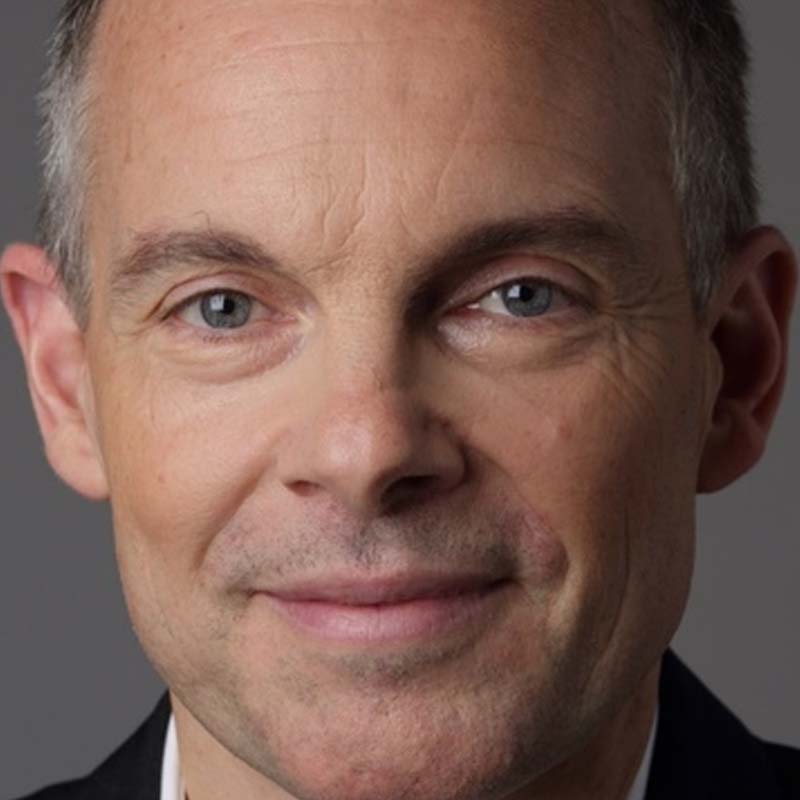
    MUMBAI: Singtel’s over-the-top (OTT) service Hooq has appointed Michael Fleshman as its chief technical officer. He was the senior vice-president of consumer digital technology at BBC Worldwide until March 2015 after being CTO at FT.com and CIO at the Financial Times.

    Hooq CEO Peter Bithos welcomed Fleshman to Hooq as part of the senior leadership team. He opined that the team is ecstatic by his depth of experience in the digital media space and is confident about Fleshman leading the technical team to new heights as it expands aggressively into new territories, new products and new platforms in 2017.

    Fleshman said he looked forward to driving the company into its new phase of innovation and technology.

    Singtel has a majority stake in the project across Asia, with Sony Pictures Television and Warner Bros Entertainment being the minority shareholders.

    Also Read:

    Netflix confirms seven million subs; picks up Amazon gauntlet

    HOOQ raises US$ 25 million from Sony Pictures, others; open to outside investors

    Hooq appoints OTT veteran for Singapore business

    Hooq expands its kids offering; to add 500 hours of content


  • HOOQ raises US$ 25 million from Sony Pictures, others; open to outside investors

    HOOQ raises US$ 25 million from Sony Pictures, others; open to outside investors

    MUMBAI: Southeast Asian streaming platform HOOQ, a Netflix challenger, has raised US$25 million (Rs 1.7 billion) in capital from existing investors — Sony Pictures, Singtel and Warner Brothers, it was announced through a stock exchange filing from Singtel.

    HOOQ went live in Indonesia, Philippines, India and Thailand in 2015. Recently launching in India, Amazon Prime Video is now an international challenger.

    HOOQ CEO Peter Bithos said that the company was preparing to welcome outside investors.

    The filing stated that Singtel had invested an additional US$ 15.5 million with the other investors contributing the remainder. It was also disclosed that HOOQ had earlier raised US$ 70 million, taking the total recent investment to US$ 95 million.

    HOOQ was founded two years ago by the trio with Singtel having a majority holding. Following the deal, the companies retained the same shareholding with Singtel owning 65 per cent; Warner and Sony each taking 17.5 per cent.

  • HOOQ raises US$ 25 million from Sony Pictures, others; open to outside investors

    HOOQ raises US$ 25 million from Sony Pictures, others; open to outside investors

    MUMBAI: Southeast Asian streaming platform HOOQ, a Netflix challenger, has raised US$25 million (Rs 1.7 billion) in capital from existing investors — Sony Pictures, Singtel and Warner Brothers, it was announced through a stock exchange filing from Singtel.

    HOOQ went live in Indonesia, Philippines, India and Thailand in 2015. Recently launching in India, Amazon Prime Video is now an international challenger.

    HOOQ CEO Peter Bithos said that the company was preparing to welcome outside investors.

    The filing stated that Singtel had invested an additional US$ 15.5 million with the other investors contributing the remainder. It was also disclosed that HOOQ had earlier raised US$ 70 million, taking the total recent investment to US$ 95 million.

    HOOQ was founded two years ago by the trio with Singtel having a majority holding. Following the deal, the companies retained the same shareholding with Singtel owning 65 per cent; Warner and Sony each taking 17.5 per cent.

  • Guest Column: Regulating video in Internet age: Pressing challenges, slow movement

    Guest Column: Regulating video in Internet age: Pressing challenges, slow movement

    Video markets in Asia, as in other parts of the world, are being swept by a wave of commercial and technological adjustment to the rise of internet-delivered video, frequently referred to as “OTT” television.  Unfortunately, in most countries adjustment of regulatory policies by governments is way behind.

    Asia’s cities, in particular, are rapidly being wired for broadband connectivity.  In developing countries like Thailand, the Philippines, Indonesia and India a broad digital divide has opened, with major urban areas enjoying improving connectivity and the countryside still reliant on more traditional modes of video delivery to consumers. 

    That divide is a problem needing attention, but in the meantime urban populations, at least, are enjoying a “sweet spot” of improving broadband and adequate disposable income to pay for services consumers want.  As a result, they have become the object of a “race to serve” on the part of video providers on every scale:

    • Traditional pay-TV operators are upgrading their VOD offerings and broadening device access to include smartphones and tablets. 

    • At the same time, new entrants are seeking to construct the right content offerings at the right price to win over consumers.  Major global providers (Netflix and Amazon Prime) entered Asia during 2016, and immediately were confronted with the need to adapt a global approach to Asian realities (including lower price points).

    • A raft of regional Asian OTT platforms have expanded their offerings (including Viu TV, Hooq, IFlix, and Catchplay), alongside a plethora of locally-oriented offerings (like Hotstar, Dittotv and Voot in India, plus Toggle, Monomaxx, Doonee, USeeTV, MyK+, etc., in Southeast Asia.)

    These market developments have significantly ratcheted up the pressure on governments, who are seeing more and more consumers migrate to lightly-regulated (or totally unregulated) online content supply, and away from the heavily-regulated traditional TV sectors.   Governments are in a quandary – most do not wish to impede their citizens’ access to global information sources, but at the same time they see evident challenges to long-established policies for content acceptability, broadcaster licensing, taxation, advertising etc.   At the extreme, “pirate” OTT services happily locate offshore, respect no rules and meet no obligations of any kind (not limited to copyright authorization), all the while reaping millions in subscription and/or advertising revenues.  Local content industries are crying foul. 
    This very unbalanced competitive landscape causes deep damage to network operators, content creators at home and abroad, and investors in local economies.  In general, it isn’t possible to subject online content supply to outdated “legacy” broadcasting rules, so alternative solutions have to be considered, including self-regulatory approaches (which can gain acceptance from legitimate OTT suppliers, if not the pirate scofflaws) and lightening the burdens on existing players.

    So far, despite various governments in our region trumpeting a desire to update regulations to suit the digital age, only piecemeal measures have been adopted.  Several “major policy reviews” in places like Australia, New Zealand and Singapore have produced thin gruel in the way of concrete adjustments.  That said, to policymakers’ credit, there are now a few examples showing how existing rules can be lightened to allow licensed video providers to give consumers more of what they expect, in the internet age.  South Korea relaxed rate regulation on cable TV operators so they could compete more fairly; Singapore eased its content censorship on VOD over pay-TV networks, to more closely match the approach used for online content suppliers; Vietnam allowed pay-TV providers to construct their own content offerings with different foreign channels instead of hewing to a single national content list.

    So a start has been made, but there remains a huge work to be done; a vast thicket of taxes, licensing rules and interventionist regulation constrains licensed pay-TV providers throughout Asia and these burdens will have to be reduced to attract investments for modernizing network infrastructure and developing local content offerings.   Even governments for whom this is not much of a current issue can see the future coming:  more and better broadband is on the way for Asian consumers, and like viewers everywhere they will be looking to view their content online.  

    Unfortunately, ingrained habits die hard.  Hong Kong’s regulators are wasting energy in a fight with major broadcasters over whether product placement in programming is too prominent; TRAI is going the wrong way – actually seeking to extend and tighten rate regulation on digital content when supplied by traditional cable operators; Thailand – eager to justify the high bids for digital terrestrial licenses – levies burdensome “must carry” rules on cable and satellite operators; Indonesia’s content regulators are pushing protectionist “made in Indonesia” rules for ads on traditional TV platforms.   (Who looks at prices charged, products touted, or ad origins for online content?)

    A better approach is reliance on self-regulatory systems wherever possible.  Many issues (e.g. product placement, ad origination, content guidelines) should be the object of clear rules negotiated by industry bodies which can be applied by the respective players to online and offline networks.   The ad industry is very accomplished at doing this; in the UK, for example, advertising self-regulation is being extended to online platforms as well as traditional ones.
    In another corner of the industry, India’s own BARC is showing well how self-regulatory bodies can wield substantial influence, as it seeks to stem malpractices in audience measurement.
    Rarely is the scope of future challenges so clear, as it is for Asian governments looking at the video industry.  It is time to move to meet those challenges in a pragmatic and realistic way.

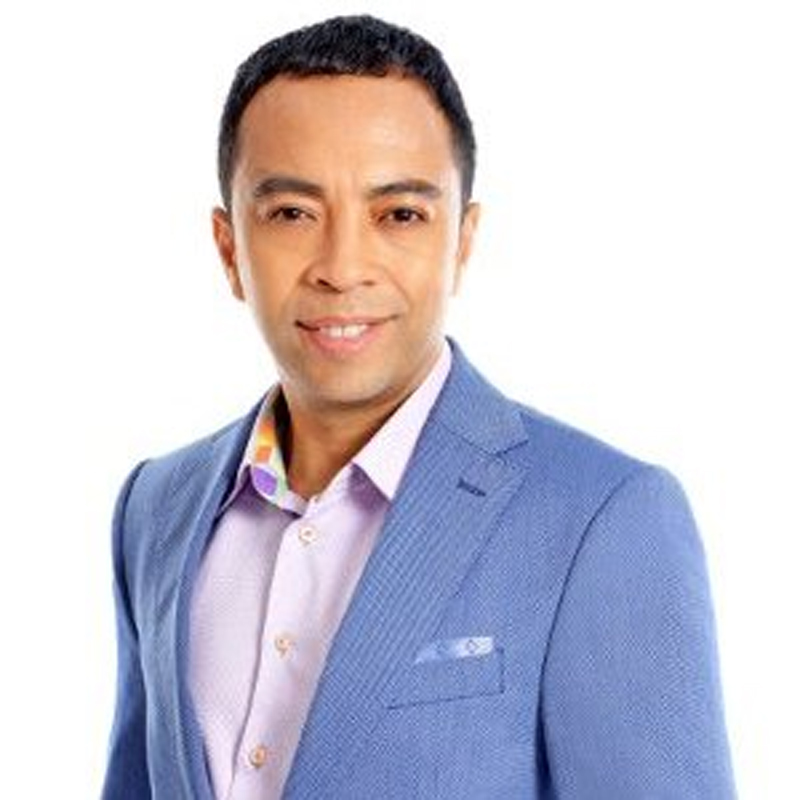
    http://www.indiantelevision.com/sites/drupal7.indiantelevision.co.in/files/styles/large/public/jhon_0.jpg?itok=TsRQkaOVThe writer is Chief Policy officer of Hong Kong based media industry group CASBAA. The views expressed are personal and Indiantelevision.com need not necessarily subscribe to them

  • Guest Column: Regulating video in Internet age: Pressing challenges, slow movement

    Guest Column: Regulating video in Internet age: Pressing challenges, slow movement

    Video markets in Asia, as in other parts of the world, are being swept by a wave of commercial and technological adjustment to the rise of internet-delivered video, frequently referred to as “OTT” television.  Unfortunately, in most countries adjustment of regulatory policies by governments is way behind.

    Asia’s cities, in particular, are rapidly being wired for broadband connectivity.  In developing countries like Thailand, the Philippines, Indonesia and India a broad digital divide has opened, with major urban areas enjoying improving connectivity and the countryside still reliant on more traditional modes of video delivery to consumers. 

    That divide is a problem needing attention, but in the meantime urban populations, at least, are enjoying a “sweet spot” of improving broadband and adequate disposable income to pay for services consumers want.  As a result, they have become the object of a “race to serve” on the part of video providers on every scale:

    • Traditional pay-TV operators are upgrading their VOD offerings and broadening device access to include smartphones and tablets. 

    • At the same time, new entrants are seeking to construct the right content offerings at the right price to win over consumers.  Major global providers (Netflix and Amazon Prime) entered Asia during 2016, and immediately were confronted with the need to adapt a global approach to Asian realities (including lower price points).

    • A raft of regional Asian OTT platforms have expanded their offerings (including Viu TV, Hooq, IFlix, and Catchplay), alongside a plethora of locally-oriented offerings (like Hotstar, Dittotv and Voot in India, plus Toggle, Monomaxx, Doonee, USeeTV, MyK+, etc., in Southeast Asia.)

    These market developments have significantly ratcheted up the pressure on governments, who are seeing more and more consumers migrate to lightly-regulated (or totally unregulated) online content supply, and away from the heavily-regulated traditional TV sectors.   Governments are in a quandary – most do not wish to impede their citizens’ access to global information sources, but at the same time they see evident challenges to long-established policies for content acceptability, broadcaster licensing, taxation, advertising etc.   At the extreme, “pirate” OTT services happily locate offshore, respect no rules and meet no obligations of any kind (not limited to copyright authorization), all the while reaping millions in subscription and/or advertising revenues.  Local content industries are crying foul. 
    This very unbalanced competitive landscape causes deep damage to network operators, content creators at home and abroad, and investors in local economies.  In general, it isn’t possible to subject online content supply to outdated “legacy” broadcasting rules, so alternative solutions have to be considered, including self-regulatory approaches (which can gain acceptance from legitimate OTT suppliers, if not the pirate scofflaws) and lightening the burdens on existing players.

    So far, despite various governments in our region trumpeting a desire to update regulations to suit the digital age, only piecemeal measures have been adopted.  Several “major policy reviews” in places like Australia, New Zealand and Singapore have produced thin gruel in the way of concrete adjustments.  That said, to policymakers’ credit, there are now a few examples showing how existing rules can be lightened to allow licensed video providers to give consumers more of what they expect, in the internet age.  South Korea relaxed rate regulation on cable TV operators so they could compete more fairly; Singapore eased its content censorship on VOD over pay-TV networks, to more closely match the approach used for online content suppliers; Vietnam allowed pay-TV providers to construct their own content offerings with different foreign channels instead of hewing to a single national content list.

    So a start has been made, but there remains a huge work to be done; a vast thicket of taxes, licensing rules and interventionist regulation constrains licensed pay-TV providers throughout Asia and these burdens will have to be reduced to attract investments for modernizing network infrastructure and developing local content offerings.   Even governments for whom this is not much of a current issue can see the future coming:  more and better broadband is on the way for Asian consumers, and like viewers everywhere they will be looking to view their content online.  

    Unfortunately, ingrained habits die hard.  Hong Kong’s regulators are wasting energy in a fight with major broadcasters over whether product placement in programming is too prominent; TRAI is going the wrong way – actually seeking to extend and tighten rate regulation on digital content when supplied by traditional cable operators; Thailand – eager to justify the high bids for digital terrestrial licenses – levies burdensome “must carry” rules on cable and satellite operators; Indonesia’s content regulators are pushing protectionist “made in Indonesia” rules for ads on traditional TV platforms.   (Who looks at prices charged, products touted, or ad origins for online content?)

    A better approach is reliance on self-regulatory systems wherever possible.  Many issues (e.g. product placement, ad origination, content guidelines) should be the object of clear rules negotiated by industry bodies which can be applied by the respective players to online and offline networks.   The ad industry is very accomplished at doing this; in the UK, for example, advertising self-regulation is being extended to online platforms as well as traditional ones.
    In another corner of the industry, India’s own BARC is showing well how self-regulatory bodies can wield substantial influence, as it seeks to stem malpractices in audience measurement.
    Rarely is the scope of future challenges so clear, as it is for Asian governments looking at the video industry.  It is time to move to meet those challenges in a pragmatic and realistic way.

    http://www.indiantelevision.com/sites/drupal7.indiantelevision.co.in/files/styles/large/public/jhon_0.jpg?itok=TsRQkaOVThe writer is Chief Policy officer of Hong Kong based media industry group CASBAA. The views expressed are personal and Indiantelevision.com need not necessarily subscribe to them

  • Amazon Prime to explore sports genre & catch-up TV

    Amazon Prime to explore sports genre & catch-up TV

    MUMBAI: Prime subscribers in India are in for a treat. Nearly a year after preparations, American e-commerce giant has finally launched its Prime Video service in India. At an introductory price of Rs 499 a year (Rs 42month) and a month’s free trial as reported by Indiantelevision earlier, Amazon Prime Video gives users access to latest Hollywood movies, Bollywood blockbusters, TV shows, Amazon original series and kids’ programming. For those who already have an Amazon Prime subscription, they get video streaming as well for no extra charge.

    As many as nine original programs have been produced with the first slated to launch early next year and nine under production. Its original series are produce by Ram Madhwani, Prasoon Joshi, All India Bakchod (AIB), Vikram Malhotra, OML, Ritesh Sidhwani, Farhan Akhtar, amongst others.

    The subscription based video-on-demand service is now available in 200 territories. With learnings from its other markets and the lavish content portfolio, one can ensure that it is here to stay.

    “For now, the number of international shows will be slightly greater than the ones produced in India. As we get into this, the ratio of Indian content will get higher and higher. After the US and Japan, India is the third country wherein we are betting high,” said Amazon Prime APAC head of content James Farrell.

    Given the huge appetite for sports content in India and the lack of sports content being offered by the current OTT platforms, abreast its current offering, the service might also look at providing compelling sports programming and catch-up television to its customers.

    “I perceive that Indian customers want to watch great movies and shows at a decent value and that is what we are providing. Prime is an amazing deal in shopping and watching at an affordable price. We are focused on providing compelling content to our customers. So, today we are announcing licensed movies and TV shows apart from original content and foreign content. Sports is a compelling category for customers and we will consider that,” said Amazon Instant Video International VP Tim Leslie.

    As broadcast and digital continue to converge within sport, fans demand more access to content at their fingertips on any device. There is a clear need for the next step in providing customers direct propositions in sports media. Sports federations, leagues and brands are already looking to harness the power of OTT content and the opportunities it offers. The one who adopts first will rule.

    “Sports is important for India and we will evaluate it. We will let you know as we decide on sports,” added Amazon Video India director and country head Nitesh Kripalani.

    In addition to its current content offering, if there is a demand to provide next day television of their favorite channels in India, the service will definitely look into it.

    “Catch-up is one category where we are trying to talk to everybody. So, whether it is movies, kids, sports or catch-up television, if our customers want linear television’ catch-up the next day, we will talk to those channels and look at a partnership. We will definitely explore that,” added Farrell.

    “India has one of the richest and most vibrant entertainment industries in the world—Amazon is energized by the talent and the passion of India’s film industry and is excited to be making multiple Indian original shows already, with more to come. We are also making a commitment to our Indian customers to deliver high-quality, binge-worthy shows that they’ll love to watch,” said Amazon Studios VP and head Roy Price.

    After tying up with film makers and film studios since September, Amazon Prime’s video content portfolio has 2016’s top Indian and Hollywood blockbusters. It also has top kids shows like Doraemon, Chhota Bheem and Oggy & the Cockroaches and Indian shows like Taarak Mehta Ka Ooltah Chashmah, CID and Crime Patrol. Titles like Salman Khan starrer Sultan, Rajnikanth’s Kabali and Hollywood blockbuster Batman vs Superman – Dawn of Justice, has made it to its offering. Its international bouquet includes shows like The Good Wide, Two and a Half Men, Mr. Robot, etc. Many US TV shows will premiere on Prime Video within a day of its broadcast in the US.

    “We don’t look to create disruption in the entertainment space but we want to listen to our customers and their needs. We are in a customer revolution in India in the way people watch content in India, which has happened in US, UK and recently in Germany. It is starting to happen in Japan. The customer revolution is that why be bound to watch shows at certain days and time, why do not you watch it wherever and whenever you want to watch. That is very important. Other point is that content creators don’t have to fine huge audience on linear TV. They can make ambitious and ground-breaking shows and find their audience,” voiced Leslie.

    Some selected Prime Video international content is also available in dubbed Indian languages and subtitles. In addition to English and Hindi films, the service will also offer regional movies in Tamil, Telugu, Bengali and Marathi. It also promises movies and TV shows from top Indian and international studios.

    “We want to solve customer problems and we took it in three ways – selection, convenience and value. We are focused on getting the widest selection of exclusive and latest content. We want to solve the problem of data usage and too many advertisements playing. All at the same time of shipping guaranteed in one or two days and the best content. We are enablers of the market; we are enablers who want to consume great content, we are enablers of creators who want to create great content without having the constraints of the duration. We want to change the way customers consume and creators create content,” added Kripalani.

    It is also looking to offer TVOD in its other prime markets. “We will always look at more ways to watch content. It not just includes devices but more ways to purchase content. So, we want to provide customers lots of choice,” asserted Leslie.

    Besides Netflix’ subscription plans which start from Rs 500 and go up to Rs 800 per year, India has online streaming platforms like Star India’s Hotstar with its premium service at Rs 199 per month. Compared to this, YuppTV charges consumers Rs 99 a month whereas Eros Now has a daily pass for Rs 10 and a weekly pass for Rs 30 and a weekend pass for Rs 20. The annual subscription is available for Rs 1,000.

    Hooq starting at Rs 199 per month which is popular among movie buffs and Spuul which offers a Premium subscription option in monthly, annual, and multiple smaller packages, along with pay-per-view movies as well.

    “Globally, viewership is moving towards VOD and one can also see this increasing adoption of digital video consumption in India too. This has thrown the field open for a lot of players in the country and the entry of Amazon Prime is a welcome and much anticipated move for the VOD space in India. With robust smartphone penetration and the launch of 4G, one can foresee a tectonic shift in consumption that will forever change the entertainment industry. With the entry of the likes of Amazon Prime, the VOD space will be poised for growth as video content will be created and marketed specifically for the web and devices. However content, accessibility and overall user experience will be a game changer for any player to succeed in India. Currently at Spuul we have ~18m users of which 80% consume content on smartphones and we expect this to grow exponentially in 2017. We will continue to execute on our focus of providing the best quality Indian content and superior user experience to the masses, and our upcoming product releases and content additions will reflect that,” said Spuul India CEO Rajiv Vaidya.

  • Amazon Prime to explore sports genre & catch-up TV

    Amazon Prime to explore sports genre & catch-up TV

    MUMBAI: Prime subscribers in India are in for a treat. Nearly a year after preparations, American e-commerce giant has finally launched its Prime Video service in India. At an introductory price of Rs 499 a year (Rs 42month) and a month’s free trial as reported by Indiantelevision earlier, Amazon Prime Video gives users access to latest Hollywood movies, Bollywood blockbusters, TV shows, Amazon original series and kids’ programming. For those who already have an Amazon Prime subscription, they get video streaming as well for no extra charge.

    As many as nine original programs have been produced with the first slated to launch early next year and nine under production. Its original series are produce by Ram Madhwani, Prasoon Joshi, All India Bakchod (AIB), Vikram Malhotra, OML, Ritesh Sidhwani, Farhan Akhtar, amongst others.

    The subscription based video-on-demand service is now available in 200 territories. With learnings from its other markets and the lavish content portfolio, one can ensure that it is here to stay.

    “For now, the number of international shows will be slightly greater than the ones produced in India. As we get into this, the ratio of Indian content will get higher and higher. After the US and Japan, India is the third country wherein we are betting high,” said Amazon Prime APAC head of content James Farrell.

    Given the huge appetite for sports content in India and the lack of sports content being offered by the current OTT platforms, abreast its current offering, the service might also look at providing compelling sports programming and catch-up television to its customers.

    “I perceive that Indian customers want to watch great movies and shows at a decent value and that is what we are providing. Prime is an amazing deal in shopping and watching at an affordable price. We are focused on providing compelling content to our customers. So, today we are announcing licensed movies and TV shows apart from original content and foreign content. Sports is a compelling category for customers and we will consider that,” said Amazon Instant Video International VP Tim Leslie.

    As broadcast and digital continue to converge within sport, fans demand more access to content at their fingertips on any device. There is a clear need for the next step in providing customers direct propositions in sports media. Sports federations, leagues and brands are already looking to harness the power of OTT content and the opportunities it offers. The one who adopts first will rule.

    “Sports is important for India and we will evaluate it. We will let you know as we decide on sports,” added Amazon Video India director and country head Nitesh Kripalani.

    In addition to its current content offering, if there is a demand to provide next day television of their favorite channels in India, the service will definitely look into it.

    “Catch-up is one category where we are trying to talk to everybody. So, whether it is movies, kids, sports or catch-up television, if our customers want linear television’ catch-up the next day, we will talk to those channels and look at a partnership. We will definitely explore that,” added Farrell.

    “India has one of the richest and most vibrant entertainment industries in the world—Amazon is energized by the talent and the passion of India’s film industry and is excited to be making multiple Indian original shows already, with more to come. We are also making a commitment to our Indian customers to deliver high-quality, binge-worthy shows that they’ll love to watch,” said Amazon Studios VP and head Roy Price.

    After tying up with film makers and film studios since September, Amazon Prime’s video content portfolio has 2016’s top Indian and Hollywood blockbusters. It also has top kids shows like Doraemon, Chhota Bheem and Oggy & the Cockroaches and Indian shows like Taarak Mehta Ka Ooltah Chashmah, CID and Crime Patrol. Titles like Salman Khan starrer Sultan, Rajnikanth’s Kabali and Hollywood blockbuster Batman vs Superman – Dawn of Justice, has made it to its offering. Its international bouquet includes shows like The Good Wide, Two and a Half Men, Mr. Robot, etc. Many US TV shows will premiere on Prime Video within a day of its broadcast in the US.

    “We don’t look to create disruption in the entertainment space but we want to listen to our customers and their needs. We are in a customer revolution in India in the way people watch content in India, which has happened in US, UK and recently in Germany. It is starting to happen in Japan. The customer revolution is that why be bound to watch shows at certain days and time, why do not you watch it wherever and whenever you want to watch. That is very important. Other point is that content creators don’t have to fine huge audience on linear TV. They can make ambitious and ground-breaking shows and find their audience,” voiced Leslie.

    Some selected Prime Video international content is also available in dubbed Indian languages and subtitles. In addition to English and Hindi films, the service will also offer regional movies in Tamil, Telugu, Bengali and Marathi. It also promises movies and TV shows from top Indian and international studios.

    “We want to solve customer problems and we took it in three ways – selection, convenience and value. We are focused on getting the widest selection of exclusive and latest content. We want to solve the problem of data usage and too many advertisements playing. All at the same time of shipping guaranteed in one or two days and the best content. We are enablers of the market; we are enablers who want to consume great content, we are enablers of creators who want to create great content without having the constraints of the duration. We want to change the way customers consume and creators create content,” added Kripalani.

    It is also looking to offer TVOD in its other prime markets. “We will always look at more ways to watch content. It not just includes devices but more ways to purchase content. So, we want to provide customers lots of choice,” asserted Leslie.

    Besides Netflix’ subscription plans which start from Rs 500 and go up to Rs 800 per year, India has online streaming platforms like Star India’s Hotstar with its premium service at Rs 199 per month. Compared to this, YuppTV charges consumers Rs 99 a month whereas Eros Now has a daily pass for Rs 10 and a weekly pass for Rs 30 and a weekend pass for Rs 20. The annual subscription is available for Rs 1,000.

    Hooq starting at Rs 199 per month which is popular among movie buffs and Spuul which offers a Premium subscription option in monthly, annual, and multiple smaller packages, along with pay-per-view movies as well.

    “Globally, viewership is moving towards VOD and one can also see this increasing adoption of digital video consumption in India too. This has thrown the field open for a lot of players in the country and the entry of Amazon Prime is a welcome and much anticipated move for the VOD space in India. With robust smartphone penetration and the launch of 4G, one can foresee a tectonic shift in consumption that will forever change the entertainment industry. With the entry of the likes of Amazon Prime, the VOD space will be poised for growth as video content will be created and marketed specifically for the web and devices. However content, accessibility and overall user experience will be a game changer for any player to succeed in India. Currently at Spuul we have ~18m users of which 80% consume content on smartphones and we expect this to grow exponentially in 2017. We will continue to execute on our focus of providing the best quality Indian content and superior user experience to the masses, and our upcoming product releases and content additions will reflect that,” said Spuul India CEO Rajiv Vaidya.

  • Hooq appoints OTT veteran for Singapore business

    Hooq appoints OTT veteran for Singapore business

    MUMBAI: Soon after its successful launch in Singapore on 24 November with a catalogue of 20,000 shows and movies, video on demand streaming service Hooq is completely focused on strengthening its footprints. It has appointed a country manager for Singapore, OTT industry veteran Michael D’Oliveiro.

    D’Oliveiro will be responsible for managing the market and will focus on expansion through customer acquisition, retention, and key partnerships.

    Hooq CEO Peter Bithos is delighted about the new appointment and strongly believes that D’Oliveiro, with over 18 years of diverse experience in the broadcast and telecommunications industry, will uncover new business opportunities in Singapore.

    Singapore-born D’Oliveiro developed, launched and managed Telstra’s first business-to-business portfolio of online video products for use outside of Australia. He held global profit-and-loss responsibilities working with customers from the UK to Australia and Singapore.

    D’Oliveiro was also a part of the core consumer product management team at Malaysian pay-TV company Astro, where he helped develop and manage its early OTT products.

  • Hooq appoints OTT veteran for Singapore business

    Hooq appoints OTT veteran for Singapore business

    MUMBAI: Soon after its successful launch in Singapore on 24 November with a catalogue of 20,000 shows and movies, video on demand streaming service Hooq is completely focused on strengthening its footprints. It has appointed a country manager for Singapore, OTT industry veteran Michael D’Oliveiro.

    D’Oliveiro will be responsible for managing the market and will focus on expansion through customer acquisition, retention, and key partnerships.

    Hooq CEO Peter Bithos is delighted about the new appointment and strongly believes that D’Oliveiro, with over 18 years of diverse experience in the broadcast and telecommunications industry, will uncover new business opportunities in Singapore.

    Singapore-born D’Oliveiro developed, launched and managed Telstra’s first business-to-business portfolio of online video products for use outside of Australia. He held global profit-and-loss responsibilities working with customers from the UK to Australia and Singapore.

    D’Oliveiro was also a part of the core consumer product management team at Malaysian pay-TV company Astro, where he helped develop and manage its early OTT products.