Tag: HITS

  • Hinduja Ventures declares 175 per cent interim dividend for FY-2016

    Hinduja Ventures declares 175 per cent interim dividend for FY-2016

    BENGALURU: Hindustan Ventures Limited (HVL), the holding company of one of India’s largest integrated media companies, – IndusInd Media & Communications Limited (IMCL) and Grant Investrade Limited which has launched the headend in the sky (HITS) platform, announced an interim dividend of 175 per cent (Rs 17.50 per equity share of face value of Rs 10) for the current financial year.  The dividend will result in a pay out of Rs 4329.53 lakh. (100,00,000 = 100 lakh = 10 million = 1 crore)

    HVL had announced a standalone net profit after tax of Rs 86.41 crore for the nine month period ended December 31, 2015 as compared to a PAT of Rs 74.82 crore in the corresponding year ago period. The interim dividend will be paid on or after March 29, 2016.

    HVL’s HITS platform was launched on September 16,2015 by the Union Minister of Finance, Corporate Affairs and Ministry of Information & Broadcasting Arun Jaitley, under the brand name NXT DIGITAL. The Hinduja‐HITS Network will enable seamless transition from analogue to digital in phase III and IV markets.

    At the time of filing of this report, share price of HVL on the Bombay Stock Exchange was up by Rs 12, or 2.88 percent higher than the previous close of Rs 416 with a total turnover of 2.65 lakh. The share had opened today at Rs 425, with a high if Rs 428 and a low of Rs 421.50.

  • Hinduja Ventures declares 175 per cent interim dividend for FY-2016

    Hinduja Ventures declares 175 per cent interim dividend for FY-2016

    BENGALURU: Hindustan Ventures Limited (HVL), the holding company of one of India’s largest integrated media companies, – IndusInd Media & Communications Limited (IMCL) and Grant Investrade Limited which has launched the headend in the sky (HITS) platform, announced an interim dividend of 175 per cent (Rs 17.50 per equity share of face value of Rs 10) for the current financial year.  The dividend will result in a pay out of Rs 4329.53 lakh. (100,00,000 = 100 lakh = 10 million = 1 crore)

    HVL had announced a standalone net profit after tax of Rs 86.41 crore for the nine month period ended December 31, 2015 as compared to a PAT of Rs 74.82 crore in the corresponding year ago period. The interim dividend will be paid on or after March 29, 2016.

    HVL’s HITS platform was launched on September 16,2015 by the Union Minister of Finance, Corporate Affairs and Ministry of Information & Broadcasting Arun Jaitley, under the brand name NXT DIGITAL. The Hinduja‐HITS Network will enable seamless transition from analogue to digital in phase III and IV markets.

    At the time of filing of this report, share price of HVL on the Bombay Stock Exchange was up by Rs 12, or 2.88 percent higher than the previous close of Rs 416 with a total turnover of 2.65 lakh. The share had opened today at Rs 425, with a high if Rs 428 and a low of Rs 421.50.

  • SC declines to crush TDSAT order that HITS players be treated at par with pan-India MSOs

    SC declines to crush TDSAT order that HITS players be treated at par with pan-India MSOs

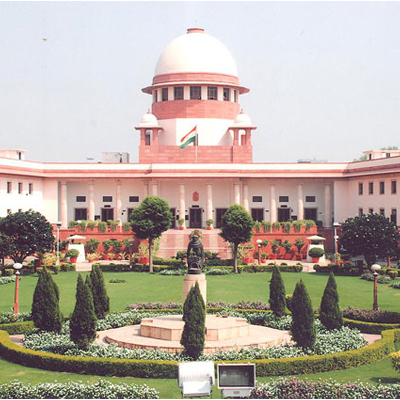
    NEW DELHI: In an order that will not only have far-reaching consequences for broadcasters but may encourage others to take the headend-in-the-sky (HITS) route, the Supreme Court today rejected the challenge to the Telecom Disputes Settlement and Appellate Tribunal (TDSAT) view that HITS players should be treated at the same level as pan-India multi-system operators (MSOs). 

    The Tribunal had on 7 December last mandated that the reference interconnect order would be the starting point for negotiations between them and the distribution platforms. 

    The apex court decided the matter after hearing both sides on the issues raised.

    The appeal had been filed by the Indian Broadcasting Foundation (IBF), Star India and Taj TV after a similar appeal had earlier on 22 Januarybeen dismissed in the Delhi High Court as not maintainable on the ground that the broadcaster had an alternative remedy of appealing in the Supreme Court.

    The Tribunal had said, “It is difficult to see a HITS operator as different from a pan-India MSO and in our considered view a HITS operator, in regard to the commercial terms for an interconnect arrangement has to be taken at par with a pan-India MSO and must, therefore, receive the same treatment.” 

    The broadcasters had contended that the Tribunal through its order dated 7 December had completely taken away the freedom of contract. They also contended that the Tribunal had crossed its jurisdiction by passing an order on the TRAI regulation.

    The High Court had said that it did not feel the need to examine whether TDSAT had the jurisdiction to direct broadcasters to treat the HITS operator Noida Software Technology Park Ltd (NSTPL) at the same level as pan-India MSOs.

    That Court had heard arguments presented by Star India and NSTPL, whose petition had been accepted on 7 December by the Tribunal, which had asked Star India and Taj TV to execute fresh agreements with NSTPL. However, TDSAT had kept the operation of the judgment pending till 31 March this year.

    It had said that on past occasions as well similar suggestions were made with the hope of nudging the TRAI to take proactive steps to reduce the scope of disputes arising out of the regulations. “At the same time, the fact that regulatory intervention may be the ideal way forward cannot and should not be an excuse for this Tribunal to shirk the interpretative issues that have come before us. This is particularly so when there appears to be regulatory inertia,” TDSAT had said.

    The Tribunal had, on 18 December, impleaded Zee Turner and others in another petition by Star India against NSTPL and asked the broadcasters to produce the agreements between the broadcasters and major MSOs. It opined that some agreements have to be suspended by Star and Taj TV. 

    Though the TDSAT petition had been filed by NSTPL, it will also help Hinduja Group’s HITS platform NXT Digital, which entered into the fray last year. 

    TDSAT had directed Star and Taj, as well as the other broadcasters who had joined the proceedings as intervenors, to issue fresh RIOs in compliance with the Interconnect Regulations, as explained in the judgment within one month from the date this order becomes operational and effective. It will be then open to NSTPL to execute fresh interconnect agreements with Star and Taj, and with any other broadcasters on the basis of their respective RIOs or on negotiated terms within the limits.

  • SC declines to crush TDSAT order that HITS players be treated at par with pan-India MSOs

    SC declines to crush TDSAT order that HITS players be treated at par with pan-India MSOs

    NEW DELHI: In an order that will not only have far-reaching consequences for broadcasters but may encourage others to take the headend-in-the-sky (HITS) route, the Supreme Court today rejected the challenge to the Telecom Disputes Settlement and Appellate Tribunal (TDSAT) view that HITS players should be treated at the same level as pan-India multi-system operators (MSOs). 

    The Tribunal had on 7 December last mandated that the reference interconnect order would be the starting point for negotiations between them and the distribution platforms. 

    The apex court decided the matter after hearing both sides on the issues raised.

    The appeal had been filed by the Indian Broadcasting Foundation (IBF), Star India and Taj TV after a similar appeal had earlier on 22 Januarybeen dismissed in the Delhi High Court as not maintainable on the ground that the broadcaster had an alternative remedy of appealing in the Supreme Court.

    The Tribunal had said, “It is difficult to see a HITS operator as different from a pan-India MSO and in our considered view a HITS operator, in regard to the commercial terms for an interconnect arrangement has to be taken at par with a pan-India MSO and must, therefore, receive the same treatment.” 

    The broadcasters had contended that the Tribunal through its order dated 7 December had completely taken away the freedom of contract. They also contended that the Tribunal had crossed its jurisdiction by passing an order on the TRAI regulation.

    The High Court had said that it did not feel the need to examine whether TDSAT had the jurisdiction to direct broadcasters to treat the HITS operator Noida Software Technology Park Ltd (NSTPL) at the same level as pan-India MSOs.

    That Court had heard arguments presented by Star India and NSTPL, whose petition had been accepted on 7 December by the Tribunal, which had asked Star India and Taj TV to execute fresh agreements with NSTPL. However, TDSAT had kept the operation of the judgment pending till 31 March this year.

    It had said that on past occasions as well similar suggestions were made with the hope of nudging the TRAI to take proactive steps to reduce the scope of disputes arising out of the regulations. “At the same time, the fact that regulatory intervention may be the ideal way forward cannot and should not be an excuse for this Tribunal to shirk the interpretative issues that have come before us. This is particularly so when there appears to be regulatory inertia,” TDSAT had said.

    The Tribunal had, on 18 December, impleaded Zee Turner and others in another petition by Star India against NSTPL and asked the broadcasters to produce the agreements between the broadcasters and major MSOs. It opined that some agreements have to be suspended by Star and Taj TV. 

    Though the TDSAT petition had been filed by NSTPL, it will also help Hinduja Group’s HITS platform NXT Digital, which entered into the fray last year. 

    TDSAT had directed Star and Taj, as well as the other broadcasters who had joined the proceedings as intervenors, to issue fresh RIOs in compliance with the Interconnect Regulations, as explained in the judgment within one month from the date this order becomes operational and effective. It will be then open to NSTPL to execute fresh interconnect agreements with Star and Taj, and with any other broadcasters on the basis of their respective RIOs or on negotiated terms within the limits.

  • NXT Digital inks deal with Disney Media for two years

    NXT Digital inks deal with Disney Media for two years

    MUMBAI: Headend In The Sky (HITS) platform NXT Digital, which rolled out its services in September 2015, has added one more broadcaster to its kitty. Disney Media Distribution, which recently separated from the IndiaCast distribution platform, has signed a two year deal with the Hinduja-owned HITS company.

    The deal allows both active and passive distribution of the eight Disney channels.

    “This is a partnership deal for two years, we see HITS progressing thick and fast and hence when they reached out to us, we decided to move ahead and sign the deal,” a senior Disney official tells Indiantelevision.com.

    The deal has been signed on a cost per subscriber (CPS) model, and the channels are already available for NXT Digital’s subscribers.

  • NXT Digital inks deal with Disney Media for two years

    NXT Digital inks deal with Disney Media for two years

    MUMBAI: Headend In The Sky (HITS) platform NXT Digital, which rolled out its services in September 2015, has added one more broadcaster to its kitty. Disney Media Distribution, which recently separated from the IndiaCast distribution platform, has signed a two year deal with the Hinduja-owned HITS company.

    The deal allows both active and passive distribution of the eight Disney channels.

    “This is a partnership deal for two years, we see HITS progressing thick and fast and hence when they reached out to us, we decided to move ahead and sign the deal,” a senior Disney official tells Indiantelevision.com.

    The deal has been signed on a cost per subscriber (CPS) model, and the channels are already available for NXT Digital’s subscribers.

  • TRAI advises TV distribution platforms to use e-CAF to increase efficiency

    TRAI advises TV distribution platforms to use e-CAF to increase efficiency

    MUMBAI: As a proactive measure for enabling the use of digital technologies towards bringing efficiencies in providing and managing services to the subscribers, the Telecom Regulatory Authority of India (TRAI) has asked distribution platform operators (DPOs) like direct to home (DTH), multi-system operators (MSOs), Headend-In-The-Sky (HITS) and IPTV companies providing TV broadcast services to use Electronic Customer Application Form (e-CAF). 

    The CAF is required to be filled up by customers mandatorily before subscribing to TV services. The information captured in the CAF is then transferred to the Subscriber Management System (SMS) of the DPO for managing the services availed by the subscriber.

    The authority said that presently, use of CAF in paper format is prevalent and manual process is followed for updating information in the SMS, which involves processing millions of physical CAFs and their storage creates operational difficulties.

    “The e-CAF can be easily accessed and integrated with the SMS of the DPO eliminating the manual feeding of information and also provides customers a simpler method for subscribing to services; improve customer relationship, and management of their subscription and services. The e-CAF will bring efficiencies in the process of providing and managing services to the subscribers,” TRAI said in an advisory. 

    It went on to add that the adoption of e-CAF is an environment friendly measure and is likely to benefit all stakeholders.

  • TRAI advises TV distribution platforms to use e-CAF to increase efficiency

    TRAI advises TV distribution platforms to use e-CAF to increase efficiency

    MUMBAI: As a proactive measure for enabling the use of digital technologies towards bringing efficiencies in providing and managing services to the subscribers, the Telecom Regulatory Authority of India (TRAI) has asked distribution platform operators (DPOs) like direct to home (DTH), multi-system operators (MSOs), Headend-In-The-Sky (HITS) and IPTV companies providing TV broadcast services to use Electronic Customer Application Form (e-CAF). 

    The CAF is required to be filled up by customers mandatorily before subscribing to TV services. The information captured in the CAF is then transferred to the Subscriber Management System (SMS) of the DPO for managing the services availed by the subscriber.

    The authority said that presently, use of CAF in paper format is prevalent and manual process is followed for updating information in the SMS, which involves processing millions of physical CAFs and their storage creates operational difficulties.

    “The e-CAF can be easily accessed and integrated with the SMS of the DPO eliminating the manual feeding of information and also provides customers a simpler method for subscribing to services; improve customer relationship, and management of their subscription and services. The e-CAF will bring efficiencies in the process of providing and managing services to the subscribers,” TRAI said in an advisory. 

    It went on to add that the adoption of e-CAF is an environment friendly measure and is likely to benefit all stakeholders.

  • TRAI releases consultation paper on tariff issues for TV services

    TRAI releases consultation paper on tariff issues for TV services

    MUMBAI: The Telecom Regulatory Authority of India (TRAI) has issued its latest consultation paper on tariff issues related to television services.


    The regulator has also invited comments and counter-comments on the Consultation Paper from stakeholders by 4 March and 18 March, 2016 respectively.


    From the state-owned Doordarshan (DD) to cable and satellite television to advanced delivery platforms like direct-to-home (DTH), Headend-in-the-Sky (HITS), Over-the-Top (OTT) and Internet Protocol Television (IPTV), television has come a long way since DD first beamed its signals in India in 1959. The evolution of the broadcast industry has been driven largely by satellite TV distribution business and unorganised growth of cable TV.


    The growth of multiple digital addressable platforms will inevitably lead to a sunset of analog cable TV system in the country. This sheer number and diversity of platforms delivering digital TV signals in an increasingly converged scenario requires an overhaul of the tariff regulatory framework.


    TRAI said that in order to cater to innovative growth while protecting the interests of the stakeholders across the value chain, there is a need to institute a consolidated technology neutral regulatory framework for digital addressable systems.


    “This consultation is an attempt to create an enabling environment for growth of the sector in the light of various developments related to technology, emergence of multiple distribution platforms, evolving business models, and enhanced addressability across platforms. The consultation process also looks at futuristic issues and emerging challenges,” the Authority said.


    In view of the emerging trends in the TV broadcasting sector and changing consumption patterns of the consumers, TRAI said that there was a need to examine the tariff dispensation in a holistic manner.


    TRAI listed the objectives of current consultation as below:


    1) To carry out a review of existing tariff arrangements and developing a Comprehensive Tariff Structure for Addressable TV Distribution of “TV Broadcasting Services” across Digital Broadcasting Delivery Platforms (DTH/ Cable TV/ HITS/ IPTV) at wholesale and retail level.

    2) To ensure that the tariff structure is simplified and rationalised so as to ensure transparency and equity across the value chain.

    3) To reduce the incidence of disputes amongst stakeholders across the value chain encouraging healthy growth in the sector.

    4) To ensure that subscribers have adequate choice in the broadcast TV services while they are also protected against irrational tariff structures and price hikes.

    5) To encourage the investment in the TV sector

    6) To encourage production of good quality content across different genres.


    Issues covered in the consultation paper:


    1) Tariff models at wholesale and retail levels

    2) Channel pricing mechanism and methodologies

    3) Issues related to Niche Channels

    4) Pricing of High Definition (HD) channels

    5) Ease of channel or bouquet subscription

    6) Channel visibility on Electronic Program Guide (EPG)

    7) Pay-per-program viewing and tariff options

    8) Variants of channels

    9) Carriage, Placement and Marketing fees.
  • TRAI releases consultation paper on tariff issues for TV services

    TRAI releases consultation paper on tariff issues for TV services

    MUMBAI: The Telecom Regulatory Authority of India (TRAI) has issued its latest consultation paper on tariff issues related to television services.


    The regulator has also invited comments and counter-comments on the Consultation Paper from stakeholders by 4 March and 18 March, 2016 respectively.


    From the state-owned Doordarshan (DD) to cable and satellite television to advanced delivery platforms like direct-to-home (DTH), Headend-in-the-Sky (HITS), Over-the-Top (OTT) and Internet Protocol Television (IPTV), television has come a long way since DD first beamed its signals in India in 1959. The evolution of the broadcast industry has been driven largely by satellite TV distribution business and unorganised growth of cable TV.


    The growth of multiple digital addressable platforms will inevitably lead to a sunset of analog cable TV system in the country. This sheer number and diversity of platforms delivering digital TV signals in an increasingly converged scenario requires an overhaul of the tariff regulatory framework.


    TRAI said that in order to cater to innovative growth while protecting the interests of the stakeholders across the value chain, there is a need to institute a consolidated technology neutral regulatory framework for digital addressable systems.


    “This consultation is an attempt to create an enabling environment for growth of the sector in the light of various developments related to technology, emergence of multiple distribution platforms, evolving business models, and enhanced addressability across platforms. The consultation process also looks at futuristic issues and emerging challenges,” the Authority said.


    In view of the emerging trends in the TV broadcasting sector and changing consumption patterns of the consumers, TRAI said that there was a need to examine the tariff dispensation in a holistic manner.


    TRAI listed the objectives of current consultation as below:


    1) To carry out a review of existing tariff arrangements and developing a Comprehensive Tariff Structure for Addressable TV Distribution of “TV Broadcasting Services” across Digital Broadcasting Delivery Platforms (DTH/ Cable TV/ HITS/ IPTV) at wholesale and retail level.

    2) To ensure that the tariff structure is simplified and rationalised so as to ensure transparency and equity across the value chain.

    3) To reduce the incidence of disputes amongst stakeholders across the value chain encouraging healthy growth in the sector.

    4) To ensure that subscribers have adequate choice in the broadcast TV services while they are also protected against irrational tariff structures and price hikes.

    5) To encourage the investment in the TV sector

    6) To encourage production of good quality content across different genres.


    Issues covered in the consultation paper:


    1) Tariff models at wholesale and retail levels

    2) Channel pricing mechanism and methodologies

    3) Issues related to Niche Channels

    4) Pricing of High Definition (HD) channels

    5) Ease of channel or bouquet subscription

    6) Channel visibility on Electronic Program Guide (EPG)

    7) Pay-per-program viewing and tariff options

    8) Variants of channels

    9) Carriage, Placement and Marketing fees.