Tag: HITS

  • Hinduja Group media head Mansukhani spells out priorities

    Hinduja Group media head Mansukhani spells out priorities

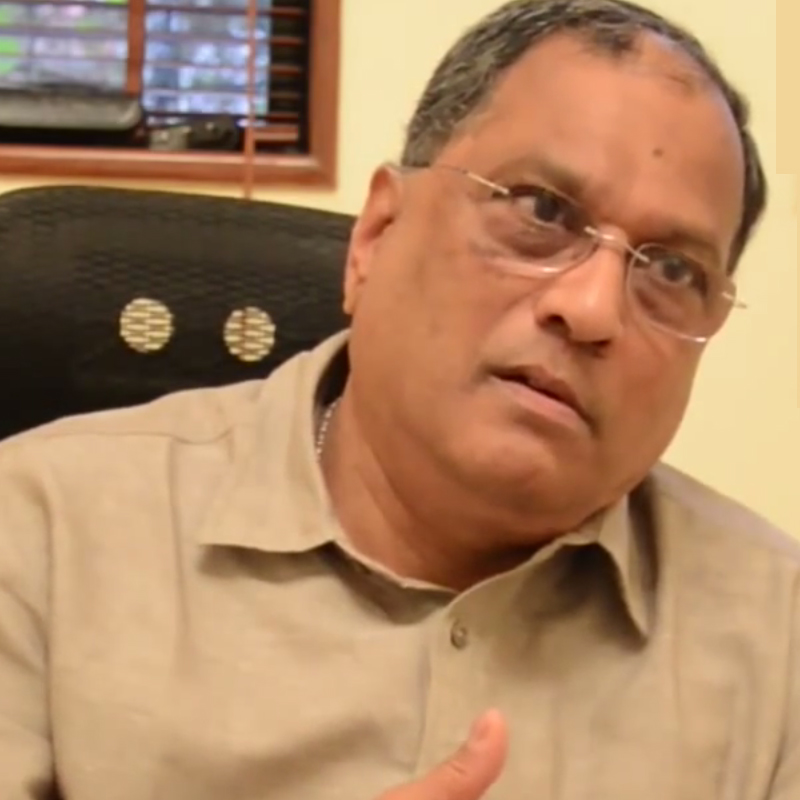
    NEW DELHI: The new CEO  & MD of Hinduja Media Group Ashok Mansukhani, a veteran of Indian media industry, has already got his priorities etched out and expressed willingness to work along with all stakeholders of the sector for the overall growth and mutual benefits.

    Speaking to Indiantelevision.com, the bureaucrat-turned-corporate-executive Mansukhani said priorities included getting digital rollout of Indian TV services “back on track”, push for promotion of digitisation and increased education of consumers, explore how some of his cable segment colleagues could benefit from digitisation and last, but not the least, to work towards bringing other segments of the media and entertainment sector, including regulators and policy-makers, together so a conducive environment for a mature dialogue could be created.

    Indirectly admitting that digitisation had hit roadblocks in the last 12-18 months owing to several reasons, Mansukhani said while the third phase of digitisation is coming to an end, edges in the fourth and last phase need to be ironed out. “At the end of the day, it’s a matter of 73 million homes in small towns and hamlets in the last phase of digitisation and we cannot take the task lightly,” he explained.

    Mansukhani, a former Indian Revenue Service government official, has seen the Indian media industry (specifically the electronic medium) grow from staid Doordarshan days to the present vibrant — and possibly a bit chaotic — stage of evolution when the country has over 800 private sector licensed TV channels, several distribution platforms and approximately 50,000 cable operators. His stints at the pubcaster’s headquarters in New Delhi’s Mandi House area, Ministry of Information and Broadcasting (MIB) and later in the private sector with the Hinduja Group, puts him in a unique position.

    According to Mansukhani, who now will be heading the media assets of the multi-billion dollar Hinduja Group, including MSO company IndusInd Media and Communications Ltd (IMCL) and the HITS venture, the Indian media and TV industry is at a critical stage of development and hinted increased litigation and face-off with the regulator and policy-makers could be detrimental  for the industry, which needs to come together to voice the genuine and common concerns of the industry.

    “I would also like to see and explore how we can help cable operator colleagues and others benefit from digitisation,” Mansukhani said, adding that a more concerted effort needs to be put in by stakeholders, including broadcasters, distribution platforms and the regulator, to educate consumers, especially those in small towns, about the long term benefit of digitisation despite the monthly outflow in subscription fee increasing a bit.

    “Consumer education is very important in general and especially for the fourth phase (of digitisation) homes. All of us need to support this education process as it would be beneficial for all stakeholders,” he said.

    Mansukhani comes in place of Tony D’Silva, who joined the Hinduja Group on 1 August 2012 as the president of Hinduja Ventures Limited and strategised the group’s media businesses. D’Silva had expressed a desire to demit office after completion of his contract on 31 January 2017 to pursue “other interests and spend more time with his family,” according to an official statement from the Hinduja Group.

    However, it needs to be seen how Mansukhani grows the comparatively new HITS business carried out under a separate group company, apart from tackling the challenges of IMCL, an MSO.

    ALSO READ:
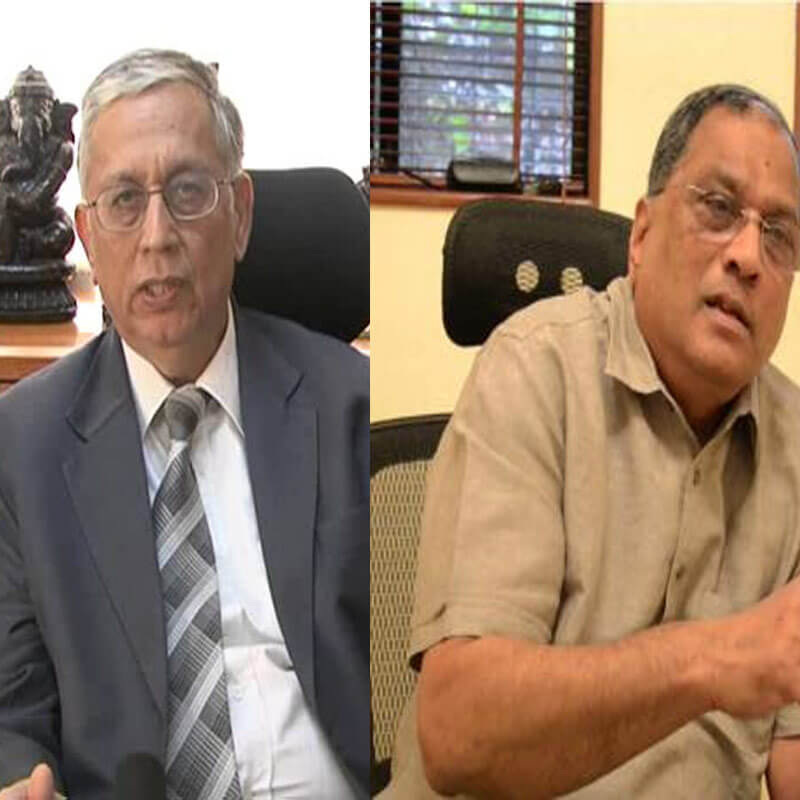
    Ashok Mansukhani takes over as IMCL CEO & MD

    Distribution vet Tony D’silva departs from IMCL

  • Hinduja Group media head Mansukhani spells out priorities

    Hinduja Group media head Mansukhani spells out priorities

    NEW DELHI: The new CEO  & MD of Hinduja Media Group Ashok Mansukhani, a veteran of Indian media industry, has already got his priorities etched out and expressed willingness to work along with all stakeholders of the sector for the overall growth and mutual benefits.

    Speaking to Indiantelevision.com, the bureaucrat-turned-corporate-executive Mansukhani said priorities included getting digital rollout of Indian TV services “back on track”, push for promotion of digitisation and increased education of consumers, explore how some of his cable segment colleagues could benefit from digitisation and last, but not the least, to work towards bringing other segments of the media and entertainment sector, including regulators and policy-makers, together so a conducive environment for a mature dialogue could be created.

    Indirectly admitting that digitisation had hit roadblocks in the last 12-18 months owing to several reasons, Mansukhani said while the third phase of digitisation is coming to an end, edges in the fourth and last phase need to be ironed out. “At the end of the day, it’s a matter of 73 million homes in small towns and hamlets in the last phase of digitisation and we cannot take the task lightly,” he explained.

    Mansukhani, a former Indian Revenue Service government official, has seen the Indian media industry (specifically the electronic medium) grow from staid Doordarshan days to the present vibrant — and possibly a bit chaotic — stage of evolution when the country has over 800 private sector licensed TV channels, several distribution platforms and approximately 50,000 cable operators. His stints at the pubcaster’s headquarters in New Delhi’s Mandi House area, Ministry of Information and Broadcasting (MIB) and later in the private sector with the Hinduja Group, puts him in a unique position.

    According to Mansukhani, who now will be heading the media assets of the multi-billion dollar Hinduja Group, including MSO company IndusInd Media and Communications Ltd (IMCL) and the HITS venture, the Indian media and TV industry is at a critical stage of development and hinted increased litigation and face-off with the regulator and policy-makers could be detrimental  for the industry, which needs to come together to voice the genuine and common concerns of the industry.

    “I would also like to see and explore how we can help cable operator colleagues and others benefit from digitisation,” Mansukhani said, adding that a more concerted effort needs to be put in by stakeholders, including broadcasters, distribution platforms and the regulator, to educate consumers, especially those in small towns, about the long term benefit of digitisation despite the monthly outflow in subscription fee increasing a bit.

    “Consumer education is very important in general and especially for the fourth phase (of digitisation) homes. All of us need to support this education process as it would be beneficial for all stakeholders,” he said.

    Mansukhani comes in place of Tony D’Silva, who joined the Hinduja Group on 1 August 2012 as the president of Hinduja Ventures Limited and strategised the group’s media businesses. D’Silva had expressed a desire to demit office after completion of his contract on 31 January 2017 to pursue “other interests and spend more time with his family,” according to an official statement from the Hinduja Group.

    However, it needs to be seen how Mansukhani grows the comparatively new HITS business carried out under a separate group company, apart from tackling the challenges of IMCL, an MSO.

    ALSO READ:
    Ashok Mansukhani takes over as IMCL CEO & MD

    Distribution vet Tony D’silva departs from IMCL

  • Ashok Mansukhani takes over as IMCL CEO & MD

    Ashok Mansukhani takes over as IMCL CEO & MD

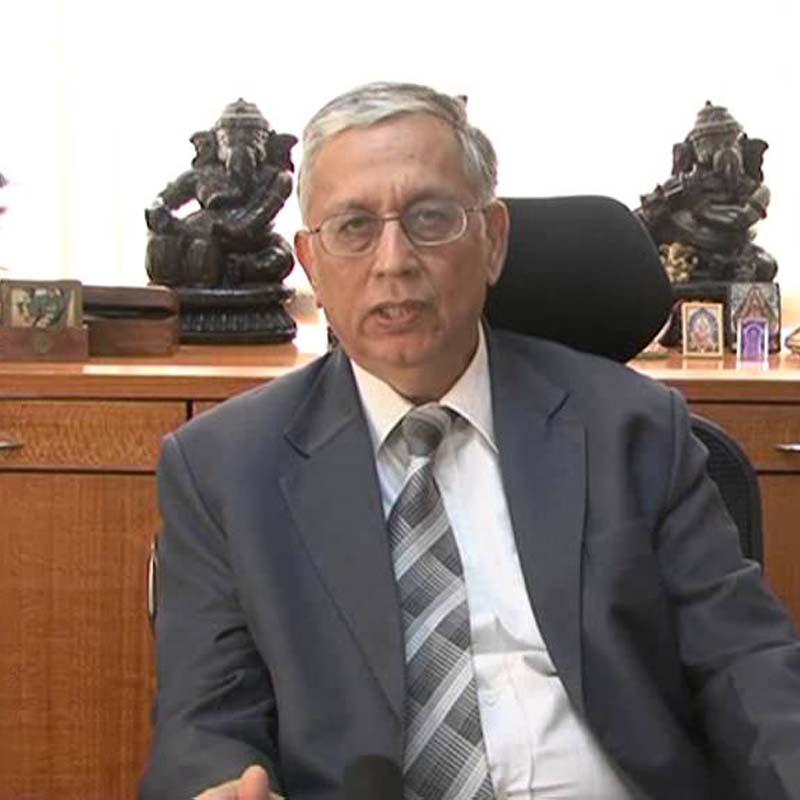
    MUMBAI: Hinduja Ventures Limited (HVL)’s whole-time director Ashok Mansukhani will take over from Tony D’Silva aftre the latter completes necessary formalities.

    D’Silva, after being with the Hinduja group for over four and half years, since August 2012, had expressed his desire to demit office in order to pursue other interests and spend more time with his family.

    On 1 August, 2012, D’Silva took over as the HVL president and strategised the group’s media business. He went on to head Hinduja Group companies — IndusInd Media Communications Limited and Grant Investrade Ltd. – as their MD and CEO, where he completed his service contract on 31 January ’17.

    D’Silva, in a span of around five years, overhauled the group’s media businesses in a challenging and changing environment and put it on a strong platform for growth. Under his leadership, the business conceived and launched the unique Headend-in-the-Sky (HITS) platform, designed to boost the digitisation of local cable operators and MSOs.

    D’Silva and his team established the concept of prepaid model in the cable industry, a revolution in the prevailing system of credit extension which was stressing out business.

  • Ashok Mansukhani takes over as IMCL CEO & MD

    Ashok Mansukhani takes over as IMCL CEO & MD

    MUMBAI: Hinduja Ventures Limited (HVL)’s whole-time director Ashok Mansukhani will take over from Tony D’Silva aftre the latter completes necessary formalities.

    D’Silva, after being with the Hinduja group for over four and half years, since August 2012, had expressed his desire to demit office in order to pursue other interests and spend more time with his family.

    On 1 August, 2012, D’Silva took over as the HVL president and strategised the group’s media business. He went on to head Hinduja Group companies — IndusInd Media Communications Limited and Grant Investrade Ltd. – as their MD and CEO, where he completed his service contract on 31 January ’17.

    D’Silva, in a span of around five years, overhauled the group’s media businesses in a challenging and changing environment and put it on a strong platform for growth. Under his leadership, the business conceived and launched the unique Headend-in-the-Sky (HITS) platform, designed to boost the digitisation of local cable operators and MSOs.

    D’Silva and his team established the concept of prepaid model in the cable industry, a revolution in the prevailing system of credit extension which was stressing out business.

  • MSO flat fee a hurdle, says CTMA while backing TRAI & WB’s underground cable

    MSO flat fee a hurdle, says CTMA while backing TRAI & WB’s underground cable

    MUMBAI: The West Bengal government is preparing to build an underground network of cable TV lines in an attempt to keep the city clean, a state minister has said. Urban development minister Firhad Hakim said, in New Town, they had done it and would start soon in Bidhannagar. In Kolkata, they would as early as possible start a pilot project for underground laying of cable TV lines.

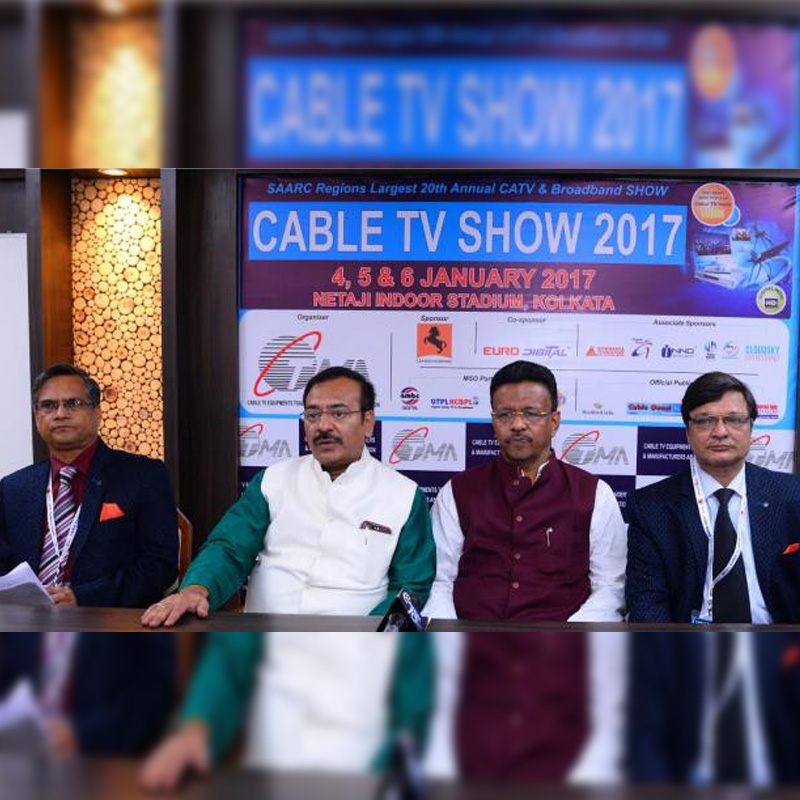
    It was part of a plan by the chief minister Mamata Banerjee who wants the city to look more beautiful without wires, Hakim said while inaugurating a three-day Cable TV Show 2017 from 4 January 4 — the 20th annual show arranged by the Kolkata-based Cable TV Equipment Traders & Manufacturers Association (CTMA).

    Over 10,000 cable operators, manufacturers, traders, channel partners, broadcasters, distributors, and multi-system operators (MSOs) from India and abroad are participating in the show.

    CTMA secretary K K Binani said the plan would minimise possibilities of outside disturbances in connectivity as sometimes wires get damaged during calamities. The industry body said that flat licence fees for multi-system operators had become an entry barrier for small entrepreneurs.

    Cable TV Show 2017 Kolkata, one of the biggest shows on satellite and cable television & broadband in India, was flagged off at the Netaji Indoor Stadium. Hakim inaugurated the event in the presence of minister-in-charge, housing & youth affairs, West Bengal, Aroop Biswas. There are 20 pavilions and 70 stalls erected this year for showcasing a wide range of state-of-the-art products and services related to the cable industry.

    CTMA treasurer & chairman -exhibition Pawan Jajodia said, with the steady digitization of cable television sector and the Digital India campaign, the scope and importance of Cable Television (CATV) had increased manifold. The CATV sector had come a long way to become an organised sector and one that was an important player in promoting digitalisation through the spread of broadband Internet services.

    This event has been sponsored by Darkhorse, and Euro Digital is the co-sponsor. Aishwarya Technologies, Inno Instrument, Globetek Infoway, RailTel, Meghbala, Cloudsky Broadband are associate sponsors.

    Binani said that digitisation of delivery of Cable TV service through set-top box was now in its final and crucial lap as the whole of India would be covered in Phase IV by 31 March 2017. The digital-delivery-enabled networks were now ready to be taken to the next level of delivering value-added services such as broadband internet service, movies on demand, games, pay per view channels, and education etc.

    Binani added that cable TV sector was ready for some sweeping transformation under regulatory intervention. The draft tariff order under consultation by TRAI would bring the addressable services from all delivery platforms such as HITS, MSO, DTH and IPTV under common regulation. The viewer might pay for only the channels that he wished to view/subscribe. Pay channel broadcasters would have to announce a genre and MRP for each of the channels. They must provide channels on terms universal to all delivery platforms. This would make the entry of new entrants feasible. Carriage fee was also proposed to be regulated, Binani said.

    CTMA president Rajesh Doshi said that digitisation has been a game-changer that has transformed the cable sector. The number of licenses issued for downlinking satellite channels into the country crossed 850 channels and the viewer was spoiled for choice with most of the MSOs providing 400 plus channels covering a wide genre and languages. The Cable TV networks in India were ready to play a significant role in helping Internet penetration across India, Doshi added.

  • MSO flat fee a hurdle, says CTMA while backing TRAI & WB’s underground cable

    MSO flat fee a hurdle, says CTMA while backing TRAI & WB’s underground cable

    MUMBAI: The West Bengal government is preparing to build an underground network of cable TV lines in an attempt to keep the city clean, a state minister has said. Urban development minister Firhad Hakim said, in New Town, they had done it and would start soon in Bidhannagar. In Kolkata, they would as early as possible start a pilot project for underground laying of cable TV lines.

    It was part of a plan by the chief minister Mamata Banerjee who wants the city to look more beautiful without wires, Hakim said while inaugurating a three-day Cable TV Show 2017 from 4 January 4 — the 20th annual show arranged by the Kolkata-based Cable TV Equipment Traders & Manufacturers Association (CTMA).

    Over 10,000 cable operators, manufacturers, traders, channel partners, broadcasters, distributors, and multi-system operators (MSOs) from India and abroad are participating in the show.

    CTMA secretary K K Binani said the plan would minimise possibilities of outside disturbances in connectivity as sometimes wires get damaged during calamities. The industry body said that flat licence fees for multi-system operators had become an entry barrier for small entrepreneurs.

    Cable TV Show 2017 Kolkata, one of the biggest shows on satellite and cable television & broadband in India, was flagged off at the Netaji Indoor Stadium. Hakim inaugurated the event in the presence of minister-in-charge, housing & youth affairs, West Bengal, Aroop Biswas. There are 20 pavilions and 70 stalls erected this year for showcasing a wide range of state-of-the-art products and services related to the cable industry.

    CTMA treasurer & chairman -exhibition Pawan Jajodia said, with the steady digitization of cable television sector and the Digital India campaign, the scope and importance of Cable Television (CATV) had increased manifold. The CATV sector had come a long way to become an organised sector and one that was an important player in promoting digitalisation through the spread of broadband Internet services.

    This event has been sponsored by Darkhorse, and Euro Digital is the co-sponsor. Aishwarya Technologies, Inno Instrument, Globetek Infoway, RailTel, Meghbala, Cloudsky Broadband are associate sponsors.

    Binani said that digitisation of delivery of Cable TV service through set-top box was now in its final and crucial lap as the whole of India would be covered in Phase IV by 31 March 2017. The digital-delivery-enabled networks were now ready to be taken to the next level of delivering value-added services such as broadband internet service, movies on demand, games, pay per view channels, and education etc.

    Binani added that cable TV sector was ready for some sweeping transformation under regulatory intervention. The draft tariff order under consultation by TRAI would bring the addressable services from all delivery platforms such as HITS, MSO, DTH and IPTV under common regulation. The viewer might pay for only the channels that he wished to view/subscribe. Pay channel broadcasters would have to announce a genre and MRP for each of the channels. They must provide channels on terms universal to all delivery platforms. This would make the entry of new entrants feasible. Carriage fee was also proposed to be regulated, Binani said.

    CTMA president Rajesh Doshi said that digitisation has been a game-changer that has transformed the cable sector. The number of licenses issued for downlinking satellite channels into the country crossed 850 channels and the viewer was spoiled for choice with most of the MSOs providing 400 plus channels covering a wide genre and languages. The Cable TV networks in India were ready to play a significant role in helping Internet penetration across India, Doshi added.

  • What’s troubling HITS man Tony D’Silva?

    What’s troubling HITS man Tony D’Silva?

    MUMBAI: When the Hindujas announced their intentions to set up their Headend in the sky (HITS) platform to service cable dark phase III and phase IV– years ago, the project’s head – cable TV veteran Tony D’Silva – was highly excited. HITS would allow the company – Grant Investrade Ltd (GIL) – to beam out the 800 or so Indian TV channels to homes in towns and villages where setting up new or upgrading to expensive digital head ends was not viable or feasible.

    There were regulatory hurdles initially but the venture finally got off the ground last year much in advance of the DAS Phase III deadline of 31 December 2015. Tony went around marketing the project with great gusto, reaching out to cable ops in the hinterlands, got the Hindujas, the owners, to invest.

    There was interest from cable operators in almost all the areas that the product was demonstrated. The project looked very much viable as it gave cable operators a steady source of income without having to invest much in hardware and just servicing their existing subscribers.

    Then came the spate of cases in the courts of various states, and Phase III came to a grinding halt (it is now pending the decision from the Delhi high court which is expected in the next week). Analogue signals were not switched off in many parts of the country and Tony was in a bit of a fix. As are many other chieftains in MSOs like DEN and Hathway, which have reported very bloodied and battered results in Q1 2017.

    And Tony is a troubled man. Not just for that reason. He says he expects the court to rule justly in favour of digitization of the cable TV sector. However, he is not clear how many more court cases will be filed to stymie Phase III and Phase IV.

    Tony’s woes are mainly because he has been unable to strike viable content deals with some broadcasters.

    “It’s very unfair,” he states. “Some of the major broadcasters are asking the digital package price from me, but they continue to be okay with analogue pricing from cable operators in the very same phase III areas. How will I be able to offer them a digital package price to them when they are getting the same channels at analogue rates? Why will cable operators accept my superior quality digital offering? Why will an MSO and LCO agree to pay for digital services when they are also paying for analogue- that is double the price. These are questions broadcasters need to understand.”

    Another point that Tony would like to make is that broadcasters had refrained from charging any special digital rates in phase I and II areas until the cutoff dates. “We are a pure digital platform; but we are looking at serving in the now-analogue areas more,” he says.

    Tony would like to make an appeal to broadcasters and the regulator to stop charging digital package rates from him and analogue package rates from cable ops. “We are the new kid on the block and we are really aiding the spread of cable TV digitization in very difficult to reach areas of the country. I would beseech the community to give us a fair content deal at analogue rates until the analogue switch off commences. We are very open to pay digital rates once digital is switched on.”

    He goes on to point out that HITS is definitely going to help the pay TV broadcast sector get revenues in their coffers which are hitherto difficult-to-access as digitization gains in strength. “But allow us to run a feasible business first,” he says.

    Hopefully, broadcasters and the regulators will see reason in his plea.

    Meanwhile, the HITs platform is continuing with its game plan of merging GIL with IMCL – the hitherto cable TV MSO arm of the group. The company has informed the ministry of information & broadcasting about its merger intentions and has also approached the High court about the same.

    Then, over the past year or so, IMCL or Incable, has shut down or exited or bought joint ventures MSO headends where they had very little control over the operations. “We are down to about two and a half million paying cable TV customers and most of them are on a wholesale pre-paid model, so we are doing fine there,” says Tony. “The next few months are going to be very crucial. I am hopeful of things getting better,” he adds with a note of optimism.

  • What’s troubling HITS man Tony D’Silva?

    What’s troubling HITS man Tony D’Silva?

    MUMBAI: When the Hindujas announced their intentions to set up their Headend in the sky (HITS) platform to service cable dark phase III and phase IV– years ago, the project’s head – cable TV veteran Tony D’Silva – was highly excited. HITS would allow the company – Grant Investrade Ltd (GIL) – to beam out the 800 or so Indian TV channels to homes in towns and villages where setting up new or upgrading to expensive digital head ends was not viable or feasible.

    There were regulatory hurdles initially but the venture finally got off the ground last year much in advance of the DAS Phase III deadline of 31 December 2015. Tony went around marketing the project with great gusto, reaching out to cable ops in the hinterlands, got the Hindujas, the owners, to invest.

    There was interest from cable operators in almost all the areas that the product was demonstrated. The project looked very much viable as it gave cable operators a steady source of income without having to invest much in hardware and just servicing their existing subscribers.

    Then came the spate of cases in the courts of various states, and Phase III came to a grinding halt (it is now pending the decision from the Delhi high court which is expected in the next week). Analogue signals were not switched off in many parts of the country and Tony was in a bit of a fix. As are many other chieftains in MSOs like DEN and Hathway, which have reported very bloodied and battered results in Q1 2017.

    And Tony is a troubled man. Not just for that reason. He says he expects the court to rule justly in favour of digitization of the cable TV sector. However, he is not clear how many more court cases will be filed to stymie Phase III and Phase IV.

    Tony’s woes are mainly because he has been unable to strike viable content deals with some broadcasters.

    “It’s very unfair,” he states. “Some of the major broadcasters are asking the digital package price from me, but they continue to be okay with analogue pricing from cable operators in the very same phase III areas. How will I be able to offer them a digital package price to them when they are getting the same channels at analogue rates? Why will cable operators accept my superior quality digital offering? Why will an MSO and LCO agree to pay for digital services when they are also paying for analogue- that is double the price. These are questions broadcasters need to understand.”

    Another point that Tony would like to make is that broadcasters had refrained from charging any special digital rates in phase I and II areas until the cutoff dates. “We are a pure digital platform; but we are looking at serving in the now-analogue areas more,” he says.

    Tony would like to make an appeal to broadcasters and the regulator to stop charging digital package rates from him and analogue package rates from cable ops. “We are the new kid on the block and we are really aiding the spread of cable TV digitization in very difficult to reach areas of the country. I would beseech the community to give us a fair content deal at analogue rates until the analogue switch off commences. We are very open to pay digital rates once digital is switched on.”

    He goes on to point out that HITS is definitely going to help the pay TV broadcast sector get revenues in their coffers which are hitherto difficult-to-access as digitization gains in strength. “But allow us to run a feasible business first,” he says.

    Hopefully, broadcasters and the regulators will see reason in his plea.

    Meanwhile, the HITs platform is continuing with its game plan of merging GIL with IMCL – the hitherto cable TV MSO arm of the group. The company has informed the ministry of information & broadcasting about its merger intentions and has also approached the High court about the same.

    Then, over the past year or so, IMCL or Incable, has shut down or exited or bought joint ventures MSO headends where they had very little control over the operations. “We are down to about two and a half million paying cable TV customers and most of them are on a wholesale pre-paid model, so we are doing fine there,” says Tony. “The next few months are going to be very crucial. I am hopeful of things getting better,” he adds with a note of optimism.

  • Open House Discussion by TRAI on Quality of Service in DAS

    Open House Discussion by TRAI on Quality of Service in DAS

    NEW DELHI: With consumers and service providers still to get a full experience of digital addressable systems and the various rules relating to it, an Open House Discussion has been organized by the the Telecom Regulatory Authority of India late this week on Quality of Services in Digital Addressable Systems and Consumer Protection.

    Earlier in mid-June, Trai had extended its last date for receiving comments on its Consultation Paper of 18 May 2016 on the issue on the subject to 1 July with counter-comments by 8 July 2016.

    The Discussion is in Delhi on the afternoon of 28 July at the India International Centre.

    As the country moves towards the final phase of digital addressable systems, TRAI wanted to know if there should be a uniform regulatory framework for quality of service and consumer protection across all digital addressable platforms.

    TRAI had also sought opinion of stakeholders on the standards and essential technical parameters for ensuring good quality of service for Digital Cable TV, Direct-to-home (DTH), head-end in the sky (HITS) and Internet Protocol Television (IPTV).

    In over fifty questions posed to stakeholders, it wanted to know the broad contours for Quality of Service Regulatory Framework for digital addressable systems.

    The regulator had asked if timelines relating to various activities to get new connection should be left to the Distribution Platform Operators (DPOs) to be transparently declared to the subscribers. What should be the time limits for various activities including consumer application form and installation and activation of service for new connections, it wanted to know.

    Referring to a query often asked by stakeholders, the regulator wanted to know if the minimum essential information to be included in the CAF should be mandated through regulations to maintain basic uniformity. Should the use of e-CAF be facilitated, encouraged or mandated, it had asked.

  • Open House Discussion by TRAI on Quality of Service in DAS

    Open House Discussion by TRAI on Quality of Service in DAS

    NEW DELHI: With consumers and service providers still to get a full experience of digital addressable systems and the various rules relating to it, an Open House Discussion has been organized by the the Telecom Regulatory Authority of India late this week on Quality of Services in Digital Addressable Systems and Consumer Protection.

    Earlier in mid-June, Trai had extended its last date for receiving comments on its Consultation Paper of 18 May 2016 on the issue on the subject to 1 July with counter-comments by 8 July 2016.

    The Discussion is in Delhi on the afternoon of 28 July at the India International Centre.

    As the country moves towards the final phase of digital addressable systems, TRAI wanted to know if there should be a uniform regulatory framework for quality of service and consumer protection across all digital addressable platforms.

    TRAI had also sought opinion of stakeholders on the standards and essential technical parameters for ensuring good quality of service for Digital Cable TV, Direct-to-home (DTH), head-end in the sky (HITS) and Internet Protocol Television (IPTV).

    In over fifty questions posed to stakeholders, it wanted to know the broad contours for Quality of Service Regulatory Framework for digital addressable systems.

    The regulator had asked if timelines relating to various activities to get new connection should be left to the Distribution Platform Operators (DPOs) to be transparently declared to the subscribers. What should be the time limits for various activities including consumer application form and installation and activation of service for new connections, it wanted to know.

    Referring to a query often asked by stakeholders, the regulator wanted to know if the minimum essential information to be included in the CAF should be mandated through regulations to maintain basic uniformity. Should the use of e-CAF be facilitated, encouraged or mandated, it had asked.