Tag: Hiren Pandit

  • Fan base needs to increase for sports team monetisation: Panel

    Fan base needs to increase for sports team monetisation: Panel

    MUMBAI: India’s evolving sports ecosystem has a lot to offer in terms of opportunities for monetisation. But in order for that to happen, a stronger fan base with long term loyalty to respective teams and better infrastructure like stadiums need to be created. This was the opinion shared at a session on monetisation from sports in India titled ‘The M-Word “Monetisation”- Lessons To Learn,’ which was held at the Australia Business Week in India.
     
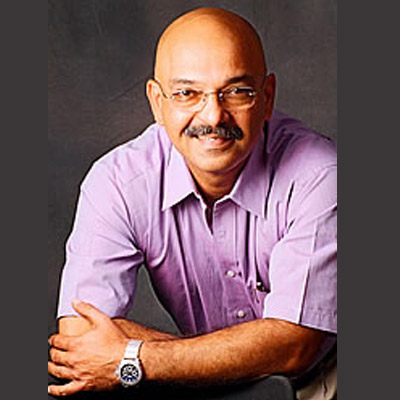
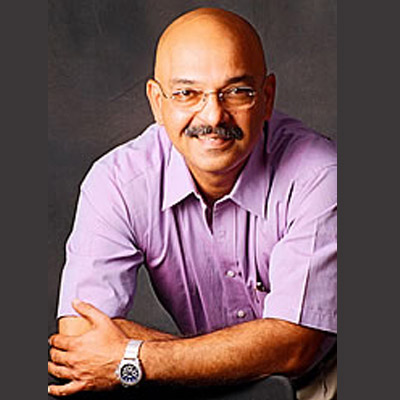
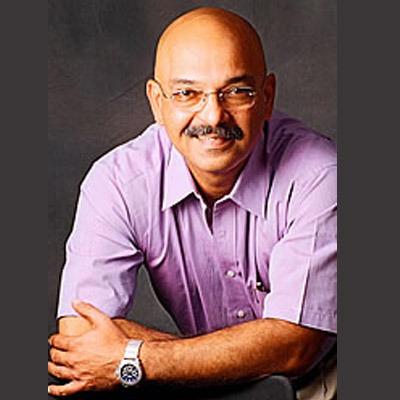
    The panelists included, Australian proximity engagement company and Touch Holdings managing director Simon Szewach, Populous senior principal Andrew James and SE TransStadia COO Hiren Pandit. The session was moderated by Victoria University Dean College of sport and exercise science professor Hans Westerbeek.
     
    The discussion began with Westerbeek asking the panelists whether it was worth investing in Indian sports? Pandit shared his knowledge by replying that investment in Indian sports can be seen in two ways; either as an associate with the sport or as a pure business investment. “Is the sport like the Indian Premier League (IPL) large enough for all franchises to make money?” he asked. He added saying that apart from making profits from their respective teams, owners had used their franchises for other better purposes than just receiving ROI. “The UB Group, which owns the Royal Challengers Bangalore uses the team to gain visibility because advertising of liquor brands is not allowed in India,” he informed.
     
    James felt that passion for the sport was the first step necessary for investment, followed by steps to connect with fans. “Currently there is a boom in the UK to build stadiums so that English Premier League (EPL) teams can connect better with the fan base. On the other hand, the Liverpool team has more fans in Indonesia than in the UK.” He opined that it was now necessary to capture this fan base and monetise it. For example Liverpool selling its jerseys in Indonesia and making profits from the same.
     
    Castellino then said that the honeymoon period, whereby sports is only looked in terms of passion, was over. “Sports should now be looked as a business seriously,” he said. He went on to say that it was a challenge to create winning franchises, which could deliver not just during tournaments but also during non-game events in order to pull in fans. Providing an analogy he said Manchester United had 80 per cent of its fan base in different parts of the world and 20 per cent only in the UK! He found that teams should first gather fans of this scale on board and then make money.
     
    Westerbeek then posed a second question: “Famous clubs like Real Madrid and Barcelona are fan membership driven, wherein the profits are directed back towards these clubs. Is the club membership model effective in India?”

    Pandit, relating to the share market, said that India’s population was very large versus the size of investors, which was very small. He also found it difficult to define a “fan” in India due to their fickle nature as they tend to follow only a winning team. He therefore said that India was not ready to have a model where fans could own a team. “India is not a sporting nation but a nation of couch potatoes, who want to lie back and watch a match on television. Single person investors are ready but not 1,000 fans,” he emphasised.
     
    Szewach at this point interjected and said, “Passion for sports drives out when not reinforced through constant messages. There is a need to constantly engage with fans throughout the year.” He lamented about how he found it difficult to purchase jerseys of the IPL franchises in sport shops, even when the event was just a few months away.
     
    Castellino felt that professionalism, which has entered the Indian sports ecosystem now, would help in its growth in the long run.
     
    The discussion then revolved around the role of federations in India and if they were a stumbling block when it came to monetisation of sport entities.

    Pandit opined that most federations were interested in governing the sport rather than promoting it. “It is a complicated situation,” he said, adding that the challenge currently would be to prove to the government that they are only required for the short term and entities can become self sufficient in the long run. “Studies have shown that our stadiums are used only for two per cent of the time and therefore are under utilised. There exists a vicious cycle between grassroots programme and monetisation,” he said.
     
    James recalled his first visit to India 10 years ago wherein he met N Srinivasan and Lalit Modi. He found it shocking how one single Indian player could earn more income versus the revenue generated by stadiums. “It is extremely inexpensive to build a stadium in India versus the cost of building a 500 million pound stadium in the UK,” he said.

    Post the discussion, the panel was seen sharing their thoughts with the audience. They were of the opinion that much more was needed to be done and there were a lot of opportunities for sponsorships for various teams. Westerbeek concluded by saying, “It is about two magic words – ecosystem and opportunities – for the Indian sports market. A lot more concrete definition would come by in the next five years.”

  • Hiren Pandit bids adieu to GroupM

    Hiren Pandit bids adieu to GroupM

    MUMBAI: Media veteran Hiren Pandit has decided to call it a day. The affable GroupM managing partner – special projects has put in his papers and is currently serving his notice period. His last day at the agency will be 11 July. The 53 year old Hiren‘s role was to drive efficiency and productivity in the organisation. . Apart from the various roles he has essayed, he was closely involved in Aspire, GroupM‘s training programme.

    His replacement has been zoomed in on but the agency was reluctant to reveal who it was.

    He joined Mindshare in 2000. In October 2006 he was made managing partner – GroupM entertainment, sports and partnerships, south Asia and was then given the responsibility of managing partner – special projects in March 2012. Before joining GroupM, he was with JWT India.

    Hiren was also a member of the GroupM executive committee.

    He says that WPP‘s media agency network is “a great place to work having great people to work with adding that “there comes a time when you want to go, and for me this was the time. I want to take some time off. But I do have some ideas in mind which I shall reveal in due course of time. For now, I am happy to have worked with such a great team and a completely non-political environment.”

  • Weak IPL5 ratings cause for concern

    Weak IPL5 ratings cause for concern

    MUMBAI: After a spell of success for three consecutive years, the Indian Premier League is getting a harsh reality check. While Max, the official broadcaster, has found it tough to sell to advertisers at last year‘s rates, the initial ratings are a matter of concern for the long-term growth of the property.

    The average rating for the first six matches of the fifth edition of the IPL has hit an all-time low, scoring weaker than last year‘s which had taken place immediately after a long-drawn World Cup at home that India went on to win. TAM data shows that the average rating stood at 3.76 TVR, a big drop from the 4.63 TVR that the event garnered last year. The third edition of the event had done even better with average rating of 4.99 TVR.

    Making matters worse for Max is the fact that the overall reach too has seen a 10 per cent drop to 90 million from 101 million last year. If the ratings continue their downward spiral, it will have huge implications for Max in particular as it had to make do with unsold inventory and lesser sponsors for this season. The channel had made Rs 9 billion in revenues from last season‘s IPL in spite of average viewership for the tournament falling even as the overall reach increased.

    The drop in ratings will certainly put pressure on Max. As it has sold just 65-70 per cent of its commercial time.However, MSM president network sales, licensing and telephony Rohit Gupta says that it is still early for an analysis. “We need to give it another week. We are doing deals.”

    Industry experts point out that the main reasons for the drop in ratings are Team India‘s disastrous performance in England and Australia followed by lackluster showing in the four nation Asia Cup with the win over Pakistan being the only talking point coupled with one-sided matches in the IPL.

    The mood in the market is that while there were no sky high expectations from the IPL this year, in the same breath it wasn‘t expected to do this bad.

    Percept Jt MD Shailendra Singh reasons that the positioning of the IPL as a “youth” league has gone for a toss what with retired players Adam Gilchrist and Rahul Dravid taking centrestage.

    “The IPL has become a veteran league with so many retired players playing in the tournament. The franchises should have promoted the youth faces. The whole purpose of the IPL will be defeated if the youth is not given due recognition,” he avers.

    GroupM ESP managing partner Hiren Pandit does not agree that the IPL has lost its youth value. He believes that the lack of competitiveness is driving away interest. The Indian team‘s pathetic form also contributed to the low interest.

    Pandit, though, cautions against writing off the IPL as the data is just for the first six matches. “I think it‘s too early to comment, let‘s wait for some more matches. But, yes, the ratings have gone down due to lack of good performance from players and the Indian team‘s performance in the recent tours,” he says.

    He is also hopeful that a couple of good performances will lift the mood among fans. A case in point is last year‘s IPL when Chris Gayle took the IPL by storm with his ruthless knocks. Gayle, who remained unsold during the auction, was taken as a replacement player by Royal Challengers Bangalore, which turned out to be a game changer.

    Singh feels that the franchises should do more activity round the year to engage fans and the emphasis should be on the sport rather than entertainment. He is quick to add that the right dosage of entertainment is also needed.

    Maxus and Motivator South Asia MD Ajit Varghese says though the drop in ratings is a concern, advertisers at the same time will get a value out of their marketing investment‘s since a rating of 3.76 is not that bad either. He also contends that advertisers who have taken on-air sponsorship this year will gain more as the number of advertisers is less which will result in less clutter.

    “We never had high expectations from the IPL this season as ratings have taken a hit due to Indian team‘s (bad) performance. However the drop in ratings remain a concern,” Varghese adds. “Different advertisers have different objectives to get on to the IPL bandwagon. Some might want to use it to launch products, while others do it for impact. Some also might do it to strengthen their leadership position.”

    A sports marketing expert feels that one reason for lower ratings is a lack of close match endings. “Glamour also is important as the IPL has always been sold as an entertainment property. The fact that ‘Houseful‘ did well at the box office shows that people are not interrupting their schedule to watch matches,” the executive says.

    Pandit, however, has a contrarian view. “I don‘t think that (glamour) it will do any wonders for the IPL because at the end of the day it is about the sport, which in itself is an entertainment proposition.”

  • ‘Break-even year for first eight IPL teams” : GroupM ESP managing partner Hiren Pandit

    ‘Break-even year for first eight IPL teams” : GroupM ESP managing partner Hiren Pandit

    The Indian Premier League (IPL) has seen an erosion in brand value due to governance issues. Two franchises got termination notice from India‘s cricket board but are still alive in IPL 4.0 as the court has come to their rescue.

    In an interview with Indiantelevision.com‘s Ashwin Pinto, GroupM ESP managing partner Hiren Pandit talks about how the IPL can still be a revenue earner for the franchises as new advertisers take to the sport.

    Excerpts:

    Will there be revenue pressure for the IPL franchisees to break even now that two teams have been added?
    The first eight teams that came in have done well for themselves – and will continue to do so. They will operationally break-even this year.

    The two new franchises, however, will have to have a serious ace up their sleeves to achieve their numbers. It is a tight situation and will take at least eight to nine years for them to break-even.

    Is it a good time for a franchise to sell a stake?
    At any point in time, people will be in the market trying to find the value that they can get. The question is whether they need the money or if they can hang on. Now a lot of feelers have been in the market. Kings XI Punjab was nearly sold at one of time, but then issues came out.

    Deccan Chargers were in the market after the first year, but now they have Saina Nehwal with them. They seem to have a sports strategy in place. They are trying to have a play in sports by building sporting properties and icons.

    What about Sahara?
    Sahara picked up Pune and it could be related to Amby Valley. They might try to make each property feed of each other. Otherwise, they should have chosen Lucknow. Obviously, the play goes beyond owning a cricket team. It makes sense for them to leverage the IPL across other properties.

    Can Kochi run a smooth ship given that there are so many owners?
    My first take has been that the strength of a team is as good or bad as the strength of a franchise. If the people who are there cannot run and act like a team, then the players will not fare well. This could be an internal problem and if they have resolved it then good for them. Team owners buy a team and give to a professional body or a professional set of people to run.

    They are responsible to deliver for the team. In Kochi‘s case it is the team owners who are trying to run it. The scary part here is that the glamour element that is so huge and you can‘t hobnob with the team. If this is not managed properly, then it can become a problem. I have a feeling that Kochi still has to get its act together.

    They came into the market with serious sponsorship numbers which they are not getting. This is going to have an impact on their cash flows.

    How has off-the-field controversies impacted the IPL?
    The off-the-field activities affected the IPL itself. It impacted when the auction was held. All this is behind us. However, certain issues will have to be addressed after IPL 4 is over. It is not that the off-the-field issues have disappeared; it is just that they are on the backburner.

    With India lifting the World Cup, what viewership gains do you expect?
    IPL should get a boost from the World Cup. Viewers will want to see more of the Indian players. But I don‘t see a dramatic change in viewership. Keep in mind the fact that team compositions have changed drastically – except for Mumbai and Chennai.

    How is GroupM ESP involved with the IPL this time around?
    Maxus is the agency of IPL. In the first year, we did the deal with Citibank, which continues this year. GroupM ESP has got in Volkswagen as car partner for the IPL.

    We also went outside GroupM and did deals with outside clients who wanted to be associated with the IPL franchises. It could be awareness tracks, helping a client taking on competition or helping them form an association. We have also done licensing and merchandising deals that help the brand.
    ‘The Champions Twenty20 League is a great initiative that happened may be a little too early. It will become serious five years from now. But I am not so sure if it will be as big as the IPL‘

    What growth in revenue will franchises see this time around?
    Two new teams coming in means that the central kitty will be distributed among eight to 10 teams. The franchises will see growth from stadium income.

    Some franchises went to the market with high sponsorship price points. They then had to reduce their prices. Good marketing and good performances have helped.

    Mumbai and Chennai have done well and will see substantial revenue growth. Then you have Kolkata and Delhi in the middle. I have a feeling that Pune will pull through while Kerala will struggle.

    In terms of ticket revenues, the Wankhede Stadium will make a big difference to Mumbai. It is in the heart of the city. It is also possible that Mumbai will make more money on licensing and merchandising than any other team.

    The key to success is to reduce the heavy dependence on the central pool. Do you this happening this year?
    While some franchises may manage to up their local revenues, the Central pool may stay stagnant. But Chennai and Mumbai, and perhaps Kolkata, may manage to change the percentage ratio between central and local revenue in favour of the latter.

    The World Cup meant that franchises could not carry out activation with sponsors in the lead up to the IPL. What has been the impact?
    Every sponsor was aware of this problem. But if sponsors are smart enough, they will look at it from the longevity point of view so that they can build an association. Some companies like Luminous are doing activities. It is a tight situation, though, with players not being available. Sponsors will do such things during the IPL.

    Also, with the team structure changing, the task of building a fan base becomes that much more harder. Chennai and Mumbai are, of course, better positioned to strengthen their existing fan base.

    Rajasthan brought in Floriana which is a company that has never advertised in cricket. Are we going to see more of new advertisers taking to the sport?
    You will see a lot of newcomers as there is a churn happening. Some sponsors got in due to the glamour of the IPL without understanding what their objectives were; their relationship with the franchise owner may not have been good.

    In years four and five, you will see this settling down. Sponsors now have a clearer idea of what they want; franchises also realise that you cannot have a revolving door policy where you take money and not do anything.

    Which brands have done a good job?
    Nokia and Aircel are some of the companies that have stayed on with the franchise. Vodafone has benefited with the Zoozoos as its idea. Those sponsors who only looked at it as a piece of real estate for a logo are the ones who got screwed.
     

    Will we see more advertisers this year?
    The number of advertising opportunities on clothing will stay the same. This year, though, we will see advertisers coming in as partners and doing on-ground activation. An entrepreneur in a city like Hyderabad could decide to open two restaurants and bars named after the Deccan Chargers. The logo part is static, but the number of partners can increase.

    You will see more people moving in to the licensing and merchandising space. The franchises also have to look at this more seriously. At the same time, it is a slow burner.

    Wearing the team colour is the starting point; you will see clothes, watches, etc. But a pub or a shop like what Manchester United has is still a long way off. However, licensing and merchandising will still be a small part of a team‘s revenue.

    Two more teams mean more ad clutter. Is this going to be a major challenge for brands?
    Clutter was there with eight teams. Anybody who wants to break this, must do something different.

    Of all the brands that were associated with the ICC World Cup, the one that stands out is Pepsi. The whole creative concept that they did like the ‘helicopter shot‘ gave it a different flavour. The viewers saw something different, which stood out.
     

    Some feel that having two groups was the BCCI‘s way of trying to solve a problem of 10 teams. Do you agree?
    This is a format issue. You would have had 94 games. This is a lot of games. I remember traveling the first year with the Deccan Chargers. I wasn‘t even playing, but I was still tired. If you expect people to play so many games, it is unfair.

    The BCCI has tried to fit things in the best possible manner. They will review the current situation. But the window available is 45 days; this is not going to increase.
     

    What we have seen so far over three years is loyalty to the IPL and not so much for teams. Will this situation change this year?
    This has changed. In the Mumbai versus Chennai match, the yellow and blue colours were very dominant. People were talking about teams. This time it might get affected due to a new team structure. But over a period of time, the relationship will build. Team loyalty should grow for certain franchises.
     

    Some franchises were thinking of forming alliances with clubs globally. Will this concept work?
    It is great to have a relationship. The question is what is that relationship built on? Rajasthan went abroad to play matches in the first year. It cannot just be a piece of paper, though; both parties must benefit. How many franchises have built a school to develop cricket and build a base that will feed into their team? These things need to happen. Just tying up with a foreign club is not the solution. Not enough has been done during the ‘off season‘. At the same time, money must make money.
     

    Can the Champions Twenty20 League be declared a dud?
    It is a great initiative that happened may be a little too early. It will become serious five years from now. But I am not so sure if the Champions Twenty20 League will be as big as the IPL.

  • ‘Break even will take five to six years for new franchises’ : GroupM ESP managing partner Hiren Pandit

    ‘Break even will take five to six years for new franchises’ : GroupM ESP managing partner Hiren Pandit

    Bigger, better, richer. That is what the franchises hope the Indian Premier League (IPL) will grow into year after year.


    In an interview with Indiantelevision.com’s Ashwin Pinto, GroupM ESP managing partner Hiren Pandit talks about the vast revenue opportunities that are waiting to be tapped as the IPL grows into a sporting spectacle.


    Excerpts:

    How is GroupM ESP involved with the IPL this time around?
    We do deals with franchises on behalf of our clients. There are logos on T-shirts and also innovations that have not been done before. We create revenue opportunities for the client as well as the franchise. This is in the form of licensing and merchandising.

    Are franchises able to fetch better rates this year with the economic situation somewhat improving?
    Keep in mind that last year local activation could not take place due to the shift to South Africa. This year, some amount of rationalisation has taken place. There is measurement in place. You know whether you should pay Rs100 or Rs 150. Most team sponsorships have been sold.

    In terms of local revenue, how will franchises fare this year as per your calculations?
    It will increase by around 20 per cent for each franchise. Revenues on T-shirts are anywhere from zero for Bangalore (The UB Group uses its own brands) to Rs 400 million for Kolkata. Delhi and Chennai will each earn Rs 330 million. Mumbai, Rajasthan and Punjab will individually earn Rs 300 million. Hyderabad will earn around Rs 200 million. The big difference is the logo on the right chest which will add Rs 30-50 million in revenue. Licensing and merchandising is just starting to happen. So this will take time to grow.


    Kolkata will get hit in terms of gate receipts as the two large stands that seat the most number of people is being reconstructed. Mumbai’s matches will happen in the CCI and DY Patil. Ahmedabad should boost Jaipur’s gate receipts. I, however, do not know the extent to which Dharamshala as a venue will help Punjab. The question that remains is Hyderabad. There needs to be some clarity on where the matches will be played.

    If you include the central pool, how much revenue will franchises earn?
    It will be a 25 per cent growth overall. Each franchise will earn $12-14 million from the central pool. The local pool will contribute around $8-10 million. Revenues from theatres, YouTube and Colors will also kick in. This will add a certain amount but it will not be dramatically different.

    Will Hyderabad’s revenues be hit due to the venue being shifted?
    I am not so sure that Hyderabad sponsorships will get hit as it depends on TV exposure. On the back of that, activation will be done. In-stadia activity, though, will be hit. But licensing and merchandising may stay unharmed. It depends on the kind of deals that they will do. It remains to be seen how much revenues come from ticketing.

    Franchises will see a 25 per cent growth overall. Each franchise will earn $12-14 million from the central pool. The local pool will contribute around $8-10 million. Revenues from theatres, YouTube and Colors will also kick in

    Is there a danger of sponsorship getting cluttered?
    From what we gather, the number of brands on IPL was 40 in the first season and 68 in the second. We expect the number to touch 80 in the third season. It is clutter but since it is at home, clients can do more activation. There needs to be innovation done by companies in terms of their campaigns. You cannot do what was done earlier unless you are sure that it will stay fresh. It needs to be different. Just keeping a logo on the T-shirt is not enough.

    Could you give me a couple of examples where team sponsors have successfully leveraged the IPL?
    Idea Cellular did something different with the Mumbai Indians in the second season. Their users could have conversation with players. Wrigleys did something different by associating with all teams. Vodafone did the Zoozoo campaign which was a wake up call to competition. Sprite did the unique ‘Seedhi Baat, No Bakwaas‘ campaign with Kolkata.

    What is the key to a successful licensing and merchandising campaign?
    Both parties have to make money. The distribution platform has to be solid and give access to all potential buyers. Under licensing and merchandising, the franchisee gets a flat amount and then a share on revenues – depending on sales. It will be a slow burner, though. And it will not kick in from day one. A substantial amount of promotions will be needed.


    Licensing and merchandising is different from having a logo on a T-shirt. People are still struggling to figure out what is the difference between advertising and licensing and merchandising. These two categories are separate but are getting mixed up. That actually helped Wrigleys who did a smart number on franchises. They did a partnership at a low cost and signed up most franchises for three years. From what I understand, Wrigleys can now milk the value of its deals to such an extent that franchises feel that they did not get the value that they were looking for. I don’t think that Wrigleys shares revenues of its products. Franchises now realise that the deal might have been a mistake for them.

    Have the franchises got it right on ticket pricing?
    I assume that they would have learnt from the first season. They will know what works and what does not. You need to analyse in detail what was done in the first season – what was right and what was wrong. If they have not done that the same mistakes will be made again. You also need to do activities to make fans come to the stadiums. The in-stadia experience will be far better this time. Catering is centrally managed. There are now turnstiles and so the number of people entering and leaving can be checked.

    Will the break even period elongate for the new franchises as the IPL has set a fourfold increase in base price?
    The revenue opportunities have grown. The break even position, however, depends on how one manages costs and the revenue generation potential of a city. Some cities will perform better than others. But generally, it will take five to six years for the new franchises to break even. The time taken to break even is also a question of how innovative can the new owners be in generating revenues. Local revenues should rule over the earnings from the central pool. Anybody who can do this will have a model that will set themselves up to making money that would justify the price tag.

    Who has fared the best in this area so far?
    The closest that anybody has come to achieving a great model is Kolkata. The fact that Shah Rukh Khan has lent himself to his sponsors like Nokia and Sprite has worked. He has extracted more revenues as a result. So instead of charging Rs 40 million, this franchise can charge Rs 70 million. Other teams also have values but I am not so sure that they are using it to their maximum potential. No franchise is optimising local sponsorship the way that they should.


    Also, keep in mind that with more teams coming in, costs and revenues will go up. The impact will be felt across the board. Player costs, travel and stadium maintenance costs will rise. Sponsorship revenues will also go up. All this has to be taken into account by whoever is bidding.

    Another issue is that current franchises will be allowed to retain some key players even after the third season. This could limit the pool of payers who are available to the new franchises. How do you see things panning out?
    A middle ground will have to be found. This is a sticky issue. On one hand, you have India Cement saying that since they have invested in Dhoni and have built their team around him, he must be retained. Otherwise the team’s value will be affected. On the other hand, the new franchises need to have a solid pool of players to pick from or else they might decide not to play. A balancing act will have to be performed by the IPL Governing Council.

    Rajasthan Royals has tied up with other cricket clubs globally. Is this the trend for the other franchises as well?
    If you have world class players who can play in different countries and fill a stadia, then it forms another revenue stream. The IPL guidelines state that Rajasthan Royals cannot play against Kolkata in, for instance, England. So by doing this kind of a tie up, they avoid that situation. Events can take place all over and more money flows in. There is an opportunity here.
    Do you see the IPL playing out well in cinema theatres?
    This year it will be a tried and tested concept. The concept looks very impressive. You will have high definition which makes a big difference. The 16:9 screen size will allow you to see more ground. This is the summer and people might want to go to an air conditioned place and enjoy it together. It is about the quality of experience. If it is good, then word of mouth will spread.

    How important is the YouTube deal in spreading the IPL brand globally?
    It is fantastic on two levels. In India, you can sit in the office and watch matches. It is a question of bandwidth. I would expect people to avail of the highlights package for matches that happen between 4-7 pm the next day. Then there is the Indian diaspora who want to watch the IPL but have no access.


    The question is how YouTube is going to monetise the IPL property. Will YouTube become pay for international markets? Today they have said no. They can continue to say no if there is enough ad support.

    The Champions T20 League got off to a slow start. Where do you see it going from here?
    I was surprised that it got off to such a slow start. But if people thought that the Champions Twenty20 League would do as well as the IPL, then they were wrong. The IPL and Champions League are about clubs. The club culture has not yet come in the country. It will take time. The second reason is that the three Indian teams did poorly in the Champions League. The interest among audiences fizzled out.


    The franchises and the IPL need to start developing a club culture. Nobody says that they want to go for an IPL match to see a particular franchise play. They simply go for great cricket. That has to change. You need to create a fan base that is passionate about the team per se, even if it comes last. Franchisees need to invest money in creating a club culture.

  • ‘All IPL teams should be able to break even by 2011’ : Hiren Pandit – GroupM ESP managing partner

    ‘All IPL teams should be able to break even by 2011’ : Hiren Pandit – GroupM ESP managing partner

    The Indian Premier League (IPL) promises huge space for revenue growth. The team franchises will have to focus on building the brand consistently, project a healthy personality and take the sponsorship value to a different level.


    It is not wise to draw sponsors just on the back of winning and losing. Performance is a factor, but it is not the only thing.


    In an interview with Indiantelevision.com’s Ashwin Pinto, GroupM ESP managing partner Hiren Pandit says there is value in T20, but warns that it should not be at the cost of the other formats.


    Excerpts:

    How have the franchises fared financially in the second edition of the IPL?
    Our assumption is that there are two who have not made a profit – Deccan Chargers (Hyderabad) and Royal Challengers (Bangalore). They had their own brands on their T-shirts, which could be looked at as an investment rather than a loss. The others have broken even at the operational level. This was due to the rise in television rights fees. The question is whether they have wiped out the losses of last year. I expect everybody to break even by 2011.


    In terms of sponsorship revenues between the team and central revenues, the IPL got Rs 3 billion. Last year it would not have been more than Rs 2.5 billion. Kolkata Knight Riders (KKR), Chennai Super Kings (CSK) and Delhi Daredevils have got the most in terms of local sponsorships, followed by Mumbai Indians, Kings XI Punjab Rajasthan Royals (RR).

    And what about sponsorships?
    CSK and KKR did a particularly good job. But you would have a team like Royal Challengers (RC) which is not interested in outside sponsorships. That franchisee put its own brands on display.

    How about defending champions Rajasthan Royals?

    RR has broken even because their payout to the BCCI is much less as compared to the others. They only shell out $6.5 million each year. Having said that, I am not so sure that finishing number one necessarily translates into higher sponsorship revenue.

    Then what matters?
    You need to look at what a team stands for. Is its branding consistent? Does it show on the ground? Does the team overall project a strong and a healthy personality? Are there characteristics in the team that can take sponsorship value to a different level?


    If an IPL team draws sponsors on the back of winning and losing, then you have a problem. Performance is a factor, but it can’t be the only thing.


    While KKR did well in terms of getting in sponsors, somewhere down the line they or the brands associated with it made the mistake of going down the performance route. That is a dangerous platform to walk on. The amount of bad press it got did not help the franchisee nor the brands that were associated with it.


    On the other side, Idea did an outstanding job with the Mumbai Indians. Their activation platform was brilliant and had nothing to do with winning or losing. It gave fans the opportunity to aspire to talk with their favourite players. Even though Mumbai Indians lost on the field, the aspirational value is still there.

    What was Group M’s role in this IPL?
    We did a few deals with some clients for having their logos appear on T-shirts. We lost out big time, though, as the IPL moved out of India. We had a smaller role to play compared with last year. We are now not involved with the Deccan Chargers.

    Revenue growth will come from local sponsorships. If you are heavily relying on the central pool, then the franchise has not built itself properly. Building up local sponsorships and fan base will be key

    Do you see yourself playing a bigger role going forward?
    Yes! We have knowledge on brand activation around the IPL. We have got a good understanding of this space and the valuation process. We can give clients a fair idea of what they should pay for a logo, depending on the position they take. We are also open to associating with teams.

    The IPL is looking at doing another event each year abroad, possibly a smaller one. Is this the best way forward?
    The aim appears to be to develop cricket in smaller, non cricket markets. Is there a window available? Are players available? These issues have to be addressed.

    Where does KKR go from here?
    They have to relook at what they have got. They are not a bad team per se. They have a high profile owner and they need to look at the relationship between owner and team.


    Secondly, they had too many people like Buchanan and Ganguly trying to become high profile. The bigger you are, the harder you fall and that is what has happened.


    Kolkata’s sponsorship is on the back of Shah Rukh Khan and not because of the team. They could rejig what their brand stands for – and then sponsors will come in for the team’s values. That is a call that they will have to take. What you will find is that franchisees will move away from performance as a platform for brand activation.


    Going forward, the growth of revenues will come from local sponsorships – and not so much from the central pool. If you are heavily relying on the central pool, then the franchise has not built itself properly. Building up local sponsorships and fan base will be key.

    How would this happen?
    The IPL will move away from being just a 45-day event. Franchisees will do activities over a longer period of time to build a fan base. They would do things like promotions, interactions and meets.

    There is talk that with the IPL the focus is shifting away from individual player sponsors and more towards team sponsorship. Are players like Dhoni going to lose out on lucrative deals going forward?
    When a team association is done, three to four players are used. Even if you are associated with CSK, you can only use Dhoni as far as IPL is concerned. This makes sense when the IPL is on or just about to start. But in December if the team endorses a brand, what will a viewer take out of it? The viewers are not stupid. If people believe that they are getting a Dhoni for free by associating with his IPL franchise, then they have a short term approach to the business.


    You could associate with a team to get national reach. If you associate with a player, it would be due to his characteristics. It is not necessary that the characteristics of the franchisees will be the same.

    When the IPL adds more teams in 2011, what would be the likely cities?
    Gujarat and UP have opportunities. You could see another team from Maharasthra – perhaps Pune or Nagpur. Kerala also has a chance if some NRI is interested. The payout could cross $200 million. But the interested party will have to work his maths out properly. Otherwise, it will be difficult to recoup your investments. The parties that shelled out the most for a franchisee the last time around are just about making it. The lower end of the payout table are more comfortable.


    Also keep in mind the fact that after 2010 all player contracts are up for grabs. The whole scenario will be reworked and changed. There should again be a cap on money that can be spent or there will be teams that will be far stronger than the rest. The IPL could then turn into a two or a three horse race which will take away from its appeal. Some deals, though, might be done outside the bidding. We will see more performance-related deals. Player loyalties and disloyalties will also come into the equation.

    Next year England starts P20. In 2011 South Africa, Australia and New Zealand start a joint league along the lines of the IPL. How do you see this affecting international cricket?
    The question is with so many leagues happening, what happens to Tests and one-dayers. Is there enough of a window for this to happen? There was a league that started in the West Indies, which subsequently got killed.


    Can the other leagues generate the kind of money that the IPL gets? I don’t know if Kevin Pietersen will get $1.5 million a year in those leagues.


    Then you must look at it from a player’s perspective. He plays around 35 ODIs, 15 Tests, 20 T20 games a year. Does he have time to play anything else? Remember also that T20 is successful in India as it is a country sport first. Then it is a club sport.

    Could we see players bypassing the international grind and just focusing on league cricket which is lucrative?
    The question is whether a player wants to play cricket for a living or does he want to represent his country and make money. You cannot have somebody only focus on the T20 format. This is something that this edition of the IPL brilliantly showed.


    The players who did well like Kumble, Gilchrist and Hayden are seasoned campaigners who have excelled in the other formats as well. T20 is not a wham bam affair. It is about playing proper cricket. If a cricketer chooses league cricket over his country, then he might be asking for trouble. Most of the IPL players got there as they made a statement by playing for their country. Then there are youngsters who did well in the IPL and are now playing for their country. I do not think that it is a choice of one versus the other.

    What impact will India’s exit in the T20 World Cup have on ESPN Star Sports?
    Ratings will take a hit. Already we are seeing that clients are not getting enough of a return when India does not play.
    How do you see the Champions T20 League faring?
    You need to let it happen once. Some players play for two teams and so will have to decide where their loyalties lie when this event starts.
    Would playing at night help Test cricket?
    This is not a bad idea. What has happened is that T20 has had a positive impact on the other formats. The run scoring in Test matches is quicker which is forcing results. This is desirable. Each format lives off the other in some form or the other.
    There will be lots of T20 cricket happening. Are you concerned that the overdose might kill the format?
    It could lose its flavour. You cannot have too much of one format. There is value in T20, but it should not be at the cost of the other formats.
    What challenges does the economic downturn pose for Group M ESP?
    We need to work harder. We need to give more value to clients. It is a partnership in good times and bad. We need to find better opportunities for clients but it is not as though we need to think differently.
    What progress has Group M ESP made in the celebrity endorsement and management space?
    We have moved away from this. Keeping in mind the Indian mindset towards celebrities, we did not believe that it was a scalable model. We focus, among other areas, on branded content in film and television. The strike affected us but hopefully the films have only been shifted and not cancelled. We have done regional tie ups with brands.
  • ‘Course correction will happen from a commercial, team management, and player angle’ : Hiren Pandit – GroupM ESP managing partner

    ‘Course correction will happen from a commercial, team management, and player angle’ : Hiren Pandit – GroupM ESP managing partner

    For franchisees the inaugural edition of the IPL has been a learning experience. The Hyderabad franchise is no different. While Deccan Chargers finished at the bottom of the table, the franchisee is confident that the investment will pay of in the long term. At the same time, the event was more difficult logistically and also physically than anybody imagined.


    GroupM ESP acts as a consultant for the Deccan Chronicle, which owns the Deccan chargers. Ashwin Pinto caught up with GroupM ESP managing partner Hiren Pandit to find out his views on the event


    Excerpts:

    How has the IPL experience been for Deccan Chargers?
    It has been a big learning curve. At the same time companies that did not get in will be furious at having missed out. The franchisees have all seen the potential of this event. We now know that this can be built up over the years. The IPL will be of the biggest benefit for those who want long-term gains.

    Overall what have the learnings been?
    There have been many. Sponsorship needs to be approached in a more effective manner. We were not able to do this earlier due to time constraints. Most of these deals have been for one year and so plans can be revised depending on what the team’s standing is. It is still early days. The way television has taken to it has been big. Next year, sponsorship rates will go through the roof.


    I believe that the IPL is looking for $ 7 to 8 million for ground co-sponsorship rights. Pepsi will go in for associate sponsorship as they want to block out Coca Cola. Each franchise and sponsor has had more than his fair share of learnings that will have to be put in place.


    A lot of course correction will happen. This will be from a commercial angle, team management angle, player angle.


    For the next three weeks people will lie low and detox from the IPL frenzy. Then they will start addressing issues. There will be a session with the IPL governing body to do a Swot analysis. Teams will look at their overall structure and check to see if all is right or if it needs to be re-looked at. Some problems may be common.

    What were the logistical challenges?
    The travel schedule was awful. I had no idea about the days. There was no concept of weekdays and weekends. It was just one haze of cricket matches and cities.


    Hats off to the players for performing. We played a match against Chandigarh. The next day we reached Hyderabad at 9:30 at night. The next day there was a match. Where is the time for player recovery? Players luggage also became an issue. It has to be at the airport. These logistics were more complex than had been first imagined.


    Then there is media pressure. Several people want to interview a certain set of players at any given point of time. This needs to be scheduled better.

    The trading window will be key but the guidelines are not clear

    For Hyderabad what have the learnings been?
    There have been many. Right from stadium management, which we managed well. The ticketing part was an experience. We were not sure initially as to whether we would have 46,000 seats or 38,000. The stadium was under construction. We had to keep in mind media sessions.

    Not just us, but everybody will handle this differently next time. We sold out tickets for many matches but we have to still understand the pattern in which ticket sales happen. With sponsors there was confusion due to outfits not being ready on time. For the first week we struggled to get a comprehensive photo of the team. Clothes designs and delivery were a challenge. It took us 15 days to do this. If we had time this would have been planned better.

    Is it fair to say that the ones who did well did not have big stars?
    I don’t think so. The ones who did well played as team. They looked up to one individual. Rajasthan looked up to Shane Warne. The passion with which they played as a unit was terrific. Dhoni inspired Chennai. If a team came together it struck.

    Did attitude play a role?
    Yes! There were some players who acted as though the IPL was a holiday. So the franchise had a problem. Some players who were in a high profile position prior to the event were stripped clean. The trading window will be key but the guidelines are not clear. Franchisees can get rid of some players and acquire others. The support staff structure will also be looked at in terms of coaches, physios etc.

    Why did Hyderabad not fare better?
    We had a weak bowling attack. We went on past performance. Some players let us down here. This put additional pressure on the batsmen to add 20 more runs. A team like Rajasthan had the perfect batting and bowling balance. With Delhi we always felt that if the top three batsmen failed we were in with a chance. However they constantly fired until the semi final. Sehwag and Gambhir got out cheaply and they collapsed against Rajasthan.

  • ‘We look at the IPL as a business and a media investment’ : Hiren Pandit- GroupM ESP managing partner

    ‘We look at the IPL as a business and a media investment’ : Hiren Pandit- GroupM ESP managing partner

    Being a regional player in the media business, Deccan Chronicle saw an opportunity in IPL to grab the national platform in line with the company’s strategy to step into new markets. It bought the Hyderabad team franchise which was named as Deccan Chargers while GroupM ESP played the consultancy role.


    Indiantelevision.com’s Ashwin Pinto caught up with GroupM ESP managing partner Hiren Pandit to find out about the plans for IPL, its usefulness as a brand-building exercise and the progress that has been made so far.


    Excerpts:

    What progress has GroupM ESP made since launch?
    We work in the areas of entertainment, sports and partnerships. We have broken the entertainment business into two spaces – film and TV content. We have done over 250 hours of branded content programming on TV. One of them was for NGC’s Genius where we got in Lufthansa as a partner for that show.


    In the film space, we help with in-film placements and also with partnerships. We do 25-30 in-film placements and partnerships a year. We got Reebok involved with Goal. Reebok launched a range of Goal products in their stores.


    Another innovation was helping Virgin Mobile partner with Channel (V) for the first live movie shot. Richard Branson actually danced on stage. We also worked with the Johnny Walker Golf tournament. Now we are working on the IPL with our partner Deccan Chronicle. We act as a consultancy for them.

    What is the aim when you are providing solutions to clients?
    We look for long-term strategic solutions. It is about creating a consumer connect in an increasingly fragmented market. Consumers spend time on different things at the same time. The effectiveness of the 30-second spot is reducing. Spends are going towards non-traditional media. We need to be present in this space. We give clients solutions that are out of the box and go beyond conventional media buying. Media is anything that consumers relate with and our aim is to provide solutions to clients that consumers can relate to. The Goal deal was one such example.


    In the partnership space we have deals for content creation, sales. We partner companies with implementation capabilities. The thinking, planning is what we do. The implementation is sourced. We are looking at a partnership for the marketing of sporting events and sports products. We also work with production houses. We worked with Miditech for the NGC show. The client requirement is our priority. A partnership is driven by a client need.

    What role does the IPL play in the overall scheme of
    things?

    We look at the IPL as a business opportunity. The intention was to see if we could do something substantial in that space with a partner. Deccan Chronicle loved the idea. We helped them bid for the team, players, seating, corporate boxes. We believe that it is a team that we also own.


    There are two poles of thinking. Some feel that it will not work. We feel that it will work. It is already a $2 billion industry straight away. The industry has been created overnight. The way the top players come in shows that the boards back it strongly. IPL is about cricket first and then entertainment. You cannot let the two merge. If it does, then the event will not do well. The cricket element should not be touched. As long as the quality of that is high, everything will fall into place.

    How does IPL help Deccan Chronicle from a brand
    building perspective?

    It gives Deccan Chronicle a platform on the national stage. It has two editions – in Andhra Pradesh and Tamil Nadu. They are looking to launch in other markets. They are also looking at a business daily. The IPL gives them visibility across the nation.


    While Deccan Chargers is a separate business, it can be used as a platform to build awareness for Deccan Chronicle. Markets like Delhi and Jaipur will get to know of Deccan Chronicle through the IPL which otherwise would not have been possible. It makes it easier for them to enter new markets.


    At the same time they have put in a lot of money to get the team and we have to make sure they get their money back.

    What was the strategy you followed in bidding for
    Hyderabad and the players?

    Initially we wanted to launch two to three teams. However the IPL rules did not allow that. So we decided to have a franchise in either Hyderabad or Bangalore or Chennai. Hyderabad was our first priority. We did a lot of homework in terms of different revenue streams. We predicted the kind of revenue television would bring in. We also predicted local revenues.


    We were, thus, able to figure out the bidding range we should be at. There were other players like GMR who are Hyderabad-based and so we needed to ensure that we came out on top to keep them out of Hyderabad. We got what we wanted. As far as the team is concerned, it took us two weeks of work to form a strategy. We gave ourselves five options of teams each of which were unique by themselves. They took into account the IPL rules as well as the local talent available in Orissa, Hyderabad and Andhra Pradesh.


    There was $5 million available. $17 million was the total base bid price of all players. Since the total purse that could be spent was $40 million, $23 million was the possible variation. We listed what we believed players would be bought at. Some players were given at 25 per cent or 50 per cent or 80 per cent depending on their availability to play. So you had more money to play with. VVS Laxman was graceful enough not to take icon status so that we would have more money. We followed a batting order process to select players we wanted. Some players were got reasonably but we did not overprice ourselves with any player.


    We looked at it from a T20 perspective. We wanted players who can bat up and down the order like Afridi. Gibbs can also do the same. Gilchrist has a dual role of a batsman and wicketkeeper. Symonds is also a match winner.


    Ladbrokes has rated us as one of the top teams to win the IPL. The onus is for the players to make sure it happens. The job of delivering a good side has been done. It is now a question of on-field delivery.

    Could you talk about the team’s positioning?
    The name of the team is Deccan chargers. We are not a team of stars. We are a unit and this needs to come across. We are there to play hard and win. We do not want superstars. We want players who will operate as a team. We are a bunch of individuals playing as a team. Deccan Chargers are all about Deccan. Hyderabad Deccan is associated with royalty. The charging bull, red eye, gold colour all stand for certain attributes.

    What plans are there to attract women and children?
    We have certain plans. One of them is a school programme. In the stadium, we are looking to create a family enclosure so that women can come. We had thought about having a women’s only enclosure but that may be some time way. We are trying to create a family entertainment atmosphere. You need to make it pleasurable outing for the family. The venue has to be comfortable.


    We started communicating with people from the day that we got the Hyderabad franchise. We ran an ad asking what people would want the team to comprise of. The build up started from there. We are doing activities in malls and multiplexes in Hyderabad. We have made a huge bat so that people can sign wishing the team good luck.

    What about creating a fan base? How long will it take
    to create one like say a Manchester United following?

    It will take at least two to three years. This is our second task. We need to make sure that fans know that it is a privilege for us to be associated with them. This year time has been too short to start the process of building a fan base. The only fan following we have as of now is on our website where half the hits come from the US.


    They already want a T-Shirt and so build up is happening. We are looking at privileged dinners, special ticketing offers, T-shirts, player interaction as time goes by. People at the moment are not used to a city-based team that has players from different loyalties. That connection has to be built up by the franchisees. Today fans relate to cricket with the country but over time people will root for their city. They will believe that an Andrew Symonds can play with VVS Laxman in the same time. This is when fans will start to bond with teams.

    IPL gives Deccan Chronicle a platform on the national stage. It makes it easier for them to enter new markets

    How is the team doing in terms of sponsorships?
    We have structured our deals differently from other franchises. Everybody is selling logos on T-shirts – front and back.


    We will have a team partner. That partner will have ownership of the team. The logos on the team will go to the partner.


    The second partner is entertainment. Anything to do with entertainment from cheerleaders to fours and sixes hit goes to that party. The third partner is the performance partner. This is for things like man of the match, six sixes in an over etc. Then there is a partner for pre game entertainment. The fifth partner is the apparel partner. Each association is distinct and has clear value. We do not want to be like a F1 car.


    The entertainment partner has to be related to entertainment. The performance partner has to be known for performance. Otherwise you mix things and brands get associated with things that do not fit with what they stand for. We have structured our partnerships so that we leverage the value. We will announce deals in this regard next week, as that is when our players will be together.


    Since we are a newspaper we advertise in it. Other teams would have to buy ads. SRK uses the PR route and has also tied up with Telegraph locally. Our media costs come down since we are a media owner. We look at the IPL as a business and a media investment. If someone is losing money it could be that he is using it as an investment for his own benefit. In this case you need to look at it as a media investment and not as a revenue opportunity.


    If you treat it as a business you can make money in the first three years. In three years we expect to make money and it could be for our pocket and also for media investment opportunities.

    One of the challenges is to keep the brand alive after
    the event ends. What plans does Hyderabad have?

    It is not just about a fan base for us. It is also about giving back to cricket. Deccan Chronicle wants to be associated with cricket at the grassroots level. We will start coaching camps, academies. Our partners will also be involved here. This is the difference between just being a sponsor and being a partner.


    Our involvement with cricket is not just about IPL. We will tie up with the Hyderabad Cricket Association, Orissa Cricket Association to see how we can get involved with their tournaments and bring value. We are also looking to get involved with other sports.

    What about taking the team abroad for matches?
    That might be an option as long as the sanctity of the on field play is not compromised. If it is a charity game for instance, then it has to be clear.

    If a team fares poorly in the IPL and finishes eighth,
    will the franchise suffer?

    It depends on the quality of play. If the matches were close and hard fought, then fans will not mind. If, however, the team consistently played badly and failed to compete, then not only will the fans ask questions but so too will the sponsors. It will also be a challenge to fill up the stadium as you go forward. There will be a chain reaction.


    As far as players are concerned, if one plays badly then the news will travel and the player will be dropped. It is about delivery. A lot of money has exchanged hands on account of expectations. The effort needs to be put in.

    What on-air and mobile plans do you have?
    Our site is already up and running. There are lots of forums and debates. On the mobile we will look at it in terms of ticketing and SMS. But the real fun will come when 3G applications come in and they will impact how people view cricket. This will be in the form of streaming video.
    What about tying up with channels for content related
    to the Hyderabad team?

    We are in talks with channels that want to do off-cricket coverage of our team. We will do this in conjunction with our players.
    With the IPL trying to attract women and children, do you see this helping other forms of the game in expanding the viewer base?
    I don’t see it affecting test cricket. It might help ODIs after a period of time. T20 means a faster rate of scoring which will be transferred to ODIs. If you score six to seven an over in T20, you will see the same rate in ODIs. When a lot of action is going on in terms of high scoring, we have noticed that more women tune in.
     

    On the negative side the kind of stroke play that takes place should not deviate from what quality cricket is. Technique should not suffer due to T20.

    GroupM ESP also has a tie up with John Abraham. What
    is the nature of this deal?

    We have got into the celebrity endorsement and management space. We look after his sponsorships and endorsements. We are looking at other celebrities. The celebrity space has blown apart with Dhoni and Yuvraj and MGs (minimum guarantees) being the norm. We are not sure about taking that route.
     

    The celebrity management space is different in India. Abroad, companies manage this sphere. In India, though, individuals manage it. The Indian model must evolve. There is no valuation process in place to see if the return on investments are good. It has to be a win-win situation between the celebrity and the client. Right now, this is a cluttered space.


    The brands that John has endorsed like ESPN and Wrangler stand for values that fit John. You need to keep in mind the sentimental values of individuals. Many celebrities, though, endorse brands where there is no fit. The association is unreal and nobody believes it. Consumers are not dumb.

    How do cricket and Bollywood stack up against each
    other?

    Celebrities have to be careful about the brands they endorse. If they make a mistake, then they pull their own brand value down. Bollywood is less risky. If an actor has a flop, his value does not go down. If a cricketer, however, gets dropped from the national side, there is a huge difference. Brands that he is endorsing will not get full value. The young cricketers are coming in at scary price points. I am not sure how many brands can afford them. If he is not in the team six months later due to in injury, the
    brand is in trouble. The valuation equation should make sense.