Tag: Hema Malik

  • Indian advertising industry poised to hit Rs 1.2 trillion in 2024, driven by digital boom

    Indian advertising industry poised to hit Rs 1.2 trillion in 2024, driven by digital boom

    Mumbai: Indian advertising industry continues its growth trajectory from ₹1.1 trillion ($13.1 billion) in 2023 to Rs 1.2 Trillion (US$14.6 billion) in 2024, 50 per cent higher than pre-pandemic period. However, print, radio and cinema are lagging 2019 levels. The advertising revenue is forecast to grow +11.8 per cent  in 2024 (+11.2 per cent 2023) according to Magna Global Advertising forecasts.

    Digital media is poised for +15.9 per cent growth, the surge is propelled by the Government of India’s thrust on digital infrastructure, making the internet accessible and affordable. Digital share from its current 47 per cent is expected to reach 50 per cent of the total revenues by 2026. Social overtakes search to become the second largest media after television.

    Traditional media is also experiencing growth year-over-year. Linear formats to grow at +8.4 per cent (8.7 per cent, 2023) in 2024.Maintaining its fastest growing economy status, GDP is projected to remain strong at +6.8 per cent in 2024 (+7.8 per cent 2023) and +6.5 per cent in 2025.Magna estimates +10 per cent growth in 2025 and continue to grow at a CAGR of 10 per cent to reach Rs 1.7 trillion ($21.1 billion) by 2028. India is projected to move into the top 10 markets in 2025.

    MAGNA India SVP, director – Intelligence Practice Venkatesh S said: “The Indian advertising market is set to expand by 11.8% in 2024, reaching ₹1.2 trillion, driven by a robust 15.9% growth in digital media. Traditional media formats are also growing, enduring the relevance of Print, OOH and Radio in addition to Television. The government’s emphasis on digital public infrastructure is propelling digital ad spend to nearly half of total revenues by 2026. Our forecast highlights social media’s significant rise, overtaking search as the second largest media format after television.”

    Growth in India is projected to remain strong at 6.8 per cent in 2024 and 6.5 percent in 2025, with the robustness reflecting, continuing strength in domestic demand and a rising working-age population according to IMF. With the per capita income increasing multifold, the consumer spending outlook remains positive. India has been evolving as one of the world’s most dynamic consumption environments and is expected to maintain steady economic growth. The fastest growing economy is projected to surpass China’s growth rate by over two per cent points. India, by 2028 is expected to become the third largest economy leaving behind Germany and Japan.

    Inflation is projected to decline from +5.4 per cent in 2023 to +4.2 per cent in 2024 and long-term inflation estimates remain anchored. The monetary policy stance of the central bank is expected to support growth.

    In 2024, total advertising revenue from Rs 1.1 trillion ($13.1 billion) will touch Rs 1.2 trillion ($14.6 billion). Digital formats or new media contribute over 60 per cent to the incremental revenue. Digital is estimated to grow +15.9 per cent and linear growth will be at +8.4 per cent. In a normal year, H1 contribution is generally less than H2, however general elections scheduled from March to May followed by ICC T20 Cricket World Cup in June-July will boost H1 growth (+11.8 per cent) equal to the second half of the year (+11.9 per cent). Both general elections and live sports will lead to a significant growth in adex across both Digital and Linear media.

    In 2023, listed companies’ average income and profits have grown in double digits. This is encouraging as private investment in capacity building and marketing activities will increase. Auto sector demonstrated significant growth across all segments in 2023, this is expected to boost marketing and advertising budgets in 2024. CPG continues to rise as more people start to move up the economic ladder and the benefits of economic progress become accessible to the public. The urban segment is the largest contributor, however, in the last few years, the growth has come at a faster pace in rural India. With normal monsoons expected, rural demand will pick up and this bodes well for the sector. Retail sector is experiencing exponential growth across pop strata. Sizeable middle class, changing demographic profile, increasing disposable income, and urbanization are some of the factors driving organized retail. E-commerce has transformed the way business is done and has enabled newer segments like D2C. Rapid expansion into Tier-2 and Tier-3 cities will aide sectoral growth.

    CPG, Auto, Retail, Government & Political advertising, and Finance are expected to be the most dominant sectors contributing to India’s adex growth in 2024, followed by Pharma, Education, Real Estate, Media & Entertainment and Building Materials making up the top ten sectors.

    Consumption trends continue to favour digital media. The liberal and reformist policies of the Government have been instrumental in developing digital public goods. All digital formats are growing at a healthy pace, specifically social, video & audio streaming and online gaming. With the democratisation of content consumption, Ad-supported video on demand platforms have transformed viewership by providing easy and affordable access to live sporting events. As of 2023, wireless base stood at 1.15 billion subscribers and 95 per cent of the data consumed have come from 4G connections. Rise in mobile penetration and decline in data costs is expected to add to the internet base. In 2024, digital ad spends will grow +15.9 per cent to top ₹580 billion (US$6.9 billion). Social & Search with 34 per cent and 33 per cent shares drive the digital pie followed by Display & Video at 19 per cent and 14 per cent. In terms of growth, Social (+21.9 per cent) and Video (+19.1 per cent) are the fastest growing formats.

    Television reaches 778 million viewers (759 million 2022) and overall time spent has increased to 230 mins (218 mins 2022). Close to a third of homes do not have television and linear TV has potential to grow. Probable launch of Direct-to-mobile will increase the reach of Television, trials for this home-grown technology would soon be planned across cities. Overall Television ad revenues in 2024 will grow +8.7 per cent to reach an estimated Rs 393 billion ($4.7 billion). Elections will drive advertising growth for TV, specifically for news and T20 World Cup will further boost revenues.

    Print media has reinforced itself as the most trustworthy source of information. The circulation in 2022-23 has gone from 391mn to 402mn copies and the largest local media is still relevant providing the geographical spread and audience size. Advertisers’ belief in this consumption story led to a handsome growth of +7.0 per cent last year. In 2024, ad sales revenue will grow +6.1% to Rs 188 billion ($2.2 billion) but it is still 11 per cent below pre-covid levels. Digital print revenue is estimated to be Rs 13 billion ($159 million). Drop in social media referral traffic as Meta dissociated itself with news is hurting publishers. Print advertising growth will come on the back of national elections and local elections in 8 states.

    Radio is still ailing from the slowdown caused during covid, recovering only 86 per cent of the 2019 levels. While there is enormous increase in volumes, ad rates have remained soft. The long-standing challenge of audience measurement capabilities is hurting the medium. Increase in Government ad rates will help growth considering this is an election year. Government recommendations on News broadcast, reduction in license fee and mandatory FM tuner on mobiles will bring windfall to the industry. The revenue for 2024 is estimated to be Rs 19 billion ($231 million) reflecting a growth of +9.0 per cent over previous year.

    OOH media is on a growth trajectory and is expected to cross 2019 levels this year. All 3 forms, Traditional, transit and DOOH are showing incremental revenues. Government push on infrastructure and urbanization will boost OOH inventory especially premium formats. In 2024 OOH revenue will increase +16 per cent to reach ₹34 billion (US$402 million). DOOH share to total OOH is at 6 per cent, growing at a CAGR of +33 per cent, by 2028 share of DOOH will touch 11 per cent. Roadstar, a unified audience measurement tool for the OOH industry developed by the national body for Outdoor Media, is likely to see light, this should help demonstrate effectiveness of the medium and facilitate growth. In-cinema advertising was the biggest casualty of covid which has recovered to the extent of 72 per cent. Successive come back from all languages with box office hits in 2023 and good inflow of content in 2024 will drive both demand from advertisers as well as surge in audience footfalls. In 2024, the growth is estimated to be +19 per cent to reach Rs 8 billion ($95 million).

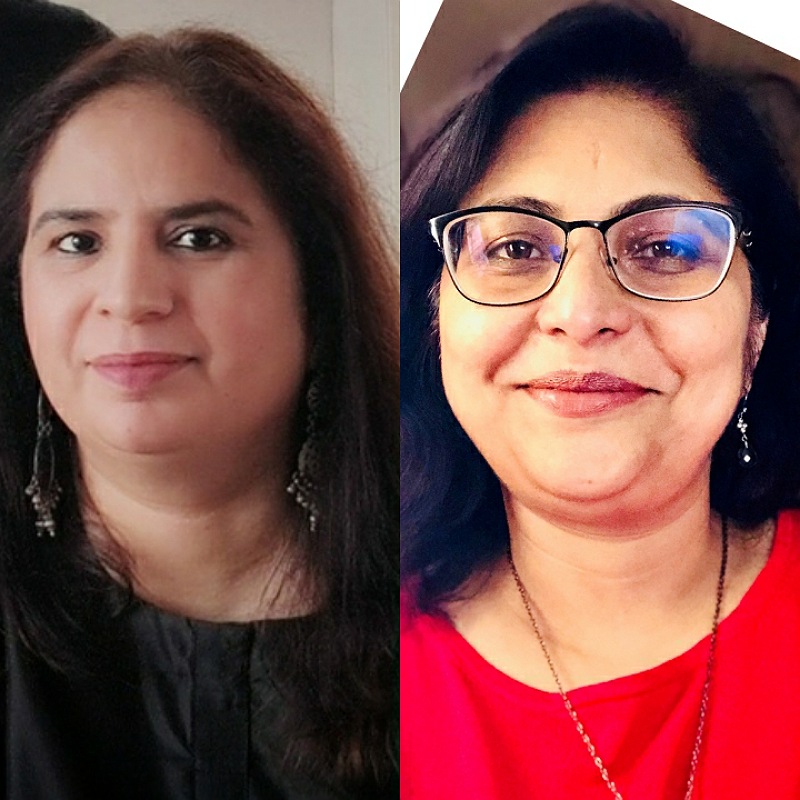
    IPG Mediabrands India chief investment officer Hema Malik commented: “India’s advertising industry is gearing up for an impressive 2024, with significant growth driven by pivotal events like the general elections and ICC T20 World Cup. We expect substantial ad spend increases across sectors such as auto, retail, and CPG. The anticipated 11.8% growth in ad revenues highlights the market’s resilience and potential. With rural demand expected to rise due to favorable monsoons and digital ad spend projected to reach ₹580 billion, the convergence of traditional and digital media presents unique opportunities for advertisers.”

  • Indian advertising economy touches Rs1Tn

    Indian advertising economy touches Rs1Tn

    Mumbai :  The winter update of MAGNA’s “Global Ad Forecast” predicts that global media owners net advertising revenues (NAR) will reach $853bn this year, more than 5.5 per cent above the 2022 level and will grow by more than 7.2 per cent in 2024.

    •  The Asia Pacific advertising economy grew more than 8.2 per cent to $286bn this year powered by India, Pakistan and China. In 2024, APAC advertising revenues will increase more than 6 per cent.

    •  India is now consistently the fastest growing market and leads the ad spend growth globally. India moves into top ten markets and forecast to climb to 8 position by 2028. Indian advertising sales grew over 11.8 per cent in 2023 to Rs 1099bn ($14bn) and is the 11 largest market.

    •  In India, Digital formats contribution to growth is slowing down (more than 14.2 per cent in 2023 Vs more than 25.7 per cent in 2022), however digital remains the largest at Rs 500bn ($6.4bn) with a share of 46 per cent. Linear formats will grow by more than 9.9 per cent with both television and print growing equally at more than 8 per cent. Radio (more than 12.1 per cent) and OOH (more than 29.8 per cent) are seeing a robust recovery though still short of pre- covid revenue.

    •  In 2024, the India advertising market will grow by more than 11.4 per cent. Digital formats will rise more than 13.9 per cent to reach Rs 569bn ($7.2bn), while linear ad sales will increase by more than 9.3 per cent to reach Rs 655bn ($8.3bn).

    MAGNA India SVP, director – intelligence practice Venkatesh S, said: “In 2023H1 advertising spend grew more than 9.6 per cent, accelerated in the second half of 2023 to more than 13.8 per cent. The recovery is driven by festive spending and marquee events like ICC WC and elections. Globally, Traditional media owners’ (TMO) ad revenue growth is slowing down, while in India both Linear (more than 9.9 per cent) and Digital formats ( more than 14.5 per cent) are growing. Traditional formats will still be the largest, at least till 2027, though pure play digital is driving the adex. Non-linear formats (AVOD, Digital Newspaper, Podcasting & DOOH) of TMOs are growing steadily in double digits and contribute 5 per cent to the total revenue of TMOs.”

    India along with China is projected to contribute about half of global GDP growth in 2023 & 2024. After a more than 7.3 per cent expansion in 2022, the IMF in their latest October 2023 update predicts a slight deceleration in economic activity with real GDP growth of more than 6.3 per cent in 2023. The GDP has been revised up by 0.4 per cent from the April 2023 update as economic growth remains robust. India is reliant on its own domestic demand, private consumption, and investment spending for its growth. The overall sentiment is positive and upbeat though the market remains complex with local and global pressures. Large consumer base and aspirations of the young Indians works in its favour.

    Inflation remains vulnerable to rising food and fuel prices. The task of bringing inflation back to target is a priority for the government through macro prudential measures and monetary policy tightening. After more than 6.7 per cent in 2022, inflation though expected to ease down to more than 5.5 per cent in 2023 is still in the upper bracket of the central bank’s desired range.

    The Union Budget’s focus on boosting manufacturing, higher disposable income with lowering of taxes and increased spending on infrastructure augurs well for the adex growth. Advertising spending is growing at a healthy rate of over 11.8 per cent in 2023. Total ad sales are rising from Rs 982bn ($12.5bn) in 2022 to Rs 1099bn ($14bn) in 2023.

    Consumers are increasing their spending, primarily driven by the young working adults who are investing in experiential led categories like travel, auto, and entertainment. Impassable categories like CPG, continue to see higher spending. 2023H2 which includes festive spending, ICC World Cup and government spending before the upcoming national elections early next year is expected to contribute 10-12 per cent incremental growth to adex.

    CPG, auto and fintech are the most dominant sectors contributing to India’s adex growth followed by government, communication, travel, and real estate. Retail including e-commerce, financial services, Media & Entertainment and Apparel will see average growth, Startups who have been the mainstay for all tent poles properties have either cut budgets or moved to performance marketing than brand marketing. With the new retrospective taxation policy on gaming, brands have exercised caution in spending.

    According to TRAI In the last few years, the Government has fostered the digital ecosystem with inimitable assets like Aadhar, UPI & DigiLocker taking the digital public goods to a higher level. Also, driven by rising internet user base and affordable devices, currently 881mn have access to internet as of march 2023. Government has also initiated labs to develop applications using 5G service to ramp up digital business services and this will have a rub off on the digital advertising economy. In 2023, overall digital ad spends will grow over 14.2 per cent to top Rs 500bn ($6.4bn). India takes the lead in mobile growth followed by the US and Brazil according to a report by Adjust and it is a mobile first market. The share of mobile within digital will touch 59 per cent this year. There are 467mn social users in the country and it has been the bellwether for digital growth with more than 19 per cent growth. Total video registers more than 16 per cent growth. It is noteworthy that OTT players display robust growth trends driven by increased CTV subscribers, content choices and local language play. The OTT subscription is estimated to be at 50mn this year. In 2024 total digital growth estimated at more than 13.9 per cent to touch Rs 569bn ($7.2bn).

    Overall Television is growing but Pay TV is facing challenges from Free Dish, FTA channels and OTT in terms of subscriber base. Following the implementation of the amended New Tariff Order (NTO) 3.0 which allowed broadcasters to hike channel access price, subscribers have moved out of Pay TV being a price sensitive market. Despite this, Television is still the largest video medium with over 900 million viewers and daily viewing at 222 mins. In the light of rising consumption of short form content along with web series and availability of TV shows on OTT platforms, the time spent indicates TV is holding onto its audiences. The proposed broadcast bill extending its purview to include OTT, will help eliminate disparities to the advantage of linear television. Also, there remains considerable growth opportunity for TV and advertisers are keen to cover the vast population of live audiences. Television ad revenues in 2023 will grow more than 8.9 per cent to reach an estimated Rs 365bn ($4.6bn). In 2024 TV advertising was estimated to grow more than 9.9 per cent to reach Rs 401bn ($5.1bn).

    Newspaper has risen to be the most credible source of information. With 391mn copies (2021-22) circulated every day and language print taking the lead, the geographical spread and the audience size presents a massive marketing opportunity. The advertising growth is on the back of recovery in volumes; however, yield remains a challenge. In 2023, ad sales revenue will grow over 8.1 per cent to Rs 175bn ($2.2bn). Growth expected to continue in 2024 to drive an increase of over 9 per cent, Rs 187bn ($2.4bn).

    Radio’s road to recovery has been a gradual one. Despite the volumes crossing pre-covid levels, yield has been a struggle though ad rates have flared up slightly. The industry is battling challenges of measurement limitations and audio streaming apps gaining user base. Radio players are offering airtime bundled with off air solutions to make up for the revenue. Government led allowance of news broadcast and increase in Government advertising rates will accelerate ad spends. Overall, advertising revenues are growing by 12.1 per cent to reach Rs 18bn ($229mn), which is 80 per cent of the pre-COVID market size. In 2024, radio estimated to grow over 11 per cent, Rs 20bn ($254mn)

    OOH advertising has consistently grown post the pandemic as audience movement continues to ascend. Rising roadside DOOH screens in metros and state capitals, substantial presence in ambient spaces have added to demand, leading to growth in DOOH spends which contributes 5% to total. In 2023 OOH revenue increased by 26.7 per cent valued at Rs 30bn ($382mn) reaching 90 per cent of the pre-COVID market size. This pace will be sustained for a few more years and in 2024, OOH will exceed 2019 revenues adding over 16% to the size. In-cinema advertising is up sharply as audiences are flocking to cinemas. State-of-the-art technologies like IMAX and Dolby Atmos, has transformed movie-watching into a truly awe-inspiring experience and this has been another reason for audience draw. It will cover 74 per cent of 2019 market size by the end of 2023 with an impressive over 43% growth to reach Rs 8bn ($102mn). In 2024, the growth is estimated to be more than 19%.

    IPG Mediabrands India Chief Investment Officer Hema Malik, commented: “India continues to script its unique narrative in the advertising landscape, boasting robust growth across diverse mediums despite evolving consumer preferences and market dynamics. The promising trajectory across television, digital, radio, and out-of-home channels signifies the dynamic nature of our advertising landscape. I am optimistic about the future as India’s advertising story unfolds, driven by innovation, adaptability, and a burgeoning consumer base.”

  • IPG Mediabrands India launches ‘Media Responsibility Index’

    IPG Mediabrands India launches ‘Media Responsibility Index’

    Mumbai: IPG Mediabrands, the media holding company within Interpublic Group (NYSE: IPG) has unveiled its inaugural Media Responsibility Index (MRI) in India, marking a significant milestone in India’s media landscape by championing responsible media practices. Collaboratively compiled by IPG Mediabrands and its intelligence arm, MAGNA, the MRI aims to elevate awareness and set a higher industry standard for safety in advertising for both brands and consumers. It serves as a guiding resource for marketers, allowing them to prioritise brand and consumer safety in their investment decisions across diverse media platforms.

    IPG Mediabrands India chief investment officer Hema Malik commented, “The MRI India is a testament to our commitment to responsible media practices in India. Our MRI report propels responsible media practices to the forefront of India’s media landscape, providing brands and marketers with essential tools to navigate the media terrain conscientiously. It reaffirms our dedication to ethical advertising, safety, and shared responsibility in media. While we take pride in Indian media companies leading in Safety and corporate responsibility, the MRI also underscores the imperative for Digital Platforms to elevate their efforts in Data Ethics. It highlights that while Indian media excels in several areas, there’s room to advance Sustainability and Diversity, Equity, and Inclusion, further progressing responsible media practices in our country.”

    The MRI India evaluates media platforms across four crucial environmental, social, and governance (ESG) aligned priorities: safety, inclusivity, sustainability, and data ethics. This comprehensive approach equips brands to make discerning investment decisions, with consideration for brand and consumer safety in media strategies. The survey encompasses an extensive questionnaire containing over 200 questions, covering key principles such as promote respect, children’s wellbeing, misinformation, and data collection & use, providing a deep-dive analysis of each platform’s performance within these domains.

    The response from media platforms is a weighted index of all 10 principles across four priorities: safety, inclusivity, sustainability and data ethics. The index reflects the platforms’ position in the priority areas. Broadcast platforms surveyed cover close to 70 per cent of television Adex in India.

    Key findings specific to the Indian media landscape include:

    1. Broadcast and digital platforms excel in safety: Both Broadcast and Digital platforms exhibit consistency in safety with robust processes aligned with industry ethics and standards.

    2. Broadcasters face sustainability gap: Foundational sustainability efforts are needed from Broadcast platforms through measuring emissions, ESG frameworks and making public commitments on net zero goals. Digital is a mixed bag, some platforms have plans to improve energy efficiency and mitigate greenwashing.

    3. Inclusivity metrics highlight opportunity for growth: DE&I efforts need to be stepped up in broadcast and digital. Significant opportunity exists in enhanced measurement and statistical validation.

    4. Digital platforms urged to prioritise data ethics: Digital platforms are encouraged to bolster efforts in data ethics, in alignment with the Digital Personal Data Protection regulation.

    IPG Mediabrands APAC director, standards and investment product Harrison Boys said, “MRI India heralds a new era in media responsibility. It underscores the importance of putting safety, inclusivity, sustainability, and data ethics at the forefront of media strategies. Notably, the MRI showcases how Indian broadcasters excel in Safety, setting industry benchmarks. Furthermore, India’s substantial commitment to CSR projects mandated by the CSR Law aligns perfectly with the UN Sustainable Development Goals, demonstrating a unique opportunity for responsible media practices on a global scale. It is noted, however, that there is a significant opportunity in Sustainability, as well as ensuring Data Ethics practices are class leading in recognition of the regulation.”

    In an era where brands and consumers emphasise ESG criteria, the MRI emerges as an invaluable annual resource to support these objectives and champion higher media standards. It advocates for responsibility in media, mitigating concerns surrounding the societal impact of media and misinformation.

  • Aditi Mishra takes over as Lodestar UM CEO

    Aditi Mishra takes over as Lodestar UM CEO

    Mumbai: Lodestar UM India on Tuesday announced the appointment of Aditi Mishra as the new CEO of the company. 

    Mishra has been associated with Lodestar UM for over two decades. She started as a management trainee and worn many a hat over the years, driving large client relationships in a business role to leading strategy and product as chief strategy officer of Lodestar UM for the last 10 years. “She is one of the finest strategic minds in the country with a deep understanding and experience of building brands and digital transformation. A valued voice in the IPG network and just the right leader to partner clients into the future,” said the company in a statement.

    Lodestar UM CEO Nandini Dias moves on after 27 years

    “As I think about what is next for us in the challenging environment of today, I am energised by the vision of building an agency resilient and agile to partner with clients and the community for the future,” said Aditi Mishra, on her new role. “A team that will not just ride the waves of digital transformation but fosters media as a growth driver for business. I recognise that I have big shoes to fill and with the support of the incredible teams across Mediabrands India, I look forward to stewarding this journey for Lodestar UM.”

    The company further announced promotion of Hema Malik to Mediabrands India chief investment officer. In this new role, she will lead the charge for Mediabrands India and foster greater collaboration to bring glory and success to clients and businesses. “Her calm demeanor, strong relationships, and innate ability to extract the best for clients and business through investment planning, partnerships, and negotiation, make her a natural choice for this super critical role at Mediabrands India,” the company said about Malik.

    Malik, too, began her journey with Lodestar UM and has been a strong pillar, leading the operations, clients, and people with aplomb as its COO in Delhi for the last six years. Both Mishra and Malik will continue to be based out of Delhi/Gurgaon, according to the statement.

    “We at Mediabrands India have always ensured that all our clients get full advantage of the opportunities in the marketplace,” said Hema Malik. “With the setting up of Mediabrands Investments, we are not only strengthening our obsession for performance and accountability but are equally energised to explore transformative partnerships and set new trading norms beyond the obvious. I am honored and excited to be the first CIO of Mediabrands India. So much to look forward to as we build the new.”

    “I am a firm believer of leadership from inside; success with and around people for winning together. Both Aditi and Hema have been with the organisation for over two decades and have done us proud in their multiple roles over the years,” commented Mediabrands India CEO Shashi Sinha. “Nothing makes me prouder than to see our own people grow. I am thrilled and view these appointments as a giant leap forward. I am confident that both Aditi and Hema will embrace their new roles successfully and champion good growth.”

    Meanwhile, Lodestar UM’s long-term associate Nandini Dias recently announced her decision to move on from the company after being its CEO for close to a decade. She joined the group 27 years ago and has since gone on to acquire the top position, leading the organisation to several ‘Media Agency of the Year’ recognitions over the years.

  • Diya aur Baati hum: Two years on, the flame continues to burn bright

    Diya aur Baati hum: Two years on, the flame continues to burn bright

    MUMBAI: An educated girl with big aspirations is married off to an illiterate boy from an orthodox family is not something out-of-the box. We all have heard, read or seen such stories year after year. But what is it about Star’s primetime show – Diya aur Baati hum – that has caught everyone’s fancy?
     

    Prompt comes the reply from Star’s programming head (fiction) Danish Khan that there are various aspects which have led to the success of the show that completes two years on 29 August. “The most important thing about the show is that even though it is set in a small town, it has broken the stereotype that one cannot pursue his/her dreams after marriage.”


    Khan goes on to give the credit to the strong and evolving story and the actors for integrating well with all the elements, “The writers and producers have been able to keep the horse running for us. The story is so simple yet day-after-day it has been able to connect with its audience. Even the actors have portrayed the characters so well. They are reliving their lives as those characters.”


    Agreeing with Khan, Shashi Sumeet Productions (which is producing the show) founder director Sumeet Mittal adds, “As an inspirational story of a halwai (sweet shop owner) wanting to make sure his wife becomes an IPS officer, it was amazing how the audience accepted our show. Furthermore, the extremely relatable characters have helped give this show a sense of realism to which our audiences can connect.”


    And the numbers are proof enough of that. The drama series, which is based in Pushkar (Rajasthan), has been a consistent No 1 for nearly a year and a half for Star Plus. Its launch ratings of 1.9 TVRs (the metric used nowdays is TVTs) were not oo impressive. But it grew on its audience which took a fancy to it as reflected in the ratings climb to 6.7 TVR (week 34 of last year). A year later in 2013 in week 33, Diya aur Baati has reported TVTs of 11,166 TVT, which is way higher than any other primetime show on the competition. Rival Zee TV’s Pavitra Rishta which airs at the same time slot has a relatively leaner TVT of 4,959 TVTs for the same week, while ratings of shows on other channels don’t even merit a mention.


    Industry sources say that adverising commercial air time on Diya aur Baati comes at a high sticker price thanks to its continuing stellar performance and connect with its loyal viewers. “The premium attached to the show is almost 30-40 per cent more than the second ranking show, as per ratings,” says a source.


    Any other channel worth its salt would love to replicate the prime time series success. What is that makes Diya aur Baati tick? It’s all about staying true to your roots and understanding why you are making a show and for whom, feels Mittal.  “Having an audience connect doesn’t just mean making a show with good television ratings, but also creating a beautiful amalgamation of what we want and what the audience wants,” he elaborates.


    Star Plus vice president (marketing) Nikhil Madhok avers that effective marketing during the show’s high points and brand integrations are something that have worked well for it. “When Suraj went for the ‘Top Chef Competition,’ we got the entire nation to give their best wishes to him. If you look at the recent activation, we got Shahrukh Khan to the show in the ‘Master Quiz’ episode. We do such activities regularly to connect to people,” states Madhok.


    The producer of the show doesn’t think retaining stickiness is a cakewalk . “Today, people are spoilt for choice and one has to maintain the connect with audiences for them to keep coming back every day,” says Mittal.


    Fiction show audiences on GECs expect high drama. Some of the tools programming and creative folks in channels have been using to keep viewers hooked are generation leaps and unexpected twists and turns in the story plot. “The idea is to the audience guessing and looped-in otherwise there is always another show where they can find drama. Also, it helps the show to stay fresh, all the time,” says a media observer.


    To keep freshness going after 500-plus episodes isn’t a difficult task if the entire team is driven to make each episode work, believes Mittal. “We have to treat every episode as a whole and give it equal importance. Each department, from writing to direction to actors, to camera persons each and every member of the crew has to work with the same amount of passion and that’s what will translate into a beautiful episode on screen. I strongly believe that in a daily soap, where your interface with the audience happens every single day, the philosophy that small parts make a whole applies aptly here. We have to see that imagination and execution go hand in hand.”


    Lodestar UM’s general manager Hema Malik agrees but adds that it is impossible for a show to keep reigning forever; unless of course the team is able to continually come up with interesting and entertaining elements. “Overall, if a show has been getting good ratings, it means it has a strong storyline and characters which one can relate to. And if at a certain stage the storyline becomes boring or predictable, people will take even less time to get off it than they took to get hooked on to it. It is here that one needs to take up the challenge and bounce back.”


    Malik goes on to say that the show portrays the channel’s philosophy Rishta Wahi Soch Nayi perfectly. “Star’s values are very much in the storyline of the show. Hence, it’s a perfect match.”