Tag: healthcare

  • The Increasing Use of SaaS in the Healthcare Industry

    The Increasing Use of SaaS in the Healthcare Industry

    Highlights

    ●  According to recent reports, SaaS is taking over the cloud computing business, particularly in the healthcare sector.
    ●  SaaS has been used by healthcare businesses to expand the variety of their software, a trend that is expected to develop and evolve.
    ●  SaaS helps healthcare systems and domains in a variety of ways.

    In today’s economy, healthcare is a critical industry. In light of the present epidemic, its relevance has been made clearer than ever. Soaring growth in SaaS is affecting the healthcare industry as well as breakthroughs in medical and scientific technologies.

    The advent of SaaS apps in the healthcare industry comes at a critical juncture. According to a LabRetriever study from 2017, when it comes to healthcare, the adoption rate of SaaS was lower in 2011-2012 at only 4%; however, since then, it has grown at a pace of roughly 20% each year. By 2024, the healthcare cloud computing industry is expected to be worth $51.9 billion, according to predictions. Health care providers will soon be relying more heavily on SaaS cloud computing solutions as the market leader.

    SaaS, according to a post by Covetus LLC, will become an essential part of healthcare in the future because of its cheap cost and scalability features. SaaS solutions may help healthcare companies increase revenue and improve the efficiency of their business processes. These advantages are augmented by the fact that HIPAA-compliant SaaS solutions save implementation time in integrating application delivery services across data centres. There are even more benefits to be mentioned.

    One thing to keep in mind is how SaaS adoption has led to new developments in the healthcare business. According to Linchpin, a digital marketing problem-solving tool, the healthcare sector will be shaped in a certain way by key developments in 2021. These are a few examples:

    Vertical SaaS is on the growth

    The rise of vertical SaaS, which focuses on certain industry verticals and provides services, is a development that has a lot of promise. Vertical SaaS is poised to overtake horizontal SaaS due to its ability to target particular businesses and supply chains. The healthcare industry stands to benefit greatly from vertical SaaS.

    Workflows will be able to track and evaluate their long-term results using the KPIs and preset metrics provided by this solution. They may swiftly and easily obtain industry-specific knowledge and patient data to better comprehend patient insights. Furthermore, vertical SaaS may help firms better manage data governance processes because of its industry-specific compliance and transparency capabilities. For healthcare firms to deliver high-quality services while also increasing business value, vertical SaaS is an option worth considering.

    Micro-SaaS is becoming more popular

    It is very uncommon for micro-Saas companies to be run by only one person or a small group of people, sometimes no more than two people. It would be helpful if their teams added more features to their current projects and existing platforms. In the healthcare industry, such add-ons might be beneficial. In 2021 and beyond, data shows that small SaaS products will be more successful.

    Result of AI

    Successful IT companies are using AI to change their operations, enhance efficiency, and improve production, according to data from the research firm Gartner. Artificial intelligence (AI) has the potential to greatly enhance SaaS applications and how they operate. 

    SaaS-based healthcare systems are reaping several benefits, notwithstanding the current state of healthcare trends. Simplified collaboration, improved learning management systems for healthcare training, and better patient-doctor engagement and patient care approaches are just some of the benefits of SaaS in the healthcare industry.

    Healthcare SaaS may assist in the following areas:

    ●  Using Telemedicine

    The use of telemedicine is on the rise. A CAGR of 37.2% is predicted for the worldwide telemedicine industry, which was valued in 2019 at $27 billion and is forecast to reach $171.81 billion by 2026. Using telemedicine, patients may get more convenient and accessible treatment. Medical facilities and their patients may benefit from telemedicine thanks to SaaS technology.

    In this way, healthcare systems may be improved, made more accessible, and extended to more people, even those living in remote places, so that they can get the treatment they need when they need it. With the help of medical specialists, those who are bedridden may get care from anywhere in the world.

     Improved internal communication and coordination

    Healthcare businesses, like any other, need to improve communication among their many divisions. SaaS software, such as Hospital Management Software systems (HMS), helps hospitals streamline their processes and keep track of critical data. Better revenue management is one of their claimed benefits.

    HMS makes it easier for healthcare workers to communicate with one another and for patients’ vital information to be sent more promptly and efficiently. If the number of medical workers in a country is large, or if there are disparities in data management and exchange, this might be useful.

    ●  Enhanced openness

    To provide the best possible care to their patients, physicians and other medical professionals must have complete access to their patient’s medical records. Situations, when the patient is physically incapacitated and unable to provide essential medical information, are even more critical. There is an increase in the openness of patient data inside an organisation because of SaaS and electronic health records (EHRs).

    ●  Updating one’s knowledge

    Throughout their careers, medical professionals must stay abreast of new developments in their industry and expand their knowledge base. This demand may be hampered by their hectic schedules.

    The Bottom Line

    It’s also worth noting how big digital companies like Icloudhospital are pushing into the healthcare industry. Icloudhospital is a major participant in the healthcare cloud, and the company is quickly expanding its reach. iCloudHospital, a worldwide leader in medical concierge services, makes it possible for clinics and hospitals all over the globe to serve their patients with the utmost efficiency. 

    iCloudHospital’s unique technology enables hospitals and clinics to focus on what they do best—treating patients—while iCloudHospital handles all the system integrations, communications systems embedded with the website, and helps produce traffic with videos and articles—all in a reliable enterprise-level firmware and internet presence with high uptimes and throughput.
     

  • Digital will account for 49% of OTC advertising in 2023: Zenith report

    Digital will account for 49% of OTC advertising in 2023: Zenith report

    Mumbai: Advertising expenditure by over-the-counter (OTC) healthcare brands in 13 key markets, including India, will expand by 7.6 per cent in 2022 and five per cent in 2023, according to Zenith’s new Business Intelligence – OTC Healthcare report published on Monday. Digital will account for 49 per cent of OTC advertising in 2023, up from 46 per cent in 2021, said the report.

    By 2023, OTC adspend is expected to be 36 per cent higher than it was in pre-pandemic 2019. This growth will be driven by tailored digital brand advertising, as well as performance advertising driving traffic to OTC e-commerce platforms. The report forecasts that OTC healthcare adspend will grow from $20.1 billion in 2021 to $22.7 billion in 2023, exceeding by far the spending level of $16.7 billion in 2019. 

    OTC brands are expected to increase their digital adspend at an average rate of 11 per cent a year between 2021 and 2023, while radio grows by five per cent, television by three per cent, and magazines shrink by three per cent, as per the Zenith forecast. The 13 markets included in the report, apart from India, are Australia, Canada, China, France, Germany, Italy, Poland, Russia, Spain, Switzerland, UK and USA, which between them account for 74 per cent of total global adspend. The report covers medicines and remedies sold over the counter, including cold and allergy remedies, contraception, digestion care, eye care, oral care, pain relief, skin care, sleep aids, stop-smoking aids and wound care.

    “The pandemic has focused consumers’ attention on their health and disrupted their reliance on traditional OTC distribution channels,” said Zenith head of forecasting Jonathan Barnard. “Brands will continue to step up their investment in digital advertising as the rise of ecommerce gives it a greater role in driving OTC sales and brand growth.”

    OTC advertising grew throughout the pandemic. OTC adspend expanded by 6.8 per cent in 2020 while the market as a whole shrank by 3.5 per cent, as healthcare messages soared in relevance for consumers. Demand for cold and flu remedies sank sharply as social distancing cut their transmission, but most other sub-categories continued to grow, and sales of sleep aids spiked. When the pandemic hit, brands in many categories cut back or even ceased their communications, concerned that their messaging was no longer appropriate, or in some cases counterproductive in the new context. This gave OTC brands the opportunity to use plentiful cheap media to reinforce their contribution to consumers’ health and wellbeing.

    OTC advertising then rose a very healthy 12.8 per cent in 2021, though in this case its growth was slightly behind the overall market, which had lost ground to make up. Zenith forecasts growth in OTC advertising to remain healthy over the next two years, as brands defend their price premiums and ecommerce platforms compete to establish dominance.

    OTC has lagged some way behind the market as a whole in embracing ecommerce, but the lockdowns and other restrictions led to a leap in OTC e-commerce in 2020. Now that more consumers are aware of and comfortable with the option of shopping for OTC products online, it will become an ever more important sales channel over the next few years. This means traditional distributors such as pharmacies and supermarkets are facing new competition from digital ecommerce platforms, and brands have new opportunities to launch new partnerships or even direct-to-consumer ventures. The increased competition for traffic and sales will fuel continued growth in brand and performance advertising.

    Shift to digital helps brands tailor messaging to consumers’ specific needs

    When consumers first buy an OTC product, they often spend time researching the purchase and discussing it with family, friends and trusted advisors like pharmacists. However, after the first purchase, buying OTC products quickly becomes routine, part of the regular shop. The fundamental role of OTC advertising is therefore to maintain brand awareness at the point of purchase, much like FMCG advertising. Similarly, OTC healthcare makes heavy use of television for its high-impact mass reach. OTC advertisers spent 38 per cent of their budgets on television advertising in 2021, compared to 21 per cent for the average advertiser across all categories. OTC brands also spend more on radio and magazines – radio for its mass reach and magazines for their high impact.

    Until recently, it was difficult to use digital advertising to create emotional connections and lasting brand awareness. The rise of high-quality advertising environments, online video and retailer media – ads that appear on retail websites and e-commerce platforms – means brands can use digital to convey brand values effectively right through to the sale. Brands are also spending more on performance advertising as OTC ecommerce scales up.

    “The continued shift to digital allows OTC brands to use smart segmentation and dynamic creative to market the same products to different people with different needs, within the framework of regulations for digital advertising in this category,” said Zenith global chief digital officer Benoit Cacheux. “The gym-goer with muscle ache, the office worker with a headache and the parent whose child has growing pains all need pain relief, but brands need to talk to them in different ways to persuade them most effectively. This ability to tailor the creative to the needs of the audience gives digital advertising an advantage that traditional media never had.”

  • We expanded our audience basket to include millennials: Flamingo’s Rakesh Kumar

    We expanded our audience basket to include millennials: Flamingo’s Rakesh Kumar

    Flamingo, the flagship consumer healthcare brand from Ascent Meditech has been ramping up its marketing efforts as it looks to tap into a younger consumer demographic. The parent company, having been in the business of offering pain management solutions since 1991, has been proactively introducing new products across its categories led by its flagship brand. Having charted an ambitious growth path with the appointment of Bollywood star Hrithik Roshan as brand ambassador in 2019, the brand forayed into the personal protection space during the pandemic. The brand’s product-focussed campaigns for heat belt, knee cap, lumbar sacro belt and cool pack featuring the actor have resulted in the organisation’s revenue growth by nearly 40 per cent YoY.

    Flamingo recently kickstarted a 360-degree campaign with the launch of three TVCs- the latest one being released a little more than a week back-, showcasing brand partner Hrithik Roshan using the brand’s pain-navigating products. The campaign overarches the brand’s motto of ‘An Aid for a New Life’ and aims to engage the millennial consumer, as well as engage with its existing audience base. With its 400+ range of products spread across orthopedic soft goods, healthcare, mobility, wound-care and personal protection, the brand is all set to launch its products in India’s Tier 2 and Tier 3 towns in the present year. Recognising that Covid-19 has completely changed the marketplace dynamics, the brand plans to have an undivided focus in developing the alternate channels.

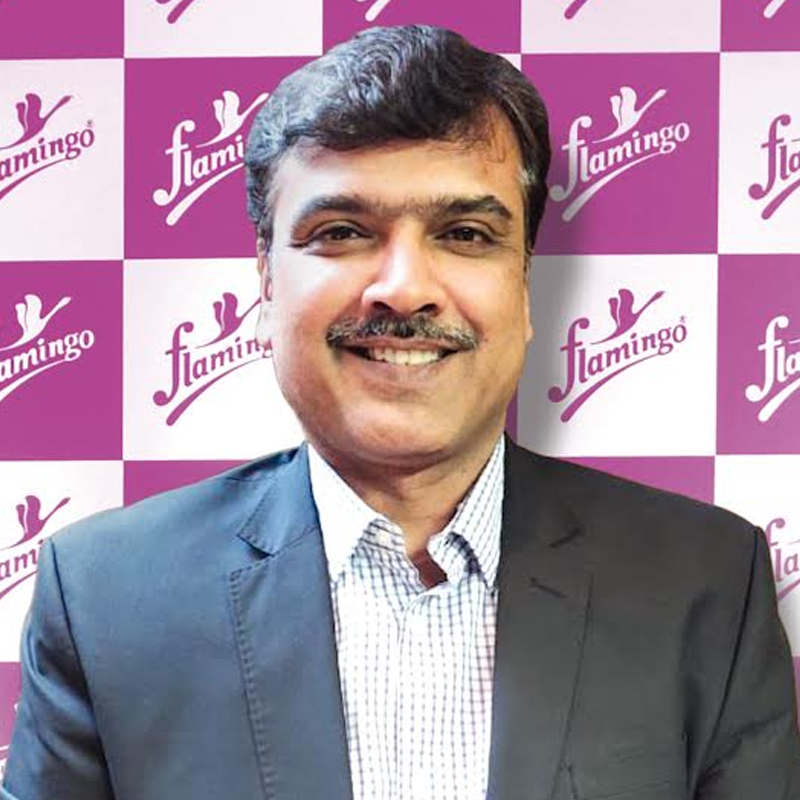
    Since taking over as the company’s VP – sales and marketing in October 2019, Rakesh Kumar has worked closely with brand Flamingo, even as his expertise across sectors like FMCG and Healthcare in various multinational companies and two-decades-plus work experience has helped the brand identify new sales opportunities and create innovative marketing strategies. Notably, the brand ‘Flamingo’ bagged ET’s best healthcare brand for 2019 and CNBC’s most trusted brand of country for the year 2020.

    IndianTelevision’s Anupama Sajeet caught up with Rakesh Kumar for an exclusive interaction on the brand’s evolving consumer demographic and brand image post-teaming up with Hrithik Roshan. Kumar also shared his thoughts on being one of the early movers in the competitive domestic Healthcare market and the expansion plans adopted by the brand in 2022.

    Edited excerpts:

    On the celebrity collaboration and the impact it has created on the brand image

    The ethos of brand Flamingo matches with the overall personality of Hrithik Roshan, who himself has fought many personal battles and emerged stronger every single time. This association has only made the partnership strong resulting in evolution of the brand across a period of three years.

    During the initial years, focus by brand Flamingo was restricted to senior citizens however we have expanded our audience basket now to include today’s millennials. This holds true with Hrithik Roshan being our brand ambassador whose appeal cuts across all age groups. The brand enjoys a very fruitful association with the Bollywood superstar and our product- focussed campaigns for Heat Belt, Knee Cap, Lumbar Sacro Belt (L.S Belt) and Cool Pack featuring the actor has resulted in organisation’s revenue growth by 35-40 per cent year on year.

    On the new-age marketing strategies adopted by the brand

    Understanding the consumers are the crucial puzzles every marketer has to solve. If the understanding is right, other elements of the marketing mix fall into place automatically. In the period of over three decades since our existence, consumer behaviour has changed drastically and there has been a tremendous growth of the millennial population, who are tech savvy. Virtual experience of our offerings has become critical in making final purchase decisions. Along with it new age marketing research techniques help in unearthing critical data points and further remarketing it to the end consumer.

    When it comes to tapping the influencer marketing segment, Hrithik is already a revered influencer with whom the brand enjoys a successful association and his influence has been availed for our OTC (over the counter) range of products. Additionally, a big Rx (medical prescription) portfolio is driven by healthcare professionals.

    On gauging consumer behaviour to enhance brand connect

    Here at brand Flamingo, the bricks of regular market research help the marketing team in gauging the ever changing consumer behaviour. It was earlier believed that offerings by brand Flamingo are surgical in nature and accordingly target audience (old age) and distribution channels were defined. However, thorough research threw light about the millennial population and the sedentary lifestyle they were leading. This gave a window of opening of offering selected pain management solutions to a large growing population as a preventive way of protection plus making certain offerings available in trendy colours. It is also to be noted that in the space of support offerings, Flamingo is the only brand who with the tools of market research is expanding the overall market.

    Defining the right target audience and developing appropriate communication for awareness/realisation forms the heartbeat of the Marketing team managing the brand Flamingo. Keeping in mind the nature of pain management solutions that brand Flamingo offers, the marketing vertical comprises teams managing the Rx business (through doctors’ influence), OTC business, digital and the overall marketing communications.

    On how the Flamingo’s brand image has evolved over the years

    The indigenously developed India’s first electric Heat Belt was marketed under brand Flamingo to cater under the ‘Therapy’ section. Despite the perennial problem of electricity, the brand believed in its vision and over time consumers shifted their user behaviour from hot water bags. Completing the segment of ‘Therapy’ brand Flamingo also introduced Cool Pack to offer convenience and reduce swelling and pain.

    The brand then diversified into the ‘Compression’ segment and introduced Orthopaedic Soft Goods for the human musculoskeletal structure viz. Knee Cap, L.S Belt, Stockings etc, before entering into the Wound-care and Mobility Aids segment. The innate need among consumers for protection and being independent has helped Flamingo diversify into the Personal Protection and hygiene segment.

    On the brand’s ad spends allocation across media

    Brand Flamingo operates in the problem solution category and have traditionally preferred and invested in the visual medium viz. print and television to communicate about the pain problem and resultant pain relief solution (product). However, the pandemic has drastically changed consumer behaviour and their media consumption. We are fully sensitive to new age e-commerce and accordingly digital spends are also getting prioritised.  Thus we have charted our ad allocation through diverse media interfaces such as television (across GEC, films, music and news channels), print (in major dailies), digital (promotions over social media networks), BTL (activities to be executed in chemist shops across India) and DTH networks.

    On the pandemic’s effect on the brand’s productivity, sales & revenue

    The global pandemic has its impact across industries and brand Flamingo was no stranger to it. Mobility is inbuilt in the ethos of brand Flamingo and when mobility itself is restricted due to lockdown brand metrics did look uncertain for some-time. However, there is always a silver lining at the end of the tunnel and the pandemic presented an opportunity to expand our net of protection and enter into the ‘essential’ category with FlamiMask and Flamitizer. This strategic decision clubbed with increase in lifestyle disorders due to practice of work from home drove the healthcare market and helped Flamingo in its recovery process. The pandemic also facilitated us in maintaining our relationship with channel partners (read, chemist) and empathy in times of distress only made the relationship healthier and stronger.

    On the brand’s Target audience & consumer demographic and expansion plans for 2022

    Brand Flamingo has evolved over the years and so has its target audience. During the initial years, our focus was restricted to senior citizens however we have expanded our audience basket now to include today’s millennials. In terms of demographics, we target individuals (31+ years) residing in metros and Tier 1 cities of India. As part of expansion plans, brand Flamingo is looking to expand the distribution of pain management solutions to 1.5 Lakhs chemist shops across metros, tier 1 and 2 towns. Apart from this, the brand is also increasing its Healthcare Professionals coverage to 15K thereby increasing the awareness of the various pain management solutions.

  • Onsurity appoints Samar Kagalwalla as head of marketing

    Onsurity appoints Samar Kagalwalla as head of marketing

    Mumbai: Onsurity, the tech-enabled employee healthcare platform has appointed Samar Kagalwalla as head of marketing & growth.

    Kagalwalla joins the platform with over 15 years of marketing experience. In his new role, he will be responsible for strengthening the brand’s communication in the healthcare space through innovative and thoughtful brand strategies, the platform announced on Thursday.

    Prior to Onsurity, Kagalwalla was working with several renowned names like Yes Bank, RBL Bank, AU Small Finance Bank, and HDFC Bank.

    Onsurity founder and CEO Yogesh Agarwal said, “Samar brings in new ideas and industry insights that will add to our existing strength. He will focus his attention on creating innovative brand strategies that will drive growth and bring marketing expertise to enhance the approach and penetration of Onsurity.”

    Talking about his new role, Samar Kagalwalla, said, “It is an interesting juncture for the healthcare sector and particularly one that focuses on employee healthcare and benefits given the pandemic era that we are in. I am excited to take this opportunity to scale, mold, and elevate Onsurity into a trusted employee partner for SMEs, startups, and enterprises.”

  • NCB in Insurance – Meaning and Importance

    NCB in Insurance – Meaning and Importance

    The term ‘bonus’ has a very pleasant connotation. When combined together, though, one would ask if these three words – No, Claim, and Bonus – have a similar impact. No Claim Bonus (NCB) in health insurance or NCB insurance is a reward for not filing a claim, and in itself, is an added benefit to the insurance.

    The Meaning Of NCB Insurance

    No claim bonus, or NCB, is a bonus amount that is added to the sum insured amount for each year without a claim. It’s a type of incentive insurance firms give to policyholders who don’t file a claim within a given policy period.

    When purchasing health insurance, you should examine the ‘No Claim Bonus’ in addition to the policy premium, inclusions, exclusions, network hospitals, and claim settlement percentages.

    NCB Insurance As An Add-On

    An add-on is a further advantage that you may get for a fee. For example, if no claims were filed during the preceding policy period, the No Claim Bonus Add-on would enhance the bonus percentage at renewal.

    It’s worth noting that acquiring this add-on will raise the premium you’ll have to pay. As a result, before purchasing the add-on, it is recommended that you carefully consider the premium, your health status, and the apparent benefit.

    Why Is NCB Insurance So Important?

    One of the most significant issues in the healthcare sector is the rate of inflation. To combat the rising cost of healthcare-related services, you’ll need a health insurance policy with a No Claim Bonus. When you go a year without filing a claim on your policy, you can raise your sum insured in this way.

    What Happens If You Make A Claim In NCB Insurance?

    If you claim in a given year, the bonus amount you have accumulated as no claim bonus will be decreased by a little amount. It could, however, be a major setback for you.

    For example, if you have an insurance policy with a sum insured of INR 2 lakh and do not claim for ten years, your total insured amount will be INR 3 lakh, assuming a 10% rate increase. However, if you file a claim in the eleventh year, the sum insured will be decreased by 10% when you renew the policy, bringing the total amount to INR 2.70 lakh.

    You should keep in mind that you will be paid a bonus for every year that goes by without you filing a claim. So you’ll get the bonus if you go a year without filing a claim after filing one. The NCB insurance is entirely dependent on the year in which you have made no claims. It’s also crucial to note that the insurer can reduce your bonus amount if you make a claim, but the amount of your sum covered will not change.

    There is no way to guarantee that you will receive the no-claim bonus from your health insurance. You cannot avoid filing a claim if you have a medical ailment or need hospitalization. You do, however, get a reward for every year you go without being sick or being admitted to the hospital. In the event of a catastrophic sickness or the need for medical treatment, you have no choice but to forego the incentive.

    An Example- How Does NCB Insurance Work?

    If Mr. Sumant purchases a health insurance plan with an amount insured of Rs. 5 lacs and does not file a claim in the first policy year, he would receive a cumulative bonus of 5% upon renewal, bringing his total sum insured for the next year to Rs. 5, 25, 000. Thus, instead of Rs. 5 lakhs, he can now claim up to this amount.

    Similarly, if he does not file a claim in the second year, he will receive a cumulative bonus of 5%, which would result in a sum insured increase, bringing his total sum insured to Rs. 5,50,000. This incentive of NCB insurance might be worth up to 100% of the insured amount.

    Bottom Line

    The objective is only to claim when it is truly necessary. Making claims can damage your claim history, and insurance companies may raise your premium based on how frequently you file claims. If you don’t make any claims, this indicates that you live a healthy lifestyle. Staying in shape is essential to avoid being ill and filing claims. Your no claim bonus or cumulative bonus will continue to grow to the point where it will cover you when you need it most.

  • Complaints against 789 ads upheld in Jan-March period: ASCI

    MUMBAI: The Advertising Standards Council of India (ASCI) processed 1,064 complaints against advertisements in the January-March quarter. Of these, 200 ads were withdrawn by advertisers on receiving intimation from the industry body. Of the remaining 862 that required further investigation, the self-regulatory body’s independent Consumer Complaints Council (CCC) upheld complaints against 789 advertisements.


    Education remains on top of the category of violations leaderboard with 337 cases, followed by healthcare with 250 cases, as per the latest complaints report released by ASCI for Q1 2021. A large number of complaints were also processed from the online gaming, food and beverages, and electronics & durables categories this quarter.


    The maximum number of complaints processed- 337 –from the education sector- were related to misleading claims where students were promised 100 per cent placements or of the advertiser claiming to be India’s top-ranked college/ institute.


    Expectedly, in healthcare, the majority of the 250 complaints against ads were mostly about fake claims of COVID cures or prevention.


    To make the online gaming space safer, the industry body had introduced guidelines for the e-gaming segment for Real Money Winnings last December. Subsequently, ASCI received 61 complaints mostly related to cricket gaming and rummy, including those against established brands.


    There were 47 complaints processed against food and beverage ads, many of them against claims around milk, milk products, bread, green tea, fish oil, as well as edible oils like sunflower.


    In the electronics, durable, and construction category, ASCI processed 32 complaints against ads across a range of brands, from air-conditioners to paints. The automotive category received 14 complaints, many of them related to two-wheelers as well as e-rickshaw advertisements.


    Complaints against 73 advertisements were not upheld as they were found to be adhering to the ASCI code.


    Consumer vigilance around gaming has increased after the release of related guidelines, noted ASCI secretary-general, Manisha Kapoor.

    “ASCI is working on more initiatives to ensure that advertising remains honest and decent and that consumers’ confidence in advertising is sustained. We also aim to raise consumer awareness to motivate them to report misleading claims. This would help safeguard their interests and encourage ethical advertising that benefits not just consumers but also honest advertisers”, Kapoor added.

  • Sebamed’s Konark Gaur joins Marico

    Sebamed’s Konark Gaur joins Marico

    Mumbai: Healthcare brand Sebamed’s head of marketing for India, Konark Gaur, has joined FMCG company Marico. He has been appointed as business head – New Foods. 

    Gaur announced his latest move in a LinkedIn update.

    An industry veteran, Gaur carries an experience of over 16 years. He started his brand marketing career with Nestle in 2004 and was also associated General Mills. He joined the healthcare brand Sebamed in May, 2019.

    Gaur is also founder and CEO of hijinny.com, and co-founded beauty salon Jazz Up Salon.

  • Dabur India Limited launches Ayurvedic nasal drop

    Dabur India Limited launches Ayurvedic nasal drop

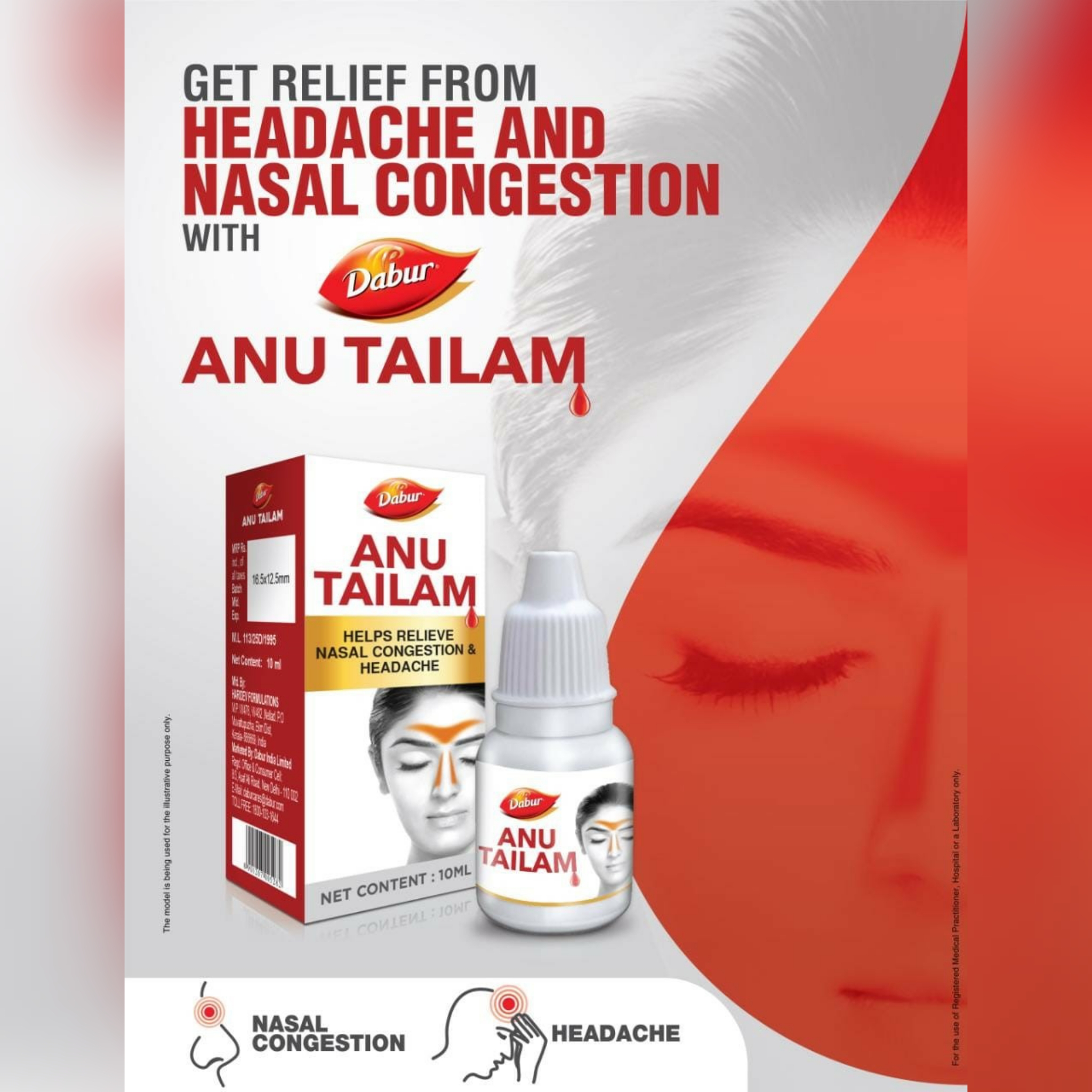
    Mumbai: Dabur India Ltd. on Tuesday announced the expansion of its healthcare portfolio with the launch of Dabur Anu Tailam, an Ayurvedic nasal drop for rapid and effective relief from headache and nasal congestion.

    Dabur India Ltd. marketing head- ethical portfolio, Durga Prasad said: “Anu Tailam is explained in the context of daily health routine in the oldest Ayurvedic texts like Charaka Samhita, Sushruta Samhita & Ashtanga Hridaya. As per Ayurvedic scriptures, Anu Tailam possesses nourishing properties and is beneficial for the health of body parts above the level of the neck. The launch is a step forward in our mission to introduce time-tested Ayurvedic therapies in modern, ready-to-use formats. It gives fast and long-lasting relief from headache and nasal congestion. It strengthens brain functions and improves the functions of four sense organs including nose, ear, eyes and tongue.”

    Prepared after extensive R&D and backed by 137 years of Dabur’s Ayurvedic Knowledge, the Ayurvedic formulation will be available across all leading e-commerce platforms and retail channels, Dabur said. According to the brand, the product is also effective against headache, premature hair fall, and premature hair graying.

  • How Covid spurred a turnaround for India’s e-pharma industry

    How Covid spurred a turnaround for India’s e-pharma industry

    Mumbai: According to a 2019 EY report, the Indian e-pharma sector was poised to touch $2.7 billion by 2023 from $360 million. The report cited an increase in internet penetration and smartphone ownership, along with the ease of ordering medications through an e-commerce platform and an increase in chronic diseases as some of the key growth drivers for the online pharma industry.

    And this was before the Covid-19 put a gigantic spoke in the wheel of our outdoor activities. And, before it became hara-kiri to step out of one’s house for as mundane a task as purchasing some prescription pills.

    The Covid Tsunami Effect

    One year plus of the tidal onslaught of the Covid tsunami has brought about irrevocable changes into the world. The exponential and fast-tracked tilt towards everything digital was one of them and it was obvious that online pharmacies and healthcare would not be far behind.

    “With limited reach and usage till a year ago, the pandemic has changed the landscape drastically. Lockdowns, restricted movement, and policy initiatives have enabled higher adoption, penetration, and substantial growth,” says digital marketing agency Natter COO Avinash Joshi as he opines on the growth in India’s e-pharma space.

    High caseloads, especially in urban areas coupled with regional lockdowns have compelled consumers to take the online route rather than visit the friendly neighbourhood pharmacies. It’s no longer simply a matter of convenience but about undertaking any added risk by venturing out unnecessarily.

    Driven by the second wave of the Covid-19 pandemic, India’s e-pharmacy sector is once again witnessing a surge in orders. There has also been a spike in sales of Covid-related products – such as pulse oximeters, personal protective equipment (PPE) kits, oxygen cans, masks, sanitizers, health supplements across major online pharma players, in addition to regular drugs. 

    Overall Growth in the e-Sector

    According to dentsu Impact president Amit Wadhwa, the e-pharma sector in India is still in its nascent stage and while it has been growing rapidly in the last 4-5 years in India, a big surge in that growth happened only over the last one year. “This is not just visible in the industry growth numbers and how we are seeing consumers using/ talking about the platform, but also with the number of new players that we are constantly seeing entering this segment, with even traditional chemists such as Apollo Pharmacy along with big names such as Amazon diving right in,” says Wadhwa.

    As per estimates, 35 per cent of the domestic pharmaceutical market relates to chronic medications and the remainder to acute medicines. E-pharmacies have been targeting the chronic market majorly so far and are expected to scale up the acute medicine market through an improvement in last-mile logistics and collaboration with local pharmacies.

    “In the years to come, people will look at 2020 as ‘the year that changed everything- especially the way we reach out to our end consumers’,” says Hybrid healthcare start up Healthnovo co-founder Rima Sunit. “We see an increasing trend of teleconsultation, online ordering of medicines, etc. Even doctors are now adapting to new methods of providing prescriptions by using digital tools and consulting their patients over a video call. Currently, the Indian market is flooded by online players offering the best services at discounted prices.”

    According to industry trackers, the sector’s growth is on top of an already robust revenue increase of around 35 per cent last year. The second wave and the consequent uptick in orders are setting the industry up for yet another year of strong growth in the range of 30-50 per cent. An almost 3X expansion in the number of users ordering medicines online means the sector is bound to see strong revenue growth this year as well.

    Major players & their marketing game

    Some of the leading players in this race to tap into the burgeoning e-pharma sector are 1mg, Netmeds, Pharmeasy, and Medlife with many new entrants emerging on the scene. In the last few months, brands like PharmEasy have been wooing the customer with a deluge of commercials, amplifying their message of ‘Aapki Health Aapke Haath Mein hai’ (your health is in your hands), with a dash of humour and relatability to the common man.

    Netmeds roped in celebrity brand ambassador, Kareena Kapoor to convey the reliability and safety of their service, coupled with the ease and convenience of access for the customer.

    According to Wadhwa, the brands are focusing their messaging on discounts and ease of delivery as ‘this is a phase where the category is creating awareness and the intent is to gain from the physical chemists’. He adds, “As the category gains more acceptance, we will see a more defined and differentiated messaging/ tonality across at least the key brands where possibly more planks such as trust, presence, etc. might be explored.”

    Reaping the benefits of increased demand, online pharmacies and digital health companies have been passing on some of the paybacks to consumers by offering generous discounts on online purchases. This helped drive up the sales initially, while brands were trying to make a dent in the hitherto traditional Indian pharma market. In the long run, however, discounts may have to come down to reasonable levels to achieve breakeven and any meaningful profitability.

    “With several local & global players in the fray, a lot of money is being spent to own and retain that exclusive audience. These brands are spending big on ATL and driving performance on digital with retargeting, scaling up downloads, offering discounts & referrals. These digital-first brands make use of chat-bots for queries & resolutions, AI & ML for recommendations, and tracking tools & digital payments for fulfilment. They are also spending big on content creation to engage with the user on the right platform,” says Natter COO Avinash Joshi.

    Despite challenges like trust deficit, customer support issues, and remote area access, if the spurt in the e- pharma industry continues, it can aid in the regulation of the Indian pharma space. As e-pharma companies insist on verifying the prescription online before dispensing medicine they are likely to be more structured than their traditional counterparts.

  • PepsiCo Foundation initiates community vaccination drives

    PepsiCo Foundation initiates community vaccination drives

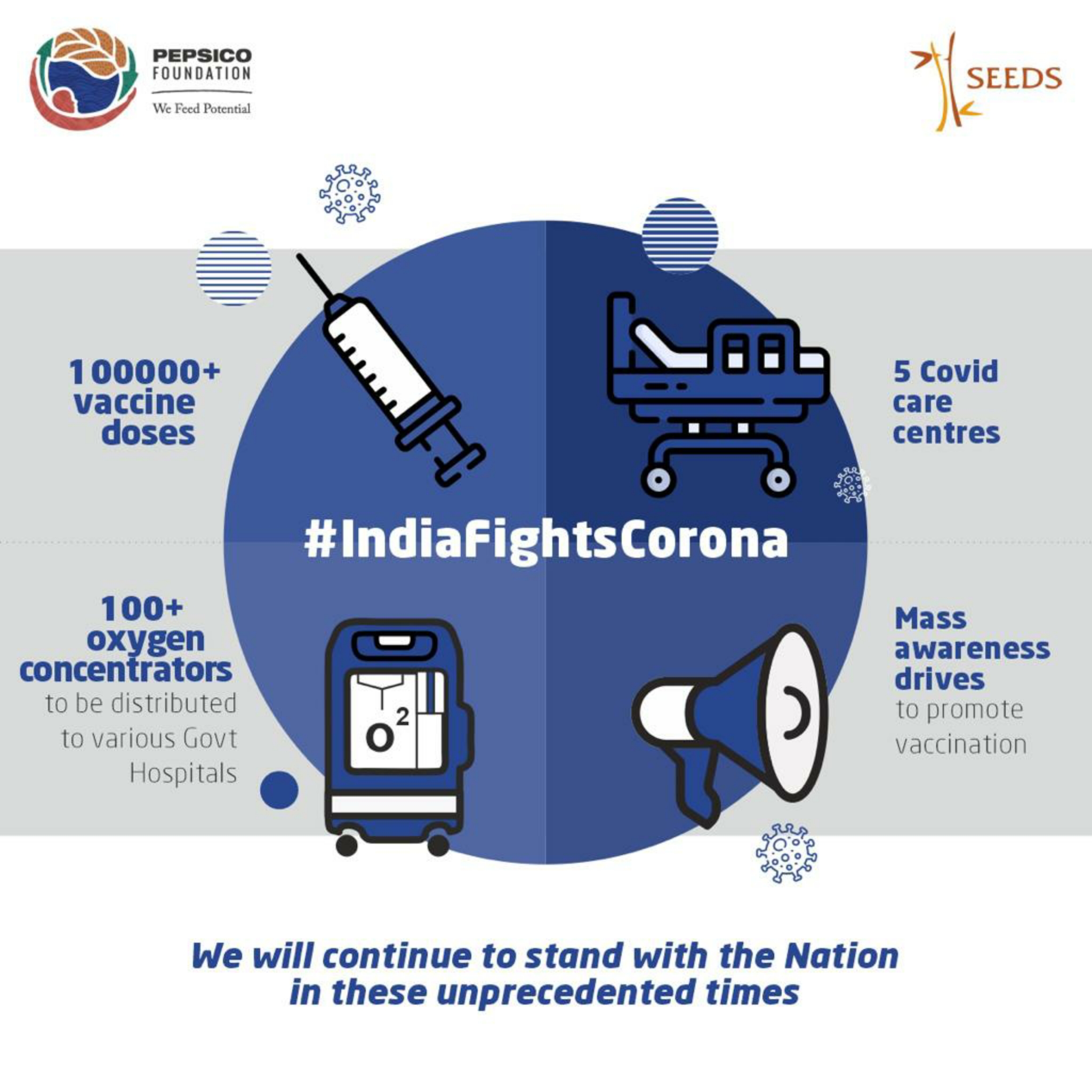
    MUMBAI: The PepsiCo Foundation has partnered with non-profit organisation Sustainable Environment and Ecological Development Society (SEEDS) to roll out an extensive community relief outreach program to support the Indian government’s ongoing efforts against Covid2019. 

    As part of the partnership, SEEDS will drive Covid2019 vaccinations for the community at large, set up Covid care centres equipped with beds and medical facilities including oxygen cylinders. Additionally, oxygen concentrators will also be provided to central government for distribution to various government hospitals. The entire community relief program will be rolled out across the country with a special focus on five states — Maharashtra, Punjab, West Bengal, Uttar Pradesh, and Telangana.

    As part of the initiative, extensive awareness drives will also be organised across various states to promote vaccination amongst the population at large. These sessions will be conducted in partnership with NGOs including SEEDS along with the local Government authorities.

    In the first phase of the program, over one lakh vaccine doses will be provided to communities at large administered through the local healthcare system. Further, five Covid care centers would also be set up in key states for three months. Each centre will be equipped with beds and will have all key medical facilities including oxygen cylinders for emergency use, medical equipment, provision of meals among others. Additionally, over 100 state-of-the-art oxygen concentrators are also being procured and will be provided to various state government authorities to support their on-ground requirements.

    In the second phase, the PepsiCo Foundation will be rolling out partnerships with other NGOs to support the frontline Covid warriors with PPE kits, N95 and surgical three-ply masks, pulse oximeters, sanitisers, etc.

    PepsiCo India president Ahmed ElSheikh said, “India is embattling the second wave of the pandemic and we all are facing a challenging situation. In these difficult times, it becomes even more important for businesses to come together and partner with the Centre and state governments, civil society, NGOs, and healthcare institutions to support communities in need. Vaccination is one way which can help us combat Covid-19 and we are thankful to have partners like SEEDS to front-end the community vaccination drives and set up Covid care centres.”

    In addition to community care initiatives, PepsiCo India has also committed to cover the cost of vaccination for its employees and their spouses. As part of the same initiative, vaccinations drives are being organised in partnership with leading healthcare providers.

    Since the onset of the pandemic last year, PepsiCo India has been actively stepping up its community support programs. The company has provided over 10 million meals to the underserved communities and has made available over 35,000 Covid2019 test kits to various government labs and hospitals. The company also provided hygiene kits to farmers and truck drivers across states to ensure their well-being and safety during the pandemic.