Tag: Head-end

  • I&B ministry lays down guidelines for infrastructure sharing by MSOs

    I&B ministry lays down guidelines for infrastructure sharing by MSOs

    Mumbai: The ministry of information and broadcasting (I&B) has given its go-ahead to the multi-system operators (MSOs) to share infrastructure with other MSOs on a voluntary basis. As per the guidelines released by the ministry, the responsibility for compliance with guidelines and other regulations will lie with each MSO independently.

    According to the guidelines, each MSO will have to ensure encryption of signals and addressability of subscribers in all circumstances, and provide access of all the systems and the networks, used to provide broadcasting distribution network services, to the concerned broadcasters for audit as per the regulations and the authorised officers of the government and their representatives whenever demanded.

    The sharing of head-end used for cable TV services & transport streams transmitting signals of TV channels, among MSOs is permitted on a voluntary basis, said the ministry.

    Any MSO willing to share its transport stream of TV channels with another MSO should ensure that the latter has valid written interconnection agreements with concerned broadcasters for distribution of pay TV channels to the subscribers. They may share the common hardware for their SMS applications. But, the details of such arrangements should be reported to the MIB, the Trai, and the concerned broadcasters, 30 days in advance.

    As per the guidelines:

    ·Each MSO shall be accountable for ensuring the integrity and security of the CAS and the SMS data pertaining to such distributor.

    ·Each MSO shall maintain the backup of transaction logs and data of the CAS and the SMS, on a near real-time basis, for at least the past two years, at any point in time, on a secondary storage device.

    ·Each MSO shall undertake to provide access of the CAS and the SMS, used to provide broadcasting distribution network services, to the concerned broadcasters for the purpose of audit as per the regulations and the authorised officers of the government and their representatives whenever demanded.

    ·Each MSO sharing its infrastructure and transport streams of TV channels with other MSO, should set up systems and processes which ensure that the broadcasters are able to exercise their right of disconnection of signals in case of default of payment or due to any other reason, in terms of the interconnection agreement entered into between the broadcaster and the distributor and the relevant regulations in place.

    Under the new guidelines, the new applicant and existing licensee will jointly submit a detailed proposal for infrastructure sharing giving details of the infrastructure proposed to be shared and in the manner, infrastructure is proposed to be shared as well as roles and responsibilities of each to MIB. “The adherence and compliance to all the provisions of the rules and guidelines issued by MIB for grant of license to the MSO operator will be the responsibility of the existing operator and the new applicant proposing to share the infrastructure to the extent as may be required / applicable individually,” it added.

  • TRAI expects stakeholders to work towards infrastructure sharing

    TRAI expects stakeholders to work towards infrastructure sharing

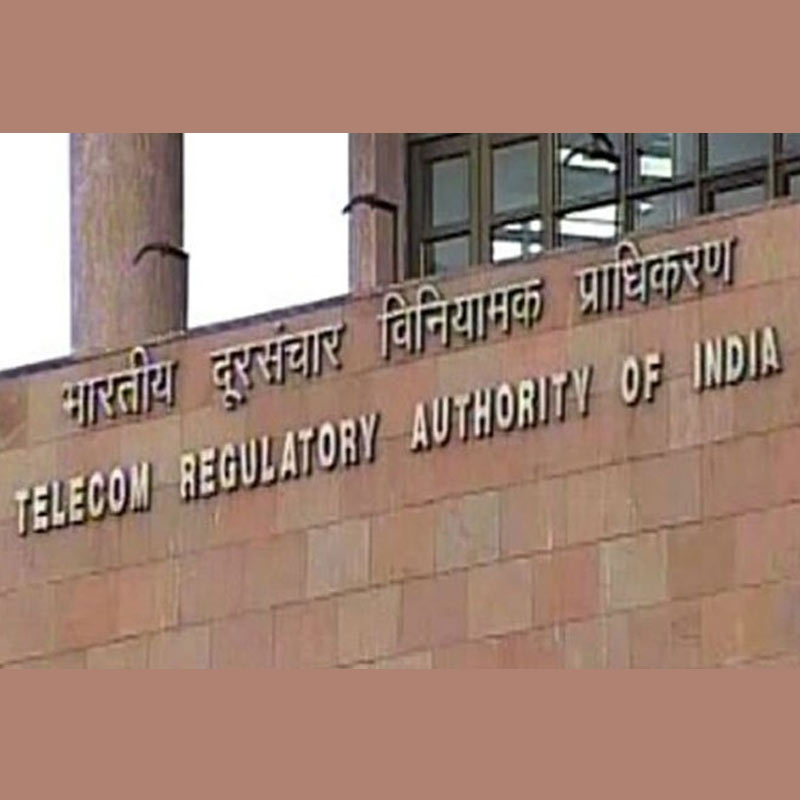
    NEW DELHI: India is witnessing a huge growth in the television sector and is on the threshold of complete digitization. The Telecom Regulatory Authority of India has asked stakeholders as to whether they feel the need for infrastructure sharing – irrespective of whether it is cable TV and HITS operators, DTH operators, or CAS and SMS. 

    Stakeholders have been asked to send in their comment by 21 October, 2016, with counter-comments on 4 November 2016. At the outset, TRAI says the country now has 864 private television channels apart from six private DTH players and two HITS players and a large number of MSOs and LCOs and infrastructure sharing may help the industry to grow. 

    “There appears to be a distinct possibility for sharing of distribution infrastructure among multiple DPOs for its optimal utilization. It may result in reduction in capital expenditure and operating expenditure for distributors,” says the regulator.

    Infrastructure includes satellite transponder, earth station, Head-end, Hybrid Fibre Coaxial (HFC) network, conditional access system (CAS) and subscriber management system (SMS) used for delivery of the TV broadcasting services to the subscribers.

    Each multi-channel distribution platform retransmits large number of satellite TV channels. Of these large number of satellite TV channels retransmitted by each operator, many are common across the distribution platforms in a relevant market. Therefore, retransmission of such common channels independently on each distribution platform ends up duplicating the infrastructure.

    In the light of this, TRAI has asked the stakeholders to consider certain points:

    Infrastructure sharing among Cable TV and HITS operators

    (1) Is there a need to enable infrastructure sharing among MSOs and HITS operators, or among MSOs? It is important to note that no mandate for such infrastructure sharing is being proposed.

    (2) Which model is preferred for sharing of infrastructure among MSOs and HITS operators, or among MSOs?

    Infrastructure sharing among DTH operators

    (3) Is there a need to enable infrastructure sharing among DTH operators?

    Relevant issues in sharing of infrastructure

    (4) What specific amendments are required in the cable TV Act and the Rules made there under to enable sharing of infrastructure among MSOs themselves?  

    (5) What specific amendments are required in the MSO registration conditions and HITS licensing guidelines in order to enable sharing of infrastructure among MSOs and HITS operators? 

    (6) What specific amendments are required in the guidelines for obtaining license for providing DTH broadcasting service to enable sharing of infrastructure among DTH operators? 

     (7) Do you envisage any requirement for amendment in the policy framework for satellite communication in India to enable sharing of infrastructure among MSOs and HITS operators, and among DTH operators? If yes, then what specific amendments would be required? 

    (8) Do you envisage any requirement for amendments in the NOCC guidelines and WPC license conditions relating to satellite communications to enable sharing of infrastructure among MSOs and HITS operators, and among DTH operators? If yes, then what specific amendments would be required?

    (9) Do you envisage any requirement for amendments in any other policy guidelines to enable sharing of infrastructure among MSOs and HITS operators, among MSOs, and among DTH operators?

     (10) What mechanisms could be put in place for disconnection of signals of TV channels of defaulting operator without affecting the operations of the other associated operators with that network after implementation of sharing of infrastructure among MSOs and HITS operators, among MSOs, and among DTH operators?

    (11) Is there any requirement for tripartite agreement to enable sharing of infrastructure among MSOs and HITS operators, among MSOs, and among DTH operators? Kindly elucidate with justification.

    (12) What techniques could be put in place for identification of pirates after implementation of sharing of infrastructure among MSOs and HITS operators, among MSOs, and among DTH operators?

    (13) Is there any need for further strengthening of anti-piracy measures already in place to enable sharing of infrastructure among MSOs and HITS operators, among MSOs, and among DTH operators?

    (14) Is there a requirement to ensure geographically targeted advertisements in the distribution networks? If yes, then what could be the possible methods for enabling geographically targeted advertisements in shared infrastructure set up?

    (15) Whether it is possible for the network operator to run the scrolls and logo on the specific STBs population on request of either the broadcaster or the service delivery operator after implementation of sharing of infrastructure among MSOs and HITS operators, among MSOs, and among DTH operators?

    (16) Whether implementation of infrastructure sharing affects the differentiation and personalization of the TV broadcasting services and EPG? If yes, then how those constraints can be addressed?

    (17) Whether, in your opinion, satellite capacity is a limiting factor for sharing of infrastructure? If yes, then what could be the solutions to address the issue?

    Sharing of CAS and SMS

    (18) Is there a need to permit sharing of SMS and CAS? 

     (19) If yes, then what additional measures need to taken to ensure that SMS data remain accessible to the tax assessment authorities and Authorized officers as defined in the Cable TV Act for the purpose of monitoring the compliance with relevant the Rules and the Regulations?

    (20) Whether sharing of CAS can in any way compromise the requirement of encryption as envisaged in the Cable TV Act and The rules and the regulations. 

  • TRAI expects stakeholders to work towards infrastructure sharing

    TRAI expects stakeholders to work towards infrastructure sharing

    NEW DELHI: India is witnessing a huge growth in the television sector and is on the threshold of complete digitization. The Telecom Regulatory Authority of India has asked stakeholders as to whether they feel the need for infrastructure sharing – irrespective of whether it is cable TV and HITS operators, DTH operators, or CAS and SMS. 

    Stakeholders have been asked to send in their comment by 21 October, 2016, with counter-comments on 4 November 2016. At the outset, TRAI says the country now has 864 private television channels apart from six private DTH players and two HITS players and a large number of MSOs and LCOs and infrastructure sharing may help the industry to grow. 

    “There appears to be a distinct possibility for sharing of distribution infrastructure among multiple DPOs for its optimal utilization. It may result in reduction in capital expenditure and operating expenditure for distributors,” says the regulator.

    Infrastructure includes satellite transponder, earth station, Head-end, Hybrid Fibre Coaxial (HFC) network, conditional access system (CAS) and subscriber management system (SMS) used for delivery of the TV broadcasting services to the subscribers.

    Each multi-channel distribution platform retransmits large number of satellite TV channels. Of these large number of satellite TV channels retransmitted by each operator, many are common across the distribution platforms in a relevant market. Therefore, retransmission of such common channels independently on each distribution platform ends up duplicating the infrastructure.

    In the light of this, TRAI has asked the stakeholders to consider certain points:

    Infrastructure sharing among Cable TV and HITS operators

    (1) Is there a need to enable infrastructure sharing among MSOs and HITS operators, or among MSOs? It is important to note that no mandate for such infrastructure sharing is being proposed.

    (2) Which model is preferred for sharing of infrastructure among MSOs and HITS operators, or among MSOs?

    Infrastructure sharing among DTH operators

    (3) Is there a need to enable infrastructure sharing among DTH operators?

    Relevant issues in sharing of infrastructure

    (4) What specific amendments are required in the cable TV Act and the Rules made there under to enable sharing of infrastructure among MSOs themselves?  

    (5) What specific amendments are required in the MSO registration conditions and HITS licensing guidelines in order to enable sharing of infrastructure among MSOs and HITS operators? 

    (6) What specific amendments are required in the guidelines for obtaining license for providing DTH broadcasting service to enable sharing of infrastructure among DTH operators? 

     (7) Do you envisage any requirement for amendment in the policy framework for satellite communication in India to enable sharing of infrastructure among MSOs and HITS operators, and among DTH operators? If yes, then what specific amendments would be required? 

    (8) Do you envisage any requirement for amendments in the NOCC guidelines and WPC license conditions relating to satellite communications to enable sharing of infrastructure among MSOs and HITS operators, and among DTH operators? If yes, then what specific amendments would be required?

    (9) Do you envisage any requirement for amendments in any other policy guidelines to enable sharing of infrastructure among MSOs and HITS operators, among MSOs, and among DTH operators?

     (10) What mechanisms could be put in place for disconnection of signals of TV channels of defaulting operator without affecting the operations of the other associated operators with that network after implementation of sharing of infrastructure among MSOs and HITS operators, among MSOs, and among DTH operators?

    (11) Is there any requirement for tripartite agreement to enable sharing of infrastructure among MSOs and HITS operators, among MSOs, and among DTH operators? Kindly elucidate with justification.

    (12) What techniques could be put in place for identification of pirates after implementation of sharing of infrastructure among MSOs and HITS operators, among MSOs, and among DTH operators?

    (13) Is there any need for further strengthening of anti-piracy measures already in place to enable sharing of infrastructure among MSOs and HITS operators, among MSOs, and among DTH operators?

    (14) Is there a requirement to ensure geographically targeted advertisements in the distribution networks? If yes, then what could be the possible methods for enabling geographically targeted advertisements in shared infrastructure set up?

    (15) Whether it is possible for the network operator to run the scrolls and logo on the specific STBs population on request of either the broadcaster or the service delivery operator after implementation of sharing of infrastructure among MSOs and HITS operators, among MSOs, and among DTH operators?

    (16) Whether implementation of infrastructure sharing affects the differentiation and personalization of the TV broadcasting services and EPG? If yes, then how those constraints can be addressed?

    (17) Whether, in your opinion, satellite capacity is a limiting factor for sharing of infrastructure? If yes, then what could be the solutions to address the issue?

    Sharing of CAS and SMS

    (18) Is there a need to permit sharing of SMS and CAS? 

     (19) If yes, then what additional measures need to taken to ensure that SMS data remain accessible to the tax assessment authorities and Authorized officers as defined in the Cable TV Act for the purpose of monitoring the compliance with relevant the Rules and the Regulations?

    (20) Whether sharing of CAS can in any way compromise the requirement of encryption as envisaged in the Cable TV Act and The rules and the regulations.