Tag: HDTV

  • Treeview partners with Arzooo to bolster its TV business in India

    Treeview partners with Arzooo to bolster its TV business in India

    Mumbai: Treeview, Thailand’s LED TV and appliance manufacturer, will leverage retail tech platform Arzooo’s network of retailers to market its smart android full HD range of TV models in India, from 24 inch to 85 inch. Treeview is spread across geographies such as the Middle East and African countries, among others.

    The company said India is currently witnessing a massive demand for world-class smart televisions as an increasing number of consumers are looking forward to transitioning from non-smart TVs to smart TVs with larger screen sizes. Treeview sees this as an opportunity to introduce its smart TVs. It aims to register sales of over half a million smart TVs in the next 12 months.

    Arzooo’s network of offline retail channels in India will enable Treeview to scale up and achieve pan-India penetration in the shortest span of time.

    “Our aim is to reach more households through Arzooo’s retail network. With enhanced specifications, superior quality, and affordable pricing, our range of smart TVs are best suited for Indian consumers,” said QThree Ventures director Jubin Peter.

    Arzooo director of TV categories Sai Krishna said, “We are pleased to extend the Arzooo platform to Treeview to offer high-quality smart TVs to Indian consumers through our retail network. This partnership is another step forward in strengthening our portfolio of large appliances going forward. We are committed to getting more high-quality brands on the platform from across the world and making them accessible to offline retailers and Indian consumers.”

    Arzooo Express, backed by a network of 35 hubs and warehouses across 22 states, will play a pivotal role in the distribution strategy. Recently, Arzooo has launched Quick Retail, which promises next-day delivery to metro cities including Mumbai, Delhi, Kolkata, Bengaluru, Hyderabad, and Chennai. It will further the quest of retailers to provide consumers with smart android TVs at viable prices with speedy delivery.

  • 33pc of SES channels are HD, 60pc MPEG-4, growing in Asia

    33pc of SES channels are HD, 60pc MPEG-4, growing in Asia

    MUMBAI: SES S.A. continues to lead High Definition TV (HDTV) development representing the largest HD and Ultra HD (UHD) platform.

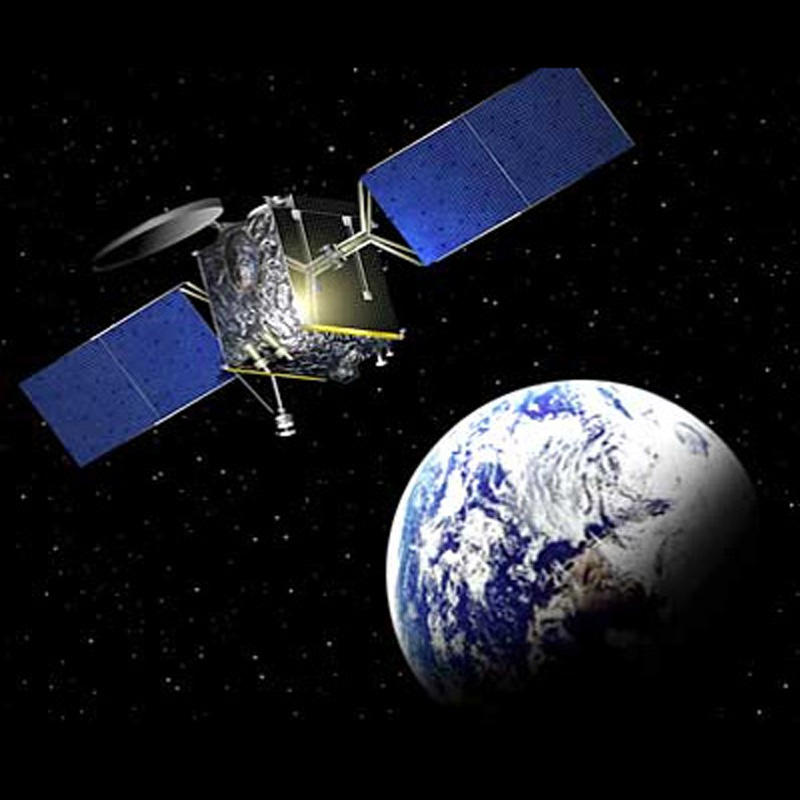
    SES is a leading satellite operator and the first to deliver a differentiated and scalable GEO-MEO offering worldwide, with more than 50 satellites in geostationary earth orbit (GEO) and 12 in medium earth orbit (MEO). SES focuses on value-added, end-to-end solutions in four key market verticals (video, enterprise, mobility and government).

    In 2016, the number of HD channels on the SES fleet grew by 7 per cent to 2,495 channels. Today, 33 per cent of all the 7,538 channels on the SES fleet are in HD, with SES carrying 27 per cent of all HD channels globally. In addition, over 60 per cent of all channels on SES’s fleet are now broadcast in the MPEG-4 compression standard.

    The on-going trend of the increasing HDTV penetration in Europe was the key driver of SES’s overall HDTV development, where the number of HDTV channels grew by 14 per cent to more than 750 channels. This performance was complemented by the growth in HDTV across the Americas.

    SES is also continuing to maintain its strong momentum in the introduction of commercial agreements now secured for 21 UHD channels, compared with eight channels a year ago. Today, SES is broadcasting nearly 50 per cent of all the UHD channels carried over satellite globally.

    In 2016, the acquisition of RR Media and the subsequent creation of MX1 through a merger with SES Platform Services supported SES’s unrivalled market traction on new HDTV and UHD channels across Europe and North America, as well as the further expansion of SES’s Video business across fast-growing emerging markets.

    The launch of SES-9 and the continued development of SES’s HD and Ultra HD business were also significant factors supporting growth in Asian markets, where the company is applying its differentiated strategy. The launch of SES-10 and SES-15 later this year will deliver further growth potential for the Americas.

    “With more TV channels than ever before, this confirms SES’s leading role as a TV broadcasting infrastructure and driver of global digitisation” said SES chief commercial officer Ferdinand Kayser. “Through the growth of its channels portfolio and through major acquisitions in 2016, SES is exceptionally well placed to leverage major growth opportunities, especially in new and emerging markets. Our current launch programme is a dynamic engine for this future growth. With more and more channels being broadcast in HD and Ultra HD, 2017 and beyond will see continued growth and accelerated development for SES’s video segment.”

  • 33pc of SES channels are HD, 60pc MPEG-4, growing in Asia

    33pc of SES channels are HD, 60pc MPEG-4, growing in Asia

    MUMBAI: SES S.A. continues to lead High Definition TV (HDTV) development representing the largest HD and Ultra HD (UHD) platform.

    SES is a leading satellite operator and the first to deliver a differentiated and scalable GEO-MEO offering worldwide, with more than 50 satellites in geostationary earth orbit (GEO) and 12 in medium earth orbit (MEO). SES focuses on value-added, end-to-end solutions in four key market verticals (video, enterprise, mobility and government).

    In 2016, the number of HD channels on the SES fleet grew by 7 per cent to 2,495 channels. Today, 33 per cent of all the 7,538 channels on the SES fleet are in HD, with SES carrying 27 per cent of all HD channels globally. In addition, over 60 per cent of all channels on SES’s fleet are now broadcast in the MPEG-4 compression standard.

    The on-going trend of the increasing HDTV penetration in Europe was the key driver of SES’s overall HDTV development, where the number of HDTV channels grew by 14 per cent to more than 750 channels. This performance was complemented by the growth in HDTV across the Americas.

    SES is also continuing to maintain its strong momentum in the introduction of commercial agreements now secured for 21 UHD channels, compared with eight channels a year ago. Today, SES is broadcasting nearly 50 per cent of all the UHD channels carried over satellite globally.

    In 2016, the acquisition of RR Media and the subsequent creation of MX1 through a merger with SES Platform Services supported SES’s unrivalled market traction on new HDTV and UHD channels across Europe and North America, as well as the further expansion of SES’s Video business across fast-growing emerging markets.

    The launch of SES-9 and the continued development of SES’s HD and Ultra HD business were also significant factors supporting growth in Asian markets, where the company is applying its differentiated strategy. The launch of SES-10 and SES-15 later this year will deliver further growth potential for the Americas.

    “With more TV channels than ever before, this confirms SES’s leading role as a TV broadcasting infrastructure and driver of global digitisation” said SES chief commercial officer Ferdinand Kayser. “Through the growth of its channels portfolio and through major acquisitions in 2016, SES is exceptionally well placed to leverage major growth opportunities, especially in new and emerging markets. Our current launch programme is a dynamic engine for this future growth. With more and more channels being broadcast in HD and Ultra HD, 2017 and beyond will see continued growth and accelerated development for SES’s video segment.”

  • DD modernisation cost over 3 years was Rs 383 crore

    DD modernisation cost over 3 years was Rs 383 crore

    NEW DELHI: A sum of Rs 382.88 crore has been spent by Doordarshan to digitize and modernize its infrastructure over the last three years.

    In 2013-14, Doordarshan spent Rs 159.81 crore though the sum allocated was Rs 156.01 crore, while in 2014-15, it spent Rs 153.37 crore out of the Rs 155 allocated. In 2015-16, DD spent a provisional Rs 69.7 crore out of the Rs 191.50 allocated.

    Modernization/upgradation of studios, transmitters and satellite broadcast equipment that are at various stages of implementation in under the 12th Plan are: Digitalization of transmitters and studios in Doordarshan network, including adoption of digital video broadcasting (DVB)-T2 technology; High definition television (HDTV); Modernization, augmentation and replacement of transmitter and studio equipment; Modernization, augmentation and replacement of satellite broadcast equipment.

    Giving details, DD sources said that all the 39 Studios have been made digital (except Camera chains). The purchase proposal for procurement of Camera chains has been submitted for financial sanction.

    Of the 53 digital transmitters, 16 digital transmitters (HPTs) have been commissioned in the first phase from 25 February and another 3 digital HPTs have been installed and are under testing. Action for setting up of remaining 44 digital transmitters in the next phase has been initiated and expected to be setup in about 2 years.

    All the four HDTV transmitters at four metro locations have been installed and ready for commissioning. The HD Studio at Delhi and Mumbai has been set up. Action for setting up HD Studio at Chennai and Kolkata has been initiated.

    Referring a question about multi camera mobile production facility in HDTV format, DD sources said two were supplied at Delhi and Mumbai. For the third, tenders received earlier have been cancelled on technical considerations and fresh notice inviting tenders is being issued.

    A total of 13 ageing HPTs have been replaced by new HPTs. At two other locations, installation of transmitter equipment has been completed and is under testing.

    All equipment envisaged as part of 11th Plan schemes have been provided, except Camera chains which are under procurement. Equipment envisaged as part of 12th Plan new schemes are at various stages of procurement.

    Out of 18 earth stations, one has been upgraded. At four locations, all earth station equipment except RF equipment (which has been ordered) have been installed and tested. At the remaining 13 locations, specifications of equipment are under finalization.

    New earth stations have been set up at four places. For the remaining one, tenders have been opened for part of the earth station equipment and under evaluation.

  • DD modernisation cost over 3 years was Rs 383 crore

    DD modernisation cost over 3 years was Rs 383 crore

    NEW DELHI: A sum of Rs 382.88 crore has been spent by Doordarshan to digitize and modernize its infrastructure over the last three years.

    In 2013-14, Doordarshan spent Rs 159.81 crore though the sum allocated was Rs 156.01 crore, while in 2014-15, it spent Rs 153.37 crore out of the Rs 155 allocated. In 2015-16, DD spent a provisional Rs 69.7 crore out of the Rs 191.50 allocated.

    Modernization/upgradation of studios, transmitters and satellite broadcast equipment that are at various stages of implementation in under the 12th Plan are: Digitalization of transmitters and studios in Doordarshan network, including adoption of digital video broadcasting (DVB)-T2 technology; High definition television (HDTV); Modernization, augmentation and replacement of transmitter and studio equipment; Modernization, augmentation and replacement of satellite broadcast equipment.

    Giving details, DD sources said that all the 39 Studios have been made digital (except Camera chains). The purchase proposal for procurement of Camera chains has been submitted for financial sanction.

    Of the 53 digital transmitters, 16 digital transmitters (HPTs) have been commissioned in the first phase from 25 February and another 3 digital HPTs have been installed and are under testing. Action for setting up of remaining 44 digital transmitters in the next phase has been initiated and expected to be setup in about 2 years.

    All the four HDTV transmitters at four metro locations have been installed and ready for commissioning. The HD Studio at Delhi and Mumbai has been set up. Action for setting up HD Studio at Chennai and Kolkata has been initiated.

    Referring a question about multi camera mobile production facility in HDTV format, DD sources said two were supplied at Delhi and Mumbai. For the third, tenders received earlier have been cancelled on technical considerations and fresh notice inviting tenders is being issued.

    A total of 13 ageing HPTs have been replaced by new HPTs. At two other locations, installation of transmitter equipment has been completed and is under testing.

    All equipment envisaged as part of 11th Plan schemes have been provided, except Camera chains which are under procurement. Equipment envisaged as part of 12th Plan new schemes are at various stages of procurement.

    Out of 18 earth stations, one has been upgraded. At four locations, all earth station equipment except RF equipment (which has been ordered) have been installed and tested. At the remaining 13 locations, specifications of equipment are under finalization.

    New earth stations have been set up at four places. For the remaining one, tenders have been opened for part of the earth station equipment and under evaluation.

  • Dish TV ties up with Panasonic India for HDTV viewing experience

    Dish TV ties up with Panasonic India for HDTV viewing experience

    MUMBAI: Spicing up the sporting season of 2016 which includes the ongoing and upcoming festival of cricket, Dish TV joined hands with Panasonic India to make HDTV viewing experience larger than life for its new subscribers.

    The association with Panasonic will allow customers to avail the new Dish HD+ connection at a special price of just Rs. 999 with one month free subscription of New Super Family/ Jumbo Family Pack + Full on HD Pack.

    This special offer is available on all Panasonic TV sets above 19 inches and outlets across the country. This combo offer will provide an HD experience for Dish TV subscribers with 45 HD channels. Additionally, recognizing the customer’s needs and expectations, Dish TV has recently taken a step ahead in the world of HD entertainment by broadening the choice for its HD customers with a maximum number of 50 HD channels. Further, in an another consumer friendly initiative in a nation where cricket is like religion, Dish TV offers free viewing of ongoing cricketing events for its new subscribers, even if they have not subscribed for sports channels.

    Speaking on the occasion, Dish TV CEO  Arun Kapoor said, “As Asia’s largest DTH operator, it has been our constant endeavour to make television viewing a wholesome experience for the entire family and stay focused on value proposition offering for both new and existing customers. Dish TV has always been at the forefront for being pioneers and introducing a host of customer- centric products and services. This esteemed partnership with Panasonic India is another positive step in building customer loyalty. With significant increase in TV viewership over the last couple of years, we are consistent in our efforts to make TV viewing a delightful experience for our customers.”

    Panasonic India product head, Consumer Electronics Ashish Sasidharan, – aid, “We are excited about our association with one of Asia’s largest DTH operators. This collaboration is meant to enthrall our consumers with lucrative offers to experience high end technology and quality pictures on their Panasonic LEDs. This offer will enable our customers to watch multiple entertainment channels through a Dish TV connection. The offer can simply be availed by giving a missed call and getting the High Definition connection at the doorstep. Looking at the bigger picture, this partnership highlights Panasonic’s cause to support and promote the digital India initiative across all cities of India.”

  • Dish TV ties up with Panasonic India for HDTV viewing experience

    Dish TV ties up with Panasonic India for HDTV viewing experience

    MUMBAI: Spicing up the sporting season of 2016 which includes the ongoing and upcoming festival of cricket, Dish TV joined hands with Panasonic India to make HDTV viewing experience larger than life for its new subscribers.

    The association with Panasonic will allow customers to avail the new Dish HD+ connection at a special price of just Rs. 999 with one month free subscription of New Super Family/ Jumbo Family Pack + Full on HD Pack.

    This special offer is available on all Panasonic TV sets above 19 inches and outlets across the country. This combo offer will provide an HD experience for Dish TV subscribers with 45 HD channels. Additionally, recognizing the customer’s needs and expectations, Dish TV has recently taken a step ahead in the world of HD entertainment by broadening the choice for its HD customers with a maximum number of 50 HD channels. Further, in an another consumer friendly initiative in a nation where cricket is like religion, Dish TV offers free viewing of ongoing cricketing events for its new subscribers, even if they have not subscribed for sports channels.

    Speaking on the occasion, Dish TV CEO  Arun Kapoor said, “As Asia’s largest DTH operator, it has been our constant endeavour to make television viewing a wholesome experience for the entire family and stay focused on value proposition offering for both new and existing customers. Dish TV has always been at the forefront for being pioneers and introducing a host of customer- centric products and services. This esteemed partnership with Panasonic India is another positive step in building customer loyalty. With significant increase in TV viewership over the last couple of years, we are consistent in our efforts to make TV viewing a delightful experience for our customers.”

    Panasonic India product head, Consumer Electronics Ashish Sasidharan, – aid, “We are excited about our association with one of Asia’s largest DTH operators. This collaboration is meant to enthrall our consumers with lucrative offers to experience high end technology and quality pictures on their Panasonic LEDs. This offer will enable our customers to watch multiple entertainment channels through a Dish TV connection. The offer can simply be availed by giving a missed call and getting the High Definition connection at the doorstep. Looking at the bigger picture, this partnership highlights Panasonic’s cause to support and promote the digital India initiative across all cities of India.”

  • FCC action could stifle TV innovation

    FCC action could stifle TV innovation

    On Wednesday, FCC chairman Tom Wheeler proposed a new technology mandate that would require satellite and cable TV providers to disaggregate or separate their services so that a few companies could repackage them as their own without negotiating for content rights like everybody else in the market does today. While the chairman touts consumer benefits to his proposal, the opposite is the case. 


    The proposal, like prior federal government technology mandates, would impose costs on consumers, adversely impact the creation of high-quality content, and chill innovation. It also flies in the face of the rapid changes that are occurring in the marketplace and benefitting consumers.


    As a member of the technical advisory committee that the FCC formed, I, along with others on the committee, put in an extraordinary amount of time examining these issues. The Report we produced comprehensively discussed the widely-adopted apps-based model. The chairman ignores the less regulatory apps-based approach that is already expanding the array of choices that consumers have to access content on retail devices.  


    In the 21st century, television has been on a tear of innovation. In the 1980s, wanting your MTV became an anthem. The 1990s saw an explosion of channels and diversity of voices on television, and the beginnings of HDTV. Change has been accelerating ever since. 


    Netflix now has more customers in the US than any traditional TV provider; tablets, smartphones, smart TVs, connected devices for accessing video are ubiquitous; and new online video services are announced all the time. There are services from online powerhouses like Amazon; from new entrants like Sony’s Play Station Vue and Dish’s Sling TV that sell packages including linear channels; and from programmers like HBO, Showtime, and CBS. Just this week, we’ve seen the influence of these new services in locking up content at Sundance.


    These changes are bringing enormous consumer benefits — the quantity and variety of high-quality programming is better than ever, and consumers expect access to content anytime, anywhere, and on devices of their choice.


    Comcast is responding with our innovative X1 platform, and enabling access on a growing array of devices. Like other traditional TV distributors, online video distributors, networks, and sports leagues, Comcast is using apps to deliver its Xfinity service to popular customer-owned retail devices.


    These apps are wildly popular with consumers. Comcast customers alone have downloaded our apps more than 20 million times. This apps revolution is rapidly proliferating, and we are working with others in the industry and standards-setting bodies to expand apps to reach even more devices.


    Given these exciting, pro-consumer marketplace developments, it is perplexing that the FCC is now considering a proposal that would impose new government technology mandates on satellite and cable TV providers with the purported goal of promoting device options for consumers. 


    A little background here. Congress enacted “navigation device” legislation twenty years ago that directed the FCC to foster retail alternatives to cable set-top boxes. The FCC responded with a CableCARD mandate. Despite the cable industry’s longstanding and ongoing support for CableCARDs, consumers showed little interest in the technology; it saddled cable operators and their customers with over $1 billion in unnecessary costs; and, it was overtaken by the explosive growth in connected devices and apps. 


    It is strange now that the FCC is ignoring the important lesson of history that intrusive federal governmental regulatory interference in the market just doesn’t work by proposing new mandates at a time when Congress’s goals are being realized in the marketplace and consumers have unprecedented device choices that go well beyond what anyone could possibly have imagined even a decade ago. 


    The proposal would require traditional TV distributors like satellite and cable providers – but not other video distributors – to re-architect their networks and develop an undefined new piece of customer equipment just so device companies can take apart the video service and selectively reassemble it. 


    Consumer costs would rise, content security would weaken, and consumer protections such as privacy would erode. It would undermine intellectual property rights and content licensing agreements. The Chairman has said that his proposal addresses these concerns, but the simple fact is that the proposal strips away the tools that video distributors use to present service in a way that satisfies security, regulatory, and licensing requirements.


    As noted, the FCC’s track record on these types of technology mandates has been less than stellar. CableCARD is just one example. Another is the 1394 output mandate. The FCC required cable operators to include 1394 outputs on their set-top boxes, the mandate went on for years even after it was clear that other outputs had won out in the marketplace.


    Already, a broad range of parties is weighing in to support the innovation that is occurring in the marketplace and raising concerns including Disney, 21st Century Fox, NBCUniversal, and Viacom as well as small, independent, and diverse programmers like TV One, Fuse Media, Crossings TV , Revolt, and Baby First Americas; device manufacturers like Roku, Cisco, and ARRIS; diversity organizations such as the Hispanic Technology and Telecommunications Partnership (HTTP), a coalition of Hispanic organizations; and legislators, including 30 members of the Congressional Black Caucus and the National Black Caucus of State Legislators.


    As the Commission considers taking this initial step to launch a rulemaking proceeding to determine whether to impose new mandates and if so, what those should ultimately be, we look forward to studying the proposal and providing constructive input. We hope the FCC will decide to avoid this major step backward for consumers and video innovation. 


    (Disclaimer: The article has been sourced from Comcast’s website. The views expressed here are purely personal views of the author, who is Comcast Cable SVP – business and industry affairs and chief technology officer Mark Hess and Indiantelevision.com does not necessarily subscribe to them.)

  • FCC action could stifle TV innovation

    FCC action could stifle TV innovation

    On Wednesday, FCC chairman Tom Wheeler proposed a new technology mandate that would require satellite and cable TV providers to disaggregate or separate their services so that a few companies could repackage them as their own without negotiating for content rights like everybody else in the market does today. While the chairman touts consumer benefits to his proposal, the opposite is the case. 


    The proposal, like prior federal government technology mandates, would impose costs on consumers, adversely impact the creation of high-quality content, and chill innovation. It also flies in the face of the rapid changes that are occurring in the marketplace and benefitting consumers.


    As a member of the technical advisory committee that the FCC formed, I, along with others on the committee, put in an extraordinary amount of time examining these issues. The Report we produced comprehensively discussed the widely-adopted apps-based model. The chairman ignores the less regulatory apps-based approach that is already expanding the array of choices that consumers have to access content on retail devices.  


    In the 21st century, television has been on a tear of innovation. In the 1980s, wanting your MTV became an anthem. The 1990s saw an explosion of channels and diversity of voices on television, and the beginnings of HDTV. Change has been accelerating ever since. 


    Netflix now has more customers in the US than any traditional TV provider; tablets, smartphones, smart TVs, connected devices for accessing video are ubiquitous; and new online video services are announced all the time. There are services from online powerhouses like Amazon; from new entrants like Sony’s Play Station Vue and Dish’s Sling TV that sell packages including linear channels; and from programmers like HBO, Showtime, and CBS. Just this week, we’ve seen the influence of these new services in locking up content at Sundance.


    These changes are bringing enormous consumer benefits — the quantity and variety of high-quality programming is better than ever, and consumers expect access to content anytime, anywhere, and on devices of their choice.


    Comcast is responding with our innovative X1 platform, and enabling access on a growing array of devices. Like other traditional TV distributors, online video distributors, networks, and sports leagues, Comcast is using apps to deliver its Xfinity service to popular customer-owned retail devices.


    These apps are wildly popular with consumers. Comcast customers alone have downloaded our apps more than 20 million times. This apps revolution is rapidly proliferating, and we are working with others in the industry and standards-setting bodies to expand apps to reach even more devices.


    Given these exciting, pro-consumer marketplace developments, it is perplexing that the FCC is now considering a proposal that would impose new government technology mandates on satellite and cable TV providers with the purported goal of promoting device options for consumers. 


    A little background here. Congress enacted “navigation device” legislation twenty years ago that directed the FCC to foster retail alternatives to cable set-top boxes. The FCC responded with a CableCARD mandate. Despite the cable industry’s longstanding and ongoing support for CableCARDs, consumers showed little interest in the technology; it saddled cable operators and their customers with over $1 billion in unnecessary costs; and, it was overtaken by the explosive growth in connected devices and apps. 


    It is strange now that the FCC is ignoring the important lesson of history that intrusive federal governmental regulatory interference in the market just doesn’t work by proposing new mandates at a time when Congress’s goals are being realized in the marketplace and consumers have unprecedented device choices that go well beyond what anyone could possibly have imagined even a decade ago. 


    The proposal would require traditional TV distributors like satellite and cable providers – but not other video distributors – to re-architect their networks and develop an undefined new piece of customer equipment just so device companies can take apart the video service and selectively reassemble it. 


    Consumer costs would rise, content security would weaken, and consumer protections such as privacy would erode. It would undermine intellectual property rights and content licensing agreements. The Chairman has said that his proposal addresses these concerns, but the simple fact is that the proposal strips away the tools that video distributors use to present service in a way that satisfies security, regulatory, and licensing requirements.


    As noted, the FCC’s track record on these types of technology mandates has been less than stellar. CableCARD is just one example. Another is the 1394 output mandate. The FCC required cable operators to include 1394 outputs on their set-top boxes, the mandate went on for years even after it was clear that other outputs had won out in the marketplace.


    Already, a broad range of parties is weighing in to support the innovation that is occurring in the marketplace and raising concerns including Disney, 21st Century Fox, NBCUniversal, and Viacom as well as small, independent, and diverse programmers like TV One, Fuse Media, Crossings TV , Revolt, and Baby First Americas; device manufacturers like Roku, Cisco, and ARRIS; diversity organizations such as the Hispanic Technology and Telecommunications Partnership (HTTP), a coalition of Hispanic organizations; and legislators, including 30 members of the Congressional Black Caucus and the National Black Caucus of State Legislators.


    As the Commission considers taking this initial step to launch a rulemaking proceeding to determine whether to impose new mandates and if so, what those should ultimately be, we look forward to studying the proposal and providing constructive input. We hope the FCC will decide to avoid this major step backward for consumers and video innovation. 


    (Disclaimer: The article has been sourced from Comcast’s website. The views expressed here are purely personal views of the author, who is Comcast Cable SVP – business and industry affairs and chief technology officer Mark Hess and Indiantelevision.com does not necessarily subscribe to them.)

  • DD spends 29% of annual expenditure on terrestrial distribution

    DD spends 29% of annual expenditure on terrestrial distribution

    NEW DELHI: Around 29 per cent of the total expenditure of Doordarshan is spent on terrestrial distribution annually, the Parliament was told today.


    However, Prasar Bharati says that the viewership data received at present still does not show the terrestrial viewership for rural viewers separately, Minister of State for Information and Broadcasting Rajyavardhan Rathore said.


    In January 2003, Doordarshan had set up four digital transmitters, one each at Delhi, Mumbai, Kolkata and Chennai on an experimental basis using Digital Video Broadcasting Transmission (DVB-T) System to gain experience in digital transmission technology.


    As part of the 11th Plan Scheme, four High Definition TV (HDTV) digital High Power Transmitters (HPTs) have been installed at Delhi, Mumbai, Kolkata and Chennai and are ready for commissioning.


    A total of 63 digital HPTs (40 in 11th Plan and 23 in 12th Plan) have also been approved as part of digitisation schemes. Out of 63 digital HPTs, 16 digital HPTs are ready for commissioning and another three digital HPTs are at advanced stage of completion. Action has been initiated for setting up of remaining 44 digital HPTs.


    Replying to a separate question, I&B Minister Arun Jaitley said against funds amounting to Rs 155 crore allocated in 2014-15 by the Prasar Bharati from the funds given by the Government for modernization schemes, Prasar Bharati had reported an expenditure of Rs 153.37 crore.


    He added that against funds amounting to Rs 237 crore allocated in 2015-16 to the pubcaster, an expenditure of Rs 41.46 crore had been incurred till October 2015.


    The Expert Committee for Prasar Bharati had recommended digitisation of Terrestrial TV operations based on commercial viability.


    However, Rathore said there is no time-line at present for Analogue Terrestrial TV switch off.


    The switch-off is currently happening only in the digital addressable systems (DAS), with the third phase being completed by this month end and the final phase slated for December 2016.