Tag: Harit Nagpal

  • TV & video people who made an impact in 2019

    TV & video people who made an impact in 2019

    MUMBAI: Even as the curtains have gone down on 2019, Indiantelevision.com is happy to reveal its list of senior executives from the business of TV and video, who were constantly under the arc light throughout the year or made waves on account of something they did. We have put in our best efforts to cover as many of the noteworthy professionals of 2019 as we could, taking into consideration the importance of their roles in the organisation and industry as well as the significant contributions they made in the year. We do not say the list is comprehensive, and any omissions are unintended.  We hope you will find the first part of this list interesting read. More will follow in the coming days.

    Sanjay Gupta
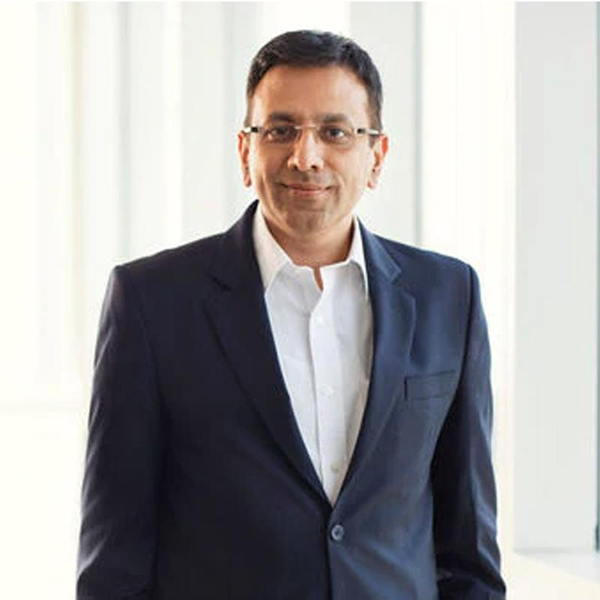
    His departure from Star India – a company which he helped steer along with Uday Shankar for around a decade- came as a shocker for many in industry. But he was leaving for the digital world – that of Alphabet or Google – and he would be heading the India operations for the global juggernaut.

    From close friends and associates, Shankar and Gupta will be on two different sides of the spectrum. There will be many areas that Star Disney-Google will be able to work on together; in some maybe not.  Clearly, the digital and entertainment world is going to be an exciting one with them at the top of their respective companies.

    Uday Shankar
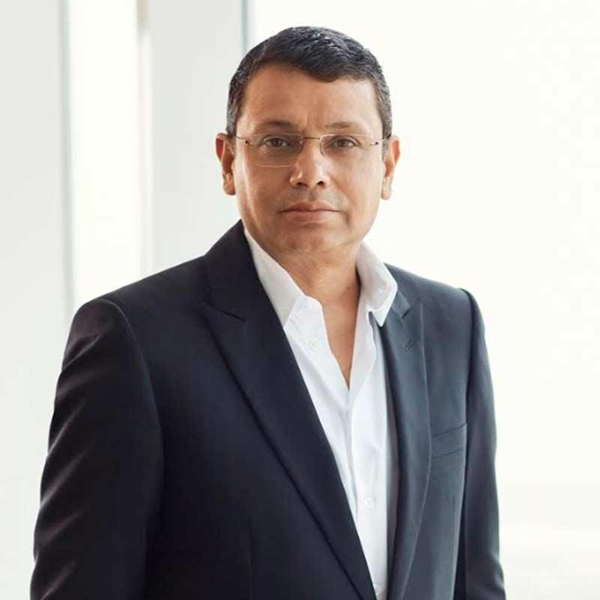
    For long, the boss of Star India has been seen as the mover and shaker of the broadcast industry. But for the last two years, he’s had an additional responsibility: overseeing the merger across Asia-Pacific of Twenty First Century Fox with Disney, including its biggest and most prized territory, India. And he came out with flying colors: the transition was relatively smooth, not too much bad press emerged, and overall the merged company, now looks forward to bearing the fruits of the union.  Morale at the two companies – or should we say the merged company – is high as Shankar continues to organise, shuffle reshuffle, hire, rejig executive portfolios to build an organisation for the future.

    Star India notched up losses, but those were for costs of prized but expensive cricket rights and these were planned. Hotstar continued to set record after viewing record, Star India retained its position as a top Indian TV network and he even managed the departure of his deputy Sanjay Gupta by looking for talent in-house and appointing the successful regional TV boss K Madhavan as his head of all television, while he took on the responsibility for the network’s streaming service. He along with Bob Iger and the Disney Plus team will have to take calls on how they will launch Disney Plus in India in 2020

    K Madhavan

    He is the shy and not-so-used-to-the-public-eye professional with the midas touch who ran and helped built the southern business for the Star India network from nothing over the years. Of course, under the direct steerage of Uday Shankar.

    It began with the acquisition of the Tamil channel Vijay from UTV’s Ronnie Screwvala nearly all of 19 years ago. Madhavan came on board Star India in 2008 when Star India purchased a majority stake in Asianet. He had the credentials – he had helped turn around the struggling Malayalam network after he took over in 1999, and giving it an indomitable position in Kerala very soon thereafter. With it came three Malayalam channels and two Kannada ones. Star completed its southern footprint by acquiring the Telugu service, MAA Television Network in 2015. As head of the southern business of Star India, he grew it further until it contributed a significant sum to its topline business.

    And for that, he has been rewarded now with oversight of the overall TV business of the now Disney owned network. Madhavan’s immediate focus will be on the Hindi GEC business of Star India, which is perceptibly under threat from streamers who are dishing out edgy content, which is appealing to younger mobile audiences.  Additionally, he will have to find ways of monetising the network’s TV cricket rights better. He has the pedigree and 2020 will see his imprint being left on what is now his charge. 

    Punit Goenka & Subhash Chandra
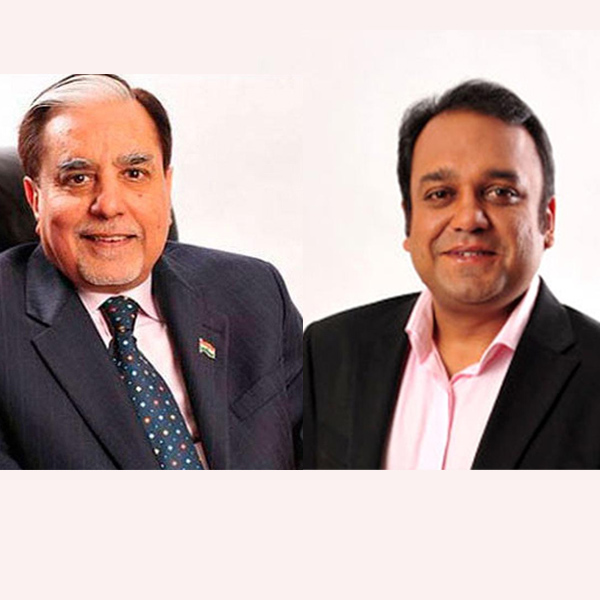
    What do we say about Punit Goenka but that 2019 was the year when he showed what stuff excellent CEOs can be made of. No other executive comes even close to the plaudits that Punit has got for managing the tough situation that the promoter family of Zee Entertainment got itself into. Along with his father, they convinced existing investors to buy equity in the company to pay off lenders. Yes, it meant lowering the promoter family holding to around five per cent. But even that was acceptable to both Goenka and Chandra. The company was above family holding. Zeel for its part is a very well run media outfit with a bunch of excellent senior professionals that Goenka has brought in place and whose respect he has earned courtesy of the fact that he is so approachable. The company is now en route to monetise more than any other broadcaster in the regional language space by launching channels in Kannada, Punjabi etc.

    That aside, along with his brother Amit, and Zee5 CEO Tarun Katiyal, he helped hyper-activate the group’s streaming service Zee5 – launching originals like there was no tomorrow. Today, Zee5 looks like one of the more promising OTT platforms with SVOD, AVOD, and adtech plays.

    Hiren Gada
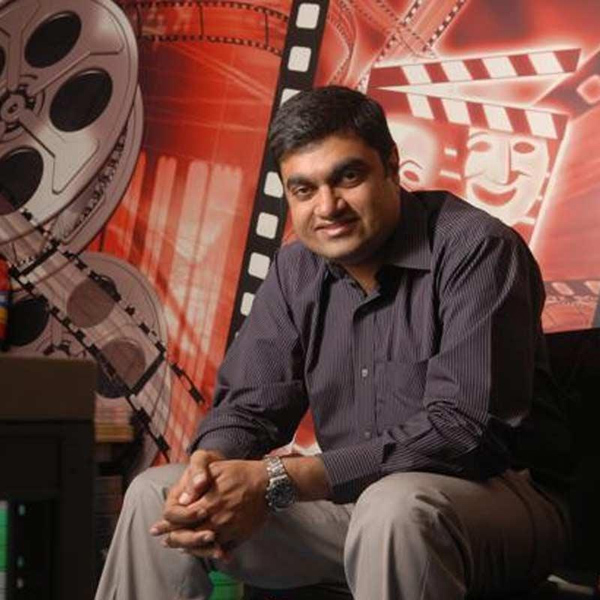
    When Hiren Gada was nominated as CEO of Shemaroo, he was relatively unknown to most in industry. From being a content rights owner, which licensed its library to everybody, Shemaroo has now become a platform owner in streaming service ShemarooMe, which has an interesting offering. A wide array of content, gamification, special offerings, licensing and merchandising, Gada has transformed Shemaroo by bringing in young professionals and giving them wings to fly. In fact, his singular focus has been to transform the once family-run but now publicly listed Shemaroo into a professional organisation. To that accord, he has hired from mainline entertainment and media firms and upped the ante on distributing his OTT service in as many countries as possible. He has been attentive to monetise the content library as well, by continuing to provide value-added services to other platforms as well.

    NP Singh
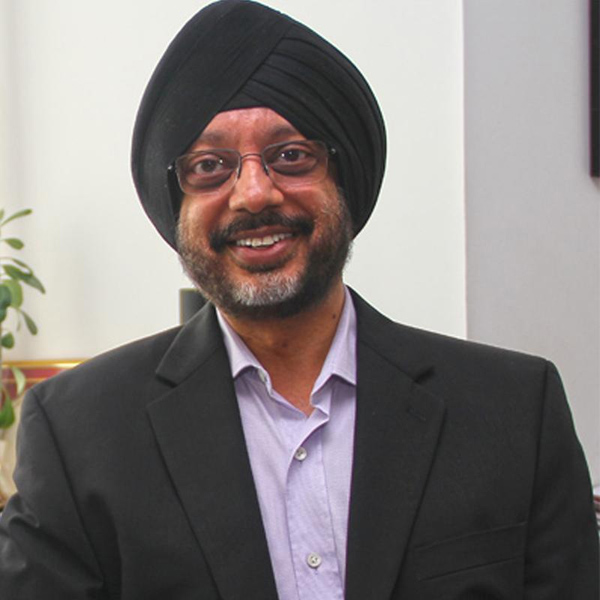
    NP Singh was at his customary best: staying out of the limelight. But even behind the scenes, he was hard at work. First, along with his Culver city management, he got into deep conversation with the Zeel promoter family for a buyout. The price Sony Pictures put on the table was chunky, but Chandra and Goenka wanted to retain control, they were okay with investment bankers and institutions reducing their stake to a minority, but not a rival media and entertainment firm. Hence, a deal which was looking hot suddenly became cold.

    Singh played a big role in the parleys with Mukesh Ambani to merge his media assets TV18 with Sony for a large period of the second half of the year. The deal had not materialised at the time of writing, but it well could in the new year.

    The quiet-and-polite-to-a-T  executive had a good year on the TV front with his Sony Entertainment Network, SAB, Max group of channels and kids channel Sony Yay all doing well. Sony Entertainment Network, which was lagging for long, finally got its act right under Danish Khan with a mix of good reality, talent, talk and celebrity stand up offerings in 2019.

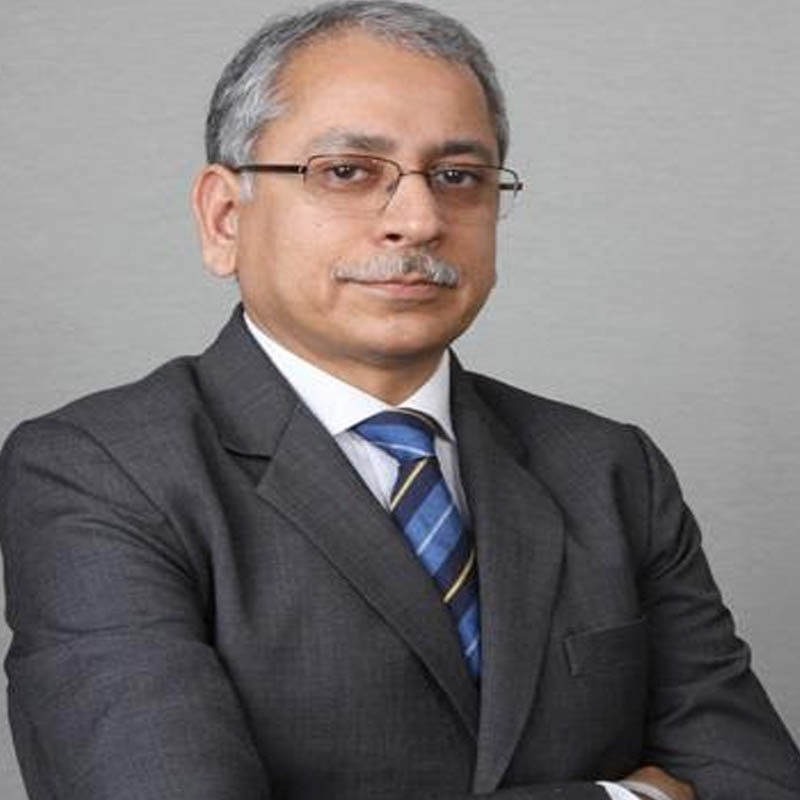
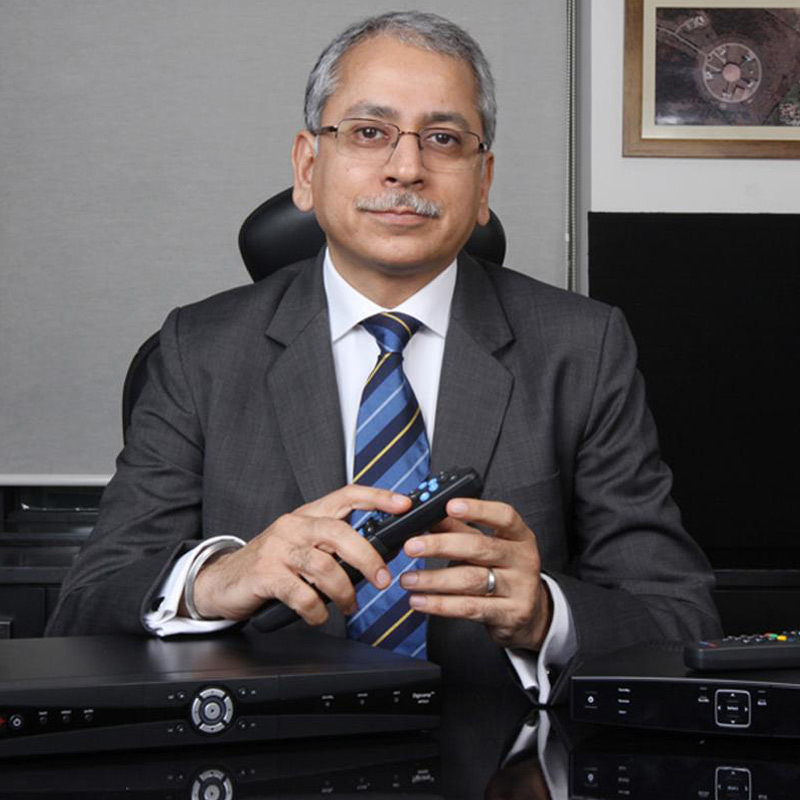
    Harit Nagpal
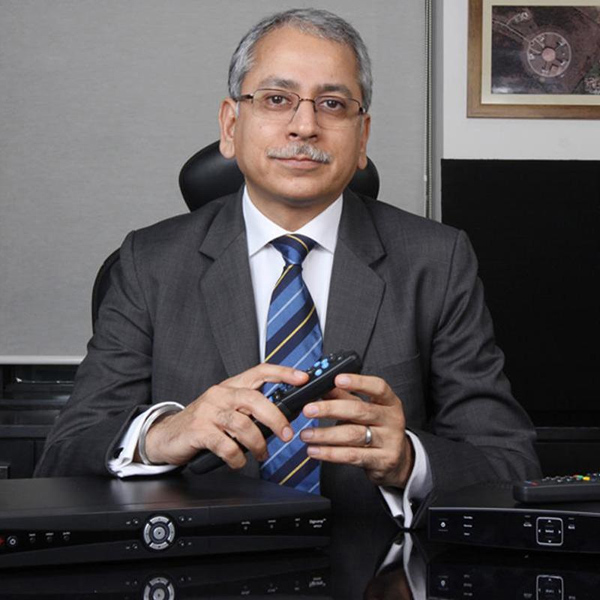
    If there’s one platform that has come out with shining colours in 2019, it is the Harit Nagpal-run Tata Sky. The professional who keeps a razor-sharp eye on consumer experience was quick off the blocks in stitching equitable win-win deals with broadcasters, and then followed that quickly with a campaign educating Tata Sky subscribers on the TRAI mandated New Tariff Order. The DTH platform offered packages and also had its call centre employees well equipped to answer queries. Net result: Tata Sky signed up 3 million active subscribers at a time when other platforms added less than one-third its adds, giving it a 32 per cent market share.   

    Nagpal also came up with new packages serving HD channels then introduced Binge – an Amazon firestick service innovation – delivering OTT apps and special programming to its consumers on one device. It pushed its broadband offering as well, offering competitively priced plans.

    Reed Hastings
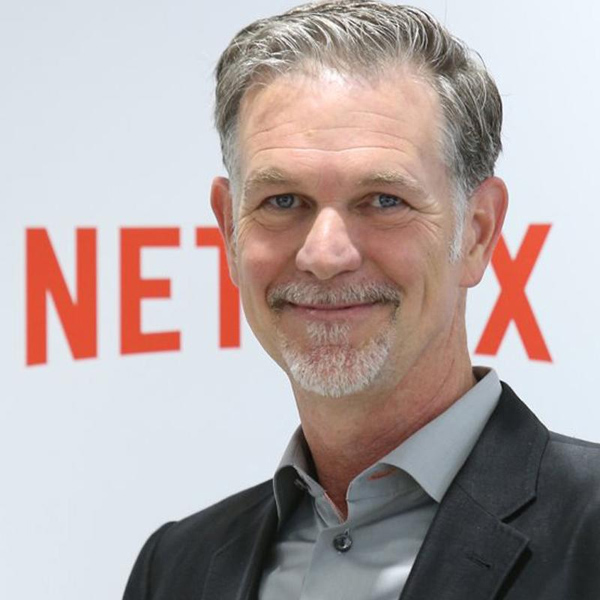
    He is not Indian but has big ambitions on Indians. And it’s his pronouncements and actions which have been excited the creative and production community in India, like elsewhere in the world. For long Netflix big boss Reed Hastings has avowed that the next 100 million customers for the streamer are going to come from India. And he has been putting his money where his mouth is, promising to invest Rs 3,000 crore in India in his latest announcement as the year was ending. Continuing with the localisation drive he lured local creative professionals like Monika Shergill and Aashish Singh in early 2019 to lead digital and film originals respectively. And since then Netflix has commissioned filmmakers of the calibre of Karan Johar and Shah Rukh Khan to produce digital series for the streaming service. A host of filmmakers too are being signed on as it battles competition from the likes of Amazon Prime, and a string of local players. Concerned by the sluggish uptake of subscriptions since it launched three years ago in India, Hastings and team Netflix put in place a mobile-only plan priced at Rs 199 a month. Deals have also been struck with almost every platform to make sure Netflix is easily accessible to those interested in it. 

    Attractive pricing and cutting edge content are the two planks Hastings has put in place. 2020 will decide how much that translates into results and his envisioned goal for India.
  • DTH platforms say NaMo TV a special service, content provided by BJP

    DTH platforms say NaMo TV a special service, content provided by BJP

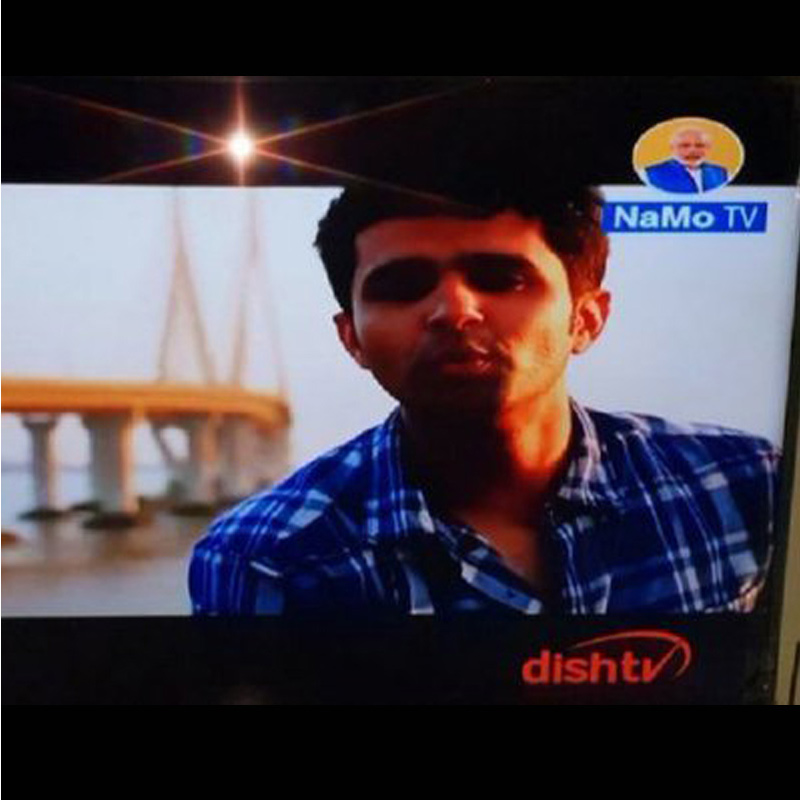
    MUMBAI: Amid controversy surrounding NaMo TV, a channel exclusively featuring content related to Prime Minister Narendra Modi and the BJP, sources within India’s top DTH operators have told Indiantelevision.com that it isn’t, in fact, a standard television channel. While a Tata Sky source said NaMo TV is a “special service with content provided by the BJP” a Dish TV spokesperson described it as an “ad sales-related service”.

    Earlier, a tweet from Tata Sky calling NaMo TV a "Hindi news service" raised several questions. However, that was soon clarified by the company.

    "NaMo TV is not a Hindi news service. If someone in the frontline at Tata Sky has tweeted or said that it is a news service, it is a mistake," Tata Sky CEO Harit Nagpal told NDTV.

    He also added that NaMo TV "does not fall into any genre" and special services do not need a licence.

    Earlier, the Election Commission had sought a report from the Ministry of Information and Broadcasting (MIB) on NaMo TV, which was launched on 31 March.

    Throughout the week, several media reports citing MIB sources said the channel was an advertising platform that didn’t need the ministry’ licence.

    The 24-hour channel borrows PM Modi’s image for its logo and is available on all the major DTH platforms in the country.

  • How Harit Nagpal plans to keep Tata Sky ahead

    How Harit Nagpal plans to keep Tata Sky ahead

    MUMBAI: The DTH sector. What once seemed a lucrative arena has now seen companies getting acquired and merging, the competition being intense . Today, India is the largest DTH market in the world by number of subscribers. As on 30 September 2017, there were 66.99 million active pay DTH subscribers in the country. This does not include subscribers of free DTH services.

    A recent report published in Livemint sees Tata Sky CEO and MD Harit Nagpal stating that DTH has become a completely commoditised industry, like selling coal or steel, as everyone has access to everything today. He said, “If I drop prices, everybody will drop prices. So, there is really no differentiation. The only sustainable differentiation is process-centred, which is largely service. So, your boxes should fail less often, your picture quality should be good, your user interface should be better than anyone else’s, wherever there’s a failure, your response time should be the fastest.”

    Nagpal also revealed that Tata Sky’s current revenue is in the region of Rs 6000 crore where the current run rate (everyday recharge) is worth Rs 20 crore per day. Its revenue and profitability are increasing by 15-20 per cent y-o-y. The DTH player is witnessing subscribers mushrooming by 15-20 per cent every year. 

    Dismissing the general perception that Tata Sky is a premium service, he says that it isn’t so. However, the company has a higher proportion of high definition subscribers who pay Rs 500-600 every month. In the past five years, Tata Sky recorded 60 per cent new subscribers coming in from smaller towns and villages who pay Rs 200-220 per month, which is also a huge amount for them. For a business to be successful there has to be a balance of low, medium and high paying subs, Nagpal told Mint. Too many low-end customers will hamper profit and too many high-end ones will curb growth.

    The merger of Dish TV and Videocon to become India’s number one DTH entity has been of the key highlights of 2018 but Nagpal does not view the situation as a challenge and rather thinks Tata Sky’s numbers are equal to theirs or higher. 

    Cord cutting is a rage in the US with subscriber after subscriber giving up traditional TV services for OTT platforms like Amazon Video, Hulu, Netflix and Youtube. The internet content is either free or significantly cheaper than the same content provided via cable.

    In the US, cable costs $100 per month whereas in India it’s a mere $5. So, when Netflix or other OTT platforms are available at $10 each, a consumer would rather prefer watching the latter. But this won’t be the case in India due to the low pricing. Nagpal is of the opinion that India will never give up on TV even if people get on to watching OTT.

    Tata Sky recently tied up with OTT platforms Netflix, Hotstar, Youtube and Amazon Prime Videos in order to make them available to its subscribers. The DPO  says simply changing the customer premise equipment will allow Tata Sky subs to  receive both the signals—from the satellite and from  broadband, enabling viewers to watch on TV screen, live TV via satellite whenever they want to, and OTT via broadband whenever they want to.

    Nagpal concluded by saying that he does not feel pressure from OTTs since he is in the content business. “My life depends on the customer. I was buying content from broadcasters earlier and supplying it to the customer via satellite. The customer sometimes wants to watch the content of his choice, my job is to fetch that content for him. I am not wedded to the satellite,” he stated.

  • Netflix deal will help in customer retention, revenue enhancement: Tata Sky’s Harit Nagpal

    Netflix deal will help in customer retention, revenue enhancement: Tata Sky’s Harit Nagpal

    Tata Sky MD and CEO Harit Nagpal has been a bit of an early mover in terms of innovation and building a world-class satellite TV operation. Whether it has been in the case of HD or VAS or top-notch customer services, Tata Sky has been driving many of the path-breaking initiatives in the DTH sector. Nagpal announced a major strategic partnership with Netflix under which Tata Sky subscribers will be able to watch the world-class streamer’s on-demand content, including TV shows, films and documentaries, in the coming months through the direct-to-home operator’s platforms.

    Nagpal was in APOS Bali and was on stage for a conversation with MPA’s Vivek Couto. He openly spoke about the reasons behind the Netflix partnership, how it will benefit customers, what it means for Tata Sky and how does he see the satellite TV leader continuing with its leadership status. Sources indicate that Tata Sky is generating close to a billion dollars in revenue from about 15 million subscribers. Excerpts from the conversation:

    Why the Netflix tie-up?

    We don’t look at us as satellite TV platforms, we look at ourselves as the equivalent of grocers in this industry that produce and distribute content. We are a distributor part of the content, depending on the customer, whenever he wants to buy wherever he wants to watch we are privileged to provide him that—that was our thinking.

    Some customers of ours—not all, a very small fraction in India—are having access to good quality broadband, which can carry video. Also, they have the capability of paying for the broadband. And third, they don’t have the time to watch when it is broadcast; they’d rather watch it at their time.

    Who are these customers?

    Unlike the western world, where almost everybody falls in this category, in our country, a very small fraction falls in this group. Fortunately, we are providing linear television services to this kind of customers and today there are about 3.5 million such customers who are paying about $10 plus per month on content in a country whose ARPU is much lower. We have two million of these customers. So, it’s been our endeavour to create a platform. Because the lunch is lying in front of me, I would rather eat it rather than wait for someone else to come and eat it. We met Reed (Hastings) and Bill two years ago at their villa in Bali during APOS. And the rest is history.

    How will you differentiate from other service providers and mobile companies?

    We are going to distribute almost everything but not on-demand content like the mobile guys did. Mobile guys could best take a phone and put in five, six, seven eight apps. We were distributing television very differently. We were going to Sony, Star, Zee, Colors and buying content in bulk but providing it to the customer by genres making content discovery easy. That means if a linear TV customer says I don’t have kids, I like music, I don’t like sports, and I speak Malayalam, then I see no reason why he should not be watching on-demand content in the same way.

    It is my job to get all the content from various sources or on demand platforms and make the content discovery as easy as I have made it on the TV screen. We are giving him probably seven days catch-up TV for what he is subscribing on linear. To that you add Netflix, Amazon, Hotstar, YouTube, and whatever else become the prominent apps. You distribute that content via genre and offer it to him for a little over what he is willing to pay for linear TV.

    Is the Netflix addition mostly about ARPU enhancement in India?

    It’s retention and revenue enhancement. We have noticed that a customer when he gets into one of our services, his inclination to churn reduces. To the extent of around 75 per cent. The moment he gets dependent on a DVR, the 12 per cent churn becomes three per cent churn.

    So one more dependency for another service which is OTT will drive down the churn or deactivation even if it is for a short duration. The premium segment which accounts for 15-20 per cent of our base, there is no more price increases you can take on them and hence grow revenue.

    They are also consuming almost every single genre of content that is there. There is no genre to go into and select. We can lure in these guys by giving him additional services.

    Will the tie-up work against Tata Sky? Don’t you fear competition?

    Competitive intensity is good for the industry especially at the stage we are in. We need more high-quality competition to come into this business. I don’t want to run a monopoly because monopolies become very lethargic and they don’t feed the customer and they don’t grow the industry. At this stage, the more, the larger number of good quality competition that comes in it will keep us on our toes it should be there. It will help get good quality of product to the customer and is welcome.

    It’s not going to be a single platform. It’s going to be a combination. Just like a set top box is HD, DVR, SD and all those kinds of things. It’s going to be low cost to high cost. Even the customer price models will be different. You pay upfront a lot and don’t make me subsidise, you pay less per month. You make me subsidise the equipment, you pay me more per month.

    Has not the pay TV market slowed down in India? What about free to air?

    Deceleration is not happening. First of all the pay TV mass in India was not growing. What was happening was the transition from analog cable to digital platforms. If you look at the last five or six years, the pay TV base has not grown tremendously. 50 million people we have migrated from cable TV to DTH. That was growing at a pretty fast pace earlier. In the last two years, it slowed down. First year was because of free to air (FTA). We licked that problem in May last year. And since that the FTA growth has been curbed.

    There has been a lack of competitive intensity amongst the DTH competitors in the last one year. Primarily because a couple of them were busy panning out the merger and they were not participating in the competition in the market. Which has probably led to the slowing down of migration from cable TV to DTH. It’s a momentary thing, I guess. It’s going to come back.

    We don’t treat FTA as competition. FTA is a good thing. FTA provides me a pool from which I can source customers from. Because the customer does not buy a TV and decide to pay subscription simultaneously. He first buys it as subscription is going to be free. Then some of them upgrade to a paid service and that’s the pool we can tap into.

    Where do you see growth coming from?

    I see growth coming from phase IV. Two thirds of India lives in phase IV. They

    live in small villages which have 50 and 100 households. Drawing a cable to that village is uneconomical. If the cable operator who was serving those 150 households, if he loses 50 households then serving the balanced left-over subs become uneconomical.

    Will the march of the telcos like airtel, Jio, Idea Vodafones into content and distribution also impact your business?

    I welcome the telcos getting into the content business because it will keep the addiction to content alive. Compare it to the time when we only had land lines, we talked for 200 minutes a month. And we added mobiles, we are talking for 600 minutes a day. Because I am not restricted to my sofa and talking. I can be in the car, on the road, in the loo, wherever. Similarly, if I am restricted to my living room, then there are chances of addiction not become addictive enough.

    If I have the option I am watching something on the phone then I come back and again watching it on the TV, the addiction will stay. So, it’s additive not subtractive. And nobody has watched content on a six-inch screen if a 42-inch was available in front of him. You will watch it if the remote is taken from you by your wife or the kid, you will watch it on the mobile sitting in the same room: I am not deprived of the content I want to watch.


  • Tata Sky partners Irdeto to secure content

    Tata Sky partners Irdeto to secure content

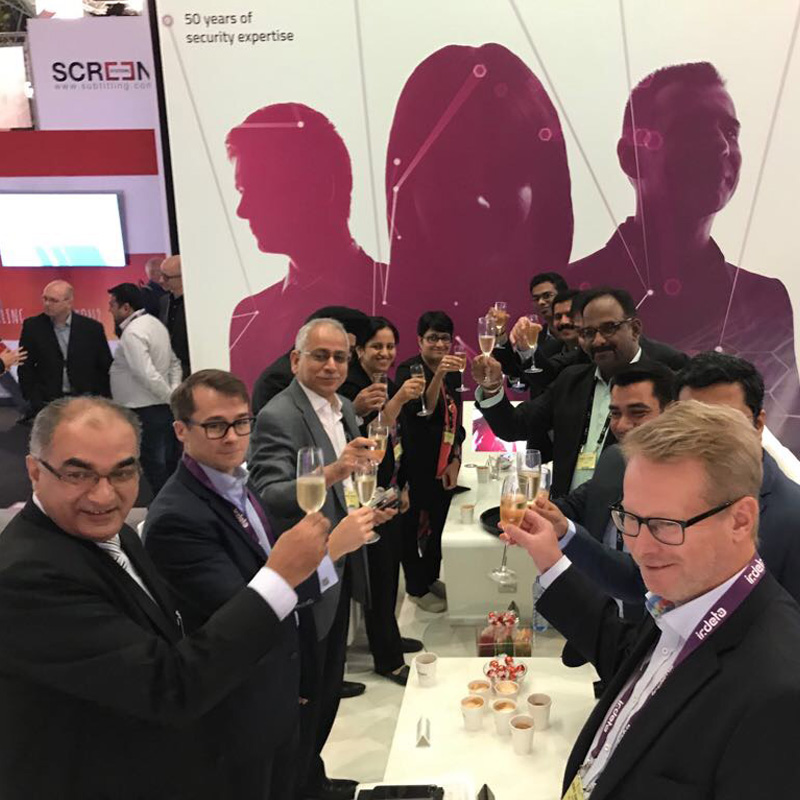
    MUMBAI: Tata Sky has signed a deal with Irdeto to ensure the safety of the DTH operator’s content relayed to any device across its satellite and over-the-top (OTT) platforms. The company will be implementing Irdeto’s Cloaked CA and middleware technologies for better customer experience.

    Tata Sky MD and CEO Harit Nagpal said, “At Tata Sky, we are committed to providing our customers with the most innovative video services across satellite and online platforms in India. To provide consumers with greater choice and convenience, we need a security partner that gives us the freedom to innovate without fear. In Irdeto, we are working with a strong security partner with a forward-looking approach and future-proof solutions. This enables us to continue innovating our solutions and services while giving us the peace of mind that our content is secure.”

    Irdeto will manage the planning and deployment of the project for Tata Sky to seamlessly integrate security technology with third-party solutions. Cloaked CA is a conditional access system for broadcast and IPTV operators. It reduces the need for a smart card and reduces cost and complexity.

    “We are honoured to be selected by Tata Sky as their long-term security partner for Conditional Access and Middleware,” said Irdeto CEO Doug Lowther.“This deal further reinforces Irdeto’s commitment to the dynamic and fast-growing media market in India and we are excited to continue working with Tata Sky to help them meet their business goals.”

    Also Read :

    Tata Sky and Irdeto tie up, OTT service launched on Android devices

    Tata Sky offers Reliance DTH consumers migration deal, Dish TV too in play

    Tata Sky deploys DataMiner to improve customer experience

  • Tata Sky partner QYOU achieves 100-mn reach milestone

    Tata Sky partner QYOU achieves 100-mn reach milestone

    MUMBAI: Digital-first generations have grown up on an appetite of online video and flock to popular platforms such as Snapchat, YouTube, and Facebook. According to eMarketer, 54 per cent of 18-34-year-olds use YouTube every day, and this number is only expected to increase — phenomenally.

    There is also a growing appetite for short-form online video in developing markets, where viewers are often mobile-first.

    QYOU Media, a curator of ‘best-of-web’ video for multiscreen distribution, has announced that its programmes and linear channels reach an addressable audience of more than 100 million consumers across six continents. The company’s rapidly expanding reach demonstrates a growing appetite for millennial-programming globally.

    This year, QYOU launched the new TBD multicast network in the US with Sinclair Broadcast Group, which brings curated digital-first shows and series to TV audiences for the first time.

    The company has also signed the largest deployment of its QYOU channel to date with an expansion of its partnership with Tata Sky Sky in India, bringing QYOU’s programming to its mobile, TV, and on-demand services. The company continues its push into these larger markets with localised content partnerships adding value to the offering for consumers, distributors, and advertisers.

    As more mobile operators, broadcasters, and content owners seek to target the youth, QYOU’s 24/7 linear channel and creation of its bespoke shows have been in demand.

    In the first half of 2017, QYOU signed a total of eight distribution agreements extending the reach of its content in Europe, the Middle East, Africa, Asia, Australia, Latin America and the US, as well as launching its content into new regions such as Sub-Saharan Africa and the Caribbean. QYOU is distributed to cable and OTT services run by Tata Sky, Vodafone, T Mobile and Telenor, etc.

    QYOU Media CEO Curt Marvis says: “Q4 of 2017 will see us extend our reach even further across Asia and Europe. Our programming is now available to more than 100 million customers across six continents, from the most densely populated urban cities on earth to remote mining sites in outback Australia.”

  • Tata Sky deploys DataMiner to improve customer experience

    Tata Sky deploys DataMiner to improve customer experience

    MUMBAI: Tata Sky has an impeccable reputation as being best in class in the area of customer services, tech and offerings. It has constantly been investing in tech and customer service to stay ahead of the curve as compared to rivals – Freedish, DishTV-Videocond2h, SunDirect, Airtel Digital and Reliance Big TV.

    Now the company, led by Harit Nagpal, has taken another step in that direction by deploying the DataMiner NMS/OSS (network management system & operations support system) to manage its direct-to-home (DTH) operations for both its pay TV and OTT services.

    DataMiner is a global leader in end-to-end multi-vendor network management and OSS software solutions for the broadcast, satellite, cable, telco and mobile industry. Its NMS/OSS is deployed with a majority of DTH, satellite and service providers worldwide. Its customers include: Gazprom, MTS, France Television, Megacable, Mulitchoice, KPN, Immarsat, Singtel, ABC and many more.  The company is a part of the Skyline Communications group.

    The core of the DataMiner system is a cutting-edge multivendor protocol engine, enabling integration of any device or system from any vendor, regardless of its interface or protocol. In fact, it is already integrated with over 5000 devices and systems from more than 600 key industry suppliers, which represents by far the largest third-party integration deployment available in the industry.

    The objective of Tata Sky, one of the first companies in India to launch multiple products and services, is to connect to the best content in the world on any budget, any screen, anytime and anywhere. And the Dataminer solution offered that.

    Says Tata Sky chief technology officer Yigit Riza: “Tata Sky has invested in the best-of-breed technology infrastructure to ensure maximum uptime, reliability and scalability. Software applications such as CRM, billing and ERP are deployed in a clustered environment, which not only ensures high availability, but also enriches the experience of our subscribers.”

    “The DataMiner Platform at Tata Sky offers one-screen access of the entire operation, including content acquisition and compression platforms across different vendors and technologies. The unified view enables users to easily access and configure services. DataMiner is also scalable, so we can add other equipment and systems in the near future, related to the RF platform and OTT platform,”  adds Skyline Communications regional account manager- south Asia & middle east Pramod Gupta.

    Gupta points out that DataMiner will help the DTH operator’s engineering room restore services as quickly as possible, either through automatic service redundancy switching or through operator-initiated switchover.

    “Moreover, any embedded switchover functions in the network infrastructure can be integrated in DataMiner. DataMiner automation is versatile and adapts optimally to the operational environment. The tailored failover automation engines decrease the mean-time-to-repair to the absolute minimum for every failure scenario,” Gupta says.

    For a customer like Tata Sky, this means it only need to invest in one NMS platform, instead of multiple proprietary and closed systems. End-to-end service orchestration and monitoring is at the heart of the platform.

    With the number of channels as well as its in house VAS services  increasing regularly,  the company believes  DataMiner will help it maintain or improve the QoS service it is reputed to deliver.

    ALSO READ :

    TRAI QoS implementation stayed by Delhi HC awaiting Madras HC verdict

    Tata Sky introduces Blogbuster

    DTH subscriber addition disappointing in calendar 2016

  • After Star, Tata Sky all set to challenge TRAI tariff: Harit Nagpal

    MUMBAI / NEW DELHI: Finally, after a wait of around seven months after it was first notified and then re-notified on 3 March, the tariff order for digital addressable system has come into effect today – but implementation may take some time after overcoming some stumbling blocks.

    Even as the petition filed by Star India and Vijay TV on the ground that the Telecom Regulatory Authority of India cannot regulate content which falls under the Copyright Act 1957 is pending hearing in Madras High Court, direct-to-home platforms are expected to pose a major challenge to its implementation.

    Primarily, the problem occurs because all stakeholders will have to abide by the rates fixed by the broadcaster according to the new tariff order.

    The DTH players are agitated not only with the fact that they pay over 85% of the service tax and entertainment tax in the digitised universe, but the fact that their liberty to make their own bouquets may be taken away with the broadcasters having the say in fixing rates for individual channels.

    Tata Sky CEO Harit Nagpal has confirmed to indiantelevision.com that it is moving the Delhi High Court against TRAI on the tariff order. As it is one of the largest among the six private DTH operators, the approximately Rs 50-billion Tata Sky may be joined by other players.

    Tata Sky had designed packages as per genre so as to make it smoother for the customer but may now have to change these bouquets/bundles as the new order directs the DTH operators to offer channels on an à la carte basis and then link them to the bouquet price.

    There are several conditions in the new order as to how the channels could be priced in a bunch, and individually, Nagpal said. If one aspires that consumers are going to use an app and order a channel that may not take place in the Rs 58000-crore television industry.

    Consumers in India would expect the salesperson to answer their specific queries before they subscribe. Nagpal said it costs Tata Sky around Rs 200 to successfully close one subscription as a call centre call costs Rs 7 a minute. Tata Sky’s margin is Rs 60,which is 20 per cent of Rs 300 — the average revenue from each subscriber. Tata Sky apprehends going out of business taking into consideration the cost of handling calls, and the lowly profits.

    The platform which claims around 12.08 million active subscribers has explained all points in detail to TRAI, but to no avail. The new order has been notified, and it’s too complicated to enlist channel pricing on the website as expected, Nagpal said.

    Nagpal said, ideally, the purpose of the government should be to achieve absolute digitisation and transparency by streamlining the ties between the MSOs and LCOs.

    The cable operators have in so many years failed to offer tiered packages, even at the genre level. With the aim of making the category fully transparent, it needs to switch to prepaid so as to make sure the MSO acts similar to DTH operators that collect money in advance.

    At the lowly margin of 20%, the Tata Sky executive said it was not encouraged to innovate in terms of providing Interactive services, HD, DVR and on-demand services, etc. He said the tariff order was not implementable, and this would be proved before the Delhi High Court in the case being filed this week.

    The new carriage fee structure that has been proposed made channels serving smaller group or communities non-profitable. The Tata Sky CEO said he failed to comprehend why a channel would pay a fee to be carried on a platform.

    Owing to its transparency and qualified processes, the company that is best equipped to implement the new TRAI order was Tata Sky, Nagpal believed, but added: “If Tata Sky is unable to implement it, none can.”

    India is one of the cheapest market for cable television entertainment even when one compares it with similar per capita Asian nations such as the Philippines and Indonesia US$25 per month, whereas consumers in India pay around US$5-6.

    TRAI had first come out with a draft tariff order in October 2016 but was embroiled in the case in Madras High Court which had initially directed status quo. Later, TRAI had issued the orders on 3 March after getting the green signal from the apex court even as the broadcasters’ case was pending in the High Court.

    Apart from the Tariff order which had originally been issued on 10 October last year, the regulator also issued the DAS Interconnect Regulations which had been issued on 14 October last year, and the Standards of Quality of Service and Consumer Protection (Digital Addressable Systems) Regulations which had been issued on 10 October last year.

    Also Read ;

    Decks cleared for TRAI tariff order implementation as HC declines stay (updated)

    No advancing of Star India hearing in TRAI tariff case: SC

    Upload channel capacity & RIO immediately, AIDCF urges MSOs

    Active DTH subscriber growth subdued in Oct-Dec’16 quarter


  • ‘Vardah’: Cables uprooted; antennae warped: Chennai MSO, DTH most affected

    ‘Vardah’: Cables uprooted; antennae warped: Chennai MSO, DTH most affected

    MUMBAI: It seemed that the month of December was not so favourable for the Indian state Tamil Nadu. We can recall that, last year, Tamil Nadu was badly affected by floods which caused damages to the tune of around Rs 9000 crore and hundreds of deaths. The more recent catastrophe is the cyclone Vardah, an intense storm to have hit the state again, which left at least 12 dead in TN and Andhra Pradesh.

    According to news reports, the severe cyclonic storm affected electricity, communication lines and put rail, road and air traffic in disarray as it crossed the coast, pounding Tiruvallur, Chennai, and Kanchipuram with heavy rain and squall.

    Also Tamil Nadu, being a broadcasting hub was badly affected by the calamity. Not only the broadcast industry but the MSOs, LCOs and DTH players too were terribly hit by the cyclone.

    Speaking to Indiantelevision.com, Raj TV vice-president programming and production vice-president Amit Bose said, “No one could do much to ease the situation because of power failure and heavy roadblocks due to uprooting of trees throughout the city. Internet and phones were out of system, and hence communication and mobility were affected.

    Bose added, “Productions were disrupted and TV viewing was not possible for the people of Chennai. DTH and cable connections were thrown out of gear and even for the people who had inverters and cable homes deserted on a powerless mode. Power backups could not sustain for a long time. This calamity might have affected Chennai’s viewership more than rest of the markets. On the whole, I apprehend the broadcasters, MSOs and viewers suffered the most.”

    Polimer TV creative consultant Mathivannan Raju said, “Failure of power is the major issue right now. Also, the antennae of houses with a DTH connection have been destroyed, and there is no way to watch television. The issue is on the path to rectification.”

    Raju added, “Of course, viewership will be affected due to the unfortunate event, which will eventually affect revenue as well but it is something beyond control. As this wasn’t our strategic plan, I am unsure how its actual impact on revenues. But, the MSOs and DTH industry has been majorly affected.”

    Commenting on the cable industry, Raju said, “At present, cables used for delivering television content have been washed away in Chennai. Almost 99 per cent cables switched off. To recover the lost ground, we need to establish the complete network again. Most of the dish antennae that MSOs had installed have been dislocated, and we need to reinstall them.” “Moreover, on the LCOs front, cables from their office to the consumer’s houses/offices have been eroded. Most of the fibre cable severed into pieces; a new network of cables will now be required,” Raju lamented.

    On the MSOs front, Chennai Metro Cable Operators Association general secretary MR Srinivasan said that there was a short supply of fibre cable and other equipment; that’s another problem that the cable industry was facing. In next 10-12 days, the association believes, everything will come to normal.”

    As there was negligible electricity in the state, Srinivasan said, it was difficult to check whether DTH antennae were working properly.

    From 15 December, the electricity will hopefully be reinstated; and only then people will come to know about the actual conditions vis-a-vis entertainment. With 120 km of wind speed, the antenna might have dislocated from their places, they need to be realigned.

    On the DTH front, Tata Sky CEO Harit Nagpal said that the cyclone had not affected the DTH industry in any way. The dish antennae at the residences of some subscribers might have tilted because of the strong winds, and this might have had temporarily affected reception, but this was set right by the subscribers themselves, and so there were no complaints of any disruption.

    Another MSO from Chennai informed that it would take another week for the cable industry to get to normal functioning in Chennai and other parts of the state. The state and local government will step in to clear fallen trees and restore wires.

  • ‘Vardah’: Cables uprooted; antennae warped: Chennai MSO, DTH most affected

    ‘Vardah’: Cables uprooted; antennae warped: Chennai MSO, DTH most affected

    MUMBAI: It seemed that the month of December was not so favourable for the Indian state Tamil Nadu. We can recall that, last year, Tamil Nadu was badly affected by floods which caused damages to the tune of around Rs 9000 crore and hundreds of deaths. The more recent catastrophe is the cyclone Vardah, an intense storm to have hit the state again, which left at least 12 dead in TN and Andhra Pradesh.

    According to news reports, the severe cyclonic storm affected electricity, communication lines and put rail, road and air traffic in disarray as it crossed the coast, pounding Tiruvallur, Chennai, and Kanchipuram with heavy rain and squall.

    Also Tamil Nadu, being a broadcasting hub was badly affected by the calamity. Not only the broadcast industry but the MSOs, LCOs and DTH players too were terribly hit by the cyclone.

    Speaking to Indiantelevision.com, Raj TV vice-president programming and production vice-president Amit Bose said, “No one could do much to ease the situation because of power failure and heavy roadblocks due to uprooting of trees throughout the city. Internet and phones were out of system, and hence communication and mobility were affected.

    Bose added, “Productions were disrupted and TV viewing was not possible for the people of Chennai. DTH and cable connections were thrown out of gear and even for the people who had inverters and cable homes deserted on a powerless mode. Power backups could not sustain for a long time. This calamity might have affected Chennai’s viewership more than rest of the markets. On the whole, I apprehend the broadcasters, MSOs and viewers suffered the most.”

    Polimer TV creative consultant Mathivannan Raju said, “Failure of power is the major issue right now. Also, the antennae of houses with a DTH connection have been destroyed, and there is no way to watch television. The issue is on the path to rectification.”

    Raju added, “Of course, viewership will be affected due to the unfortunate event, which will eventually affect revenue as well but it is something beyond control. As this wasn’t our strategic plan, I am unsure how its actual impact on revenues. But, the MSOs and DTH industry has been majorly affected.”

    Commenting on the cable industry, Raju said, “At present, cables used for delivering television content have been washed away in Chennai. Almost 99 per cent cables switched off. To recover the lost ground, we need to establish the complete network again. Most of the dish antennae that MSOs had installed have been dislocated, and we need to reinstall them.” “Moreover, on the LCOs front, cables from their office to the consumer’s houses/offices have been eroded. Most of the fibre cable severed into pieces; a new network of cables will now be required,” Raju lamented.

    On the MSOs front, Chennai Metro Cable Operators Association general secretary MR Srinivasan said that there was a short supply of fibre cable and other equipment; that’s another problem that the cable industry was facing. In next 10-12 days, the association believes, everything will come to normal.”

    As there was negligible electricity in the state, Srinivasan said, it was difficult to check whether DTH antennae were working properly.

    From 15 December, the electricity will hopefully be reinstated; and only then people will come to know about the actual conditions vis-a-vis entertainment. With 120 km of wind speed, the antenna might have dislocated from their places, they need to be realigned.

    On the DTH front, Tata Sky CEO Harit Nagpal said that the cyclone had not affected the DTH industry in any way. The dish antennae at the residences of some subscribers might have tilted because of the strong winds, and this might have had temporarily affected reception, but this was set right by the subscribers themselves, and so there were no complaints of any disruption.

    Another MSO from Chennai informed that it would take another week for the cable industry to get to normal functioning in Chennai and other parts of the state. The state and local government will step in to clear fallen trees and restore wires.