Tag: Hariom Seth

  • How AR & VR are revolutionising the advertising landscape

    How AR & VR are revolutionising the advertising landscape

    In the digital age customers are continuously bombarded with ads. This has led to customers purposely ignoring them reducing their efficacy. How can marketers then connect with their target audience? The answer is simple, to not just display ads to the customers but make them a part of it. Augmented reality (AR) and virtual reality (VR) are a couple of ways to do so. Digital assets are either superimposed on top of the real world as in augmented reality or create a completely exclusive virtual world as in VR.

    These engaging and immersive experiences not only deliver the brand message but build a strong positive bond with their target audience. They have become mainstream and have numerous benefits to leveraging them in advertising.

    1. Deeper engagement with customers – as the attention span of people is on the decline, brands are forced to think of creative ways to advertise. AR/VR campaigns immerse the customer into the brand’s world increasing the time spent by the customer with the brand.

    2. More convincing – While traditional ads are considered intrusive and are being ignored, AR/VR are considered as storytelling mediums and have higher convincing power. Making it ideal for e-commerce brands to sell their products online since studies suggest that AR experiences boost impulse buys and online shopping in general.

    3. Better data driven insights – Since the customers will be spending more time experiencing the AR/VR campaigns it will be easier for brands to not just collect customer data but gain insights into their target audience’s preferences. They can study their behaviour and customise their campaigns based on those insights for optimal results. These insights help brands build better personalised experiences.

    4. AR/VR powered by AI – while AR/VR themselves are powerful advertising tools, their implementation with AI has led to improved performance of ads and data analysis. Computer vision and machine learning has enabled marketers to automate email marketing, social media campaigns, and content creation but also study facial expressions, emotional response, sentiment analysis and attention of the customer to brand products. Computer vision and machine learning can enable gesture-based control and feedback. Leading to the creation of personalised and adaptive AR/VR experiences. AI based plugins such as ConvAI adds human-like conversational capabilities to characters in the virtual worlds. There are attempts made to incorporate edge AI to AR/VR experiences to reduce latency and improve real-time performance.

    While there are several advantages to AR and VR experiences within the advertising space a few drawbacks might impede their adoption.

    1. Cost – developing AR/VR experiences can be cost-intensive especially for smaller businesses. Limiting the access to these technologies to brands with deeper pockets.

    2.  Error in perception – While digital assets within the AR/VR experience might help customers become acquainted with the products they will not be exactly the same as the real product and may lead to errors in perception. For example a real estate property in VR might feel very different in real life when the customer is in the actual space.

    3. Difficulty in integrating AI into AR/VR experiences – VR experiences especially need to be optimised for performance, keeping in mind the frame rate, latency and resolution. AI computation is resource-intensive and relies on remote cloud servers. This can slow down the AR/VR experiences turning a delightful experience to frustration for the end user. Moreover testing AI models in the AR/VR environment takes additional time and resources to test its effectiveness.

    The article has been authored by Tagglabs founder Hariom Seth.

  • Generative AI and the future of brand storytelling

    Generative AI and the future of brand storytelling

    Mumbai : Brand storytelling is a powerful tool leveraged by marketers to communicate their brand’s values, identity, history and purpose. Marketers see GAI as a productivity booster in brand storytelling, enabling one-to-one personalised experiences and dynamic messaging. According to a SAP report, 48 per cent of companies leverage generative artificial intelligence (GAI) for their marketing and sales content. This illustrates the importance of GAI in enhancing marketing strategies and consumer engagement, improving customer experience, loyalty, and firm performance.

    GAI has the potential to create content at scale and even real-time, helping brands maintain a consistent and dynamic presence on multiple platforms. These tools often are easy to use especially by users belonging to a non-technical background. Large brands like Vistara, Zomato, Coca cola, BMW etc. have employed AI in the creation of ads for various marketing channels like billboards, social media and events. Companies like Netflix and Amazon are leveraging GAI to curate personalised recommendations and experiences, effectively turning each customer interaction into a unique storytelling opportunity.

    By analysing engagement patterns with AI-generated content, brands can also gain deeper insights into customer preferences and behaviours, further refining their storytelling strategies. Also, the scale at which content is generated, brands can rapidly experiment with different storytelling approaches and monitor their effectiveness to select the best suited story. GAI is also being used in engaging customer experiences at events, experience centres and museums. Museum of Modern Art (MoMA), New York uses AI to enhance their visitor experience by analysing visitor behaviour and experiences. BMW teamed up with an agency to project AI content on their BMW 8 series Gran Coupe. The algorithm was fed with 50,000 images and artwork spanning 900 years.

    Some researchers believe that there is a need for more empirical studies to quantify the benefits of GAI in storytelling. The research should focus on measuring the impact of GAI on key marketing metrics such as customer engagement, conversion rates, and campaign effectiveness. These studies will also initiate the development of best practices for implementing GAI in marketing.

    While more small to medium companies are enthusiastic about adopting GAI there are a few barriers to the absolute adoption of GAI.

    ●   Cost – The enterprise version of most GAI services charge monthly or annually which can be a hindrance for small companies in developing countries.

    ●   Data privacy – Employing GAI on large scale projects collects proportionally large amounts of consumer data, raising privacy concerns and regulatory challenges.

    ●   Lack of skilled workforce – Since it is a fairly new field of work, there is a dearth of skilled professionals in AI and data science who can develop and manage GAI systems.

    ●   Quality control – Images especially videos generated by AI can be unpredictable as there is a lack of quality control on visual content. Often correcting mistakes made by AI in images and videos can take more time than creating them from scratch.

    Although, GAI is great to enhance the creative process for creators and designers, potentially streamlining brainstorming and simplifying development stages. IT cannot entirely replace the need for human generated content. AI on its own is not good enough to develop the entire brand story. It is only a tool that requires more experimentation and study on its effectiveness. As the technology evolves, it is certain that newer innovative ways of leveraging it will develop.

    The article has been authored by Tagglabs founder Hariom Seth.

  • Enhancing customer experience through AI-driven chatbots & virtual assistants

    Enhancing customer experience through AI-driven chatbots & virtual assistants

    Several businesses are adopting AI-driven chatbots and virtual assistants as there are proven benefits of their use in customer service. These services function 24×7 and are highly cost-effective. Since they are AI-driven, they offer personalisation options as well and can thus prove to be more effective and engaging. There are reports of certain customers who find AI chatbots highly frustrating to use for complex problems and prefer human customer service. Yet, for a majority of businesses, the plethora of benefits outweigh the few negatives. The various benefits are as follows:

    1. Scalable and cost-effective – AI chatbots can handle multiple queries simultaneously, reducing wait time and managing spikes in customer demand. This efficiency and scalability reduce customer frustration while dealing with certain predefined, routine tasks.    

    2.  Enhanced customer service and experience – unlike legacy chatbot, AI assistants and chatbots provide customised support in real-time 24×7. This prompt query resolution can lead to higher customer satisfaction.

    3.  Reduction in human error and enhanced accuracy – chatbots integrated with CRMs and knowledge bases, providing accurate information about their customers and business products and services. Making them an excellent choice for routine queries and FAQs.   

    4. Multilingual support – AI chatbots and assistants are trained on a vast dataset of multiple languages. NLP (natural language processing) algorithms can convert text from one language to another enabling them to assist a broad base of customers.

     5.  Flexibility – These bots can be integrated into multiple platforms such as websites, apps, social media enabling them to assist customers any and everywhere.

    As mentioned above, most businesses deploy AI chatbots for personalization. However, at times they fail to deliver the level of personalization they were deployed for. This can lead to customer frustration and customer loss. Therefore, businesses maintain a good balance between AI chatbots for routine assistance and human customer service for more complex tasks. Many businesses integrate these chatbots with CRMs (customer relationship management), which serve as the centralised repository for customer engagement. This integration raises issues regarding data privacy and responsible use of customer information. Thus, AI-driven chatbots and virtual assistants emphasise the need for not just tech-driven solutions for businesses but also its collaboration with human support.

    The article has been authored by Tagglabs founder Hariom Seth.

  • The devastating impact of data breaches on brand reputation

    The devastating impact of data breaches on brand reputation

    Any company handling data is susceptible to data breaches. IBM in 2023 conducted a study of 553 companies on the cost of data breaches, according to which a majority of organisations within the study had at least 1 major data breach in the past year. Healthcare was the most affected industrial sector by cyberattacks. Studies by sources like PwC have stated that data breaches are among the top reasons that ruin a brand’s image and have multifaceted repercussions, causing legal and financial setbacks as well. These studies also revealed that apart from external cyber attacks employees too were responsible for the accidental leakage of information.

    The main targets for such cyberattacks tend to be small and medium-sized companies since they are easy to penetrate by hackers. As small companies spend the least on cybersecurity they tend to be the most affected sector by cyber attacks. Certain small companies such as Code Spaces had to shut down due to heavy financial losses.  

    Data breaches shatter trust

    Studies have revealed that customers affected by data breaches stop doing business with the brand and may inform others about their negative experience resulting in some customers venting out on social media. Customers know that their information and once their data is breached, they are likely to move towards working with the competitor instead. A customer losing trust in a company is the most devastating and long term setback for that company. Therefore, the affected company must comply with data privacy and compliance regulations in order to build and nurture trust with their customers. Companies should even highlight their data protection policies and infrastructure to acquire new customers and strengthen trust with current ones.

    Cause financial loss

    Financial loss is the immediate and hard-hitting consequence of data breaches. The direct cost can include compensating customers, upgrading cybersecurity infrastructure, regulatory penalties and legal fees. Indirect financial loss includes the stock prices of the company plummeting post cyberattack. This usually happens since the sentiment towards the company changes and investors too are sensitive to the public perception of the company. Data breaches can significantly erode an investor’s confidence. A very popular example of share prices plummeting after a data breach is of Verizon acquiring the affected company Yahoo for a price $350 million cheaper after Yahoo suffered a data breach.

    Public scrutiny

    As mentioned earlier disgruntled customers might vent out on social media or even approach media houses to expose companies that suffered a data breach. News can spread fast making the company global news. Journalists make sure they dissect each and every detail about the data breach case and find the root cause and culprits behind it. IT becomes extremely difficult for companies to hide details in such situations and must have a plan ready to face these information hungry journalists. They need to be swift with regular updates on the situation and be upfront and transparent about the entire situation. They must leverage multiple media channels and take responsibility of their actions.

    What can be done?

    The best solution for cybersecurity is to prevent it all together. In order to do so a company must have a dedicated CIO chief information officer and a CISO chief information security officer who can take the responsibility of cybersecurity, build a long-term strategy, and lead a team of cybersecurity specialists. This builds a strong cybersecurity posture of the organisation and builds a culture prioritising cybersecurity. This will lead to each employee being mindful of various breaches and reduce accidental leakages. The short-term impact mentioned above is indeed devastating but long-term impact should also be mitigated such as loss of competitive advantage, reduction in credit rating, and increase in cyber insurance premiums. This can only happen when the entire organisation is part of the long-term cybersecurity mindset.

    The article has been authored by Tagglabs founder Hariom Seth.

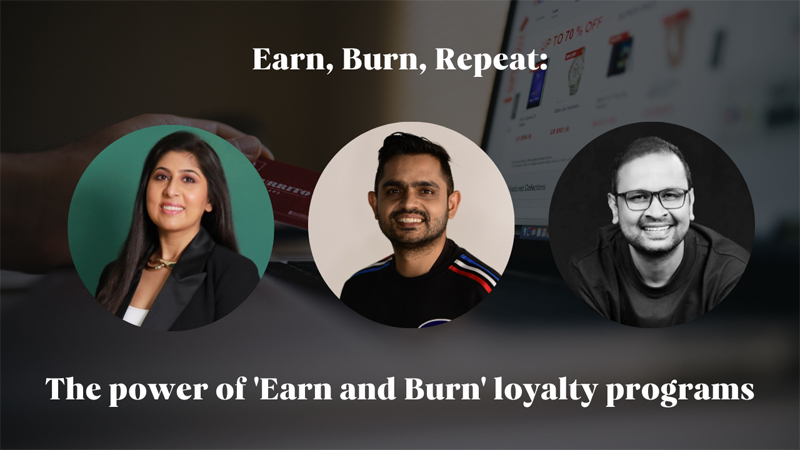
  • Earn, burn, repeat: The power of ‘Earn and Burn’ loyalty programs

    Earn, burn, repeat: The power of ‘Earn and Burn’ loyalty programs

    Mumbai: In an ever-evolving digital world, driving customer loyalty is crucial for business success. One effective strategy is the “earn and burn” loyalty program. This simple yet effective approach rewards customers with loyalty points for each purchase they make, which they can then redeem for exclusive rewards, discounts, and other perks.

    Also known as point-based transactional programs, Earn and Burn encourages repeat business by offering tangible benefits for customer engagement. From supermarkets and hotels to e-commerce and fitness centers, various industries have adopted this model to enhance customer retention, gather valuable data, and gain a competitive edge.

    To know more about this loyalty program, Indiantelevision.com has gained insights from some of the visionaries on:

    1   How has the concept of ‘Earn and Burn’ loyalty programs evolved and its difference from other loyalty program models such as tiered membership or cashback rewards?

    2   How has technology played a role in facilitating the earn and burn process today compared to earlier implementations?

    3   What challenges has your company faced in implementing and managing earn and burn programs, and how have they addressed these challenges?

    Thriwe co-founder and chief strategy officer Swati Sharma

    There has been a distinct change in the traditional ‘Earn and Burn’ loyalty program models, and today it offers more innovative benefits. Initially, these programs only awarded points for purchases. Today, they also reward actions like followings on social media and writing reviews, which fosters significant engagement.

    These programs promote quicker point redemption, benefiting businesses. Earn and Burn programs are simpler than tiered memberships that offer increased rewards based on spending levels – such as silver, gold, and platinum tiers. They emphasise personalisation, repeat visits, and quick point redemption with various options tailored to different demographics and regions, rather than cashback programs that merely return a percentage of spending with limited reward options.

    In short, the focus of Earn and Burn programs has shifted from merely earning points to enhancing engagement and incorporating gamification.

    Technology has transformed the ‘Earn and Burn’ programs. Purchases and activities are now tracked through digital transactions and apps, granting points instantly. Customers can even earn rewards for social media followings and reviews! With data, one can tailor promotions and rewards to the consumer preferences, and mobile apps make redeeming points easy. This transformation makes the entire process faster, smoother, and more personalised.

    I can tell you that implementing an ‘Earn and Burn’ program is an exciting act. The rewards must be appealing enough to drive point accumulation, but not so luxurious or exclusive that they go unused. Detailed customer data is crucial for optimizing the program and is required to be collected from the start. Simplicity is significant because a complicated program could be off-putting. Advanced security is also necessary to protect against hackers. By offering lucrative rewards, implementing clear communication, data analysis, and advanced security, an Earn and Burn program can be mutually beneficial for both the customers and the merchants.

    Tagglabs founder Hariom Seth

    The earn-and-burn loyalty program is the one with the little barrier to entry. This is one of the oldest loyalty programs that has existed. Initially, this was simple with customers receiving points for their purchases which could be later redeemed for a discount. Now it is not just used in retail but by airlines, and hotels and are customised to suit each sector. With the advent of data analytics loyalty programs have become extremely sophisticated. In the case of earn and burn this reward system is being made more interactive and easier to redeem using data analytics. This loyalty program is deepening the company’s customer relationship by individualising the reward system and making it more customer-centric.

    Earlier, spending money to earn points and to redeem them only once a threshold of points was achieved leading to low customer engagement. Also, in the age of instant gratification, this loyalty program was considered slow since the customers had to wait for a certain number of points to accumulate for them to redeem. Currently, data analytics, gamification, and AI is being used in various loyalty programs. This enables the creation of ecosystems for the customer where they can track and redeem their loyalty points across various platforms.

    POP founder Bhargav Errangi

    In a recent dive into my own Gmail, I uncovered a fascinating world of loyalty programs—38 to be exact. As a loyalty practitioner, I pondered on the dynamics that make these programs truly impactful.

    Surprisingly, despite a cumulative value of Rs 15K (and a potential unicorn status if we include CRED), the majority of these programs struggle to capture my attention. Why? The answer, in my humble opinion, lies in the challenge of redemption restrictions.

    Most programs tie redemption to their own brand, necessitating an intricate dance across 35 different brands for over 50 transactions worth Rs. 2.82Lacs(Hope my better half is seeing this ?) to maximize the value. A daunting task, to say the least! The true gems in my loyalty journey? Programs offering freedom to redeem across multiple brands.

    In this clutter of loyalty initiatives, I found myself an active participant in only three programs: my credit card provider, an airline, and a major e-commerce player—each sharing the common thread of flexible redemption options.

    The heart of the matter? Customers engage with what resonates and provides real value. The overload of transactions and the cognitive load of managing multiple programs are genuine hurdles. The lesson here is clear: simplicity, flexibility, and relevance are the cornerstones of a successful loyalty program.

    As a customer, I crave programs that align with my preferences and respect my bandwidth. Albert Einstein might have excelled at complex theories, but in the loyalty landscape, simplicity reigns supreme.

    At POP, we are not trying to keep things simple, be it the way customers earn and burn coins or the value comprehension of the program. Customers when shopping don’t have time or mental bandwidth to look for loyalty points, hence it’s important to ingest the program at various touchpoints so customers can easily understand the value of the program before they have made the buying decision. This is what can create impact rather than programs that integrate the redemption only once the customer has reached the checkout, where the decision to buy is already made and the delta in impact is much less.

    The journey of POP has been nothing less than a steep climb as not only are we battling the solutions from incumbents but also the bias that brands for their own currency rather than an ecosystem one. But we have been able to create strong inroads going brand by brand convincing them on the model and have been able to gather support from 150 brands including likes of Mcaffience, Myfitness, Adil Qadri, Bacca Bucci, Anveshan, Two Brothers Organic Farm, Powergummies, epigamia, etc.

  • AI career frontier: Mapping opportunities in the realm of artificial intelligence

    AI career frontier: Mapping opportunities in the realm of artificial intelligence

    Mumbai: Artificial intelligence knowingly or unknowingly is ingrained in every aspect of our lives, right from social media to healthcare to cybersecurity. Most businesses have understood its potential and are willing to invest in AI. Thus, they offer various job opportunities in this field to streamline and improve their business goals. Before we discuss the various job opportunities any further we must understand what is AI? AI is intelligence exhibited by machines that mimic the human thought process. This includes cognitive skills such as learning, problem-solving, communication, planning etc. The pervasive nature of AI has made it ubiquitous in our lives due to qualities such as:

    ●    Efficiency – Businesses have started using AI to automate repetitive tasks to free up their human resource for more creative/innovative work generating higher returns.

    ●    Data Analysis – AI can analyse massive data and uncover insights based on facts rather than intuition.

    ●    24/7 availability – AI is available round the clock and does not require frequent breaks or sleep.

    ●    Personalisation – AI is capable of creating customised experiences based on the preferences of the user, leading to higher user satisfaction.

    AI is a large umbrella term which encompasses fields such as:

    ●    Deep Learning: A sub-field of AI that mimics the neurons in the brain and uses extremely large datasets to solve real-world problems.

    ●    Computer Vision: It deals with making the computer understand the visual world around them. It is used in identifying objects, analysing videos/real-time camera feeds.,

    ●    Machine Learning (ML): A sub-field of AI wherein the algorithms are trained on large datasets to do tasks such as make predictions and analyse patterns without explicitly programming them to do so.

    ●    Natural Language Processing (NLP): A field of AI that deals with understanding human language. This is extensively used in chatbots, voice assistants and sentiment analysis.

    ●    Robotics: It is a field integrating AI, mechanics and electronics. AI plays an important role in robotics by making them autonomous and improving efficiency.

    These are just some of the fields within AI. The actual number of fields could be infinite depending on how AI evolves in the future. There are too many unforeseen applications of AI. However, currently, certain fields have a high requirement for AI professionals. These fields are as follows:

    ●    Machine Learning Engineer: They usually work closely with data scientists to understand the problem, and then use their programming and ML algorithms to solve the problem. For that they usually collect the data, clean it, then choose the best-suited model to train it and finally deploy it to solve real-world problems.

    ●    Deep Learning Engineer: They are involved in teaching machines to do tasks by mimicking the neurons of a brain. They have to work with massive amounts of data to solve problems.

    ●    Computer Vision Engineer: These are AI engineers choosing to specialise in Computer vision. These engineers help machines understand the visual world around them by interpreting algorithms that understand digital images. They train computers to do tasks including object detection, image classification, and facial recognition. They work on specific tasks like object detection, image segmentation, and 3D reconstruction.

    ●    Natural Language Processing Engineer: They specialise in natural language processing. They design. They design computer systems that enable computers to understand, interpret and generate language. They primarily work on chatbots and voice assistants. They work on a combined knowledge of computer science, artificial intelligence and linguistics that help humans and machines communicate.

    ●    AI Researcher: They are at the forefront of AI, looking for new algorithms, models, use cases and even the ethical implications of AI on society. They love experimenting with their theoretical knowledge in mathematics and computer science and blending it with their practical programming skills to solve real-world problems.

    ●    Data Scientist: Data scientists focus on creating algorithms and predictive models for data analysts, aiding organisations by developing tailored methods and tools for data extraction and task automation. Interns start by cleaning and preparing data and learning software like SQL, Excel, Python, and R. Those excelling may receive pre-placement offers and become junior data scientists, working closely with seniors and engineers. Progression from junior to senior data scientist involves managing teams and long-term project planning. Data scientists typically earn more than analysts, with analysts often advancing to data scientist roles.

    ●    Robotics Engineer: For the robot to mimic human behaviour, robotics engineers tend to use AI algorithms for it to learn and adapt to the real world just like a human. They are also involved in the design, electronics and mechanical aspects of a robot.

    AI projects tend to be multi-disciplinary and involve teamwork. People from varied fields work together to solve a common problem. Therefore, while technical skills in this field are paramount, skills such as good communication, and collaboration are essential. Although jobs in this field tend to be of a technical nature there are some non-technical jobs available. These jobs include those of an AI ethicist, AI soles consultant and AI product manager. Students interested in entering this field should pursue a multi-pronged approach to their study. Formal degrees such as computer science, data science, or related fields should be complemented by personal projects using open-source AI libraries and datasets. These projects will help them showcase their knowledge which they can present to professionals at various networking events such as conferences and hackathons. Such networking events will give them relevant exposure to the current status in the AI job market.

    This article has been authored by Tagglabs founder Hariom Seth

  • “We aim to continue being a reliable partner in innovation”: Tagglabs’ Hariom Seth

    “We aim to continue being a reliable partner in innovation”: Tagglabs’ Hariom Seth

    Mumbai: AI just isn’t reshaping marketing; it’s sculpting a whole new era of content creation. Leading this charge is Hariom Seth, the visionary founder of Tagglabs. With an innovative blend of data-driven marketing and AI-driven products, Seth revolutionises the creative landscape. His pioneering approach not only redefines industry standards but also envisions a future where AI seamlessly integrates with creative processes, unlocking unparalleled potential for personalised storytelling.

    Indiantelevision.com in conversation with Tagglabs founder Hariom Seth discussed their USP, on incorporating AI into their solutions, and more…

    Edited Excerpts:

    On Tagglabs revolutionising experiential marketing since its inception in 2011

    Founded in 2011, we are a pioneering tech-based marketing agency revolutionizing the field of experiential marketing. Our track record includes 5000 plus activations across India and beyond. Our expertise spans domains like virtual production, content creation, information technology, VR, XR, IoT, RFID, and AI.

    On Tagglabs setting itself apart from other tech-based marketing agencies, and the unique value it offers to its clients

    We distinguish ourselves as a trendsetter and a reliable innovation partner. We have executed Virtual Reality events as early as 2012, demonstrating our unwavering commitment to pushing boundaries. Also, we were one of the first marketing agencies to incorporate AI into our solutions. Demonstrated by groundbreaking campaigns like the AI-generated “India India” music video for boAt during the ICC Men’s Cricket World Cup and the personalised “A Billion Films for A Billion Fans” campaign by Royal Stag. Our journey is fueled by creativity, technology, and a passion for enhancing user experiences.

    On Tagglabs approaching design thinking to stay ahead of the curve in the ever-evolving technology landscape

    We embrace design thinking, a non-linear, iterative process that enables us to understand users, challenge assumptions, redefine problems, and create innovative solutions. By staying attuned to the latest trends and technologies, we ensure constant growth and skill enhancement. Our holistic design thinking process sets trends in technology, digital products, and martech.

    On incorporating AI into your solutions

    Our team at Tagglabs has a hallmark of pushing boundaries. We focus on creating seamless immersive experiences that captivate everyone involved, from organizers to attendees. Additionally, we incorporate AI into our solutions, as demonstrated by groundbreaking campaigns like the AI-generated “India India” music video for the ICC Men’s Cricket World Cup and the personalized “A Billion Films for A Billion Fans” campaign by Royal Stag. Our journey is fueled by creativity, technology, and a passion for enhancing user experiences.

    On some of the key clients and successful activations, Tagglabs has undertaken

    Over the past decade, we have successfully delivered 5000-plus activations across India and internationally. We’ve collaborated with notable clients such as Amazon, boAt, Honda, HP, Royal Stag, Nasscom, and Samsung.

    On Tagglabs’ goals and aspirations for the future, both in terms of business expansion and technological innovation

    We aim to continue being a reliable partner in innovation. Our main goal is to become a global leader in technological innovation. We plan on opening offices pan India and abroad. Our commitment to seamless immersive experiences and cutting-edge solutions will likely drive our future endeavors.

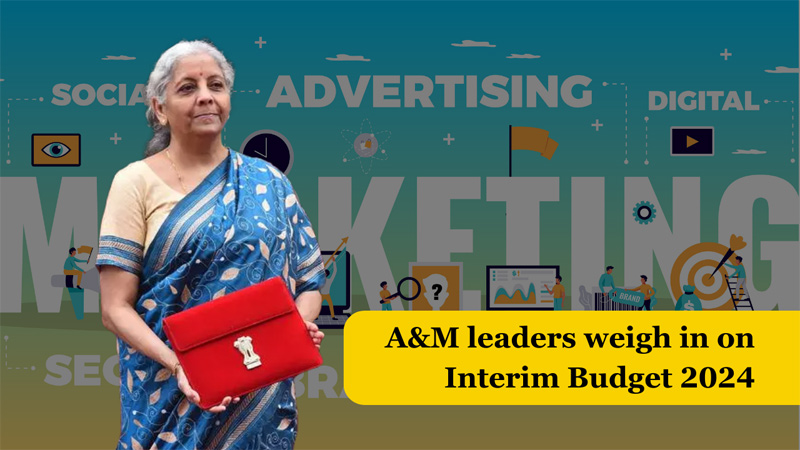
  • A&M leaders weigh in on Interim Budget 2024

    A&M leaders weigh in on Interim Budget 2024

    Mumbai: The Interim Budget 2024 unveiled on 1 Feb has set the stage for a symphony of perspectives within the advertising and marketing industries. From applauding the focus on digital transformation and entrepreneurship to expressing cautious optimism amid economic growth strategies, industry leaders share their perspectives on how fiscal policies might shape the landscape for campaigns, innovations, and consumer engagement.

    Here’s what various marketing and advertising agencies have to say:

    Boomlet Group co-founder and MD Preety Singh

    In the wake of the recently announced union budget, the emphasis on empowering women through financial support is a promising stride towards our nation’s vision of achieving developed status by 2047. The disbursement of 30 crore loans to women entrepreneurs signals a crucial step in catalyzing their economic prowess. The noteworthy 37 percent surge in female workforce participation in the fiscal year 2022-23 underscores the success of our collective efforts in fostering an inclusive economy. As a woman entrepreneur, I believe that this financial impetus not only propels our businesses but also serves as a beacon for gender equality and socio-economic progress. To ensure that Indian MSMEs compete globally, sustained commitment to the empowerment of women is indispensable. This interim budget continues to pave the way for a future where the entrepreneurial spirit of women becomes a driving force in our nation’s journey towards prosperity and development.

    Tagglabs founder Hariom Seth

    This interim budget strikes a prudent balance between driving economic growth through infrastructure expansion and putting more money in the hands of middle-income groups. This twin-engine approach can accelerate demand across sectors, creating ripe conditions for advertising and marketing.

    However, how increased public capital expenditure influences private corporate spending will be key. If crowding-out effects emerge, advertising budgets may face cuts as companies watch their bottom lines.

    Therefore, this budget provides reasons for tempered optimism rather than outright euphoria for marketers and agencies. Government capital spending should drive ancillary advertising as infrastructure projects necessitate promotions. But patchwork policy measures specifically targeted to incentivize digital adoption and urban consumption could have provided a steroid boost.

    Pulp Strategy founder & MD Ambika Sharma

    The union budget 2024 has presented a groundbreaking roadmap for India’s digital transformation, bolstering the IT and internet landscape across the nation and expanding connectivity. This translates to more opportunities for businesses to thrive in the digital realm and captivate audiences with potential for greater outreach. The budget’s attention to skilling and training programs for media and entertainment professionals is a game-changer, nurturing a highly skilled workforce that can deliver awe-inspiring content and consumer experiences. Additionally, initiatives such as tourism promotion and rural development have the potential to boost advertising demand. The Union Budget 2024’s focus on fostering innovation and entrepreneurship through tax benefits, credit guarantee schemes, and fund launches creates a fertile environment for startups and MSMEs to thrive and make a positive impact in society. The budget also highlights the importance of the media and entertainment industry in promoting India’s culture and soft power worldwide, tapping into the power of technology to create immersive experiences, showcase the beauty and diversity of India, and drive meaningful change in society.

    Media Care Brand Solutions director Yasin Hamidani

    The Interim Union Budget 2024 places a strong emphasis on the upliftment of economically vulnerable sections, women, farmers, and the youth, recognizing their pivotal role in the nation’s progress. The commendable commitment to construct an additional two crore houses over the next five years through the PM Awas Yojana Grameen highlights the government’s dedication to ensuring housing for all. Finance Minister Sitharaman’s announcement of an upcoming scheme tailored for the middle class, especially those in rented houses, slums, and unauthorized colonies, marks a positive step towards fostering inclusive growth. With expectations for a comprehensive roadmap for Viksit Bharat in the full budget this July, it is anticipated that it will further reinforce the government’s commitment to both economic development and welfare.

    A reassuring development is the decision to eliminate long-pending and minor income tax disputes. This aligns with the government’s ongoing efforts to minimize legal conflicts. Notably, there are no alterations to tax rates or structures, and no adjustments have been proposed in personal taxation. This might be a bit disappointing for those who were anticipating such announcements.

    KlugKlug co-founder and CPO Vaibhav Gupta

    In this interim budget, the acknowledgment of the transformative impact wielded by new-age technologies and data on individuals and businesses resonates deeply with Klug Tech’s core values. The emphasis on fostering economic opportunities and ensuring affordable, high-quality services reflects a commitment to inclusivity, reaching even those at the ‘bottom of the pyramid. As innovators and entrepreneurs, we stand poised to contribute to India’s rising global potential through our cutting-edge solutions. This budget sets the stage for a future where innovation and entrepreneurship drive positive change, elevating India’s position on the global stage.

    Mad Influence CEO and founder Gautam Madhavan

    Mad Influence welcomes the government’s commitment to maintaining stability in taxation, ensuring continuity for startups and IFSC units by extending tax exemptions till 31 March 2025. The finance minister’s decision to withdraw outstanding direct tax demands up to Rs 25,000 and provide relief to one crore taxpayers is a positive step towards improving taxpayer services. As the economy strides towards sustained growth, Mad Influence acknowledges the government’s prudent approach in maintaining existing tax rates and embracing the positive impact of GST on trade and industry. However, Mad Influence looks forward to more targeted initiatives for startups in the upcoming full Budget in July. The overall budgetary estimates, with a focus on interest-free loans, reflect a balanced approach towards economic growth. Mad Influence anticipates further details in the detailed roadmap for ‘Viksit Bharat’ promised in the full Budget, paving the way for a more prosperous and inclusive India.

    Vivify Asia founder and director Vikram Bhalla

    As the union budget 2024-25 is presented, the budgetary figures outlined reflect a prudent approach to fiscal management. The finance minister’s estimate of total receipts, excluding borrowings, at Rs. 30.80 lakh crore and total expenditure at Rs 47 lakh crore for the upcoming fiscal year demonstrates a commitment to responsible financial planning. The continuation of interest-free loans at an outlay of Rs 1.3 lakh crore is a strategic move to support key sectors. The targeted fiscal deficit of 5.1 per cent of GDP for 2024-25 aligns with the government’s commitment to gradually reduce the deficit to 4.5 per cent of GDP by 2025-26. This shows a balanced effort to stimulate economic growth while maintaining fiscal discipline.

    The mention of revised estimates for 2023-24, with revenue receipts expected to surpass the budget estimate, reflects the positive momentum in economic activities and formalization. The government’s ability to manage expenditures effectively is evident in this upward revision. While the overall vision for ‘Viksit Bharat’ is ambitious, the budget strikes a balance between addressing immediate concerns, investing in long-term growth drivers, and maintaining fiscal prudence.

    GOZOOP Group chairman and co-founder Rohan Bhansali

    India’s union budget 2024 heralds a golden era for our tech-savvy youth, epitomizing our nation’s high aspirations and the transformative journey our economy has undertaken over the last decade. The announcement of a 50-year interest-free loan represents not only a visionary step but also a testament to the government’s unwavering commitment to fostering entrepreneurship and innovation amongst the youth. Furthermore, the budget’s focus on empowering the youth with access to affordable capital is a testament to the government’s proactive approach towards addressing the evolving needs of our dynamic workforce. By providing avenues for skill development, training, and access to capital, we are not only nurturing talent but also creating a conducive environment for inclusive growth and prosperity. At GOZOOP Group, we are committed to partnering with the government and other stakeholders to leverage our expertise, resources, and technology-driven solutions to support the realisation of India’s vision for inclusive growth and sustainable development.

    GOZOOP Group global CEO and co-founder Ahmed Aftab Naqvi

    I think it’s a forward-looking interim budget. The allocation of Rs one lakh crore for a 50-year period as a support to tech-savvy youth at low or no interest rates will fuel more energy in Bharat. The certain tax benefits given to startups signal direction of innovation and economic dynamism. As an entrepreneur this ignites optimism. With the government’s focus on rural development, FMCG as a category will get the much-needed boost. In the post-election budget, I would like to see emphasis on privacy regulation for AI, which is a critical aspect for the A&M industry.

    PromotEdge founder and CEO Saurav Agarwal

    We are pleased to acknowledge the visionary steps taken by finance minister Nirmala Sitharaman in the union budget, paving the way for a digitally advanced, globally sustainable, and healthy India. This budget reflects a progressive approach, focusing on inclusive growth, leveraging the potential of cutting-edge technologies, and implementing crucial business reforms. Over the past decade, the Indian economy has undergone a remarkable positive transformation, and this budget is a testament to our commitment to sustaining this upward trajectory. The consumer tech startup sector will surely be stimulated by the proposed tax advantages, which would encourage entrepreneurship and innovation. The allocation of Rs 1 lakh crore for a 50-year interest-free loan is a game-changer, providing our tech-savvy youth with a golden era for long-term financing or refinancing at low or nil interest rates. The announcements hold particular significance for startups and the digitisation drive. Since this was an interim budget, there was not much regarding the digital sector, we expect much more in the upcoming budget in July.

    Viral Pitch founder Sumit Gupta

    With the outstanding success of PM Mudra Yojana, which has approved an amazing 43 crore loans worth ₹22.5 lakh crore, our country is on track for an entrepreneurial revolution. This excellent backing is evidence of the dedication to promoting youthful goals. As a result of the collaborative efforts of programs like Fund of Funds, Start-Up India, and Start-Up Credit Guarantee, ambitions have been achieved on this transforming path. Our youth evolves as ‘rozgardata’ – the creators of their destinies and contributors to the development of the country – when these ambitious plans come to fruition. This enormous step toward economic independence indicates a better future for our country, one in which industry and creativity flourish and bring in a new period of opportunity and progress.

    Grapes founder and CEO Shradha Agrawal

    The government’s initiative to provide adequate finances and advanced technologies to micro, small, and medium enterprises (MSMEs) is indeed a positive step which will benefit the overall economy.

    Also, there’s a notable reduction in the corporate tax rate. For instance, domestic companies will now face a reduced rate of 22 per cent, down from the previous 30 per cent. This aims to boost business growth in India and enhance the competitiveness of the manufacturing sector, contributing to overall economic development.

    Additionally, the budget also allocates considerable attention to the development of modern infrastructure in all its forms—digital, social, and physical—opening up new opportunities for the M&E sector, particularly in the realm of digitalization.

  • Interim Budget 2024: Glimpses into technological boom!

    Interim Budget 2024: Glimpses into technological boom!

    Mumbai: With the unveiling of the Interim Budget 2024 by union minister of finance Nirmala Sitharaman, a wave of anticipation and excitement sweeps across industries. The budget unfolds a roadmap for India’s economic trajectory, emphasising technology, innovation, and skill development.

    Following are some of the key highlights and reactions from industry leaders, shedding light on the potential impacts on technological advancements.

    Beyond Key founder and CEO Piyush Goel

    In 2024, a transformative surge in technology is predicted, propelled by India’s unwavering commitment to skill development and innovation, as articulated by finance minister Nirmala Sitharaman. The Skill India Mission has actively educated 1.4 crore youths, imparting essential skills and upskilling 54 lakh youths, alongside establishing 3,000 new ITIs. The academic arena has witnessed remarkable growth with the establishment of seven IITs, sixteen IITs, seven IIMs, 15 AIIMSs, and 390 universities, fostering a strong atmosphere for technological advancement. Furthermore, the fiscal budget 2024 allocates resources to increase the number of airports, rail infrastructure, and other infrastructure, undoubtedly impacting mass lives. Artificial Intelligence (AI) would become a pivotal force, and stronger funding to harness its benefits is poised to elevate the technological landscape. Corporate sectors also stand to benefit from the decreased corporate tax of 22 per cent, fostering a greater favorable commercial enterprise environment and selling economic growth through accelerated investments and expansion opportunities. The budget’s strategic investments underscore India’s steadfast determination to a dynamic and tech-driven future.

    AdCounty Media CFO Abbhinav R Jain

    The Interim budget marks a significant move towards India’s digitisation. In the budget 2023-24, the government announced an outlay of 4795.24 crore for its Digital India program which ensured universal access to high-speed internet and digital literacy initiatives. This year, in a bid to bolster R&D in sunrise domains, Honourable FM, Nirmala Sitharaman, announced a corpus of one lakh crore with a 50-year interest-free loan. Dubbing this period as the golden era for innovation and entrepreneurship, she went on to say that the corpus will provide long-term financing or refinancing with long tenures and low or nil rates. The budget, undeniably, is leaving no stone unturned to bridge the gap between youth and technology to realise the aim of a fully developed India (“Viksit Bharat”) by 2047.

    Tagglabs founder Hariom Seth

    An innovative landmark statement was made by Nirmala Sitharaman, who announced A corpus of 1 lakh crore rupees 50-year interest-free loan with low or nill interest rates to encourage and scale up research and innovation. This marks a landmark in the history of tech startups and companies, providing a one-of-a-kind chance to explore distant shores and leave an indelible mark on the ‘Make in India’ dream.

    The provision of a corpus of 1 lakh crore rupees as 50-year interest-free loans with low or no interest rates is a significant move that can greatly benefit companies. This initiative increases liquidity, allowing companies to invest in research, development, and innovation without the burden of immediate repayment. It also mitigates financial risk associated with borrowing due to the long tenure of the loan and the low or nil interest rates. Furthermore, it encourages innovation as companies can focus more on creating innovative products and solutions with easier access to funds. The overall cost of the loan decreases due to lower interest rates, leading to savings that can be used for other business activities.

    Lastly, timely repayment of such loans can enhance a company’s credit profile, making it easier to secure future funding. However, while these benefits can provide a significant boost to companies, it’s also important for them to manage these funds wisely to avoid potential financial challenges.

    DashLoc CEO and co-founder Sumit Singh

    The budget has clearly exhibited that the government is extending full-fledged support towards adoption of technology across sectors. The special mention that deeptech in defence section gained in the speech truly indicates that the government is going to support emerging technologies in crucial sectors too. Alongside, it is a matter of pride that STEM courses have seen aggressive enrolment from women. We can expect a quality and skilled workforce in India that will keep the wheel running towards striking progress.

    Almonds AI co-founder & CEO Abhinav Jain

    Government’s forward-looking budget aligns remarkably well with the impetus required for the AI and technology sectors. The focus on digital infrastructure lays a robust foundation for innovation, and the commitment to skill development among youth mirrors the mission to empower the next generation with AI capabilities. The support for electric vehicles and clean energy initiatives resonate with the Green Loyalty Program, reinforcing belief in sustainable technological advancement. This budget not only catalyzes a tech-driven economy but also heralds a golden era for companies like ours at the intersection of AI and market technology. We are eager to contribute to this transformative journey and commend the government’s vision for a tech-empowered, inclusive growth trajectory.

    Superbot co-founder & director Sarvagya Mishra

    It’s encouraging that the government recognizes the importance of addressing skill development to meet the demand for a high-quality workforce in the emerging technology sector, crucial for India’s ambitious goal of a $5 trillion economy. All the initiatives mentioned in the Interim budget speech like establishment of more IITs, IIITs, STEM courses etc., are cementing the foundation of the growing India, which is youth. Commendably, the government’s embrace of deeptech in critical sectors like defense underscores our country’s progressive stance. Given that R&D is a capital-intensive step for businesses in deeptech, blockchain, machine learning, and generative AI, increased allocation towards MUDRA schemes and the announcement of a one-lakh crore corpus with 50-year interest-free support will undoubtedly fuel technological growth.

    NeuralGarage co-founder & CEO Mandar Natekar

    The interim budget presented today shall provide an impetus to an ecosystem of startups, technology companies and aspirants, providing them with ample opportunities to set-up, enhance technological offerings and bolster innovation. These are positive sentiments that will further strengthen India’s technology landscape through research and innovation. A corpus of Rupees One Lakh Crore will be established with a fifty-year interest-free loan. The corpus will provide long-term financing or refinancing with long tenors and low or nil interest rates. The private sector will witness a steep growth with innovation being at the forefront. Further, the government has extended tax benefits for start-ups to 31 March 2025 and withdrawn some outstanding direct tax demands. Deeptech and GenAI have the potential to revolutionize a variety of sectors. Ethical practices and its usage will lead to Indian brands and artists being recognised from local to global markets creating a seamless experience and put India on the global map for technological prowess.

    Yatiken Software Solutions founder and CEO Alok Kashyap

    In line with the government’s ambitious vision of technology contributing 20-25 per cent to the GDP by 2025, this forward-looking budget charts a promising course for the IT sector. The allocation for EV infrastructure development is particularly noteworthy as it opens avenues for software development in EV systems, IoT integration, and data analytics. The one-lakh crore corpus for long-term financing is another indispensable boon for the IT industry, fostering innovation and research. Moreover, the Skill India Mission’s initiatives and tax benefits for startups provide a robust foundation for skill development and entrepreneurial growth.

    icogz MD Amit Tripathi

    The budget allocated Rs 8,000 crore for the national mission on quantum technologies and applications, which aims to boost research and innovation in quantum computing, communication, cryptography, and artificial intelligence. This is as per expected lines and what I had predicted in my pre budget expectations.

    The budget also proposed to set up a Data Centre Economic Zone to attract investments and create employment opportunities in the data centre industry, which is expected to grow at a CAGR of 23 per cent by 2025. Again on expected lines.

    The budget increased the tax deduction at source (TDS) on e-commerce transactions from one per cent to two per cent, which may affect the profitability and cash flow of e-commerce platforms and sellers.

    E-Factor Experiences Ltd MD Samit Garg

    The emphasis on digital transformation across sectors could encourage the adoption of advanced technologies in event management, like virtual reality, augmented reality, and AI, enhancing the audience experience. More investment in R&D would result in more availability of local resources, thereby pushing the costs down and making the solutions more affordable.

  • Budget 2024: Leaders envision a tech-driven budget revolution

    Budget 2024: Leaders envision a tech-driven budget revolution

    Mumbai: India’s anticipation for Budget 2024 is palpable, resonating across diverse industries. From digital pioneers envisioning a tech renaissance to entrepreneurs seeking support for AI advancements, the expectations weave a narrative of innovation, growth, and strategic budgeting.

    As the nation braces for economic direction, stakeholders in media, advertising, marketing, technology and martech share their hopes, emphasising the pivotal role of the budget in shaping the trajectory of their respective landscapes.

    Following are the quotes from various business chiefs:

    Pulp Strategy founder and MD Ambika Sharma

    I have my sights set on a digital renaissance, not just a fiscal one. We at Pulp Strategy envision a landscape fortified by robust cybersecurity infrastructure, safeguarding the data that fuels our industry. Alongside this, a renewed focus on local media and advertising unlocks a tapestry of diverse voices, enriching audience engagement. The infusion of AI and automation promises to streamline operations, paving the way for more sophisticated storytelling. Adding to this I hope there would be potential for tax breaks and incentives – a catalyst for innovation and entrepreneurial spirit. This budget should be about empowering the creative minds who will sculpt the future of India’s digital narrative.

    Media Care Brand Solutions director Yasin Hamidani

    Anticipating steady growth, the advertising and marketing sector, fueled by a digital and eco-centric focus from last year’s budget, is set to expand. The momentum in digitisation and sustainable practices indicates a dynamic shift. As technology advances, the marketing & advertising landscape is poised to venture into burgeoning mediums like AR, VR, AI & CGI. Regardless of specific industry impacts, the surge in digital economy emphasis forecasts a rise in marketing and advertising.

    Serial entrepreneur, Assiduus Global Inc founder and CEO, LP angel investor, Govt of India advisor Dr Somdutta Singh

    Here’s one that’s clear: digital advertisers are poised to leverage AI and new metrics in the digital landscape that’s evolving everyday. Their goal will be to optimize budgets, especially considering there will be a surge in prices during the upcoming busy political campaigning season. Ultimately, the focus will be on ensuring meaningful connections with customers within the digital space.

    Marketers, publishers, and adtech partners will be on the lookout for more profound indicators of engagement. This includes attention metrics, which provide a nuanced understanding of how users interact with content. This shift is being driven by a desire among marketers to adopt more impactful and effective advertising strategies. Moreover, there is an urgent need to strengthen the budget allocated for enhancing India’s digital infrastructure.

    Tagglabs founder Hariom Seth

    1. Improved HPC access: AI startups face challenges with computer access. The budget could establish affordable public cloud HPC infrastructures.

    2. Local datasets creation: AI requires ample data, and the budget could support building relevant datasets for India. Global data may not grasp our issues or adhere to our rules.

      – Ensure strict rules for data handling.

      – Local data enhances AI tailored for India and ensures ethical usage.

    3. Skill development support: India lacks AI knowledge. The budget could allocate funds for training, scholarships, and partnerships, even in remote areas.

    4. AI application in key sectors: Allocate funds for AI research in vital sectors like farming, banking, and healthcare.

    5. Promoting AI adoption: Provide incentives like tax breaks and public-private partnerships to encourage AI use across sectors.

    6. Ethical AI practices: Support ethical AI development through training and awareness campaigns.

    Additional points:

    – Increased startup funding: Allocate more funds, especially for early stages.

    – Conversational AI focus: Emphasise conversational AI, such as Siri.

    – Encourage collaboration: Promote partnerships among companies and assist startups with significant costs.

    NеtSеtGo co-foundеr Sundееp Rana

    A well-structured budget can play a pivotal role in streamlining IPO processes and fostering investor confidence in startup exits. Allocating resources judiciously ensures regulatory compliance, transparency, and legal adherence during the IPO journey. Moreover, budget provisions for effective investor communication, marketing, and technology infrastructure signal professionalism and commitment, enhancing investor trust. Talent acquisition and retention, backed by budgetary allocations, contribute to a capable team ready to navigate the complexities of an IPO. In essence, a carefully planned budget not only facilitates a smoother startup exit but also instills confidence in investors, showcasing the company’s dedication to governance and operational excellence.

    Social Pill co-founder & head of digital media Neelesh Pednekar

    In anticipation of the Union Budget 2024-2025, the advertising, marketing, and experiential marketing industries in India are focusing on industry-specific expectations, particularly in the context of the digital economy’s Compound Annual Growth Rate (CAGR). Stakeholders are hopeful for supportive measures within the budget that will foster growth, innovation, and competitiveness. A significant point of discussion revolves around the potential introduction of the digital services tax (DST), a long-debated issue that could impact multinational tech giants operating within the country. With the explosive growth of e-commerce and online payments, there is a pressing need to reevaluate taxation related to online transactions, possibly leading to amendments in the goods and services tax (GST) to accommodate and bolster e-commerce in India. Additionally, stakeholders are speculating on the possibility of tax concessions in advertising and marketing, potentially prompting brands to increase their budgets in these domains. Furthermore, the budget might introduce taxation on influencer marketing, aiming to bring this emerging field under the formal economic umbrella.

    Sirona Hygiene CEO & co-founder Deep Bajaj

    At Sirona, we acknowledge the pivotal role that effective budgeting plays in shaping our strategic approach and ensuring the realisation of our business objectives. In navigating the dynamic landscape of marketing, advertising, and technology.

    The marketing strategy is intricately woven into the understanding of market trends, consumer behavior, and the evolving needs of the target audience. Through meticulous budget planning, the objective is to allocate resources efficiently, leveraging both traditional and digital channels. This approach enhances brand visibility, engages our audience, and propels sustainable growth.

    In the realm of advertising, Sirona places great importance on the creation of compelling campaigns that resonate deeply with our audience. A well-structured budget empowers us to invest in creative content, strategic media placements, and targeted advertising. By remaining adaptable and data-driven.

    Embracing technological advancements is integral to the business model, and the budgeting approach reflects this commitment. Resources are allocated for the adoption of innovative technologies that enhance operational efficiency, elevate customer experience, and fortify data security. To remain steadfast in the dedication to staying at the forefront of technological trends to maintain a competitive edge in the industry.

    The budgeting process is designed to be transparent and adaptable, allowing everyone to respond promptly to market dynamics, emerging trends, and unforeseen challenges. Regular assessments and performance evaluations enable one to make informed decisions, refining our strategies for continued success.

    Almonds Ai CEO and co-founder Abhinav Jain

    In Budget 2024, we hope for policies that nurture India’s tech innovation ecosystem. We need increased investments in R&D initiatives, particularly in areas like AI, robotics, and advanced materials. Additionally, incentives for attracting and retaining skilled tech talent through tax breaks for skill development programs and simplified visa processes would be greatly appreciated. The budget should act as a catalyst for India’s burgeoning startup ecosystem. We urge the government to consider easing regulations for startups, simplifying the funding process, and creating avenues for easier access to angel investors and venture capital.