
Connect with us

MUMBAI: The toast of cricket talk shows is back, and it’s serving fresh stories with a side of wit. Oaktree Sports has announced the return of...
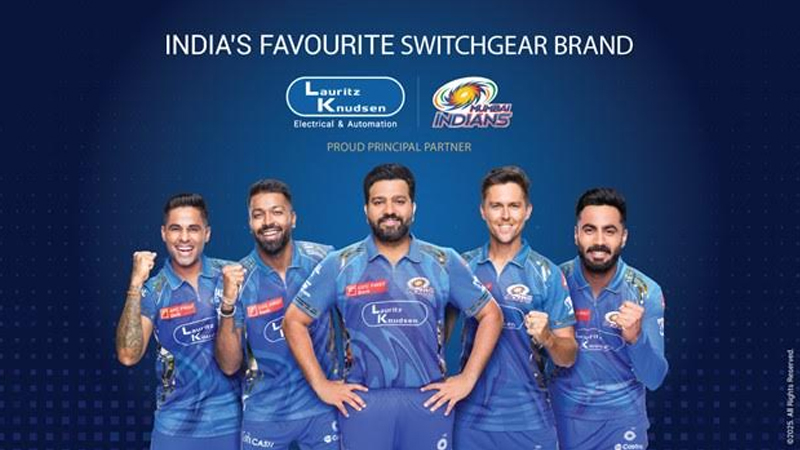
MUMBAI: When the lights stay on and the game never stops, you know someone’s powering the innings behind the scenes. Lauritz Knudsen Electrical and Automation, a...
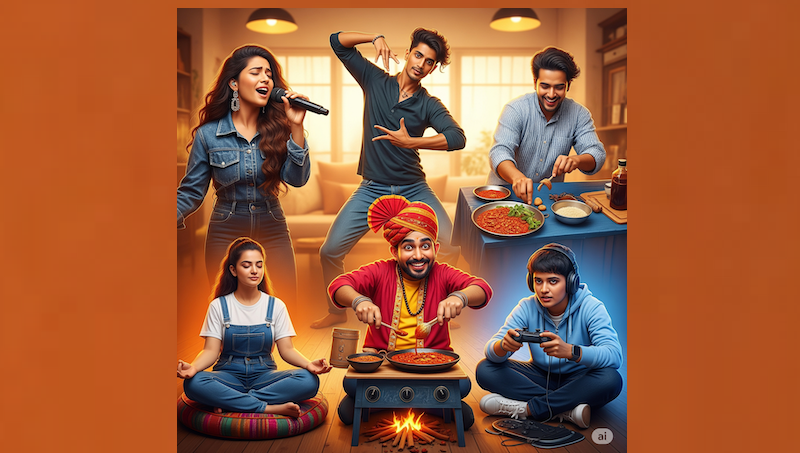
MUMBAI: Move over, legacy media. In today’s scroll-happy world, social influencers are the new empire builders — and India is leading the charge. According to The...
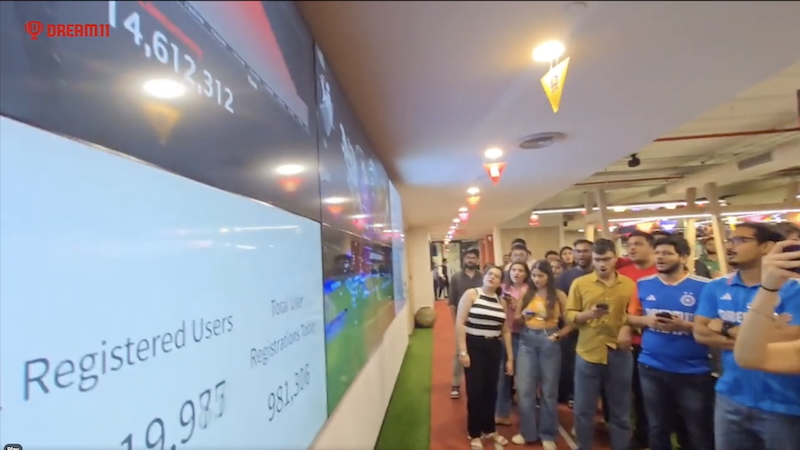
MUMBAI: Dream11 has kicked off the IPL season with a bang, smashing records faster than a Hardik Pandya six. The fantasy cricket platform registered an admiration...
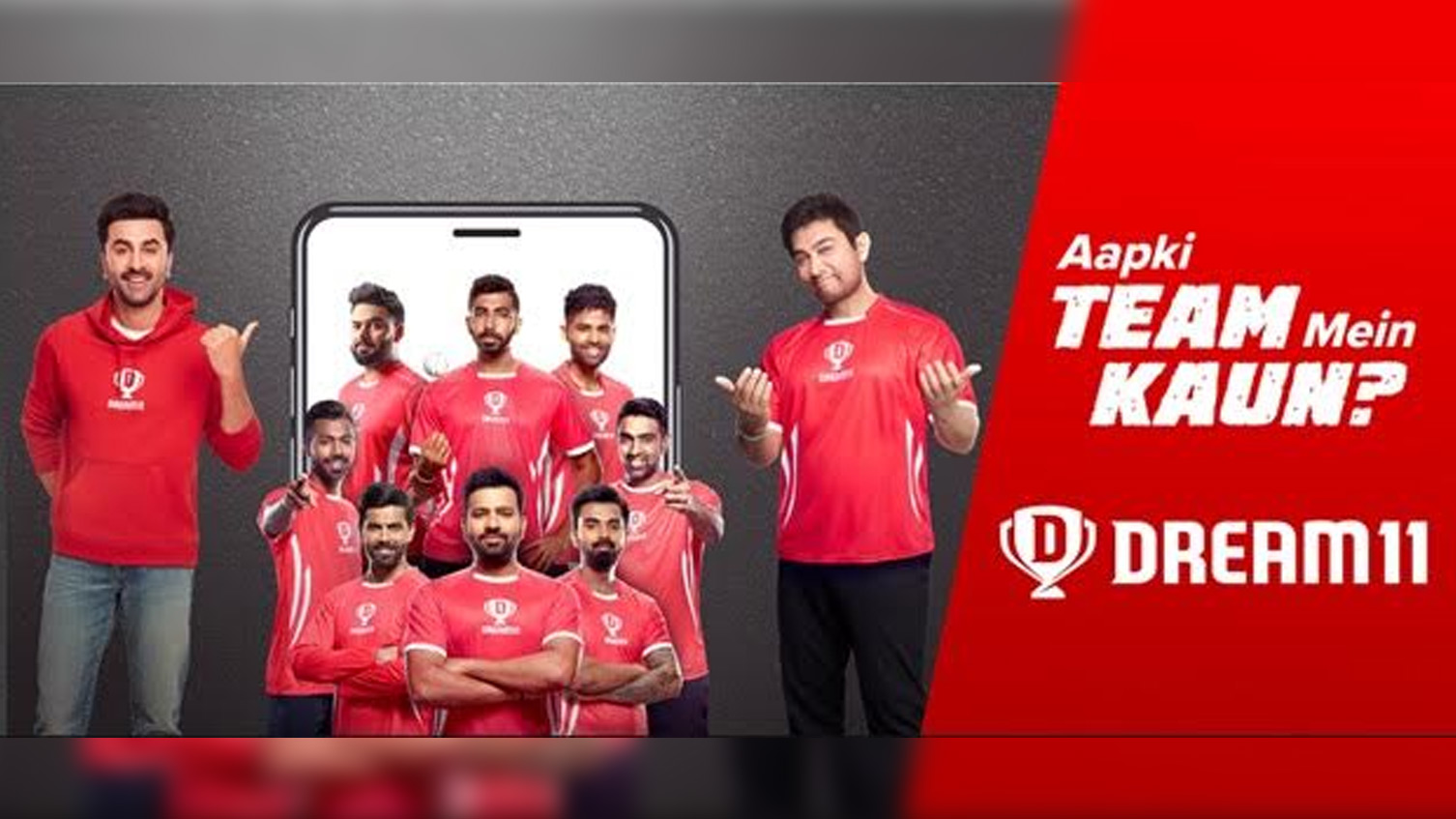
MUMBAI: Get ready for a blockbuster cricket battle as Dream11, the world’s largest fantasy sports platform unveils its electrifying Indian Premier League (IPL) 2025 campaign, ‘Aapki...
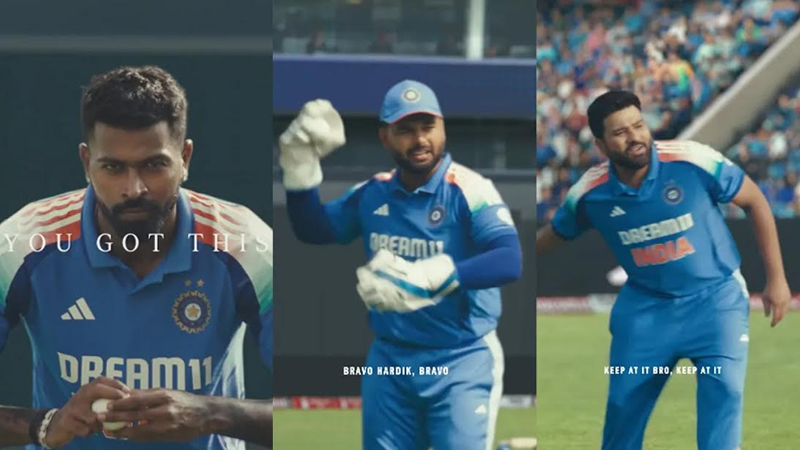
MUMBAI: Adidas has launched a bold new chapter in its global brand campaign, reaffirming its commitment to reducing negative pressure in sport and championing the power...
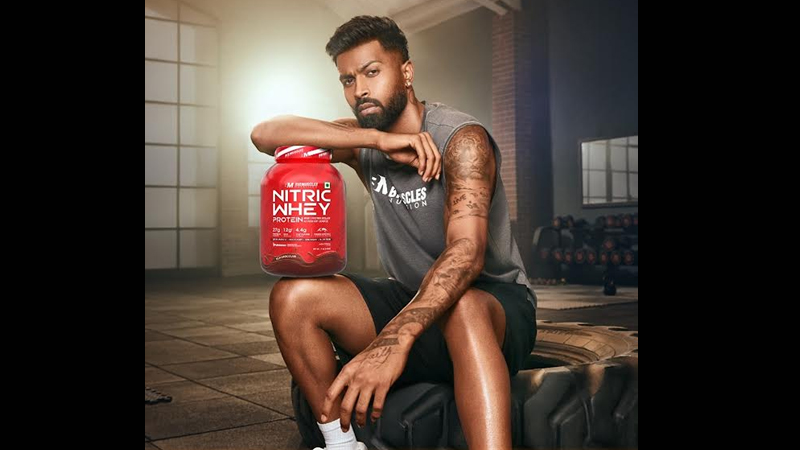
Mumbai: “The more ups I have the better, but even the downs I will cherish because failure teaches you a lot of things,” said Hardik Pandya...
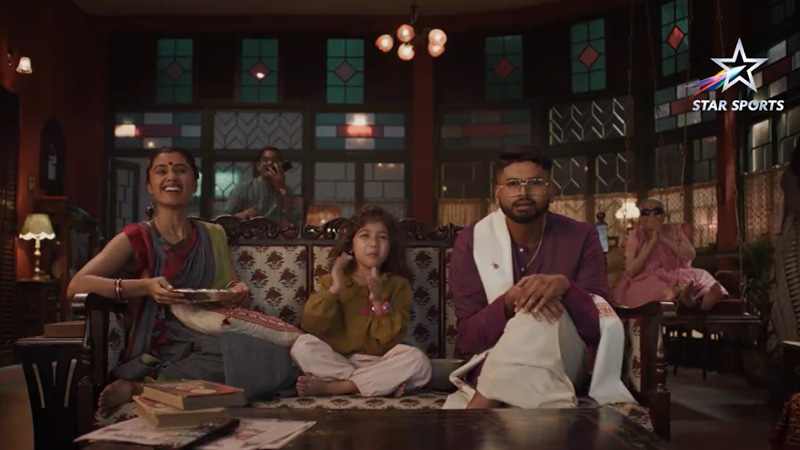
Mumbai: As the anticipation builds for India’s most awaited cricket spectacle, Star Sports, the official television broadcaster of the TATA IPL 2024, has launched an “ode...
Mumbai: Star Sports, the official broadcaster of TATA IPL 2024, has unveiled its exclusive initiative, ‘Star Nahi Far,’ aimed at bringing fans across the country closer...
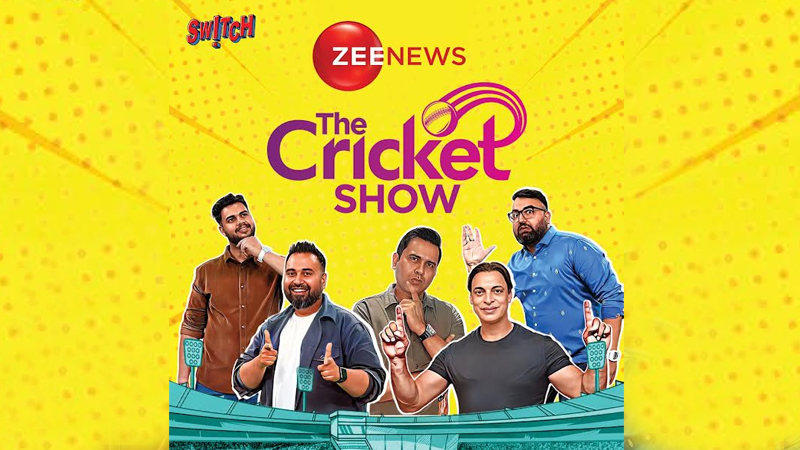
Mumbai: In the dynamic world of sports entertainment, Zee News’ The Cricket show stands out as a triumph, captivating global audiences and cricket aficionados with an...
Mumbai: With the festive season being around the corner, Onsitego has launched its new brand campaign featuring Hardik Pandya and positioning itself as “Protection ka All-Rounder.”...
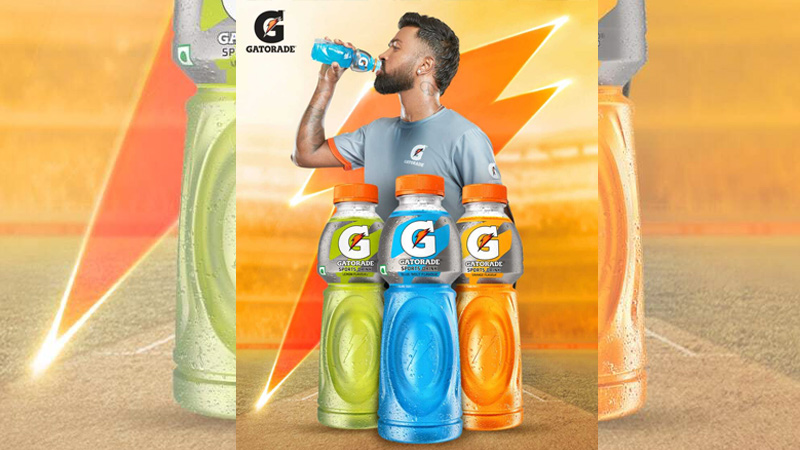
Mumbai: Gatorade, PepsiCo India’s iconic hydration brand, has made a marquee announcement to launch its first television commercial in a decade in India. This eagerly awaited...
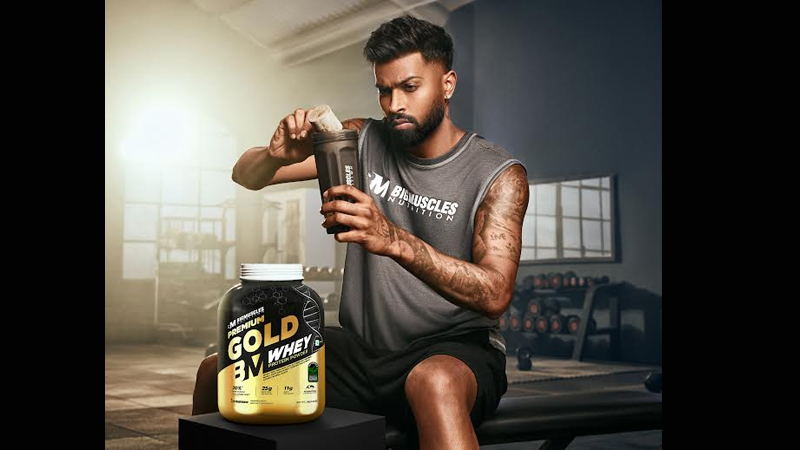
Mumbai: BigMuscles Nutrition, a leading name in the health and fitness industry has signed Hardik Pandya, renowned international cricketer, as the brand ambassador for its wide...
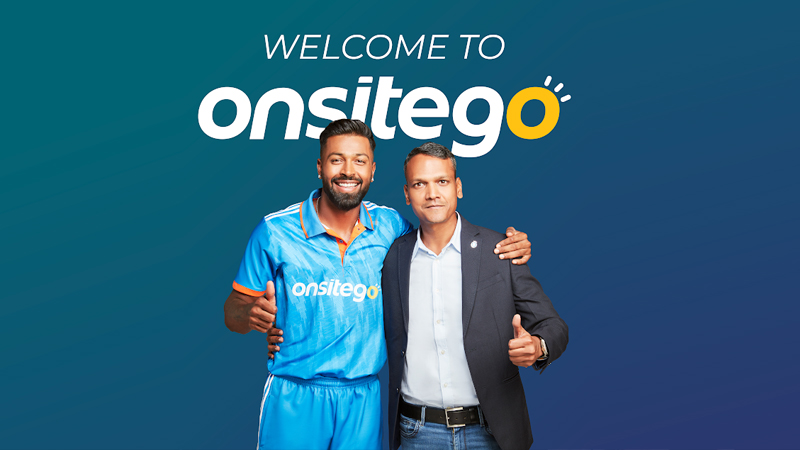
Mumbai: Onsitego, India’s leading device care company, has announced its partnership with Hardik Pandya, India’s cricketing sensation. Hardik Pandya will be the new face of the...
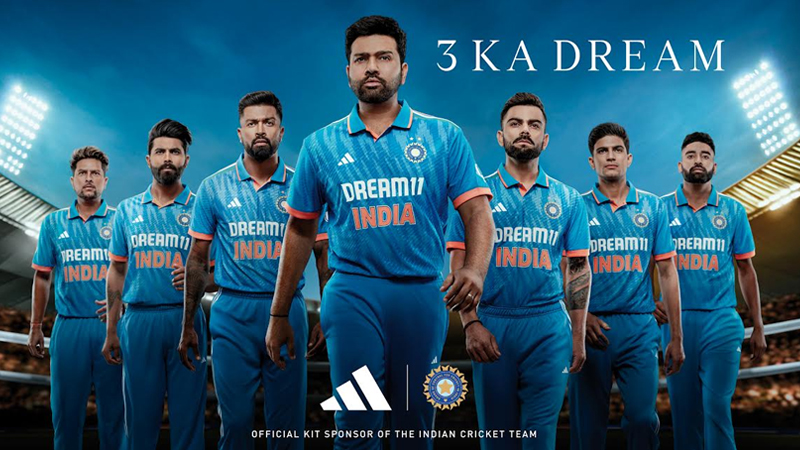
Mumbai: Rooted in the belief ‘impossible is nothing’, adidas sets the stage for the ICC Men’s World Cup 2023 with its ‘3 Ka Dream’ campaign. A...
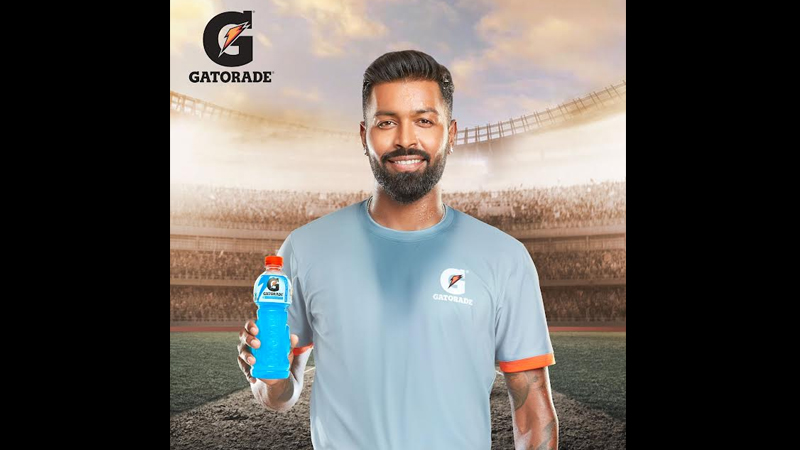
Mumbai: Gatorade today announced its association with cricket sensation and youth icon, Hardik Pandya. This dynamic partnership comes on the back of Gatorade’s mission to reiterate...
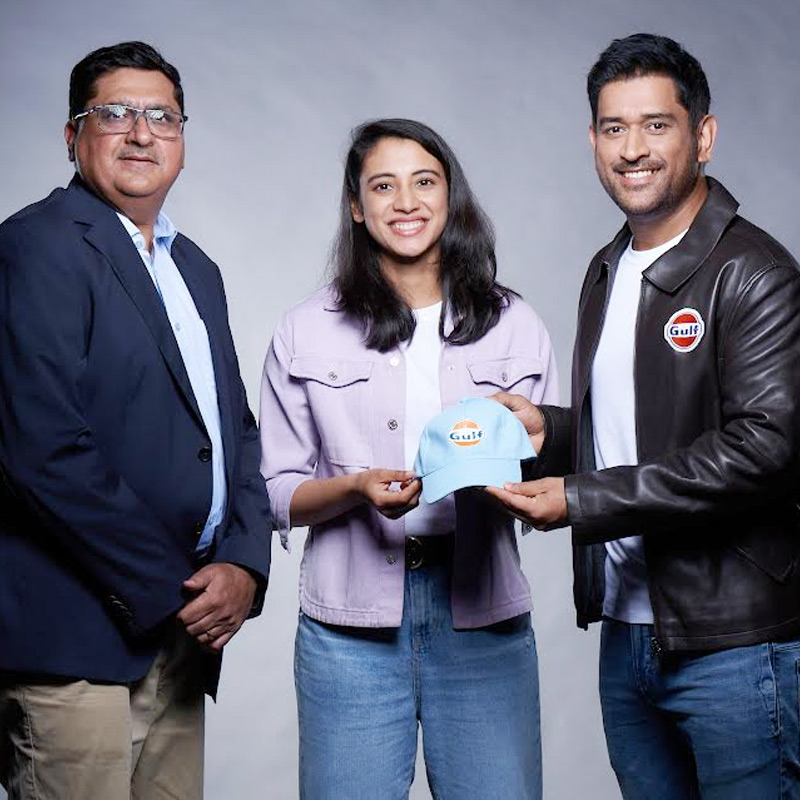
Mumbai: Gulf Oil Lubricants, a Hinduja Group Company, has on-boarded popular Indian women cricketing star and current vice-captain, Smriti Mandhana, as its new brand ambassador. With...
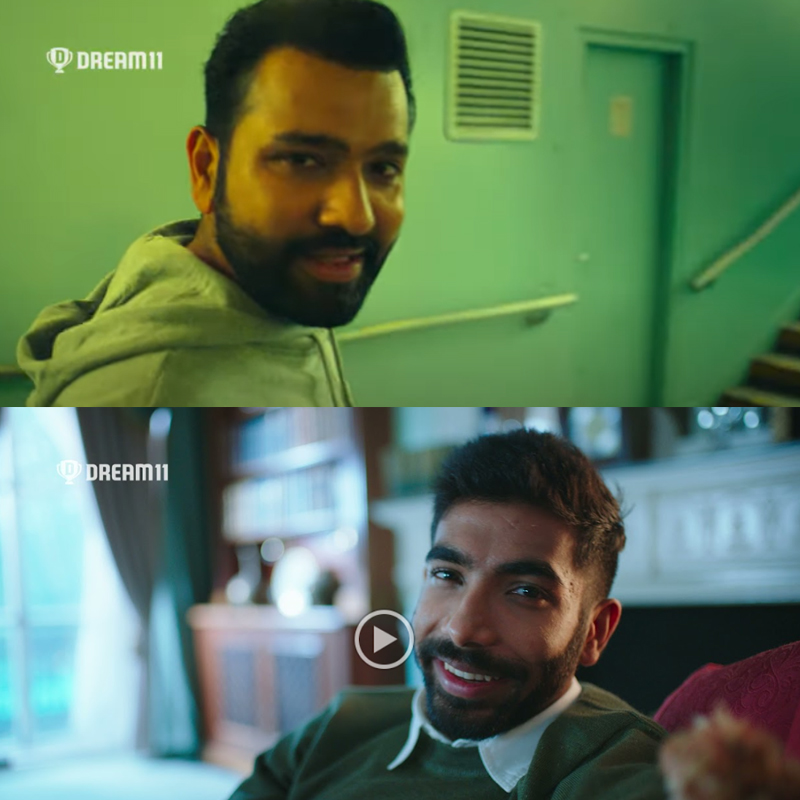
Mumbai: Fantasy sports platform Dream11 has unveiled its new brand campaign #DreamBig for the ICC Men’s T20 World Cup 2021. Conceptualised and executed by Tilt Brand...
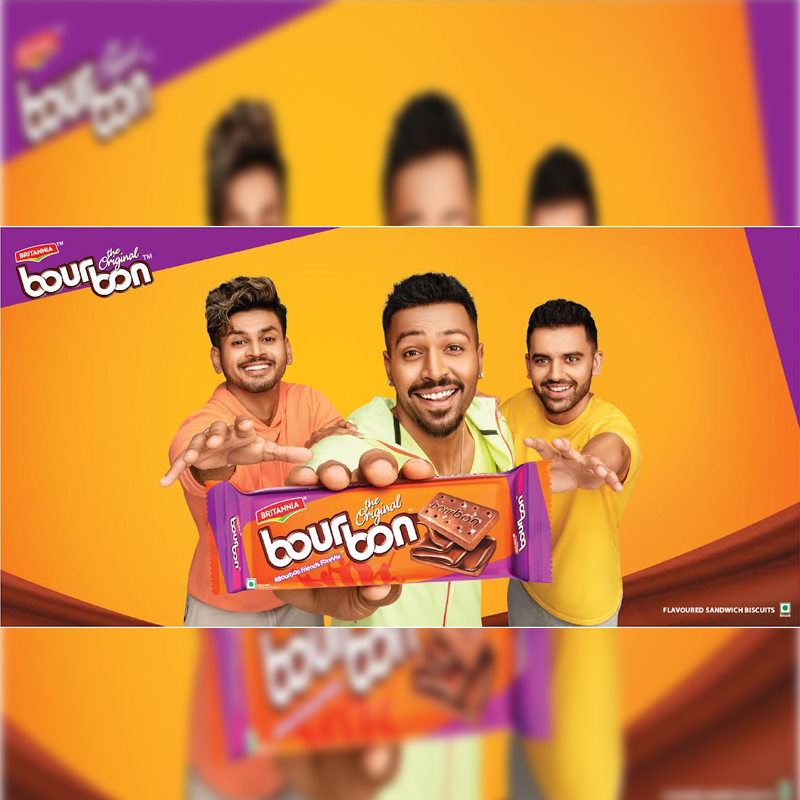
Mumbai: Britannia Bourbon has launched its new campaign by partnering with Indian cricketers – Hardik Pandya, Shreyas Iyer, and Deepak Chahar. The new TVC, which has...
Kolkata: Short video platform MX TakaTak has onboarded cricketer Hardik Pandya on Monday. Pandya joins an increasing list of sportspersons who have joined the platform in...

NEW DELHI: Indian-based consumer electronics brand boAt has teamed up with six franchises in this year's edition of the Indian Premier League (IPL). The d2c brand is...
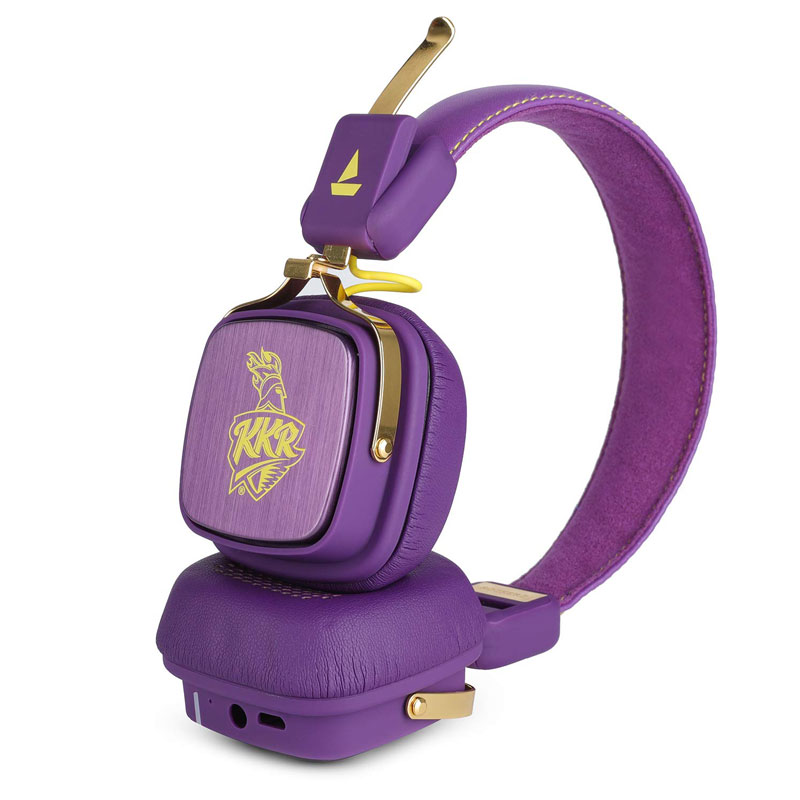
NEW DELHI: boAt – a consumer tech brand that is an amalgamation of action sports, music, and fashion becomes the official audio sponsor for six IPL...
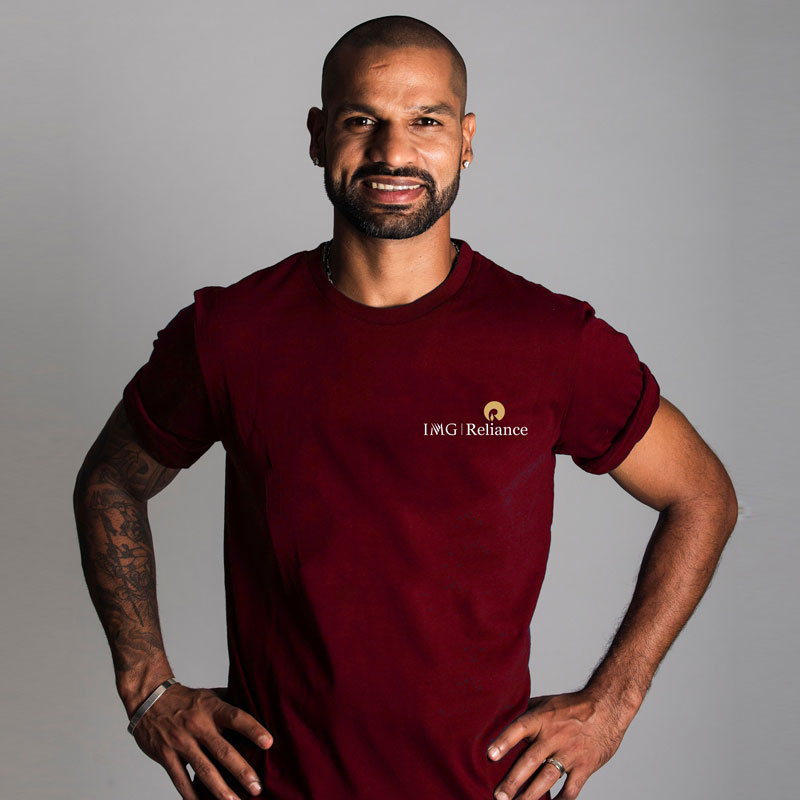
NEW DELHI: IMG Reliance today announced that Indian cricket star Shikhar Dhawan has signed an exclusive worldwide marketing and management agreement with the company – specialised...
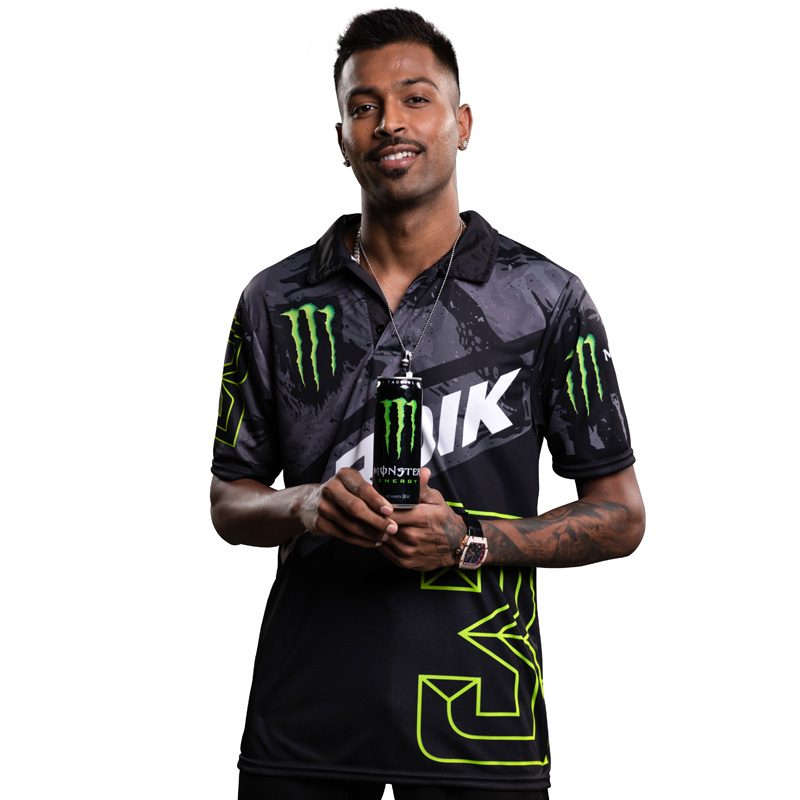
Mumbai: Global energy drinks brand Monster Energy has partnered with its first cricketer globally, Indian all-rounder, Hardik Pandya. Hardik will be the new face of the...
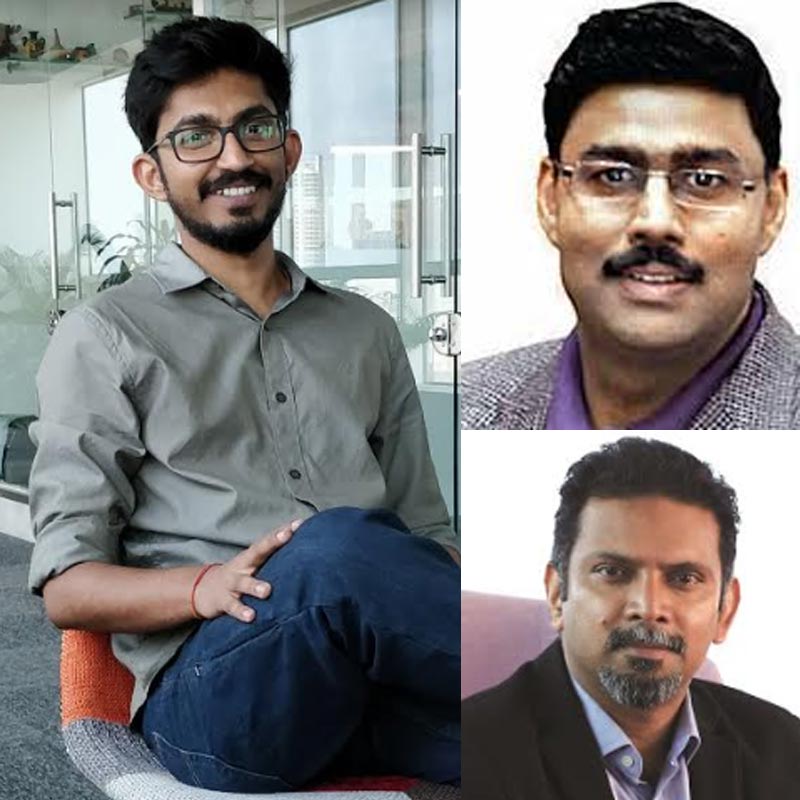
MUMBAI: HalaPlay, a popular fantasy sports platform, has appointed L&K Saatchi & Saatchi to handle its creative duties. The agency has rolled out a brand new...
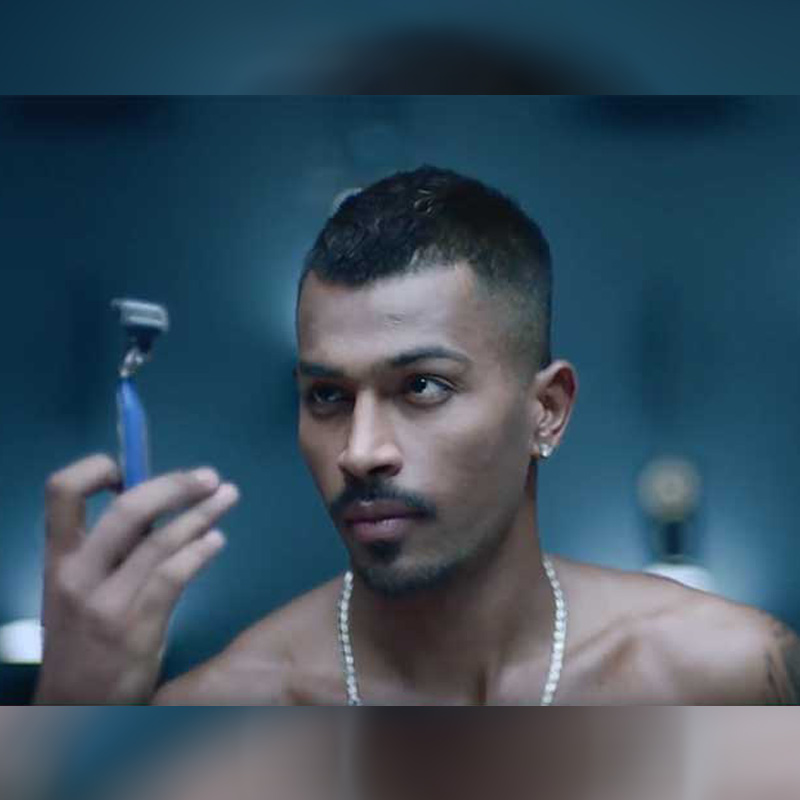
MUMBAI: The controversial remarks made by cricketer Hardik Pandya and KL Rahul have cost them a lot. While BCCI has suspended the duo from playing any...
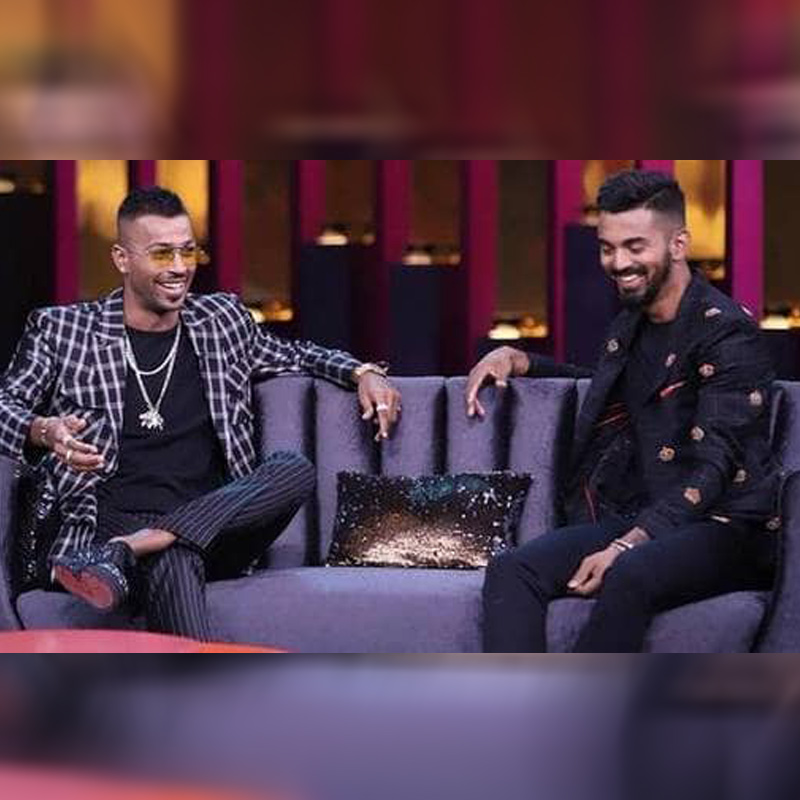
MUMBAI: Koffee with Karan season 6’s latest episode, which featured Indian cricketers Hardik Pandya and KL Rahul was the most talked about episode on social media....
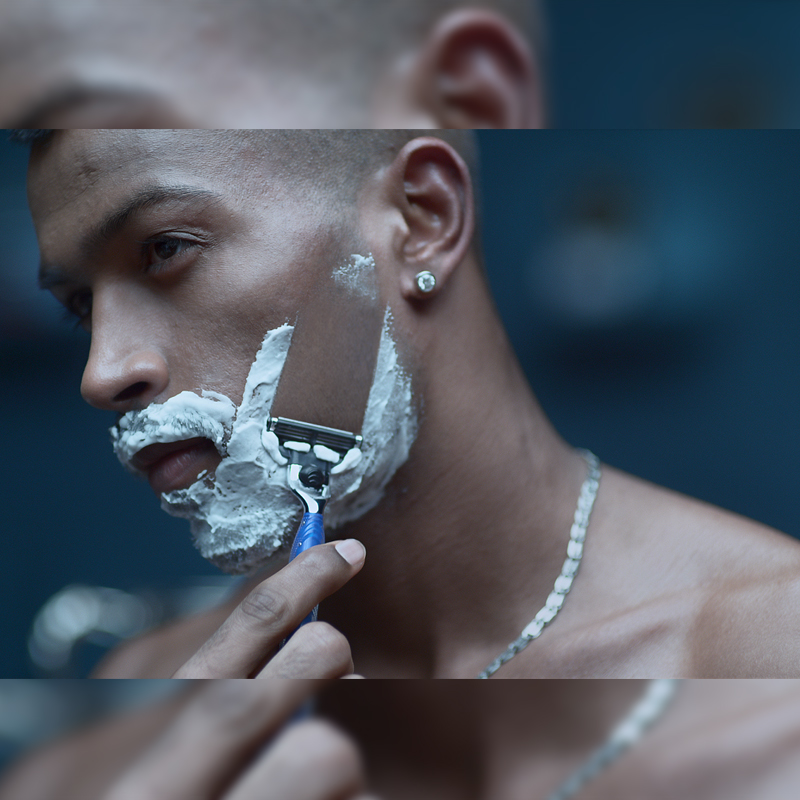
MUMBAI: Joining the MACH3 Turbo and MACH3 original is Gillette’s newest launch – the MACH3 START. Marking the 20th birthday of MACH3, Gillette has specially designed...
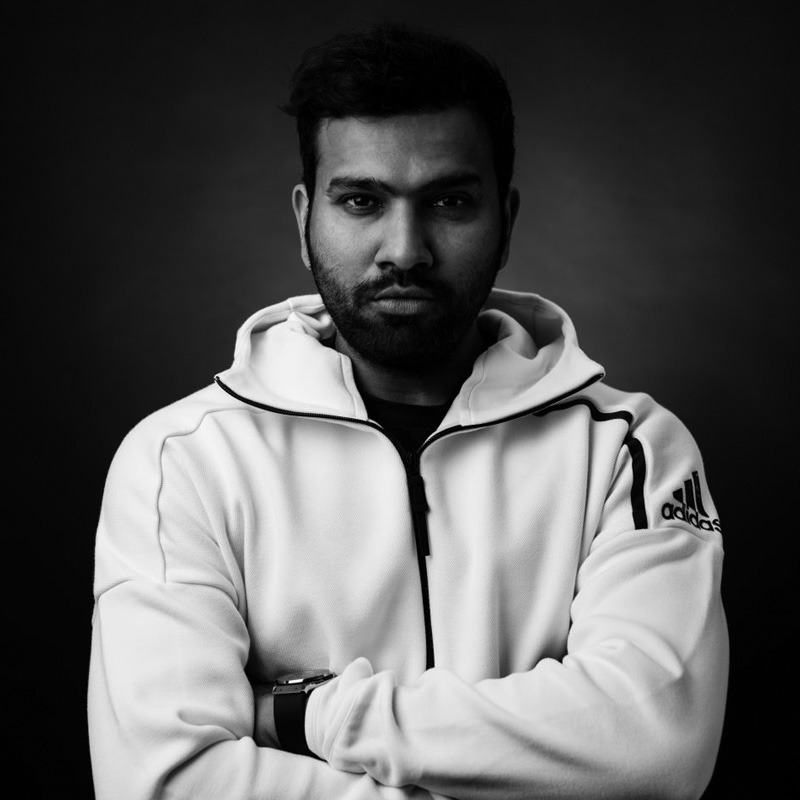
MUMBAI: He is the only batsman in the world to score double century twice in limited overs, the maximum number of individual sixes (16) in an...
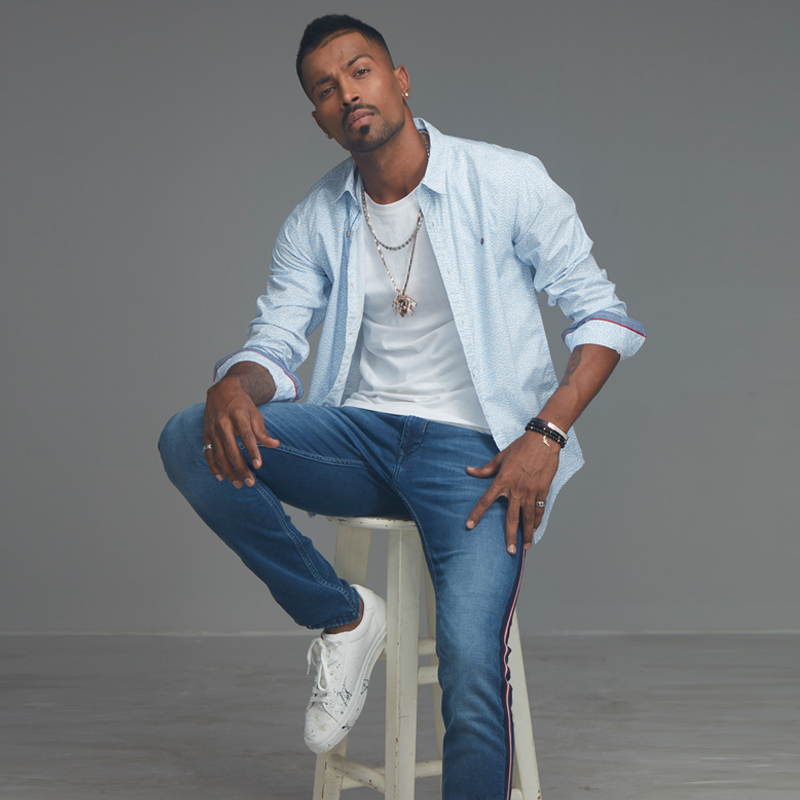
MUMBAI: With a new generation, comes a new set of ideals. Today’s youth is dynamic, aggressive and unconventional. They are not scared to follow their dreams;...
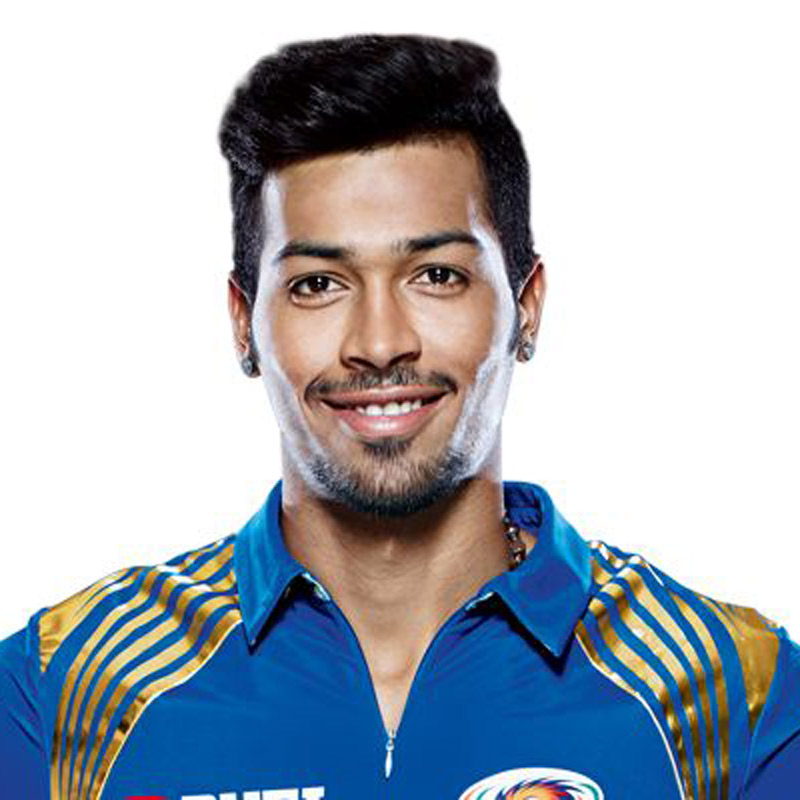
MUMBAI: Gulf Oil Lubricants India Limited (GOLIL), a Hinduja Group Company, has signed Indian cricketer Hardik Pandya as its brand ambassador for the company’s new business...


