Tag: GUEST COLUMN

  • GUEST COLUMN: The future of ed-tech in India

    GUEST COLUMN: The future of ed-tech in India

    Mumbai: Ed-tech is a trending buzzword today. It is simply a combination of education and technology, implying the augmenting of education using technology and digital tools. The canvas of Ed-tech is extremely vast and transcends learning across ages, grades, vocations, and skill enhancement.

    I would like to specifically focus on the impetus Ed-tech is bringing into India for children in their formative, school-going years.

    India has over 264 million school-going children, more than any other country in the world. We also have ~15.5 lakh schools in India. While digitisation was slowly seeping into our lives and how we do things, be it online vocation or coding classes; education delivery was largely traditional through the brick and mortar classroom format. However, the pandemic has led to sudden acceleration and even disruption in the way technology is integrated into education and leveraged to bring best-in-class learning direct to home!

    The ecosystem is well poised to accept ed-tech. Today, 80 per cent of the school-going children are aware of ed-tech and there are over 500 million active internet users expected by 2022 (up from 350m in 2019) (Source: BLinC Insights 2021). The National Education Policy announced in 2020 acknowledges the importance of online interventions and outcome-based learning. By 2022, online education offerings across grades 1 to 12 are projected to increase 6.4 times. (Source: Omidyar Reedseer Report, 2019-20)

    The benefits are multi-fold with students getting access to best-in-class academia, supplementary support, skill-building, application-based learning, and more sans boundaries. Educators will get their due with an opportunity to transcend geographical horizons, surpass barriers of formal structures and impart learning for the outcome. A few exciting things we can look forward to in the future are:

    More Application, Less Instruction

    While LIVE, online classes are a fantastic platform and will continue to unite educators and students alike, we will also see the application and outcome-based learning gaining traction. We are seeing a lot of game technology used for better engagement. These will be further used for core learning and even supplementing academics. For example, at BrainGymJr, we provide puzzles and challenges based on Math, English, and real-world skills in fun formats such as crosswords, digit cards, etc. Children can solve and learn the real application of what is being taught in school.

    One Size will not fit All

    We already know that every student in a given class has a varying level of proficiency. While we reward better performance and celebrate achievers, we have limited capacity to tailor learning based on proficiency and aptitude. However, technology can enable extremely detailed insight into the core proficiency of every child. Application of analytics and enabling machine learning will further help customise to the strength of every child and nudge them from there. AI and big data will help empower students to develop their competencies, critical thinking, and creative abilities.

    Learning on the Go!

    We will see more self-initiated and self-learning formats gaining precedence. These formats will provide flexibility of space and time while giving clear results on learning. This could be in the form of activities, puzzles, short courses, daily quizzes, video-based learning, and more. Over time, these will be acceptable outcome-based learning modules with due credit and consideration breaking away from scheduled or structured learning courses.

    In summary, information will not be king, the intent to learn will rule. A couple of decades ago, Google brought about a huge change in how we perceive information and knowledge, with everything available at a click of a button. We now see this permeating education and learning. We already have and will continue to have an abundance of learning courses, material, and information. Peer-to-peer exchange of information will be encouraged and even facilitated. Educators and students will be seamlessly connected.

    Ed-tech will evolve further wherein the value addition brought about by customised learning, analytics-based insights, deep engagement, and outcome-based programs will be what differentiates the learning experience for every student.

    “Tell me and I forget, teach me and I may remember, involve me and I learn” – Benjamin Franklin.

    (Vidur Garg is the founder at BraingymJr. The views expressed in the column are personal and Indiantelevision.com may not subscribe to them.)

  • GUEST COLUMN: SEO trends that can be game-changers for the business

    GUEST COLUMN: SEO trends that can be game-changers for the business

    Mumbai: Search engine optimisation (SEO) is the practice of improving your site’s data to increase its traction when people are looking for products or services that are related to your business in search engines such as Google, Firefox, Bing. Yahoo, etc. This is facilitated by the result pages that pop up when a person types a particular keyword in relation to their search. The better visibility your pages have in search results, the more likely you are to garner attention and attract prospective and existing customers to your business.

    How does it work?

    Major search engines such as Google and Yahoo use virtual bots to crawl through different web pages, collecting and analysing data that is then refined into an index. This index acts as a bank of information that possesses data collated from web pages. The algorithms within this index then categorise the collected data by filtering the information that is requested by the user. The final results page is a result of hundreds of ranking factors or signals, determining the order of the pages that should appear in the search results for a given query. This intensive process is carried out in helping the user find an exact match to their keyword search. The success of your SEO depends on how user/keyword-friendly your website data is.

    How important it is from a marketing perspective

    SEO plays a critical role within digital marketing because people search for a trillion things in a day, often with a commercial interest in a certain product/service. ‘Search’ is a primary way of generating digital traffic towards your website, making it an essential part of your digital marketing strategy. Greater visibility and higher search rankings than your potential competitor can have a material impact on your ultimate goal. To summarise, SEO lays the foundation of a holistic marketing ecosystem.

    Changing Trends

    Since the internet culture is so dynamic, its tools and practices are constantly evolving. SEO is no exception as the concept is subject to so many technological advancements on a daily basis. The algorithms change frequently, keeping the businesses and digital marketers on their toes. This is why being aware of what’s coming down the pipeline is extremely important. It can help a business plan prevent possible penalties or a massive drop in its site’s ranking.

    Mobile SEO: With an uncontrollable smartphone penetration, more and more people are getting their hands on a smarter cellular device. The one that allows them to do more than just calling, texting people. Billions of people conduct searches via their phones, making it a key target area for digital marketers. It has now proven to become one of the more influential SEO areas than a desktop. If you’re doing SEO for desktops and not for mobile, it might have a better impact on your desktop rankings however, your mobile rankings could be abysmal. Moving forward, marketers will have to focus on both desktop and mobile SEO to maintain their positions in the search pages.

    Voice Search: With virtual assistants such as Siri and Alexa getting smarter by the day, voice-search interaction is definitely going to be the next big thing within the SEO market. It is going to revolutionise the way you interact with search engines. Virtual assistants and AI are on their way to making the search process more user-efficient by providing answers to questions prior to users asking them. This path-breaking technology is expected to transpose the SEO landscape for many businesses.

    Intentional Content: This SEO trend/technique is evergreen. It creates the basis of your search results ranking. Unless you have content that is meaningful and relevant to the consumer, no level of optimisation could help you attract traffic to your website. A digital marketer needs to curate best-in-class intent content by keeping the user in mind. This can only be achieved after a comprehensive study of current keyword trends, followed by rigorous competitor analysis.

    Video Content: YouTube has been increasingly impacting the SEO rankings of many businesses. This makes one realise the importance of effective video content within a digital marketing strategy. Analysts and marketers highly suggest that these videos should promote the target keywords and be optimized for search. Embedding a video on your landing page that targets the same keyword could also prove beneficial in this regard.

    (Anoushka Adya is founder of Di-mention Studios, a digital marketing agency. The views expressed in the column are personal and Indiantelevision.com may not subscribe to them.)

  • GUEST COLUMN: OTT serves the nation while the internet counsels it

    GUEST COLUMN: OTT serves the nation while the internet counsels it

    Mumbai: The Covid-19 pandemic has upturned all walks of life. People’s lives have switched to a virtual setup and personal choices have moved from interacting with people to purchasing products, availing services, and even spending leisure time to a click or a swipe! The significance of this transition, however, has established itself as a big opportunity for the Internet. While the exponential growth of the Internet is undeniable, three sectors, in particular, continue to witness mammoth amounts of data traffic – collaborative communication tools, gaming, and OTT.

    A weekend without binge-watching or watch-parties today is more like a restaurant that’s taken your favorite food off the menu! Hence OTT is far from experiencing a post-Covid slackening. In fact, with such a large user base and the confidence, the content creators found in releasing content on OTT ever-growing platforms, OTT & VOD traffic rose by 139 per cent from January to August.

    March 2021 culminated with the Telecom Regulatory Authority of India (Trai) marking 825.30 million internet users in the country. Amongst these, active ad-support and paid streaming users accounted for 325 million. A phenomenal breakthrough was observed in rural India, and numbers as high as 65 per cent of India’s total OTT consumption were reported by the Broadband India Forum. At an all-time high, the OTT industry is only set to boom, and as reports by RBSA Advisors suggest, the OTT market is set to grow to $ four billion by 2025 and $12.5 billion by 2030. From 20 minutes to 50 minutes and one-hour average time spent on OTT platforms, from two OTT platforms to 40+ platforms, the OTT revolution in India has come a long way.

    One facet of this revolution that took the center stage included OTT platforms launching themselves into the hyper-competitive environment by catering to local tastes and preferences that enabled them to reach a wider audience in less than no time. As part of their content variety offerings and in an endeavor to bridge the gap beyond the urban setups, OTT platforms across the diverse geography of India, launched regional content in India. This led to one impressive surge in regional content viewership, and industry analysts suggest that 40 per cent of the total viewership in India now comprises regional content consumers. Additionally, this regional content also witnessed a surge overseas particularly in countries like the USA, UK, Dubai, Malaysia, Singapore, etc.

    Observing this stark rise and the massive demand from the Indian market, international players like Netflix, Disney, and Amazon got into an arms race by launching regional and India-centric content in addition to international content. This availability of content in both original and dubbed languages further boosted the momentum of OTT making it one of the hottest segments across the Indian subcontinent.

    However, while the demand is only set to grow, matching the growth of the sector at the same pace requires a stable, reliable, secured digital infrastructure making it more critical than it was ever expected to be thereby giving interconnection center stage.

    Internet exchanges have established their importance in the OTT world primarily on three grounds. Firstly, internet exchange points reside within data centers that offer world-class facilities and the ability to shoulder critical and customised digital infrastructures. Secondly, interconnectivity creates an ecosystem with widespread points of presence all converging at a single place while also providing peering, DirectCloud, and other similar services. This enables the reduction of latency, the ability to bypass as high as 90 per cent of the internet traffic, the scaling down of costs associated with bandwidth and transmission. Additionally, in an environment placing an urgency on security, internet exchange points provide network services that enhance data security.

    If you considered key runners in an OTT-hiccup race, latency would bring home a medal. While the live video experiences can be killed by high latency, even constant buffering in recorded content can lead consumers far from service. In fact, studies suggest that a two-second delay while loading a website can result in a 100 per cent bounce rate.  This emphasises the importance of keeping content as close to the user as possible. To quantify it, live streaming in HD/4K should ideally be less than 1,200 km away from the user. While it is easier for broadcast networks to circumvent congestion and avoid latency, the challenge lies in finding long-term, reliable, and cost-effective solutions. An Internet Exchange Point allows networks of all segments to exchange traffic while keeping local traffic local. This enables OTT providers to reach the Internet’s ‘long tail’—ISPs who distribute content to regional users. Keeping traffic local reduces the distance data must travel which in turn reduces latency thereby improving content performance and user experience. Interconnection services can give OTT players the secure and resilient digital infrastructure they require while also giving them the ability to upgrade a 10 Gigabit Ethernet (GE) port to a 100GE port.

    Digital entertainment is an ever-evolving medium and that the need for seamless and secure internet access will continue to soar high. It also brings in higher possibilities of network collisions and contentions. This can lead to a downstream or a slowdown of a platform’s functioning. That again finds answers in an Internet Exchange built to deal with peak internet traffic with also the ability to manage outages making it an indispensable solution even in the face of a major crises situation.

    India is the second-largest country in terms of internet users and is the fastest-growing OTT market globally and is predicted to become the sixth-largest by 2024. Reports by RBSA indicate that the industry has the potential to grow into a $15 bn industry over the next decade. This can also be accredited to OTT players partnering with telecom companies like Airtel, Jio, and VI, the entry of global players like Netflix, Amazon, Disney+ Hotstar through customised content and major investments, and the growth of home-grown booming OTT platforms. This aggressive pace of growth has further fueled the demand of the data-hungry nation which has trends across the industry as proof.

    This emphasises the need for a secure, scalable, and compliant infrastructure to support this demand now more than ever. It is only in the presence of an innovative and unfailingly reliable internet infrastructure that the OTT industry in the country will be able to meet the needs of the nation it has held firm to until now.

    (Sudhir Kunder is the country director of DE-CIX India. The views expressed in the column are personal and Indiantelevision.com may not subscribe to them.)

  • Guest Column: ‘Cancel culture’ or ‘mob culture’ – a thin line of difference

    Guest Column: ‘Cancel culture’ or ‘mob culture’ – a thin line of difference

    Mumbai:  What is cancel culture? “Cancel culture is a way of expressing dissent or the practice of withdrawing support for (cancelling) any offensive or objectionable content or action of that person.”

    Cancel culture could actually champion pro-social movements like the fight against gender discrimination or racism.

    Yes, expressing disapproval and freedom of speech is our right, however, this particular culture in India has taken a malicious turn fueled by the political climate breeding intolerance.

    Social media’s penetrating gaze seems like a modern form of mob rule that is bound to have major implications for brands and marketers. The internet, (in particular, social media) provides a platform to share views and offers an outlet for groups excluded from traditional institutions – such as politics, education, economy, and media – to have a say. Every citizen with access to the internet can now write an opinion piece, share their story or behave like a self-appointed member of a jury who rips apart anything that is slightly pointed or uncomfortable. This is making creatives and brands cautious about the choices they make. In fact, anything from the story to the people we use as cast, the names in the story, background setups, and even clothes can cause unrest. But the fact is if someone has to find faults, they will. You can never please everyone.

    We must also remember that internet trolling is time-bound. It will fade almost as soon as the hype it creates. Ideally, brands should just wait until the dust settles. What would be even better is if a brand decides to stick to its ground because it makes a better impact and is looked at as an authentic voice as compared to a brand defending its case or actually listening to faceless trolls and pulling down a communication. Because when brands retract, then it feels as if they didn’t have conviction in what they have put out there. It also makes these trollers and haters stronger and brands weaker. Why? Well HATE is a more powerful emotion than LOVE. And that’s why for Love to win, it needs to work harder. Hate comes easy.

    And brands need to understand that in today’s public viewing people feel compelled to post a response to anything and everything they see. It could be a show, an interview, or an ad.

    Ever since the physical world went into lockdown, people have been spending a serious amount of time online. And this has increased the cultural impact of the internet on society and is bound to have major implications not just for brands but content in general. A single post or a tweet has the power to bring change- from forcing celebs to apologise, to bringing down the market, or holding service brands accountable, and even stirring in a big political debate. Put another way, ‘cancel culture’ represents the voice of the voiceless. But when cancel culture is used negatively, it prevents open debate which is the basis of democracy. After all, different perspectives create social progress.  In an age where you comment first and think later, agencies would do better only when they think through every possible scenario before hitting the share button.

    But to specifically talk about, what happened with Fabindia- it is a clear case of being brainwashed to believe that a language is being marginalised., which it isn’t.  I’m sorry but this is advertising. What looks good is what sells. That’s why we use good-looking people or design things in a particular manner. Similarly, writers choose their styles. Some like hard-hitting, some poetic, and some factual. Doesn’t make any one of them right or wrong.  And popular culture influences advertising, taglines. Why did Hinglish happen? Yahi hai right choice baby. Or No Ullu-Banaoing. Or Ye Dil Mange More…..What are these? Memorable, engaging and effective communication. How come we never said it was the denigration of English or Hindi? We would love to believe that this has nothing to do with the basic grain of our society but it does. We are gradually becoming haters. We all know that Hindi and Urdu have coexisted beautifully over the years. Why is it that we have a problem now? Ever given that a thought? What has changed? Who has changed? And why have we changed? We know languages evolve because of the ease of use, the sonic nature of words, or popular culture influencing the use of a mix of languages.

    We must also remember that the expression – ‘Jashn-e-Riwaaz’ is meaningless. The word is ‘Riwaj’ and not ‘Riwaz’. Replacing the ‘j’ with the ‘z’ sound because someone likes the sonic feel of it is actually not cool but wrong.  Riwaj means ‘ritual’ or ‘repetitive action’ which technically all festivals are. But the point is, if you as a brand believe in communication, stick to it, grow a spine, and don’t get pushed by haters and trollers to change it. Consumer activism is on the rise and brands cannot hide from it. So accept it, move on, and if need be have a crisis management process to fix it. Simple.

    (Anupama Ramaswamy is the managing partner and national creative director, Dentsu Impact. The views expressed in the column are personal and Indiantelevision.com may not subscribe to them.)
  • GUEST COLUMN: Mobile marketing in the OTT landscape: Big opportunity for digital marketers

    GUEST COLUMN: Mobile marketing in the OTT landscape: Big opportunity for digital marketers

    Mumbai: The rise in both viewership and engagement of over-the-top (OTT) has opened up a world of possibilities for marketers looking for new and better ways to reach their consumers sitting in the comfort of their homes. Recent reports estimate that the OTT segment will grow to approximately $ four billion by 2025. 

    Confirming this trend, India saw a huge upsurge in media consumption between March and June 2020. By the end of 2020, OTT video subscribers almost tripled to nearly 62 million, up from 32 million at the end of 2019. This accelerated growth of the Indian SVOD industry is assumed to be caused by the Covid-19 pandemic. 

    Despite the fact that the OTT streaming business is dominated by large corporations such as Netflix, Hulu, YouTube, and Amazon Prime, smaller OTT streaming services continue to emerge. In order to have an edge over these budding competitors, it’s essential to utilise the power and proven results of mobile marketing.

    Before we dive into the strategies, below are some major trends that mobile marketers must be cognisant of, to make the best use of this ripe opportunity:

    Mobile is becoming the first choice for content: Mobile has surpassed traditional TV as the main growth route for video distribution. In fact, mobile collaborations now account for more than half of all recent OTT video bundle deals, indicating that customers are increasingly using mobile devices. As more MNOs subsidise at no additional cost to encourage upsell and retention, this trend is anticipated to continue.

    The rise of 5G: Because 5G internet is projected to become the standard, especially in metropolitan areas, it will permanently transform streaming patterns.

    Shared viewing due to lockdown: The entire population has been forced to stay at home owing to worldwide lockdowns, which has resulted in a fast rise in the consumption of content. Many OTT platforms, such as Netflix and Disney+, quickly acted on this and launched technology that allows individuals to view films together on a video chat, allowing platform users to stream in sync, to assist customers to isolate themselves and social distance. GroupWatch on Disney+ and Teleparty on Netflix have been huge hits, and it’s a trend that is likely to remain.

    Shift in OTT Model: Live and linear OTT services, which are projected to be an essential element of the future generation of OTT video, have a large growth opportunity based on existing watching trends and untapped video segments. Pay-TV providers are ideally positioned to offer live streaming services that make use of content that is best enjoyed in real-time, such as news, weather, talk programs, and sports. In the future, the content will be re-bundled under an OTT structure, whereas the previous cable model concentrated on content unbundling.

    Now, in OTT, when it comes to developing a short- or long-term marketing strategy, mobile marketing is a critical component. There’s a mobile marketing channel for every segment of your audience where they are most comfortable, from email to pay-per-click (PPC), search engine optimisation (SEO), content marketing, and social media marketing. 

    To be effective with mobile marketing, marketers must provide a consistent experience that customers expect—which may be difficult to do when you’re trying to attract, engage, and retain people across several platforms.

    Following are some of the key things that marketers must keep in mind while crafting strategies for the OTT landscape-

    Push notifications are key: User-behavior-driven push notifications should remain a crucial component of the entire engagement plan, which are proven to boost engagement rates by as much as 80 per cent. 

    Value recommendations of customers: It’s extremely important for marketers to understand the preference of their customers and value their suggestions. Viewing history, in-app behavior, and daily time of app launch are some of the data points that when accumulated continuously will give a wealth of information on customer behavior, significantly helping personalisation. This personalisation will further help in increasing in-app time spent by generating the most appropriate content recommendations over time.

    Timing is crucial: Focusing on personalisation and context is very important to make mobile marketing work for OTT platforms. However, what’s also important is delivering the content, suggestions, and notifications at the correct time, the results of which are proven to be phenomenal.

    Conversion of freemium subscribers to paying customers is imperative: Acquiring users is definitely important when it comes to implementing a growth strategy, but the end goal should be to turn the subscribers who are consuming content for free into paying customers. Hence, marketers need to focus on pitching the platform’s subscription options, with appropriate personalisation, to the customer.

    Make the customers feel important: Finally, building brand loyalty is the key at every stage, and this can be done by making customers feel valued by addressing their feedback. Hence, through personalised and crafted push notifications and in-app messages, repeat users can be encouraged to rate and review the OTT platform.

    Connecting the links between online and offline media is the future of mobile marketing. When used with other, more traditional media, mobile is a strong tool that should be viewed as the glue that holds everything together. The competitive environment for OTT apps, both native and browser-based, is continuously shifting. Benchmarking one’s performance and development versus industry norms is essential for marketers. 

    OTT marketers need to note that distinctions between the provision of and accessibility to high-quality content across OTT platforms will continue to merge. How they can achieve a substantial competitive edge is by using data-driven AI-powered customised, relevant, and time-bound multi-channel dialogues with consumers. For successful user engagement for your media, marketers must take advantage of every single mobile moment!

    (Dave Dabbah is former chief marketing officer of CleverTap. The views expressed in the column are personal and Indiantelevision.com may not subscribe to them.)

  • Why new age-media is the focal point for content publishers?

    Why new age-media is the focal point for content publishers?

    Mumbai: Let’s start with some simple math: Newspapers used to have an average engagement of one hour in the 1990s. This has fallen to two to three minutes today, which is 1/20th or 1/30th of what it used to be. Even if we imagine ad density has remained the same (it has actually increased as papers have become thinner), then ad CPMs for newspapers today are 20-30 times of what they used to be.

    TV and radio stats tell a similar story. Additionally, due to the non-targeted nature of newspaper, TV and radio ad outcomes are poor. That is why advertisers have been shifting dollars to the new age/digital. Obviously, as ad revenue largely drives the media industry, there is a large amount of focus and interest in digital. For that part of traditional media that is trying to shift away from its reliance on advertising, the path forward is still through digital subscription revenues.

    The important question is not why new age media needs to be a focal point for content publishers, but how to execute it successfully. Let’s take a brief look at how the content publishing landscape has evolved.

    Newspapers have existed since the 17th century, radio since the early 20th century, and TV since the mid-20th century. With the introductions of each of these forms of media, the richness of media evolved, from text to audio to video. But the fundamental delivery of media did not change – it remained one too many.

    Early internet and digital media mimicked non-digital media in this aspect – websites continued to be static, one to many deliveries of content to all audiences. Editorial teams within traditional media companies doing digital still manage static line-ups on pages delivered to their audiences manually. They try to cram as much information as they can on their home page because of the low hit rate on what they provide vis-a-vis their audiences and interests. This constrains the usability of digital websites run by traditional media organisations.

    Additionally, traditional media companies tend to be insular, and do not create a conducive work environment for critical skillsets for building great digital consumer products – engineers, designers, product managers, and social/digital marketers. This causes traditional media-created end consumer websites and apps to be several steps behind other digital consumer products.

    This has continued to remain true even as the rest of the internet itself has evolved across phases of consumption – from desktops using static bulletin boards and directory services; to a combination of desktops and laptops in search-driven interfaces; and finally to what we see today – mobile consumption driven by discovery and personalisation. As a result of this evolution, audiences today expect their content to be provided to them in a personalised, easy to consume fashion and delivered via a functionally and emotionally satisfying product.

    This difference in what traditional media organisations provide vs consumer expectation is why there is a massive gap in the user engagement (as measured by the number of visits and on the length of sessions within those visits) on traditional media- run digital websites vs other digital content providers such as social media. Traditional media companies urgently need to transform in order to bridge this gap.

    As a media CEO, I’m not going to sugarcoat how tough the journey is that lies ahead. This journey is hard, both in its initiation and in its sustenance. I have seen this personally in leading the transformation at one of India’s largest media brands as its digital CEO and the group and chief digital officer. In my role as CEO, I had to build a strong, growing, profitable digital business to form the future core of the company. In my role as the CDO, I had to help the rest of the group transform and become digital-first. This portfolio included India’s largest network of radio stations, some of the biggest and well-known newspapers in the country, and a sprawling education portfolio.

    We overcame resistance to change and other challenges to build one of only two profitable digital media businesses in the country. We put the larger group on a solid transformational path, divesting from non-core areas with a poor organisational fit and investing into areas of growth, particularly in digital. A lot of talent entered the company in areas such as technology, digital content leadership, product and user experience design. This team ended up creating one of the world’s fastest-growing traditional media websites.

    Today, the digital business is the media house’s crown jewel. But much of the talent that needed to spearhead its growth has scattered and overall transformation has stalled. The journey was well begun but has been hard to sustain.

    (Rajiv Bansal is the founder and CEO of OPOYI.com. The views expressed in the column are personal and Indiantelevision.com may not subscribe to them)

  • GUEST COLUMN: Digital marketing strategies to prepare for the festive season

    GUEST COLUMN: Digital marketing strategies to prepare for the festive season

    Mumbai: If a year is like a film, then the festive season is the climax scene of the year! Consumers are all set to fill their online shopping carts with amazing offers this festive season. According to the consumer synopsis, the year 2021 will record a large number of traction from the non-metro sectors. So, the good news is that consumers will have a plethora of brands to explore, and e-commerce businesses will have lucrative sale opportunities this festive season.

    Over 60 per cent of the global population is on the internet, and it is fundamental for online brands to plan and leverage the festive season campaigns for extra market gains. Regardless of the pandemic situation, influential digital marketing strategies have been proven efficacious in attracting the target audience. So, online brands can definitely leverage brand marketing and advertising tactics to stand out in the digitally revolutionised world and acquire more users.

    Festive seasons allow marketers to run well-tailored strategies and campaigns which focus on increasing the brand value and maintaining a high ROI.

    What Makes Festive Season Campaigns Exclusive?

    Festive Season is a peak business time for brands because at this time of the year customers indulge in dramatic shopping sprees and spend lavishly. Amid all the jovial festive atmosphere, brands reflect similar emotions to their customers through discounts and bonanza offers in order to acquire users and boost sales. Holding to these specifics, marketing professionals frame best-performing digital strategies that compel consumer purchase action.

    Guiding Analysis:

    Before strategising a new marketing plan, it is essential to analyse previous performance. The analysis sheds light on:

    ●      Sales traffic information.

    ●      Top and underperforming products and services.

    ●      Ad performance.

    ●      Customer interest.

    ●      Landing page performance.

    ●      Web pages that lead to maximum conversions.

    ●      Channel that drives high user traffic/ engagement.

    Best Performance Marketing Strategies for Festive Season 2021:

    Customised Festive Emails (Email Marketing)

    Email marketing is a promising and cost-effective marketing tool, especially during the festive season. Businesses can draft an occasion-themed email including personalised greetings, gift hampers, and vouchers to engage with the customers. Research shows festive emails are more likely to be opened and followed by a majority of customers.

    Discount Offerings

    While advertising products, businesses should add discount offers with creative ad copies and graphics to target users. Brands can promote festive vouchers and attractive CTAs, such as ‘limited period offer’ to attract buyers.

    Festive Ad Campaigns (Google and Facebook)

    It is crucial to promote ad campaigns via relevant and high-performing channels. The reason is that it increases the scope of brand visibility, lead generation, and user acquisition. So, boost ads to scale the reach and promote your communication digitally.

    Seasonal SEO Implementation

    Correct research of the festival-related keywords will guide the content to the top of the SERPs. Using high-ranking keywords eases SEO practices and drives more visitors to rise sales.

    Festive-themed Video Marketing

    Undoubtedly, video marketing has the best performance metrics over all other marketing categories. It is proven that well-planned video advertisement gathers three times more views compared to other forms of content. Plus, visual representation helps people connect better with the brand and its offerings.

    Engaging Push Notifications

    Push notification is a new and terrific performance marketing tactic. It is considered one of the best methods to keep users in the loop. As per the data, people interact five times better with push notifications than emails. Now, sharing updates, offers and announcements are easy with push notifications.

    Deep Linking

    Deep linking is by far the best redirecting method, in which app brands can direct their ads to the product landing page when clicked. This increases product page traffic and lets the customer engage with the targeted product efficiently within the app.

    Festive Content Marketing

    An image or video with relatable content stirs up the customers’ emotions to connect better. Relatable content urges viewers to share it among their social circle, increasing the brand’s visibility. And, content marketing holds that power where you can attract the audience with words.

    Remarketing Ads

    Remarketing ads are used in the middle and bottom-funnel to boost user conversion. These ads are product and service-centric and target users who are aware of the brand. 

    (Siddhartha Vanvani is the founder & CEO of Digidarts. The views expressed in the column are personal and Indiantelevision.com may not subscribe to them.)
  • GUEST COLUMN: FMCG companies took to apps, bet big on direct-to-consumer reach

    GUEST COLUMN: FMCG companies took to apps, bet big on direct-to-consumer reach

    Mumbai: The eruption of COVID-19 has left millions and millions of businesses scurrying for survival. Although somewhat less affected than some categories, the FMCG companies also faced headwinds for some time. And to counter these headwinds, technology has been the single most important intervention that they have employed during these trying times. And of the technologies, applications enabling a direct route to the consumer as well as other businesses in the value chain have been most prominent.

    While placing their faith in these applications, FMCG companies have also recast their value chains weeding out unnecessary elements at various levels allowing themselves greater leverage vis-à-vis their vendor partners and establishing a more direct connect with their end-consumers. And among FMCG firms, food companies, or those with prominent food product portfolios have been particularly noteworthy for taking the app route.  A step ahead of general trade, modern trade, or even traditional e-commerce channels, these apps have been popular yet necessary go-to modes for these companies.

    The big B2C advantage

    How does B2C prove to be advantageous for FMCG companies? Until now, customer-relationship building and acquiring customer insights were largely the preserve of the retailer community. However, what B2C apps do is that they facilitate a direct and one-on-one company-to-consumer relationship, with the former no more having to make efforts to establish bonding with a faceless consumer. On top of allowing deeper end-consumer insights for companies and brands, they can catalyse more relevant and individualised product and service propositions by the brand to the consumer thus leading to a more enriching customer experience which in turn would drive increased customer acquisition, conversion, and retention for the brand. And needless to say, the power balance between the brand and the retailer is further shifted in favour of the brand and away from the retailer.

    B2B applications not too far away

    However, this taking to applications has not been limited to B2C channels. FMCG companies have also incorporated apps in their business processes directly targeting retailers and kirana stores who offload their products and serve as a last-mile seller/supplier to end-consumers. Identifying and prioritising retailers who delivered top volume businesses, the companies made sure that the retailers continued to place orders for their products, and even more efficiently using these applications than they did before. In fact, thanks to Covid, the earlier forecasts projecting a contribution of around 10 per cent digital channels in the total FMCG market in the next ten years in the country has been advanced to next three to four years now. And at the same time, cutting out or minimising the role of distributors especially in terms of selection of retail outlets, the brands have reclaimed their power vis-à-vis the latter while effecting greater streamlining and consolidation of their distribution systems.

    Proliferation of new products

    While pivoting to digital technologies, B2C and B2B apps, the FMCG companies have also realigned their product portfolios in a major way capitalising on the shifting consumer preferences and behavior in times of the pandemic. And as part of this realignment, there has been a proliferation of new and innovative products which have been introduced to the market in the last few months. With health and hygiene being a predominant consumer focus, as many as 3,000 products in the health and hygiene category have been estimated to be launched in the September quarter alone last year. Earlier, in the April-September quarter, as many as 9,700 new products were launched by FMCG companies. Mindful of and in response to the country-wide lockdowns in place and customers being confined to their homes, 125 products were introduced in-home cooking segment alone during March-August 2020 in categories including ketchup, jams, cheese, and milk powders.

    Exploring alternative channels of distribution too

    Even as D2C apps gain traction, the FMCG companies are also exploring tie-ups with new-age delivery startups, food-tech service players, food aggregators, hyper-local apps, and courier firms to have their products delivered to the doorsteps of the end-consumer. In fact, some FMCG companies are also making product-specific tie-ups with delivery platforms and micro delivery platforms.

    Digitisation not limited to distribution: Influencer marketing gets a boost

    Rising uptake in apps and the broader digitisation has not only been confined to retail and distribution but also advertising and marketing. And riding on the increasingly entrenched position of social media and its consumption, influencer marketing has become a big part of FMCG’s digital marketing strategy in recent years. According to a report, globally, nearly a fifth (19 per cent) of FMCG companies have raised their influencer spending significantly as compared to pre-COVID-19 levels. And within India, during the festive season campaign alone, influencer marketing saw a 20 per cent jump in campaigns. A digital marketing agency has estimated India’s influencer market at $75-150 million a year, as compared to the global market of $1.75 billion, which is only set to get bigger in the coming months and years.

    Other technologies that could aid the B2C momentum

    At the same time, apart from apps, there are several related B2C technologies and platforms that could add teeth to the ongoing B2C drive. They could range from customer data platforms to data management platforms to marketing automation tools to business intelligence and data visualization tools to social listening tools, among others.

    So, in the future, there is no doubt that the B2C apps as part of an FMCG company’s digitisation program will acquire a more permanent dimension. Notwithstanding a resurgence of Covid in certain states, now with vaccination underway and revival of consumer sentiment in urban India, FMCG businesses including food companies are set to see greater activity and growth.  

    (Manish Aggarwal is director, Bikano, Bikanervala Foods Pvt Ltd. The views expressed in the column are personal and Indiantelevision.com may not subscribe to them.)
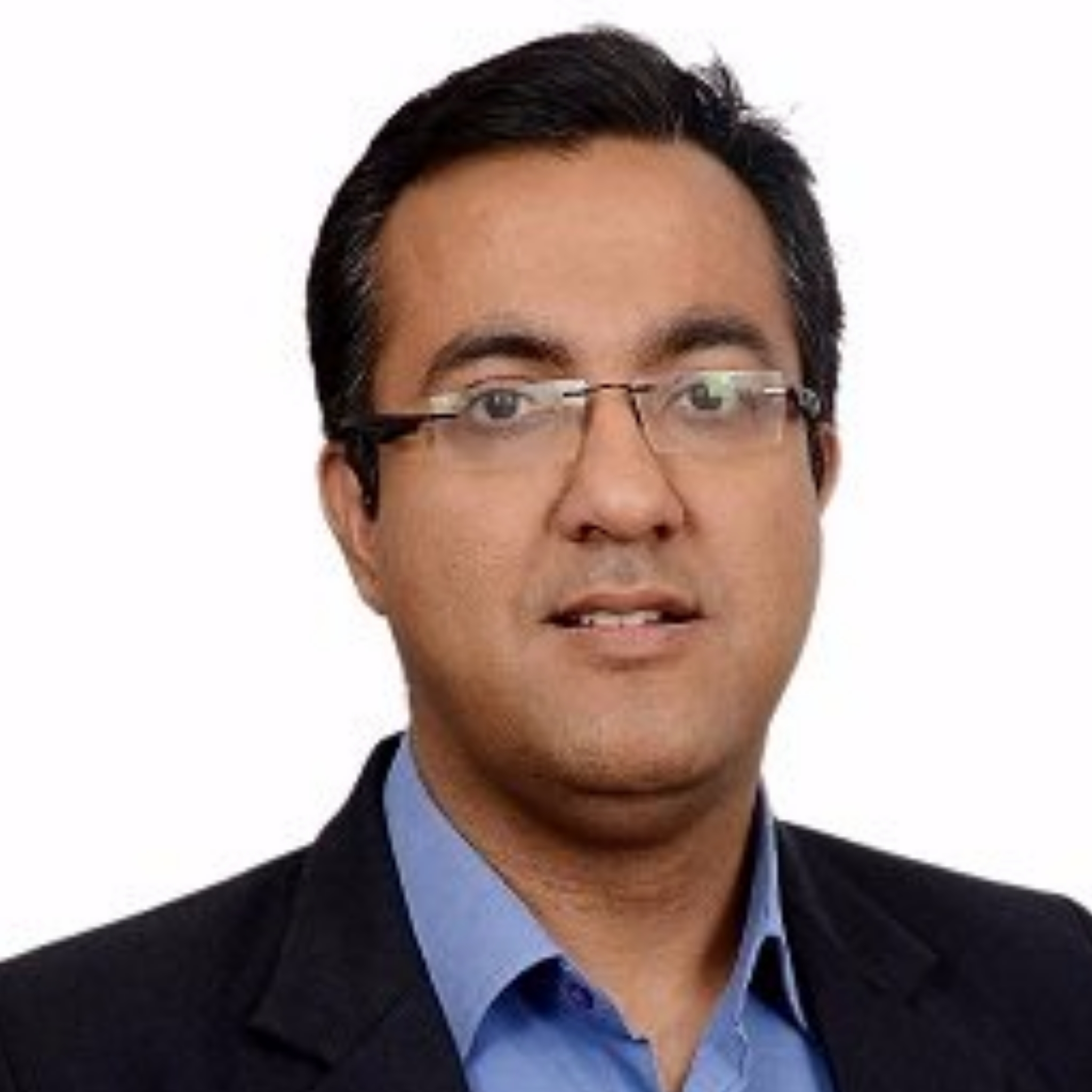
  • GUEST COLUMN: The future of work – from remote to hybrid

    GUEST COLUMN: The future of work – from remote to hybrid

    Mumbai: In the last one and half years, a lot of things have changed. We have a new experience to share on how the pandemic has altered our lives. And one of the biggest changes is how actively work-from-home has become a huge part of our lives, and transitioned the culture not only in India but across the globe. 2020 is counted as the year of remote work, and the trend continues in 2021 compelling us to rethink our traditional work models.

    However, the start of this trend was not that smooth. In the corporate world it caused issues but slowly and steadily it became a part of daily routine. As businesses struggle to become fully operational, the concept of a “hybrid workplace” has provided a light for dealing with the problem. Remote and in-office work is mixed in a Hybrid workplace model, which allows individuals to structure work around their lifestyle rather than around desks in a physical office environment. If done right, it allows employees to be more productive while also encouraging employee engagement. In the past year, Hybrid workforce has also become a mix of freelancers, contractors, and full- time hires and with the new changes HRs today have to play a role in hiring and managing this mix.

    Hybrid-remote when adopted should be embraced with great deliberation, care, and intentionality. Organisations need an agile and flexible workforce to succeed in today’s expeditiously growing global economy. The best part of witnessing the changes is that there has been a good engagement from both the employee and employer sides. The productivity metrics are proving that the hybrid structure is indeed working. Hybrid-model can only work and give the best results when the HR, team, and the employee are in sync, and both understand how it should go. It depends on a mix of activities undertaken in each occupation and on their physical, spatial, and interpersonal context.

    The shift to a hybrid workforce model is inevitable, but you can’t just give your employee a laptop to do the work and ignore other aspects. Organisations have to focus on the employee – on their varying needs and behaviours. It is only by changing the way they manage and lead, by reframing employee touchpoints, and by rebooting the role of the physical workspace – they will create a truly hybrid model and see the improved productivity, lower costs, refreshed managerial roles and strengthened cultural fabric that can be the outcome of this new normal.

    Technology has innovated quite a lot in the pandemic thanks to the affordable internet consumption. This has led organisations to equip with the right tools to transition to a hybrid future.

    As the quick rate of technological innovation continues to develop, HR needs to become an adaptable and technologically advanced feature. It must be able to change with the changing world around it to serve people throughout their whole career. In light of these particular situations, HR needs to be as wide in its knowledge base as feasible while being as particular in its execution. Finally, HR is no longer a business department that can exist without having a significant impact on the bottom line; its job has expanded to handle a variety of business issues.

    Automation, robots, and artificial intelligence (AI) can take on the labour-intensive tasks, allowing HR teams to focus on projects that add value to the organization and improve employees’ working lives. Even while HR wants organisations to digitise certain processes, believe me, human interaction cannot be substituted by a machine or robot. HR will evolve, but it will revert to its previous form, with employee involvement and management at its core. HR appears to be coming full circle, thanks to the hybrid workplace, as technology aids HR staff in focusing on high-value tasks.

    Going further, companies who will be going with the hybrid workplace, there will be flexible work options which will enable some to continue working remotely, while allowing others to either work in the office or shuttle between both.

    The future of remote work will require many changes, including investing in digital infrastructure and freeing office space. For most companies, having employees work outside the office will require reinventing many processes and policies.

    And the most important thing is that leaders and the reporting managers must ensure that all employees, irrespective of their location, participate in team activities, so they do not feel left out. There has to be a constant reminder to the team that everyone is in this together — whether they are in the office or at home; that each one plays a role in sustaining the company’s culture in the coming era.

    (Girish Kukreja is the founder and CEO of FlexC. The views expressed in the column are personal and Indiantelevision.com may not subscribe to them.)

  • GUEST COLUMN: Deciphering social media Humanology during pandemic

    GUEST COLUMN: Deciphering social media Humanology during pandemic

    New Delhi: Before 2020, if any individual ever put a requirement about a hospital or medicines on their social media timeline, the only people to respond to those posts would be their friends and professional relations. It was highly unlikely if an unknown (or unconnected) individual jumped in to respond or help.

    However, the second wave of Covid-19 broke this myth. When someone posted an SOS message, the entire community, irrespective of whether they were connected or not, jumped in to help them. Within minutes, the seeker had the list of hospitals to dial in, vendors for an oxygen cylinder, masks, sanitisers, vials, doctors, and home remedies.

    As the days went by, the number of these SOS turned into thousands flooding the timelines. There was a barrage of WhatsApp messages, Twitter posts, Insta Stories, Posts, and others sharing the names & contacts of the verified vendors/places of these above-mentioned amenities created by people who are not content creators.

    The content creators and influencers played their roles. Technology enthusiasts created live blogs, tools that maintained the real-time verified status of the hospitals, doctors, and other necessities on the social media accounts for free of cost. Once an SOS query was answered there was a heart-warming response. The scenario reflected the age-old proverb – ‘Neki Kar, Dariya Mein dal’ (Be Discreet with your Kindness).

    And it was not just a common man who used this medium, several hospitals and institutions used the social platforms to update their daily/hourly status and raise SOS to the government.

    So, what changed in 2021? Why did people become so proactive on social media to help each other? What did they get out of this? Before we dig deep into this psychographic analysis of this question, let us understand the behaviour of most people on social media, especially who they engage with & how they do it.

    Social media has always been like a digital mohalla (neighbourhood) where one lives with fast friends, daily acquaintances, casual acquaintances, professional acquaintances, and dormant relations. On most occasions, our deepest engagements are with either fast friends or professional connections. However, with everyone else, this relationship of engagement is very casual.

    Stronger Together!

    People realised that they were probably facing the worst ever humanitarian crisis and the only chance to survive this was through fighting it together. Now they could not go outside physically to help them, so the only option was to help digitally. This meant they could order medicines, find doctors, connect with hospitals, ambulances, and others.

    Online Connection to on-ground Solution!

    Once helping each other became a duty for responsible netizens, they started realising the power of social media and connections. They moved a step beyond just sharing the jokes and news and saw that they were part of the real action where lives mattered. Their small contribution can help someone. A simple idea that even if an existing connection could save one single life, it would be worth it.

    CONTENTment

    It gave them a lot of peace and satisfaction as they were able to help each other. Sharing is caring! They had a platform to express happiness or displeasure about the situation where they will not be judged. This feature has always been there and people used it excessively during the pandemic. The affected shared their challenges & remedies; the ones who suffered losses shared their thoughts & displeasure about the situation and the ones who were safe were able to take learnings from the affected ones.

    Together We Win!

    Together these voices collaborated and were able to gather domestic and global attention. They believed that they were a part of a movement where people will read/hear/see their plight and chip in to help. And finally, people were able to seek genuine responses that mattered. They were turning out to be influencers aka god’s light for many others. This user-generated response mechanism created a strong trust in their mind for the platform and engaged them even further to the mediums.

    A big reason for this massive shift in behaviour was the need of people at large, especially when India’s entire healthcare system was under immense pressure.

    However, there was also a flip side to it. It led to a lot of misinformation also wherein information about several untested medications was also making rounds on social media which could easily lead to reputation damage for a long time.

    As a digital marketer, I believe in the semantics of social media platforms and connections. This shift is going to stay, social media as a social support platform is a colossal example of changing human behaviour & technology.

    (Jankana Kaul is CEO, Natter. The views expressed in the column are personal and Indiantelevision.com may not subscribe to them.)