Tag: GUEST COLUMN

  • GUEST ARTICLE: Why advertising industry is the best tool to fight against raging inflation?

    GUEST ARTICLE: Why advertising industry is the best tool to fight against raging inflation?

    Mumbai: Everyone is talking about inflation these days. The cost of living is rising, and people are struggling to make ends meet. In such an unstable economic climate, it’s more important than ever for businesses to stay afloat. And one of the best ways to do that is through advertising.

    Advertising helps businesses by creating demand for their products and services. It also educates consumers about what’s available on the market and how to make informed purchase decisions.

    Inflation can be a daunting challenge, but with the right advertising strategy, your business can weather the storm. Advertising plays a key role in fighting inflation by creating demand for goods and services. When people are aware of new products and services, they are more likely to purchase them, which increases demand and ultimately helps to keep prices stable.

    Advertising also helps businesses promote special sales or discounts that can help reduce the cost of goods and services.

    How does advertising help fight inflation?

    Advertising is not just a powerful tool to sell products and services; it is also an effective weapon to fight inflation. By keeping demand high and stimulating competition, advertising can help keep prices in check and prevent them from spiralling out of control.

    When inflation is high, advertising can encourage people to shop around for the best deals on items they need. This helps keep overall prices down as businesses compete for customers. Advertising can also help businesses keep their prices in check. By publicising special offers and discounts, businesses can entice customers without having to raise their prices. It can also inform consumers about special offers and discounts that may be available, helping them to save money on purchase prices.

    Advertising can also help bring new products and services to market quickly, which can help break the cycle of inflation by offering consumers more choices and driving down prices.

    Ultimately, advertising is a key part of any economy and plays an important role in keeping inflation under control. When used correctly, it can be a powerful tool for businesses and consumers alike.

    What are some examples of successful advertising campaigns that fought inflation?

    Inflation is a major problem in many countries around the world, and advertising can be an effective tool to help fight it. There are a number of successful advertising campaigns that have been used to fight inflation, and here are just a few examples:

        The “I Defy Inflation” campaign by Coca-Cola in 1974 was a very successful way to fight against rising prices. The company placed ads featuring a can of Coke with the words “I Defy Inflation” printed on them, and this helped to increase sales and combat inflationary pressures.

        Another great example is Procter & Gamble’s “P&G Cares” campaign from 1985. This campaign featured ads that showed how P&G products were helping families save money on their grocery bills. The campaign was very effective in combating inflationary pressures and helping people save money.

        A third example is Nike’s “Just Do It” campaign from 1988. This famous slogan helped inspire people to get up and take action, even in the face of adversity or tough economic times. The slogan was very effective in combating inflationary pressures and helping people stay positive during tough economic times.

    These are just a few examples of successful advertising campaigns that have been used to fight against inflation. Advertising can be a powerful tool to help combat this problem, and there are many more examples out there of companies and brands that have used it effectively.

    Conclusion

    In the current day and age, inflation is a huge problem that many countries face. Advertising can be used as a powerful tool to help fight inflation. By using advertising, businesses can increase consumer demand, which in turn will help stabilise prices.

    Additionally, advertising can help promote products and services that are new or on sale, which can encourage people to spend more money. Overall, the advertising industry is a great way to help combat inflation and should be used more often.

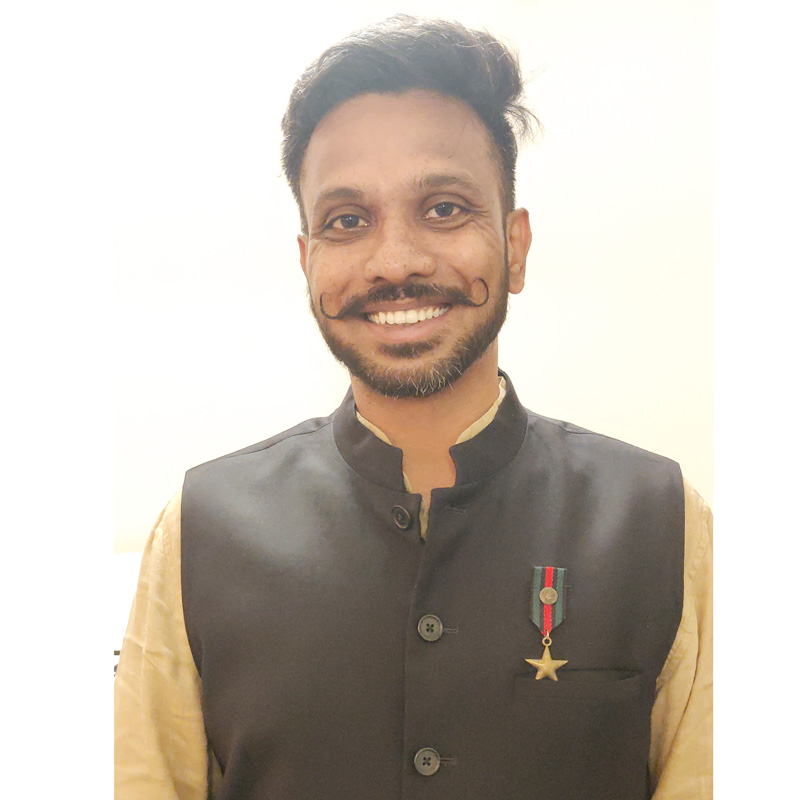
    The author of this article is Wing Communications CEO & founder Shiva Bhavani.

  • GUEST ARTICLE: New trends in the video production market 2022

    GUEST ARTICLE: New trends in the video production market 2022

    Mumbai: There is no doubt that video marketing is the most engaging medium to connect with consumers and is also enthusiastically embraced by the masses.

    A recent report indicates that YouTube has experienced a 20–30 per cent increase in views, and social media videos have reached an all-time high, with 56 per cent of consumers watching more videos each month on social media platforms. While video production is gaining momentum, the focus is not limited to humorous skits or influencers. Rather, there are several companies dedicated to creating videos that deliver value to their customers. 

    In a recent study, four out of ten internet users follow brands that interest them (and are considering purchasing from). Also, 35 per cent of YouTube views are attributed to brand-owned videos, and 70 per cent of e-commerce brands have increased their advertising budgets for videos.

    Looking closely, we have found the following trends in marketing video production that are expected to continue into 2022 and beyond. 

    ●     Short-form video

    The short-form video has gained traction across almost all content platforms, including Instagram Reels, Snapchat, and YouTube Shorts. There is a likelihood that this trend will continue, with videos becoming “snackable,” which means they can be consumed between other forms of content in a short attention span.

    When it comes to what needs to be served to the consumers, a marketer needs to be able to achieve more within a shorter period of time. In most cases, you will have less than 30 seconds to catch your audience’s attention and explain your point. Fortunately, video allows you to achieve this. Visuals, audio, and text can be combined effectively to communicate a shorter message. 

    Let’s take a look at a few best practices for short-form video production:

    ●     The first few seconds matter – Gain their attention right away to prevent them from swiping or clicking away.

    ●     Don’t forget mobile – As over 75 per cent of video content is viewed on mobile devices, it is essential to use mobile-friendly links and vertical formats for viewing. With the latest video technology, it is even possible to create videos that adjust based on the device used by the viewer.

    ●     Posts affect where it goes – Keeping in mind that different websites and apps have differing content styles that work best and often have different audiences when making videos is essential.

    ●     Animated Explainer Videos

    Animation explainer videos enable you to capture your audience’s attention while maintaining it throughout the video. The most appealing aspect of animated explainer videos is that they showcase your brand’s personality in an enriching and informative manner.

    Many companies worldwide continue to use animated videos to promote their products and services. Animated videos are also used for various purposes, such as educating customers, training new employees, and many others.

    Moreover, since more and more people are viewing videos on their mobile devices, creating videos that are optimised for smaller screens is paramount. Forecasts indicate that animated explainer videos will become more popular as a form of video marketing by 2022.

    ●     Shoppable social media videos

    A shoppable and interactive video marketing strategy will dominate the video marketing segment in 2022. A viewer can be a part of the story or message by participating in the video. You may receive a different result if you click on the other objects that are projected on the screen.

    There may also be questions or choices you must make that have an impact on the video’s plot. Over the years, shoppable videos have also evolved. In 2022, shopping videos will significantly increase the interaction level among their customers. As a result, shoppers will have an easier time, and conversions will increase dramatically.

    Shopping can be performed directly from the video, hence there is no need to leave the site. This trend is unmatched in popularity.

    ●     Webinars and live streams

    A live stream or live webinar has become an increasingly popular way of sharing content in the past few years. It is a great way to increase brand awareness and traffic to your website, and it allows your followers to interact directly with you.

    Combining this approach with the podcast offers you the opportunity to leverage multiple channels for marketing purposes. Apart from this, businesses and content creators can use live webinars to generate leads and sell products.

    If you plan on conducting live webinars, you should invest in a good-quality microphone.

    ●     Vertical videos 

    If you scroll through social media feeds, you will notice that most videos are vertical in nature. The orientation of a vertically oriented video differs from that of a horizontally oriented landscape video.

    In 2017, Snapchat and Instagram began supporting these videos, and their popularity has continued to increase with TikTok. In vertical videos, the viewer may see more of the subject’s face than in horizontal videos. Moreover, they may feel closer to the matter as the camera is closer to their faces.

    This eventually makes it ideal for sharing on social media platforms, where users scroll through their feeds and wish to view quick, engaging videos. However, this video style is likely to remain popular for the foreseeable future.

    ●     User-generated content

    There is no doubt that marketing strategies rely heavily on user-generated content, and video content is no exception. User-generated content is one of the top trends in video marketing for 2022, and YouTube’s ability to attract and retain users indicates its effectiveness.

    According to studies, user-generated video content receives ten times as many views as branded content. The good news doesn’t stop there: once users land on a site via UGC, they spend twice as much time as they used to on the previous content. It is also well known that user-generated video can convert users into customers at a rate almost double that of static content.

    Video UGC also increases the likelihood that these users visit an e-commerce site and make a purchase by 184 per cent, and makes sure that these users spend 45 per cent more on the e-commerce website. This approach is particularly effective in industries that heavily rely on user opinions, such as travel and health.

    Even if your company does not operate within these industries, video content generated by users is a practical part of your video marketing strategy for 2022. 
    Final Thoughts

    It is undeniable that the trend of using video content in marketing has continued over the past decade. To succeed in digital marketing, you must have a detailed understanding of video marketing trends. No matter if you are a professional videographer or not, you should be familiar with the use of video content in marketing and design. You will see incredible results if you incorporate it into your online marketing strategy. Take advantage of all the trends and statistics related to video marketing on our website. This would aid your marketing campaigns and social media efforts to ensure that your prospects remain engaged with your content.

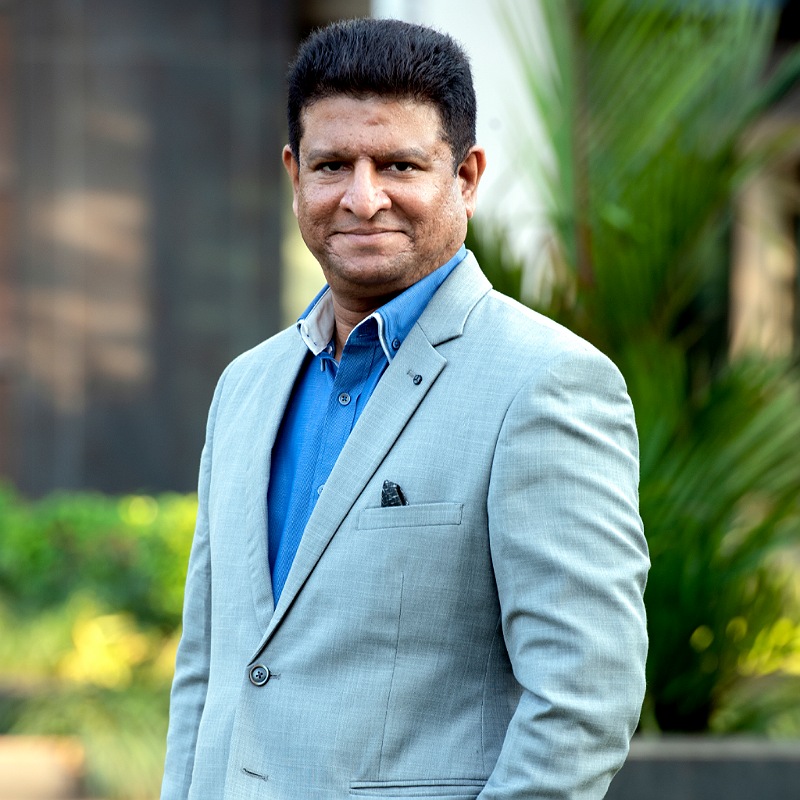
    The author of this article is GPPL co-founder and managing partner Anjali Chauhan.

  • GUEST ARTICLE: Crisis communication: Planning for the worst; hoping for the best

    GUEST ARTICLE: Crisis communication: Planning for the worst; hoping for the best

    Mumbai: Few situations test an organisation’s reputation as brutally as a crisis. Corporations and crises go hand-in-hand. Whether the effect is instant or sustained over a period of time, a crisis affects stakeholders both inside and outside the organisation. Customers grow anxious. Employees get nervous. Management gets interrogated. Shareholders get impatient. Competitors sense an opportunity. The media increases scrutiny. The pressure is high, and the stakes are higher. It is in critical times like these that organisations should be able to seamlessly switch from their current marketing communication to hard-core crisis communication.

    On any given day, organisations pay utmost care, attention, and tact to build their brand image. But, when a catastrophe hits, crisis communication becomes the lifeblood of the brand, ensuring that the reputation and image of the organisation are maintained. From a communications standpoint, a crisis attracts public scrutiny, threatening the brand’s ability to conduct business. Preparation and sound judgement become critical for survival.

    In today’s time, real-world catastrophes play out on all media and all platforms second-by-second, requiring prompt crisis communication. A crisis invites negative media mentions across the board: press, social media, TV, and radio. Hence, the response has to be multichannel. People want news and information in a crisis. During such times, if information is unavailable or inconsistent, people feel unsure about what they know or hear and are on the lookout for a credible and transparent message to guide them towards a positive future.

    But they usually don’t navigate directly to the organisation’s website for news and information; rather, they actively search and scan through multiple sources. Brands should be cognizant of this and ensure that they are serving this need. All marketing budgets and all focus should be shifted to relevant crisis communications and content so that all dangers of fake information are thwarted and damages are limited. In such scenarios, an empathetic ear is what is required.

    Showing empathy during a crisis is crucial. One of the more debated tenets of crisis communication is that someone involved in a crisis must be prepared to empathise and even publicly apologise for the events that have transpired. Taking responsibility means communicating what an organisation is doing to remedy a situation that the media and the public are holding the organisation accountable for. People want to hear from the brand, but more importantly, they want to be heard and shown that their feedback is taken into consideration. In addition to this, something tangible needs to be done to help people. Brands need to be able to walk the talk. Consumers tend to remember the brands that have helped them through rough times. This increases brand stickiness when the bad phase passes.

    Additionally, brand communication should always have a transparent and authentic tone. Hollow promises do more harm than doing nothing. While brands have plenty at stake during a crisis, communication with sincerity and not promotion tugs at people’s hearts.

    Crisis communication is designed in a way to keep people safe, help them adjust, and cope emotionally. In a crisis, people’s information needs to evolve. So should a good communicator’s messaging. Different forms of information can help listeners feel secure and connect to a deeper sense of purpose and stability. Brands should send out simple messages—a lot of messages—through all communication channels, including in-app messages, video messages, podcasts, broadcast, print, social media, or any other media, to sort out the chaos for all. Keeping crisis communication simple and easy-to-consume for everyone will ensure acceptance. As with all communication, messages in times of crisis should have a clear objective and be relevant and tailored to the target audience.

    Also, in times of crisis and change, highlighting an organisation’s competency is important. Stakeholders need to be reminded that all unprecedented situations will be handled meticulously. Crisis communications should be share-worthy and something to remember in the times to come. In addition, word-of-mouth helps spread a brand’s message and reach a wider audience. Colleagues should be encouraged to share the message internally and externally wherever relevant.

    Crisis communication is an art. With a sound strategy, it is capable of navigating the organisation smoothly through choppy waters. In times like these, the best way is to communicate, communicate, communicate.

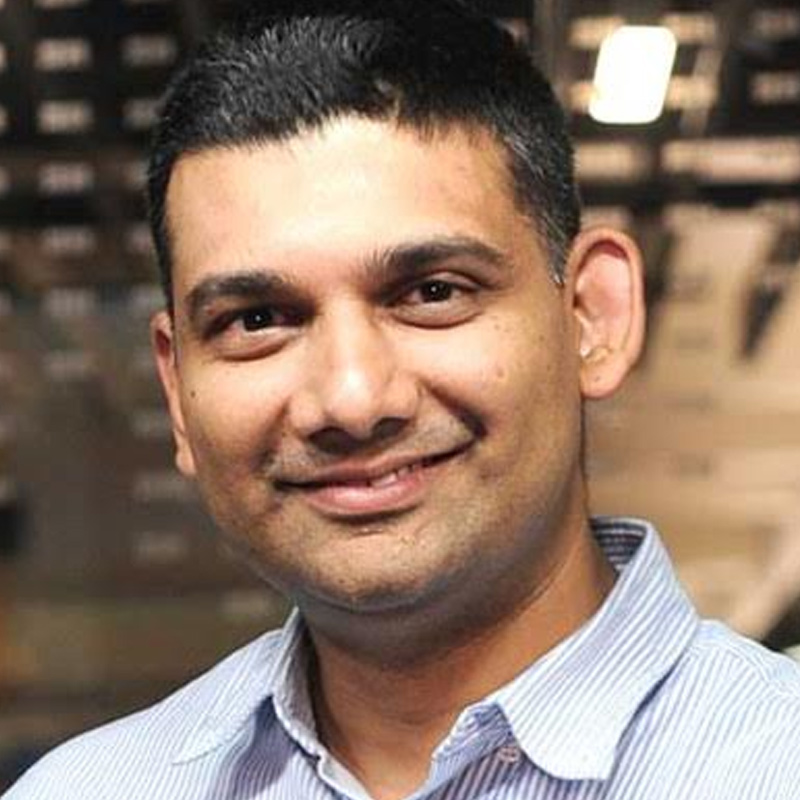
    The author of this article is PayNearby chief marketing officer Jayatri Dasgupta.

  • GUEST ARTICLE: The future of brand marketing using influencers

    GUEST ARTICLE: The future of brand marketing using influencers

    Mumbai: ‘Influencer marketing is the future,’ ‘Influencer marketing helps brands reach millions,’ and ‘Influencer marketing has limitless potential.’ We see such statements across articles, news, blogs, etc. As we dissect the relevance and future of influencer marketing, let’s clarify what it is.

    Simply put, influencer marketing uses content creators on social media to craft engaging promotional content to drive traffic and conversions, boosting the brand’s growth and revenue. But is it true? Can we assume that brands can turn towards influencer marketing as the marketing industry’s future? And if so, how is this shift getting suitable returns? How is the integration happening across different mediums? How is it a reliable method of generating high ROI? Finally, and most importantly, what is influencer marketing for brands? In this article, we will unravel this boundless strategy.

    One strategy – multiple purposes served

    Influencer marketing, with its multifaceted benefits, serves more than one purpose. Some of the objectives of brand marketing with influencers can range from:

    1. Building brand awareness: Influencers can amp up the brand positioning and visibility for their respective followers, especially if they’re niche-based with a highly engaged audience.

    2. Increase reach: Influencers can help brands reach broader and more relevant audiences across cities or countries. This also helps the audience connect strongly with the brand that their favourite influencers associate with.

    3. Drive sales/traffic: Influencers can help brands get more qualified leads and traffic with their content.

    4. Improve brand image: Influencers are usually considered experts or key leaders in their niche or industry, and their followers highly value their opinions. When an influencer posts something good about or for the brand, this boosts the brand’s credibility and image.

    Sass and Sales are on the same side now-

    The evolution of digital marketing has taken over people’s digital privacy, so it’s safe to say that most of the expensive advertisements you’re pushing forward to your potential customers are not even reaching them. As a result, people are now paying to stop receiving advertisements. So it’s no surprise that the marketing industry witnessed the rise of influencer marketing as the hero of marketing, helping brands reach their potential customers on social media platforms with quirky, engaging, and relatable promotional content. Leading creators have mastered the subtle and sassy ways of promoting products or services. Be it Bhuvan Bam’s Myntra collaboration, RJ Karishma’s Hotstar collaboration or KYRA’s boAt collaboration, the content doesn’t just reach millions of people, it also helps people connect more with the brand. They feel the urge to buy the products recommended by their favourite influencer, driving high ROI in sales, website traffic, instals, brand visibility, awareness, and so much more.

    Pay Less, Earn More? Yes, that’s on the table

    Tired of paying for ads and marketing promises that never yield good returns? Influencer marketing has successfully established itself as a cost-effective strategy. How? Here’s an example: Micro-influencers charge as low as Rs 2,000 for content that reaches 50k potential customers. At the same time, macro influencers charge Rs 40,000 or more for content that reaches five million potential customers. Moreover, influencer marketing can be customised to suit your brand’s budget, ensuring your brand spends less and gains more.

    Not just that, some influencers even prefer to do barter campaigns, meaning your brand can give some products to the influencer in exchange for a promotional post for the product.

    Rule the digital world? Yes, along with customers’ hearts and pockets!

    The digital crowd is hooked on their social media platforms throughout the day. Be it Instagram, Youtube, Twitter, LinkedIn, or Facebook. However, the digital crowd is smart, so the selling process has to be more innovative. Customers are no longer attracted to advertisements promoting anything and everything. Brand marketing with influencers can be considered the liveliest form of marketing by simultaneously capturing millions across the globe. Let’s check out some of the leading influencer campaigns across different social media platforms to better understand them.

    1. YouTube influencer marketing: Youtube influencers specialise in different niches. Collaborating with YouTubers for brand marketing can add value for your target audience while driving higher conversions. Some YouTube brand campaigns with influencers include live-shopping, review videos, and narrative and reaction videos, among others. Case in point, Open Book launched a regional campaign with influencers to familiarise the brand’s new products with its target audience. The content revolved around experts talking about the products and their solutions.

    2. Instagram influencer marketing: With Instagram, brand marketing with influencers usually focuses on campaigns that aim to earn brand mentions, product reviews, content sharing, and contests. With the rising popularity of Instagram in the last decade, the creator pool has successfully implemented content curation and creation strategies that boost brand awareness, sales, brand visibility and more. Case in point: Paragon collaborated with mega influencers to target the youth audience and depict the brand as the go-to footwear for all occasions. The content revolved around reviews and product experiences, with a hint of humour.

    3. Snapchat influencer marketing: Snapchat marketing with influencers is often considered the ace of social media due to the high rates of conversion, genuine interaction, and two-way content engagement allure it holds. Case in point: In 2020, Dunkin’ Donuts launched the most extensive campaign on Snapchat. To put a smile on its customers’ faces, it launched a campaign on National Donut Day. The brand’s Snapchat channel was taken over by influencers who posted snaps from Dunkin’ Donut outlets. To enhance their customers’ experience, they also devised a “Geofilter” that visitors could access after signing up with the store, driving high outlet visits.

    Over the years, we have witnessed brand marketing with influencers on Facebook, TikTok, Twitter, etc. It is safe to say that the trend has seen a glorious rise, and the future of brand marketing with influencers is ripe with possibilities and opportunities. Most brands have started adopting and adapting as per the latest trends and updates, staying in-vogue with campaign strategies with the “WOW” factor for the digital crowd, like boAt with its first-ever campaign with virtual influencer KYRA or L’Oreal revamping its influencer marketing strategies in a relatable way. One thing is sure: influencer marketing plays a vital role in the growth trajectory of brands. It won’t be long before most leading brands shift their strategies to adopt influencer marketing as a core strategy.

    The author of this article is The Good Creator Co. co-founder Rahul Singh.

  • GUEST ARTICLE: Is Google’s pilot project on fantasy sports likely to alter the course of online gaming?

    GUEST ARTICLE: Is Google’s pilot project on fantasy sports likely to alter the course of online gaming?

    Mumbai: Fantasy sports began in 1962 with a football fantasy league. Since then, its popularity has skyrocketed, mainly due to superior connectivity, dynamic needs for social interaction, the availability of avant-garde smartphones, enhanced demographics, a spike in disposable income, and an expansion in the youth population base. The global fantasy sports market is anticipated to reach $34.66 billion by 2027, rising at a CAGR of 11.47 per cent.

    However, the Indian fantasy sports market gained popularity around two decades back in 2001, when ESPN Star Sports launched the ‘Super Selector Fantasy Game.’ The game’s popularity grew exponentially and garnered over 5,00,000 participants in 2003. The game was the brainchild of the current Fantasy Sports (FIFS) director general Joy Bhattacharjya.

    Fantasy sports participation has surged by 2,500 per cent over the last decade. The number alone demonstrates the enormous fan base of the niche domain in India. Fantasy sports are undoubtedly becoming a forum for crafting gaming strategies and boosting virtual sportsmanship. By the end of 2022, India will have over 829 million smartphone users, increasing the number of sports enthusiasts participating in fantasy sports. The present count of mobile gamers in India is 430 million. It is anticipated to grow to 650 million by 2025.

    With the advent of television, digital, and online gaming models leading to an increase in online gaming sites over the last several years, the gaming sector has undergone a radical transformation. According to an EY report, online gaming is the leading category in the entertainment sector, with a penetration rate of 55 per cent.

    What are Fantasy Sports?

    Fantasy sports are digital sports engagement platforms enabling users to strategically build virtual teams with proxies of actual sports players participating in a forthcoming match (or match-day). The competition in these DFS (Daily Fantasy Sports) platforms is based on the real-world statistical performances of these players in one full, officially sanctioned sports match. The users act as the coach or manager, possessing the authority to drop, recruit, or trade a player they desire.

    Proper knowledge of the sport, an adept understanding of the weather and ground conditions, and a cognisance of the real-life sports person’s strengths and weaknesses are crucial to selecting the fantasy squad.

    “Games Of Skill” vs “Games Of Chance”

    The gaming industry in India is segmented into the offline gaming sector (gaming clubs & casinos) and the online gaming sector (gaming websites). Business entities constitute almost the entire chunk of operators in the abovementioned segments. These entities are registered as private limited companies in India.

    Furthermore, the Indian legislation has bifurcated the gaming industry into two broad divisions, viz., “games of skill” and “games of chance,” to regulate the industry’s monetary offerings.

    A skill-based game is one wherein the outcome primarily depends on the players’ skills and not on a chance event. They are, hence, considered legal in social settings, clubs, casinos, and online. The popular online games in India that are recognised as games of skill include horse racing, rummy, and fantasy sports.

    On the contrary, “Games of Chance” depend on luck and advocate gambling. Thus, they are prohibited, and the practise can lead to legal repercussions.

    But Google has now decided to run a “limited-time application-only pilot programme permitting real-money games (RMG) like DFS (Daily Fantasy Sports) and rummy apps by developers incorporated in India to be distributed to users on the Google Play Store in India. The pilot run will start on 28 September 2022, and through 28 September 2023.

    All applicants must complete the application process successfully to be accepted to participate in the pilot programme and will be eligible to distribute their apps on Google Play for the duration mentioned earlier.

    The reason Google cited for making this significant move is to keep in mind the rapid evolution of the fantasy gaming sector and gather sufficient data about any potential user damage and the security of such apps. The unpredictable nature of the regulatory landscape in the online gaming industry has been very evident in the past. Several states, including Telangana, Andhra Pradesh, and Odisha, among others, have outlawed fantasy gaming apps despite favourable rulings by the Supreme Court and other high courts that they are games of skill and are, therefore, legitimate.

    Developers must ensure that users dwelling in jurisdictions where DFS and rummy apps are not allowed and are refrained from accessing their apps.

    Will Google’s temporary nod to RMG games on Play Store be a game changer?

    The introduction of fantasy games on Google Play could be a revolutionary move impacting app developers and users. It would definitely help the industry grow much faster, increasing awareness of these games and consequently boosting user participation. The move would also expand the Play Store’s user base by reaching out to gamers who were previously unable to access these games on the store.

    However, it will be an arduous task for Google to retain its user base and developers and simultaneously adhere to government and other internal policies.

    The developers chosen for the test programme won’t be able to leverage Google’s in-app payment system; instead, they will need to provide substitute third-party billing options within their apps. Google will adhere to its service fee policy for similar apps globally and will not add a commission to transactions done on these apps.

    Earlier this week, Google released a statement mentioning that, as part of a pilot initiative, it will permit developers of non-gaming Android apps from several nations, including India, to provide third-party payment choices, reducing the service fee of 15–30 per cent by four per cent.

    Current scenario and the way forward

    With a user base of 13 crores, India is the fastest-growing FS market, with a CAGR of 32 per cent expected in the coming years. In other words, the industry is projected to grow from Rs 34,600 crore in FY21 to an estimated Rs 1,65,000 crore by FY25, per FIFS estimates. 50 per cent of transactions on FS platforms are initiated from tier two and three cities.

    Cricket, with a whopping 85 percent market share, captured the most significant chunk of the fantasy gaming universe, followed by soccer, hockey, and others. Cricket is anticipated to generate Rs 73,000 crore of CEA for FSPs by FY25, up from Rs 25,000 crore in FY21. The critical user demographic falls into the 25–40-year bracket (59 per cent of the total user base). One of the key findings is that 80 per cent of fantasy sports users participate in free contests.

    Skill-gaming operators must adopt and enforce a high degree of governance and self-regulation in light of the current regulatory environment. The industry has taken or proposed several steps, such as interacting with stakeholders and users to get a clear picture of the needs and expectations after identifying the necessity for self-regulation.

    The trailblazing growth of fantasy sports with every passing day has attracted investments of over $112 million in the past five years. The industry has garnered foreign direct investment of Rs 10,000 crore so far and is expected to attract over Rs 15,000 crore over the next three years.

    The introduction of 5G would alleviate technical disruptions and eliminate latency and low concurrency problems, enabling a broader user base to participate in a tighter-knit gaming community. The transition to 5G, alongside the incorporation of AR and VR into sports and cloud gaming, will pave the way for the next big wave.

    Additionally, the sector has significantly contributed to generating employment in the nation. By 2023, it is anticipated that the potential for growth in creating jobs will increase to more than 5,000 in direct employment and more than 7,000 in ancillary jobs.

    The author of this article is AdCounty Media global mobile business head Kumar Saurav.

  • GUEST COLUMN: Why Software as a Service puts video service providers in control

    GUEST COLUMN: Why Software as a Service puts video service providers in control

    How can we increase market share? Can we meet the demands of consumers who want to watch high-quality video on any screen, anywhere, anytime? What should we do to protect our content, and build new revenue streams?

    These are some of the critical questions video service providers are continually asking themselves and us. And the Software as a Service (SaaS) model is proving it has what it takes to address these burning issues by allowing providers to quickly launch, scale and update streaming services and keep focusing on the right questions to stay competitive.

    Scaling ambition

    SaaS puts customers firmly in the driving seat. Flexible, affordable, and scalable – with the onus on the software provider to host and maintain the service – it means providers can start small and pay as their ambitions scale, whilst reaping the benefits of new product enhancements, features and functionality added as frequently as multiple times a day.

    Some early adopters are already turning their backs on inflexible, bespoke technology deployments and instead embracing SaaS solutions. Interestingly, we are finding these are not just those born-in-the cloud streaming services that might first spring to mind but also more traditional pay-TV providers and telcos.

    One particular factor driving SaaS demand is the increased appetite for TV advertising. Where once the focus was on subscriber acquisition and market share, broadcasters and other service providers are now demanding the flexibility to create new Avod and Fast services that help counter the cost of content. For example, a leading provider in southeast asia is deploying Synamedia Iris, our SaaS addressable advertising solution, to manage, deliver and measure advertising consistently across its entire subscriber base including set-top boxes with one-way connectivity. Synamedia Iris is a key area of focus at our R&D centre in Bengaluru along with the development of our other SaaS solutions, including Synamedia Go.

    Increasing modularity

    Until now, service providers have had little alternative to customised, complex deployments involving heavy Software Design Kits and pre-defined, sequential phases of testing with no overlap between phases. It sometimes takes many months for acceptance testing to support the launch of a single feature or a new device. In today’s rapidly evolving business and technology environment, that’s simply unsustainable.

    By contrast, the SaaS model offers flexibility, agility and Opex models that come with public cloud, service-based delivery and DevOps. With a modular suite of solutions, providers can start small, only paying for what they need, then easily add more packs or services as their needs evolve.

    And SaaS isn’t just for the big players. Its effects are disruptive because the entry barrier to these new levels of experimentation and creativity has been lowered and its modular nature opens up opportunities for smaller and non-conventional businesses.

    Our SaaS transformation

    At Synamedia, we are living and breathing multi-tenant SaaS internally and witnessing its power first-hand. As one example, in just the first six weeks of 2022 we made 130 discreet feature drops into production in our Synamedia Iris addressable advertising solution. In the previous generation software-based solution, we had releases every six months and our customers typically added two or three months of testing on top of that.

    In a rapidly changing world, this velocity and agility is game changing for us and more importantly for our customers. It has impacted every department in our company including the way we sell, support, and contract with customers. Where once our platform deployments were bespoke for each customer, with the SaaS model any customisation now only needs to happen at the edges.

    The result is our pace of change of product delivery has increased an order of magnitude over the last year. Importantly, we have also evolved our development approach to one that considers the complete customer experience. We are now more focused and efficient when releasing new features and everything is delivered with built-in market validation.

    Keeping pace with change

    Our industry is a late adopter of SaaS and one of the main reasons is that it requires changes not just within the vendor community but also within the user community. Put simply, users cannot realize the benefits of SaaS without changing their operating model to accommodate a high velocity and multi-tenanted approach, most notably acceptance testing.

    Those that don’t change will be outmanoeuvred by more agile competitors, maybe not in the short run, but inevitably over time. Those that adopt SaaS will give their subscribers a better service and will benefit from a much lower cost of ownership.

    Importantly, the product won’t just be better from a user experience and feature functionality perspective: releasing software in small batches that can be easily verified and backed out as necessary dramatically increases quality as well.

    And, finally, well-designed cloud-based APIs support a new level of openness that gives users the option of integrating point solutions or procuring suites of solutions from their preferred software suppliers. This openness is something that Synamedia has embraced strongly for its own solutions.

    Delivery the SaaS way has shifted Synamedia’s cultural mindset, and our internal teams have had to reorganise to support different priorities and responsibilities. In this golden age of content, where consumers want to change what and how they watch in the blink of an eye, it’s time for video service providers to buckle-up, rev-up the SaaS engine and make sure they’re not lagging behind.

    The author is Paul Segre, CEO, Synamedia

  • GUEST COLUMN: AI-powered influencer marketing redefining the landscape in 2022

    GUEST COLUMN: AI-powered influencer marketing redefining the landscape in 2022

    Mumbai: From Facebook recasting itself into a metaverse to marketers executing new lines of thought for sailing through yet another year amidst the pandemic, 2021 was indeed a roller coaster year for the digital marketing industry. However, one phenomenon which flourished all through was influencer marketing.

    The thriving influencer marketing arena in India is expected to grow at a compound annual growth rate (CAGR) of 25 per cent till 2025 to reach a size of Rs 2,200 crore (Source: GroupM INCA’s India Influencer Marketing Report). Globally, the industry is set to increase by approximately $13.8 billion by 2022 end (Source: 2021 State of Influencer Marketing Benchmark Report). What’s more, the induction of AI into influencer marketing is going to completely change the dynamics of decisions & ROI from it.

    With a plethora of types of influencer relationships and ongoing campaigns, supervising it the right way will be pertinent to a brand’s success.

    Data and analytics are now at the centerstage with marketers focusing on when and where to run campaigns, what kind of influencers, and how many influencers to engage with. By measuring the impact and performance of influencer campaigns, Data-driven influencer marketing is not only helping marketers calculate the ROI, further optimise the campaigns but is also helping them identify new opportunities and shortlist key influencers for future collaborations- while keeping a close eye on consumer preferences.

    As tools, artificial intelligence (AI), machine learning (ML), and natural language processing (NLP) are redefining the way brands conceptualise and execute influencer marketing by integrating quantitative and qualitative metrics in a relevant way. Such AI-driven influencer marketing campaigns will improve quality audience check and success measurements. Let’s deep dive into this…

    The right Influencer: In the recent influencer campaign meetings ‘The right influencer’ term is being used by brands on a continuous basis and they need a more detailed understanding of the selection. This process is going to be governed by AI technology by the end of this year since it’s all based on the data & if we are able to process those calculations in microseconds instead of minutes then this hunt will certainly get more interesting.

    With a few common filters we can easily narrow down the list but if we actually want to go in-depth for any decent-sized campaign, it consumes a lot of time and effort which can be easily tackled with AI-based tools. AI-based influencer marketing systems are steadily being leveraged to analyze the minutest of data from an influencer’s social media profile including every content piece posted by them.

    Marketers are looking to partner with those influencers whose online persona and style resonates with their brand’s image- to ensure that those influencers’ audiences are more likely to engage with their brand. AI-powered influencer marketing is helping brands analyse the performance of multiple influencers across various social media platforms irrespective of the language being used. Such scalability will further expand this year as marketers analyse diverse metrics including the reach and engagement metrics of individual posts.

    The Game of Fake Audience: While it can become really tricky to analyse the authenticity of the audience manually, AI is changing this game altogether. With the right algorithmic factors and by considering the step-by-step evolution of ML in this process, brands and agencies can make the right decision without too much time allocation.

    Reporting: ML & AI can assist marketers by generating very insightful analysis. The industry stakeholders are seeking to understand the reach and impact of influencer campaigns on multiple levels, even when the campaign is not huge in scale. AI will definitely help in exploring the influencer marketing insights on a level that the market hasn’t explored before and hence add many layers to what brands and agencies are doing so far.

    2022 will be a game-changing year when it comes to AI’s influence in the world of influencer marketing. It will play a crucial role in tracking sentiment to shortlisting influencers of all sizes and influencing brands in the way they define their goals and prioritise authenticity. The growing market of D2C brands in India is steadily increasing their budgets and now also want to control their data and creator relationships with the help of AI tools. 2022 will further raise the excitement with new influencer marketing trends unfolding for D2C brands, e-commerce companies, digital marketing, and advertising agencies.

    This year will see an escalation of influencer marketing growth as digital marketers will combine innovative strategies with data-driven marketing. 

    (About the Authors: Shreyansh Bhandari is the Lyxel&Flamingo co-founder and COO; Veda Bashishtha is the LYRKL co-founder and CEO)

  • GUEST COLUMN: The harm that good ads do

    GUEST COLUMN: The harm that good ads do

    Mumbai: If you want to greet somebody in the morning, two things are essential. First, you have to say ‘Good Morning,’ not ‘Good Night’ or ‘Good Afternoon.’ And second, you should say it pleasantly. If this combination goes haywire, you won’t get the other person to say ‘Good Morning’ to you, and with a smile.

    What to say is the ‘strategy’. How to say is the ‘creative’. Effective communication is a perfect blend of content and presentation.

    The job of strategy is to set the message right. And to do that, it has to get the objective right. It should be a precise and well-defined objective. The objective must be in terms of a shift in feeling with reference to the brand in question. And then, to achieve that, the specific message has to be precise like the tip of an arrow. Sharp.

    A creative’s job is to say ‘Good Morning’ but in a way that is interesting and engaging. Saying it with a blank face and with a serious voice won’t cut any ice. At the same time, a creative cannot say ‘Good Night’ in the morning howsoever enchanting the way it is said in. Your audience will like the smile and the charm but won’t get that you wanted to greet them with a ‘Good Morning.’

    When the strategy is right, it may be basic, it may be obvious, but if it is right, the job of the creative is to engage the audience in a powerful manner. And only an emotional approach can engage the audience in a powerful way. Emotions can be of any kind, including humour, which is one of the most powerful emotions used for communication.

    Things start behaving like life when we forget this basic principle. When we create ads that are very engaging but they don’t say ‘Good Morning’ or ‘Good Afternoon,’ they might confuse people but in a very engaging and charming way. The road to disaster is paved with charming ads.  God forgive them for they know not what they were supposed to convey.

    And while they don’t communicate what they were supposed to, they obviously don’t get the right result, which is primarily contributing to the brand image and secondarily, helping sell the product. When the batsman doesn’t score the runs in spite of hitting some beautiful shots, the selectors start believing that those shots must not be used again. While the real culprit is the strategic miscalculation while executing these shots.

    Clients start believing that since these charming ads aren’t working in the long run, charming ads don’t work. They don’t see the bigger picture and become wary of ads that are highly creative. And they go back to dull and boring ads which they believe work for the brand.

    We need to understand and distinguish between four kinds of ads:

    1.     Boring ads based on wrong strategies.

    2.     Boring ads based on the right strategies.

    3.     Highly engaging ads based on the right strategies.

    4.     Highly engaging ads based on wrong strategies, and

    No 1) Boring ads based on wrong strategies are certified and guaranteed disasters. Nothing can save them. Everything is wrong with them. Life looks quite pointless after watching them. Something immediately dies inside you.

    No 2) Boring ads based on the right strategies are mediocre and will bring average results for the image. Look around, the world is full of them. These are donkeys walking in the right direction. But they are donkeys.

    No 3) Highly engaging ads based on the right strategies are the darlings of the industry. Everybody wants them. Though, not everybody recognizes them. There is no debate on these. They build factories.

    No 4) These are highly engaging ads based on wrong strategies. These are the good-looking villains which do the real harm. They are like ‘Asurs’ in the guise of ‘Apsaras’.  Because of them, you don’t get the message right. They say “Good Evening” in a beautiful voice at 7 am, leaving the audience charmed, confused, and lost.

    These ads give a bad name to the really good, charming, engaging, and creative ads. Clients become wary of all creative and clutter-breaking ads. Once bitten, twice shy. The Cred Rahul Dravid ad is the epitome of this category. Highly engaging and disruptive, but leave the audience asking “Arre kehna kya chaahte ho bhai?”

    (Kapil Mishra is a brand and creative Consultant at Indiassetz, where he oversees the entire marketing, social media communication, and advertising. The views expressed in this column are personal, and Indiantelevision.com may not subscribe to them.)

  • GUEST COLUMN: How effective social media campaigns can grow a business two-fold?

    GUEST COLUMN: How effective social media campaigns can grow a business two-fold?

    Mumbai: Social media has been enjoying its all-time high for quite a while now. The outbreak of the pandemic further accelerated its growth due to the rise in penetration and usage of the internet. Every organisation, no matter how small or big, took the digital route for its survival as it appeared to be the only viable solution.

    Undoubtedly, over the years, social media has gained prominence to become one of the most influential and critical virtual spaces, which is not only utilised for networking but also for advertising a brand digitally. These platforms aid businesses to connect with a large number of customers, increase brand awareness, and boost leads as well as sales. With more than 500 million people in India using social media, according to Statista; the users and engagement on major platforms seem to be on the surge.

    Let’s explore how effective social media campaigns can grow a business two-fold:

    Grows customers with a small budget: Advertising through effective social media campaigns is certainly one of the most affordable means of marketing a brand on the digital front. With a myriad set of tools accessible on these social media forums, the firms can cost-effectively market their products and services. They can walk towards the path of growth by simply being consistent while posting engaging as well as relatable content for the audience. This is easily possible by utilising the SEO (search engine optimisation) technique, where the companies can use the most trending keywords and upgrade their rankings. This further helps in increasing the traffic on the social media profiles of the brands, which eventually leads the customers to their websites. Thus, organisations can establish a strong presence online even if their budgets for advertisements are smaller.

    Let the brands know their competitors better: With nearly every other firm turning the social media way, this is a great opportunity to know the competitors better and comprehend the strategies that they are carrying out to draw in their audience. You, as a brand, can analyze the content that they are posting and acquire ideas from the same. Based on the quality research that social media marketing campaigns help in doing, you can easily examine how you can do better than your competitors.

    Increases brand awareness: To draw in a large number of customers, it is significant to establish brand awareness first, where the potential purchasers are very much aware of your image in the market. This is done by creating inventive, outwardly engaging, and visually appealing content that can grab the eye of every single possible client, making them mindful of the firm’s existence. Successful social media campaigns help brands to remind their target audience that they exist. Right marketing strategies will imprint a firm’s name on everyone using social media networks.

    The bottom line

    Clearly, social media marketing campaigns are significant for every other brand to survive as well as thrive during such unprecedented times. They need to expose themselves to a large number of consumers if they wish to reach new heights. Social media marketing campaigns, which are a major part of the digital marketing strategy, seem to have a lot of potential to drive valuable results. Thus, operating a business in this digital-driven era can turn out to be of great benefit only if brands leverage the right tech methodologies to their full potential.

    (Amol Roy is the founder of The Shutter Cast. The views expressed in this column are personal, and Indiantelevision.com may not subscribe to them.)

  • GUEST COLUMN: Change of winds – The rise of Online Services in India

    GUEST COLUMN: Change of winds – The rise of Online Services in India

    Mumbai: The Online Service industry is on a continuous upward path. This industry today contributes as much as eight per cent to the GDP of a fast-growing country like India. Online Services have always been there in the market but in the past two years, it has expanded massively to further sub-categories.

    The hybrid working model and growing need to get essentials on your doorsteps drive the demand for Online Services. Some of the major categories that have proven to be a part of individuals in Tier 1 & 2 cities are- Online Education, Software, OTT & Entertainment Platforms, Food Delivery, Grocery, Cleaning Services, and many others counting under it.

    Over time, various initiatives have been taken to increase the awareness of usability of these services among consumers, which is rapidly pushing this industry to become profitable and efficient. In an age of regular technological disruption, the need to upgrade and learn new technologies has become a top priority. The Online Services platform has witnessed a 70 per cent growth in 2021 – Rs 46 crore GMV on Admitad platform. The major contributing categories to this growth are Software programs, Education programs, OTT programs, and many others.  It has been observed that consumers are favouring these services and including them in their daily life routine.

    Let’s dive deep into the top two categories of Online Services which we have observed during this year.

    Software Programs

    With no surprise, Software Programs are one of the key drivers of success in the digital world. Whether you’re focused on B2B or B2C, or both, there is no denying that you’re in a lucrative playing field. 2021 saw the emergence of the Software Programs as more and more end-users started using different software and applications to assist them in their day-to-day work from home. Norton, BigRock, GoDaddy, HostGator, Namecheap, Tenorshare, Mcafee, & Easeus are some of the top online software platforms to name a few. The growing need to secure cloud platforms, amid the growing incidence of cyber-attacks and hacking, drives demand for security softwares. With more visibility in this category, publishers have witnessed their traffic getting converted into revenue with an overall growth of 12x.

    E-Learning Programs

    The upswing in the E-learning space has created a lot of buzz around this year. To achieve career growth and add value to their knowledge, working professionals in India are focusing on skill development.  Post the pandemic, 2020 saw the rise of Online Education & E-learning as a service but it boomed in 2021. We saw an immense amount of traffic getting redirected to the Education programs. More and more loyal partners, banks, telegrammers focused their traffic on driving the Online Education programs. We saw an overall growth in the Education category by 4.5x. This category offers an opportunity for the publishers to thrive as we have seen more and more educational programs getting live by the Year-end. Brands like Edureka, Unacademy, Harappa, Udemy, Skillshare, Top rankers have been the top contenders in the E-learning segment and have offered the best for their users.

    Impact of Affiliate Channel on Online Services

    Looking at the demand & market trend, these brands are trying to find cost-effective channels to reach out to the end-users and to create and execute strong growth strategies in order to get ahead and rise above the competition. To leverage such marketing strategies, companies have started adapting performance-driven channels. Besides targeting a higher number of audiences, they are conscious about their ad spending, and to maximise their ROI, they are heavily spending on the cost-effective channel – ‘Affiliate’. It allows brand marketers to capture the market to the fullest and utilise the different Affiliate inventories to target all sets of audiences. Online Services Programs generated GMV worth 46 crores through Admitad platform. The major contributing partners to this growth are Cashback 43 per cent, Social Affiliate 36 per cent, Coupon five per cent Content 10 per cent Email two per cent and four per cent others in the current year.

    [[{“fid”:”1056379″,”view_mode”:”default”,”fields”:{“format”:”default”,”alignment”:””,”field_file_image_alt_text[und][0][value]”:false,”field_file_image_title_text[und][0][value]”:false},”link_text”:null,”type”:”media”,”field_deltas”:{“1”:{“format”:”default”,”alignment”:””,”field_file_image_alt_text[und][0][value]”:false,”field_file_image_title_text[und][0][value]”:false}},”attributes”:{“height”:394,”width”:700,”class”:”media-element file-default”,”data-delta”:”1″}}]]

    The Online Service market has tremendous potential now and surely in near future and with the growing use of the internet, companies are creating more unique opportunities to reach every region and every potential customer. Even in the pandemic we have seen how they have created great services and reach every person to satisfy their needs and demands.

    (Neha Kulwal is country manager at Admitad India. The views expressed in this column are personal and Indiantelevision.com may not subscribe to them.)