Tag: GroupM

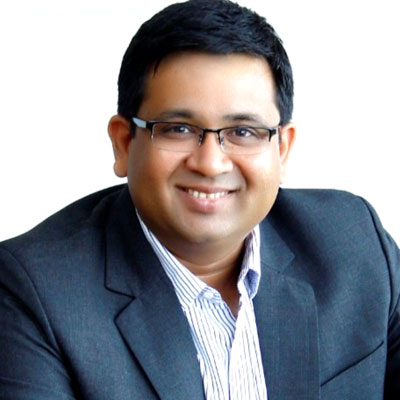
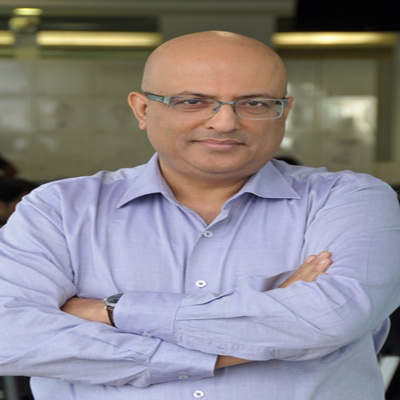
  • TV audiences thrive in the face of evolving content delivery: GroupM India’s Ashwin Padmanabhan

    TV audiences thrive in the face of evolving content delivery: GroupM India’s Ashwin Padmanabhan

    Mumbai: Ad spends during the festive season and the ICC World Cup have shown a significant uptick compared to the previous year. Brands are allocating more resources to both branding and performance marketing, indicating a more balanced approach to advertising. The revival of categories that were dormant during the past 18 months is particularly noteworthy. This festive season has witnessed the comeback of commerce, startups, FinTech, and even smaller brands.

    TV advertising remains effective in reaching a wide audience, and the increased number of brands participating in these events bodes well for sustained growth. Overall, the combination of festivals and major sporting events is injecting vitality into the advertising landscape, with a positive outlook for future ad spends.

    In this context, Indiantelevision.com spoke to GroupM India president – investments, trading & partnerships Ashwin Padmanabhan on the trends and the ADEX…

    Edited Excerpts:

    On this year being very interesting the festive season and the ICC World Cup after 11 years, how are marketers and brands seeing this

    This year, there’s a noticeable improvement in sentiment and spending on the ground compared to last year. This is evident in multiple ways. Firstly, the sheer amount of money being spent is significantly higher, even before the peak of the festival season. Secondly, the number of brands engaging in advertising has also increased compared to last year. It’s worth noting that some categories that were dormant last year, like commerce, have made a strong comeback this festive season, driven by a festival-oriented approach. Many startups that were previously inactive have also re-emerged.

    One notable insight is that many of these brands were conserving cash and focusing on performance marketing for the past 18 months. However, the challenge with performance marketing is that when you repeatedly target the same audience, the results and conversions tend to decline over time. The cost of acquiring customers keeps rising, and to address this, brands are now turning to branded campaigns to increase awareness and expand their funnel.

    This shift towards branded campaigns has become more prominent during this festival season. Many brands that were previously not active in mainstream advertising have re-entered the scene across various categories. This includes FinTech companies, Liv space, payment apps, commerce platforms, and BFSI (Banking, Financial Services, and Insurance) firms, all of whom are now focusing on acquiring new audiences and converting them into customers.

    Television advertising has also seen an improvement compared to last year, as it still effectively reaches a large and diverse audience in India. In summary, this festive season is showing positive signs, and the ICC World Cup this year is a significant improvement over last year’s edition, which was largely impacted by reduced spending. Unlike last year, FMCG (Fast-Moving Consumer Goods) brands are continuing to invest in their advertising during the festive season. It remains to be seen how this will reflect in overall growth compared to last year, but the signs are encouraging. This shift towards more branding and advertising is not solely due to the festival; it’s also a recognition that engaging with a broader consumer base is essential, beyond just performance marketing.

    On doing performance-related spends to brands realising that TV also plays a very important role in India

    Brands have long been aware of the importance of television (TV) advertising, but the TV landscape has evolved considerably. When we talk about TV today, it’s not just about traditional cable and satellite broadcasting. It also encompasses the diverse ways content is delivered to television screens, such as streaming through the internet or broadband connections. This expanded perspective on TV recognizes that many viewers have moved away from cable and satellite subscriptions.

    TV remains a significant platform for reaching audiences, and its relevance is expected to grow further. What’s changing is how content reaches viewers and the nature of the audience itself. In the United States, for instance, people no longer differentiate between TV delivered through cable, satellite, or the Internet. This trend is expected to accelerate with the increasing penetration of broadband, especially with the launch of 5G Home by companies like Airtel and Jio.

    The evolving landscape also offers viewers more choices. You can have a single box that provides both internet streaming and traditional satellite channels, making measurement more uniform across linear cable channels, video-on-demand (VOD), and digital linear channels. This transformation in TV consumption is intriguing and signifies that TV is here to stay, but the way we consume it is changing.

    While over-the-top (OTT) platforms are popular, it’s essential to note that linear TV is also shifting towards internet consumption. For example, many news channels now live stream on platforms like YouTube and devices like Samsung TVs, allowing viewers to access the same live content via the internet, bypassing the need for traditional satellite or cable distribution. In essence, the TV audience will continue to grow, but the means by which content reaches them are evolving.

    On the outlook for the third quarter and the final quarter in relation to ADEX and will the spends continue as the IPL will start at the end of March

    The Indian Premier League (IPL) is set to kick off towards the end of the last quarter, and it will undoubtedly attract significant advertising spends. What’s encouraging is the ongoing trend of brands and clients returning to branding-oriented advertising rather than solely focusing on performance marketing. I believe this shift is likely to continue, indicating that many brands that have started spending during this festive season will maintain a presence. While they may not invest in advertising all year round or even for half the year, they will likely allocate budgets for three to four weeks each quarter. Their approach will be strategic, but they won’t completely withdraw.

    Will we revert to the situation we had in 2021? Definitely not. Instead, we can expect a more sustainable and predictable pattern of spending, with more brands participating. Even smaller brands are showing the ambition to invest in prominent properties like cricket and live sports. This is evident from the IPL and the World Cup, where numerous regional, SME, and SMB brands have stepped up their investments in cricket. It’s a positive sign, as it means these brands are willing to allocate incremental advertising budgets, exceeding what they were accustomed to spending. This trend from the festive season is likely to carry over into the fourth quarter. While Q4 typically lacks major festivals, there are still occasions like Pongal and Baisakhi, and before we know it, the IPL will be back. So, except for a potential brief slowdown in mid-February, I anticipate that January, February, and March of 2024 will be even better than 2023 in terms of advertising activity

    On planning for a client, is the spend allocation geared toward TV + Digital or pure digital and does it depend on the brand TG

    Our approach to media planning doesn’t begin with a predetermined allocation of funds to TV, digital, or any other channel because each agency within our group, including Mindshare, Wavemaker, and Essence Media, has its own unique strategy. Instead, we start with the brand’s objectives, considering both branding goals and business metrics, as well as the type of consumer engagement we aim to achieve.

    In today’s complex media landscape, media planning has become intricate and lacks a one-size-fits-all solution. There is no single source of truth that can guarantee specific results for a given budget. Therefore, we focus on a holistic approach. Digital, for example, encompasses various components, such as social media, retail media (commerce), and search advertising, each contributing to different outcomes, often tied to performance goals.

    When it comes to television, we have the added complexity of over-the-top (OTT) platforms, which resemble traditional TV but offer diverse targeting options across different devices, with mobile being a significant channel. Our approach also considers streaming audio, each with its unique measurement systems.

    To begin, we ask fundamental questions: Who is the target audience? Where can we find them? What are the campaign’s objectives? Is the aim to drive immediate consumer action, which can be quantified, or is it about building awareness and excitement around the product or service?

    Strategic media planning now involves addressing these intricacies. It’s not about immediately deciding to allocate funds to TV, digital, commerce, or search. Instead, it commences with a thoughtful consideration of these critical questions.

    On the measurement of digital

    While we may not have a third-party audience system, we do utilize third-party trackers and tracking systems that serve crucial measurement functions. These systems help us assess several key aspects. First, we can determine whether the audience we’re reaching is genuine or if it consists of fake impressions generated by bots or other simulated means. Additionally, we use systems to ensure brand safety by monitoring whether our content appears in a secure environment, preventing it from being displayed alongside objectionable content.

    These tracking systems also enable us to measure impressions and can support compensation models based on targeted impressions. Many of our larger clients insist on compensating only for impressions delivered to their desired audience, which requires the use of these third-party systems to exercise control over our ad investments.

    Moreover, due to the digital nature of advertising, we can establish a feedback loop that connects our efforts to tangible business results. This means that, beyond audience metrics, we can measure the impact on business revenue and the generation of sales leads, which are vital indicators of our investment’s effectiveness. Performance advertising, in particular, centers around these business-focused metrics.

    In sum, managing digital advertising is not a straightforward process. It involves employing multiple tools and collaborating with numerous partners to fulfill our clients’ objectives. While it presents its challenges, it is certainly achievable and offers a wealth of opportunities for delivering on client expectations.

  • Elevating client engagement: The focus on immersive experiences at Brew: GroupM South Asia’s Vinit Karnik

    Elevating client engagement: The focus on immersive experiences at Brew: GroupM South Asia’s Vinit Karnik

    Mumbai: GroupM unveiled ‘Brew’- its premier content upfront event, exclusively for clients on the 16th. The day-long event brought together several leading partners from the content industry and over 150 brand managers and marketing heads, across categories.

    The ‘Brew’ lineup was a mix of formats that included TV, Radio, Digital video and native content. The ideas/properties presented were exclusive and had never been presented in any other forum. Over 20 such presentations were made in the course of the day and clients had the option of going online and registering their bid for it immediately after a presentation. The collective worth of the properties presented at Brew 2016 exceeds Rs 65 Cr (about $10 Million). Each of the properties was bid for by multiple clients.

    On the sidelines of the event, Indiantelevision.com caught up with GroupM South Asia head sports, esports and entertainment Vinit Karnik.

    On asking as to how different and innovative was Brew this year, which is an IP of GroupM, which focuses on sports, entertainment, eSports, and content. Vinit mentioned that the emphasis this year was on creating immersive experiences for clients. These experiences included VR sessions, an Esports tournament, and the use of 3D anamorphic displays. The goal was to provide attendees with a deeper and more engaging understanding of the content and experiences offered.

    Vinit Karnik shared his insights on the current landscape of live sports streaming in India, touching on Linear TV, Connected TV, and Digital platforms. He expressed that the changes in the industry aren’t as drastic as they might seem, considering the ongoing transition from analogue to satellite TV, digital, and now, streaming on multiple screens. The key takeaway is that consumer choice has expanded, enabling a broader audience to engage with sports content, which ultimately benefits the sports industry.

    When discussing what brands consider before investing in Linear TV or Digital platforms for better ROI, Vinit emphasized that TV is here to stay, with significant room for growth in both connected TV and OTT. TV hasn’t reached all households yet, and the penetration of smartphones in rural India shows potential for further consumption of audio and video content. He also highlighted the ambitious plans for sports in India, including a bid for the Olympics in 2036, showing the nation’s growing interest and investment in sports.

    Regarding the reach of the esports market in India, Vinit acknowledged that it is still in its early stages. He explained that the Indian esports market is not yet comparable to the global market, which competes with live sports. However, India is making progress, and with continued effort and learning, it will likely catch up and become a significant player in the esports world. The goal is to showcase how esports tournaments can be built and scaled to match global standards.

  • GroupM and Criteo partner to drive commerce media innovation in APAC

    GroupM and Criteo partner to drive commerce media innovation in APAC

    Mumbai: Criteo the commerce media company, and GroupM, WPP’s media investment group has announced the first partnership in Asia Pacific (APAC) to strengthen omnichannel commerce media capabilities for GroupM clients in the region.  

    The partnership brings together product sales data and the proprietary media solutions of GroupM, with privacy-safe commerce audiences and proximity-based insights provided by Criteo. Criteo’s insights technology will further enhance media planning, budget allocation, and best-in-class activation, enabling new levels of relevance, optimisation, and conversion for GroupM clients across all channels.  

    “The innovation in commerce that will be made possible through this collaboration with Criteo is a  significant and hugely exciting development for advertisers in APAC, and for our industry as a whole,” said GroupM APAC chief investment officer Anita Munro. “Combining Criteo’s commerce media capabilities  with our own not only strengthens our commerce offering in the region, but also allows us to set a new  standard for what’s possible in advertising by bringing products, media, clients and consumers closer than  ever before.”

    The partnership between Criteo and GroupM will also expand access for GroupM’s clients to Criteo’s holistic omnichannel monetization solution. This solution allows retailers to manage their entire media inventory across both e-commerce and physical retail while enabling brands and agencies to seamlessly discover and purchase omnichannel media from leading retailers. Tools available to GroupM clients include 360° media asset activation, ranging from in-store activations such as point-of-sale displays to out-of-store activations like inbox sampling, and online activations such as email and social.  

    “Together with GroupM, we are honored to usher in the next era of omnichannel marketing in the region,” said Criteo MD enterprise APAC Taranjeet Singh. “This partnership represents a union  of industry leadership, and we are optimistic that it will drive greater integration across omnichannel  campaigns and elevate success for brands and advertisers.”

    As commerce media continues to accelerate, Criteo and GroupM plan to evolve the partnership by looking at strategic opportunities across media-buying capabilities and insights to drive predictive decision-making. Further collaborative efforts to develop best practices in the area aim to unlock many exciting possibilities.

  • Hamdard Laboratories appoint mSix&Partners as the integrated media agency

    Hamdard Laboratories appoint mSix&Partners as the integrated media agency

    Mumbai: mSix&Partners, the youngest outcome-based agency of GroupM, has won the integrated media and social duties for Hamdard Laboratories, the oldest Unani medicine makers in the country. The agency won the account following a  competitive multi-agency pitch and will be handling all aspects of media including TV, print,  radio, digital, out-of-home, and cinema from its Gurgaon office.

    The mandate will cover the medicine portfolio which includes brands like Safi, Cinkara, Roghan Badam, Shirin, Joshina, and more. Over the course of the years, Hamdard has built a  reputation for integrity and high quality in the field of affordable Unani medicines, and it intends to continue this tradition in its partnership with mSix&Partners.  

    mSix&Partners is known for its data-driven approach and will use this expertise to target the right audience and engage them with meaningful messages. The combination of Hamdard Laboratories’ legacy and mSix&Partners’ creativity is expected to be a successful venture that will take both companies to new heights.

    Hamdard Laboratories (medicine division) chairman Abdul Majeed said, “We found mSix&Partners’ strategic approach quite wholesome. We believe that together, we can achieve our goals.”

    mSix&Partners India managing partner Subhamay Mukhopadhyay said, “We’re thrilled over our alliance with Hamdard Laboratories (medicine division) and our shared goal of boosting business success through our diverse teams at mSix&Partners. This partnership allows us to offer complete brand solutions, enhancing customer experiences. With Hamdard’s rich heritage and commitment to innovation, we aim to elevate their reputation  and contribute to a healthier, thriving community.”

  • GroupM- Experential Session: Unveiling The 5G Frontier: Interacting, Immersive and Integrated Commerce

    GroupM- Experential Session: Unveiling The 5G Frontier: Interacting, Immersive and Integrated Commerce

    Mumbai: The 3rd edition of Indian Digital BrandFest 2023 kicked off and had brands, advertisers, and tech platforms discuss all these trends and more. The summit looked at the latest trends driving the change in consumer behaviour and how it has impacted the industry’s growth.

    Whether it was a boom in influencer marketing or the popularity of short-video platforms, brands did not hesitate to jump onto the digital bandwagon to up their marketing game. So Indiantelevision.com is taking this opportunity to bring a host of industry experts together under one roof to discuss all these new trends shaping the future.

    One standout moment at Indian Digital BrandFest this year was the experiential section led by WPP / GroupM emerging tech lead Niraj Ruparel, alongside BeLive CEO & co-founder Kenneth Tan and speaker from Nestle India head of media Gazal Bajaj. Together, they orchestrated an unforgettable experience that pushed the boundaries of innovation.

    Ruparel harnessed the lightning-fast speeds of 5G, integrated mind-bending functionalities of a live commerce platform, and curated a precise, immersive, and engaging shopping experience, culminating in the ultimate extravaganza.

    Overall, a great panel discussion combined thoughtful planning, engaging content, effective moderation, and respectful dialogue to create a meaningful and memorable experience for both panellists and attendees.

  • GroupM launches South cinema audience behaviour report

    GroupM launches South cinema audience behaviour report

    Mumbai: GroupM, WPP’s media investment group, has launched the South Cinema audience behaviour report. This report sheds light on the movie-going habits of the South Cinema audience and provides valuable insights to advertisers and marketers.  

    According to the report, ‘watching a movie at a theatre’ has the highest monthly average frequency of all outdoor leisure activities among South cinema audiences – with an average of 1.8 visits per month, translating to 22 visits annually. The report also reveals that 8 out of  10 South Cinema audience visit a theatre at least once a month, which is twice the national average.

    Commenting on the report, GroupM India MD – cinema and OOH Ajay Mehta said, “Our report is a game-changing tool for marketers and advertisers looking to engage with South Cinema audience. By shedding light on the unique preferences and behaviours of this audience, we can now tailor our campaigns to resonate with them on a deeper level. A  noteworthy example is the exceptional success of ‘Jailer,’ starring Rajinikanth, which has become the top-grossing Tamil film in India. Impressively, ‘Jailer’ ranks as the second fastest Tamil film to amass an astonishing Rs 550 crore worldwide at the box office. The fact that a heavy cross-section of South Cinema audience is watching 32 movies in a year highlights the immense potential of this market. With the South cinema audience behaviour report, we are equipped with the insights needed to tap into this potential and  drive real business results.”

    The report further highlights that ‘heavy’ South moviegoers visit the cinema on an average of 32 times annually, which is 20 visits more than the national average. Further, the heavy cross-section of South Cinema audience from Andhra Pradesh & Telangana and, Kerala watches 36 movies in a year.

    The report also throws a light on language preferences among the South Cinema audience.  

    In Karnataka, Telugu is the second most preferred language among those preferring  Kannada, while in Kerala, Tamil is the second most preferred language for those preferring  Malayalam. The report also suggests that horror/thriller is the top genre for visiting a  cinema in Andhra Pradesh & Telangana and, Kerala.

    Andhra Pradesh & Telangana cine-goers prefer to watch a movie on the first day with a  preference of 66 per cent for any show on the first day. Apparently, all South cinema audience consider nearby theatres.

    The South Cinema Audience Behaviour Report provides marketers and advertisers with valuable insights into the preferences and behaviors of Southern states regular cine-goers.

    The data and insights from this report will enable advertisers to create more effective marketing campaigns and better connect with the South Indian audience.

    References:

    * All India average cinema visits are for the year 2017 and quoted from a study conducted in 2017. 

  • WPP Commerce 2022 India returns after 3 years to be held in Mumbai

    WPP Commerce 2022 India returns after 3 years to be held in Mumbai

    Mumbai: After a three-year hiatus, WPP has announced that it will host its WPP Commerce event on 16 November 2022, at the St. Regis Mumbai to showcase its holistic e-commerce offering through a series of keynotes and workshops.

    Speaking of the event, WPP India country manager CVL Srinivas said, “In light of the rapid growth of e-commerce, as well as the digitisation of services that resulted from the pandemic, companies have increased their demand for agile, full-service partners that can service their needs for omnichannel commerce and business transformation experts. WPP Commerce will offer deep insights into this ever-evolving commerce landscape. We are looking forward to offering our WPP companies, clients, and partners insights into this ever-evolving landscape at WPP Commerce – we are glad to be back.”

    WPP Commerce will present a host of experts that will offer both deep and broad perspectives on today’s commerce realities and how they drive future trends; the roles of user-interface, user experience, and content in commerce; shopper-targeted and direct-to-consumer marketing; measurement and analytics, as well as consumer insights.

    GroupM South Asia president of growth and transformation Tushar Vyas stated, “WPP Commerce is an amazing platform to understand how market priorities are changing the commerce landscape and taking centre stage for brands. As eCommerce accelerates, customers increasingly buy directly from brands, with social media playing a vital role in this commerce journey. As such, having a fully managed service with omnichannel expertise has become essential. The spotlight of this event will be the acceleration of the eCommerce ecosystem, with technology and innovation being growth drivers for commerce. This year, we look forward to diving deeper into the commerce ecosystem through sessions and workshops led by our WPP agencies, clients, and partners.”

  • Advertising on TV continues to flourish, reveals GroupM’s Consumer Eye Research

    Advertising on TV continues to flourish, reveals GroupM’s Consumer Eye Research

    Mumbai: GroupM has launched Consumer Eye Research, which seeks to uncover insights related to the impact of media-related technologies on brands and society. The latest edition of the report, titled “Advertising on TV: Flagging or Flourishing,” analysed the potential of advertising on television.

    The findings of the survey reveal that television continues to be the most beneficial and demanding medium for advertising.

    The past two decades have seen rapid transformations in the media landscape, with the number of options available to advertisers significantly increasing. Many of these options offer excellent opportunities for brands to reach audiences with high levels of precision, customization, and measurability.

    While this transformation is beneficial for many advertisers, TV continues to retain a power that can be leveraged by advertisers, according to the report.

    Additionally, the digital extensions of TV have not only given rise to new ways for people to consume content but have also created a myriad of opportunities for brands to engage with audiences through TV.

    TV makes the world a better place

    60 per cent of the surveyed respondents agreed that free TV channels make the world a better place. Hence, TV remains a very important medium for influencing mindsets and shaping cultural behaviour. The second most preferable medium to make the world a better place is the newspaper, according to 56 per cent of the survey respondents.

    TV retains a unique strength in building brand equity

    The report reveals that television is still the most popular channel that conveys the most positive impression of brands. In APAC, TV ads are ranked No. 1 for conveying a positive impression of brands. In fact, TV ads (39 per cent) received equal weightage alongside the recommendations of friends (39 per cent).

    TV offers a brand-safe environment 

    73 per cent of audiences believe it is a brand’s responsibility to control where their advertising appears. 45 per cent will have a negative opinion of the brand if it appears next to inappropriate or offensive content. The report demonstrates that TV is still one of the safest environments that allow for brands to be seen next to premium, high quality content.

    TV is still a tremendous entertainment platform for consumers worldwide. The verdant environment also offers many opportunities for creative innovation and impactful campaigns. More than ever before, brands can take advantage of TV’s addressable transformation by considering new formats like shoppable ads and dynamic creative ads that dangle bespoke offers in front of the target audience.

  • Global e-commerce to make up 19% of retail sales in 2022, to grow upto 25% by 2027: GroupM report

    Global e-commerce to make up 19% of retail sales in 2022, to grow upto 25% by 2027: GroupM report

    Mumbai: Today, e-commerce, after a surge of investment and adoption during the pandemic, is finding its place in a world where in-person activities are resuming. GroupM has released its e-commerce and retail media forecast that details the socioeconomic factors contributing to the state of this space. According to the study, the e-commerce industry will generate $101 billion in annual revenue this year, a 15 per cent increase over 2021. This, even as pandemic-related lockdowns in China and supply chain bottlenecks there and in war-torn Ukraine have contributed to a drag on growth in the first half of 2022.

    The report has been penned down by GroupM’s global director of business intelligence Kate Scott-Dawkins. The study estimates global e-commerce to make up 19 per cent of global retail sales in 2022, growing to 25 per cent by 2027. Global retail media is likely to reach $101 billion in 2022 and will surpass $160 billion in annual revenue in five years’ time. In 2021, retail media ad revenue represented 18 per cent of global digital advertising revenue and 11 per cent of total global ad revenue.

    According to the report, 20 of the top global e-commerce companies accounted for 67 per cent of e-commerce sales in 2021. Global e-commerce sales of $5.4 trillion are estimated for this year. Of this figure, China and the US alone is expected to make up 52 per cent. Nearly 61 per cent of the total, $3.3 trillion, can be attributed to only seven markets: the US, China, Japan, Germany, the UK, Canada and Australia.

    The top countries’ e-commerce figures are China – with an estimated e-commerce market growth in 2022 of 5.6 per cent, slower than last year’s growth of 10 per cent; and the US, with an estimated e-commerce market growth in 2022 of 25 per cent. Among the major global markets highlighted in this report, only three are forecast to see 10 per cent or lower e-commerce penetration in 2022: Australia, Japan, and Canada.

    By 2027, the report estimates e-commerce sales will reach $9.1 trillion. This figure includes sales of autos and auto-parts, as well as gasoline, but excludes food services or catering sales to produce like-for-like comparisons across all tracked markets.

    There is no doubt that the pandemic lifted the fortunes of any e-commerce retailer already established or ready to invest in becoming established during the first year of the pandemic. Unsurprisingly, Chinese retailers make up three of the top five retailers by global e-commerce gross merchandise value (GMV), with Amazon and eBay rounding out the other two spots (though Shopify would replace eBay at number five if included). Alibaba is the undisputed leader, with more than double the e-commerce GMV of Amazon. Alibaba has dominated the mobile commerce and payments ecosystem with Alipay (along with Tencent competitor WeChat), and certainly benefited from heavy adoption of mobile shopping during the COVID-19 outbreaks in China in 2020 and the spring of 2022.

    Concurrently, global advertising revenue increased by 24 per cent in 2021, which is even more remarkable given that the figure in 2020 was only a two per cent decrease.

    Read the full report here.

  • Wavemaker India names Vishal Jacob as chief transformation officer

    Wavemaker India names Vishal Jacob as chief transformation officer

    Mumbai: GroupM’s media agency Wavemaker India on Tuesday announced Vishal Jacob as the chief transformation officer. Vishal will take on the additional responsibility in addition to his existing role as chief digital officer.

    In this extended role, Vishal will work with office heads and business leaders to structure and create diverse skill sets within business teams to manage current and future business requirements. He will also work along with practice leads to break silos and create more cross-functional teams to deliver unified solutions to clients, one of Wavemaker’s key focus areas. Vishal will also work on strengthening existing capabilities beyond digital and incubating new ones that will make Wavemaker’s future ready for the challenges.

    Wavemaker South Asia CEO Ajay Gupte said, “The environment around us is rapidly changing, and we need to continuously upskill ourselves to lead this change so that we continue to provide unique and innovative solutions for our clients. With Vishal taking over the additional responsibility of transformation, we will be better placed to craft customised strategic initiatives, particularly related to digitalization and driving company culture.”

    Speaking on this new role, Vishal Jacob said, “Consumer behaviour and the media landscape are forever evolving. Embracing these changes through a culture of agility becomes critical for success. Driving this transformation at an organisational level is highly challenging yet very exciting, and I am looking forward to it.”

    Vishal started his digital journey with GroupM in 2005. He has led and assisted clients across industries (auto, FMCG, telco, media, and retail) in their digital transformation journey, hinging it on creating a connected ecosystem of paid, owned, and earned properties. Vishal has also authored a book called “Connecting with Yourself: Why we Think, Feel, and Act the Way We Do.” He is a certified coach from ICF with further specialisation in transactional analysis and NLP, and he continues to nurture and coach talent to prepare them for leadership roles.