Tag: GroupM

  • HDFC is India’s most valuable brand: Brandz India top 50 (2016)

    HDFC is India’s most valuable brand: Brandz India top 50 (2016)

    MUMBAI: The third annual BrandZ™ Top 50 Most Valuable Indian Brands ranking released by WPP and Kantar Millward Brown has lot of good and something bad for the marketing industry.

    On the positive side, the total value of India’s most valuable brands has risen by 30 per cent over the last three years, with the top 50 brands now worth $ 90.5 billion from $ 69.6 billion in 2014. But, unlike 2015, which saw an unprecedented growth in terms of brand equity that pushed  the brand value of top 50 brands to USD 92.2billion, 2016 saw a dip of 2 per cent, mostly owing to a decline in brand value of state-owned banks.

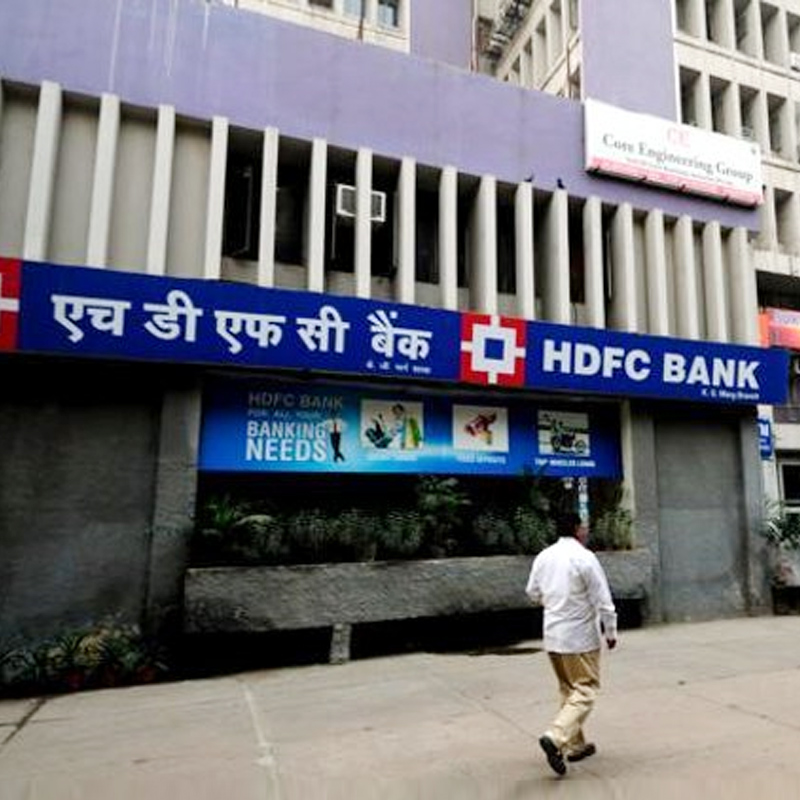
    Like last year, the financial sector dominated the top 10 spots accounting for 38 per cent of the top 50s brand value ($ 34.28 billion). HDFC maintained its number one position for the 3rd consecutive year with a brand value of USD 14.4 billion following a 15 per cent growth over the past year. It was followed by Airtel from the telecom sector with a brand value of USD 9.98 billion. State Bank Of India with a brand value of USD 6.352 billion stood at number three. “A brand cannot be built unless each one of us at HDFC Bank believes in it. Fundamentally, a brand is what we stand for in terms of the emotional value and the real value that we want to deliver to the customer. The emotional value is a combination of honesty, trust, integrity and being able to deliver the product at all times to the satisfaction of the customer. The real value is to deliver a differentiated product which changes the life of the customer which we have tried to do in financial services by making it more convenient, ” said HDFC Bank  managing director Aditya Puri.

    Among the new entrants in the top 50 list are airlines Indigo and Jet Airways at 26 and 36 positions respectively, followed by TVS and Reliance at 48 and 50, respectively.

    Top 10 most valuable brands here:

    Rank 2016

    Brand

    Category

    Brand value 2016 ($m)

    Rank 2015

    1

    HDFC Bank

    Banks

    14,438

    1

    2

    Airtel

    Telecom Providers

    9,978

    2

    3

    State Bank of India

    Banks

    6,352

    3

    4

    Asian Paints

    Paints

    4,089

    5

    5

    ICICI Bank

    Banks

    3,957

    4

    6

    Bajaj Auto

    Automobiles

    3,403

    6

    7

    Kotak Mahindra Bank

    Banks

    3,333

    9

    8

    Maruti Suzuki

    Automobiles

    2,850

    10

    9

    Hero

    Automobiles

    2,807

    7

    10

    Axis Bank

    Banks

    2,377

    8

    Interestingly, the top four ranks remained unchanged from 2015 rankings, something which The Store WPP, EMEA & Asia CEO David Roth calls an anomaly when juxtaposed against other mature markets or the global ranks.

    “Until recently in China, the top most valuable brand list was dominated by the state-owned Chinese companies, but now they are being taken over by technology and entrepreneurial companies. The global top 100 brands list has also seen some major changes. So yes, India is a bit of an anomaly as a developing state to see the same brands maintaining their positions for the last three years. But, I think it’s a matter of India’s growth and development cycle.”

    But, that says little about the immense competition that each brand faced to retain its position. According to Kantar Millward Brown managing director for south Asia, Dinesh Kapoor, 27 brands had slipped from its last year’s position while seven more brands dropped off the top 50 margin. “Brands required maintaining at least 35 per cent growth in its brand value to be able to hold on to its position,” shared Kapoor.

    Another way in which India drastically differs from the global markets is the absence of the technology brands from the top 50 list. 

    “Be it Global 100 or Asian market giant like China, technology brands have a huge presence in the top most valuable brands list. We see a clear absence of technology brands when it comes to India’s top 50 brands. Although India has been behind the scene of some of the major global technological innovations, it has been more from a service stand point rather than doing it in a branded way. I think there is a lesson to learn in this,” opined Roth. 

    Kapoor feels that the clear absence of Indian tech giants from the list is largely due to the companies not being listed. “You have to consider the methodology that goes into making this ranking. In order for a brand to be eligible for consideration for the list, it needs to be owned by a company listed on a stock exchange in India.  But, most of the tech companies that we speak of aren’t listed. The other big difference from global trends is the retail brands which have a strong presence in the more mature markets, whereas in India, only one retail brand — Reliance Retail —  has made it to the top 50 list.

    The report also warns marketers of the weakened brand loyalty among consumers. Internet penetration has risen sharply as the number of people living in rural areas accessing internet almost doubled over the past year, with almost 69% of urban internet users using the internet every day. This access educates consumers while providing them access to larger diaspora of premium brands available at affordable prices.

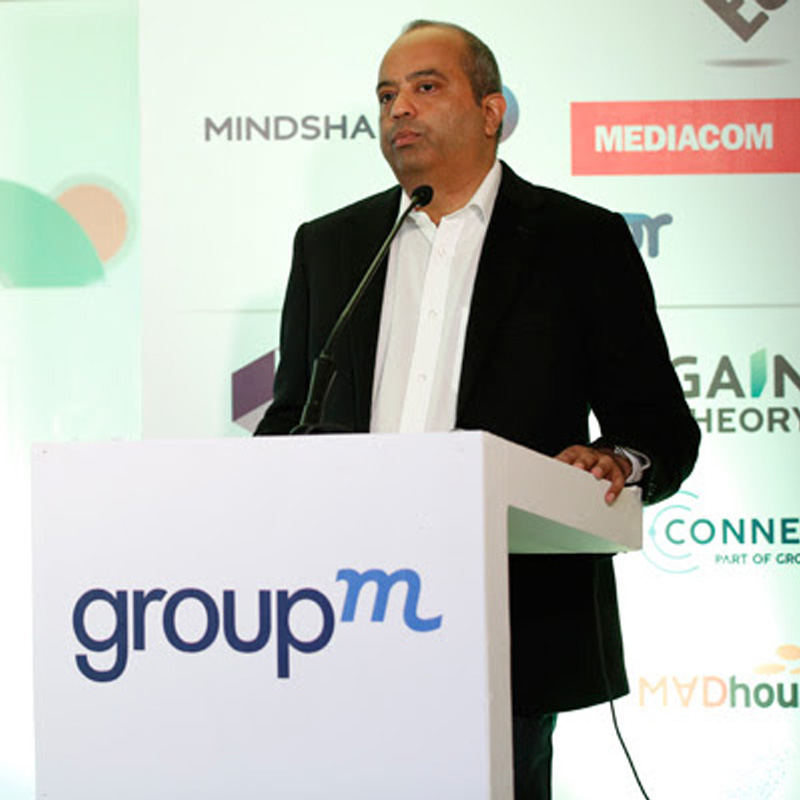
    While marketers have a lot to take away from the insight behind BrandZ India top 50 brands report, GroupM south Asia CEO CVL Srinivas shared what agencies can learn from this. “Reports like BrandZ are very useful for us who are in the business of media management for clients. In this age when competition is increasing and consumer’s attention span is decreasing, along with number of policy changes, a consolidated study like this helps us map a better strategy for our clients.  For example, the need for a brand to be present in multiple touch points with a singular communication idea and what it does to the brand’s value is the learning.”
  • HDFC is India’s most valuable brand: Brandz India top 50 (2016)

    HDFC is India’s most valuable brand: Brandz India top 50 (2016)

    MUMBAI: The third annual BrandZ™ Top 50 Most Valuable Indian Brands ranking released by WPP and Kantar Millward Brown has lot of good and something bad for the marketing industry.

    On the positive side, the total value of India’s most valuable brands has risen by 30 per cent over the last three years, with the top 50 brands now worth $ 90.5 billion from $ 69.6 billion in 2014. But, unlike 2015, which saw an unprecedented growth in terms of brand equity that pushed  the brand value of top 50 brands to USD 92.2billion, 2016 saw a dip of 2 per cent, mostly owing to a decline in brand value of state-owned banks.

    Like last year, the financial sector dominated the top 10 spots accounting for 38 per cent of the top 50s brand value ($ 34.28 billion). HDFC maintained its number one position for the 3rd consecutive year with a brand value of USD 14.4 billion following a 15 per cent growth over the past year. It was followed by Airtel from the telecom sector with a brand value of USD 9.98 billion. State Bank Of India with a brand value of USD 6.352 billion stood at number three. “A brand cannot be built unless each one of us at HDFC Bank believes in it. Fundamentally, a brand is what we stand for in terms of the emotional value and the real value that we want to deliver to the customer. The emotional value is a combination of honesty, trust, integrity and being able to deliver the product at all times to the satisfaction of the customer. The real value is to deliver a differentiated product which changes the life of the customer which we have tried to do in financial services by making it more convenient, ” said HDFC Bank  managing director Aditya Puri.

    Among the new entrants in the top 50 list are airlines Indigo and Jet Airways at 26 and 36 positions respectively, followed by TVS and Reliance at 48 and 50, respectively.

    Top 10 most valuable brands here:

    Rank 2016

    Brand

    Category

    Brand value 2016 ($m)

    Rank 2015

    1

    HDFC Bank

    Banks

    14,438

    1

    2

    Airtel

    Telecom Providers

    9,978

    2

    3

    State Bank of India

    Banks

    6,352

    3

    4

    Asian Paints

    Paints

    4,089

    5

    5

    ICICI Bank

    Banks

    3,957

    4

    6

    Bajaj Auto

    Automobiles

    3,403

    6

    7

    Kotak Mahindra Bank

    Banks

    3,333

    9

    8

    Maruti Suzuki

    Automobiles

    2,850

    10

    9

    Hero

    Automobiles

    2,807

    7

    10

    Axis Bank

    Banks

    2,377

    8

    Interestingly, the top four ranks remained unchanged from 2015 rankings, something which The Store WPP, EMEA & Asia CEO David Roth calls an anomaly when juxtaposed against other mature markets or the global ranks.

    “Until recently in China, the top most valuable brand list was dominated by the state-owned Chinese companies, but now they are being taken over by technology and entrepreneurial companies. The global top 100 brands list has also seen some major changes. So yes, India is a bit of an anomaly as a developing state to see the same brands maintaining their positions for the last three years. But, I think it’s a matter of India’s growth and development cycle.”

    But, that says little about the immense competition that each brand faced to retain its position. According to Kantar Millward Brown managing director for south Asia, Dinesh Kapoor, 27 brands had slipped from its last year’s position while seven more brands dropped off the top 50 margin. “Brands required maintaining at least 35 per cent growth in its brand value to be able to hold on to its position,” shared Kapoor.

    Another way in which India drastically differs from the global markets is the absence of the technology brands from the top 50 list. 

    “Be it Global 100 or Asian market giant like China, technology brands have a huge presence in the top most valuable brands list. We see a clear absence of technology brands when it comes to India’s top 50 brands. Although India has been behind the scene of some of the major global technological innovations, it has been more from a service stand point rather than doing it in a branded way. I think there is a lesson to learn in this,” opined Roth. 

    Kapoor feels that the clear absence of Indian tech giants from the list is largely due to the companies not being listed. “You have to consider the methodology that goes into making this ranking. In order for a brand to be eligible for consideration for the list, it needs to be owned by a company listed on a stock exchange in India.  But, most of the tech companies that we speak of aren’t listed. The other big difference from global trends is the retail brands which have a strong presence in the more mature markets, whereas in India, only one retail brand — Reliance Retail —  has made it to the top 50 list.

    The report also warns marketers of the weakened brand loyalty among consumers. Internet penetration has risen sharply as the number of people living in rural areas accessing internet almost doubled over the past year, with almost 69% of urban internet users using the internet every day. This access educates consumers while providing them access to larger diaspora of premium brands available at affordable prices.

    While marketers have a lot to take away from the insight behind BrandZ India top 50 brands report, GroupM south Asia CEO CVL Srinivas shared what agencies can learn from this. “Reports like BrandZ are very useful for us who are in the business of media management for clients. In this age when competition is increasing and consumer’s attention span is decreasing, along with number of policy changes, a consolidated study like this helps us map a better strategy for our clients.  For example, the need for a brand to be present in multiple touch points with a singular communication idea and what it does to the brand’s value is the learning.”
  • Vice, WPP sign multi-million dollar ad deal

    Vice, WPP sign multi-million dollar ad deal

    MUMBAI: Vice and WPP’s media investment unit GroupM have signed a multimillion-dollar advertising deal that will take advantage of the millennial-focused media company’s international expansion.

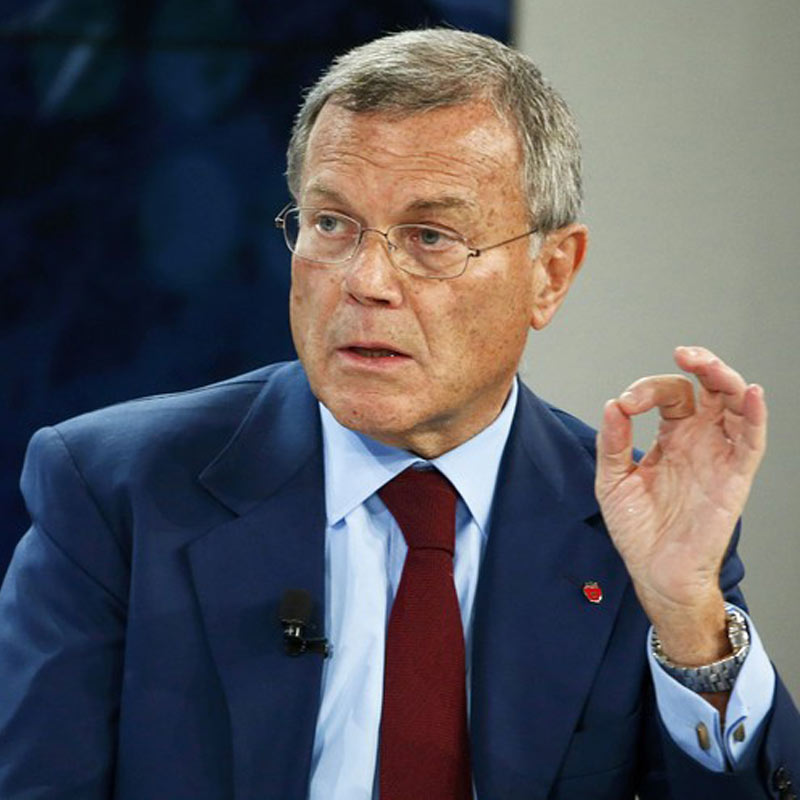
    Vice co-founder and CEO Shane Smith and WPP CEO Martin Sorrell said that they agreed that millennials were the future. They were under-serviced, and the companies had to create more content.

    The particulars of the deal involve Vice working with GroupM to use Vice’s insights, content and data to build an advertising platform across all of Vice’s global multi-screen and over-the-top properties. The deal was announced at the Dmexco conference in Cologne, Germany.

    The deal is worth hundreds of millions of dollars in ad spending, according to Smith. A Vice spokesperson later added it is a multi-year, multi territory deal.

    GroupM handles over USD 102 billion in advertising billings, according to research company Recma. GroupM said it handles one out of three ads globally.

    Sorrell said that there were some difficulties working with Google and Facebook, and that there’ was a need to find another force.

    In June, Vice announced plans to expand its presence to 51 territories, including having a TV, mobile and digital presence in India and the Middle East and TV content throughout Africa.

    It also will add a 24-hour TV channel in Australia and New Zealand, where it already has a robust digital and mobile presence. Vice’s U.S. cable channel Viceland launched in February 2016, and it’s nightly HBO news show is slated to begin on 10 October.

    WPP at present has an 8.5 per cent stake in Vice. At one point, it owned up to one-tenth of the company but has since sold some shares. Source: cnbc.com

  • Vice, WPP sign multi-million dollar ad deal

    Vice, WPP sign multi-million dollar ad deal

    MUMBAI: Vice and WPP’s media investment unit GroupM have signed a multimillion-dollar advertising deal that will take advantage of the millennial-focused media company’s international expansion.

    Vice co-founder and CEO Shane Smith and WPP CEO Martin Sorrell said that they agreed that millennials were the future. They were under-serviced, and the companies had to create more content.

    The particulars of the deal involve Vice working with GroupM to use Vice’s insights, content and data to build an advertising platform across all of Vice’s global multi-screen and over-the-top properties. The deal was announced at the Dmexco conference in Cologne, Germany.

    The deal is worth hundreds of millions of dollars in ad spending, according to Smith. A Vice spokesperson later added it is a multi-year, multi territory deal.

    GroupM handles over USD 102 billion in advertising billings, according to research company Recma. GroupM said it handles one out of three ads globally.

    Sorrell said that there were some difficulties working with Google and Facebook, and that there’ was a need to find another force.

    In June, Vice announced plans to expand its presence to 51 territories, including having a TV, mobile and digital presence in India and the Middle East and TV content throughout Africa.

    It also will add a 24-hour TV channel in Australia and New Zealand, where it already has a robust digital and mobile presence. Vice’s U.S. cable channel Viceland launched in February 2016, and it’s nightly HBO news show is slated to begin on 10 October.

    WPP at present has an 8.5 per cent stake in Vice. At one point, it owned up to one-tenth of the company but has since sold some shares. Source: cnbc.com

  • Ten commandments for agencies to stay in business: GroupM’s CVL Srinivas

    Ten commandments for agencies to stay in business: GroupM’s CVL Srinivas

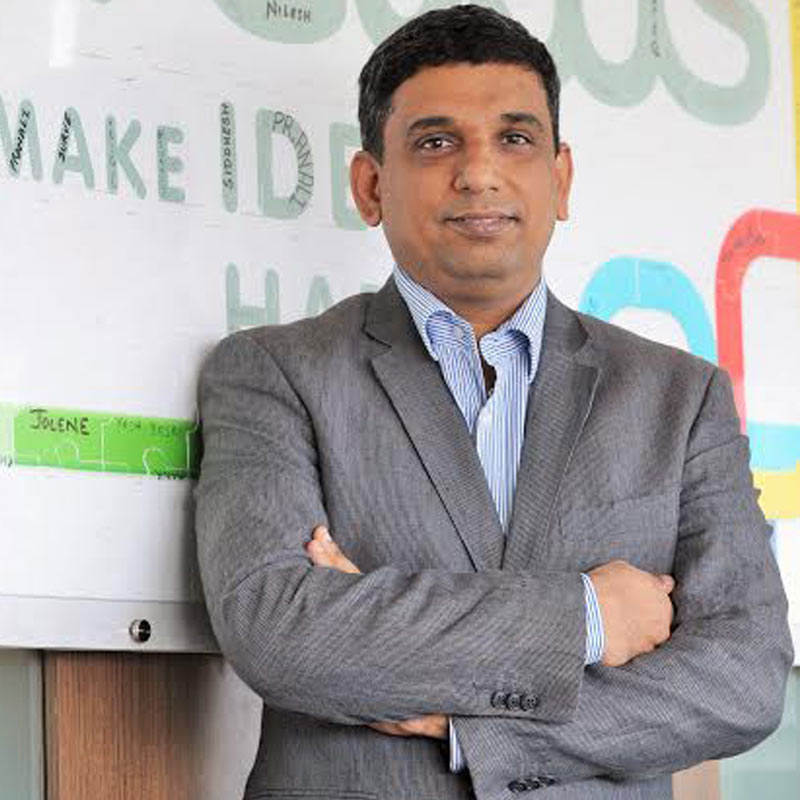
    MUMBAI: It was hard hitting, the way CVL Srinivas began his address at Zee MELT 2016. With a satirical audio-visual titled ‘The Last Agency On Earth’ (2010), the GroupM south Asia CEO laid down the fundamentals of the ‘change or perish’ ecosystem today’s agencies exist in; bringing down the media behemoths from their high horses and urging them to face the reality.

    If an agency needs a reality check on where it stands in this era of disruption it needs a clear understanding of where its client stands. It needs to ask itself ‘What keeps my clients up at night?’ Srinivas insisted.

    “Clients are being witness to this disruption all across – be it the value chain, the consumer chain, supply chain. This introduces a lot more cost pressure on the advertisers, and pressure on procurement as well. Not to mention the planning cycle is getting shorter as well. From an annual plan, the clients are moving to quarterly evaluations,” Srinivas shared, adding that managing multiple partners could be the most challenging issue for these clients.

    While the agency has to deal with newer business for clients, the same disruption within the clients adds more pressure on it. Positioned between the client and the consumer the agency has to stay updated with every new development that might translate into an insight.

    “Therefore the contents of the ‘agency survival kit’ consist of the will to contemporising traditional or existing models, building speed and adaptability and staying relevant and farsighted,” Srinivas said.

    In spite of all this talk of data, digital insight, tools and technical support, the clients still judge an agency on an excel spread sheet and ask ‘at what rate can you buy media for me?’ : Srinivas painted the sad picture.

    So what are agencies to do to be relevant to its clients and ensure a revenue generating future? Follow these ten rules, of course.

    1. Turning one’s weakness to strength is a first step in overcoming any major challenge and the media management world is no exception. Touting ‘tech’ to be the industry’s Achilles’ heel, Srinivas advised all to brainstorm into aggressively adapting new technology. No going forward until this is achieved.

    2. Tracing media agencies back to the roots, the business was mostly trade centric. “Those days are gone, now you have to be data centric, in whatever form you acquire it,” Srinivas simply put.

    3. Agencies must constantly question themselves on their relevance to client and the market, as a lot of the grunt work that was part of the daily chore has been automated. So how else can an agency add value to stay relevant?

    4. Adaptive marketing: There is no room for settlement and creating routines if you ask Srinivas. Giving an example of PepsiCo’s ‘Pressure is good’ campaign using real-time data, he showcased what wonders a truly nimble and adaptive agency can create.

    And let’s not forget the holy trinity of timing, content and authenticity.

    5. Srinivas encouraged agencies to keep an ‘open source’ mindset that lends itself to various partnerships and collaborations. The Cannes Lions 2016 Grand Prix winner ‘Six Pack band’ initiative by Brooke Bond Red Label was the result of that.

    6. Keeping a fluid structure within the organisation can help internal processes from becoming bottle necks sometimes.

    7. Talent diversity is the key, Srinivas said. “Earlier you either had math men or mad men in the organisation. Now the skills sets are more diversified.”

    8. Breaking hierarchies within the organisation can help an agency from becoming rusty as fresh ideas are encouraged. “We must ensure contribution from the junior level as they may be better placed to take calls in certain issues in this digital world.”

    9. All the above points would fall flat if not for an’ Integrated system,’ which keeps an agency tied to its data center while connecting it to several other touch points like pricing platform etc.

    10. All that jazz about data still can’t displace ‘creativity’ from being the key focus of any agency. “Ultimately we are in the creative business,” Srinivas concluded.

  • Ten commandments for agencies to stay in business: GroupM’s CVL Srinivas

    Ten commandments for agencies to stay in business: GroupM’s CVL Srinivas

    MUMBAI: It was hard hitting, the way CVL Srinivas began his address at Zee MELT 2016. With a satirical audio-visual titled ‘The Last Agency On Earth’ (2010), the GroupM south Asia CEO laid down the fundamentals of the ‘change or perish’ ecosystem today’s agencies exist in; bringing down the media behemoths from their high horses and urging them to face the reality.

    If an agency needs a reality check on where it stands in this era of disruption it needs a clear understanding of where its client stands. It needs to ask itself ‘What keeps my clients up at night?’ Srinivas insisted.

    “Clients are being witness to this disruption all across – be it the value chain, the consumer chain, supply chain. This introduces a lot more cost pressure on the advertisers, and pressure on procurement as well. Not to mention the planning cycle is getting shorter as well. From an annual plan, the clients are moving to quarterly evaluations,” Srinivas shared, adding that managing multiple partners could be the most challenging issue for these clients.

    While the agency has to deal with newer business for clients, the same disruption within the clients adds more pressure on it. Positioned between the client and the consumer the agency has to stay updated with every new development that might translate into an insight.

    “Therefore the contents of the ‘agency survival kit’ consist of the will to contemporising traditional or existing models, building speed and adaptability and staying relevant and farsighted,” Srinivas said.

    In spite of all this talk of data, digital insight, tools and technical support, the clients still judge an agency on an excel spread sheet and ask ‘at what rate can you buy media for me?’ : Srinivas painted the sad picture.

    So what are agencies to do to be relevant to its clients and ensure a revenue generating future? Follow these ten rules, of course.

    1. Turning one’s weakness to strength is a first step in overcoming any major challenge and the media management world is no exception. Touting ‘tech’ to be the industry’s Achilles’ heel, Srinivas advised all to brainstorm into aggressively adapting new technology. No going forward until this is achieved.

    2. Tracing media agencies back to the roots, the business was mostly trade centric. “Those days are gone, now you have to be data centric, in whatever form you acquire it,” Srinivas simply put.

    3. Agencies must constantly question themselves on their relevance to client and the market, as a lot of the grunt work that was part of the daily chore has been automated. So how else can an agency add value to stay relevant?

    4. Adaptive marketing: There is no room for settlement and creating routines if you ask Srinivas. Giving an example of PepsiCo’s ‘Pressure is good’ campaign using real-time data, he showcased what wonders a truly nimble and adaptive agency can create.

    And let’s not forget the holy trinity of timing, content and authenticity.

    5. Srinivas encouraged agencies to keep an ‘open source’ mindset that lends itself to various partnerships and collaborations. The Cannes Lions 2016 Grand Prix winner ‘Six Pack band’ initiative by Brooke Bond Red Label was the result of that.

    6. Keeping a fluid structure within the organisation can help internal processes from becoming bottle necks sometimes.

    7. Talent diversity is the key, Srinivas said. “Earlier you either had math men or mad men in the organisation. Now the skills sets are more diversified.”

    8. Breaking hierarchies within the organisation can help an agency from becoming rusty as fresh ideas are encouraged. “We must ensure contribution from the junior level as they may be better placed to take calls in certain issues in this digital world.”

    9. All the above points would fall flat if not for an’ Integrated system,’ which keeps an agency tied to its data center while connecting it to several other touch points like pricing platform etc.

    10. All that jazz about data still can’t displace ‘creativity’ from being the key focus of any agency. “Ultimately we are in the creative business,” Srinivas concluded.

  • GroupM’s global brand Essence to enter India with Maxus’ aid

    GroupM’s global brand Essence to enter India with Maxus’ aid

    MUMBAI: Essence, a global digital agency, today announced it has established operations in India via the opening of a new location in Delhi. This will be the agency’s fifth office in the Asia Pacific (APAC) region and the third to open its doors this year.

    In March, Essence announced its debut in Shanghai, China and Sydney, Australia.

    GroupM acquired Essence, the largest buyer of digital media, in November 2015. It is GroupM’s fifth global brand.

    As the formerly independent agency continues to scale globally, APAC remains a key growth region due to Essence’s commitment to deliver its proposition to its existing client roster across greater geographies, and to support the abundance of new business activity. India, in particular, holds strong strategic importance given its status as a dominant and dynamic growth market within the region, a company statement said.

    To help ease its transition into India, Essence turned to Maxus, a GroupM agency in India.  The unified Essence-Maxus team will be based out of the GroupM Delhi office.

    In addition to transferring several existing Essence and Maxus employees to fill relevant positions, the agency is actively recruiting to hire local, outside talent for roles across the account management, strategy and planning, advertising operations, biddable and performance disciplines.

    Kunal Guha, client partner and head of strategy, APAC, is serving as the Essence office lead, reporting into APAC CEO Kyoko Matshushita.

    “Just over three years ago, Essence opened its first APAC office in Singapore,”  Matsushita was quoted in the company statement.  “It’s incredible what we’ve been able to accomplish in such a short period of time.  Working with innovative clients has helped Essence unlock opportunities to bring digital innovation to the region.  We see even more opportunity in India and are excited to align with GroupM as we navigate this crucial market.”

    “We are delighted to bring Essence into India at a time when more and more clients are looking at cutting edge digital media solutions for their brands. With their very focussed approach they have built deep client engagements globally. Our digital offering in India is further strengthened by their opening of an office here, ” said GroupM South Asia CEO CVL Srinivas in a statement.


  • GroupM’s global brand Essence to enter India with Maxus’ aid

    GroupM’s global brand Essence to enter India with Maxus’ aid

    MUMBAI: Essence, a global digital agency, today announced it has established operations in India via the opening of a new location in Delhi. This will be the agency’s fifth office in the Asia Pacific (APAC) region and the third to open its doors this year.

    In March, Essence announced its debut in Shanghai, China and Sydney, Australia.

    GroupM acquired Essence, the largest buyer of digital media, in November 2015. It is GroupM’s fifth global brand.

    As the formerly independent agency continues to scale globally, APAC remains a key growth region due to Essence’s commitment to deliver its proposition to its existing client roster across greater geographies, and to support the abundance of new business activity. India, in particular, holds strong strategic importance given its status as a dominant and dynamic growth market within the region, a company statement said.

    To help ease its transition into India, Essence turned to Maxus, a GroupM agency in India.  The unified Essence-Maxus team will be based out of the GroupM Delhi office.

    In addition to transferring several existing Essence and Maxus employees to fill relevant positions, the agency is actively recruiting to hire local, outside talent for roles across the account management, strategy and planning, advertising operations, biddable and performance disciplines.

    Kunal Guha, client partner and head of strategy, APAC, is serving as the Essence office lead, reporting into APAC CEO Kyoko Matshushita.

    “Just over three years ago, Essence opened its first APAC office in Singapore,”  Matsushita was quoted in the company statement.  “It’s incredible what we’ve been able to accomplish in such a short period of time.  Working with innovative clients has helped Essence unlock opportunities to bring digital innovation to the region.  We see even more opportunity in India and are excited to align with GroupM as we navigate this crucial market.”

    “We are delighted to bring Essence into India at a time when more and more clients are looking at cutting edge digital media solutions for their brands. With their very focussed approach they have built deep client engagements globally. Our digital offering in India is further strengthened by their opening of an office here, ” said GroupM South Asia CEO CVL Srinivas in a statement.