Tag: GroupM

  • GroupM’s new suite [m]Platform to make media planning flexible

    GroupM’s new suite [m]Platform to make media planning flexible

    MUMBAI: GroupM has launched an advanced technology suite of flexible media planning applications, data analytics and digital services titled [m]Platform. The platform will improve advertisers’ ability to use audience-defining insights from hundreds of data sources to find and communicate with their consumers across all media.

    Brian Gleason, most recently the global CEO of Xaxis, has been named the CEO of [m]Platform. He will lead the continuous development of market-leading technology to ingest any data important to identifying a client’s audiences and applications that efficiently engage them on any platform.

    The connected platform ensures insights carry through the whole communications process: “Marketers are under tremendous pressure to deliver results from media investments. This flexible Platform approach enables us to focus US$7 billion worth of investments we’ve made in data and technology over 10 years to help them realize a marketplace advantage,” said GroupM Global CEO Kelly Clark. “Our agencies will now have deeper consumer insights and the most robust technology in the market.”

    [m]Platform makes it possible for media planners at GroupM agencies to use the most detailed consumer data to achieve results for their clients. It is supported by a team of data scientists, technologists and digital practitioners from across GroupM specialist companies and Xaxis. [m]Platform unifies data analytics and digital services including search, social, mobile, digital ad operations and programmatic into one team delivering a completely open and fully transparent data and technology architecture.

    [m]Platform connects wide-ranging WPP data sources across Kantar and Wunderman; third-party data providers; GroupM’s data from unique agreements with global media partners; and clients’ own data when they choose. This allows the creation of the most complete consumer profiles within a brand’s target audience, including rich demographics, technology usage, behavioral insights, purchase history, location data and more (varies by region according to local regulations).

    [m]Core is the first full-stack audience intelligence Platform combining cross-Platform data (display, mobile, video, offline CRM, apps, etc.) for a singular consumer identifier, [m]ID.[m]Insights is the largest audience-centric media planning tool with cross-channel planning, creative workflow management, unified audience frequency capping and location-based and in- demo reach[m]Analytics marries online and offline campaign-level data to[m]ID to enable analytics, attribution and optimization[m]Report merges data into a single, intuitive visualization dashboard with actionable.

    GroupM is building a global organization to support [m]Platform. Four regional presidents will report to Gleason. Recently named the president of Platform Services in North America, Phil Cowdell, is now the president of [m]Platform, North America. Lucas Mentasti has been named the president, [m]Platform, LATAM. Presidents in EMEA and APAC will be named shortly. Also on the [m]Platform global leadership team is COO Nicolle Pangis, chief strategy officer Jack Smith, and CTO Bob Hammond.

    Pan-regional collaboration will ensure consistent information and experience to global clients, but with the bespoke strategic point of view of their selected GroupM agency.
  • GroupM’s new suite [m]Platform to make media planning flexible

    GroupM’s new suite [m]Platform to make media planning flexible

    MUMBAI: GroupM has launched an advanced technology suite of flexible media planning applications, data analytics and digital services titled [m]Platform. The platform will improve advertisers’ ability to use audience-defining insights from hundreds of data sources to find and communicate with their consumers across all media.

    Brian Gleason, most recently the global CEO of Xaxis, has been named the CEO of [m]Platform. He will lead the continuous development of market-leading technology to ingest any data important to identifying a client’s audiences and applications that efficiently engage them on any platform.

    The connected platform ensures insights carry through the whole communications process: “Marketers are under tremendous pressure to deliver results from media investments. This flexible Platform approach enables us to focus US$7 billion worth of investments we’ve made in data and technology over 10 years to help them realize a marketplace advantage,” said GroupM Global CEO Kelly Clark. “Our agencies will now have deeper consumer insights and the most robust technology in the market.”

    [m]Platform makes it possible for media planners at GroupM agencies to use the most detailed consumer data to achieve results for their clients. It is supported by a team of data scientists, technologists and digital practitioners from across GroupM specialist companies and Xaxis. [m]Platform unifies data analytics and digital services including search, social, mobile, digital ad operations and programmatic into one team delivering a completely open and fully transparent data and technology architecture.

    [m]Platform connects wide-ranging WPP data sources across Kantar and Wunderman; third-party data providers; GroupM’s data from unique agreements with global media partners; and clients’ own data when they choose. This allows the creation of the most complete consumer profiles within a brand’s target audience, including rich demographics, technology usage, behavioral insights, purchase history, location data and more (varies by region according to local regulations).

    [m]Core is the first full-stack audience intelligence Platform combining cross-Platform data (display, mobile, video, offline CRM, apps, etc.) for a singular consumer identifier, [m]ID.[m]Insights is the largest audience-centric media planning tool with cross-channel planning, creative workflow management, unified audience frequency capping and location-based and in- demo reach[m]Analytics marries online and offline campaign-level data to[m]ID to enable analytics, attribution and optimization[m]Report merges data into a single, intuitive visualization dashboard with actionable.

    GroupM is building a global organization to support [m]Platform. Four regional presidents will report to Gleason. Recently named the president of Platform Services in North America, Phil Cowdell, is now the president of [m]Platform, North America. Lucas Mentasti has been named the president, [m]Platform, LATAM. Presidents in EMEA and APAC will be named shortly. Also on the [m]Platform global leadership team is COO Nicolle Pangis, chief strategy officer Jack Smith, and CTO Bob Hammond.

    Pan-regional collaboration will ensure consistent information and experience to global clients, but with the bespoke strategic point of view of their selected GroupM agency.
  • ESP Properties ties in Vodafone U with Rock On 2

    ESP Properties ties in Vodafone U with Rock On 2

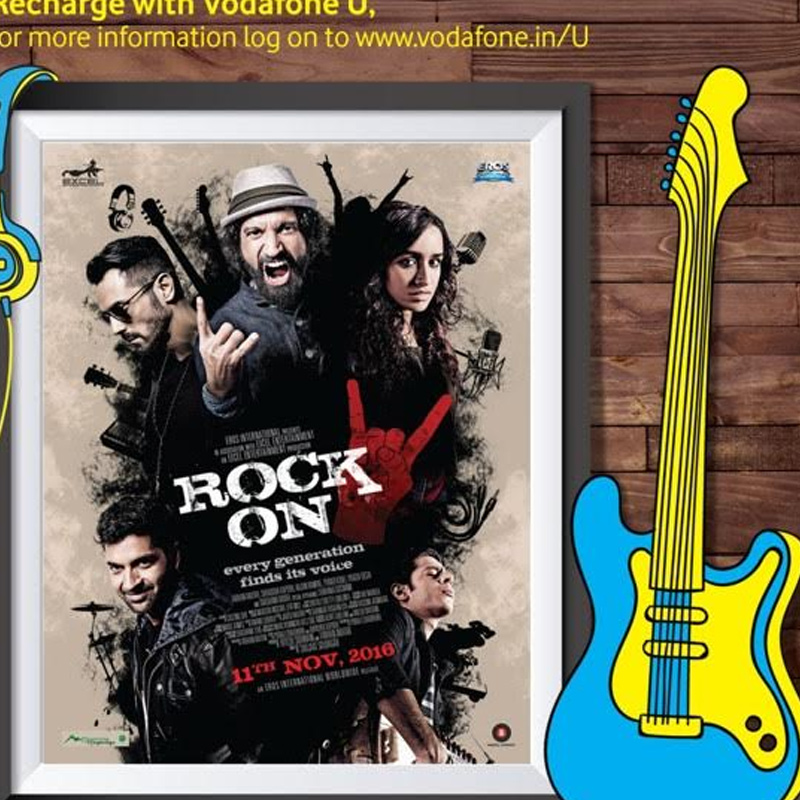
    MUMBAI: ESP Properties (Entertainment Sports Partnership), the entertainment, sports and content arm of GroupM, have facilitated the integration with Vodafone U for the newly released, Rock On 2. In a unique tie-in, Vodafone U is utilizing the association to promote its recently launched segmented youth proposition —Vodafone U and conceptualized #JoinTheBand campaign with Rock On 2. The brand used the association with Rock On 2 through live concerts and meet & greets to create a holistic association and integration.

    Talking about the association ESP Properties senior business head Aastha Jain said, “Rock On 2 is a film about friends and music, that’s exactly what resonates with the youth. Vodafone U is the brand offering targeted primarily to the youth and hence the association seemed perfect fit. The Vodafone and Rock On 2 association is unique in a manner beyond the conventional integrations which are well thought of and executed and will hit the right chords with the consumers as well as viewers.”

    Vodafone India national brand head Siddharth Banerjee added, “Music is the key passion point of Indian youth and Vodafone U is targeted at that set! With this integration, we not only attract and engage our core audiences but also communicate our brand story and proposition effectively! We are happy to work with ESP who understand, execute and ideate through the brand lens”

    Excel Entertainment marketing head Vishal Ramchandani explained, “We made sure that we aligned with Vodafone in a way that benefits and creates a win-win situation for both, the movie and the brand. Rock On 2’s association with Vodafone is rather a natural alliance. We are pleased that India’s leading telecom service provider Vodafone and Rock On 2 have come together to spread its Magik to millions of consumers and grateful to ESP for stitching this through so seamlessly.”

  • ESP Properties ties in Vodafone U with Rock On 2

    ESP Properties ties in Vodafone U with Rock On 2

    MUMBAI: ESP Properties (Entertainment Sports Partnership), the entertainment, sports and content arm of GroupM, have facilitated the integration with Vodafone U for the newly released, Rock On 2. In a unique tie-in, Vodafone U is utilizing the association to promote its recently launched segmented youth proposition —Vodafone U and conceptualized #JoinTheBand campaign with Rock On 2. The brand used the association with Rock On 2 through live concerts and meet & greets to create a holistic association and integration.

    Talking about the association ESP Properties senior business head Aastha Jain said, “Rock On 2 is a film about friends and music, that’s exactly what resonates with the youth. Vodafone U is the brand offering targeted primarily to the youth and hence the association seemed perfect fit. The Vodafone and Rock On 2 association is unique in a manner beyond the conventional integrations which are well thought of and executed and will hit the right chords with the consumers as well as viewers.”

    Vodafone India national brand head Siddharth Banerjee added, “Music is the key passion point of Indian youth and Vodafone U is targeted at that set! With this integration, we not only attract and engage our core audiences but also communicate our brand story and proposition effectively! We are happy to work with ESP who understand, execute and ideate through the brand lens”

    Excel Entertainment marketing head Vishal Ramchandani explained, “We made sure that we aligned with Vodafone in a way that benefits and creates a win-win situation for both, the movie and the brand. Rock On 2’s association with Vodafone is rather a natural alliance. We are pleased that India’s leading telecom service provider Vodafone and Rock On 2 have come together to spread its Magik to millions of consumers and grateful to ESP for stitching this through so seamlessly.”

  • VICE to launch digital service with ToI Group 1Q 2017

    VICE to launch digital service with ToI Group 1Q 2017

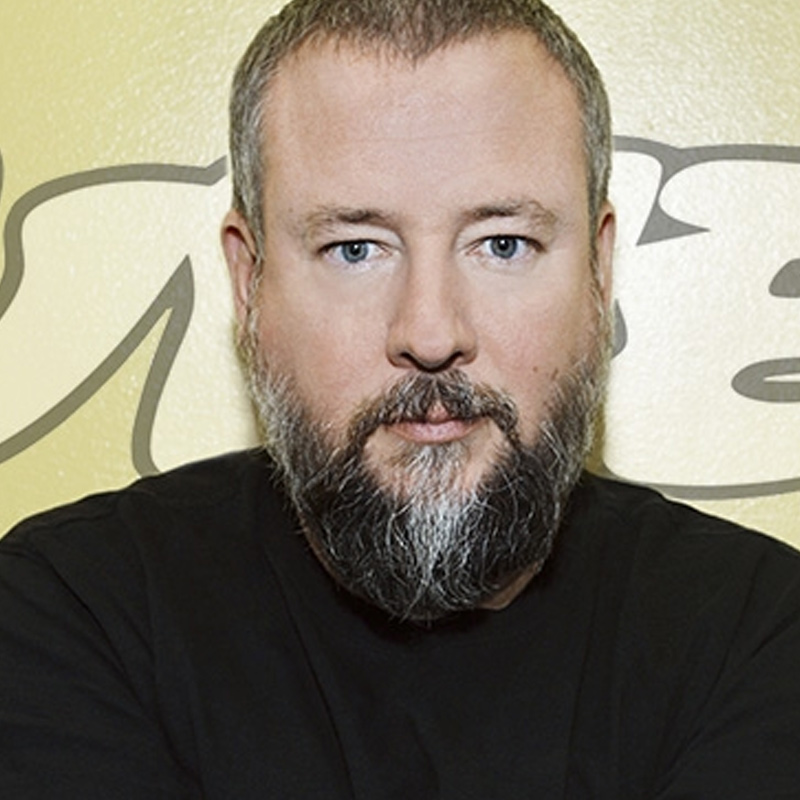
    MACAO: VICE Media, the Canadian-American digital media and broadcasting company, will be launching its digital services in India, as part of a slew of other product offerings, in association with Times of India Group in the first quarter of 2017, while actively exploring the option of starting its pay TV service under Viceland brand sometime in the near future.

    “”We are working towards a launch of our digital offerings in Q1 of 2017 in India,” VICE Media Co-President James Schwab told indiantelevision in an exclusive interview.

    Schwab, who also went off to visit India to confabulate with his India partners this week, was in Macao to deliver a keynote at the CASBAA Convention 2016, which also saw a galaxy of other media industry stalwarts, including GroupM global boss Irwin Gotlieb; Bennett Pozil, Head of Corporate Banking & EVP, East West Bank; Chad Gutstein, CEO, Machinima; Avigail Gutman, Programme Director, Operational Security, Cisco; Nickhil Jakatdar, CEO & Founder, Vuclip; Basil Chua, CEO, AsiaMX; Dave Downey, CEO, INVIDI; Zaid Mohseni, COO, MOBY Group, apart from heads of Indian platform operators like Jagdish Kumar of Hathway and Tony D’Silva of the Hinduja Group.

    Schwab, who announced VICE’s launch in Indonesia at the CASBAA Convention, said that India was an exciting market in Asia and that he’s looking at bringing the whole suite of company products in India, of course in association with the Indian partner.

    Originally based in Montreal, Canada, VICE re-located to New York City in 2001. In 2014, VICE Media got injected by US$200 million investment (10 per cent equity) by American broadcasting company A&E Networks, a joint venture of The Walt Disney Company and Hearst Corporation. Disney made a second 10 per cent (US$200 million) investment in 2015. Known for some edgy content, VICE also has Rupert Murdoch’s 21st Century Fox as an investor.

    VICE Media, according to Wikipedia, after starting with a magazine expanded primarily into youth and young adult-focused digital media, including online content verticals and related web series. The news division VICE News, a film production studio, and a record label are among other properties. In February 2016, VICE launched a cable television network in Canada and the United States, Viceland, which is a millennial-targeted network that draws upon the resources of the lifestyle-oriented verticals of the company.

    Though India has foreign investment restriction in news ventures of a non-majority stake of 49 per cent, VICE Media feels that it would not hamper their news offerings in association with the Times of India Group. “VICE creates local content in various territories around the world, produced by local hosts, editors, and shooters. VICE looks at each market on an individual basis and makes sure that the content that airs in specific territories is content that young people in those territories care about,” Schwab said.

    The Indian market that is witnessing a slew of new product offerings to consumers on traditional and new technology platforms, including OTT, for VICE offers opportunities that could be monetised and exploited. And, as part of the strategy, the launch of pay TV service Viceland with local and foreign content too is in the pipeline.

    “As we would like to be on all platforms, including digital, at some point of time we would look at launching our pay TV service too in India. But the launch won’t be soon as we still are working on distribution strategies. We’d launch when we feel the product is right (for the Indian market). But we would like even Indian consumers to experience all our products,” Schwab said.

    While speaking at the CASBAA Convention, he admitted that TV was a “powerful tool to reach audience(s) and revenue from subscription TV preserved the “quality of good content.”

    With estimated revenues of US$ 915 million in 2015 and total assets worth about US$ 2.5 billion as on 2014, VICE Media is betting big on Asia-Pacific, including India. Partnership with the TOI Group in the form of two joint ventures is part of that strategy, which will witness creation of new local production studios with leading journalists and filmmakers hired for 24-hour local news and lifestyle programming.

    “We would like to bring all our capabilities to Asia. However, before we enter a market, we think through the local market economics as we would like our businesses to be self- sustaining. Indonesia and India are great examples (of such strategies) as the population of young people is huge as is growth in mobile usage,” Schwab explained.

    VICE also feels that the Indian market is economically viable for the company’s creative agency service despite presence of strong and existing global and domestic players. As VICE’s creative agency, Virtue, works closely with both brands and other media agencies to deliver for clients, Schwab said, “We believe there is interest (in India)…some of our global customers have evinced interest.

  • VICE to launch digital service with ToI Group 1Q 2017

    VICE to launch digital service with ToI Group 1Q 2017

    MACAO: VICE Media, the Canadian-American digital media and broadcasting company, will be launching its digital services in India, as part of a slew of other product offerings, in association with Times of India Group in the first quarter of 2017, while actively exploring the option of starting its pay TV service under Viceland brand sometime in the near future.

    “”We are working towards a launch of our digital offerings in Q1 of 2017 in India,” VICE Media Co-President James Schwab told indiantelevision in an exclusive interview.

    Schwab, who also went off to visit India to confabulate with his India partners this week, was in Macao to deliver a keynote at the CASBAA Convention 2016, which also saw a galaxy of other media industry stalwarts, including GroupM global boss Irwin Gotlieb; Bennett Pozil, Head of Corporate Banking & EVP, East West Bank; Chad Gutstein, CEO, Machinima; Avigail Gutman, Programme Director, Operational Security, Cisco; Nickhil Jakatdar, CEO & Founder, Vuclip; Basil Chua, CEO, AsiaMX; Dave Downey, CEO, INVIDI; Zaid Mohseni, COO, MOBY Group, apart from heads of Indian platform operators like Jagdish Kumar of Hathway and Tony D’Silva of the Hinduja Group.

    Schwab, who announced VICE’s launch in Indonesia at the CASBAA Convention, said that India was an exciting market in Asia and that he’s looking at bringing the whole suite of company products in India, of course in association with the Indian partner.

    Originally based in Montreal, Canada, VICE re-located to New York City in 2001. In 2014, VICE Media got injected by US$200 million investment (10 per cent equity) by American broadcasting company A&E Networks, a joint venture of The Walt Disney Company and Hearst Corporation. Disney made a second 10 per cent (US$200 million) investment in 2015. Known for some edgy content, VICE also has Rupert Murdoch’s 21st Century Fox as an investor.

    VICE Media, according to Wikipedia, after starting with a magazine expanded primarily into youth and young adult-focused digital media, including online content verticals and related web series. The news division VICE News, a film production studio, and a record label are among other properties. In February 2016, VICE launched a cable television network in Canada and the United States, Viceland, which is a millennial-targeted network that draws upon the resources of the lifestyle-oriented verticals of the company.

    Though India has foreign investment restriction in news ventures of a non-majority stake of 49 per cent, VICE Media feels that it would not hamper their news offerings in association with the Times of India Group. “VICE creates local content in various territories around the world, produced by local hosts, editors, and shooters. VICE looks at each market on an individual basis and makes sure that the content that airs in specific territories is content that young people in those territories care about,” Schwab said.

    The Indian market that is witnessing a slew of new product offerings to consumers on traditional and new technology platforms, including OTT, for VICE offers opportunities that could be monetised and exploited. And, as part of the strategy, the launch of pay TV service Viceland with local and foreign content too is in the pipeline.

    “As we would like to be on all platforms, including digital, at some point of time we would look at launching our pay TV service too in India. But the launch won’t be soon as we still are working on distribution strategies. We’d launch when we feel the product is right (for the Indian market). But we would like even Indian consumers to experience all our products,” Schwab said.

    While speaking at the CASBAA Convention, he admitted that TV was a “powerful tool to reach audience(s) and revenue from subscription TV preserved the “quality of good content.”

    With estimated revenues of US$ 915 million in 2015 and total assets worth about US$ 2.5 billion as on 2014, VICE Media is betting big on Asia-Pacific, including India. Partnership with the TOI Group in the form of two joint ventures is part of that strategy, which will witness creation of new local production studios with leading journalists and filmmakers hired for 24-hour local news and lifestyle programming.

    “We would like to bring all our capabilities to Asia. However, before we enter a market, we think through the local market economics as we would like our businesses to be self- sustaining. Indonesia and India are great examples (of such strategies) as the population of young people is huge as is growth in mobile usage,” Schwab explained.

    VICE also feels that the Indian market is economically viable for the company’s creative agency service despite presence of strong and existing global and domestic players. As VICE’s creative agency, Virtue, works closely with both brands and other media agencies to deliver for clients, Schwab said, “We believe there is interest (in India)…some of our global customers have evinced interest.

  • Star, Sony or Etc, BCCI will have the last laugh

    Star, Sony or Etc, BCCI will have the last laugh

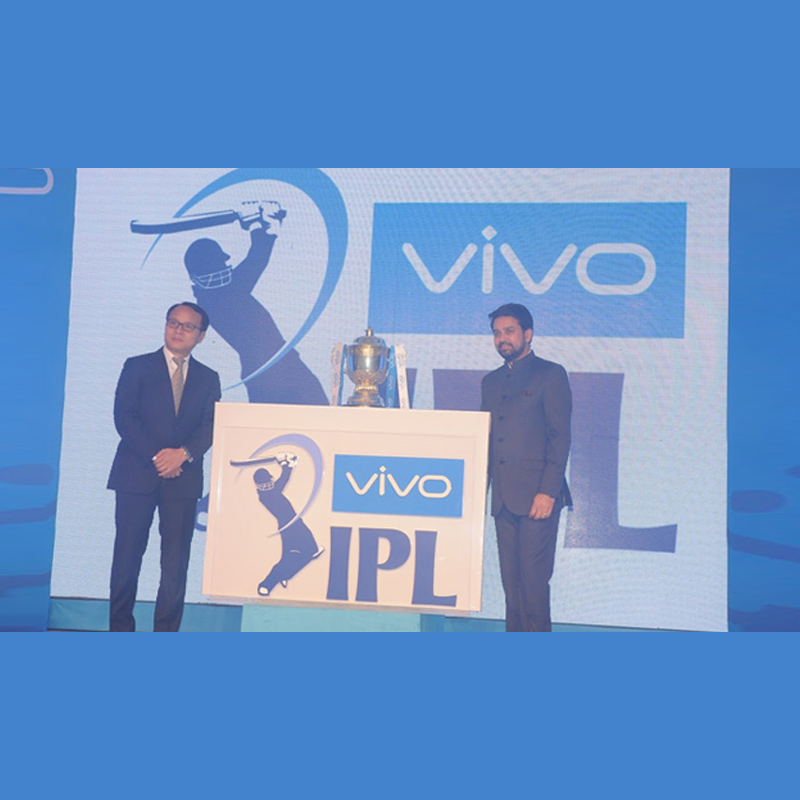
    MUMBAI: If you have the set-up, we have the story. If you have the money, we have got the ideas. In spite of all IPL bidders prepared to make the highest bid for the media rights, what are the chances that BCCI may favour the ones who have the infrastructure and wherewithal to give the game maximum and utmost exposure and BCCI the best mileage? A level playing field for IPL broadcast rights bidders is suspect.

    The India digital rights and rest of the world rights are for five IPL seasons each, between 2018 and 2022 and the Indian sub-continent television rights being offered are for 10 IPL seasons (2018 – 2027).

    It is being speculated that broadcasters may have the upper hand in the selection of the winner of IPL media rights. The Board of Control for Cricket in India (BCCI) said it has sold 18 tenders for the IPL rights. However, experts speculate that the tendering process may have been tilted in favour of television broadcasters.

    The row is connected to the format in which bids had to be submitted. The original tenders had specified that separate bids would have to be made for the three buckets into which media rights have been divided — India digital rights, television broadcast rights for the Indian subcontinent, and a third one for international media rights.

    In the new bundled versus separate format, if a single bidder were to quote higher than the sum of individual bidders globally, that bidder could walk away with all the rights. This change will significantly benefit Sony Pictures and Star India one of which may pocket all IPL rights. BCCI changed the bidding pattern and dynamics to permit consolidated bids across digital, TV, and international, the Times of India had reported.

    The probable winners hence could be Sony Pictures or Star India. These two broadcasters only seem to be keen for television broadcast rights, the biggest media rights component. This modification could make it uncertain for international or digital rights bidders to compete for those rights. Crucial interest was shown by Amazon, Twitter, and Reliance Jio, and by ESPN and Sky Sports for digital rights and international rights.

    Sources familiar with the tendering process said that BCCI reserved the right to pick either separate bids or consolidated bid. Bidders were earlier asked to give a separate value for each of the three packages. But, later, bidders were allowed to put in a single figure for all three rights, making it difficult for BCCI to compare consolidated bids against bids for individual rights pieces.

    By permitting TV broadcasters to put in one figure for all three packages, it seems to have nullified the international or digital bidders such as GroupM, Amazon, or ESPN, from being able to bid at par with the established TV broadcasters.

    This could also bring down the number of stakeholders BCCI may have to deal with. The new proposed change will also keep out deals between the BCCI and international broadcasters in key territories.

    Sports broadcast giant Star India and its competitor, Sony Pictures Network, seem to be in neck-and-neck race for television broadcast rights. The latter has been arguing with BCCI that its existing contract grants it the first right of refusal. While SPN enjoyed the telecast rights to Twenty-20 tournament since inception in 2008, Star India has been making inroads into IPL system. SPN has grown the property on television with innovations around language feeds, marketing, and monetising the IPL from a distribution and advertising stand-point. The 2016 edition of the IPL reached nearly 350 million TV viewers in India, a significant boost over 2015’s 200 million viewers thanks to the addition of rural households in the reporting of television viewership.

    Vinit Karnik, business head, ESP Properties, had told Business Standard, that, “It is no longer about the bouquet or distribution. The biggest change in the sports broadcast landscape is that the rights will now be awarded on the basis of production and packaging. When there are only two options, the organiser will go for the one that will present the property in the best way possible. Investments in sports production should increase now.”

    ALSO READ-

    Top court throws out BCCI’s review petition on Lodha recommendations

    18 prospective bidders for IPL Media Rights

  • Star, Sony or Etc, BCCI will have the last laugh

    Star, Sony or Etc, BCCI will have the last laugh

    MUMBAI: If you have the set-up, we have the story. If you have the money, we have got the ideas. In spite of all IPL bidders prepared to make the highest bid for the media rights, what are the chances that BCCI may favour the ones who have the infrastructure and wherewithal to give the game maximum and utmost exposure and BCCI the best mileage? A level playing field for IPL broadcast rights bidders is suspect.

    The India digital rights and rest of the world rights are for five IPL seasons each, between 2018 and 2022 and the Indian sub-continent television rights being offered are for 10 IPL seasons (2018 – 2027).

    It is being speculated that broadcasters may have the upper hand in the selection of the winner of IPL media rights. The Board of Control for Cricket in India (BCCI) said it has sold 18 tenders for the IPL rights. However, experts speculate that the tendering process may have been tilted in favour of television broadcasters.

    The row is connected to the format in which bids had to be submitted. The original tenders had specified that separate bids would have to be made for the three buckets into which media rights have been divided — India digital rights, television broadcast rights for the Indian subcontinent, and a third one for international media rights.

    In the new bundled versus separate format, if a single bidder were to quote higher than the sum of individual bidders globally, that bidder could walk away with all the rights. This change will significantly benefit Sony Pictures and Star India one of which may pocket all IPL rights. BCCI changed the bidding pattern and dynamics to permit consolidated bids across digital, TV, and international, the Times of India had reported.

    The probable winners hence could be Sony Pictures or Star India. These two broadcasters only seem to be keen for television broadcast rights, the biggest media rights component. This modification could make it uncertain for international or digital rights bidders to compete for those rights. Crucial interest was shown by Amazon, Twitter, and Reliance Jio, and by ESPN and Sky Sports for digital rights and international rights.

    Sources familiar with the tendering process said that BCCI reserved the right to pick either separate bids or consolidated bid. Bidders were earlier asked to give a separate value for each of the three packages. But, later, bidders were allowed to put in a single figure for all three rights, making it difficult for BCCI to compare consolidated bids against bids for individual rights pieces.

    By permitting TV broadcasters to put in one figure for all three packages, it seems to have nullified the international or digital bidders such as GroupM, Amazon, or ESPN, from being able to bid at par with the established TV broadcasters.

    This could also bring down the number of stakeholders BCCI may have to deal with. The new proposed change will also keep out deals between the BCCI and international broadcasters in key territories.

    Sports broadcast giant Star India and its competitor, Sony Pictures Network, seem to be in neck-and-neck race for television broadcast rights. The latter has been arguing with BCCI that its existing contract grants it the first right of refusal. While SPN enjoyed the telecast rights to Twenty-20 tournament since inception in 2008, Star India has been making inroads into IPL system. SPN has grown the property on television with innovations around language feeds, marketing, and monetising the IPL from a distribution and advertising stand-point. The 2016 edition of the IPL reached nearly 350 million TV viewers in India, a significant boost over 2015’s 200 million viewers thanks to the addition of rural households in the reporting of television viewership.

    Vinit Karnik, business head, ESP Properties, had told Business Standard, that, “It is no longer about the bouquet or distribution. The biggest change in the sports broadcast landscape is that the rights will now be awarded on the basis of production and packaging. When there are only two options, the organiser will go for the one that will present the property in the best way possible. Investments in sports production should increase now.”

    ALSO READ-

    Top court throws out BCCI’s review petition on Lodha recommendations

    18 prospective bidders for IPL Media Rights

  • Mobile third largest ad medium; may grow to Rs 10,000 cr by ’18

    Mobile third largest ad medium; may grow to Rs 10,000 cr by ’18

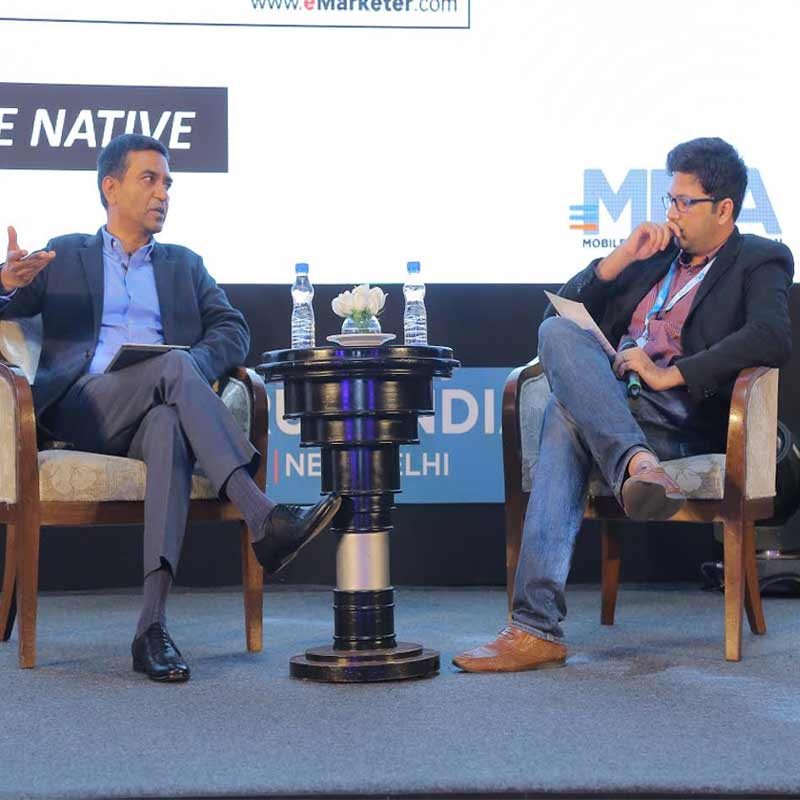
    MUMBAI: The Mobile Marketing Association (MMA), in association with GroupM, one of India’s largest media and marketing conglomerate, has released a report on the mobile marketing ecosystem in India. Called the ‘Mobile Ecosystem and Sizing Report’, this report states that the mobile medium is the third largest mass media in India in terms of ad spends, after television and print. The ad spends on mobile media is estimated to be Rs. 4200 crore by the end of 2016, and is expected to grow to Rs. 10,000 crore by end of 2018.

    The report is an endeavour to decode the burgeoning Indian mobile market in terms of reach of the medium, rural-urban divide in-terms of usage habits and increasing mobile data usage. The report takes into account the mobile service providers and handset manufacturers ecosystem as well. It is a collaborative effort by the marketing and mobile industry, championed by the research team at GroupM India.

    The growing use of mobile in rural media-dark markets has made brand marketers look at increasing their ad spends on mobile marketing. While spends are increasing, organizations are still evolving in terms of familiarity with mobile marketing. Industry sectors such as e-commerce and BFSI are leading the way in mobile advertising, while sectors such as FMCG are now going beyond the SMS and IVR-based mobile solutions The report also brings in perspective on the role of local language in enabling the next spurt of growth in rural India.

    CVL Srinivas, CEO, GroupM South Asiasaid, “It is clear that brands cannot ignore the power of the small screen. It may be the third largest (after TV and print) in terms of ad spends but is by far the leader in terms of time spent and consumer engagement.”

    PepsiCo India Holdings chairman and CEO, D Shivakumar, said, “MMA felt there was a distinct need for a single comprehensive report that covers the mobile marketing ecosystem in India and provides insights to marketers to help them make sharper decisions.”

    “Marketers are aware that mobile is arguably the closest you can get to the consumer with its powerful promise of ‘immediacy’. The consumer is getting steadily used to everything in the ‘now’ with regards to content, commerce, information or utilitarian. This very concept has transformed the mobile into a tool of action and transaction,” said Mobile Marketing Association India manager, Preeti Desai.

    2015 has been a good year for mobile subscriber growth in India. Over 60 million new mobile subscribers were added since the start of year, at an average 5 million subscribers added every month. This was a 20% growth in comparison to 2014. Research has found that in the last 5 years, rural tele-density in India has increased by 60%; rural mobile internet subscriber saw a 90% YOY growth in 2015 and they are using the internet primarily with their mobile phones.

    In terms of usage, the report clearly states the varied usage patterns between urban and rural consumers. While urban consumers are adopting 3G and 4G technology at a much faster rate, the growth spurt in new technology and smartphone penetration is coming from the Tier 2, Tier 3 and rural markets. There is a high demand for affordable smartphones in rural markets, as mobile phones are replacing or supplementing TV as an important entertainment and marketing medium, alongside other traditional communication methods. Handset manufacturers are also looking at developing distribution channels to meet this high demand and thus as seen in the report, eTailers are gaining significance where 29% of smartphone purchases in 2015 happened via e-commerce channels.

    This increase in higher speed data penetration along with growth in smartphones will lead to data driven marketing. It is also reported that traditional TV players are getting more vertical with OTT driving the case for mobile as the stronger secondary screen. [Leading video publishers have seen watch-time in India grew 80% over the last one year, of which 55% of the watch time was on mobile. 90% content upload on these services was from mobile as well]. All this could mean that Native and Video formats are set to dominate mobile marketing in the years to come. Consumers look at Native ads 53% more often than they look at traditional mobile display ad. Also, mobile based audio and video streaming apps provide measurable reach, with 100+ million monthly active user base in India according to the report.

    MMA’s objective through this report is to give the readers a comprehensive view of the mobile marketing ecosystem in India and the various factors that influence it like the various mobile marketing channels, the mobile marketing landscape and the growing subscriber, internet and app user base. It also highlights some of the case studies that readers of the report can leverage to better understand the medium from a marketing perspective. Going forward, MMA also plans to follow up with a second report that will deep dive on topics like use of location and other signals on mobile for predictive analytics and intelligence and mobile measurability.

  • Mobile third largest ad medium; may grow to Rs 10,000 cr by ’18

    Mobile third largest ad medium; may grow to Rs 10,000 cr by ’18

    MUMBAI: The Mobile Marketing Association (MMA), in association with GroupM, one of India’s largest media and marketing conglomerate, has released a report on the mobile marketing ecosystem in India. Called the ‘Mobile Ecosystem and Sizing Report’, this report states that the mobile medium is the third largest mass media in India in terms of ad spends, after television and print. The ad spends on mobile media is estimated to be Rs. 4200 crore by the end of 2016, and is expected to grow to Rs. 10,000 crore by end of 2018.

    The report is an endeavour to decode the burgeoning Indian mobile market in terms of reach of the medium, rural-urban divide in-terms of usage habits and increasing mobile data usage. The report takes into account the mobile service providers and handset manufacturers ecosystem as well. It is a collaborative effort by the marketing and mobile industry, championed by the research team at GroupM India.

    The growing use of mobile in rural media-dark markets has made brand marketers look at increasing their ad spends on mobile marketing. While spends are increasing, organizations are still evolving in terms of familiarity with mobile marketing. Industry sectors such as e-commerce and BFSI are leading the way in mobile advertising, while sectors such as FMCG are now going beyond the SMS and IVR-based mobile solutions The report also brings in perspective on the role of local language in enabling the next spurt of growth in rural India.

    CVL Srinivas, CEO, GroupM South Asiasaid, “It is clear that brands cannot ignore the power of the small screen. It may be the third largest (after TV and print) in terms of ad spends but is by far the leader in terms of time spent and consumer engagement.”

    PepsiCo India Holdings chairman and CEO, D Shivakumar, said, “MMA felt there was a distinct need for a single comprehensive report that covers the mobile marketing ecosystem in India and provides insights to marketers to help them make sharper decisions.”

    “Marketers are aware that mobile is arguably the closest you can get to the consumer with its powerful promise of ‘immediacy’. The consumer is getting steadily used to everything in the ‘now’ with regards to content, commerce, information or utilitarian. This very concept has transformed the mobile into a tool of action and transaction,” said Mobile Marketing Association India manager, Preeti Desai.

    2015 has been a good year for mobile subscriber growth in India. Over 60 million new mobile subscribers were added since the start of year, at an average 5 million subscribers added every month. This was a 20% growth in comparison to 2014. Research has found that in the last 5 years, rural tele-density in India has increased by 60%; rural mobile internet subscriber saw a 90% YOY growth in 2015 and they are using the internet primarily with their mobile phones.

    In terms of usage, the report clearly states the varied usage patterns between urban and rural consumers. While urban consumers are adopting 3G and 4G technology at a much faster rate, the growth spurt in new technology and smartphone penetration is coming from the Tier 2, Tier 3 and rural markets. There is a high demand for affordable smartphones in rural markets, as mobile phones are replacing or supplementing TV as an important entertainment and marketing medium, alongside other traditional communication methods. Handset manufacturers are also looking at developing distribution channels to meet this high demand and thus as seen in the report, eTailers are gaining significance where 29% of smartphone purchases in 2015 happened via e-commerce channels.

    This increase in higher speed data penetration along with growth in smartphones will lead to data driven marketing. It is also reported that traditional TV players are getting more vertical with OTT driving the case for mobile as the stronger secondary screen. [Leading video publishers have seen watch-time in India grew 80% over the last one year, of which 55% of the watch time was on mobile. 90% content upload on these services was from mobile as well]. All this could mean that Native and Video formats are set to dominate mobile marketing in the years to come. Consumers look at Native ads 53% more often than they look at traditional mobile display ad. Also, mobile based audio and video streaming apps provide measurable reach, with 100+ million monthly active user base in India according to the report.

    MMA’s objective through this report is to give the readers a comprehensive view of the mobile marketing ecosystem in India and the various factors that influence it like the various mobile marketing channels, the mobile marketing landscape and the growing subscriber, internet and app user base. It also highlights some of the case studies that readers of the report can leverage to better understand the medium from a marketing perspective. Going forward, MMA also plans to follow up with a second report that will deep dive on topics like use of location and other signals on mobile for predictive analytics and intelligence and mobile measurability.