Tag: Gracenote

  • Gracenote says advertisers are botching connected TV with wrong targeting tactics

    Gracenote says advertisers are botching connected TV with wrong targeting tactics

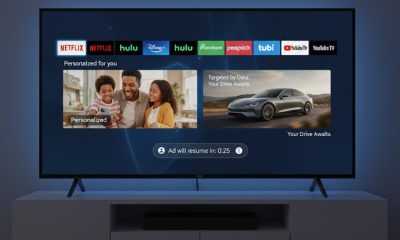
    NEW YORK: Connected television was supposed to be the performance marketer’s dream: precision targeting on the biggest screen in the house. A decade in, it’s not delivering. American advertisers will spend $26.6 billion on CTV this year, up 12 per cent from 2024, according to the IAB. Yet 27 per cent cite lack of insight into whether ads reach their intended audience as their top challenge. Nearly a third rate CTV only “moderately effective” despite pouring money in.

    The problem is a mismatch between strategy and medium. Marketers are treating CTV like social media—chasing users with demographic and behavioural targeting—when they should be focusing on what people watch, not just who’s watching. A Gracenote survey of 600 American brand and agency executives found 30 per cent rank brand awareness as their top CTV objective, with customer retention a distant fourth. Yet 80 per cent still prioritise audience-based targeting over contextual approaches.

    “CTV has not delivered the scale and premium reach that marketers expect of the largest screen in the house largely based on the use of narrow targeting tactics,” said Gracenote VP of partnerships Jake Richardson. “By taking better advantage of contextual targeting capabilities with their CTV campaigns, they have new opportunities to drive both return on ads spend and the scale they’ve been looking for.”

    The irony is sharp. CTV now accounts for 48 per cent of American viewing time, overtaking live television’s 46 per cent in the first quarter of 2025. Ad-supported content makes up 45 per cent of streaming viewership. The audience is there, engaged and watching ads. But marketers haven’t adapted their playbook.

    Nearly 46 per cent of survey respondents have shifted at least 26 per cent of their budgets to CTV over the past three years. Among financial services, retail, technology and healthcare brands, that figure rises to 52 per cent. A quarter now allocate 40 per cent or more of total budgets to CTV. Yet confidence remains shaky. Only 28 per cent consider their CTV spending “extremely effective.”

    The culprit, according to Gracenote, is fragmentation and missing metadata. With 85 per cent of CTV buys purchased programmatically, incomplete or inconsistent content data leaves platforms blind. Nearly 70 per cent of respondents say lack of standardisation is at least a modest challenge when developing campaigns.

    Free ad-supported television (Fast) channels illustrate the problem. Gracenote tracked nearly 1,850 active Fast channels distributing more than 182,000 programmes as of July 2025. Pluto TV, Tubi and The Roku Channel accounted for 5.7 per cent of total American television usage in May 2025, up 36 per cent year-on-year. Yet the metadata is patchy. Before enrichment, 55 per cent of sports programmes on  Fast  channels lacked original air date information. A sample of 28 sports programmes shared by Rain the Growth Agency found only eight included proper content titles—three simply said “tv.”

    This matters because knowing whether a sports event is live, which teams are playing, or whether it’s a playoff game is crucial for advertisers. TV listing data can distinguish an MLB game between the Los Angeles Dodgers and San Francisco Giants from a Liga MX match between Santos Laguna and Pumas UNAM—both aired live on Fast channels on 12 July 2025.

    When asked if standardised content metadata would boost confidence in CTV planning, 62 per cent of respondents said yes. More than half said it would justify higher spending. When asked about TV schedule information, 72 per cent said it would help with planning and investing—rising to 78 per cent among financial services, retail, technology and healthcare advertisers.

    The solution, Gracenote argues, is contextual targeting at programme level. Only nine per cent of respondents currently prioritise this approach, compared with 29 per cent for demographic targeting. Yet contextual signals—knowing a programme has a TV-MA rating, includes adult language, has a gritty mood, or involves arms trafficking—provide the brand suitability insight that audience targeting can’t.

    The pitfalls of over-focusing on existing customers are well documented. Nike’s 2020 direct-to-consumer pivot, which neglected broader brand building, became a cautionary tale last year. Despite CTV’s addressable nature, excluding anyone outside the funnel inhibits future growth. Marketers want CTV for brand building, but to capitalise they’ll need to embrace a simple truth: what people watch matters as much as who’s watching.

    The survey was conducted online between 10 and 20 July 2025, polling brand and agency associates with director-level titles or above across media, entertainment, telecommunications, retail, financial services, automotive, consumer goods and healthcare.

  • Fast channels surge 14 per cent this year as news and horror fuel boom

    Fast channels surge 14 per cent this year as news and horror fuel boom

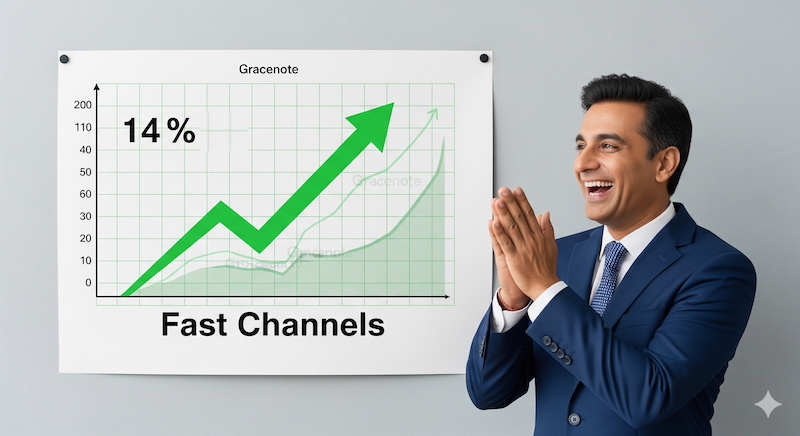
    MUMBAI: Free ad-supported television (Fast) is enjoying a blistering run. The number of Fast channels worldwide has climbed nearly 14 per cent since the start of 2025 and 76 per cent since 2023, according to fresh analysis from Gracenote, the content data arm of Nielsen.

    The firm has expanded its Data Hub to track nearly 1,850 active Fast channels, enabling direct comparisons with subscription video-on-demand (SVOD) catalogues from the likes of Amazon Prime Video, Apple TV+, Disney+, Netflix and Paramount+. The enhanced tool now covers more than 645,000 TV shows, films and sports programmes across SVOD and a further 197,000 across Fast.

    Fast is skewing younger than its subscription rivals. Almost half of its content has been produced in the past five years, compared with only a third for SVOD. Stretching the timeframe to 15 years, Fast jumps to nearly 80 per cent of programming, versus 68.5 per cent for SVOD.

    Television dominates both formats, but especially Fast: 93.1 per cent of its content comprises TV programming by episode count, compared with 88.8 per cent on SVOD platforms.

    Genre trends are diverging. Documentaries make up the largest Fast slice at 16.1 per cent, followed by drama (10.6 per cent) and news (9.9 per cent). Yet it is news and horror that are powering growth, up 37 per cent and 30 per cent respectively. On SVOD, sports led the charge in the past quarter with a 13.2 per cent bump, ahead of films (10 per cent) and TV (9.2 per cent). Sports on Fast dipped 3.7 per cent in the last three months but remain up 14 per cent year to date.

    Among the big streamers, Amazon bulked up most aggressively, expanding its catalogue by 12.6 per cent quarter on quarter. Paramount+ followed with a 6.4 per cent increase. Overall, SVOD offerings grew 9.8 per cent in the same period.

    Gracenote, which covers video content in more than 70 languages and 80 countries, is pitching its Data Hub as a strategic compass for distributors, producers and advertisers eager to map where audiences are headed.

  • Raghu Ramanujam takes charge as vp of product at Nielsen’s Gracenote

    Raghu Ramanujam takes charge as vp of product at Nielsen’s Gracenote

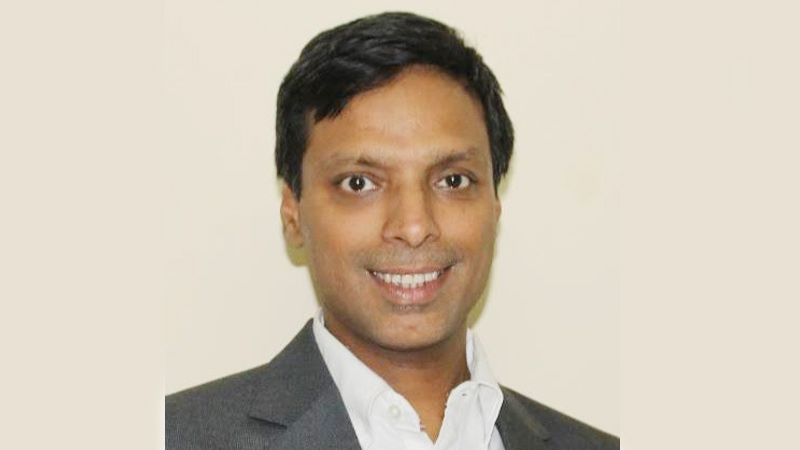
    MUMBAI: Raghu Ramanujam, a seasoned product executive with stints at Flipkart, InMobi and Zoho, has joined Nielsen-owned Gracenote as vice president of product management.

    At Flipkart, Ramanujam steered the payments and fintech strategy, shaping products that sought to democratise access to credit and scale digital transactions for India’s 1.4bn people. He previously founded PoolCircle, once Bengaluru’s largest carpool network, with the mission of taking a million cars off the road.

    At InMobi, he oversaw SmartPay, expanding its reach across nine countries, and built products that propelled the firm from 200m to 100bn ads served per month. Earlier, at Zoho, his NetFlow Analyzer became the company’s fastest product to notch $1m in revenue.

    Ramanujam has also led the product division at Tambora Systems, Embibe and Microsoft Accelerator, and began his career in sales and engineering before moving into software and digital platforms.


  • Content discovery is overwhelming nearly half of American audiences: Nielsen report

    Content discovery is overwhelming nearly half of American audiences: Nielsen report

    Mumbai: A nearly 20 per cent increase in unique programme titles over the past three years has almost half of the American audiences (46 per cent) feeling overwhelmed by the growing number of services and platforms that makes it more difficult to find the content they’re looking for, revealed audience measurement firm Nielsen’s inaugural ‘State of Play’ report.

    According to the report, consumers now have over 817,000 unique programme titles as of February 2022 vs more than 646,000 as recently as December 2019. The increase in content also comes with an increase in consumption, as 18 per cent of Americans are now paying for four streaming services vs the seven per cent who did so in 2019.

    In February of this year, content from streaming platforms accounted for just under 29 per cent of consumers’ total time with TV, ahead of broadcast programming (26.4 per cent) for the fourth straight month, according to Nielsen’s The Gauge, its monthly total TV and streaming snapshot. In total, Americans watched nearly 15 million years’ worth of streaming video content last year.

    When asked about whether bundled streaming services might make it easier for consumers to find the content they are seeking, 64 per cent of respondents indicated they wish there was a bundled video streaming service that would allow them o choose as few or as many video streaming services that they wanted.

    “The inaugural State of Play really underscores the fact that we’ve entered the next phase of streaming, based on the trends we have been detailing about streaming over the past few years,” said Nielsen SVP product strategy Brian Fuhrer. “We’ve moved from infancy into adolescence and all the complexities that one would expect at that point. It’s not just that streaming is increasing year over year. Now consumers want access simplified and the explosion of services has renewed discussions around bundling and aggregation. Ultimately, these challenges signal an opportunity as the industry harnesses streaming for long-term business growth.”

    ‘State of Play’ highlights the increasing boom of video content in both linear and streaming in recent years. Overall, Americans increased their average weekly time streaming video by 18 per cent, with a year-over-year increase from 143.2 billion streamed minutes to 169.4 billion between February 2021 and February 2022.

    The report reveals two other key takeaways: streaming service consumption is expected to grow, with 93 per cent of Americans reporting they will increase their paid streaming services or make no changes to their existing plans over the next year, and over the last three years there was an 18 per cent increase in all available video content.

    However, due to a nearly 20 per cent increase in unique program titles over the past three years, nearly half of audiences (46 per cent) feel overwhelmed by the growing number of services and platforms that makes it more difficult to find the content they’re looking for.

    Amid the seemingly overwhelming choices provided by new streaming platforms, subscription video on demand (SVOD) now accounts for 53 per cent of minutes streamed. Of the four hours, 49 minutes per day that the average American spends watching content, 1:22 of that is through connected TV (CTV).

    In addition to providing streaming consumption trends and consumer sentiment, ‘State of Play’ details how the streaming landscape has broadened beyond traditional SVOD services. Ad-supported VOD, multichannel video programming distributors (MVPDs) and virtual MVPDs (vMVPDs) have grown to account for 35 per cent. The percentage of homes with YouTube TV—the vMVPD with the highest household penetration—has grown by over 160 per cent since 2020.

    The ‘State of Play’ report leverages Nielsen TV measurement and streaming data, insights from Gracenote a Nielsen company, and findings from an online custom survey of the US video streamers.

  • Gracenote launches channel monitoring solution for broadcasters

    Gracenote launches channel monitoring solution for broadcasters

    MUMBAI: Gracenote, a Nielsen company, has launched its next-generation TV distribution monitoring and reporting solution developed specifically for the Indian TV market called TV Street Maps 2.0.

    The latest solution empowers Indian broadcasters with the most accurate picture of TV channel distribution and delivery to preserve program ratings, address technical challenges in near real-time and improve monetisation from cable operators.

    Gracenote TV Street Maps 2.0 automates the tedious task of manual TV channel monitoring with time-stamped data across all cable operators. The earlier version TV Street Maps was manually operated and was weekly monitored but TV Street Maps 2.0 is automatic and monitored at least once a day.

    Talking to Indiantelevision.com Gracenote EVP operations Joydip Kapadia said, “The TV Street Maps 2.0 is about capturing channel line-ups of each digital operator in India. It is a device which has a cable feed and it keeps on scanning for the data.”

    TV Street Maps 2.0 monitoring is done using remote capture devices that automatically capture TV channel line-ups with geo-tagged locations directly from set top boxes. Leveraging the data directly from set top boxes also enables push alerts to customers when channels are switched off or placement shifts. Gracenote broadcast customers will also have live data dashboards, channel availability, placement and neighborhood reports that help broadcasters assess the impact of channel distribution and viewership ratings.

    Talking to Indiantelevision.com Gracenote MD- India, Southeast Asia and Middle East Geet Lulla said, “The consumption of any broadcaster is driven by three things: first the content, second is promotion and marketing strategy and the third one is the channel availability. We help the broadcaster to check their channel availability in different regions.”

    Broadcasters can now get accurate channel distribution data, drive viewership and ratings and improve operator compliance of distribution agreements that may include carriage fees.

    “We cover around 260 cities in India. Total headends are around 850-900 and we cover approximately 650 of them which is 90 per cent of the digital cable subscribers. It has been a very strategic project and we are in the investment mode and planning to breakeven by the end of 2018” Lulla added.

    Indian broadcasters can easily identify new market opportunities as well as track unlawful display of their channels through piracy. This level of visibility enables broadcasters to identify new distribution markets to pursue and negotiate new subscription fees from outlying cable operators.

    Geet Lulla sees Chrome DM as the only competitor in the space of channel line-ups. The India TV market is one of the most complex video markets in the world with TV channel line-ups varying from day to day and operator to operator.

    India has an estimated 1,000 digital operators delivering linear television to 175 million households around the country. The challenge is that each operator can add, remove or change the position of channels at their discretion and without notice to broadcasters. On average, there are approximately 300 to 350 channel line-up changes occurring every week. These changes can impact tune-in, significantly impair ratings and inaccurately calculate cable operator carriage fees for broadcasters.

    “As India continues its digital transformation, we are now tasked with creating the next generation of tools, platforms and services that will help monetise viewership across the digital video ecosystem,” said Lulla.

  • BARC India & Israeli company explore customised digital measurement tools

    BARC India & Israeli company explore customised digital measurement tools

    NEW DELHI: The Broadcast Audience Research Council of  India (BARC India) is said to be in talks with an Israeli media technology company to customise for it tools for digital measurement, which is likely to be rolled out in phases from sometime in 2017 or early 2018 and could go on to make BARC India an organisation measuring TV+digital eco-systems.

    After having issued Request for Information (RfI) for digital measurement in December 2015 and having received responses from 11 leading vendors from across the world, BARC India had come out last year Request for Proposals for the same.

    BARC India is presently working on digital proof of concept that will help it in testing different technologies, methodologies and potential capabilities of the shortlisted vendors.

    The companies that had responded to the RfI included agencies such as Kantar Media, IMRB, ComScore, Nielsen, MediaMetrie, Gracenote (in December 2016  it entered into an agreement to be acquired by Nielsen), Informate, GfK, Accenture, EY, eywa Media, Gemius and Verto Analytics.

    It was in October 2015 that BARC India CEO Partho Dasgupta had announced at a panel discussion on new TAM models at CASBAA Convention in Hong Kong that the audience measurement organisation was looking at launching digital measurement and will float a global tender for vendor(s).

    Industry sources indicated that the Israeli company could be Actus Digital, a global provider of broadcast media and video technologies, and that the exploratory talks between the company and BARC India could be revolving around customising measurement tools for India instead of simply re-deploying universal tools generally used by big companies for digital data collection.

    However, it must be admitted that Indiantelevision.com could not independently confirm the name of the Israeli company from either BARC India or the company concerned till the time of writing this report.

    The barely two-year-old BARC India, which initially focussed on measuring TV viewing habits via BAR-O-Meters through watermarking technology, is now expanding into the digital realm.

    BARC India is jointly promoted by the Indian Broadcasting Foundation (IBF), the Indian Society of Advertisers (ISA) and the Advertising Agencies Association of India (AAAI) with the latter two organisations holding 20 per cent each, while the broadcasting body holds 60 per cent.

    ALSO READ:

    BARC issues RFP for playout monitoring and DB system

    BARC India eyes digital measurement; calls for global RFIs

    BARC India ropes in Nielsen’s Jamie Kenny as DAM head


  • BARC India & Israeli company explore customised digital measurement tools

    BARC India & Israeli company explore customised digital measurement tools

    NEW DELHI: The Broadcast Audience Research Council of  India (BARC India) is said to be in talks with an Israeli media technology company to customise for it tools for digital measurement, which is likely to be rolled out in phases from sometime in 2017 or early 2018 and could go on to make BARC India an organisation measuring TV+digital eco-systems.

    After having issued Request for Information (RfI) for digital measurement in December 2015 and having received responses from 11 leading vendors from across the world, BARC India had come out last year Request for Proposals for the same.

    BARC India is presently working on digital proof of concept that will help it in testing different technologies, methodologies and potential capabilities of the shortlisted vendors.

    The companies that had responded to the RfI included agencies such as Kantar Media, IMRB, ComScore, Nielsen, MediaMetrie, Gracenote (in December 2016  it entered into an agreement to be acquired by Nielsen), Informate, GfK, Accenture, EY, eywa Media, Gemius and Verto Analytics.

    It was in October 2015 that BARC India CEO Partho Dasgupta had announced at a panel discussion on new TAM models at CASBAA Convention in Hong Kong that the audience measurement organisation was looking at launching digital measurement and will float a global tender for vendor(s).

    Industry sources indicated that the Israeli company could be Actus Digital, a global provider of broadcast media and video technologies, and that the exploratory talks between the company and BARC India could be revolving around customising measurement tools for India instead of simply re-deploying universal tools generally used by big companies for digital data collection.

    However, it must be admitted that Indiantelevision.com could not independently confirm the name of the Israeli company from either BARC India or the company concerned till the time of writing this report.

    The barely two-year-old BARC India, which initially focussed on measuring TV viewing habits via BAR-O-Meters through watermarking technology, is now expanding into the digital realm.

    BARC India is jointly promoted by the Indian Broadcasting Foundation (IBF), the Indian Society of Advertisers (ISA) and the Advertising Agencies Association of India (AAAI) with the latter two organisations holding 20 per cent each, while the broadcasting body holds 60 per cent.

    ALSO READ:

    BARC issues RFP for playout monitoring and DB system

    BARC India eyes digital measurement; calls for global RFIs

    BARC India ropes in Nielsen’s Jamie Kenny as DAM head


  • Nielsen to acquire TV, music & movie metadata firm Gracenote

    Nielsen to acquire TV, music & movie metadata firm Gracenote

    MUMBAI: It was just a couple of years ago that Gracenote went ahead and acquired Indian TV listings and data company What’s On. Now, Gracenote has been acquired by TV viewing monitor Nielsen for a tab of $560 million (Rs 3,805.6 crore) from Tribune Media Services. The two companies announced this earlier today in the U.S.

    The transaction is expected to close during the first quarter of 2017. The transaction is expected to be financed through a combination of cash and debt. Nielsen was advised on the transaction by PJT Partners and worked with Baker & McKenzie as legal advisors.

    With this transaction, Nielsen will acquire the data and technology that underpins the programming guides and personalized user experience for major video, music, audio and sports content. The acquisition extends Nielsen’s footprint with major clients by including Gracenote’s global content database which spans across platforms including multichannel video programming distributors (MVPDs), smart televisions, streaming music services, connected devices, media players and in-car infotainment systems.

    Gracenote provides reference information for over 12 million movie and television listings and 200 million music tracks, and drives the interfaces of the major streaming digital media services, as well as the connected technology systems in over 75 million automobiles. The company is the industry standard for automatic content recognition (ACR) technology, powering the discovery and recommendation engines used by world’s largest television, music and automotive companies.

    By bringing Gracenote’s capabilities into its measurement framework, Nielsen will have the ability to provide clients with deeper analytics on consumer behavior and offer an unprecedented view of audience engagement from discovery to consumption. As part of the Nielsen Total Audience measurement framework, Gracenote’s intelligent metadata will help meet the viewership monitoring agencies clients’ needs in an addressable world where marketers target customers and optimize campaigns in real time. The inclusion of this data will also allow media companies to optimize their content for specific audiences.

    In addition, Gracenote’s long-term client relationships across TV, audio, sports and auto will be further amplified through Nielsen’s global reach and position as the leader in audience measurement and intelligence.

    “Gracenote’s metadata and content recognition technology fuels the interfaces of the major video, music and in-car infotainment systems that consumers engage with every day. This acquisition provides Nielsen with a significant asset in our mission of measuring and understanding consumer behavior,” said Nielsen expanded verticals president Karthik Rao in a press release.

    Added Gracenote CEO John Batter: “For the past decade, Gracenote has connected millions of people every day to the TV shows, sports, movies and music they love, making entertainment more accessible and discoverable. We are excited for the opportunity to take the next step with Nielsen and expand our global reach by continuing to deliver innovative, insights-based solutions to clients.”

  • Nielsen to acquire TV, music & movie metadata firm Gracenote

    Nielsen to acquire TV, music & movie metadata firm Gracenote

    MUMBAI: It was just a couple of years ago that Gracenote went ahead and acquired Indian TV listings and data company What’s On. Now, Gracenote has been acquired by TV viewing monitor Nielsen for a tab of $560 million (Rs 3,805.6 crore) from Tribune Media Services. The two companies announced this earlier today in the U.S.

    The transaction is expected to close during the first quarter of 2017. The transaction is expected to be financed through a combination of cash and debt. Nielsen was advised on the transaction by PJT Partners and worked with Baker & McKenzie as legal advisors.

    With this transaction, Nielsen will acquire the data and technology that underpins the programming guides and personalized user experience for major video, music, audio and sports content. The acquisition extends Nielsen’s footprint with major clients by including Gracenote’s global content database which spans across platforms including multichannel video programming distributors (MVPDs), smart televisions, streaming music services, connected devices, media players and in-car infotainment systems.

    Gracenote provides reference information for over 12 million movie and television listings and 200 million music tracks, and drives the interfaces of the major streaming digital media services, as well as the connected technology systems in over 75 million automobiles. The company is the industry standard for automatic content recognition (ACR) technology, powering the discovery and recommendation engines used by world’s largest television, music and automotive companies.

    By bringing Gracenote’s capabilities into its measurement framework, Nielsen will have the ability to provide clients with deeper analytics on consumer behavior and offer an unprecedented view of audience engagement from discovery to consumption. As part of the Nielsen Total Audience measurement framework, Gracenote’s intelligent metadata will help meet the viewership monitoring agencies clients’ needs in an addressable world where marketers target customers and optimize campaigns in real time. The inclusion of this data will also allow media companies to optimize their content for specific audiences.

    In addition, Gracenote’s long-term client relationships across TV, audio, sports and auto will be further amplified through Nielsen’s global reach and position as the leader in audience measurement and intelligence.

    “Gracenote’s metadata and content recognition technology fuels the interfaces of the major video, music and in-car infotainment systems that consumers engage with every day. This acquisition provides Nielsen with a significant asset in our mission of measuring and understanding consumer behavior,” said Nielsen expanded verticals president Karthik Rao in a press release.

    Added Gracenote CEO John Batter: “For the past decade, Gracenote has connected millions of people every day to the TV shows, sports, movies and music they love, making entertainment more accessible and discoverable. We are excited for the opportunity to take the next step with Nielsen and expand our global reach by continuing to deliver innovative, insights-based solutions to clients.”

  • BARC India receives RFI from multiple global vendors for digital measurement; to issue RPF soon

    BARC India receives RFI from multiple global vendors for digital measurement; to issue RPF soon

    MUMBAI: The Broadcast Audience Research Council (BARC) India, which had issued the Request for Information (RFI) for digital measurement in December last year, has received responses as many as 11 leading vendors from across the world.

    Those who have submitted the RFI include agencies like Kantar Media, IMRB and ComScore, Nielsen, MediaMetrie, Gracenote, Informate, GFK, Accenture, EY, eywa Media, Gemius and Verto Analytics.

    In order to expedite the process and launch digital measurement services this year, BARC India will be issuing the Request for Proposal (RFP) soon and the partner for the venture will be announced in the next couple of months. With this, BARC India has moved one step closer to providing audience measurement beyond television.

    BARC India’s intent, through its foray into digital measurement, is to measure total unduplicated audiences across all devices and platforms, measuring combined program impressions or advertisements regardless of where and how content/ad is being consumed, through a Single Source Panel.

    Once the venture takes shape, BARC India will be the first to provide a TV+ Digital viewership measurement service across the globe. BARC India, with this will cover more than 50 per cent of media spends between TV and digital.

    In order to make the service robust and accurate, BARC India will look at partnerships with publishers and content creators going forward.

    “A lot of content today is being created for online consumption, but all these impressions are unaccounted for. With our digital measurement we are looking at providing content creators and platform owners with insights on the consumption behaviour of viewers. We are happy with the response we have received from vendors globally,” said BARC India CEO Partho Dasgupta.