Tag: govt

  • Govt clarifies TDS provisions for broadcasters vis-a-vis producers and advertisers

    Govt clarifies TDS provisions for broadcasters vis-a-vis producers and advertisers

    New Delhi: The Finance Ministry said today that if a content/programme is produced according to the specifications provided by the broadcaster/telecaster and the copyright of the content/programme gets transferred to the telecaster/broadcaster, such contract is subject to TDS under section 194C at 2 per cent, rather than at a rate of 10 per cent under section 194J as payment for ‘professional or technical services’.

    In a circular issued recently, it was stated that such a contract is covered by the definition of the term ‘work’ in section 194C of the Income-tax Act.

    The Central Board of Direct Taxes has brought out two circulars to bring about clarity in the interpretation of certain contentious issues relating to Tax Deduction at Source (TDS) on payments made by television channels, broadcasters and newspapers.

    The first Circular No.4/2016 dated 29 February deals with TDS on payments by broadcasters or television channels to production houses for production of content or programme for telecasting.

    The other circular – No.5/2016 dated 29 February – deals with TDS on payments by television channels and publishing houses to advertisement companies for procuring or canvassing for advertisements.

    It has been clarified through the Circular that no TDS is attracted on payments made by television channels/newspaper companies to the advertising agency for booking or procuring of or canvassing for advertisements.

    This clarification puts at rest the litigious issue as to whether such payments/discounts are in the nature of ‘commission’ and so, subject to TDS at the rate of 10 per cent under section 194H.
    Both the Circulars are available on the website of the Department www.incometaxindia.gov.in.

  • Govt clarifies TDS provisions for broadcasters vis-a-vis producers and advertisers

    Govt clarifies TDS provisions for broadcasters vis-a-vis producers and advertisers

    New Delhi: The Finance Ministry said today that if a content/programme is produced according to the specifications provided by the broadcaster/telecaster and the copyright of the content/programme gets transferred to the telecaster/broadcaster, such contract is subject to TDS under section 194C at 2 per cent, rather than at a rate of 10 per cent under section 194J as payment for ‘professional or technical services’.

    In a circular issued recently, it was stated that such a contract is covered by the definition of the term ‘work’ in section 194C of the Income-tax Act.

    The Central Board of Direct Taxes has brought out two circulars to bring about clarity in the interpretation of certain contentious issues relating to Tax Deduction at Source (TDS) on payments made by television channels, broadcasters and newspapers.

    The first Circular No.4/2016 dated 29 February deals with TDS on payments by broadcasters or television channels to production houses for production of content or programme for telecasting.

    The other circular – No.5/2016 dated 29 February – deals with TDS on payments by television channels and publishing houses to advertisement companies for procuring or canvassing for advertisements.

    It has been clarified through the Circular that no TDS is attracted on payments made by television channels/newspaper companies to the advertising agency for booking or procuring of or canvassing for advertisements.

    This clarification puts at rest the litigious issue as to whether such payments/discounts are in the nature of ‘commission’ and so, subject to TDS at the rate of 10 per cent under section 194H.
    Both the Circulars are available on the website of the Department www.incometaxindia.gov.in.

  • I&B Ministry to move Supreme Court to club all DAS cases into one

    I&B Ministry to move Supreme Court to club all DAS cases into one

    NEW DELHI: The Information and Broadcasting (I&B) Ministry will be moving the Supreme Court to club the various orders in different High Courts, which ordered extension of Phase III of the Digital Addressable System (DAS) beyond 31 December, 2015.


    I&B Ministry Secretary Sunil Arora confirmed to Indiantelevision.com that the apex court would be moved in this connection within the next few days.


    However, it was not immediately clear whether this would be a fresh appeal, or – as was reported by this website on 7 January – it would be in the form of an appeal against one of the High Court orders with an additional request that since other matters are similar they also be heard at the same time.


    This decision came as a disappointment to many multi system operators (MSOs) in other states who said they would find it very difficult to come to Delhi to fight the case or pay the high fee charges by Supreme Court advocates for this purpose.


    Several rounds of discussions have been held internally as well as with the officials of the Law Ministry and legal experts over the past few days before coming to this decision, to thwart the snowballing effect of the orders that commenced from Hyderabad and found a boost in the arguments in the Bombay High Court based on the Kusum Ingots case of 2004, which encouraged MSOs and local cable operators (LCOs) in other states.


    At present, the implementation remains stayed for varying periods in the states of Andhra Pradesh, Assam, Maharashtra, Orissa, Sikkim, and Telangana, apart from Tamil Nadu where prolonged legal cases have been pending since Phase I.


    There was also general consensus that this was the right course as the apex court had on an earlier occasion relating to the Cable Television Networks (Regulation) Act 1995 and orders issued thereunder that High Courts have to be cautious when giving orders on matters relating to policy.  


    At the same time, Ministry officials said that while obeying the directives of the various High Courts, which had extended the DAS deadline by various periods ranging between eight to 12 weeks, it would prepare to oppose the decisions.


    A senior Ministry official also said it was working on how plans to thwart the implementation of Phase III could be prevented – if necessary through legislative processes.


    The official also expressed the view that the cases would in fact work against the last mile operator and benefit the direct to home (DTH) and Headend In the Sky (HITS) players.


    Sources said they had evidence to show seeding of set top boxes (STBs) to the extent of 76 per cent as revealed in the 13th Task Force meeting on 30 December. 


    Meanwhile as earlier reported, legal opinion is divided on whether the Kusum Ingots case, which was referred to in the Bombay High Court could be used by a High Court to direct a pan-India stay.


    The broadcasters and channel distributors feel any extension would only lead to delays in all fields of digitisation including a further delay in not just the Phase III and Phase IV (slated for December 2016) but also pockets of Phase I and II, which have still not implemented digital addressable systems.


    At the same time, the stakeholders agree that there is a shortage of STBs and just one or two players are making local boxes despite the ‘Make in India’ campaign, and the government had to be make some relaxations in the budget in this regard.


    With the I&B Ministry now taking the matter to the Supreme Court, the developments ahead will be keenly watched by all stakeholders.

  • Govt. earmarks Rs 13 crore for DAS Phase III & IV completion

    Govt. earmarks Rs 13 crore for DAS Phase III & IV completion

    NEW DELHI: The government has earmarked a sum of Rs 13.02 crore for completion of Phase III and IV of Digital Addressable System (DAS) for cable television.


    Minister of State for Information and Broadcasting Rajyavardhan Rathore informed the Parliament that the scheme ‘Mission Digitization’ had been drawn up and a sum of Rs 1 crore out of the total Plan allocation had been earmarked for the MIS Software.


    A multi-lingual and multi-desk toll free call centre was established under the Mission Digitisation Project to address peoples’ queries regarding ongoing cable TV digitization in the country.


    Answering a question about committees set up by the Ministry for overseeing DAS, he said a Task Force had been set up to steer the digitization of cable TV network in the country in the remaining Phase III & IV. All the stakeholders, State level nodal officers of all States/UTs, Departments of Electronics and Information and Technology, Telecommunications and others including one consumer forum from each region have been made members of the body.


    Referring to other committees relating to television, the Minister said an Inter-Ministerial Committee (IMC) had been constituted to take cognisance suo moto or to look into specific complaints regarding content on private TV channels on any platform including direct to home (DTH) & FM Radio with regard to violation of the Programme and Advertising Code as defined in Rule 6 & 7 of the Cable Television Network Rules, 1994 for TV channels & applicable Content Code for Radio. 


    Members include the I&B, Home Affairs, Law & Justice, Women & Child Development, Health & Family Welfare, Extemal Affairs, Defence, Consumer Affairs, and Food and Public Distribution Ministries apart from a representative of the Advertising Standards Council of India (ASCI).


    On a question about use of modern technology, Rathore said his Ministry and the Media Units under the administrative control of the Ministry have been consistently making efforts to use the state-of-art technology to increase their efficiency.


    In a bid to modernise the Press Information Bureau (PIB), officers are being equipped with laptops and smart phones to enable them to effectively use Information Technology to disseminate information.


    Rathore added that mobile applications like WhatsApp have been utilised by the Department of Field Publicity during ‘Beti Bachao Beti Padao’ campaign in Rajasthan during March 2015 and other Special Outreach Programmes. 


    The Minister added that MIB and most of the Media Units under its control had presence on various social media platforms like Twitter, Facebook, Blog, Google+, YouTube and Instagram. These platforms were being used to disseminate information due to easy accessibility and their wider reach.


    The Ministry’s Twitter account had 425,000 followers, its Facebook account has more than 1.1 million likes, YouTube has 4,049,641 views, the blog page has 1.9 million page views and Instagram has 1040 followers.


    The PIB website is being revamped and new technologies such as live streaming, smart phones, hi-speed broadband etc. are being used for this purpose.


    Video conferencing facilities are also being installed to carry out the live streaming of press conferences by important news makers.

  • Govt. bows to votaries of free social media, withdraws controversial draft on Encryption Policy

    Govt. bows to votaries of free social media, withdraws controversial draft on Encryption Policy

    NEW DELHI: Following protests by votaries of a free social media, the government today withdrew a draft of an encryption policy, thus exempting mass use encryption products, which are currently being used in web applications, social media sites, and social media applications such as Whatsapp, Facebook, Twitter, etc


    In a statement, the Department of Electronics and Information Technology said that it had “noted public sentiments viz-a-viz this draft. It is clarified that the above mentioned draft is not the final view of the Government on the matter.”


    The draft had been prepared by a High-level Committee as part of an attempt to ensure secure transactions in Cyber Space for individuals, businesses and Government and prepare a National Encryption Policy. 


    The statement said the Department had also taken note of the ambiguity in some portions of the draft that may have led to misgivings. “Hence, the draft has been withdrawn and will be put up for consultation after appropriate revision.” 


    The removal of the draft also amounts to exemptions to SSL/TLS (Secure Sockets Layer/ Transport Layer Security) encryption products being used in Internet-banking and payment gateways as directed by the Reserve Bank of India and SSL/TLS encryption products being used for e-commerce and password-based transactions.


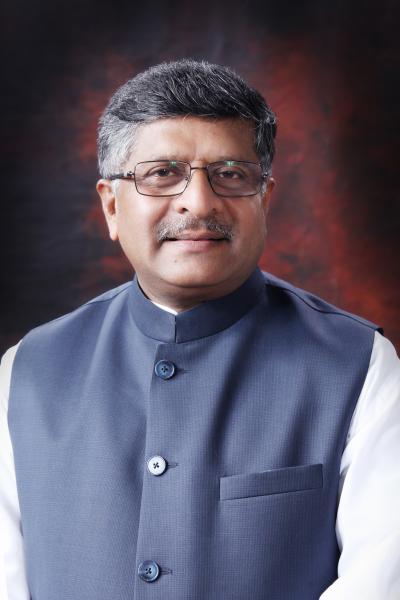
    Communications and IT Minister Ravi Shankar Prasad told newspersons that the draft was not the final view of the government. “The policy will consider the views of the public,” he said.


    Under the draft, which has now been withdrawn, every message that is sent through e-mail, Whatsapp or SMS was required to be stored in plain text format for 90 days from the date of transaction and made available to the law enforcement agencies on demand.


    The draft was to help introduce a New Encryption Policy under Section 84A of the Information Technology Act, 2000, and had called for public comments by 16 October.


    The stated mission of the policy is to provide confidentiality of information in cyber space for individuals, protect sensitive or proprietary information, ensure reliability and integrity of nationally-critical information systems and networks.


    “Users or organisations within B2B group may use encryption for storage and communication. Encryption algorithms and key sizes shall be prescribed by the government through notifications from time to time… On demand, the user shall be able to reproduce the same plain text and encrypted text pairs using the software or hardware used to produce the encrypted text from the given plain text,” the draft said.

  • Gujarat HC to hear LCOs petition against TRAI, govt, MSOs next week

    Gujarat HC to hear LCOs petition against TRAI, govt, MSOs next week

    MUMBAI: The Gujarat Cable Operators Association (GCOA) has all the reasons to rejoice. The Gujarat High Court on 30 January had given a final notice to the Union Government, the Telecom Regulatory Authority of India (TRAI) and Multi System Operators (MSOs) in the state to respond to the petition filed by the GCOA, but all the three respondents did not file their responses in the court with the deadline ending today.


    “Today was the last day for the government, the TRAI and the MSOs to respond to the court’s notice, but none of them responded,” informs Gujarat Cable Operators Association president Pramod Pandya.


    Pandya the court will being hearings in the case next week.


    GCOA had filed a petition in the high court in September, challenging the legality of the Telecommunication (Broadcasting and Cable) Services Tariff and the Telecommunication (Broadcasting and Cable Services) Interconnection Regulations. The court had asked the three respondents to file reasons for formulating the tariff and interconnection regulations.


    “We have been fighting for our fundamental rights. It is a one-sided regulation. Why is everything being taken away from me and being given to the MSO? We are not against DAS. It is a fight for our right and our ownership of the consumers. We now wait for the case to go up for hearing the next week,” concludes Pandya. 

  • Govt revenues from DTH licensing fees zoom

    Govt revenues from DTH licensing fees zoom

    New Delhi: The six private direct-to-home operators paid Rs 3.078 billion as licence fee to the government for the year 2011-12, compared to Rs 1.778 billion in 2010-11 and Rs 1.262 billion in 2009-10.

    The revenue in 2008-09 was Rs 893 million from four operators, since both Airtel Digital TV (Bharti Telemedia Ltd.) as well as Videocon d2h (Bharat Business Channel Ltd.) had not commenced services.

    The other DTH players are Dish TV, Tata Sky, Sun Direct TV, and Reliance Big TV.

    Under DTH licensing norms, the platforms pay a non-refundable entry fee of Rs 100 million and an annual fee equivalent to 10 per cent of gross revenue every financial year. Thus, the platforms have paid Rs 600 million as one-time entry fee.

    Interestingly, Tata Sky paid a licence fee of Rs 793 million in 2011-12 as against Airtel Digital’s Rs 618.7 million and Dish TV’s Rs 300 million. Sun Direct paid Rs 360 million, Reliance Big TV paid Rs 95 million, and Videocon d2h paid Rs 50 million.

    DTH services are governed by the DTH Guidelines and terms and conditions issued by the Information and Broadcasting Ministry on 15 March 2001 and amended from time to time.

    The seven DTH players in the country including Doordarshan’s free-to-air DD Direct Plus cover around 35 million TV homes.

  • Govt serious on tracking down illegal channels, teleport ops to submit monthly reports to I&B

    Govt serious on tracking down illegal channels, teleport ops to submit monthly reports to I&B

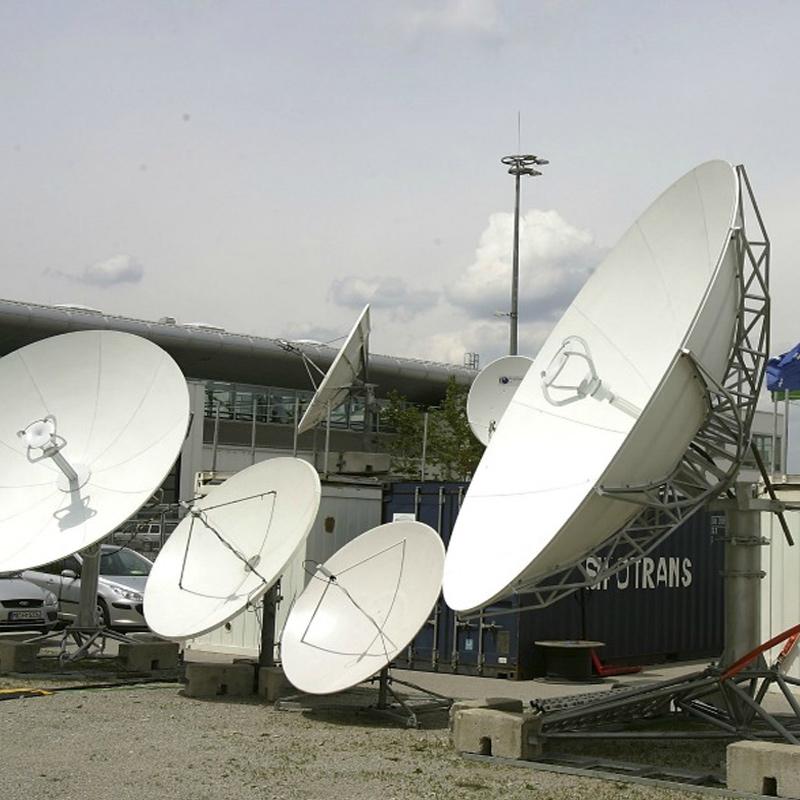
    NEW DELHI: The Indian government is getting serious on tracking down illegal transmission of television channels. In an attempt to step up monitoring of the channels being downlinked to the viewers, all teleports operating in the country have been directed by the Information and Broadcasting (I&B) Ministry to submit every month the list of channels being uplinked by them.

    The teleports have to report the details of the channels they uplink latest by the 15th of every month. The directive for all teleports comes into effect with immediate effect, and the first list of channels uplinked or downlinked has to be submitted by 15 January.

    I&B Ministry sources told Indiantelevision.com that the monthly reporting to it will bring greater transparency and also help check uplinking of unlicensed or illegal channels.

    A teleport or a telecommunications port is a satellite ground station connecting a satellite network with a terrestrial network.

    According to the ministry directive, the teleports are to supply information about the name of the teleport operator, the STV licence number, the satellite being used, the names of all TV channels, names of the companies which own the TV channels, date of start of uplink, and current operational status.

    The teleports were hitherto sending this information every month to the Network Operations Control Centre (NOCC) under the Communications ministry.

    "It is less than a year that we started reporting to the NOCC. Now the I&B ministry also wants us to report to them. The government feels that this is a better way to filter out those unlicensed channels who get distributed in India. We have no problems providing such details," said a senior executive at Essel Shyam Communication, a leading teleport operator in India.

  • Govt asks Trai to draft rules to check cable monopolies

    Govt asks Trai to draft rules to check cable monopolies

    MUMBAI: Information & Broadcasting minister Manish Tewari Monday said the government has asked the Telecom Regulatory Authority of India (Trai) to draft rules that would help in keeping a check on monopolies in the cable television distribution space.

    The broadcast sector regulator will be looking into monopolies at a local, state or regional level, a move that can have deeper repercussions in the cable TV industry. It will also examine other related gamut of issues.

    "A near monopoly like situation exists in at least three states – Tamil Nadu, Punjab and Orissa. In local areas, a second cable operator is often not allowed. This move will ensure competition, protect consumers and benefit broadcasters," said the head of a multi-system operator (MSO).

    India‘s digitisation drive, thus, will come with accompanied policy changes.
    “I have requested the Ministry to make a reference to the Trai as to how do we ensure that monopolies do not continue to subsist in the marketplace,” Tewari said during his first formal interaction with the media after being appointed as I&B minister.

    Tewari said monopolies will kill the entire purpose of cable TV digitisation which is to give more choice to the customers. Digitisation, he said, will provide several tangible benefits to customers including picture quality, freedom of choice and value added services, which will make it interactive.

    “Monopolies are the anti-thesis of choice so I have asked the Ministry to make a reference specifically so that we can deal with this issue as go forward with the digitisation between now and 2014,” he added.

    He also allayed fears that the government was targeting any specific MSO in the garb of checking monopoly saying that the objective is to allow wider choice to customers.

    “Essentially this is not about any state. I think the issue is very germane. When you are trying to create a transparent architecture which empowers the consumer, I think in the process of empowerment, it is also essential that they need to have a wider choice in terms of operators that they could choose from. There are similar provisions with regard to sectoral caps in telecom. Even when we do the radio auction, we mandate such caps,” he said.

    Interestingly, the reference to Trai comes in the backdrop of the government holding back issuance of a DAS (digital addressable system) licence to Tamil Nadu government-owned MSO Arasu Cable. Arasu applied for a licence in July but its application is still to be cleared. In Punjab, Fastway Cable Network is a dominant player while Ortel is a powerful local MSO in Orissa.

    Talking about the first phase of digitisation, Tewari said the digital penetration in the four metros stands at 96 per cent which goes up to 97 per cent if direct-to-home (DTH) connections are also added.

    “If you look at it in a broad sweep, the fact is that we could go through a process which involved almost a crore households across the four major cities of India without any major obstacles. I think this has been a significant achievement,” he held.

    He also said that the support of state governments was paramount for the success of second phase of digitisation across 38 cities. The deadline for the second phase is 31 March 2013.

    “Since we are going into the second phase of digitisation, I would request all the state governments to co-operate with the Ministry. This is critical to the success of the digitisation which is going to be a catalyst in empowering the consumer,” he asserted.

    On the issue of bringing news broadcasters under the ambit of Press Council of India (PCI), Tewari said the government was in favour of self regulation.

    “On balance we would like to lean on the side of self regulation and if at all the stakeholders do desire that we play some role in strengthening those self regulatory mechanisms, then we are prepared to look at it with an open mind."

    Tewari also felt that it was not appropriate to bring news broadcasters under PCI as the sector came into existence much after the council was formed. “I think it would not be appropriate to extrapolate a mechanism which was there in existence earlier to a sector which has been opened up later,” he averred.

    Mamata Banerjee in ‘favour‘ of Digitisation

    The I&B minister told reporters that the West Bengal chief minister Mamata Banerjee had ordered for set-top boxes (STB) for state secretariat which reflects her support for digitisation.

    "If I am correct…I read that she had placed order for set top boxes for Writers Building the day the deadline came to an end. This clearly shows that the digitisation process is a good move for the consumers and the sector as a whole," Tewari said.

    Tewari also ruled out action against MSOs in Kolkata for not adhering to the digitisation deadline saying, "We have been patient and we would expect that the state governments and MSOs concerned do honour the deadline."

    According to I&B secretary Uday Kumar Verma, 1.85 million cable TV homes in Kolkata have been digitised. "It is a matter of days for achieving digitisation," he said.

  • Govt for self-regulation and legal controls to check misleading ads

    Govt for self-regulation and legal controls to check misleading ads

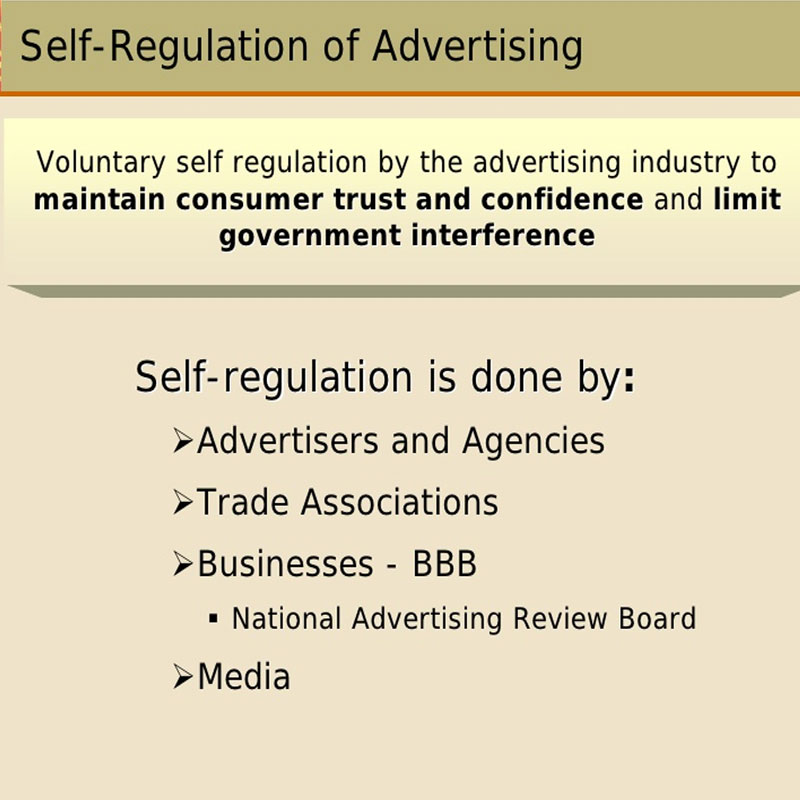
    NEW DELHI: The government is in favour of a process that would involve self-regulation and legal controls to check misleading ads.

    Consumer Affairs Minister K V Thomas today underlined the urgent need to update laws and improve enforcement to protect consumers from false and misleading advertisements which had continued despite several provisions.

    Thomas said the widely accepted opinion was that both self-regulation and legal controls should work in synergy. “I feel that both types of regulation should be applied with the ultimate aim of reaching balance between the sacred right of freedom of choice and information and minimising possible widespread offence,” he said.

    Despite the freedom of expression guaranteed by the Constitution, he said the government is authorised to regulate commercial advertisements, and can restrict deceptive, unfair, false and misleading advertisements.

    Prof Thomas was addressing a national Seminar on misleading claims in advertisements organised by the Department of Consumer Affairs with a view to protect the consumers from exploitation.

    He pointed out that his Department had started countrywide consultations with all stakeholders to elicit their views in order to come to a consensus on what suitable measures could be put in place to regulate such misleading advertisements.

    Advertisements had become a part and parcel of lives today, but it was necessary to use advertisements with caution to avoid a vicious effect on social values, he said, adding that advertisements are a crucial aspect of any type of business because they promote products. The problem arose when this was exploited by unscrupulous businesses persons to mislead the public as it may then destroy the very image of advertising.

    Though advertising is a useful tool to give information that is factual and accurate, questions are frequently raised whether this can create class consciousness, materialism, conspicuous consumption and other values which are not universally accepted, he said, adding that to reach the target markets, advertisers sometimes overstep the legal and social norms.

    An advertisement is termed deceptive when it misleads people and affects the purchasing behaviour of the consumer. In India, advertisements for cigarettes, liquor, pan masala (chewed tobacco), and products that are harmful to the public continue to find a place in the TV channels, despite the ban imposed by the Government.

    Unfortunately, despite several laws meant to protect consumers against such unfair trade practices, false and misleading advertisements continue to exploit the consumer. In fact such advertisements now have a wider canvas. While earlier one saw them only in the print media, today they can be seen on television, influencing a larger number of people and impacting even the illiterate.

    Proliferation of advertisements through television marketing networks promoting health cures, slimming and beauty gadgets of unproven value is a cause of great concern, because today the reach of television channels is phenomenal. Undoubtedly, the impact of the visuals on the television screen is far greater than the newspapers, he added.

    Outdated laws and poor enforcement of laws are the main reasons for the prevalence of any social malady and mal-advertising is no exception. There is need for better laws, their regular updation, improved enforcement, and regular surveillance by the authorities.

    He said social acceptability varies from one culture/country to another. At the end of the day “good taste or bad is largely a matter of the time, the place, and the individual”. It would be also probably impossible to set clear-cut and detailed rules in the era of Internet and interactive TV.

    The most controversial issue in the field of marketing communications is probably the content of advertisements. Three areas of interest in terms of ethical judgment of advertisements are “individual autonomy, consumer sovereignty, and the nature of the product”.

    The individual autonomy is concerned with advertising to children. Consumer sovereignty deals with the level of knowledge and sophistication of the target audience whereas the ads for harmful products are in the centre of public opinion for a long time. Advertising of hazardous products is even more harshly criticised when it is aimed at audiences with low individual autonomy, that is, children. Children are not only customers, but also consumers, influencers and users in the family Decision-Making Unit, though they are too impressionable to be deciders, he said. It was not a surprise then that “spending on advertising for children has increased five-fold in the last ten years and two thirds of commercials during child television programs are for food products”.

    Advertising standards and self-regulation by the advertising industry is an important issue, particularly so in a country such as India where a majority of the consumers are in rural areas.

    However, he said going by the number of ads for which the Advertising Standards Council of India receives complaints, Indian advertising is of exceptionally high standards, since more complaints are received by similar bodies in the United Kingdom. But the number of complaints does not always give a true picture of the standards of advertising nor does it say anything about the level of consumer dissatisfaction. The reasons are low awareness level and apathy.

    Section 2 (r) of the Consumer Protection Act gives a comprehensive definition of unfair trade practice and Section 14 deals with the directions that the court can give to deal with such practices. The consumer courts have given some excellent orders in this area, but they cannot deal with misleading advertisements like the MRTPC. For one, the consumer courts neither have the power nor the infrastructure to investigate, suo motto into misleading advertisement nor take up such cases on their own, as done by the MRTP Commission. Nor do they have an investigative wing like the office of the DG (Investigation and Registration) under the MRTP Act.

    The consumer courts can only adjudicate over complaints filed before them. However, the consumer courts can issue interim orders stopping such advertisements pending disposal of the case. They can give directions to the advertiser to discontinue such advertisements and not to repeat it. They can award compensation for any loss or suffering caused on account of such unfair trade practices, they can also award punitive damages and costs of litigation. Section 14 h (c) of the Act, describing the powers of the court, says that the court can order “corrective advertisement to neutralize the effect of misleading advertisement at the cost of the opposite party responsible for issuing such misleading advertisement’’.

    In so far as misleading advertisements are caused, this is the most important provision and can really have a deterrent effect, if used effectively. Unfortunately, this provision has hardly or perhaps never been used.

    The Minister expressed the hope that the meeting with the stakeholders – in this case the consumer bodies – would produce a consensual document delineating the steps leading to affirmative action, including legislative efforts if found necessary, without impeding the freedom of responsible speech.

    The day long seminar was attended by representative of the State Governments, various Central Ministries, Advertising Council of India and Consumer bodies.

    In a parallel but related development a couple of days back, the Advertising Standards Council of India announced it was partnering with TAM Media Research to monitor misleading ads, a move aimed at improving the self-regulatory mechanism by speeding up the processes and compliance of its codes for advertising content.

    Under the pact, TAM‘s division, AdEx, would check around 350 TV and 10860 newspaper ads per week.