Tag: Government of India

  • Dish TV offers ‘Digishala’ to 15 million subs

    Dish TV offers ‘Digishala’ to 15 million subs

    MUMBAI: Dish TV, India’s largest pay digital platform for distribution of television channels, is offering its 15 million subscribers digital education channel Digishala. With the placement of the channel on LCN number 2036, Dish TV became the country’s only pay-DTH provider to offer access to Digishala, government’s recently-launched 24×7 TV channel committed to educate the masses on digital payment modes.

    In this crucial hour of demonetisation, when businesses, consumers and the common man are battling tough times to stand up to the test of doing cashless transactions, government’s initiative to come up with a channel for the purpose is an innovative and commendable step. Dish TV welcomed the step by placing the channel on its platform.

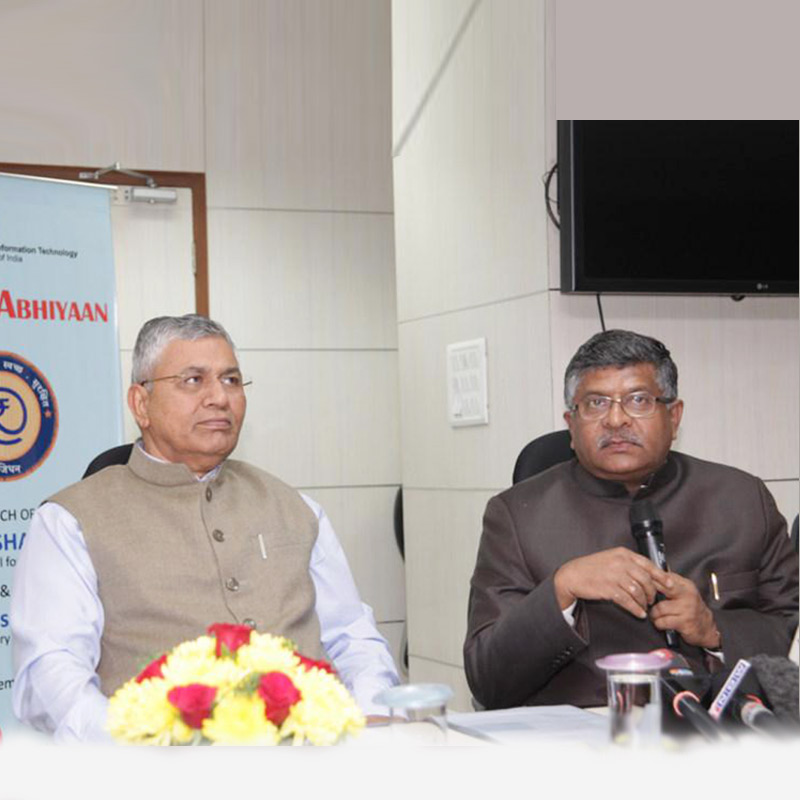
    The channel was placed on Dish TV as soon as it was dedicated to the people by the minister of electronics and IT Ravishankar Prasad and minister of state, electronics & IT P.P. Choudhary.

    Digishala is a free to air channel that aims to introduce the use of cashless, paperless and faceless transactions to rural and semi-urban people across villages and small towns.

    DishTV, the leader in direct-to-home space in India, had, in 2003, pioneered the introduction of digital modes of revenue collection and, to further harness that, had introduced prepaid cards for its trade partners. As online transactions, credit cards and a cashless society become buzz words today, Dish TV takes pride in having a subscriber base wherein more than 40% of its customers do online recharge transactions. As far as B2B transactions are concerned, DishTV have them all as cashless.

  • Dish TV offers ‘Digishala’ to 15 million subs

    Dish TV offers ‘Digishala’ to 15 million subs

    MUMBAI: Dish TV, India’s largest pay digital platform for distribution of television channels, is offering its 15 million subscribers digital education channel Digishala. With the placement of the channel on LCN number 2036, Dish TV became the country’s only pay-DTH provider to offer access to Digishala, government’s recently-launched 24×7 TV channel committed to educate the masses on digital payment modes.

    In this crucial hour of demonetisation, when businesses, consumers and the common man are battling tough times to stand up to the test of doing cashless transactions, government’s initiative to come up with a channel for the purpose is an innovative and commendable step. Dish TV welcomed the step by placing the channel on its platform.

    The channel was placed on Dish TV as soon as it was dedicated to the people by the minister of electronics and IT Ravishankar Prasad and minister of state, electronics & IT P.P. Choudhary.

    Digishala is a free to air channel that aims to introduce the use of cashless, paperless and faceless transactions to rural and semi-urban people across villages and small towns.

    DishTV, the leader in direct-to-home space in India, had, in 2003, pioneered the introduction of digital modes of revenue collection and, to further harness that, had introduced prepaid cards for its trade partners. As online transactions, credit cards and a cashless society become buzz words today, Dish TV takes pride in having a subscriber base wherein more than 40% of its customers do online recharge transactions. As far as B2B transactions are concerned, DishTV have them all as cashless.

  • Reliance Jio announces acquisition of 269.2 MHz spectrum

    Reliance Jio announces acquisition of 269.2 MHz spectrum

    Mumbai, 6th October 2016: Reliance Jio Infocomm Ltd (“RJIL”) announces that it has successfully acquired the right to use 269.2 MHz (UL+DL) spectrum across all 22 Service Areas in India in the recently concluded spectrum auction conducted by DOT, Government of India. Service Area wise details of spectrum acquired are as per below:

    Service Area 800 MHz band (Paired)

    1800 MHz band

    (Paired)

    2300 MHz band

    (Unpaired)

    Andhra Pradesh 10.00
    Assam 10.00
    Bihar 5.00 10.00
    Delhi 10.00
    Gujarat 5.00 10.00
    Haryana 1.00
    Himachal Pradesh 5.00 10.00
    Jammu & Kashmir 10.00
    Karnataka 10.00
    Kerala 10.00
    Kolkata 10.00
    Madhya Pradesh 10.00
    Maharashtra 10.00
    Mumbai 10.00
    North East 10.00
    Odisha 10.00
    Punjab 3.75 5.20
    Rajasthan 5.00
    Tamil Nadu 10.00
    Uttar Pradesh (East) 1.25 3.40
    Uttar Pradesh (West) 5.00
    West Bengal 5.00 10.00
    Total 15.00 39.60 160.00

    Enhancement of spectrum footprint

    RJIL has renewed its expiring spectrum in 800 MHz band in Gujarat circle and purchased additional spectrum in the 800 MHz, 1800 MHz and 2300 MHz bands at 6.5% premium to reserve price.

    Through this acquisition, RJIL’s total spectrum footprint has increased to 1,108 MHz(UL+DL) with an average life of over 16 years, further strengthening its leadership position in liberalized spectrum holdings. RJIL’s spectrum footprint ensures availability of spectrum in all the three bands across the country and enhances its network capacity at negligible incremental capital and operating expenditure.

    Mukesh D Ambani, Chairman, Reliance Industries Limited, said “We have expanded our spectrum footprint thereby significantly enhancing capacity of our all-IP data strong network and ensuring world class services for all Indians. Jio is committed to taking India to global digital leadership by bringing the power of data to all Indians.”

    Cost

    The payment to be made for the right to use of this technology agnostic spectrum for a period of 20 years is Rs. 13,672crore, as per the details below:

    (amount in Rs. crore)

    Frequency Band

    Total Payment

    800 MHz

    3,623

    1800 MHz

    2,154

    2300 MHz

    7,895

    Total

    13,672

    The above results are provisional and subject to DOTconfirmation.


  • Reliance Jio announces acquisition of 269.2 MHz spectrum

    Reliance Jio announces acquisition of 269.2 MHz spectrum

    Mumbai, 6th October 2016: Reliance Jio Infocomm Ltd (“RJIL”) announces that it has successfully acquired the right to use 269.2 MHz (UL+DL) spectrum across all 22 Service Areas in India in the recently concluded spectrum auction conducted by DOT, Government of India. Service Area wise details of spectrum acquired are as per below:

    Service Area 800 MHz band (Paired)

    1800 MHz band

    (Paired)

    2300 MHz band

    (Unpaired)

    Andhra Pradesh 10.00
    Assam 10.00
    Bihar 5.00 10.00
    Delhi 10.00
    Gujarat 5.00 10.00
    Haryana 1.00
    Himachal Pradesh 5.00 10.00
    Jammu & Kashmir 10.00
    Karnataka 10.00
    Kerala 10.00
    Kolkata 10.00
    Madhya Pradesh 10.00
    Maharashtra 10.00
    Mumbai 10.00
    North East 10.00
    Odisha 10.00
    Punjab 3.75 5.20
    Rajasthan 5.00
    Tamil Nadu 10.00
    Uttar Pradesh (East) 1.25 3.40
    Uttar Pradesh (West) 5.00
    West Bengal 5.00 10.00
    Total 15.00 39.60 160.00

    Enhancement of spectrum footprint

    RJIL has renewed its expiring spectrum in 800 MHz band in Gujarat circle and purchased additional spectrum in the 800 MHz, 1800 MHz and 2300 MHz bands at 6.5% premium to reserve price.

    Through this acquisition, RJIL’s total spectrum footprint has increased to 1,108 MHz(UL+DL) with an average life of over 16 years, further strengthening its leadership position in liberalized spectrum holdings. RJIL’s spectrum footprint ensures availability of spectrum in all the three bands across the country and enhances its network capacity at negligible incremental capital and operating expenditure.

    Mukesh D Ambani, Chairman, Reliance Industries Limited, said “We have expanded our spectrum footprint thereby significantly enhancing capacity of our all-IP data strong network and ensuring world class services for all Indians. Jio is committed to taking India to global digital leadership by bringing the power of data to all Indians.”

    Cost

    The payment to be made for the right to use of this technology agnostic spectrum for a period of 20 years is Rs. 13,672crore, as per the details below:

    (amount in Rs. crore)

    Frequency Band

    Total Payment

    800 MHz

    3,623

    1800 MHz

    2,154

    2300 MHz

    7,895

    Total

    13,672

    The above results are provisional and subject to DOTconfirmation.


  • TRAI extends date on exercise on common mobile banking for all sectors

    TRAI extends date on exercise on common mobile banking for all sectors

    NEW DELHI: The Telecom Regulatory Authority of India has decided to receive comments on a Consultation paper on regulatory framework for the use of USSD for mobile financial services by 14 September 2016.

    In an extension notice to the paper issued early this month, it said counter-comments can be given by 28 September 2917. Stakeholders had been set of ten questions and the earlier dates were 31 August with counter-comments by 14 September 2016.

    With consumers gradually getting attuned to it and the growth of Mobile Apps and OTT requiring mobile banking, the Telecom Regulatory Authority of India has started an exercise to find the best way of making or receiving payments through the mobile.

    Keeping in view the success achieved by many countries in delivering financial servicesthrough mobile telephone, the Government of India, in November, 2009, constituted an Inter-Ministerial Group (IMG) to submit a report and recommendations on the framework fordelivery of basic financial services using mobile phones. The framework proposed in the IMGreport has been accepted as the basis for delivery of basic financial services using mobile technology by a Committee of Secretaries under the chairmanship of the Cabinet Secretary in April 2010. The IMG framework envisages opening of mobile linked ‘no- frills’accounts, which would be operated using mobile phones.

    In the IMG framework, TRAI was expected to provide the required regulatory framework governing the quality of service, provisioning and pricing of mobile services for delivery of basicfinancial

    Also see

    http://www.indiantelevision.com/regulators/trai/trai-begins-exercise-on-common-mobile-banking-for-all-sectors-160805


  • TRAI extends date on exercise on common mobile banking for all sectors

    TRAI extends date on exercise on common mobile banking for all sectors

    NEW DELHI: The Telecom Regulatory Authority of India has decided to receive comments on a Consultation paper on regulatory framework for the use of USSD for mobile financial services by 14 September 2016.

    In an extension notice to the paper issued early this month, it said counter-comments can be given by 28 September 2917. Stakeholders had been set of ten questions and the earlier dates were 31 August with counter-comments by 14 September 2016.

    With consumers gradually getting attuned to it and the growth of Mobile Apps and OTT requiring mobile banking, the Telecom Regulatory Authority of India has started an exercise to find the best way of making or receiving payments through the mobile.

    Keeping in view the success achieved by many countries in delivering financial servicesthrough mobile telephone, the Government of India, in November, 2009, constituted an Inter-Ministerial Group (IMG) to submit a report and recommendations on the framework fordelivery of basic financial services using mobile phones. The framework proposed in the IMGreport has been accepted as the basis for delivery of basic financial services using mobile technology by a Committee of Secretaries under the chairmanship of the Cabinet Secretary in April 2010. The IMG framework envisages opening of mobile linked ‘no- frills’accounts, which would be operated using mobile phones.

    In the IMG framework, TRAI was expected to provide the required regulatory framework governing the quality of service, provisioning and pricing of mobile services for delivery of basicfinancial

    Also see

    http://www.indiantelevision.com/regulators/trai/trai-begins-exercise-on-common-mobile-banking-for-all-sectors-160805


  • Column-Policy Cross-Connections

    Column-Policy Cross-Connections

    Point 1: With over 1.2 billion population, India is a dream market for any product or service. In short, a land of opportunities.

    Point 2: Despite economic liberalisation started in early 1990s and followed through by successive governments, including the present one in New Delhi, India is still termed a challenging market.

    Just like any other sector, India’s INR 1,157 billion media and entertainment (M&E) industry too gets affected by the two aforementioned points.

    That the M&E industry holds immense potential can be easily seen in various crystal-ball gazing done.

    Indian Government Economic Survey 2016, an annual report card for Indian economy released every February, states the M&E recorded “unprecedented growth” over the last two decades making it one of the fastest growing industries in India. It is projected to grow at a CAGR of 13.9 percent to reach INR 1964 billion by 2019, the Survey states, adding digital advertising and gaming are projected to drive the growth of this sector in the coming years.

    The FICCI-KPMG annual report on Indian M&E sector, released in March, also reiterates the optimism. According to the report, the sector is expected to be worth INR 2,260 billion by 2020 and the advertising sector grew by 14.7 percent from INR 414 billion in 2014 to INR 475 billion in 2015.

    But then what’s holding back big bang investments not only from Indian investors but also foreign ones? Especially when China, the only other market in Asia that outstrips India in terms of size and opportunities, is mostly closed for foreign investors with stringent rules relating to M&E sectors.

    My theory is that despite successive governments from 1990 (it was in 1991 that economic liberalisation was set in motion in India and Indians also got exposed to satellite TV in few years from then) following up on that, full benefits have failed to accrue to the country. Reason? Various liberalisation processes and easing norms of doing business get enmeshed with other policy decisions— some taken in isolation — thereby continuing to make India a challenging market.

    Take, for example, the much talked about government step in June in liberalising FDI investment norms for various sectors, including media, defence, pharmaceuticals and retail.

    FDI policy on broadcasting carriage services as of June 2016


    Sector/Activity

    New Cap and Route

    5.2.7.1.1

    (1)Teleports(setting up of up-linking Hubs/Teleports);

    (2)Direct to Home (DTH);

    (3)Cable Networks (Multi System operators (MSOs) operating at National or State or District level and undertaking upgradation of networks towards digitalization and addressability);

    (4)Mobile TV;

    (5)Headend-in-the Sky Broadcasting Service(HITS)

    100%


    Automatic

    5.2.7.1.2 Cable Networks (Other MSOs not undertaking upgradation of networks towards digitalization and addressability and Local Cable Operators (LCOs))

    Infusion of fresh foreign investment, beyond 49% in a company not seeking license/permission from sectoral Ministry, resulting in change in the ownership pattern or transfer of stake by existing investor to new foreign investor, will require FIPB approval

    (Source: Commerce Ministry)


    The government in June said that FDI in all broadcast carriage services like cable, MSO, DTH, mobile TV, HITS have been upped to 100 percent and brought under automatic route, which means bureaucratic and lengthy permission processes have been lessened.

    Small caveat in automatic route investment norms notwithstanding, Indian companies and foreign investors should have been popping the champagne bottles. But industry reactions were sober to the extent of being subdued.

    General analysis of the aforementioned decision, in short, was: the government took a big step, but not a giant one. Why?

    According to government data, total FDI flow into India since April 2000 to December 2015 stood at US$ 408.68 billion. But the media sector’s share of FDI inflows from 2000-2015 was pegged at $4.48 billion.

    Considering the burgeoning media industry and newer technologies coming in, this sector’s share of FDI during this 15-year period should have been higher.

    So, why are foreign investors hesitant in investing in India, especially when PM Modi’s dream of Digital India can dovetail into building digital infrastructure capable of delivering many media services?

    The federal government may be trying its best to ease norms of doing business in India and live up to its claim of ‘India being a fav destination for foreign investors’, other proposed and existing policy decisions not only send out confused signals, but, actually, create more impediments.

    Take, for example, broadcast carriage regulator TRAI’s two discussion papers on infrastructure sharing in TV broadcasting distribution and  set-top-box interoperability .
    TRAI’s contentions for floating these discussion subjects are to explore avenues to reduce expenditure of companies providing these services by doing away with duplication (in the first case) and examine whether interoperable STBs can largely benefit the consumers.

    Critics of both these TRAI discussion subjects opine that if followed through and converted into regulations, both measures could add another layer of restrictions on the industry.

    Hong Kong-based Asian media industry organisation CASBAA, which also has Indian members, doesn’t mince words when it said in its submission on STB interoperability that the TRAI paper was based on a “number of untested, unproven presuppositions concerning the practice of technical interoperability”.

    Countering TRAI assertions, CASBAA said, “Regulator-imposed technical interoperability requirements will impose very large burdens on Indian consumers and industry players and risk stifling innovation in development of new features of interest to consumers.”

    If a holistic view is taken of both the TRAI consultations, surprisingly aimed at bringing down media services to a common denominator having little USPs, it’s no wonder the likes of Comcast and Liberty Media or closer home the Hong Kong-headquartered PCCW, for instance, have not been enthused much to invest in Indian broadcast carriage segment despite FDI norms liberalisation and a whopping over 100 million TV homes still on the plate.

    It’s not only TRAI, but also the general layout of the taxation and financial environment, apart from other cross-media restrictions, which would deter foreign investors.

    A DTH service provider in India, for example, on an average pays 40 percent tax, including an annual 10 percent licence fee, while ARPUs range between INR 175-220 for most of the six DTH companies. Why would AT&T, parent company of American DirecTV, invest in a DTH operation in India?

    Or, for that matter, why would Comcast or PCCW invest in Indian cable TV distribution when a large number of LCO operations are still far from transparent?

    Add to that a slowing down of the digital rollout — the earlier two phases of the proposed four-phased digitisation of TV services did manage to bring about increased transparency resulting in higher tax revenues for the government — and you have a pitch that’s not conducive for fair foreign investment game.

    Singapore-based market media market research company Media Partners Asia estimates approximately $2 billion has been invested by strategic and foreign institutional investors in Indian pay-TV distribution platforms, which certainly is peanuts considering  over 250 million TV homes are target consumers.

    If confusing policy signals were not enough, stellar performer ISRO’s new-found love for Make In India and resultant insistence on weaning away all Indian users of satellite-based services from foreign satellites to INSAT — informal as of now but gaining currency — is also fodder to scare a foreign investor as such moves smack of throwback to pre-90s when India was dubbed a closed market and not an open economy.

    That’s why, I would insist, till systematic changes are brought about in the country and various government organisations and regulators also see the big picture on regulations instead of functioning within their own small islands, attempts by any Indian government to make India the most favoured destination for foreign investments will not bear ripened fruit. And, in the process, full benefits won’t accrue to the consumers.

    (1 USD= INR 67)

    (Anjan Mitra is Consulting Editor of Indiantelevision.com and will write a fortnightly column on media matters.)
     

  • Column-Policy Cross-Connections

    Column-Policy Cross-Connections

    Point 1: With over 1.2 billion population, India is a dream market for any product or service. In short, a land of opportunities.

    Point 2: Despite economic liberalisation started in early 1990s and followed through by successive governments, including the present one in New Delhi, India is still termed a challenging market.

    Just like any other sector, India’s INR 1,157 billion media and entertainment (M&E) industry too gets affected by the two aforementioned points.

    That the M&E industry holds immense potential can be easily seen in various crystal-ball gazing done.

    Indian Government Economic Survey 2016, an annual report card for Indian economy released every February, states the M&E recorded “unprecedented growth” over the last two decades making it one of the fastest growing industries in India. It is projected to grow at a CAGR of 13.9 percent to reach INR 1964 billion by 2019, the Survey states, adding digital advertising and gaming are projected to drive the growth of this sector in the coming years.

    The FICCI-KPMG annual report on Indian M&E sector, released in March, also reiterates the optimism. According to the report, the sector is expected to be worth INR 2,260 billion by 2020 and the advertising sector grew by 14.7 percent from INR 414 billion in 2014 to INR 475 billion in 2015.

    But then what’s holding back big bang investments not only from Indian investors but also foreign ones? Especially when China, the only other market in Asia that outstrips India in terms of size and opportunities, is mostly closed for foreign investors with stringent rules relating to M&E sectors.

    My theory is that despite successive governments from 1990 (it was in 1991 that economic liberalisation was set in motion in India and Indians also got exposed to satellite TV in few years from then) following up on that, full benefits have failed to accrue to the country. Reason? Various liberalisation processes and easing norms of doing business get enmeshed with other policy decisions— some taken in isolation — thereby continuing to make India a challenging market.

    Take, for example, the much talked about government step in June in liberalising FDI investment norms for various sectors, including media, defence, pharmaceuticals and retail.

    FDI policy on broadcasting carriage services as of June 2016


    Sector/Activity

    New Cap and Route

    5.2.7.1.1

    (1)Teleports(setting up of up-linking Hubs/Teleports);

    (2)Direct to Home (DTH);

    (3)Cable Networks (Multi System operators (MSOs) operating at National or State or District level and undertaking upgradation of networks towards digitalization and addressability);

    (4)Mobile TV;

    (5)Headend-in-the Sky Broadcasting Service(HITS)

    100%


    Automatic

    5.2.7.1.2 Cable Networks (Other MSOs not undertaking upgradation of networks towards digitalization and addressability and Local Cable Operators (LCOs))

    Infusion of fresh foreign investment, beyond 49% in a company not seeking license/permission from sectoral Ministry, resulting in change in the ownership pattern or transfer of stake by existing investor to new foreign investor, will require FIPB approval

    (Source: Commerce Ministry)


    The government in June said that FDI in all broadcast carriage services like cable, MSO, DTH, mobile TV, HITS have been upped to 100 percent and brought under automatic route, which means bureaucratic and lengthy permission processes have been lessened.

    Small caveat in automatic route investment norms notwithstanding, Indian companies and foreign investors should have been popping the champagne bottles. But industry reactions were sober to the extent of being subdued.

    General analysis of the aforementioned decision, in short, was: the government took a big step, but not a giant one. Why?

    According to government data, total FDI flow into India since April 2000 to December 2015 stood at US$ 408.68 billion. But the media sector’s share of FDI inflows from 2000-2015 was pegged at $4.48 billion.

    Considering the burgeoning media industry and newer technologies coming in, this sector’s share of FDI during this 15-year period should have been higher.

    So, why are foreign investors hesitant in investing in India, especially when PM Modi’s dream of Digital India can dovetail into building digital infrastructure capable of delivering many media services?

    The federal government may be trying its best to ease norms of doing business in India and live up to its claim of ‘India being a fav destination for foreign investors’, other proposed and existing policy decisions not only send out confused signals, but, actually, create more impediments.

    Take, for example, broadcast carriage regulator TRAI’s two discussion papers on infrastructure sharing in TV broadcasting distribution and  set-top-box interoperability .
    TRAI’s contentions for floating these discussion subjects are to explore avenues to reduce expenditure of companies providing these services by doing away with duplication (in the first case) and examine whether interoperable STBs can largely benefit the consumers.

    Critics of both these TRAI discussion subjects opine that if followed through and converted into regulations, both measures could add another layer of restrictions on the industry.

    Hong Kong-based Asian media industry organisation CASBAA, which also has Indian members, doesn’t mince words when it said in its submission on STB interoperability that the TRAI paper was based on a “number of untested, unproven presuppositions concerning the practice of technical interoperability”.

    Countering TRAI assertions, CASBAA said, “Regulator-imposed technical interoperability requirements will impose very large burdens on Indian consumers and industry players and risk stifling innovation in development of new features of interest to consumers.”

    If a holistic view is taken of both the TRAI consultations, surprisingly aimed at bringing down media services to a common denominator having little USPs, it’s no wonder the likes of Comcast and Liberty Media or closer home the Hong Kong-headquartered PCCW, for instance, have not been enthused much to invest in Indian broadcast carriage segment despite FDI norms liberalisation and a whopping over 100 million TV homes still on the plate.

    It’s not only TRAI, but also the general layout of the taxation and financial environment, apart from other cross-media restrictions, which would deter foreign investors.

    A DTH service provider in India, for example, on an average pays 40 percent tax, including an annual 10 percent licence fee, while ARPUs range between INR 175-220 for most of the six DTH companies. Why would AT&T, parent company of American DirecTV, invest in a DTH operation in India?

    Or, for that matter, why would Comcast or PCCW invest in Indian cable TV distribution when a large number of LCO operations are still far from transparent?

    Add to that a slowing down of the digital rollout — the earlier two phases of the proposed four-phased digitisation of TV services did manage to bring about increased transparency resulting in higher tax revenues for the government — and you have a pitch that’s not conducive for fair foreign investment game.

    Singapore-based market media market research company Media Partners Asia estimates approximately $2 billion has been invested by strategic and foreign institutional investors in Indian pay-TV distribution platforms, which certainly is peanuts considering  over 250 million TV homes are target consumers.

    If confusing policy signals were not enough, stellar performer ISRO’s new-found love for Make In India and resultant insistence on weaning away all Indian users of satellite-based services from foreign satellites to INSAT — informal as of now but gaining currency — is also fodder to scare a foreign investor as such moves smack of throwback to pre-90s when India was dubbed a closed market and not an open economy.

    That’s why, I would insist, till systematic changes are brought about in the country and various government organisations and regulators also see the big picture on regulations instead of functioning within their own small islands, attempts by any Indian government to make India the most favoured destination for foreign investments will not bear ripened fruit. And, in the process, full benefits won’t accrue to the consumers.

    (1 USD= INR 67)

    (Anjan Mitra is Consulting Editor of Indiantelevision.com and will write a fortnightly column on media matters.)
     

  • Tourism Ministry of India to launch ‘Know Your India’ drive

    Tourism Ministry of India to launch ‘Know Your India’ drive

    MUMBAI: The Government of India is looking at engaging the youth and kids of the country via a new initiative called ‘Know Your India’ or ‘Bharat Ko Jaano’ drive. The government is urging kids to see concealed gems all over India head overseas for vacationing with this drive.


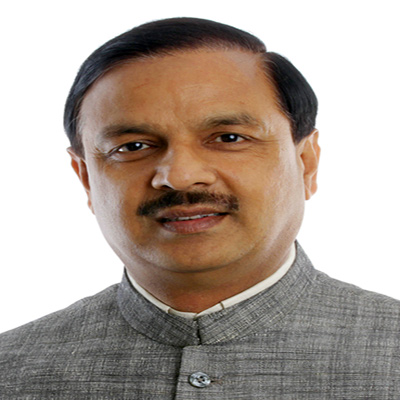
    Union minister of culture & tourism Mahesh Sharma said, “India is an undiscovered treasure hunt, so if powers are channelized in the proper direction, we’ll have more Indians lingering to discover the anonymous locations in India,” said Sharma.


    “How many of you’ve toured Delhi zoo? We sense tours to domestic destinations that provide knowledge regarding our culture and history will benefit if initiated in school set of courses,” he added.


    However, Sharma added that the proposal was in a primary phase.


    When queried as to how the culture ministry planned to make sure the security of tombstones that are still ignored in spite of being taken care of by the ASI (Archaeological Survey of India), Sharma said, “We’ve heard that Archaeological Survey of India isn’t working properly and we believe it. But we expect to handle this problem, along with many others quickly and definitely.”

  • “Govt. doesn’t recognise the importance of cinema”: Subhash Ghai

    “Govt. doesn’t recognise the importance of cinema”: Subhash Ghai

    Born to a dentist father in Delhi, Subhash Ghai entered the film industry in 1970 after attaining his diploma from Film and Television Institute of India (FTII). The film director, producer and screenwriter, known for his works predominantly in Bollywood has given notable films like Kalicharan (1976), Karz (1980), Hero (1983), Meri Jung (1985), Karma (1986), Ram Lakhan (1989), Saudagar (1991), Khalnayak (1993), Pardes (1997), Taal (1999) and Black & White (2008).


    In 2006, he set up his own film institute Whistling Woods International in Mumbai. The institute trains students in filmmaking: production, direction, cinematography, acting, animation. Ghai has done brief cameos in his directorial ventures.


    Mukta Arts managing director Rahul Puri spoke to Ghai to know about changing times, new vertical of the business, the market scenario and much more.


    Excerpts:


    Tell us about the differences in the film industry today from when you joined? How has the influence of branding and other media (like television and digital) changed the way that the film industry is perceived now?


    The main difference in the film industry is that now it has become broad in terms of media, technology, and communication from what it was in 1970s. Earlier in 70s, films were the only mass media to entertain people whereas today there is a huge growth in terms of content and reach in television, radio, digital and social media, which has taken entertainment to a different level. Nowadays, branding has become ‘THE’ thing for today’s generation. A sports man, a fashion designer or a chef, everyone has turned themselves into brands and tell me who hasn’t? Film industry might be only one dimension of the entertainment world, but it still holds a major importance and impact in media.


    The film industry continues to be iconic yet the size and scale of the industry is comparatively smaller than many others. Is the mindspace the industry occupies today in terms of influence and marketing justified? 


    No. The film business is a showmanship and a business we term as ‘Showbiz’, which influences all other industries like television, digital, music, events, fashion, and festivals with a big dividend. So, if you have a look at the film business in the theaters, it is very discouraging. But on the other hand, we are also involved in other aspects of media business such as satellite rights, music, events, branding, franchising that brings more money than theater business. Henceforth, marketing has become a bigger gamble to attract initial draw towards theaters and even to other aspects of media. 


    Where do you see the film industry reaching in the next decade? Will this growth/change come from new content or new delivery platforms (digital/theatres/mobile)? Where is the best hedge for risk in the industry today?


    Film industry always survived because of its bigger frame images in cinema halls. Cinema experience is a social bonding for people, it is a collective gathering, it is an event, a festivity! It can cover many weekends if the movie is really brilliant, and to create its presence such films run in maximum theaters. And now with the changing technology and improving higher standards, we will see a drastic change in theaters with 180/360 angle big screens to draw audiences from their homes. 3D, 4D and 5D theaters, mobiles, big watches and so on, the digitisation will bring Rs 100 crore to Rs 200 crore on first day of release in theater and television screens simultaneously. Content will be improvised accordingly, and more fantasies genre will be touched upon as I firmly believe that ‘a child in a man will never die’.


    People talk about a new type of content coming into to Indian films. Is this a hype? Are we actually telling newer stories or is the format of our storytelling changing but the core remains the same?


    Content keeps developing with time. Film content will soon adapt the following and some of which are already taking place such as:

    1.     Real life issues/biopics
    2.     Super star fantasies in mainstream style treatment
    3.     Science fiction
    4.     Animation – mythology/kids fantasies


    India has a lot of rich content in terms of stories in its heritage; soon, maybe by 2015, it would dominate internationally with its content. Though, it is said that there are only 36 plots in human drama, Shakespeare and Mahabharta says it all.


    There is a trend today about remakes. Some of your own films are being remade. How do you feel about that and do you think the remake trend is causing original content to suffer?


    Honestly, if you ask me I think nothing is original. Art itself is an imitation of universal existence and its various versions thereafter. A film like Aurat in 1940 was made Mother India in 1957 which was remade as Dewaar in 1975. We all should look at remake as an adaptation, transformation, inspirations of same plot which touched millions of hearts and souls… and the adaptation from a different filmmaker’s perspective makes the content looks fresh. Every remake comes with new packaging as ‘old wine in a new bottle’, but only classic stories will be repeated like our epics which are evergreen.

    What is the key to being successful in the content creation business? There are so few people who are able to sustain it. What do you attribute your success to?


    According to me the key factors are – develop your skill for the business, do market research, have a talent for ideation and innovation! My quest is to observe life and to present current and old dishes in new plate and that is my strength.


    You are very active on social media platforms. What do you feel is the benefit of this media and is it really something that will revolutionise marketing of entertainment?


    My only personal factor in being active in social media is to connect with the people I do not know as it widens my horizon and I can express directly to them. So we talk about our work to people and take feedback from strangers too, it develops your skill to improve as well. Such open platforms are good ways to communicate.


    What are your hopes from the new government, both at the centre as well as in Maharashtra. The film industry, as mentioned, is iconic in brand and has a lot of brand value but this doesn’t always deliver incentives to the industry from the government. Do you think this will change?


    Unfortunately, the government at the center or state level has never recognised film industry what it deserves, they don’t share the vision as it can be powerful media to influence people. It’s a major device to develop a culture in children of tomorrow. With the government, it’s not only the financial issue; it’s the issue of recognition of ‘importance of cinema’ that the government needs to look into. Please study what American cinema has done to its own country and how it has influenced other major countries and India is nowhere close to it, yet. Cinema speaks about your country, culture and brings tourism and business.


    The government has set up a new Skills Ministry. Given your involvement with education at Whistling Woods, what do you think will be the benefit of this to the film industry?


    This is the first positive step taken by the new government, which brings big hope to fulfill my dream to see India to be known as the ‘Big Think Tank’, an ‘ideator’ rather than just a doer. Whistling Woods has been doing this since its inception in 2003. If you look at most of our alumni, they all are actively working towards bringing a new change in cinema and media industry.  They are doing brilliant in their respective cinema and media jobs. I only hope and wish that government should be able to recognise this soon.