Tag: Google

  • Kiran Mani to join Viacom18 as CEO digital

    Kiran Mani to join Viacom18 as CEO digital

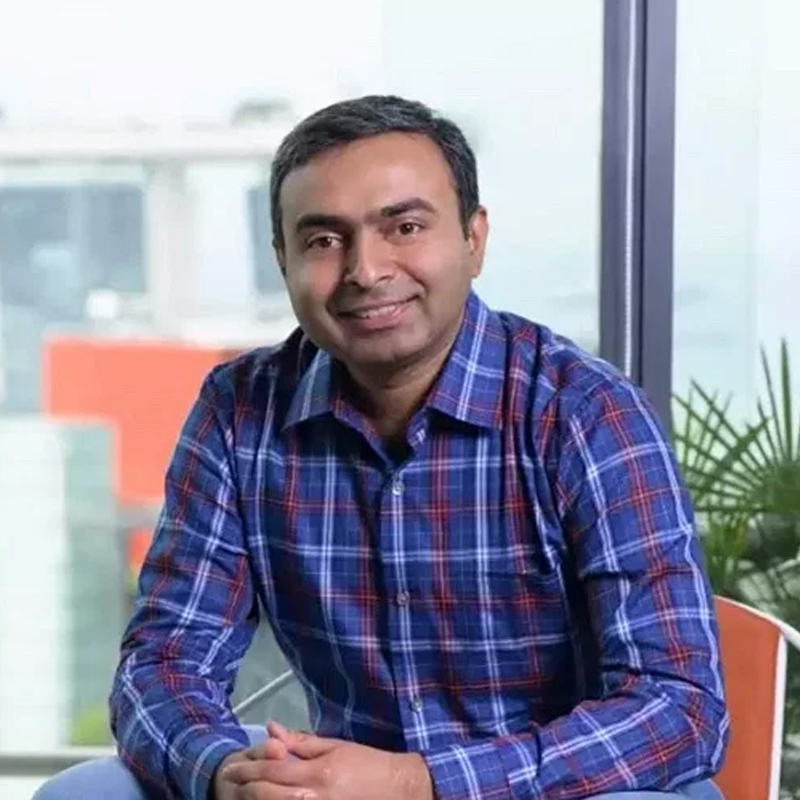
    Mumbai: According to media reports, Viacom18 has appointed Kiran Mani from Google as the CEO of its digital division. Currently serving as Google’s general manager & MD for Android and Google Play in the APAC region, Mani will be responsible for driving the expansion of JioCinema.

    Having been with Google for about 13 years, he joined the company in March 2010 as head of sales-India.

    Notably, Mani has also been an Angel Investor at The Bodi Tree since 2014.

  • “MiQ’s secret sauce is our partner-agnostic, tech-enabled and people-powered approach to programmatic:” MIQ’s Siddharth Dabhade

    “MiQ’s secret sauce is our partner-agnostic, tech-enabled and people-powered approach to programmatic:” MIQ’s Siddharth Dabhade

    Mumbai:  Today we are seeing the rise in programmatic advertising and MiQ  (www.wearemiq.com) is a programmatic partner for marketers and agencies combining industry knowledge with technology and data analytics to offer better-connected marketing solutions for over 1,100+ clients globally. We are experts in data science, analytics, and programmatic trading, and are always ready to solve challenges quickly and ensure our clients always spend their media investments on the right things in the right places. They’re present in 22 cities across 9 countries, with over 1,000 people. The company has a Center of Excellence in Bengaluru, with a global technology, analytics, and innovation base, where it develops cutting-edge programmatic advertising products for India and the rest of the world.

    Siddharth Dhabhade is a luminary of the technology and internet industry with over 21 years of experience across management, business development, digital marketing, key customer relationship management and business advisory roles with global technology giants.

    As managing director, Dhabhade is responsible for the growth of MiQ’s programmatic and analytics solutions, relationships with brand and media agencies, revenue growth and P&L management and strengthening the company’s leadership position across India, China and SAARC countries. He is also a part of the global operational board and helps drive the global strategy and operations for MiQ.

    Prior to joining MiQ, Dhabhade held a variety of technology, business development and management roles with industry giants such as Google, Microsoft and IBM, with his most recent position leading the Indian business of global retail technology and advertising leader, Criteo. At Google, he scaled the business 11x, and at Criteo he made India region as the fastest-growing region for Criteo worldwide with innovations in mobile/apps solutions.

    Indiantelevision .com in conversation with MiQ (India China and SAARC) managing director Siddharth Dabhade on the growth of MiQ from a start-up to a Unicorn, on data privacy, use of AI, MiQ innovation in data science, programmatic talent and much more…….

    Edited excerpts

    On the journey of MiQ

    Our growth story has been extraordinary; we have grown from a few hundred to over 1,000 individuals globally. We’ve had stupendous growth in the UK, US, and Canada markets, and we are expanding in emerging markets including India, China, APAC, and MEA to chart out our next wave of growth. India is a key market for us globally, and we continue to invest in adding more agencies, clients, partners, and talent to our India portfolio.

    MiQ has been present in India with our Centre of Excellence (CoE) in Bangalore since 2012, and it has been an integral part of our global operations, serving as a hub for technology, data science, analytics, and innovations. We launched the India commercial business during the pandemic in 2020, but over the past couple of years, we have grown nearly 10 times more than the industry average. We’ve always been focused on growing profitably, and today we work with over 300 brands and almost every digital media agency in India.

    On the funding front

    Our founders, Lee Puri and Gurman Hundal, initially bootstrapped to grow in the UK and Europe but MiQ was first funded by ECI back in 2017, and that was our first foray into private equity. It was beneficial to us on a strategic level. We’re really proud to share that in ECI’s 40-year history, they have made the best ever return with us, making nearly 6.1x return on their initial investment.

    Last year, we partnered with private equity firm Bridgepoint to fuel our long-term growth strategy to deliver the next phase of programmatic media solutions, with a focus on continued international expansion and client growth.

    On advertising unfolding globally and in India

    Data privacy is the foundation on which future-proofed, privacy-centric advertising solutions are being built. Globally, the entire AdTech and Digital marketing ecosystem is gearing up for a cookieless world. This means advertisers and marketers are investing in technology that will help them identify, target, and measure without using third-party cookies. Brands are investing to bolster their first-party data, and enrich it with second- & third-party data to succeed in their marketing and advertising campaigns.

    Cookieless measurement is one of the most challenging aspects facing advertisers as we move toward a privacy-forward future, as the AdTech industry is heavily fragmented – consider all of the media channels, formats, ad exchanges, ad servers, demand vs. supply-side platforms, and the different data, measurement, and analytics available within walled gardens versus on the open web.

    Virtually all channel marketers utilize today will be impacted by the deprecation of cookies, including measurement data. Household reach, IP-based conversions, footfall, incremental lift, ROAS and CPA all currently rely on cookie-based attribution for measurement of the interlocking key between channels.

    Technology companies will embed AI into their products and solutions, which will have a transformative impact on personalization, media planning, unlocking consumer insights, campaign optimization, and measurement. We’ve been using AI, and data science algorithms to programmatically do things differently than our competitors.

    On that secret sauce that makes MIQ stand out in terms of technology, data science and programmatic talent

    MiQ’s secret sauce is our partner-agnostic, tech-enabled and people-powered approach to programmatic. In India, we have a team of over 400 data scientists, analysts, technologists, and programmatic traders, which gives us a winning edge in doing programmatic differently.

    .   Custom Analytics Solutions: MiQ offers bespoke data analytics solutions that go beyond traditional media campaign analytics. We leverage our expertise in data analysis to help businesses address major challenges such as reducing breakage and churn, identifying high-converting customers, and solving supply chain issues. This ability to apply analytics to various business aspects sets us apart by providing valuable insights and driving better performance.

     Data Science Expertise: At MiQ, we have a team of skilled data scientists who possess a deep understanding of data analysis, modeling, and statistical techniques. These experts are proficient in extracting meaningful insights from complex data sets, enabling them to provide valuable recommendations before the campaign begins and drive data-driven strategies to achieve campaign goals.

       Programmatic Trading Capabilities: MiQ has a pool of programmatic talent comprising expert traders and professionals well-versed in the programmatic advertising ecosystem. Our programmatic trading team understands the intricacies of media buying and optimization, ensuring efficient and effective campaign execution.

    .    Partnerships and Collaborations: MiQ has established strong partnerships and collaborations with data providers, technology platforms, and industry experts. Our strategic alliances allow us to access diverse data sources, cutting-edge tools, and specialized knowledge, enhancing our capabilities and enabling us to provide comprehensive solutions to clients.

    By combining our custom analytics solutions, advanced technology, data science expertise, programmatic trading capabilities, and valuable partnerships, we offer a unique combination that sets us apart in the realm of technology, data science, and programmatic talent. This comprehensive approach allows us to deliver impactful insights, optimize performance, and drive business outcomes for our clients.

    On India today making a name for itself in the global arena for its creative work

    With a large talent pool of tech, digital and creative professionals, India has the potential to become a global hub for digital and programmatic advertising akin to IT and technology services. Most global organizations (including MiQ) have their centre of excellence, captive and capability centres in India as it offers them significant advantages in terms of skills, costs and infrastructure. I personally believe that with investments in upskilling, digital infrastructure, new technologies and industry collaboration, India will become a digital advertising hub for the world over the next few years.

    On concepts such as connected television, cookie-free and sustainable advertising, data clean rooms evolving in the startup ecosystem

    In the advertising ecosystem, challenges and trends catalyze the creation of new solutions and channels. Take the connected TV ecosystem for example, which has evolved into the new fastest-growing advertising channel and has the potential to uproot the dominance of linear TV by bringing digital-like capabilities to TV advertising. MiQ’s breadth of industry-leading programmatic TV solutions enables brands to unlock incremental reach with campaigns that marry first-party linear TV data with over-the-top streaming content, a full range of devices across manufacturers, and contextual and behavioural audience analytics to give brands scale.

    With increasing concerns over data privacy and most web browsers phasing out third-party cookies, cookieless solutions are gaining popularity and more data will live inside clean rooms – a platform where advertisers and agencies can perform analysis and data science on any dataset in an aggregated way (meaning, at a group level rather than data that can be linked to specific individuals), and without moving it out of the platform.

    MiQ is also bringing the sustainable advertising solution to India, through its partnership with Scope3 and Seen This. This is the first such offering in India.

    While there are many point solutions in this space, the programmatic ecosystem is very fragmented and requires a specialist like MiQ which can help brands connect the dots between technology, partnerships and people.

    On CTV or digital advertising is the go-to medium for brands today

    With a boom in CTV/OTT platforms, FAST channels, Smart TV manufacturers and ISPs jumping into the CTV advertising space, the complexity of this platform is increasing. Advertisers have many options to buy, activate and measure their campaigns but an integrated, data-driven approach is often missing. To make media buying on platforms like CTV or digital advertising more transparent, MiQ employs various approaches and tools. These include:

       Authorized Digiadvertising,, or ads.txt is an IAB Tech Lab initiative that helps ensure that your digital ad inventory is only sold through sellers (such as AdSense) whom you’ve identified as authorized.

    .    Our campaign manager tool is available to all clients to ensure transparency of inventory

    .    Third-party brand safety – IAS (pre-bind and post-bid)

     Supply path optimization

       Fraud detection through internal algorithms

    On sustainability today as many brands have climbed on the sustainability bandwagon

    If the internet was a country, it would be the third largest polluter in the world – after the US and China. MiQ aims to be a game changer in the field of sustainability by offering carbon footprint measurements of brands’ digital campaigns. We recognize the significant environmental impact of online activities, and by combining data partnerships, technology, and programmatic approaches, we can help brands reduce their carbon footprint without compromising performance.

    To achieve this, MiQ has set off on a mission to understand how to minimize carbon emissions associated with programmatic advertising. We have developed a tool called the “Green Score” that allows brands and their agencies to assess the environmental impact of their programmatic advertising campaigns. The Green Score provides insights into campaign emissions compared to industry and vertical benchmarks. By analyzing the Green Score, brands can gain a better understanding of their environmental impact and build more sustainable campaigns.

    MiQ’s approach involves standardizing measurement and providing benchmarks to help brands improve their sustainability efforts. By measuring the carbon emissions resulting from various actions in programmatic advertising, such as running devices, connecting data, and powering servers, MiQ enables brands to identify areas where emissions can be reduced. By implementing sustainable practices based on the insights provided by the Green Score, brands can effectively reduce their carbon footprint.

    The way we use the Green Score Report is simple so that every advertiser can benefit from adding this to their campaigns risk-free, with no impact on performance. We use it to:

    .    Inform tactical day zero planning (before your campaign goes live);

    .    Adapt mid-flight media mixes; and

    .    Dynamically optimize to greener supply using the Green Score as a secondary KPI
  • Meesho appoints Divyesh Shah as vice president of engineering

    Meesho appoints Divyesh Shah as vice president of engineering

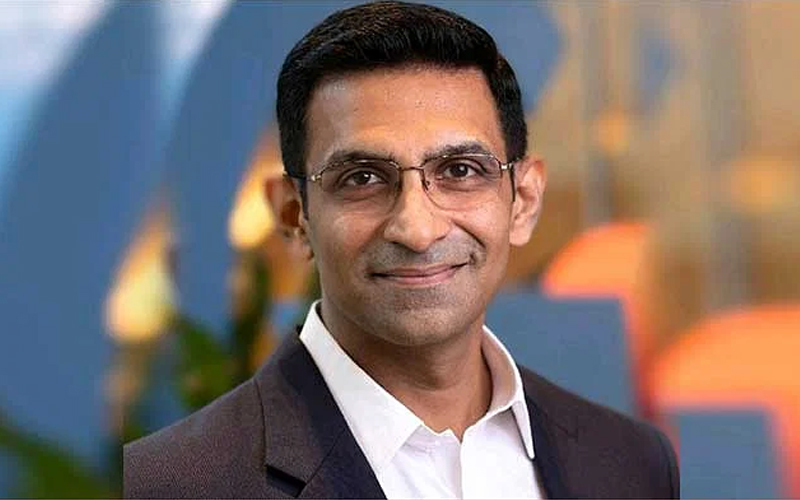
    Mumbai: Meesho, one of India’s fastest growing internet commerce companies, has announced the appointment of Divyesh Shah as vice president, engineering. He will lead the supply, monetisation and fulfillment & experience (F&E) engineering teams at Meesho. Shah will oversee Meesho’s efforts in using technology to build solutions that will further enhance user experience on the platform.

     Shah joins Meesho with over 16 years of work experience, having worked at companies like Google and Uber in the US. He started his career at Google building containers on Linux which are now utilized by most large Linux deployments, and later went onto build TV ads and Analytics for Google Fiber.

    More recently, his teams built the product platform for Google Assistant. In between these Google stints, he also worked at Uber where his teams solved complex problem statements related to marketplace health, adtech data & measurement and vehicle solutions.

     “Shah brings a wealth of experience to our talented Tech team and we’re really pleased to have him join us. Right from our very first conversation with him we could sense his enthusiasm towards our mission statement of democratizing e-commerce for every Indian and we’re confident that his skill set & leadership will help Meesho scale newer heights in the near future,” said Meesho founder and CTO Sanjeev Barnwal.

     “After spending the last 16 years working in the US, I was keen to return home and be a part of the Indian tech ecosystem. Of all the opportunities, Meesho stood out because of the scale at which it operates and the mission statement of democratizing e-commerce for everyone in India which also translates into the opportunity to serve a large underrepresented demographic.

    I’m absolutely delighted to join one of India’s fastest growing startups and look forward to understanding the behavior and needs of a user base that stretches beyond the country’s first 50-100 million internet users,” said Shah.

    The latest appointment will strengthen Meesho’s tech leadership team as the company looks to onboard more users and increase its presence in India’s underserved markets. Earlier this year, the company announced the appointment of Debdoot Mukherjee as chief data scientist to oversee their efforts to make every pillar of the e-commerce marketplace smarter and more efficient with the use of AI.

  • YouTube dethrones Google, tops YouGov’s Best Brand Rankings 2022 in India

    YouTube dethrones Google, tops YouGov’s Best Brand Rankings 2022 in India

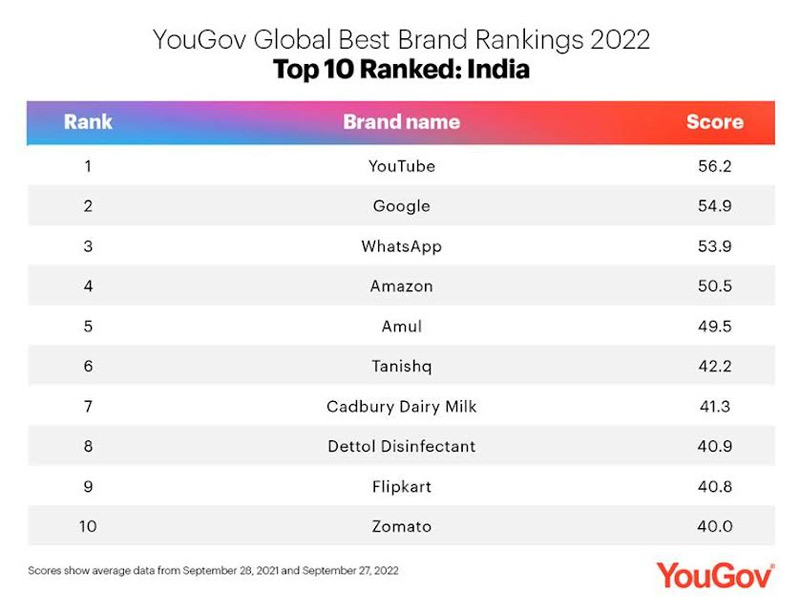
    Mumbai: Global tech giant YouTube has dethroned Google to top YouGov’s 2022 Best Brand Rankings in India, recording an increase of +2.5 to its year-on-year brand health score.

    YouGov’s latest rankings reveal the top ten brands in terms of overall brand health, according to urban Indians. The rankings are based on the index score from YouGov BrandIndex, which is a measure of overall brand health that indicates how well a brand is delivering on its brand promise on key attributes and is calculated by taking the average of the impression, quality, value, satisfaction, recommend and reputation scores collected in BrandIndex.

    Google moves down one spot to second (with a score of 54.9), and WhatsApp moves up to third (53.9) with a considerable increase in its year-on-year score.

    E-commerce giant Amazon moved down one spot to fourth, but its video-on-demand platform, Amazon Prime, moved off the list this year. Flipkart enhanced its brand perception over the past year but moved down three places in the 2022 rankings, to ninth (40.8).

    This year, many new brands make up the top ten list. Amul is fifth on the list with a score of 49.5. Tanishq follows in the sixth (42.2), Cadbury Dairy Milk in the seventh (41.3), and Dettol Disinfectant in the eighth (40.9). Zomato rounds up the top ten in tenth (40.0).

    The rankings also show the brands that have improved the most over the past 12 months. Air India is the most improved brand of the year, with a change in score of +7.1.

    Telegram is the second-best mover with a change in score of +5.2, along with other social media platforms such as Instagram (change in score +3.9) and WhatsApp (+3.5).

    Smartphone brands like Realme (+4.0) and global electronics company Apple (+3.4) appear in the list of improvers.

    Myntra (+3.3), Booking.com (3.0), Tata Motors (+2.8), and Flipkart (+2.7) are other brands to appear in India’s 2022 top ten improvers list.

  • Meta lays off 11,000 employees which equals 13% of its workforce

    Meta lays off 11,000 employees which equals 13% of its workforce

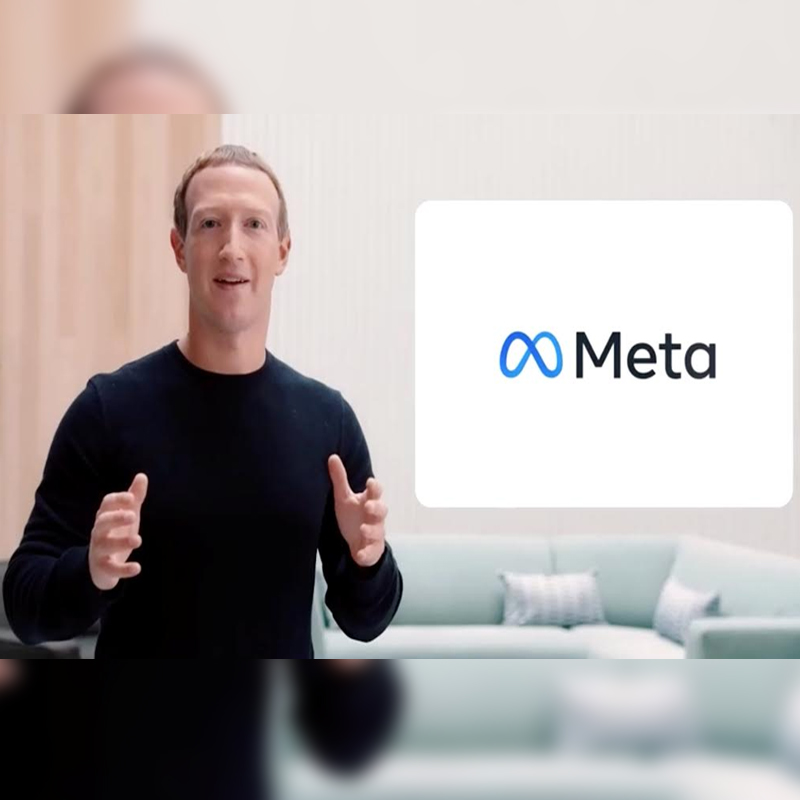
    Mumbai: Meta CEO Mark Zuckerberg has sacked about 11,000 employees, which is about 13 per cent of the company’s workforce.

    As per media reports, in an official statement, Zuckerberg said, “Today I’m sharing some of the most difficult changes we’ve made in Meta’s history. I’ve decided to reduce the size of our team by about 13 per cent and let more than 11,000 of our talented employees go. We are also taking a number of additional steps to become a leaner and more efficient company by cutting discretionary spending and extending our hiring freeze through Q1.”

    This is considered to be one of the largest layoffs in the US this year. As of September, Meta employed over 87,000 people across the globe.

    As stated in media reports, Zuckerberg informed employees on Tuesday about the job cuts. The social media company is looking at slashing costs after its feeble Q3 performance and due to the rise in the overall costs of the firm by a fifth in the previous quarter.

    He added, “I want to take accountability for these decisions and for how we got here. I know this is tough for everyone, and I’m especially sorry to those impacted.”

    This mass firing comes some weeks after one of Meta’s largest shareholders, Altimeter Capital, wrote to Zuckerberg highlighting the need to cut costs at the company.

    In an open letter, Altimeter Capital founder & CEO Brad Gerstner mentioned, “Meta has drifted into the land of excess—too many people, too many ideas, too little urgency. This lack of focus and fitness is obscured when growth is easy, but deadly when growth slows and technology changes.”

    He had suggested that Meta would have to cut jobs and reduce capital expenditure to stay on track. This comes at a time when the social media firm is struggling with the current economic slowdown.

    The social media company, Twitter, under the new reign of Elon Musk, laid off a hefty number of employees across its offices. Biggies like Amazon, Google, and Microsoft have also announced a freeze in hiring.

  • Twitter needs to be more user friendly, improve its ad targeting, boost content curation efforts

    Twitter needs to be more user friendly, improve its ad targeting, boost content curation efforts

    Mumbai: On 27 October, Elon Musk agreed to buy micro-blogging platform Twitter. In a message to advertisers he wrote, “Twitter aspires to be the most respected advertising platform in the world that strengthens your brand and grows your enterprise.” For advertisers and agencies it is a wait and watch mode. Some feel that things should improve given that Musk is a businessperson. At the same time, who owns it is not as important as making the right moves like ensuring a brand safe environment. It also needs to be more user friendly, improve its ad targeting. There is also room for improvement in the content curation area.

    Talking to Indiantelevision.com RD&X Network co-founder & chairman Ashish Bhasin said that who owns the majority stake in Twitter does not matter. “What matters is the policies and principles that Twitter is going to follow. Who owns it does not mean much to advertisers. What they will watch to see is the policy decisions being taken, the ROI, is the editorial environment conducive to them? Are their ads appearing in the right context? That is going to be far more important than ownership.”

    He goes on to tell that there are some changes proposed and some of them look positive as well. “The proof of the pudding will rest in what happens on the ground and not in statements that are made. Hopefully the changes will keep in mind the interests of brands and advertisers.” He noted that Twitter, if used properly, can lead to superb ROI. He, however, added that the lion’s share of digital advertising goes to Google and Facebook. Twitter is not in that league. “But it is an important medium for certain types of brands or certain objectives that brands may have. It can be a very powerful tool if used properly.

    “But from an advertisers point of view once the noise dies down one has to see the long run ROI as well as brand safety issues around editorial and freedom of speech. This is what brands are waiting to see before taking further long term decisions. But it can be pretty effective if used properly. With a relatively small sum of money you can get very powerful returns. You can reach a certain consumer base very quickly by using top of the mind issues,” Bhasin added.

    He points out that brand safety issues affect other digital platforms also, besides Twitter. Tech, in his opinion, can solve issues like fake news, inappropriate content, trumped up figures pertaining to viewership visibility. “This is an industry wide issue that needs to be tackled. Tech giants have the best of brains, sufficient resources and are cash rich to figure out a way to tackle this in the long run. Only the use of technology will be the solution. It cannot be done manually. The problem is too big and widespread.”

    Bhasin explains that the area of balancing free speech with content moderation has to be navigated very carefully. “You do not want to go too much to one side. Content that is obviously inflammatory or is promoting something illegal is about misuse of media, not about free speech.” He added that recognising diversity of India will be important for platforms like Twitter. It is a matter of how much a priority regional languages will be for Twitter. Mediums that want to exploit the full potential of India cannot restrict themselves to only English. “If they do then they will play only in a niche. Some platforms have adapted better than others to regionalisation,” he notes.

    Since Twitter is instantaneous it will have to be careful to follow all the rules, regulations and laws of the land. “It can go viral in a very short period of time. Therefore it is the responsibility of the platform to make sure that it is not being unfairly exploited by certain people. The government is coming out with more laws for social media platforms and following them will be key,” he brings out.

    Kurate Digital Consulting senior partner Uday Sodhi said that Twitter needs to scale and get in young audiences. It also needs to work on reducing fake profiles. “I’m sure it works as a good platform for brands but in India it is small compared to other social media platforms/ Facebook and Google.” He also noted that with all the politics and hatred in the country, brand safety could be an issue. “Also consumer information is very limited to run anything targeted at a group of consumers.” On whether Elon Musk can bring in Gen Z audiences he said that it is a wait and watch situation.

    Musk had also tweeted, “Twitter obviously cannot become a free-for-all hell-scape, where anything can be said with no consequences!” NOFILTR.Group partner chief marketing officer Hitarth Dadia meanwhile said that he is very excited about Musk owning it. “There are not a lot of billionaires who are relatable. Musk is extremely relatable. Platforms need a good shakeup every now and then for people to care about them. More people will take Twitter seriously.”

    Meanwhile dentsuMB India managing partner Indrajeet Mookerjee said that with the transition of Twitter moving to its new owner, it is certain for the platform to evolve in terms of technology and functionality. “Apart from dismissing key executives, a couple of changes we can expect from this transition are – monetisation, gaming, and a window to innovative advertising avenues. It would be interesting to see how brands leverage these changes innovatively to play it to their advantage.”

    In terms of Twitter’s goal to be the most respected ad platform, he noted that it surely isn’t easy to be so overnight and it would be a long journey for the platform to achieve it. “It is apparent that the platform is currently focusing on preventing the outflow of power users.”

    Shedding light on the role it plays in a digital marketing mix Mookerjee said that an effective way to incorporate this medium into the brand’s marketing plan is by using it as a top of funnel approach.” As a social platform, Twitter lends itself excellently to achieving the first two phases of the funnel that is awareness and consideration for B2B and B2C campaigns.

    “With a whopping 450 million monthly active Twitter users, the platform gives large and small businesses direct reach and avenues to engage with their target audience at their fingertips. Today, brands have capitalized on this by using Twitter as a tool to create interesting content that not only captures the audience’s attention but also draws them into having a conversation,” he states.

    He added that with over 500 million tweets daily, the platform is cluttered with micro-content that’s shared every minute. “However, it is this real-time engagement that continues to keep brands relevant and interact with their online community.”

    Social network for Web 3.0 influencers, educators, and artists Soclly co-founder Prayag Singh noted that some changes in Twitter are already being seen. The first is the cutting down on the workforce. “Sometimes you do not want to do it but it is mandatory for a long term goal. A lot of tech companies are cutting back.” Secondly is the platform’s move to diversify revenue streams beyond advertising. Hence the subscription fee of eight dollars a month for the blue tick verification. Thus there will also be more web 3 adoption. Musk supports Dogecoin.”

    So in the future there could be integration of this cryptocurrency into Twitter. Another move he feels will happen will be a more thorough investigation before an account is suspended. “You will see a more in-depth analysis of things.” He also expects Gen Z and millenials to have a more active presence on Twitter and share their thoughts. He expects challenges and changes to happen in terms of how brands showcase their presence on Twitter moving forward. He also thinks that Twitter Vines may return. This is short form video like Instagram Reels.

    Meanwhile Wing Communications CEO & founder Shiva Bhavani is very clear on what Twitter needs to do to be the most respected digital ad platform. “Twitter needs to provide more value to advertisers than any other platform. This means offering the best targeting options, the most effective ad formats, and the most insightful data. Twitter also needs to continue to invest in its ad product so that it remains at the cutting edge of digital advertising.”

    According to him, Twitter needs to be more user-friendly. “Twitter is notoriously difficult to use for beginners, and even experienced users can find the interface confusing and overwhelming. The platform needs to streamline its design and make it more intuitive to use.”

    Bhavani also feels that the social media company needs to improve its ad targeting: “Twitter’s ad targeting options are currently very basic, which makes it difficult for advertisers to reach their target audience. The platform needs to offer more detailed targeting options so that advertisers can better target their ads.”

    He is of the view that Twitter needs to do a better job of curating content. “Twitter is full of spammy and low-quality content, which can make it hard for users to find the good stuff. The platform needs to do a better job of curating its content so that users can easily find the best tweets.”

    When asked about the impact of a new owner Bhavani noted that one could see a lot of changes happening on Twitter under Musk. “For one, he could bring some much-needed innovation to the platform. He might also make some major changes to the way the content and things are displayed, or even get rid of them altogether”. 

    “And, of course, he could also add some new features that we can’t even imagine right now. Whatever happens, it’s sure to be interesting – and we can’t wait to see what Twitter looks like under Musk’s ownership,” he says further.

    At the same time, though, Bhavani noted that Twitter is a challenging platform for brands due to the amount of noise. The average person is exposed to over 34 GB of data per day, and that number is only increasing. In order to stand out, brands need to be strategic about their content and how they engage with their audience. 

    He suggests a few ways to cut through the noise on Twitter:

    1.      Use hashtags strategically: Hashtags are a great way to help your tweets get seen by more people. But don’t just use any old hashtag – make sure it’s relevant to your brand and your message.

    2.      Engage with influencers: Twitter is all about relationships. If you can build relationships with influencers in your industry, they can help amplify your message and reach a larger audience.

    3.      Be timely: Timing is everything on Twitter. Make sure you’re tweeting when your audience is most active, and you’re more likely to get seen.

    Bhavani pointed out that as more and more brands join Twitter, the question of how effective the platform is for them becomes increasingly relevant. “While there are many potential benefits to using Twitter as a marketing tool, including increased visibility and reach, it’s important to consider how well the platform aligns with your goals and objectives.”

    “For example, if you’re looking to use Twitter to drive website traffic or generate leads, you’ll need to make sure your content is optimised for these goals. The same goes for if you’re hoping to build brand awareness or create a strong connection with your audience – your tweets should be tailored accordingly,” he reveals.

    “Of course, no matter what your goal is, it’s essential to tweet regularly and interact with other users on the platform. The more active you are, the more likely you are to achieve success with Twitter,” he says.

    So, how effective is Twitter as a tool for brands? Bhavani elucidates, “It depends on what your goals are and how well you utilize the platform. With that said, there’s no doubt that Twitter can be a powerful marketing tool – it just takes some strategic planning and execution.”

    He goes on to add that Twitter has become an increasingly popular platform for businesses and individuals alike. As a result, many companies are now using Twitter as part of their digital marketing mix.

    So what role does Twitter play in the digital marketing mix? Bhavani mentions a few key ways that Twitter can be used to help achieve marketing objectives:

    1. Increasing brand awareness and reach: With over 500 million active users, Twitter provides businesses with a massive potential audience. By regularly tweeting interesting and relevant content, businesses can quickly grow their follower base and increase their brand visibility, he explains.

    2  Generating leads and sales: Twitter can also be used as a powerful lead generation tool. By sharing offers, coupons, or other incentives, businesses can encourage users to click through to their website or make a purchase, he noted.

    3. Building relationships and engaging with customers: In today’s digital world, customers expect brands to be responsive and engaged on social media. By actively listening to and responding to customers on Twitter, businesses can build strong relationships with their target audience.

    4. Providing customer service: Customers also increasingly expect brands to provide customer service via social media platforms such as Twitter. “By monitoring mentions of your business, you can quickly respond to any customer queries or concerns, helping in better customer satisfaction and engagement,” he says.

  • Wunderman Thompson reveals world’s most inspiring brands for 2022

    Wunderman Thompson reveals world’s most inspiring brands for 2022

    Mumbai: On Friday, Wunderman Thompson revealed that Google, Apple, Samsung, and Amazon are the most inspiring brands in the world.

    Wunderman Thompson’s proprietary diagnostic tool, “Inspire Score: Top 100 2022,” proves that inspiring brands are able to grow their market share more quickly and charge a higher premium for their products and services than their competitors.

    Wunderman Thompson’s Inspire Score is a proprietary diagnostic tool that measures a brand’s inspiration status and uncovers the brand attributes that fuel business growth through their ability to inspire people.

    As per the report, Google once again takes the top spot as the most inspiring brand in the world today, while Apple, Samsung, and Amazon remain in the top four for the second year running, cementing their position as powerful inspiration engines thanks to their ability to place themselves at the centre of people’s lives — and stay there.

    Colgate has taken the fifth spot for 2022 as they strive to reimagine a healthier future for all people, their pets, and our planet.

    Commenting on the report, Wunderman Thompson global chief executive officer Mel Edwards said, “As the world’s foremost researcher on inspiration, we have again proven that there is a strong correlation between inspiration and brand growth. The Inspire Score demonstrates how inspiring brands can drive growth in market share and command a price premium, which is increasingly important in the face of these changing economic conditions. The brands at the top of our list have shifted with the zeitgeist and placed themselves at the centre of people’s lives, perfectly positioning themselves to take advantage of inspiration as a powerful lever for growth.”

    “This year’s Inspire Score has taught us that a brand’s inspiration status and, therefore, propensity to grow, is highly dynamic. As the focus of people’s lives changes, so may the things that inspire them. Google, Apple, Samsung, and Amazon have once again scored highly given their ability to elevate consumers, make them feel like they’re making a popular, exciting choice, and motivate them to accomplish their goals, but 30 per cent of the Top 100 Most Inspiring Brands in the World for 2022 were not in the Top 100 last year. This reminds us that there is everything to play for when it comes to inspiration—these are metrics that brands can impact, thereby moving the needle on growth,” added Wunderman Thompson global chief strategy officer Neil Dawson.

    Other key insights from the study include:

        There have been strong gains for mobility brands such as Tesla and Uber as the world has opened up again post-covid, with a large number of automotive brands also featuring in the top 100.

        Social media brands have also seen gains, showcasing their role in animating people’s lives and social interactions, both physical and virtual. The inspiring power of brands such as Instagram and WhatsApp also continues to grow, with TikTok making the top 100 for the first time this year.

        Streaming brands continue to inspire, too. Netflix is now in the top 20, and Disney+ is a new entrant in the top 100, out-inspiring even its master brand.

        Impulse brands have done well, perhaps because life is becoming a bit more spontaneous again, and beer, spirits, and treats have all risen.

    The Inspire Score: Top 100 was first launched in 2020 as part of Wunderman Thompson’s global brand study, Inspiring Growth, the world’s largest ongoing research project into inspiration. This chapter explores why brands need to be inspirational, how inspiration drives growth, and what brands can do to inspire their customers. Meanwhile, the annual list of the Top 100 Most Inspiring Brands in the World tracks and analyses the brands that are best at inspiring their customers, revealing how inspiration affects a brand’s ability to drive growth in market share and command a price premium.

  • Guest article:  Here’s how to create an impact on your millennial customers

    Guest article: Here’s how to create an impact on your millennial customers

    Mumbai: The first generation to surf the internet was the millennials. Those people, who were born between 1981 and 1996, rely primarily on search engines to find the information they need. In fact, a survey reveals that Google searches are the origin of almost 90 per cent of millennials’ online experiences. Therefore, millennials are a fantastic demographic to target with search engine optimisation (SEO). Millennials should be perceived in the following ways:

        They are keyword-driven, meaning they search for specific, brief terms.
        More inclined to think that a highly ranked website indicates a company’s reliability and dependability.
        Frequently access internet information on mobile devices, such as aesthetically pleasing web designs.
        Use email frequently.
        Utilise social media often.
        Frequently look for video content.

    Though less dependent on technology than Gen Z, this generation nonetheless prioritises technology. Millennials place a great deal of attention on SEO because they frequently use search engine results to locate the information they’re looking for.

    Like prior generations, they also use email and social media sites more frequently. Although not as frequently as Gen Z, millennials were the first generation to utilise mobile phones to access the web and watch videos.

    You need a plan that binds several marketing channels and content types together in order to promote them. Develop your social media presence, publish videos, send marketing emails, and make sure your website is mobile-friendly.

    Why use SEO to reach millennials?

    Following statistics reveal typical millennials traits and consumer behaviour:

        A study showed that more than 90% of internet experiences begin with a Google search.
        More than nine out of ten Millennials (93% of those aged 23 to 38 this year) own a smartphone.

    The “go-to” place for practically everything for millennials is search engines:

        Between 5 and 10 hours of information are read online each week by 23% of millennials.
        When it comes to connecting with millennial consumers, SEO is without a doubt the best option for brands. 65% of smartphone users, regardless of the brand or business that offers them, look for the most pertinent information when conducting Internet searches.
        The most effective way to increase brand awareness for millennials is through SEO.
        A higher search engine ranking increases credibility, trust, and brand recall.
        Users of search engines convert more frequently than users of social media. 61% of local searches result in purchases, and 72% of those who do them go to the local businesses.

    Creating effective SEO strategies for millennials

    Be present in both places at once:

    You must be present everywhere you may be in order to be found and remembered, including both online and offline platforms. Engage millennials by posting SEO-optimised material on well-known channels including Twitter, Instagram, Facebook, desktop, emails, blogs, and more. To develop a better content strategy, find out which platform is preferred by each age group.

    For instance, millennials are big on Facebook and Instagram. According to studies, these should be the top two social media sites to employ when marketing to those under 35. Additionally, studies show that LinkedIn might help you reach more male millennials than Twitter because LinkedIn makes creative use of short hashtags and phrases.

    The millennial generation can be attracted to you by achieving top rankings on Google or other search engine pages by default, and constant branding and link development can draw attention to your brand website.

    Focus on high-quality content:

    Visibility is crucial, but so is the quality of the content. Millennials will be interested in rich content that is combined with clever SEO. Since research demonstrates that most purchasing decisions are driven more by an emotional connection than by rationality, it must be both educational and motivating.

    Furthermore, information must not be preachy, protracted, or boring because millennials strongly dislike all of these things. Another strict no-no is traditional hard selling or push marketing. Make sure to produce original content that speaks to their liberal and empathetic viewpoints. Ultimately, you need to provide content that reflects the ideals that your audience can relate to.

    Be mobile-friendly:

    For millennials, smartphones are a way of life. One of the most crucial SEO advices for millennials is to focus on SEO while creating content that is mobile-friendly.

    Focus on voice searches:

    Use voice searches; they are growing significantly thanks to Siri, Cortana, Echo, and Google Home. Instead of the more conventional writing style of typed sentences, voice searches require a more relaxed, conversational approach. Additionally, voice search terms may be longer on average because speaking is simpler than typing, giving you more room for content. Get a plan for voice search going that is based on natural language phrases since it’s an excellent SEO trend for millennials.

    Final Thoughts

    The bottom line is that effective SEO techniques increase brand recognition and sales. It’s critical to understand both what to do and what not to do when creating SEO content for millennials. Avoiding an autocratic style and working to personalise the content as much as you can are the keys to capturing the attention of millennials.

    The author of this article is Auburn Digital Solutions co-founder & managing director Ashish K Tripathi.

  • Devendra Nagle joins edtech platform RISE as VP of marketing

    Devendra Nagle joins edtech platform RISE as VP of marketing

    Mumbai: RISE, the edtech platform, has announced the appointment of Devendra Nagle as the company’s vice president of marketing, in a major boost to its leadership group. Incidentally, this is the first leadership hire outside of the founding team.

    Prior to joining RISE, Nagle was associate vice president at the Internet and Mobile Association of India, where he spearheaded digital advertising and venture capital committees.

    Earlier, he had conceptualised and created award-winning IPs in the startup space. He brings 10+ years of extensive experience in marketing across various sectors like media, education, and startups. Nagle had earlier worked at Google, India Today, and Hindustan Times, where he was responsible for leading various marketing initiatives. He holds a B.Tech degree in computer science and an MBA from IIM Bangalore.

    In his role at RISE, Devendra will be responsible for scaling the brand’s industry-led and localised programmes, alongside supporting RISE’s vision to help colleges and universities expand their offerings by focusing on creating new digital credentials and degree programmes with industry-led training. His mandate would be to lead all marketing initiatives for RISE.

    Commenting on the appointment, Nagle said, “With technology as an enabler, there is tremendous scope in the edtech sector across the world. RISE is leading the way in the ed-tech space through a tech-facing strategy that embraces innovation and is focusing on growing its operations rapidly. I am excited to be onboard this rocket ship and look forward to working with Gaurav Bhatia and the team.”

    RISE offers various postgraduate and professional certification courses. Each course is affordable and, crucially, is curated and taught by industry experts, thus increasing the chances of employability. The platform also aims to help colleges and universities expand and add digital content to their offerings, and benefit from the hybrid mode of imparting education.

    RISE CEO Gaurav Bhatia believes Devendra’s varied and vast experience will add to the company’s knowhow. He shared, “We at RISE are always looking to evolve and to introduce new paradigms to the edtech sector, keeping in mind how education overall has transformed since 2020. Getting Devendra on board is just another step in our plans to continue pushing the envelope and ensure that our students are as industry-ready as possible. And with his work experience across various domains, I believe Devendra will bring substance and value to RISE and add to our growth story.”

  • Fitbit joins Mumbai City FC as wearable, wellness partner

    Fitbit joins Mumbai City FC as wearable, wellness partner

    Mumbai: Fitbit has been named Mumbai City FC’s official wearable and wellness partner for the 2022-23 Indian Super League season. Fitbit will now support Mumbai City FC by monitoring their activities with holistic wellness expertise ahead of a season that sees the Islanders return to Mumbai after two seasons.

    Mumbai City FC will sport the Fitbit Charge 5 during the Hero ISL season across MCFC social media handles. The partnership will be further amplified across print, digital content, and on-ground branding.

    The company claims that Fitbit Charge 5 is the first-ever fitness tracker that features an EDA sensor that helps in keeping a close check on stress levels. Charge 5’s daily readiness score will help the Islanders understand when they are ready to workout, or should prioritise recovery. They will also be able to keep track of their oxygen levels, heart rate, sleep patterns, and more.

    Mumbai City FC CEO Kandarp Chandra said, “We are delighted to announce our partnership with Fitbit. We are involved in a sport that is seeing ever improving fitness and wellness levels, not just in India but globally. Fitbit brings immeasurable expertise in not just health but also technology that will support the Islanders in taking one step towards the wellness standards we aim to hold ourselves to at Mumbai City. This partnership is further evidence of the growing commercial pull of Mumbai City FC, and we look forward to a fruitful partnership together.”

    Head of Fitbit India at Google Alok Shankar said, “We are excited to be the wearable and wellness partner of one of India’s most celebrated football clubs—Mumbai City FC. Mumbai City FC players will be able to benefit from the advanced health and wellness features available on the Fitbit platform. We look forward to having the team wear Fitbit Charge 5 to track their workout and recovery and manage their stress levels smarter during the 2022-23 ISL season.”

    Mumbai City FC will play Odisha FC in the first home game of the 2022-23 Hero Indian Super League season on October 15 at 7:30 p.m. at their home stadium, the Mumbai Football Arena, after nearly three years.