Tag: Google

  • Ashutosh Gupta appointed Coursera MD for India and Asia Pacific region

    Ashutosh Gupta appointed Coursera MD for India and Asia Pacific region

    MUMBAI: From scaling up social networks to leading the charge in online learning, Ashutosh Gupta is now scripting a new chapter at the intersection of tech and education. Veteran tech executive Ashutosh Gupta has been appointed managing director for India & Asia Pacific at Coursera, taking the reins in July 2025 as the edtech giant strengthens its footprint across the region.

    Gupta’s move to Coursera comes after a prolific career spanning over two decades, including a 10-year stint at Linkedin, where he most recently served as country manager for India. Under his leadership, Linkedin’s India user base crossed 105 million, making it the platform’s fastest-growing region globally. He also championed vernacular accessibility, launching features in Hindi to widen the platform’s appeal.

    Prior to Linkedin, Gupta held senior leadership roles at Google, Cognizant, Covansys, and Infosys, focusing on sales, operations, and strategic partnerships across North America and India. Most recently, he served as Operating Partner at Avataar Venture Partners, advising portfolio companies on scaling sustainably and navigating IPO-readiness.

    Armed with degrees from IIT-BHU (Chemical Engineering) and IIM Lucknow (PGDM in Finance & Marketing), Gupta brings a rare blend of technical rigour and market acumen. At Coursera, he’s expected to drive growth, forge regional alliances, and champion lifelong learning across India and the Asia Pacific, a market witnessing a sharp surge in demand for upskilling and remote education.

    Commenting on his new role, Gupta has emphasised the need for “technology that respects intelligence and drives real impact”, signalling a shift from platform-centric models to learner-first strategies in edtech.

    With education becoming the next frontier of digital disruption, Coursera has made a strategic bet on a leader who knows how to scale with purpose. From connecting professionals on Linkedin to helping them upskill on Coursera, Gupta’s journey is now a full circle in empowerment.
  • Adobe sets Firefly free with mobile app and AI-first moodboarding tools

    Adobe sets Firefly free with mobile app and AI-first moodboarding tools

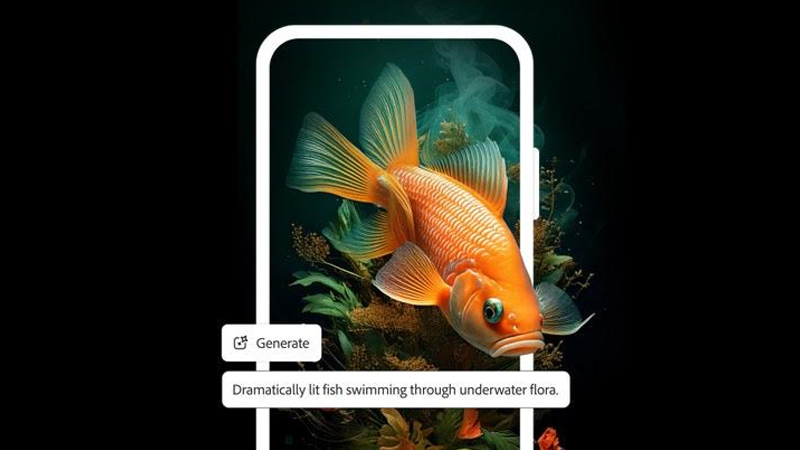
     MUMBAI: Your next masterpiece might just start on your phone with a text prompt. Adobe has just turbocharged its generative AI game with a major upgrade to Firefly, unveiling a new mobile app and an AI-powered moodboarding feature called Firefly Boards. The expansion, announced today, makes the creative playground more portable, collaborative, and multimodal than ever before bringing AI-assisted image and video generation to IOS and Android, while letting teams co-create across media in real time.

    With over 24 billion AI-generated assets and traffic up 30 per cent quarter-over-quarter, Firefly is fast becoming Adobe’s flagship for idea-to-execution creativity. The mobile app allows users to generate and edit high-quality images and videos on the fly, with tools like Text to Image, Text to Video, Generative Fill, and Generative Expand. Users can mix and match AI models from Adobe’s own to those by OpenAi, Google, Luma Ai, Pika, Ideogram, Runway, and Black Forest Labs directly within the app or Firefly Boards.

    The Firefly Boards feature, now in public beta, is a slick new workspace for creative teams to develop concepts at scale. Think moodboards that breathe, creators can remix video clips, generate new visuals, or use conversational prompts to fine-tune visuals collaboratively.

    More than just eye candy, Firefly also embeds Content Credentials into AI-generated assets, helping creators track origins and safeguard their rights. Adobe’s ecosystem-first approach now lets assets flow seamlessly from mobile to web to desktop, syncing with Creative Cloud apps like Photoshop and Premiere Pro.

    Adobe says the new capabilities support everything from text-to-vector logo design to soon-to-launch features like text-to-avatar and AI-generated sound effects all from a single, intuitive interface.

    Adobe CTO Ely Greenfield put it, “Our goal with Firefly is to give creators a one-stop shop for generative tools across mobile and web.”

    With first-time Firefly subscribers up 30 per cent, and paid subscriptions nearly doubling, the platform isn’t just growing, it’s blazing ahead. The Firefly app is now live on App Store and Google Play, while Firefly Boards can be accessed via the web for Creative Cloud users.

    In a world where creativity rarely waits for a desk, Firefly’s new wings let ideas take off from anywhere and turn sparks of inspiration into full-blown visuals in minutes.

  • Win blows into Cannes with ideas that are worth their metaverse in gold

    Win blows into Cannes with ideas that are worth their metaverse in gold

    MUMBAI: If Cannes is the playground for global creativity, Women Inspiring Network (Win) just brought the rulebook rewrite. On 18 June, amid the Riviera’s sparkle and the swirl of creativity at Cannes Lions 2025, Win is set to take over the iconic Hotel Martinez with the Win Lounge, a full day of boundary-breaking conversations on marketing, innovation, and leadership. But this isn’t just another panel fest. Think of it as a high-octane, insight-loaded salon for the world’s most disruptive thinkers.

    Adding sonic flair to the soirée is the debut of the Win Voices podcast, a platform spotlighting raw and unfiltered narratives from global game-changers. The vibe? Less conference, more cultural reset.

    The theme lineup reads like a cheat code to the future:

    1    Disrupting the Default: The New Playbook for Inclusive Innovation

    2    Culture is Capital: The New Frontier of Creative Influence

    3    Marketing in the Metaverse: Redefining Brand Engagement

    4    Beyond Advertising: Building Purpose-Driven Brands

    5    The Purpose Playbook: Philanthropic Families and the Art of Giving Big

    6    Metamorphosis of Marketing: Rebuilding Enterprises with Data, AI & Creativity

    The cast? Star-studded. From Snap’s Resh Sidhu, Spotify’s Bridget Evans, M·A·C Cosmetics’ Aïda Moudachirou-Rébois, and Samsung’s Antonia Faulkner, to Gumgum’s Phil Schraeder, Tigress Tigress’ Meera Sharath Chandra, Seeme Index’s Asha Shivaji, and WeTransfer’s Julia Linehan, the Win Lounge boasts a speaker lineup as sharp as a Cannes jury.

    And it’s not just media and tech titans. Voices from social impact and philanthropy like Neera Nundy of Dasra will add depth to the dialogue. “When families bring purpose to their philanthropy, they don’t just fund programmes, they shape futures,” she shared.

    Win founder Stuti Jalan summed it up with flair: “This is more than a gathering. It’s a game-changing celebration of creativity, courage, and connection.”

    Brands like Google, Apple, M·A·C Cosmetics, Samsung Electronics, Snap Inc., Publicis Groupe, and Influencer.com are already on the guest list. And this is just the start Win will next turn up at Climate Week in New York on 24 September, bringing its trademark fusion of inspiration and impact to the UNGA stage.

    So yes, Cannes might be about lions. But this June, the Win Lounge promises to roar the loudest and leave echoes of brilliance long after the rosé has run dry.

  • Agencies must connect, not just communicate, say industry leaders at Goafest 2025

    Agencies must connect, not just communicate, say industry leaders at Goafest 2025

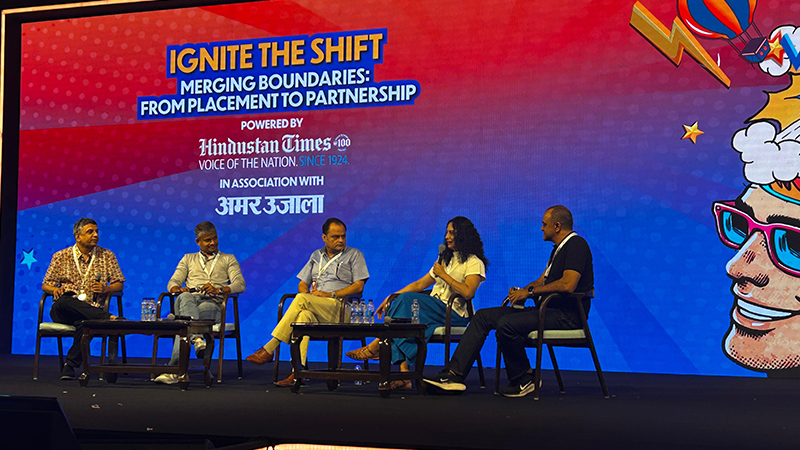
    MUMBAI: Goafest 2025’s marquee session, ‘Ignite The Shift’, powered by Hindustan Times and Amar Ujala, staged a spirited conversation on marketing’s evolving ecosystem. The panel, titled “Merging Boundaries: From Placement to Partnership”, brought together five sharp minds—Google India director – marketing partners Satya Raghavan, Starcom India CEO Rathi Gangappa, JioStar head of revenue, entertainment & international Ajit Varghese, Tata Commercial Vehicles CMO Shubhranshu Singh, and moderator Omnicom Media Group India group CEO Kartik Sharma—for a high-voltage discussion on what defines partnership, performance, and brand-building in 2025.

    Opening the session with nostalgic candour, Sharma remarked, “Media was once a business of placement; now it’s a business of partnership”. He added that today’s agencies juggle multiple hats—from storytellers and influencers to data miners and tech integrators.

    Gangappa drove the point home: “It’s no longer innovate or die—it’s connect or die”. She called on agencies to shift from delivering solutions to forging seamless partnerships. “Partnerships today are about connecting the dots—storytelling, media, commerce, influence, even loyalty—and doing it all with intelligence and empathy”.

    Varghese reinforced that clients today demand more, “Agencies now invest in first-party data and tech stacks, stitching solutions across OTT, mobile, and CTV”. From integration to insight, agencies, he said, must become navigators across a complex media map. “Clients expect segmentation, measurement, and execution to be interlinked. When they demand precision, we bend backwards”.

    Raghavan added flair with an Avengers analogy. “The agency is literally the CMO’s superpower”, he joked. “In today’s marketing universe, consumers flit between universes—Youtube, search, Shorts, and shopping. Pinpointing them with the right message at the right moment is the challenge—and technology is the bridge”.

    Singh brought it back to brand belief, “Separating performance from brand-building is a disservice”. He warned against the trap of short-termism. “If everything is dictated by last-click logic, brands lose soul. Media must also create scale and salience”.

    The panel echoed a shared frustration with how measurement obsession has stifled creativity. Singh recalled, “We’ve become a business of attribution. But not everything valuable is measurable”. Raghavan nodded, saying that AI should empower creativity, not constrain it. “We’re now designing better razors, not just machines that shave you”.

    As the session closed, Sharma fired a rapid question: “What are you doing today that would’ve sounded crazy five years ago?”

    Raghavan shared that Google India had built an internal martech platform just for partner enablement. Varghese said he uses AI to ideate around obscure marketing days like “World Menstrual Hygiene Day”. Singh, meanwhile, said it’s time to rename the agency itself. “The term ‘media agency’ no longer fits. We’re something more”.

  • Google puts pedal to the metal on AI at I/O 2025

    Google puts pedal to the metal on AI at I/O 2025

    MUMBAI: Forget slow-burn product cycles and hush-hush unveilings. At Google I/O 2025, Google parent Alphabet CEO Sundar Pichai made one thing very clear: in the Gemini era, Google isn’t waiting for the stage — it’s shipping on Tuesdays.

    “We’re moving faster than ever,” Pichai told the crowd, revealing a dizzying array of AI-powered updates, model breakthroughs, and bleeding-edge products — all underpinned by Google’s latest powerhouse: Gemini 2.5 Pro. The model has surged 300 Elo points since its first generation and now sweeps the LMArena leaderboard. The driving force? Ironwood, Google’s seventh-gen TPU, serving up a brain-melting 42.5 exaflops per pod.

    The pace of adoption is just as staggering. Over the past year, Pichai explained that:

    * Token usage exploded from 9.7 trillion to 480 trillion a month.

    * More than seven million developers are building with Gemini — up five times.

    * The Gemini app has clocked 400 million monthly users, with a 45 per cent spike among 2.5 Pro users.

    With scale like that, Pichai says, “we’re in a new phase of the AI platform shift — turning decades of research into daily reality.”

    Say hello to Google Beam — the spiritual sequel to Project Starline. The new AI-first video chat platform uses six cameras, advanced head-tracking and 3D lightfield displays to create a shockingly lifelike experience. In short: Zoom calls, eat your heart out. With HP on board, Beam hardware hits early testers later this year.

    Also in the mix: real-time speech translation for Google Meet, matching tone, voice and facial expressions. English and Spanish are live in beta now; more tongues to come.

    Google’s AI assistant ambitions are now tangible. Agent Mode, based on Project Mariner, is headed to the Gemini app. Think digital butler with brains: it browses listings, tweaks filters, and can even schedule a house tour — all while chatting like a pro.

    Sundar Pichai

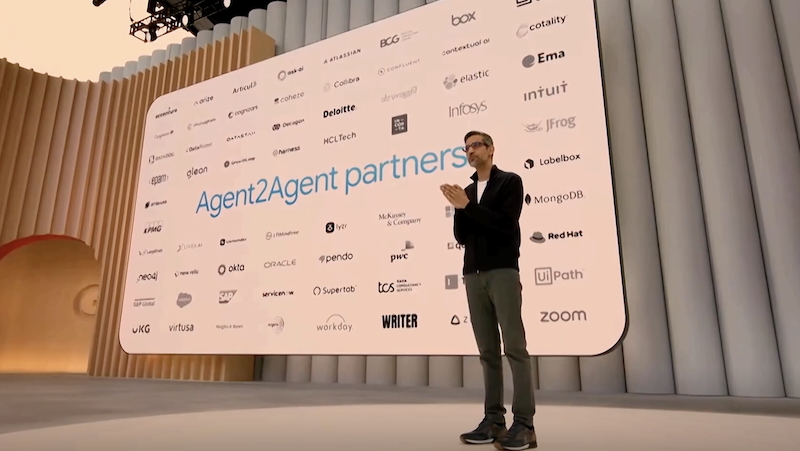
    Expect agents to be everywhere soon: Search, Chrome, Workspace — even chatting with each other using the new Agent2Agent protocol. Google also confirmed Gemini API and SDK support for Anthropic’s Model Context Protocol.

    On the personalisation front, Smart Replies in Gmail are getting a glow-up. With permission, Gemini will mine your emails and files to craft eerily you-like responses, complete with tone and pet phrases. Yes, your AI is about to start writing better emails than you.

    AI is now baked right into Google Search. The newly announced AI Mode allows for longer, more complex queries and natural follow-ups — already available in the US. With Gemini 2.5 Pro now powering it, Search just got a serious IQ boost. AI Overviews are already live in 200 countries and growing fast, especially in the US and India., revealed Pichai. 

    Developers, meet your new best friend: Gemini 2.5 Flash, a lightning-fast, low-cost version built for speed and scale. But the headline act is Deep Think, a new reasoning mode for Pro users that layers in parallel thinking and long-context analysis. Consider it AI with a PhD.

    Creatives, your time has come. Google dropped Veo 3, its most advanced video model yet — now with native audio generation. It also rolled out Imagen 4 for image generation, and Flow, a slick tool for building cinematic clips on the fly.

    Throw in Canvas integration, support for quizzes, infographics and multilingual podcasts, and the Gemini app is shaping up to be a Swiss Army knife for creators.

    Pichai closed with a personal anecdote: a Waymo ride in San Francisco with his 80-something father. “He was amazed,” Pichai said. “It reminded me just how powerful technology can be — not just to dazzle, but to bring people along.”

    The message was clear: AI at Google is no longer a moonshot — it’s now a movement.

  • One Tap Wonder as TV9 Clicks with Google’s Global Spotlight

    One Tap Wonder as TV9 Clicks with Google’s Global Spotlight

    MUMBAI: When it comes to logging in, less really is more and TV9 Digital has proved just that. In a rare nod from Silicon Valley’s finest, Google has spotlighted the Indian news platform in a global case study for its swift, smart, and successful rollout of Google One Tap sign-in.

    The feather in TV9’s cap? Over 2 lakh user registrations in just 60 days. No passwords, no confusion, no drama just a single click and straight into the news. The result? Fewer drop-offs, happier users, and a treasure trove of first-party data.

    The case study from Google highlights how this friction-free feature supercharged TV9 Digital’s user acquisition and retention. It wasn’t just about the numbers, though. The richer data allowed for smarter personalisation think curated newsletters, targeted alerts, and reader experiences that feel like they were written just for you.

    Emphasising that innovation TV9 Network’s DNA chief growth officer Raktim Das said, “Being recognized by Google in a global case study is a proud moment for us. It underscores our commitment to combining journalism with cutting-edge technology to deliver a superior experience to our digital audience.”

    Das added: “Google’s partnership on Google One Tap has been instrumental in our user acquisition strategy, delivering a seamless sign-up experience. The resulting 200,000 registrations in 60 days demonstrate the immense potential of this collaboration. We see this as a significant opportunity to further leverage this partnership for enhanced audience engagement and first-party data growth.”

    March was already a milestone month for TV9, with 138 million unique visitors recorded on ComScore. But this Google case study has turned a strong run into a standout moment, positioning the brand not just as a news destination, but as a tech-forward leader in digital publishing.

    As platforms everywhere scramble to future-proof their audience strategies, TV9’s “One Tap” masterstroke shows that when it comes to engagement convenience really is king. Or in this case, news you can trust with a single click.
     

  • Productivity SaaS for education is changing: a wake-up call for schools

    Productivity SaaS for education is changing: a wake-up call for schools

    For schools that have relied on productivity SaaS solutions for years, it’s a pivotal moment to reassess long-term needs. With providers like Google ending free unlimited storage in 2022 and Microsoft’s recent updates to their education offerings, institutions face significant challenges including increased costs and reduced functionality. These developments underscore the importance of adopting systems that provide stability, scalability, and control.

    After January 2025, Microsoft rolled out significant changes to its Microsoft 365 Education plans, including retiring the Office 365 A1 Plus plan, reducing storage pools to 100TB per tenant, and restricting some licenses to web-only applications without their counterpart desktop versions, including Word, Excel, or PowerPoint.

    These adjustments may push schools toward higher-cost paid plans or force them to reallocate resources to maintain functionality, prompting many to reevaluate their reliance on SaaS solutions. Beyond financial implications, there are also rising concerns over data privacy and compliance. Educational institutions manage high loads of sensitive information such as student records, financial data, and research. This makes them prime targets of cyberattacks, which target nearly 80% of institutions annually (Netwrix, 2024). Furthermore, compliance with regulations such as FERPA and GDPR requires secure, private, and auditable data management practices, which some SaaS solutions may struggle to meet.

    Shifting to an on-premise productivity solution offers educational institutions increased control over their data, cost predictability, and storage scalability. Unlike SaaS offerings, prone to subscription price hikes and unpredictable removals to their service features, on-premise solutions can provide a stable framework more suited for long-term needs. Locally stored data also ensures privacy, helping schools meet compliance requirements while protecting sensitive information.

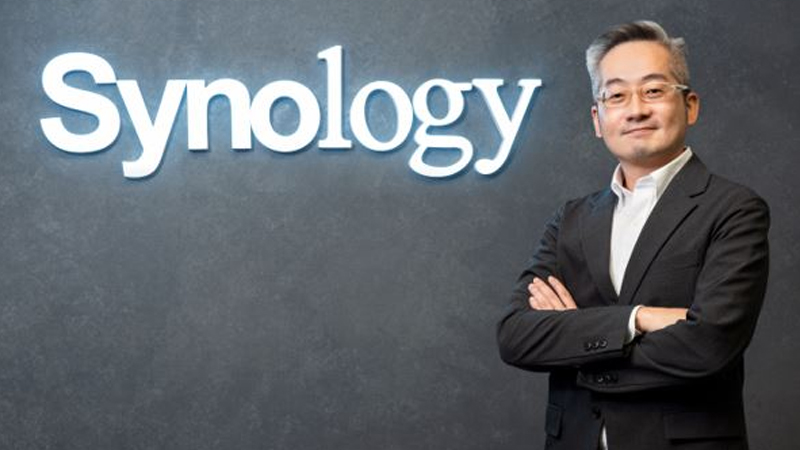
    Some on-premise productivity solutions like Synology Office Suite enhance collaboration and communication with tools for secure file storage, granular sharing permissions, real-time document editing and instant messaging, supporting both group projects for students and file management among faculty.

    Learn more | Synology Office Suite

    For IT administrators, these solutions simplify management with centralized dashboards, system health monitoring, and auditing tools for compliance. Advanced access controls also enable efficient delegation of tasks across IT teams, ensuring smoother workflows and stronger oversight of digital infrastructure.

    While changes from major SaaS providers might disrupt operations in the short term, they also provide an opportunity for educational institutions to reassess the suitability of their current systems. On-premise productivity solutions provide a sustainable pathway to address cost concerns, enhance security, and build a resilient digital foundation for evolving educational needs of educators and students alike.

  • Omnicom brings global influencer capabilities under Creo banner

    Omnicom brings global influencer capabilities under Creo banner

    MUMBAI: Omnicom Media Group (OMG) has consolidated its global influencer marketing capabilities under a single brand—Creo—to deliver a consistent, data-led approach to clients across markets. This move puts influencer marketing firmly at the heart of OMG’s media offering, treating it as a fully measurable and strategic media channel.

    Since launching three years ago, Creo has developed influencer-led campaigns for major brands like Mountain Dew, Delta and State Farm. Now, as part of a global integration, clients everywhere will gain access to Creo’s partnerships with leading platforms including Amazon, Google, Snap, TikTok and Instacart—bridging the gap between content creation and commerce.

    The global influencer marketing market is set to reach $33 billion by 2025, up from $24 billion in 2024. In response, OMG is rolling out new tools through its Omni platform to enhance campaign planning and performance:

    * Creator Briefing Tool: Powered by Google Gemini, this helps creators shape content based on audience insights, cultural signals and brand data.

    * Creo Influencer Agent: An AI tool that identifies creators aligned with campaign objectives using Omni’s cultural intelligence suite.

    * Creator Performance Predictor: Built on Meta’s latest API, this machine learning tool forecasts which organic content will deliver stronger results when amplified with paid media—boosting outcomes by 38 per cent in early tests.

    “With influencers playing an increasingly important role in how audiences discover and engage with brands, bringing together our capabilities under Creo ensures clients in every market can access the same level of innovation, insight and strategic impact,” said Omnicom Media group CEO Florian Adamski. 

    In select regions, the brand will operate as OMGCreo. Backed by Omni, Creo positions influencer marketing as an accountable, data-driven channel designed to deliver results across the full marketing funnel.

  • Anymind adds horsepower with five senior hires to supercharge AI-native BPaaS transformation

    Anymind adds horsepower with five senior hires to supercharge AI-native BPaaS transformation

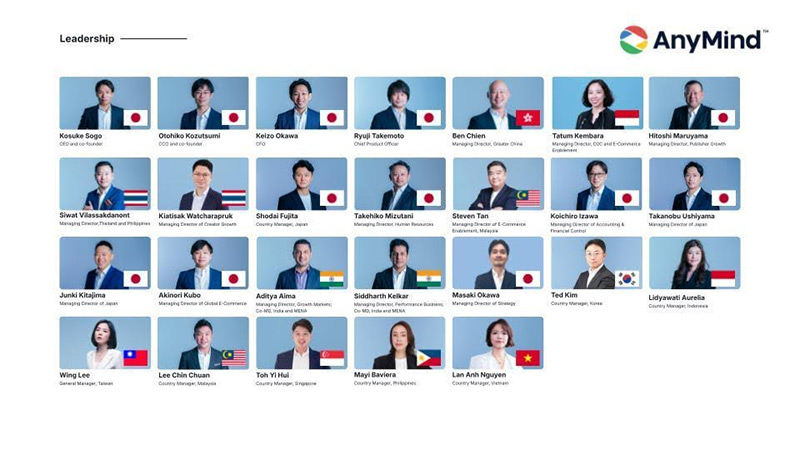
    MUMBAI: Anymind Group just hit the gas pedal on its AI-native ambitions and they didn’t stop for speed limits. In one of its biggest leadership reshuffles yet, the Singapore- and India-headquartered BPaaS (Business process as a service) player has appointed five heavy-hitters to steer its next-gen business engine into high gear. With talent sourced from Google, P&G, and its own rising stars, Anymind’s management garage is now fully tuned for the next leg of digital transformation.

    Announced on 16 April 2025, the appointments reflect the company’s aggressive pivot toward an AI-native BPaaS model essentially, AI meets ops meets scalability. With a focus on marketing, e-commerce, creator economy, and fulfillment, the company is throwing every tool in the tech shed at building a future-ready, hyper-scalable engine for growth.

    CEO & co-founder Kosuke Sogo put it plainly, “These appointments mark a significant step forward as we scale our solutions across Asia and beyond. With deep expertise in technology, digital commerce, and fulfillment, we’re strengthening the leadership we need to navigate the next phase of our growth and shape the future of how business is done.”

    Ryuji Takemoto takes charge as chief product officer, The company’s first-ever CPO, Takemoto has been with Anymind since day one, literally he was their first engineer in 2016. Now, he will embed AI across the company’s operations, lead the AI App Studio, and integrate next-gen product development across five engineering hubs in Tokyo, Bangkok, Ho Chi Minh City, Bangalore, and Hangzhou.

    “As Anymind advances our transformation to become an AI-native company, I am committed to accelerating this journey by deepening the implementation of AI technologies into our platforms and enhance feature sets,” said Takemoto.

    Shodai Fujita becomes country manager, Japan, Fujita started as a fresh grad with Anymind, cut his teeth in Thailand and Vietnam, then launched influencer marketing in Japan. After co-leading the Japanese market, he now takes full control of the company’s business in one of Asia’s biggest consumer markets.

    “Having started my career at Anymind and grown alongside the company, I’m deeply honoured to now lead our Japan business,” said Fujita, ready to ride the AI wave with local precision.

    Kiatisak Watcharapruk joins as MD of creator growth, Fresh out of Google’s Asia-Pacific HQ, where he spearheaded the launch of Gemini and other AI products, Kiatisak steps in to replace Moindy founder Punsak Limvatanayingyong. He now leads the creator growth division, which supports over 2,900 content creators globally.

    “I’m thrilled to join Anymind Group at such a pivotal time for the creator economy,” he said. “I’m particularly excited to harness the power of AI to optimise content creation, distribution, and monetisation.”

    Masaki Okawa joins as MD of strategy, Ex-P&G exec and Logipeace strategist, Okawa will be driving business across e-commerce, emerging markets, and revenue-scale initiatives. With 16 years of global FMCG experience, he’s got just the toolkit to make spreadsheets and storytelling work together. “I aspire to be a catalyst to take Anymind to the next level,” he said, adding that AI + BPaaS + business dev = his new formula for success.

    Steven Tan becomes MD of fulfillment, keeps CEO hat at Arche Digital, Having joined via the acquisition of Malaysia-based Arche Digital, Tan now expands his remit across warehousing, shipping, and Anylogi Anymind’s international logistics platform.

    “We’re taking a strategic step to drive further operational excellence and sustainable scalability,” said Tan, looking to connect the dots between offline grit and online smarts. This management power-up follows closely on the heels of Lan Anh Nguyen’s appointment as country manager for Vietnam earlier this year. With a roster this stacked, Anymind seems more than ready to drive their BPaaS machine into uncharted and AI-automated territory.
     

  • Havas India reels in Prashanth Challapalli to spark digital & innovation fire

    Havas India reels in Prashanth Challapalli to spark digital & innovation fire

    MUMBAI: Havas India has hired Prashanth Challapalli, a digital dynamo, to ignite its creative network as chief digital & innovation officer. Based in Mumbai, he’ll be reporting to  Havas India, SEA, and north Asia group CEO  Rana Barua. Challapalli, a veteran of the digital trenches with over 25 years under his belt, is tasked with fusing cutting-edge tech with creative wizardry, conjuring up digital-first solutions that’ll make brands pop.

    Said Barua: “Innovation is no longer an option; it is imperative. The creative industry is undergoing a seismic shift driven by technology, data, and consumer behaviour. Prashant will work closely with network leaders to drive the convergence of creative, media, and health, powered by data-driven innovation and technology, while seamlessly integrating storytelling to enhance impact.”

    Challapalli, formerly boss of Gravity Integrated, where he sprinkled his stardust on the likes of Amazon Pay, Google, and Tata Motors, reckons he’s ready for the challenge. “We’re in the ‘Attention Economy’, where AI’s rewriting the rulebook. Creativity’s still king, but innovation’s gone beyond a fancy advert. 

    Havas’s integrated model, with its AI-powered Converged OS, is like a digital Swiss Army knife. I’m chuffed to be joining a team that’s pushing the envelope, setting new creative benchmarks, and crafting a fresh narrative for Havas, its brands, and its people.”

    This appointment is a clear shot across the bow, a digital thunderbolt aimed at shaking up the advertising landscape. Havas is betting big on Challapalli’s ability to weave digital magic, and deliver solutions that are not just innovative, but downright electrifying.