Tag: Google

  • Amazon business head join Housing.com, to strengthen full-service transactions

    Amazon business head join Housing.com, to strengthen full-service transactions

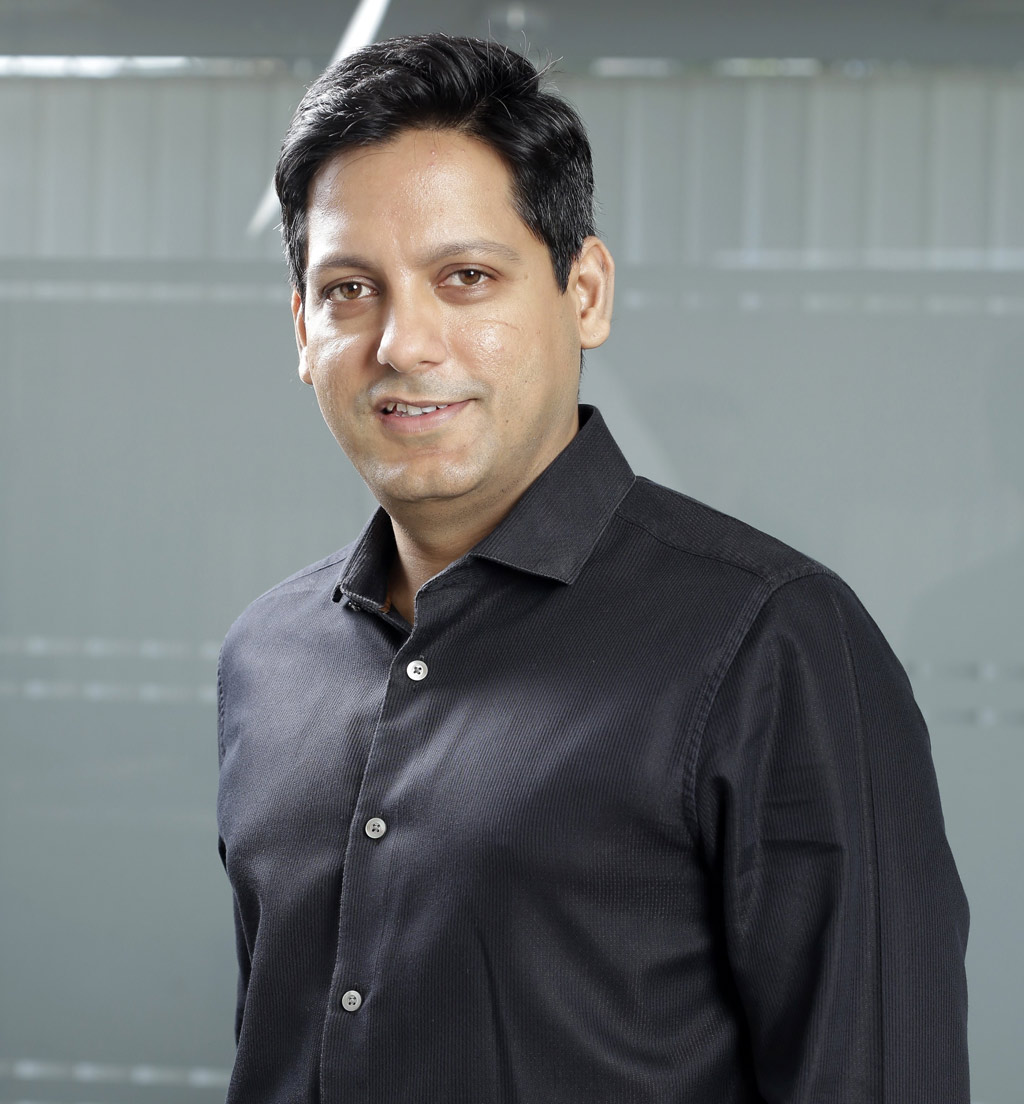
    MUMBAI: Housing.com has appointed Vivek Jain as chief product and technology officer to focus on strengthening the product and engineering aspects of the business to help steer Housing.com towards its goal of becoming a full-service transaction player.

    Housing.com CEO Jason Kothari said, “Our goal is to become the most trusted and the leading end-to-end real estate transaction platform in the country, and robust product and technology innovation will be important for us to achieve that. Vivek comes with best-in-class product and technology leadership experience, global exposure and an entrepreneurial mind-set, which is a unique mix, and one that blends seamlessly with the thinking and culture at Housing.com. I believe Vivek’s addition to our senior team will greatly benefit us in realizing our vision for the Company.”

    Jain is an industry veteran with over 14 years of experience in the technology and digital domains in India and the US. In his last role at Amazon, he was the business head for the cloud division where he helped define the value proposition, differentiation strategy, pricing and feature roadmap to create a sustainable competitive advantage for the company.

    “As technology continues to play an increasingly important role in our day-to-day lives, Housing.com has managed to bring the benefits of technology to the real-estate segment through path-breaking product innovations. As the company gears-up for the next phase of growth and transformation, product and engineering will define the contours of success, and with an immensely talented team, I believe Housing.com is well-poised to fulfil the potential.” added Jain.

    He started his career as an early member of Texas-based start-up Ashley Laurent and later joined Motorola Mobility, a division of Google. While in the US, Jain was associated with the US Department of Commerce where he reviewed business plans at Broadband Technology Opportunities Program (BTOP) to help assist President Obama and the Federal Government deliver on the promise of economic recovery (ARRA) through the $7.2 Billion Recovery Act’s BTOP & Broadband Initiatives.

  • Amazon business head join Housing.com, to strengthen full-service transactions

    Amazon business head join Housing.com, to strengthen full-service transactions

    MUMBAI: Housing.com has appointed Vivek Jain as chief product and technology officer to focus on strengthening the product and engineering aspects of the business to help steer Housing.com towards its goal of becoming a full-service transaction player.

    Housing.com CEO Jason Kothari said, “Our goal is to become the most trusted and the leading end-to-end real estate transaction platform in the country, and robust product and technology innovation will be important for us to achieve that. Vivek comes with best-in-class product and technology leadership experience, global exposure and an entrepreneurial mind-set, which is a unique mix, and one that blends seamlessly with the thinking and culture at Housing.com. I believe Vivek’s addition to our senior team will greatly benefit us in realizing our vision for the Company.”

    Jain is an industry veteran with over 14 years of experience in the technology and digital domains in India and the US. In his last role at Amazon, he was the business head for the cloud division where he helped define the value proposition, differentiation strategy, pricing and feature roadmap to create a sustainable competitive advantage for the company.

    “As technology continues to play an increasingly important role in our day-to-day lives, Housing.com has managed to bring the benefits of technology to the real-estate segment through path-breaking product innovations. As the company gears-up for the next phase of growth and transformation, product and engineering will define the contours of success, and with an immensely talented team, I believe Housing.com is well-poised to fulfil the potential.” added Jain.

    He started his career as an early member of Texas-based start-up Ashley Laurent and later joined Motorola Mobility, a division of Google. While in the US, Jain was associated with the US Department of Commerce where he reviewed business plans at Broadband Technology Opportunities Program (BTOP) to help assist President Obama and the Federal Government deliver on the promise of economic recovery (ARRA) through the $7.2 Billion Recovery Act’s BTOP & Broadband Initiatives.

  • Pokemon Go craze: A brand insight

    Pokemon Go craze: A brand insight

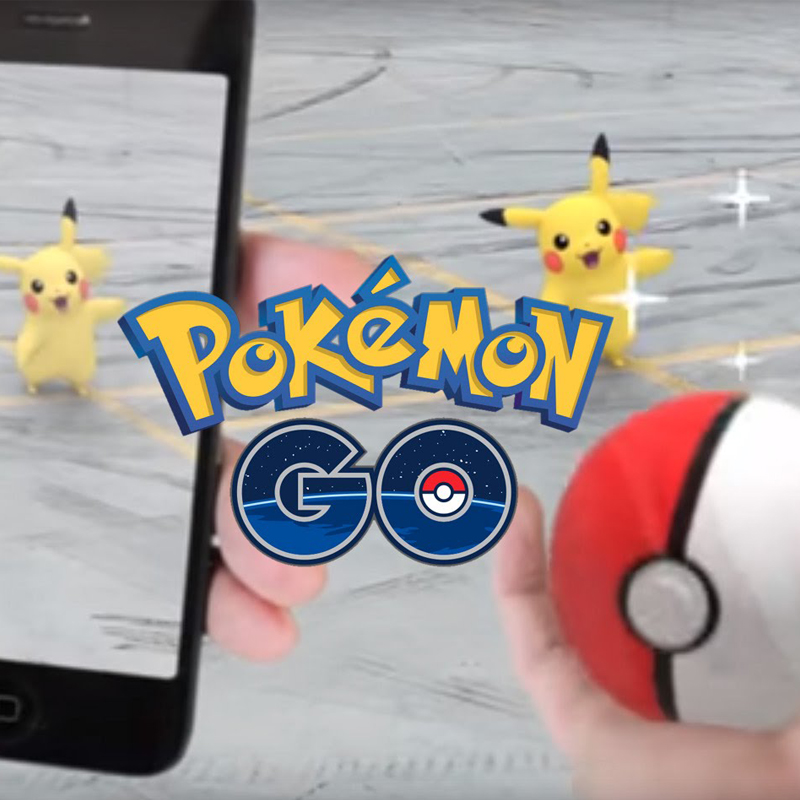
    MUMBAI: They are on the streets, right outside posh coffee shops, in temples and churches, in your offices, on your desk and are even invading your bedrooms, seducing you to catch ‘em all. And if you still don’t know about this illusive ‘them’, you are missing out on one of the biggest ‘game’ changers of this decade : this phenomenon called Pokemon Go.

    Quite like Schrodinger’s paradox, Pokemons are everywhere and nowhere at the same time — thanks to the ingenious fusion of Augmented Reality and Google Maps with gamification devised by  California based former Google startup Niantic.

    Folks at Niantic remastered their existing idea of a mobile game based on augmented reality (Ingress)  and launched  it on the back of the twenty year of Pokemon franchise that Nintendo co-owns. Nintendo, together with its affiliate Pokemon Co. and Google, last year had invested in Niantic. The game is both an opportunity as well as a leap of faith for Nintendo in the mobile game market given its initial reluctance to move away from console driven games.

    Eat, Catch, Play, Repeat:

    For the gaming and mobile marketing fraternity  and brands at large it is a success story worth taking notes of.  Since the game launched in select countries on 6 July, it has reportedly rivaled social media giant Twitter in daily use  as per SimilarWeb, and jumped to become the most downloaded app on Google Play in the US.

    Nintendo basked in this sudden craze for the game and saw its stock pricing skyrocketing and gaining 86 percent since its US launch earlier this month, adding $39 billion to its market value as of Tuesday’s stock market close as reported by Reuters. And that is after the prices showed cooling down after the initial doubling of the share rates. Nonetheless, Nintendo has surpassed long time rival and technology ace Sony.

    All this, and the app hasn’t even been officially launched across the world and is currently officially limited to only 26 countries.

    But that hasn’t stopped Pokemon lovers and Nintendo loyalists from downloading the app outside Google Play and iTunes. India too has joined the bandwagon.

    Suddenly teenagers and young adults are walking away from stores with discounted limited edition items in a mall and flocking to a mirage-like ‘Pokestop’ that is only virtually visible to them through their smartphones. People are taking breaks during lunch hours to hunt for Pokemons around their workplace.

    In fact, the game’s popularity has also earned it a viral ‘Pokemons Of New York’ page on the social media, quite in tandem with the famous ‘Humans Of New York.’ Creators of the page — Abhishek Singh Kadian, Avish Revis, Abhi Nash, and Aakash Shah hailing from different parts of the country — share that their largest traction come from  India.

    “Given the initial response brands are on my mind, but we need to feel that we have earned them (followers) enough. Therefore, first we  want some good content out there,” shared Kadian.

    If all these facts and figures don’t impress you, wait till you hear of the number of marketing possibilities the game has for your brand.

    A dream IP for marketers:

    According to MindShift Interactive  creative lead Randal Gomes,  the game may have made records on online usage, it’s the retail store owners and brands with an offline touch base with consumers that will reap the most benefits.

    “From a  brand perspective, there is an advantage to those who have an offline store. Because there is this thing called Pokestops in the game that attracts gamers to it. These are real world locations and could be anything from coffee shops to malls. In other words, stores or shops who don’t have a Pokestop have a disadvantage. Several shops in the US are doing some innovative ongoing marketing campaigns based on this. They are inviting people to come play Pokemon at the shops while they try out the products, and are even giving discounts and other gratifications to those who catch them. It is a wonderful way to engage consumers.”

    Another fine example how brands are leveraging the Pokemon fandom to gain traction for themselves is GOQii. The California based fitness band manufacturer founded by former Indiagames head honcho Vishal Gondal has used the game’s requirement for people to walk and hunt and given it a fitness twist. “We are organising Pokemon related events throughout the city where people are expected to turn up with the game installed and walk around to catch Pokemon Go. Along with that we have ‘Poke Trainers’ who will make you exercise and get healthy. Since GOQii is all about being fit and healthy, we are encouraging people to play the game to start walking,” shared Gondal.

    Nintendo is aware of the game’s implications for the advertising world and is quickly acting on it to monetise it in every possible way. Niantic CEO John Hanke has asserted that Niantic would augment the already significant revenue that the game is making from in-app purchases by allowing selective partners to become “sponsored locations” in the game. A sponsor can create “gyms” — where Pokémon can be battled or trained by gamers — at their retail store or locations, a move that could drive real-world traffic and potential sales to their business.

    Nintendo is in fact launching the app in Japan with its first sponsored location. McDonald’s will be the first launch partner in a tie-in that will see its 3,000 plus fast food restaurants across Japan become gyms for would-be Pokémon collectors. Given the talks of brand integration between the fast food giant and Pokemon Go and it’s Pokemon-branded Happy Meal sales, McDonald’s share prices in Japan have already seen positive growth. It is a take away for all the brands, especially those that target kids, to jump on the gravy train to sign merchandising deals with Pokemon Go.

    In India, the merchandising and licensing agency owned and operated by Jiggy George has already prepared a road map for licensing different product categories once Pokemon launches.  The agency is the answer to brands’ Pokemon Go related merchandising requirements, as it is representing  the franchise in India and South Asia. Recently, George, through an informal post on social media, has called in brands to add ‘Pokemon Power’ to  their portfolio.

    Meanwhile, there are also some marketers who prefer to wait out this initial craze to find real value to invest time, money and creative energy on the property.

    “Pokemon Go per se may or may not become a fad. More likely the former. So it is not about what would now brands do with this new shiny thing.  What Pokemon Go has done is to bring AR back into the mainstream conversations. Developers and marketers will now explore possibilities of AR in creating consumer engagement programs. In the short term, as the fever of Pokemon Go peaks, brands might use tactical methods to drive footfalls to designated areas or leverage some possibilities with virtual currencies,” said Maxus South Asia chief digital officer Unny Radhakrishnan.

    Pokemon trainers in the industry:

    As the old marketing gurus used to say, best marketing practices comes from real life experienced. Therefore, many within the industry are trying the game first hand.

    “We had some business visitors yesterday who said on their way to us somewhere around UB city etc, they also caught a few Pokemons. My nieces are going crazy over it as well. When Pokemon first happened to India in the 90s, I was a twenty something boy. It is interesting that the makers have revived what was an old video game on the back of smartphones and made it app based and therefore more relevant for today’s generation. Would Kingfisher do any integration with the franchise or do anything Pokemon related? Too early to say. Honestly the game became popular overnight so we haven’t really sat around to discuss it in detail… so for now, we can’t tell,” United Beverages marketing SVP Samar Singh Sheikhawat shared.

    Folks at different agencies too are trying their hands at the game. Rediffusion Y & R India  president Dhunji S Wadia, informed that several at his agency have been enjoying the game. “Although I haven’t gotten into it very seriously, I have been fooling around the game with all the online content,” Wadia said. “It is definitely a rage. It is spreading like a wildfire in the States, and soon catching up in India. From what I have observed, two kinds of people are trying it out: the loyal teens and twenty somethings who are seriously getting into it and the adults and others who are emulating the former because it is cool to be associated with the game.”

    Leo Burnett India CCO Raj Deepak Das blamed his laziness for not being able to download the app. “Have been travelling a lot lately therefore haven’t really got around to download it.” But Das is on top of the game on anything Pokemon Go related. “I am constantly following the development on Twitter and Facebook. I am reading many interesting stories related to this and it is all very exciting,” Das revealed.

    While Das needs a spark of self motivation to join the hunt for Pokemons, the industry continues to keep its eyes trained on where Pokemon Go is headed. Some are already projecting its fate in India post the promised launched in September 2016, and are ‘hatching’ strategies to make the most of it.
  • Pokemon Go craze: A brand insight

    Pokemon Go craze: A brand insight

    MUMBAI: They are on the streets, right outside posh coffee shops, in temples and churches, in your offices, on your desk and are even invading your bedrooms, seducing you to catch ‘em all. And if you still don’t know about this illusive ‘them’, you are missing out on one of the biggest ‘game’ changers of this decade : this phenomenon called Pokemon Go.

    Quite like Schrodinger’s paradox, Pokemons are everywhere and nowhere at the same time — thanks to the ingenious fusion of Augmented Reality and Google Maps with gamification devised by  California based former Google startup Niantic.

    Folks at Niantic remastered their existing idea of a mobile game based on augmented reality (Ingress)  and launched  it on the back of the twenty year of Pokemon franchise that Nintendo co-owns. Nintendo, together with its affiliate Pokemon Co. and Google, last year had invested in Niantic. The game is both an opportunity as well as a leap of faith for Nintendo in the mobile game market given its initial reluctance to move away from console driven games.

    Eat, Catch, Play, Repeat:

    For the gaming and mobile marketing fraternity  and brands at large it is a success story worth taking notes of.  Since the game launched in select countries on 6 July, it has reportedly rivaled social media giant Twitter in daily use  as per SimilarWeb, and jumped to become the most downloaded app on Google Play in the US.

    Nintendo basked in this sudden craze for the game and saw its stock pricing skyrocketing and gaining 86 percent since its US launch earlier this month, adding $39 billion to its market value as of Tuesday’s stock market close as reported by Reuters. And that is after the prices showed cooling down after the initial doubling of the share rates. Nonetheless, Nintendo has surpassed long time rival and technology ace Sony.

    All this, and the app hasn’t even been officially launched across the world and is currently officially limited to only 26 countries.

    But that hasn’t stopped Pokemon lovers and Nintendo loyalists from downloading the app outside Google Play and iTunes. India too has joined the bandwagon.

    Suddenly teenagers and young adults are walking away from stores with discounted limited edition items in a mall and flocking to a mirage-like ‘Pokestop’ that is only virtually visible to them through their smartphones. People are taking breaks during lunch hours to hunt for Pokemons around their workplace.

    In fact, the game’s popularity has also earned it a viral ‘Pokemons Of New York’ page on the social media, quite in tandem with the famous ‘Humans Of New York.’ Creators of the page — Abhishek Singh Kadian, Avish Revis, Abhi Nash, and Aakash Shah hailing from different parts of the country — share that their largest traction come from  India.

    “Given the initial response brands are on my mind, but we need to feel that we have earned them (followers) enough. Therefore, first we  want some good content out there,” shared Kadian.

    If all these facts and figures don’t impress you, wait till you hear of the number of marketing possibilities the game has for your brand.

    A dream IP for marketers:

    According to MindShift Interactive  creative lead Randal Gomes,  the game may have made records on online usage, it’s the retail store owners and brands with an offline touch base with consumers that will reap the most benefits.

    “From a  brand perspective, there is an advantage to those who have an offline store. Because there is this thing called Pokestops in the game that attracts gamers to it. These are real world locations and could be anything from coffee shops to malls. In other words, stores or shops who don’t have a Pokestop have a disadvantage. Several shops in the US are doing some innovative ongoing marketing campaigns based on this. They are inviting people to come play Pokemon at the shops while they try out the products, and are even giving discounts and other gratifications to those who catch them. It is a wonderful way to engage consumers.”

    Another fine example how brands are leveraging the Pokemon fandom to gain traction for themselves is GOQii. The California based fitness band manufacturer founded by former Indiagames head honcho Vishal Gondal has used the game’s requirement for people to walk and hunt and given it a fitness twist. “We are organising Pokemon related events throughout the city where people are expected to turn up with the game installed and walk around to catch Pokemon Go. Along with that we have ‘Poke Trainers’ who will make you exercise and get healthy. Since GOQii is all about being fit and healthy, we are encouraging people to play the game to start walking,” shared Gondal.

    Nintendo is aware of the game’s implications for the advertising world and is quickly acting on it to monetise it in every possible way. Niantic CEO John Hanke has asserted that Niantic would augment the already significant revenue that the game is making from in-app purchases by allowing selective partners to become “sponsored locations” in the game. A sponsor can create “gyms” — where Pokémon can be battled or trained by gamers — at their retail store or locations, a move that could drive real-world traffic and potential sales to their business.

    Nintendo is in fact launching the app in Japan with its first sponsored location. McDonald’s will be the first launch partner in a tie-in that will see its 3,000 plus fast food restaurants across Japan become gyms for would-be Pokémon collectors. Given the talks of brand integration between the fast food giant and Pokemon Go and it’s Pokemon-branded Happy Meal sales, McDonald’s share prices in Japan have already seen positive growth. It is a take away for all the brands, especially those that target kids, to jump on the gravy train to sign merchandising deals with Pokemon Go.

    In India, the merchandising and licensing agency owned and operated by Jiggy George has already prepared a road map for licensing different product categories once Pokemon launches.  The agency is the answer to brands’ Pokemon Go related merchandising requirements, as it is representing  the franchise in India and South Asia. Recently, George, through an informal post on social media, has called in brands to add ‘Pokemon Power’ to  their portfolio.

    Meanwhile, there are also some marketers who prefer to wait out this initial craze to find real value to invest time, money and creative energy on the property.

    “Pokemon Go per se may or may not become a fad. More likely the former. So it is not about what would now brands do with this new shiny thing.  What Pokemon Go has done is to bring AR back into the mainstream conversations. Developers and marketers will now explore possibilities of AR in creating consumer engagement programs. In the short term, as the fever of Pokemon Go peaks, brands might use tactical methods to drive footfalls to designated areas or leverage some possibilities with virtual currencies,” said Maxus South Asia chief digital officer Unny Radhakrishnan.

    Pokemon trainers in the industry:

    As the old marketing gurus used to say, best marketing practices comes from real life experienced. Therefore, many within the industry are trying the game first hand.

    “We had some business visitors yesterday who said on their way to us somewhere around UB city etc, they also caught a few Pokemons. My nieces are going crazy over it as well. When Pokemon first happened to India in the 90s, I was a twenty something boy. It is interesting that the makers have revived what was an old video game on the back of smartphones and made it app based and therefore more relevant for today’s generation. Would Kingfisher do any integration with the franchise or do anything Pokemon related? Too early to say. Honestly the game became popular overnight so we haven’t really sat around to discuss it in detail… so for now, we can’t tell,” United Beverages marketing SVP Samar Singh Sheikhawat shared.

    Folks at different agencies too are trying their hands at the game. Rediffusion Y & R India  president Dhunji S Wadia, informed that several at his agency have been enjoying the game. “Although I haven’t gotten into it very seriously, I have been fooling around the game with all the online content,” Wadia said. “It is definitely a rage. It is spreading like a wildfire in the States, and soon catching up in India. From what I have observed, two kinds of people are trying it out: the loyal teens and twenty somethings who are seriously getting into it and the adults and others who are emulating the former because it is cool to be associated with the game.”

    Leo Burnett India CCO Raj Deepak Das blamed his laziness for not being able to download the app. “Have been travelling a lot lately therefore haven’t really got around to download it.” But Das is on top of the game on anything Pokemon Go related. “I am constantly following the development on Twitter and Facebook. I am reading many interesting stories related to this and it is all very exciting,” Das revealed.

    While Das needs a spark of self motivation to join the hunt for Pokemons, the industry continues to keep its eyes trained on where Pokemon Go is headed. Some are already projecting its fate in India post the promised launched in September 2016, and are ‘hatching’ strategies to make the most of it.

  • ‘Summer Getaways with Google’ with travel junkie Neha Dixit on NDTV Good Times

    ‘Summer Getaways with Google’ with travel junkie Neha Dixit on NDTV Good Times

    MUMBAI: NDTV Good Times brings a special episode, Summer Getaways with Google with travel junkie Neha Dixit. So, what is your idea of an ideal summer getaway, a relaxing spa session or an easy breezy game of golf, parking yourself on a comfortable couch with a remote – or a favourite movie and popcorn to munch on? Or is it like Neha Dixit’s, getting up and getting out there. Going someplace you have never been before, trying a cuisine you have never tasted before and creating memories that you haven’t before.

    Neha Dixit will drive to the beautiful, clean and green city of Chandigarh and mesmerizing mountains of Kasauli. For audiences who are looking to explore the weekend getaway, Neha will share some great travel hacks that can ease out their weekend trip to these places.

    The excitement has just begun, all you have to do is sit back, relax and watch the show to make your own Travel Bucket List, a little longer. The show discovers the ultimate to-do list for travel lovers as Neha will explore the weekend destination.

  • ‘Summer Getaways with Google’ with travel junkie Neha Dixit on NDTV Good Times

    ‘Summer Getaways with Google’ with travel junkie Neha Dixit on NDTV Good Times

    MUMBAI: NDTV Good Times brings a special episode, Summer Getaways with Google with travel junkie Neha Dixit. So, what is your idea of an ideal summer getaway, a relaxing spa session or an easy breezy game of golf, parking yourself on a comfortable couch with a remote – or a favourite movie and popcorn to munch on? Or is it like Neha Dixit’s, getting up and getting out there. Going someplace you have never been before, trying a cuisine you have never tasted before and creating memories that you haven’t before.

    Neha Dixit will drive to the beautiful, clean and green city of Chandigarh and mesmerizing mountains of Kasauli. For audiences who are looking to explore the weekend getaway, Neha will share some great travel hacks that can ease out their weekend trip to these places.

    The excitement has just begun, all you have to do is sit back, relax and watch the show to make your own Travel Bucket List, a little longer. The show discovers the ultimate to-do list for travel lovers as Neha will explore the weekend destination.

  • Spuul is now available on Amazon Fire TV and Android TV

    Spuul is now available on Amazon Fire TV and Android TV

    MUMBAI: The VOD platform for Indian and regional content Spuul will now be available on Amazon’s Fire TV and Android TV as an application. The app can be downloaded from the Amazon store and Android Play stores. lt will also be available on other devices such as Kindle, Fire Stick and Fire Phone.

    “With multiple devices and multiple platforms, it’s getting increasingly difficult for consumers to maintain different accounts on different applications and different devices. The Amazon Fire TV and Android TV apps are a step further in make streaming content a smooth, seamless experience for our viewers. Spuul lets you browse through a variety of movies on your phone, tablet, laptop, e-reader or TV wherever you go”, says Spuul Global CEO Subin Subaiah.

    Viewers can link their existing Spuul account with the Amazon Fire TV app and Android TV app whereas new users can sign up on using their existing Facebook account.

    While the interface of both the apps looks simplified and user friendly, it has been designed keeping in mind the appearance of channels on a television set top box. To further enhance the experience, the apps are also entirely remote controlled. While Android TV users can log in with either their Facebook or Google accounts, Amazon users are free to use their gaming controllers as remotes for the Fire TV app too.

    The apps are designed with built-in features such as regular updates of latest Hindi, Tamil, Punjabi and other Indian regional language titles. Through this app, Spuul’s 12 million (1.2 crore) viewers across India, Pakistan, UK, US, Australia, New Zealand and Middle East will now enjoy fresh Indian content anytime and anywhere.

  • Spuul is now available on Amazon Fire TV and Android TV

    Spuul is now available on Amazon Fire TV and Android TV

    MUMBAI: The VOD platform for Indian and regional content Spuul will now be available on Amazon’s Fire TV and Android TV as an application. The app can be downloaded from the Amazon store and Android Play stores. lt will also be available on other devices such as Kindle, Fire Stick and Fire Phone.

    “With multiple devices and multiple platforms, it’s getting increasingly difficult for consumers to maintain different accounts on different applications and different devices. The Amazon Fire TV and Android TV apps are a step further in make streaming content a smooth, seamless experience for our viewers. Spuul lets you browse through a variety of movies on your phone, tablet, laptop, e-reader or TV wherever you go”, says Spuul Global CEO Subin Subaiah.

    Viewers can link their existing Spuul account with the Amazon Fire TV app and Android TV app whereas new users can sign up on using their existing Facebook account.

    While the interface of both the apps looks simplified and user friendly, it has been designed keeping in mind the appearance of channels on a television set top box. To further enhance the experience, the apps are also entirely remote controlled. While Android TV users can log in with either their Facebook or Google accounts, Amazon users are free to use their gaming controllers as remotes for the Fire TV app too.

    The apps are designed with built-in features such as regular updates of latest Hindi, Tamil, Punjabi and other Indian regional language titles. Through this app, Spuul’s 12 million (1.2 crore) viewers across India, Pakistan, UK, US, Australia, New Zealand and Middle East will now enjoy fresh Indian content anytime and anywhere.

  • Brands ride the social media wave during IPL 9

    Brands ride the social media wave during IPL 9

    MUMBAI: Come a new Indian Premiere League season and every sponsor and brand associate is ready to go all guns blazing and make the best out of every penny they have invested in this magnum opus of a cricketing tournament.

    According to reports, somewhere between Rs 1000 crore to Rs 1,200 crore is being spent on advertising and sponsorship this IPL season. With over 80 sponsors riding on, there is no doubt that the campaign space surrounding IPL 9 is nothing short of war zone. To cut above the noise, brands are looking to digital media to allow them to be innovative with their brand communication. Having a branding presence on the jersey or standing out with on ground sponsorship is no longer enough to feel reassured at your marketing efforts, unless it is packaged effectively with online engagement with IPL fans, because 70 per cent fans bring their mobile devices to share in stadia experiences and 46 percent mobile internet users search for sporting events and news (Source: ESP Properties- SportzPower Report 2016).

    Therefore social media platforms such as Facebook, Twitter and Instagram are playing a major role in leveraging the brand’s online presence this IPL season. At the same time, thanks to IPL, the over conversations and user engagements on these social media platforms have also increased manifold.

    “After a successful partnership at the previous IPL edition where more than 29 million (2.9 crore) people engaged on Facebook, for the first time this season IPL, fans can support their favourite teams by adding exclusive frames – something that fans have already done more that 7.5 million (75 lakh) times so far. People will also have an opportunity to express their support through exciting features like dedicated prompts featuring an all new custom icon to let their friends know they’re watching the game. With Facebook Live fans are able to get closer to the action than ever before and on match days fans can watch videos and see images directly from the stadium and relive key moments from the IPL Facebook page and Instagram accounts,” shared Facebook India sports — strategic partner development head Asha Thacker.

    Twitter is the other social media giant that is driving the brands’ digital presence this IPL. YouTube, on the other hand, redefines the experience of watching and enjoying IPL through live chat making it more social and further integrating it with Google+.

    To keep their fans engaged popular cricket stars such as Virat Kohli and Yuvraj Sigh are also actively present on social media, driving the fanfare. As per data collected from Instagram, Top Players on Instagram were Virat Kolhi with 3 million impressions (30 lakh), followed by AB de Villiers and Yuvraj Singh with 1 million (10 lakh) impression each. When it came to Facebook, the most popular player is Virat Kolhi, with Yuvraj Singh on the second spot and Rohit Sharma as third.

    Unlike last few seasons of IPL, it isn’t the title sponsor that is making the most impressions on social media during IPL season 9 till now, but Vodafone, which is stealing the online show with its aggressive digital marketing. According to Maxus’ MESH data, Vodafone continues to be at the number one spot with its new ‘Super Dad’ spot that promotes SuperNet. It was the most talked about ad in between 30th April and 6 May with a clear lead from the rest of the contenders when it comes to driving online presence. Its hashtags #hakkeBakke and #besuper hashtag got attention on Twitter, too.

    The brand has also launched the SuperFan contest which it is promoting through a dedicated microsite. Using Facebook to its advantage, Vodafone has launched several Facebook only content on its pages, where winners of the contest can share their ‘Superfan Life’ photos and videos.

    Title sponsor Vivo has its own innovative way to grab the attention of the netizens. Riding on the popular culture of betting and predictions amongst cricket fans, the Chinese technology giant has started an interactive website VIVO Power Play that allows users to predict winners of every match. The brand is heavily promoting its ‘gaming’ platform through Twitter, Facebook and other social media platforms.

    Moreover the brand’s recently launched campaign Ek India Happywalla also garnered huge traction through social media making it the second most talked about campaign between April 30 and 6 May.

    Apart from VIVO, several other mobile manufacturers are also using the IPL fanfare to their advantage to gain visibility in the market. A good example is Chinese manufacturer Oppo that has done an excellent job in marketing its new product, with the #OppoCameraPhone becoming the third most talked about campaign on the social media.

    United Breweries’ flagship alco beverage brand Kingfisher has also ensured a strong presence this IPL season by signing deals with multiple teams.
    In the two and a half weeks since the beginning of the season, Kingfisher has already integrated the use of Boomerang & MSQRD apps. Users have created their own content through these apps as responses to calls-to-action from the brand, which were then amplified through brand social handles. The annual brand cricket TVC, which has taken on an iconic status thanks to the Oo La La La Le O jingle, is pushed out to a focused target group through precise targeting and planning, making sure the #UnitedByGoodTimes message reaches a relevant audience.

    “Our association with Facebook is deeper and wider than ever before. Newer younger consumers are looking for compelling narratives, smarter technology and disruptive messaging. Not only are they digitally enabled, they are also mobile first. Kingfisher and Facebook have come together to address precisely this consumer behaviour over the biggest and most loved sporting event in India, cricket. Kingfisher fans can look forward to ‘’Money can’t buy’’ experiences on Facebook,” shared United Breweries, SVP Marketing, Samar Singh Sheikhawat.

    Not just the eCommerce and digitally inclined brands like Kingfisher which focus on youth, but several FMCG brands like associate sponsor of Rising Pune Supergiants, Cargill Foods India, has joined the digital marketing bandwagon this season with their association with the sporting league.

    “We have initiated several promotions on digital platforms to engage with our consumers and with the trade community. The Gemini Facebook page has a lot of content on the IPL season. We have also done activation for Cargill employees, wherein players’ cut-outs are placed at multiple locations in our offices. People can click pictures and share the same on their social network by tagging the Gemini page and stand a chance to win prizes. Apart from this, we are also running a recipe contest on our Facebook and YouTube pages. The winning entry will get a chance to make the Pune team members taste their recipe,” said Cargill Foods India CMO Neelima Burra.

    Brand IPL has itself maintained a strong presence on social networks this season. Between April 7 to April 20, Facebook witnessed 8 million (80 lakh) Profile Frames being used as this is also the first time this season IPL Fans can support their favourite teams by adding exclusive frames. Moreover 14.2 million (1.42 crore) people generated 111 million (11.1 crore) interactions around the Indian Premier League.

  • Brands ride the social media wave during IPL 9

    Brands ride the social media wave during IPL 9

    MUMBAI: Come a new Indian Premiere League season and every sponsor and brand associate is ready to go all guns blazing and make the best out of every penny they have invested in this magnum opus of a cricketing tournament.

    According to reports, somewhere between Rs 1000 crore to Rs 1,200 crore is being spent on advertising and sponsorship this IPL season. With over 80 sponsors riding on, there is no doubt that the campaign space surrounding IPL 9 is nothing short of war zone. To cut above the noise, brands are looking to digital media to allow them to be innovative with their brand communication. Having a branding presence on the jersey or standing out with on ground sponsorship is no longer enough to feel reassured at your marketing efforts, unless it is packaged effectively with online engagement with IPL fans, because 70 per cent fans bring their mobile devices to share in stadia experiences and 46 percent mobile internet users search for sporting events and news (Source: ESP Properties- SportzPower Report 2016).

    Therefore social media platforms such as Facebook, Twitter and Instagram are playing a major role in leveraging the brand’s online presence this IPL season. At the same time, thanks to IPL, the over conversations and user engagements on these social media platforms have also increased manifold.

    “After a successful partnership at the previous IPL edition where more than 29 million (2.9 crore) people engaged on Facebook, for the first time this season IPL, fans can support their favourite teams by adding exclusive frames – something that fans have already done more that 7.5 million (75 lakh) times so far. People will also have an opportunity to express their support through exciting features like dedicated prompts featuring an all new custom icon to let their friends know they’re watching the game. With Facebook Live fans are able to get closer to the action than ever before and on match days fans can watch videos and see images directly from the stadium and relive key moments from the IPL Facebook page and Instagram accounts,” shared Facebook India sports — strategic partner development head Asha Thacker.

    Twitter is the other social media giant that is driving the brands’ digital presence this IPL. YouTube, on the other hand, redefines the experience of watching and enjoying IPL through live chat making it more social and further integrating it with Google+.

    To keep their fans engaged popular cricket stars such as Virat Kohli and Yuvraj Sigh are also actively present on social media, driving the fanfare. As per data collected from Instagram, Top Players on Instagram were Virat Kolhi with 3 million impressions (30 lakh), followed by AB de Villiers and Yuvraj Singh with 1 million (10 lakh) impression each. When it came to Facebook, the most popular player is Virat Kolhi, with Yuvraj Singh on the second spot and Rohit Sharma as third.

    Unlike last few seasons of IPL, it isn’t the title sponsor that is making the most impressions on social media during IPL season 9 till now, but Vodafone, which is stealing the online show with its aggressive digital marketing. According to Maxus’ MESH data, Vodafone continues to be at the number one spot with its new ‘Super Dad’ spot that promotes SuperNet. It was the most talked about ad in between 30th April and 6 May with a clear lead from the rest of the contenders when it comes to driving online presence. Its hashtags #hakkeBakke and #besuper hashtag got attention on Twitter, too.

    The brand has also launched the SuperFan contest which it is promoting through a dedicated microsite. Using Facebook to its advantage, Vodafone has launched several Facebook only content on its pages, where winners of the contest can share their ‘Superfan Life’ photos and videos.

    Title sponsor Vivo has its own innovative way to grab the attention of the netizens. Riding on the popular culture of betting and predictions amongst cricket fans, the Chinese technology giant has started an interactive website VIVO Power Play that allows users to predict winners of every match. The brand is heavily promoting its ‘gaming’ platform through Twitter, Facebook and other social media platforms.

    Moreover the brand’s recently launched campaign Ek India Happywalla also garnered huge traction through social media making it the second most talked about campaign between April 30 and 6 May.

    Apart from VIVO, several other mobile manufacturers are also using the IPL fanfare to their advantage to gain visibility in the market. A good example is Chinese manufacturer Oppo that has done an excellent job in marketing its new product, with the #OppoCameraPhone becoming the third most talked about campaign on the social media.

    United Breweries’ flagship alco beverage brand Kingfisher has also ensured a strong presence this IPL season by signing deals with multiple teams.
    In the two and a half weeks since the beginning of the season, Kingfisher has already integrated the use of Boomerang & MSQRD apps. Users have created their own content through these apps as responses to calls-to-action from the brand, which were then amplified through brand social handles. The annual brand cricket TVC, which has taken on an iconic status thanks to the Oo La La La Le O jingle, is pushed out to a focused target group through precise targeting and planning, making sure the #UnitedByGoodTimes message reaches a relevant audience.

    “Our association with Facebook is deeper and wider than ever before. Newer younger consumers are looking for compelling narratives, smarter technology and disruptive messaging. Not only are they digitally enabled, they are also mobile first. Kingfisher and Facebook have come together to address precisely this consumer behaviour over the biggest and most loved sporting event in India, cricket. Kingfisher fans can look forward to ‘’Money can’t buy’’ experiences on Facebook,” shared United Breweries, SVP Marketing, Samar Singh Sheikhawat.

    Not just the eCommerce and digitally inclined brands like Kingfisher which focus on youth, but several FMCG brands like associate sponsor of Rising Pune Supergiants, Cargill Foods India, has joined the digital marketing bandwagon this season with their association with the sporting league.

    “We have initiated several promotions on digital platforms to engage with our consumers and with the trade community. The Gemini Facebook page has a lot of content on the IPL season. We have also done activation for Cargill employees, wherein players’ cut-outs are placed at multiple locations in our offices. People can click pictures and share the same on their social network by tagging the Gemini page and stand a chance to win prizes. Apart from this, we are also running a recipe contest on our Facebook and YouTube pages. The winning entry will get a chance to make the Pune team members taste their recipe,” said Cargill Foods India CMO Neelima Burra.

    Brand IPL has itself maintained a strong presence on social networks this season. Between April 7 to April 20, Facebook witnessed 8 million (80 lakh) Profile Frames being used as this is also the first time this season IPL Fans can support their favourite teams by adding exclusive frames. Moreover 14.2 million (1.42 crore) people generated 111 million (11.1 crore) interactions around the Indian Premier League.