Tag: Google

  • GUEST ARTICLE: Is Google’s pilot project on fantasy sports likely to alter the course of online gaming?

    GUEST ARTICLE: Is Google’s pilot project on fantasy sports likely to alter the course of online gaming?

    Mumbai: Fantasy sports began in 1962 with a football fantasy league. Since then, its popularity has skyrocketed, mainly due to superior connectivity, dynamic needs for social interaction, the availability of avant-garde smartphones, enhanced demographics, a spike in disposable income, and an expansion in the youth population base. The global fantasy sports market is anticipated to reach $34.66 billion by 2027, rising at a CAGR of 11.47 per cent.

    However, the Indian fantasy sports market gained popularity around two decades back in 2001, when ESPN Star Sports launched the ‘Super Selector Fantasy Game.’ The game’s popularity grew exponentially and garnered over 5,00,000 participants in 2003. The game was the brainchild of the current Fantasy Sports (FIFS) director general Joy Bhattacharjya.

    Fantasy sports participation has surged by 2,500 per cent over the last decade. The number alone demonstrates the enormous fan base of the niche domain in India. Fantasy sports are undoubtedly becoming a forum for crafting gaming strategies and boosting virtual sportsmanship. By the end of 2022, India will have over 829 million smartphone users, increasing the number of sports enthusiasts participating in fantasy sports. The present count of mobile gamers in India is 430 million. It is anticipated to grow to 650 million by 2025.

    With the advent of television, digital, and online gaming models leading to an increase in online gaming sites over the last several years, the gaming sector has undergone a radical transformation. According to an EY report, online gaming is the leading category in the entertainment sector, with a penetration rate of 55 per cent.

    What are Fantasy Sports?

    Fantasy sports are digital sports engagement platforms enabling users to strategically build virtual teams with proxies of actual sports players participating in a forthcoming match (or match-day). The competition in these DFS (Daily Fantasy Sports) platforms is based on the real-world statistical performances of these players in one full, officially sanctioned sports match. The users act as the coach or manager, possessing the authority to drop, recruit, or trade a player they desire.

    Proper knowledge of the sport, an adept understanding of the weather and ground conditions, and a cognisance of the real-life sports person’s strengths and weaknesses are crucial to selecting the fantasy squad.

    “Games Of Skill” vs “Games Of Chance”

    The gaming industry in India is segmented into the offline gaming sector (gaming clubs & casinos) and the online gaming sector (gaming websites). Business entities constitute almost the entire chunk of operators in the abovementioned segments. These entities are registered as private limited companies in India.

    Furthermore, the Indian legislation has bifurcated the gaming industry into two broad divisions, viz., “games of skill” and “games of chance,” to regulate the industry’s monetary offerings.

    A skill-based game is one wherein the outcome primarily depends on the players’ skills and not on a chance event. They are, hence, considered legal in social settings, clubs, casinos, and online. The popular online games in India that are recognised as games of skill include horse racing, rummy, and fantasy sports.

    On the contrary, “Games of Chance” depend on luck and advocate gambling. Thus, they are prohibited, and the practise can lead to legal repercussions.

    But Google has now decided to run a “limited-time application-only pilot programme permitting real-money games (RMG) like DFS (Daily Fantasy Sports) and rummy apps by developers incorporated in India to be distributed to users on the Google Play Store in India. The pilot run will start on 28 September 2022, and through 28 September 2023.

    All applicants must complete the application process successfully to be accepted to participate in the pilot programme and will be eligible to distribute their apps on Google Play for the duration mentioned earlier.

    The reason Google cited for making this significant move is to keep in mind the rapid evolution of the fantasy gaming sector and gather sufficient data about any potential user damage and the security of such apps. The unpredictable nature of the regulatory landscape in the online gaming industry has been very evident in the past. Several states, including Telangana, Andhra Pradesh, and Odisha, among others, have outlawed fantasy gaming apps despite favourable rulings by the Supreme Court and other high courts that they are games of skill and are, therefore, legitimate.

    Developers must ensure that users dwelling in jurisdictions where DFS and rummy apps are not allowed and are refrained from accessing their apps.

    Will Google’s temporary nod to RMG games on Play Store be a game changer?

    The introduction of fantasy games on Google Play could be a revolutionary move impacting app developers and users. It would definitely help the industry grow much faster, increasing awareness of these games and consequently boosting user participation. The move would also expand the Play Store’s user base by reaching out to gamers who were previously unable to access these games on the store.

    However, it will be an arduous task for Google to retain its user base and developers and simultaneously adhere to government and other internal policies.

    The developers chosen for the test programme won’t be able to leverage Google’s in-app payment system; instead, they will need to provide substitute third-party billing options within their apps. Google will adhere to its service fee policy for similar apps globally and will not add a commission to transactions done on these apps.

    Earlier this week, Google released a statement mentioning that, as part of a pilot initiative, it will permit developers of non-gaming Android apps from several nations, including India, to provide third-party payment choices, reducing the service fee of 15–30 per cent by four per cent.

    Current scenario and the way forward

    With a user base of 13 crores, India is the fastest-growing FS market, with a CAGR of 32 per cent expected in the coming years. In other words, the industry is projected to grow from Rs 34,600 crore in FY21 to an estimated Rs 1,65,000 crore by FY25, per FIFS estimates. 50 per cent of transactions on FS platforms are initiated from tier two and three cities.

    Cricket, with a whopping 85 percent market share, captured the most significant chunk of the fantasy gaming universe, followed by soccer, hockey, and others. Cricket is anticipated to generate Rs 73,000 crore of CEA for FSPs by FY25, up from Rs 25,000 crore in FY21. The critical user demographic falls into the 25–40-year bracket (59 per cent of the total user base). One of the key findings is that 80 per cent of fantasy sports users participate in free contests.

    Skill-gaming operators must adopt and enforce a high degree of governance and self-regulation in light of the current regulatory environment. The industry has taken or proposed several steps, such as interacting with stakeholders and users to get a clear picture of the needs and expectations after identifying the necessity for self-regulation.

    The trailblazing growth of fantasy sports with every passing day has attracted investments of over $112 million in the past five years. The industry has garnered foreign direct investment of Rs 10,000 crore so far and is expected to attract over Rs 15,000 crore over the next three years.

    The introduction of 5G would alleviate technical disruptions and eliminate latency and low concurrency problems, enabling a broader user base to participate in a tighter-knit gaming community. The transition to 5G, alongside the incorporation of AR and VR into sports and cloud gaming, will pave the way for the next big wave.

    Additionally, the sector has significantly contributed to generating employment in the nation. By 2023, it is anticipated that the potential for growth in creating jobs will increase to more than 5,000 in direct employment and more than 7,000 in ancillary jobs.

    The author of this article is AdCounty Media global mobile business head Kumar Saurav.
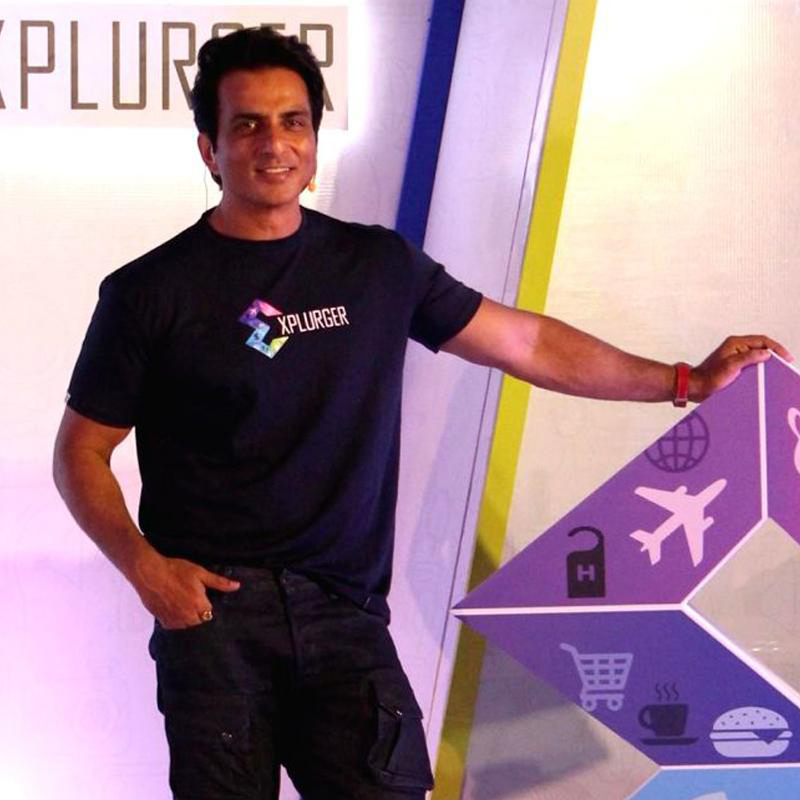
  • Explurger App downloaded by 1.3 mn users; expands footprint to 50+ countries

    Explurger App downloaded by 1.3 mn users; expands footprint to 50+ countries

    MUMBAI: Explurger, an AI-powered intuitive social media app that lets users connect and share their moments with friends and family online said that it has crossed several milestones in a short span of time. The gamified social media app has expanded its footprint to over 50 countries, been downloaded by 1.3 million users, and seen a three-fold increase with over 900,000 new members being added in just three months itself.

    Explurger App highlights:
    • Downloaded over a million times from the App Store and Play Store
    • Gained over 900,000 new users in three months
    • Over 226 million people have been invited by registered users
    • Users are on average spending 15-minutes on the app, which is at par with other popular social media apps
    • Over 612,897 ‘Explurger-ins’ (location check-ins) have been posted by users so far via the app
    • Users have cumulatively covered 63,179,971 miles, which is equivalent to circumnavigating the globe more than 2,537 times
    • A total of 190,794 rewards have been accessed through the app

    Till date, over 75 per cent of users who installed Explurger have synced their contacts with it, showing that they trust and enjoy this social media app and want their friends to join them as well. This has resulted in over 226 million invites being sent out by registered Explurger users to those who are not yet on this platform.

    Explurger founder & CEO Jitin Bhatia said, “Our sign-up rate increased substantially post-launch in June. We are seeing higher traction in engagement, with an increased number of posts per day. We appreciate the enthusiasm of our user community, which has steadily risen and has crossed the one million download mark in less than three months. There is no doubt the numbers will grow exponentially as our users continue inviting more people to come and create thriving travel communities on our platform.”

    Explurger also has an 80 per cent sign-up rate with an average engagement time of over 15 minutes, which is at par with other global social media apps. The app also claims to have a 90 per cent retention rate of users who have travelled over 1,000 miles and have AI-based travelogues in at least three cities.  

    “The bucket list has also turned out to be a popular feature in Explurger. If you see someone Explurge-in at an interesting place, you can add that place to your bucket list. This isn’t your run-of-the-mill bookmarking feature. The app will automatically remind you when you are in that area. So even if it happens after years and you have forgotten, Explurger will notify you that you had saved it in your list,” shared Explurger co-founder Sonu Sood.

    Explurger has been selected by Google as one of the top 100 promising startups and top 30 mobile startups in India. An AI-powered social media app with a gamified user experience, it lets users connect and share their moments with friends and family online. The app goes beyond just sharing pictures and videos, it uses cutting-edge AI to automatically create travelogues of the memories users share on their profile. Whenever a user creates a post or ‘Explurge-in’, the app’s AI updates the travelogue, so every mile, city, country, pub, and club gets added.

    Each user’s Explurger level goes up as in-app engagement increases, leading to more recognition on the platform. Users accrue rewards based on their activity, which in turn can be redeemed later. Currently, Explurger has more than 40 top brands on board as part of its rewards system and over 190,794 rewards have been accessed by users.

    Explurger has been part of the Appscale Academy, a growth and development programme launched by MeitY and Google, where Indian start-ups are mentored on building high-quality apps for a global audience. The social media start-up was also recently recognised by Google in its Top 10 Innovative Apps in India list.

  • GUEST ARTICLE: How marketers can free their digital campaigns from poor media quality

    GUEST ARTICLE: How marketers can free their digital campaigns from poor media quality

    Mumbai: India recently celebrated its 75th Independence Day—a notable landmark to look back at and cherish all the achievements of our young yet grandiose nation. Our march towards progress, led by our leaders, has witnessed the evolution of brand India. The influence of marketing strategies is evident in the making of brand India; especially, the smart and catchy “Atmanirbhar Bharat” movement. Now, countries have become brands and navigated their way to the hearts of the masses. However, it is important to note that marketers still face an uphill battle when it comes to achieving independence from poor media quality. A new Juniper Research study has found that the value of digital advertising spend lost to fraud will reach $68 billion globally in 2022, rising from $59 billion in 2021.

    Going with the theme of the month-Independence Day-let us look at a few solutions designed to help marketers overcome every challenge and take advantage of every opportunity that digital media presents to gain independence from poor media quality.

    Contextual targeting for stronger consumer connections: Google recently announced that cookie depreciation has been delayed to 2024, allowing more time for marketers to adapt and strategize for the seismic transition of cookie-less ad targeting. Advertisers need solutions for reaching their desired audiences in suitable spaces, and contextual targeting solutions deliver precision to maximise the impact without relying on third-party cookies. Artificial intelligence (AI) and machine learning (ML)-backed technology solutions comprehend content the way a human would, ensuring that your message reaches the consumers who will connect the most with your brand.

    Integral Ad Science (IAS) recently released a study titled “Ad Context & Attention” conducted in partnership with Tobii, the global leader in eye tracking and a pioneer in attention computing. The study revealed how increased consumer attention to contextually relevant ads leads to greater purchase intent and brand favorability. Contextual relevance was effective in generating a positive impact on brand engagement, favorability, and memorability. Key findings from the study are mentioned below:

        Contextual targeting strategies yield stronger consumer attention

        Contextually relevant ads drive outcomes, significantly boosting brand favorability and consumer purchase intent

        In-context ads generate higher memorability and increase brand recall and awareness among consumers

    More attention means better conversion: Marketers who rely heavily on digital advertising constantly emphasise the ever-increasing and high cost of digital advertising. Therefore, it becomes essential to understand and implement solutions that tackle low attention in digital marketing. For digital ads to make an impact, they need to be seen — not just served. However, as many as one-third of digital ads go unseen by consumers in certain environments.

    In today’s world, marketers need to reach the right consumers, in the right places, and in the appropriate context to help build a connection between the potential customers and the brand. Before this happens, ads need the opportunity to be viewable. To emphasise the importance of the environment or consumer interaction, a prime example is avoiding the placement of a car ad on a news report about a car crash. Such an ad placement is unsuitable for a car manufacturer. Interestingly, IAS’ research on whether media quality drives attention and outcomes uncovered that viewability and time-in-view have a medium correlation (which intuitively makes sense). Moreover, when only looking at impressions on contextually relevant pages (i.e., a Toyota ad on an automotive site), the correlation becomes more vital. For example, when we analysed the automotive vertical, we saw that when the context was relevant and optimised for viewability, there was an 8.3-second increase in time-in-view for every 10 per cent increase in viewability rates. This was 2.4x higher than in a non-optimized context.

    Here’s a preview of what we discovered:

        Time-in-view increases as viewability and brand safety increase

        57 per cent increase in conversions for viewable and brand-safe impressions compared to non-viewable and not safe

        171 per cent increase in conversions for impressions with time-in-view greater than 15 seconds

    Attention remains the bedrock of media quality assurance. The longer your ads are in front of consumers—in the right environment—the greater the opportunity to leave an impression.

    Use technology to optimise highly effective advertising campaigns: When you are building a brand and trying to establish a connection with a potential customer, every moment and impression counts. For example, total visibility, a solution from IAS, helps advertisers gain impression-level financial insights and media quality verification to find the true cost of flagged media. Total visibility saves advertisers an average of 24 per cent of the budget that would otherwise be lost in the supply chain.

    In addition, IAS’ automated tag solution with Google reduces tag wrapping time to seconds, provides mid-flight optimization, and streamlines reporting, so you can launch and modify campaigns faster.

    As automated ad sales gain traction and sophistication around the world, media quality levels will also rise. Programmatic solutions will help marketers and advertisers alike take their digital campaigns to the next level. For the modern-day marketer, it is imperative to know exactly where every rupee of their ad spend goes. With the right technology by your side, it becomes easier to maximise your media spending and minimise waste. To gain independence from poor media quality, marketers must take control by using technological solutions to ensure their digital advertising campaigns are highly efficient.

    The author of this article is IAS’ India lead for strategic partnerships Saurabh Khattar.

  • We keep talking about digital & technology, but at the end of the day it’ll always be about people: Dentsu’s Amit Wadhwa

    We keep talking about digital & technology, but at the end of the day it’ll always be about people: Dentsu’s Amit Wadhwa

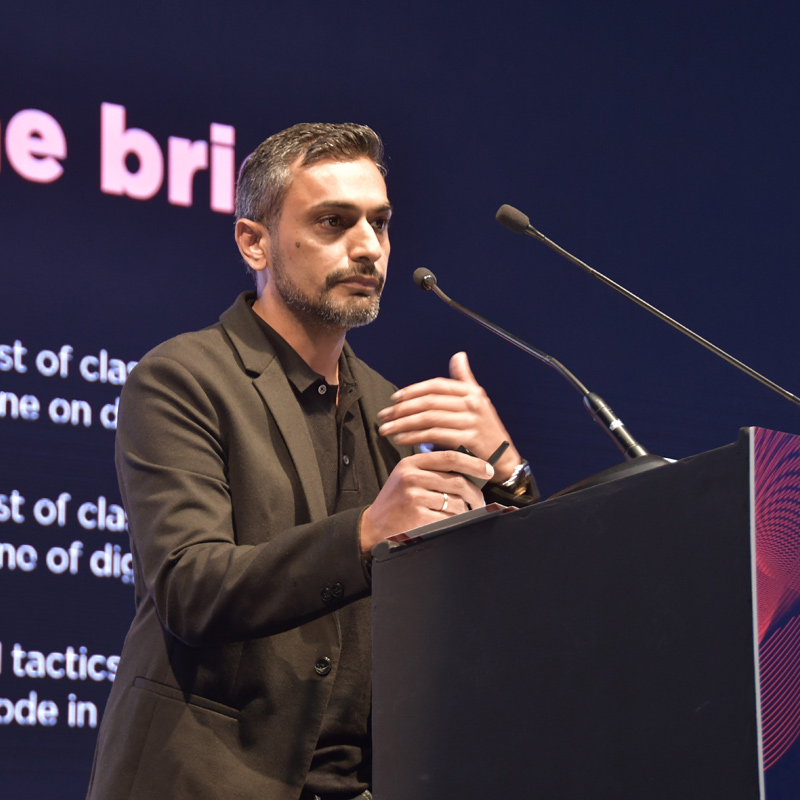
    Mumbai: The ever-changing digital ecosystem has altered the game of advertising and marketing as we once knew it. Digital marketing has developed into a significant platform for some profound work and brand case studies. Whether it’s digital or non-digital, every creative needs to emanate from a strong idea, said Dentsu Creative India CEO Amit Wadhwa, sharing his insights on the digital space and what works in the medium at the third edition of The Advertising Club’s D: CODE held recently in Mumbai.

    We keep talking about digital and technology, but this will always be about people at the end of the day, Wadhwa emphasised. “People are needed for ideas. People are needed to create technology. People are needed to run and understand the medium. That is the most important consideration.”

    At the Tac’s annual digital review, ten digital evangelists from the advertising and marketing fraternity shared key takeaways that brands and their digital custodians can make use of.

    Repersenting dentsu creative, the winner of the Agency Of The Year award at Cannes this year, Wadhwa shared the two pieces of work that stirred him. Or, in his own words, like a true advertising professional, he “stuck to the brief” – where the brief given was to showcase one best-of-class work from their own stable, along with one work that truly inspired them. He started with a creative coming from Dentsu’s stable, called The Protest March.

    Speaking about exactly why he chose this particular piece of work, Wadhwa said, “Who says protests have to be on the street… who says protests have to be violent or there has to be aggression? This is cricket and this is a protest-you can’t get a bigger and better idea.” More importantly, he added, this idea is digital at its core. The whole reason this is happening is that digital is there as a platform.

    Pointing out the third important element, Wadhwa said, “And I strongly believe in the third power—that’s purpose. I think it’s important for everything to have a purpose. And look at the purpose this one had. Taliban taking over, rights being taken away and I think you can’t have a stronger purpose than that.”

    Titled ‘The Protest Match’, the initiative recreated the Afghanistan women’s cricket team virtually, replicating the exact team that was unfairly banned from playing in real life. With an objective to pledge support and protest the injustice caused to the Afghan Women’s Cricket team, on 3 April 2022 – the day the ICC Women’s World Cup finals took place in New Zealand, Global eSports, in partnership with Isobar India Group, re-created the finals—one that could have happened.

    Talking about the next piece of work that inspired him, titled ‘Backup Ukraine,’ Wadhwa said, “When I went to Cannes this year, there was a team from Ukraine presenting this idea. And it hit me so hard that it remained with me.”

    The project was led by Virtue Worldwide, a Vice Media-owned creative agency, and centres on a digital and mobile platform that enables people in Ukraine to capture and digitally preserve 3D images of historical artefacts, monuments, and other culturally-relevant structures and objects at risk of being damaged or destroyed in light of the ongoing war with Russia. The tool employs technology developed by 3D imaging startup Polycam to create realistic digital replicas and store the digital blueprints of the artefacts they capture in the cloud.

    “I feel equally important to “what” we show on digital is “when” we show it. The timing is key,” Wadhwa said, adding that timing is key in any medium, but more so in digital.

    Wadhwa also mentioned how, nowadays, the brief itself states, ‘We want a stronger integration on digital.’ “I don’t think we need a stronger integration of digital—digital is all around us. If the idea is good, it will finally land on digital,” he asserted, adding that the moment you start trying too hard, you will see it going wrong somewhere.” Talking about the one thing that’s really spoiled us, Wadhwa says that with this medium, everything is possible, and that’s what the medium is all about.

  • 10 digital evangelists decode the digital mantra at The Advertising Club’s third edition of D:CODE

    10 digital evangelists decode the digital mantra at The Advertising Club’s third edition of D:CODE

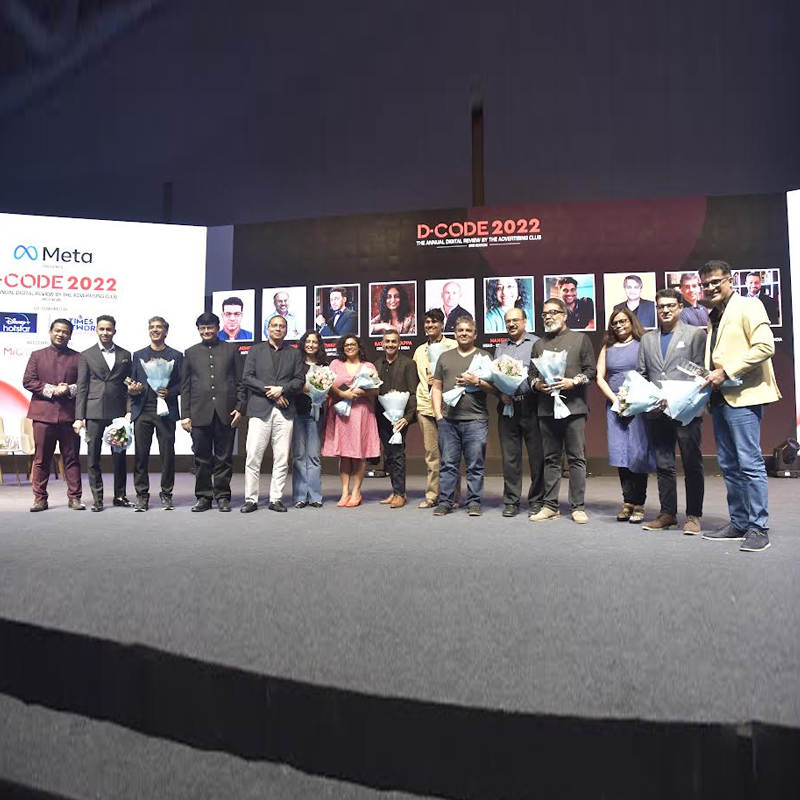
    Mumbai: Leaders from different digital domains, spanning publishers, marketers, new age digital companies, and creative and media agencies, gathered on 26 August at The Advertising Club’s third edition of D-CODE: The Annual Digital Review 2022 in Mumbai.

    The evening kicked off with tech professional turned stand-up comic turned compere for D-CODE 2022, Anshu Mor, who welcomed the attendees with a humorous anecdote narrating his real-life resignation story.

    Welcoming the attendees, The Advertising Club president Partha Sinha, emphasised how digital has become a game-changing medium for brands over the course of the last 10–15 years.

    Dentsu Creative CEO Amit Wadhwa kicked off the event as the first speaker, showcasing two case studies – ‘The Protest March’ and ‘Back Up Ukraine’—and prodded the audience to remember that we are still about people.

    S4 Capital CEO – APAC Michel de Rijk presented the Tata Tea example done for Independence Day and emphasised how the integration of data and content with technology enables agencies to create high-quality content overnight in just their own studio.

    ONDC chief business officer Shireesh Joshi articulated the vision and implications of the ONDC initiative for sellers, buyers, and every component and process along the e-commerce chain.

    Shedding light on the power of targeting and geolocation insights in campaigns, Jio Ads CEO Gulshan Verma enlightened the audience on the scale and solutions offered by JioAds.

    Talented founder P G Aditiya took the audience through the 55 steps that were involved in creating the Cannes 2022 Grand Prix winner, “The Unfiltered History Tour,” and emphasised the benefits of a long client-agency relationship in creating path-breaking campaigns.

    Following this was Disney+ Hotstar executive VP and CMO Sidharth Shakdher, who shared his thoughts on reversing the narrative of digital driving people apart by building a better consumer experience.

    YouTube India head of consumer marketing Mansha Tandon, spoke about shaping creativity with culture and trends in the digital space.

    Speaking next was luxury & lifestyle influencer Rizwan Bachav, who walked the audience through his journey, learning, and challenges in becoming an influencer.

    Sharing thoughts on how creativity can build brands, Starcom CEO Rathi Gangappa emphasised the need of being human in the age of digital transformation.

    Concluding the review, Meta marketing director Avinash Pant spoke about the evolution of social connections and the exponentially growing metaverse space empowering meaningful experiences.

    Addressing the evolving digital ecosystem at the third edition of D:CODE, Sinha said, “Digital marketing has gone on to become a game-changing phenomenon and the Advertising Club’s D:CODE is a testimony to our persistent efforts to create awareness and enhance the learning curve of the fraternity with insights and takeaways from the industry’s best digital minds. D:CODE has witnessed great case studies that have worked beyond the boardroom. As we move forward in this ever-evolving and competitive digital era, D-CODE will continue to become a significant platform with case studies that give profound experiences, transforming the way brand custodians especially approach their digital.”

    At the third edition of The Advertising Club’s annual digital review, the 10 digital evangelists from the advertising and marketing fraternity shared key takeaways that brands and their digital custodians can make use of.

  • D:CODE 2022 by The Advertising Club: Industry experts to share insights on rapid transformation of digital industry

    D:CODE 2022 by The Advertising Club: Industry experts to share insights on rapid transformation of digital industry

    Mumbai: The pandemic era which we passed through has seen an interesting shift in consumer behaviour towards small businesses and homegrown brands. This has fueled the need and importance of digital marketing as a platform to connect and reach out to more consumers. Owing to this accelerated business and rapid consumer shift towards digital, The Advertising Club is once again back with its third edition of D:CODE 2022, India’s Annual Digital Review.

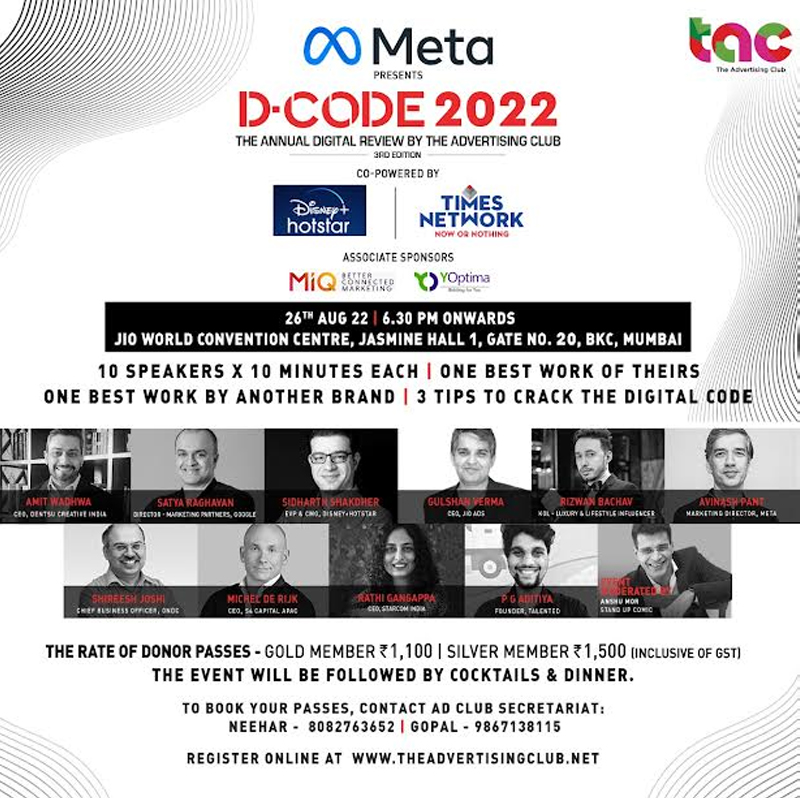
    The Advertising Club’s third edition of D:CODE 2022, presented by Meta, will take place on 26 August 2022, at the Jio World Convention Centre in Mumbai, beginning at 6:30 p.m. Following the phenomenal success of the first two editions, the upcoming edition will see the best minds in digital, media, and marketing come together to address the evolving digital ecosystem.

    D:CODE 2022 will see the following 10 industry leaders, including Dentsu Creative chief executive officer Amit Wadhwa; Google director-marketing partners Satya Raghavan; Hotstar executive VP and CMO Sidharth Shakdher; Jio Ads CEO Gulshan Verma; Luxury & Lifestyle Influencer and I-banking professional turned KOL Rizwan Bachav; Meta marketing director Avinash Pant; ONDC chief business officer Shireesh Joshi; S4 Capital chief executive officer-APAC Michel de Rijk; Starcom CEO Rathi Gangappa and Talented founder P G Aditiya. They will cover three areas in 10 minutes each: their own work they are proud of; the work of other brands that inspired them; and tips to crack the digital code in the year ahead.

    Speaking about the third edition of the review, The Advertising Club president Partha Sinha, said, “The Advertising Club has been at the leading edge in driving several pioneering initiatives that truly define the current state of the media and advertising industry. With sustained efforts year on year, D:CODE has emerged as an engaging knowledge platform, providing a reason to “Inspire and be inspired”. We are excited to present our third edition of the show with leading industry stalwarts from India and APAC whose insights and learnings will continue to celebrate the rapidly changing dynamics of the digital industry. With D:CODE 2022, The Advertising Club looks forward to creating yet another benchmark in the Indian media and advertising landscape and paving the way to unleashing the true potential of digital.”

    D-CODE chairperson Punitha Arumugam added, “We are excited to continue with the 10 minute per speaker format at D-CODE 2022. Our 10 speakers will showcase, in total, 20 digital case studies done in the past year and provide 30 tips to crack the digital code in the year ahead—all this in just one evening! We hope it will be a truly educative and immersive experience for the audience.”

    “The D-CODE 2022 line up of speakers covers award winners from Cannes this year (Dentsu Creative, PG Aditiya), best of global digital publishers (Google, Meta, Disney+Hotstar, Jio Ads), new age orgs defining the future of digital agencies and e-commerce (S4 Capital, ONDC), digital forward media agencies (Starcom) and social influencers (niche KOL like Rizwan).  With these 10 speakers, D-CODE 2022 covers a relevant spectrum of all things digital; not to mention the laughs the audience will have with our compere Anshu Mor, a tech professional turned stand-up comic,” said D-CODE co-chairperson Avinash Pant.

    D-CODE 2022 is presented by Meta, co-powered by Times Network and Disney+Hotstar in association with MiQ & YOptima.

  • GUEST ARTICLE: How virtual reality (VR) is changing the dynamics of the content industry

    GUEST ARTICLE: How virtual reality (VR) is changing the dynamics of the content industry

    Mumbai: By offering a vivid, immersive, and interactive experience, virtual reality is changing the very face of the content industry by allowing users to be at the centre of all the action.

    The concept of virtual reality (VR) has sprung into prominence in the last couple of years. Although the technology has existed since as early as the 1990s, its applications were quite limited and confined only to high-tech, expensive gaming consoles. However, in the early years of the 2010s, VR started getting attention from wider sections of the industry, and consequently, the technology started reaching the doorsteps of potential customers. Going forward, VR has evolved significantly and has now established itself as one of the fastest and most cutting-edge technologies of the 21st century.

    While VR has applications in a number of different business domains, it is proving particularly beneficial for the content industry. With the help of VR, creators can produce far more engaging and immersive content that can prove instrumental in enhancing user experiences. In fact, it won’t be an exaggeration to say that VR is significantly uplifting the creative abilities of creators and helping them to take their engagement with audiences to a different level.

    With the help of VR-enabled content, users can experience the world like never before. Using specific headsets and devices, VR allows audiences to be there right in the middle of the action and experience the surroundings in immersive 3D formats. Just like we interact with our friends and colleagues on social media platforms, VR-enabled content takes this experience to another level through its immersive 3D experience. This captivating experience elevates the users’ experience and helps the creators strengthen their relationship with the target audience. No wonder, big tech giants such as Microsoft, Google, Amazon, and Facebook are betting big on the potential of VR and investing heavily to capture the imagination of the masses faster and better than others.

    Before specifically elaborating on the role of VR in content creation, it’s important to put things in perspective. Let’s take the example of news, one of the cornerstone pillars of the content industry. Not long ago, we used to rely on television, newspapers, and radio to get our daily dose of news. While in the morning, newspapers were the primary source of information, news channels and radios were used to dish out the hot and happenings of the world in the daytime. However, fast forward to today, and the scenario is completely different. Digital media is leading the revolution in the news industry, and more than channels or publication houses, social networks such as Facebook, Twitter, WhatsApp, and Instagram have become our primary sources of news and information.

    In the backdrop of such altered realities, the content industry is now making a tectonic shift. To strengthen their user base and elevate the customer experience, many creators today offer their viewers the opportunity to experience the content in a completely immersive manner with the help of VR technology. Media outlets such as The Guardian, the BBC, and the New York Times are offering VR-enabled content that puts the viewers right in the “middle of the action”. It feels so real and engaging, as if you’re present at the venue and experiencing things as they are unfolding on a real-time basis. This unprecedented level of engagement that has never been completely unseen and unheard of before has become possible today only with the help of VR-enabled content.

    One of the most popular ways in which VR manifests its utility in content creation is through the 360-degree video formats. These formats, coupled with augmented reality (AR), capture scenes from every possible direction and help evoke a more passionate response from viewers. Especially in the background of falling sales in the print media, content creators are now banking on these surrounding videos to widen their appeal among new sets of customers while strengthening their current viewer base. Along with video formats, computer-generated graphics for a vivid interactive experience are also part of the VR technology that is used to offer a more immersive experience to users.

    Of course, there are many challenges that VR-enabled content has to overcome, with the high cost and gouging customers’ appetite for new-age technologies being the primary issues confronting the industry currently. To find satisfactory solutions, content creators, including the broadcasting studios mentioned above, are collaborating with leading VR players and other stakeholders in the industry, including policymakers, among others. The idea behind this coming together is to offer audiences a vivid perspective and a greater sense of understanding through VR-enabled content within the realistic boundaries of cost and resources.

    With the help of VR, content creators allow users to experience venues and situations first-hand. This is particularly beneficial for increasing engagement with viewers and strengthening the relationship between content creators and their target audiences. VR-enabled content with the help of certain gadgets and devices can create a sense of “belongingness” and take the engagement experience to a different level altogether. The use of immersive, 3D technologies is proving immensely beneficial for all stakeholders in the content industry, and if the costs of VR headsets rationalise further, the enormous potential of VR-enabled content can be realised in no time. In sum, while the segment of content creation has always remained dynamic and evolving, the latest change in the form of VR integration is changing the face of the industry like never before.

    The author of the article is Interality founder and CEO Farheen Ahmad.

  • Battle royale: Why govt’s ban of BGMI spells bad news for gaming in India

    Battle royale: Why govt’s ban of BGMI spells bad news for gaming in India

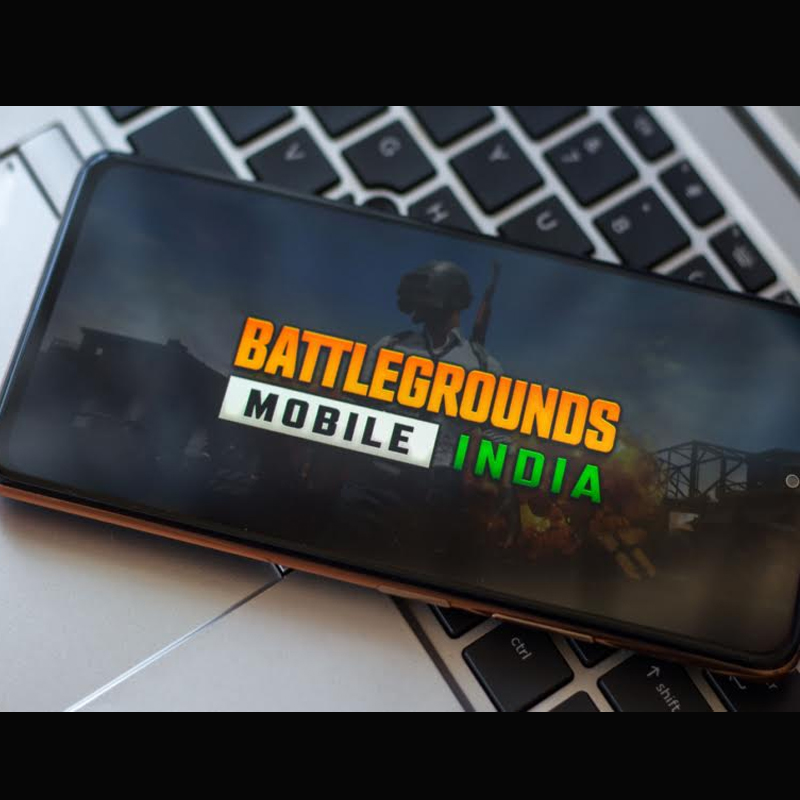
    Mumbai: Battlegrounds Mobile India (BGMI), the Indian version of PUBG Mobile from Korean game maker Krafton, has been removed from both Apple and Google app stores in India following a government order. The rebranded game was launched in India in 2021 following the expulsion of the original popular PUBG game in September 2020.

    The relaunched version of the game with minor tweaks was quickly picked up by the gaming community in India, even as the game saw millions of downloads and active users. As of July 2022, Krafton’s BGMI surpassed 100 million registered users in the country.

    According to Reuters’ report, the government has banned the popular battle-ground format game, citing national security and data sharing concerns, using the same section of the IT law that it has invoked since 2020 to ban Chinese apps.

    Google said in a statement that it received an official order from the government to remove the game. “On receipt of the order, following the established process, we have notified the affected developer and have blocked access to the app that remained available on the Play Store in India.”

    Krafton has also confirmed the development and said, “We are clarifying how BGMI was removed from the Google Play store and the App store and will let you know once we get specific information.”

    According to the South Korean game maker, it has invested nearly $100 million into the game and the country’s gaming start-up ecosystem to improve India’s local video game, esports, and entertainment startups in the last year. The game is also believed to be a major revenue source for esports organisations, teams, live streamers, esports players, and gaming content creators in India. Apart from Krafton’s official tournaments, several Indian esports organisations were organising multiple BGMI tournaments with massive prize pools.

    Among the Chinese apps that were relaunched and rebranded with similar features following their ban by the Indian government, BGMI is probably the biggest.

    Esports industry stakeholders reacted cautiously to the ban. Most of them said they are yet to receive an official statement from the government on the reason behind the removal of the game from the Play Store and App Store. Some felt this was between the publisher and the government and hoped the issue would be resolved soon.

    According to Revenant Esports founder & CEO Rohit Jagasia, the BGMI ban will definitely be a setback for all major stakeholders, like tournament organisations, esports teams, coaches, support staff, and most importantly, the athletes. However, he added that the company is optimistic about supporting its BGMI athletes during these ‘trying times.’ “At Revenant Esports, we will still be supporting our BGMI athletes and make sure they use our training facility to create content and try their hand at different games.”

    While the entire esports industry will take a hit, Jagasia added that the organisation was built during the first stint of the ban in 2020 and, hence, has always believed in diversification and will continue to do so. “We still have rosters competing in Pokémon Unite, which will be representing India at the World Championship in London; Call of Duty Mobile, which will be playing the regional playoffs for the world championship; Apex Legends, which previously represented the SEA region in the ALGS playoffs in Stockholm; and Valorant, which is currently playing a couple of regional tournaments.”

    Esports Federation of India director & Asian Esports Federation (AESF) vice president Lokesh Suji agreed on the importance of stressing diversification in the industry. He said India is paving its path to becoming a multi-sport nation where every sport is getting the right visibility, audience and investment to grow. “We have to reflect the same in esports where we need to start giving exposure to multiple esports titles and not be limited to one.”

    With so much attention on every front, including the government, it’s also high time our Indian video game developers speed up the process of launching world-class esports video game titles, he added.

    Several industry insiders felt it was too early to comment on the matter, while for some, like Esports Premier League (ESPL) director Vishwalok Nath, it’s a “wait-and-watch time” to take further decisions.

    According to a next-gen marketing agency specialising in the domains of gaming and lifestyle, Alpha Zegus founder and director Rohit Agarwal, such occurrences are becoming more common by the year, and are happening without any foresight. “Not very long ago, we saw a wave of China-based apps getting banned overnight, and also saw the likes of Free Fire getting the red flag-all happening without any prior warnings.”

    Apart from the data sharing concerns, a recent incident of a boy killing his mother over a BGMI argument has once again brought the game under the radar of the government, marking it as “unsafe for young adults.” Similar incidents of arguments and damage due to the game have arisen in the past as well.

    The gaming industry is realising more than ever that the esports and mobile games space is becoming increasingly unpredictable by the day. Stakeholders expressed the hope of a regulatory body coming into play that monitors the games over time, instead of banning them overnight.

    In the absence of an official statement from the centre on the removal of the game, if this game’s removal stays for some time, then it will be damaging to the ever-growing Indian esports ecosystem, says Qlan, The Gamer’s Social Network co-founder & CEO Sagar Nair.

    Looking at it from a sports lens, although we are a multi-sport nation, cricket enjoys the biggest chunk of revenue and viewership in our country, he added. “This potential stay will hamper the whole esports ecosystem—consumers, businesses, stakeholders, jobs and much more. There is a large investment riding on startups, tournaments, and game streaming. It’s a trickle effect waiting to happen.”

    It’s not just about one game, but with the kind of popularity, player base, and viewership BGMI has, it is leading the biggest esports title in India, industry insiders opined. However, many are confident that the esports revolution in India is huge and the community is tightly bound, due to which Indian esports will continue to grow and thrive.

    As of now, despite the removal of BGMI from the Google and Apple app stores, players can still play BGMI on their smartphones if they have downloaded it before. That is, until the government gets the developer, Krafton, to shut it down entirely.

    Also Read | Esports Premier League season 2 postponed due to govt’s ban on Battlegrounds Mobile India application

  • Google delays the blocking of third-party cookies till 2024

    Google delays the blocking of third-party cookies till 2024

    Mumbai: Google has revealed that its ambitious aim to disable third-party tracking cookies in the Chrome browser will be postponed until the second half of 2024.

    In early 2020, Google made its first announcement about its plan to phase out support for third-party tracking cookies in Chrome, called the Privacy Sandbox API testing initiative.

    Speaking on the initiative, Privacy Sandbox vice president Anthony Chavez said, “By Q3 2023, we expect the Privacy Sandbox APIs to be launched and generally available in Chrome.” He added, “We now intend to begin phasing out third-party cookies in Chrome in the second half of 2024.”

    The Privacy Sandbox initiative is aimed at working with the ecosystem to provide privacy-preserving alternatives to third-party cookies and other cross-site tracking.

    Google has released trial versions of a number of new Privacy Sandbox APIs in Chrome for developers to explore over the last few months.

    Google and the UK’s Competition and Markets Authority (CMA), earlier this year, stated how they seek to develop and release the Privacy Sandbox in Chrome worldwide.

    The company said in a statement, “The most consistent feedback we’ve received is the need for more time to evaluate and test the new Privacy Sandbox technologies before deprecating third-party cookies in Chrome.” For these reasons, “we are expanding the testing windows for the Privacy Sandbox APIs before we disable third-party cookies in Chrome,” it added.

    The APIs are now ready for testing. Later, in early August, the Privacy Sandbox trials will expand to millions of users globally. Throughout the rest of the year and into 2023, Google will steadily expand the trial population.

  • Google appointed Durga Raghunath as India’s news partnerships head

    Google appointed Durga Raghunath as India’s news partnerships head

    Mumbai: According to a LinkedIn update, Google has appointed Durga Raghunath as head of news partnerships – India. Previously, she was the head of digital at Times of India associated with Times Internet.

    Raghunath, formerly, worked as senior vice president of growth at Zomato and was also the CEO – digital at The Indian Express. Simultaneously, she was the co-founder and CEO of Juggernaut Books and CEO of Network18 Digital/Web18. During her career, Raghunath has had stints at publications such as The Wall Street Journal, LiveMint, HarperCollins and Orient Longman. She is an alumnus of India School of Business and Columbia University.  

    With over two decades of experience, Raghunath’s expertise lies in digital media and commerce, product development, consumer technology, mobile experiences and monetisation of digital products via ads, daily transactions and subscriptions.