Tag: Google Pay

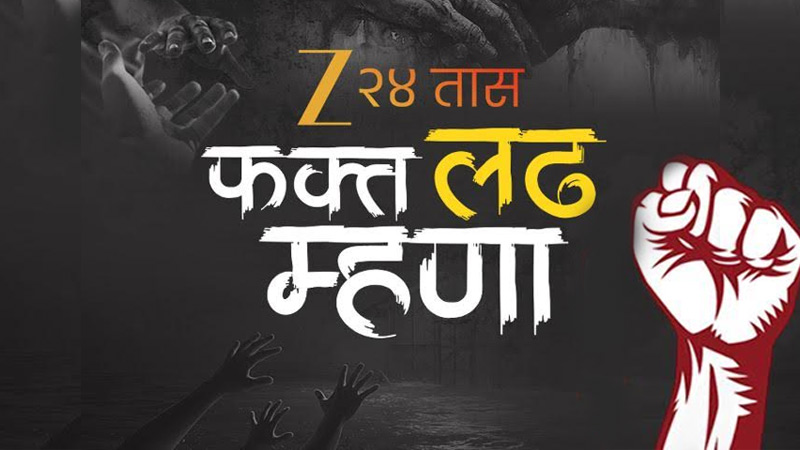
  • Zee 24 Taas launches ‘Fakt Ladh Mhana’ to protect education of flood-hit kids

    Zee 24 Taas launches ‘Fakt Ladh Mhana’ to protect education of flood-hit kids

    MUMBAI: When the floods washed away crops, Zee 24 Taas stepped in to save futures. Maharashtra’s most trusted news channel has launched a powerful campaign, Fakt Ladh Mhana, to ensure that children of flood-affected farmers in Marathwada don’t lose their right to education.

    The recent floods devastated the region, destroying acres of soybean and cotton crops and crippling families’ ability to pay for rent, mess, or tuition fees. For hundreds of students studying in cities like Pune and Mumbai, the tragedy threatened to cut short their education and with it, their dreams of lifting their families out of poverty.

    Recognising the gap, Zee 24 Taas created a transparent, direct-aid model: the campaign shares the personal journeys of over 400 identified students, broadcasting their stories in prime time along with their bank and Google Pay details live on air. This allows viewers to contribute directly, ensuring every rupee reaches the student without delay.

    The impact was immediate. Within just three hours of their stories airing, students Mahesh Jadhav (Nanded) and Mahesh Mate (Beed) received nearly Rs 50,000 each from generous viewers. The funds covered their urgent rent, food, and education expenses, with both pledging to help fellow students if donations exceeded their needs.

    “Education is the strongest weapon of empowerment,” said Zee 24 Taas editor Kamlesh Sutar. “Through Fakt Ladh Mhana, we are not only reporting hardships but creating solutions by connecting citizens directly with students.”*

    Echoing the vision, ZMCL CEO Karan Abhishek Singh added, “Our role as media goes beyond reporting. With this campaign, journalism becomes a bridge of hope, mobilising communities for real change.”

    By spotlighting two to three fresh cases daily, Fakt Ladh Mhana is designed as a sustained movement, a rallying cry to citizens across Maharashtra to stand up for education.

    Because when young minds are safeguarded today, a resilient tomorrow is built for all.
     

  • Google Pay scores big with ‘Sab Tick Hai Team’ IPL 2025 campaign created by Lowe Lintas

    Google Pay scores big with ‘Sab Tick Hai Team’ IPL 2025 campaign created by Lowe Lintas

    MUMBAI: In a season where every ball counts, Google Pay has swung big with its latest IPL 2025 campaign, ‘Sab Tick Hai Team’, created by Lowe Lintas and rolling out on JioHotstar.

    The digital payments giant is using the country’s cricket fever to cement its brand values—reliability, speed, and trust—into the hearts of millions. The campaign cleverly mirrors the traits of a crack cricket team—swift running, secure fielding, dependable leadership—with Google Pay’s own promise of safe, fast transactions.

    ‘Sab Tick Hai’ is not just a slogan—it’s a lifestyle choice for the cricket-obsessed nation, now extended seamlessly to digital payments. Lowe Lintas has given the campaign a playful, relatable spin, ensuring it blends into India’s IPL-mad summer like cold drinks and tense run chases.

    Adding spice to the mix, the campaign features exclusive pre-match commentary by Jatin Sapru and cricket legend Suresh Raina. These segments, crafted under Lowe Lintas’ creative baton, spotlight what makes a ‘Sab Tick Hai Team’ both on the field and at the checkout counter.

    “Our goal was to capture the essence of cricket’s reliability and camaraderie and map it onto the digital payments experience,” Lowe Lintas said. The result is a campaign that is relatable, punchy, and designed to drive fan chatter between overs.

    By partnering with JioHotstar for IPL 2025, Google Pay aims to tap into the unrivalled viewership and excitement surrounding cricket’s biggest carnival. With Lowe Lintas steering the storytelling, Google Pay is looking to knock brand engagement out of the park this season.

  • Ad veteran Joy Mohanty turns up the .Potntial with creative role

    Ad veteran Joy Mohanty turns up the .Potntial with creative role

    MUMBAI: Joy Mohanty has been elevated as executive creative director at global brand and experience design company .Potntial. He was  the creative director before this elevation. 

    The seasoned adman has  a bulging portfolio spanning more than three decades, having cut his teeth at FCB Ulka in 1993 before climbing the greasy pole at agencies including Leo Burnett, Contract, Capital Advertising (later Publicis Capital) and Lowe Lintas.

    Mohanty’s CV boasts some enviable coups, including spearheading efforts to snatch the coveted Thums Up account from a 25-year incumbent while at Lowe Lintas. He also launched Google Pay (Tez) in India and helped create work for Google Railwire that nabbed a Cannes finalist spot in 2019.

    His creative fingerprints can be found on campaigns for automotive giants Maruti Suzuki, where he orchestrated “one of India’s most disruptive car launch programs” for Swift. One of his creations—the “Kitna Deti Hai” campaign—has been immortalised by Brand Equity/Economic Times as among “the iconic ads that shaped Indian advertising.”

    With stints handling spirits (Pernod Ricard’s Absolut, Blenders Pride and Glenlivet), technology (Google and HP), tyres (Michelin and Apollo) and travel brands (Makemytrip and Spicejet), Mohanty has demonstrated versatility across categories.

    No stranger to creative accolades, he has bagged prestigious gongs including The One Show 2002 for Dabur Back-Aid and D&AD 2002 for Dabur Capsico, which he describes as “an early example of using disruptive packaging as an advertising medium.”

    His new home, .Potntial, positions itself at “the intersection of business, culture, design and tech,” targeting startups with global ambitions and legacy Indian firms seeking a pivot. The company aims to fill what it sees as “the gap between traditional branding methods and the evolving needs of new-age enterprises.”

    For a man who once ventured into entrepreneurship with film production company Lumiere Films back in 1998, this new role might just offer the perfect canvas for his creative potential—or should we say, .Potntial.


  • Fintech disruptor Ambarish Kenghe takes the helm as Angel One’s group CEO

    Fintech disruptor Ambarish Kenghe takes the helm as Angel One’s group CEO

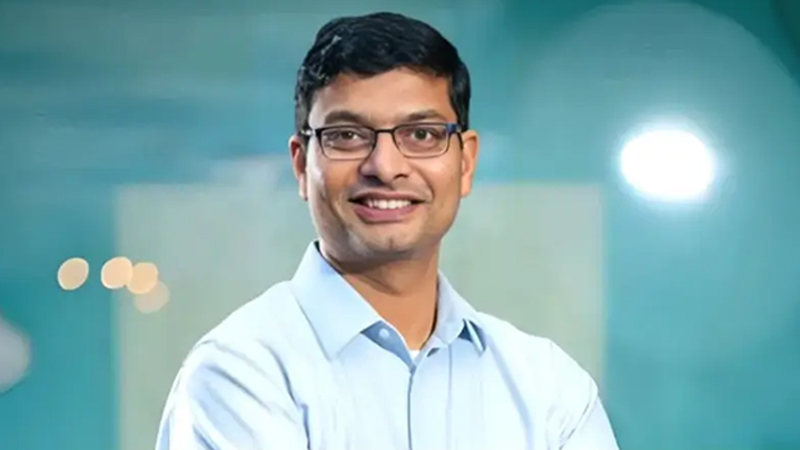
    MUMBAI: Fintech just got a major shake-up. India’s largest listed retail stock broking house, Angel One has roped in Ambarish Kenghe as its new group chief executive officer. The announcement, originally made on 13 January 2025, marks a defining moment for the company as it gears up for an era of digital transformation and hyper-growth.

    A powerhouse in product innovation, digital transformation, and business scaling, Kenghe has built a career at the intersection of technology and finance. Before stepping into Angel One, he made waves at Google Pay APAC as VP & general manager, spearheading the platform’s expansion and strengthening India’s UPI ecosystem. Ever tapped your phone to pay for chai? You might just have him to thank.

    But Kenghe’s influence extends beyond payments. At Google, he played a pivotal role in the launch of Chromecast and the development of Google TV. Prior to that, he revolutionised the fashion e-commerce space as chief product officer at Myntra, where he championed AI and machine learning-driven personalisation.

    His journey through the tech world doesn’t stop there. Kenghe has flexed his strategic muscles at Bain & Company in San Francisco and tackled high-speed switching technologies as an engineer at Cisco Systems in San Jose. With four patents under his belt and an academic background that boasts an MBA from UC Berkeley, a master’s degree from Purdue University, and another from IIT Kanpur, he’s a certified innovator.

    Stepping into his role as group CEO, Kenghe is laser-focused on scaling Angel One’s product and technology portfolio, enhancing customer experiences, and ensuring the company continues leading the Fintech revolution.

    Angel One Chairman & MD Dinesh Thakkar expressed his excitement, “Ambarish’s appointment as group CEO marks an exciting new era for Angel One. With his proven track record of driving innovation and deep expertise in the industry, he is the visionary leader we need to propel us into our next chapter of growth. At Angel One, we believe strong leadership shapes the future of Fintech. Ambarish’s guidance will position us not only to keep pace with the ever-changing financial landscape but also to lead the charge in transforming how financial services are delivered, empowering our customers with groundbreaking solutions and unparalleled value.”

    Kenghe, in turn, shared his enthusiasm for the challenge ahead, “I am truly honoured to be part of Angel One, a brand that has been at the forefront of transforming India’s Fintech landscape. With its focus on innovation and customer-centricity, Angel One has built a strong foundation. I am eager to work with the talented team to drive the next phase of growth and empower users with advanced financial solutions.”

    As Angel One continues to disrupt the financial services industry, Kenghe’s arrival signals a bold new chapter.

  • PepsiCo India and Google Pay partner to offer cashback on festive purchases

    PepsiCo India and Google Pay partner to offer cashback on festive purchases

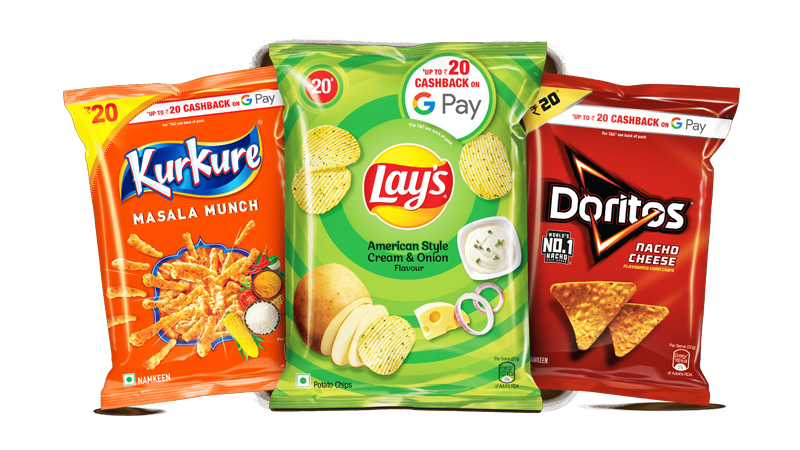
    Mumbai: PepsiCo India has unveiled a brand activation on Google Pay, India, featuring some of their most beloved snack brands, and introducing an exciting and rewarding experience for all Google Pay users. Ringing in the festive season, users can now enjoy up to Rs 20 and Rs 30 cashback on the purchase of Lay’s, Kurkure, and Doritos packs priced at Rs 20 and Rs 30, respectively.

    As the festive season brings joy, the company of snacks adds an extra layer of delight to these moments. This period sees a significant uptick in the demand for packaged snacks, contributing to an overall increase in snack consumption. Furthermore, this snack purchase experience is heightened when it offers direct financial benefits. Recent industry reports underline a trend that shoppers prefer rewards seamlessly integrated into their shopping experience, with discounts automatically applied at checkout. Cashbacks align perfectly with consumers’ yearning for instant gratification, providing a satisfying sense of reward for their purchases.

    In line with these trends, PepsiCo India, in collaboration with Google Pay has introduced a cashback offer on the purchase of Lay’s, Kurkure and Doritos. To avail the benefit, users can simply find the promo code inside the pack and redeem it on the Google Pay App. Once the code is claimed, users can enjoy cashback of up to Rs 20 and Rs 30 (on purchase of packs with Rs 20 and Rs 30, respectively). Each participating user has the opportunity to redeem the offer up to three times, ensuring more joy and rewards during this festive season.

    Sharing her excitement on the partnership with Google Pay, PepsiCo India category lead – potato chips Saumya Rathor expressed, “Festive moments are synonymous with joy and celebration, and we firmly believe that snacks can make these occasions even more memorable. Aimed at elevating the snacking experience for our valued consumers this season, we are excited to announce our partnership with Google Pay. Through this collaboration, consumers can earn cashbacks on their beloved PepsiCo products, adding an extra layer of delight to the festive spirit. We are confident that this will be a win-win for both PepsiCo and Google Pay, and hope that everyone enjoys a joy-filled season.”

  • Festive bonanza: Explore brand advocacy to generate high marketing ROI

    Festive bonanza: Explore brand advocacy to generate high marketing ROI

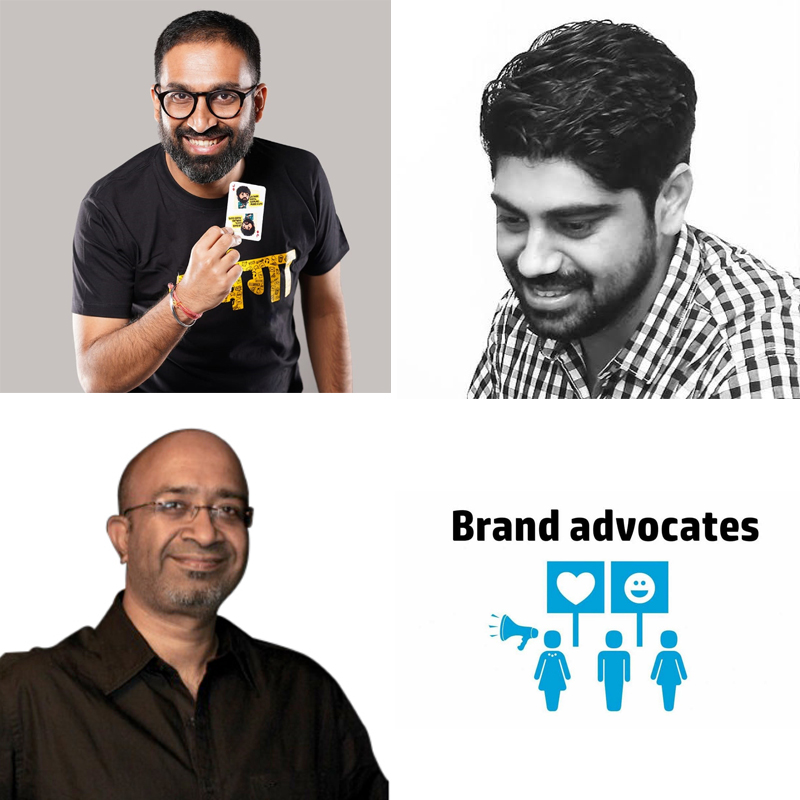
    Mumbai: Brand advocacy is something that has been on the marketing charts for a while now and continues to do the rounds. With the festive season setting in and the digital bug which has already bitten everyone, companies are going all gaga about their brands, their new launches, etc., and brand advocacy is obviously on their roster of marketing initiatives in a robust manner. In this story, with some industry veterans, I look to explore brand advocacy and how it is going to help brands this festive season; the growth of brand advocacy; trends; innovations; and more.

    First things first, what exactly is brand advocacy? Brand advocacy is a method of growing your brand organically—it’s about people who love a brand and converse about it, continue to support the company and its products and services, and promote it too. This word-of-mouth marketing technique helps brands build their target group cost-effectively without spending an exuberant amount of money on traditional advertising.

    One of the notable examples of a brand using brand advocacy and being successful in its attempt was when Coca-Cola India did the “Share A Coke” campaign in 2018–19, which was an Indian spin-off of their global campaign, taking ‘relationships’ as the concept. Google Pay is another brand that, when launched, used the referral programme to organically boost its users’ acquisition. 

    According to the understanding of a few, brand advocacy is mostly used in the B2B industry. From a market sentiment perspective, one could look at most players being in the technology, financial, e-commerce, and education segments; those are the leaders at the moment.

    Growth in brand-by-brand advocacy can vary from category to category. For example, more than half of Indian consumers make brand and product recommendations in major categories such as food and groceries, computers, several financial services (insurance, savings accounts, credit cards, and home loans), mobile phones, and cars.

    During the festive season, on an average, 30–40 per cent growth can be expected in certain categories like food and groceries. Growth can be higher in the affluent segment of consumers and can touch 45–55 per cent. During festivities, 10-12 per cent growth in advocacy can lead to 2X growth in revenue.

    Brand advocacy and influencer marketing: same or different?

    Influencer marketing, to some extent, sounds like it’s the same as brand advocacy, doesn’t it? So, how exactly is brand advocacy different from influencer marketing? Or truly, is it the same? How similar or different are these, to and from each other?

    An advocacy platform that enables brands to transform their stakeholders into brand advocates, Socxo chief marketing officer Ajit Narayan describes the distinction between the two, in the best possible manner. “They are both similar and different at the same time. like the coin used by Jai in “Sholay.” The toss is the same. But the result is always determined by the person tossing the coin in advance,” he spells out.

    When the term influencer marketing is used, it’s about using mid-tier influencers (who have a following of about 50k–5 lakh followers) as well as celebrities (1 million+ followers). But when it comes to brand advocacy, it is about leveraging nano-influencers (1k – 10k followers) and micro-influencers (10k – 50k followers) within the brand’s communities.

    Influencer marketing and brand advocacy may sound similar, but they’re not the same and both reside in different consumer mindsets. Influencer marketing is about someone in an influential position considered to be an industry thought leader or have followers speaking about the brand. He/she may or may not be a customer of the product/service.

    Brand advocacy, on the other hand, is defined by brand love from customers, employees, or consumers. Someone who advocates for the brand in multiple conversations.

    Influencer marketing and brand advocacy are both part of integrated digital marketing but are non-interchangeable terms. They are not the same as they fulfil the two distinct but unique needs of a brand in their marketing ecosystem.

    Influencers are change agents with great expertise in creating content that caters to a specific/niche set of an engaged audience. Influencer marketing is a system of identifying people who are already famous on social media and then getting into a process of content sharing about the brand/products/campaigns through them. Albeit, with a dash of flexibility for the influencer to share as per their preferences. However, this is applicable when the influencers are macro and celebrity influencers who have a say in the content.

    Whereas advocates are the supporters/loyalists of the brands (typically the customers) who may not have the power to influence but have an impact as they possess an affinity for a product/service. Brand advocacy is a two-pronged process. On the one hand, it identifies those key stakeholders (employees, customers, partners, fans) who are active on social media. But, not necessarily big influencers and marketing to their contacts using their networks.

    Brand advocacy in the advertising and marketing mix

    Brand advocacy is becoming the leading component in the advertising and marketing mix. The fact is that for such a thing to happen, one needs compounding, and as with everything else, compounding is a factor of time and consistency. Ajit asserts, “One cannot expect to generate big results just by randomly activating a program for three months.”

    But yes, brand advocacy is always at the forefront of any marketing communication mix. “Focusing on incentivisation and creating a brand narrative that allows first-time customers to come back through loyalty schemes and personalisation, which makes any prospect feel connected, can go a long way,” explains Puretech Digital senior vice president of digital marketing Kamaljit Saini.

    Especially in the festive season, brands want to reach the masses, so utilising TV and digital to reach out to a large number of people at a time is obvious. The question is, how does brand advocacy assist a brand in this? Or does it have its own role to play?

    Kamaljit elucidates, “I think brand advocacy mixed with influencer marketing has a major impact on how a brand is perceived and eventually grows in its targeted segment. It can help a brand become visible to larger audiences, build stronger brand awareness, and increase revenue without incurring any of the costs associated with other traditional marketing campaigns. An important role that advocacy plays in the overall marketing mix is that it allows brand visibility to grow organically and demonstrate the value proposition.”

    Ajit talks about the growth of brand advocacy as an advertising and marketing aid specifically for the festive season. He says that the former is growing at roughly 15–20 per cent or more and is bound to become a consistent add-on to traditional ways of marketing in the next five years. “The true value and power of brand advocacy will be the growth of individuals as potential micro-influencers, and it goes beyond just branding to contribute to the employer, brand, and culture of the organisation,” he adds.

    Brand advocates are 50 per cent more likely to influence others’ purchase decisions than regular customers. “As advocates are acquired organically with limited or no cost increment, brand advocacy will see a further boost through innovative gratification and referral schemes, which are already making an impact in D2C categories across all major existing and upcoming brands,” points out Kamaljit.

    Brand advocacy and the festive season

    It’s a fact that brand advocacy has been a part of the overall marketing mix for most brands. Kamaljit believes that since the advent of social media, active review channels and aggregating platforms, brand advocacy has gone to the next level.

    As per a Nielsen report, 92 per cent of consumers trust recommendations from brand advocates. “Although the influencer market is a hot topic these days, brand advocacy indeed has a greater potential to push for a larger ROI and has a much bigger contribution towards the campaign’s success. As it has been already established and it is a fact that Indian consumers are much more active advocates, the market size for brand advocacy will continue to grow in leaps and bounds during the festive season. Especially, post the pandemic, several brands have gone D2C in most of the consumer segments and brand advocacy is ever-increasing both in size and volume,” he tells.

    Pondering whether the online traffic is as much during the non-festive season as it is during the festive season, the reality is that festivities do drive volume with regard to traffic numbers, but it varies from category to category. Typically, consumer durables, food, groceries, electronics, gifting, personal care, etc., observe incremental growth on the back of significant discounts and offers during the festival season. Traffic during the festive season sees a jump as a number of people spend more time evaluating these offers online before making the purchases. The actual purchase could be made online or offline. Add to that, the huge shopping festivals launched by e-commerce brands contribute to the big jumps in digital traffic.

    Brand advocacy needs to be planned from a short-term or long-term perspective. “From a short-term angle, the brand should be a part of the consideration set. It helps to build trust if the brand is new and buyers feel more confident in buying the product. From a long-term point of view, there should be brand pull and customers should come to you rather than you going to them,” emphasises Social Panga co-founder Himanshu Arora.

    He adds, “During festive times, brand advocacy is even more important to pushing the purchase cycle and making sure that brand is a part of the consideration set.”

    As compared to non-festive times, one wonders about the kind of jump that is witnessed in the festive season with regard to the usage of brand advocacy by brands. Ajit is clear to spell out that brand advocacy isn’t a magic wand. “It takes time, patience, and a mix of a great engagement programme combined with the discipline of consistent activity.”

    Brand advocacy-an effective tool to build organic value 

    Organic reach is what brand advocacy delivers. And that too, from a peer-to-peer perspective. “Content alone does not deliver trust. By leveraging individuals to share and converse, brands get a bigger reach along with trust, which ads cannot deliver alone,” says Ajit.

    Everyone knows that the festive season is the best time to get noticed. There are categories which are more relevant to the festive times, like lifestyle, FMCG, etc. Himanshu points out, “Brand advocacy or coverage around the brand during the festive season will help the brand to be at the forefront of consumer minds and allow it to capture the mind space of the new customers.”

    An ideal purchase journey ends in brand advocacy. Above all, there’s a strong correlation between brand advocacy and brand performance. Hence, word of mouth matters. “It allows the brand to grow and helps with organic customer acquisition through referrals. With the help of a brand advocacy index, marketers can demonstrate how critical advocacy can be,” says Kamaljit.

    Boosting revenue through brand advocacy, trends and innovations

    Brand advocacy is a behaviour that involves a customer supporting or recommending a brand that they love. Having brand advocacy programmes at the core of the marketing mix can help amplify the brand and, in turn, boost revenue. Kamaljit adds, “It builds trust, enhances the reputation, increases the loyalty towards the brand and, above all, gets valuable insights to further improvise on the value proposition.”

    While conversing about the latest and upcoming trends in the field of brand advocacy, Ajit mentions that brand advocacy in international markets has evolved into a building block for corporate culture and employee influencer growth. This is the fundamental shift in marketing, where giving visibility and value to employees, etc., is more pronounced than asking them to keep sharing content.

    As per Kamaljit, the use of technology and artificial intelligence (AI) are going to be key in enhancing the overall customer experience through personalisation.

    Speaking about the innovations that one would encounter in brand advocacy, Ajit asserts that it is heading towards becoming a key element in organic social media marketing. As we know, online channels emphasise paid marketing over organic marketing for brand pages. While social media is the way to reach and connect, individuals are starting to play a larger role in the organisations and brands they relate to.

    “This leads to building and using tech stacks that connect social media from a 360-degree organic perspective, including the addition of technology to present links better, share them in innovative ways, and get back the lost traffic,” he says.

    According to Kamaljit, building brand advocacy through marketing technology solutions is also going to be one of the leading innovations in this arena. The use of technology will enable brands to personalise the consumer experience and provide differential customer service.

  • Google Pay tops the chart among e-wallets app users at 38%, followed by Amazon Pay & Paytm: WATPapers

    Google Pay tops the chart among e-wallets app users at 38%, followed by Amazon Pay & Paytm: WATPapers

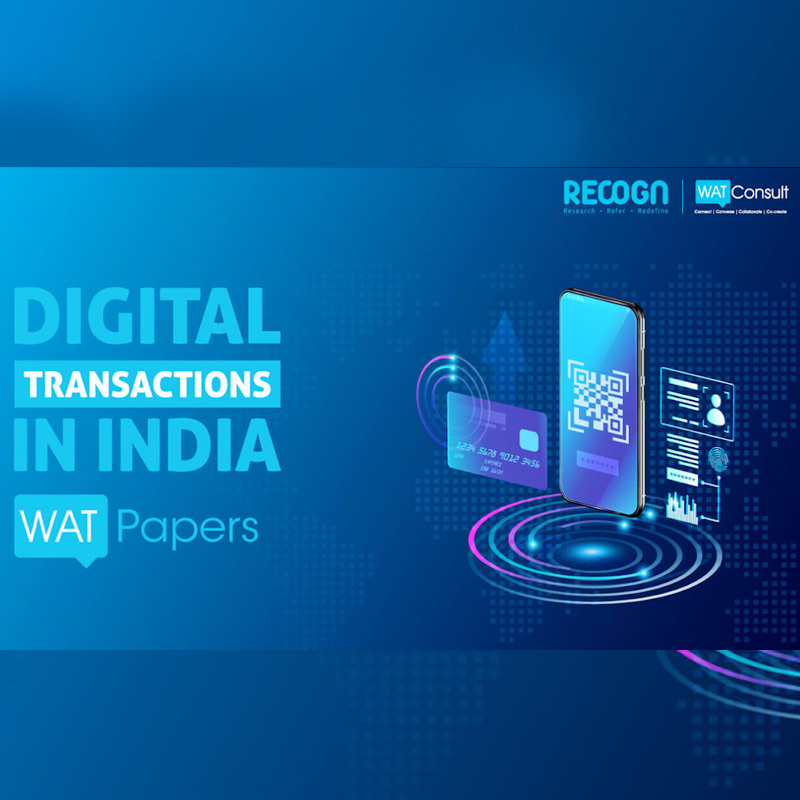
    Mumbai: WATConsult, the hybrid digital agency from Dentsu Creative India, has released the latest issue of its monthly WATPapers. Titled ‘Digital Transactions in India’, the report is by WATConsult’s research division, Recogn. The report shares insights on the increase in online businesses and purchases, changes in the process of making payments, and the migration of people from cash to digital transactions.

    According to the report, the majority of respondents prefer to use digital payment systems like e-wallets and UPI. Apart from that, they have also used credit cards and net banking to complete transactions. It is worth noting that, while 46 per cent of males prefer e-wallets, the majority of females prefer UPI to transact. Furthermore, many youngsters in the age group of 18 to 24 years prefer using UPI and e-wallets.

    The report further reveals that among the e-wallet app users, Google Pay (38 per cent) tops the chart, followed by Amazon Pay (37 per cent), Paytm (36 per cent), and Freecharge (32 per cent). While female users choose to use Google Pay, male users prefer using Amazon Pay, Paytm, and Google Pay. In small metropolitan areas, users prefer to use JioPay, Google Pay, and WhatsApp to transact.

    Users favour e-wallets owing to the need to switch to a digital payment system and reduce cash transactions. These apps are convenient since they are easy to use and access. Additionally, users also get discounts or cashback on using them, along with some special benefits from specific retailers as well.

    “Mobile payments, especially mobile wallets, have been a great driver towards this phenomenon and revolution on a global basis,” said Isobar India group CEO Heeru Dingra, commenting on the latest issue of WATPapers. “Gradually, India is moving toward a cashless economy, which explains the increasing trend of using digital payments systems extensively. The government, under the programme of digital India, has been encouraging and promoting the use of e-wallets via UPI.”

    “The UPI platform has witnessed a leap in adoption at a phenomenal growth rate as a payments product across the country. There have been many merchants and businesses in the digital as well as offline ecosystems that have integrated the options of e-wallet apps and UPI for customers’ convenience and ease of transaction. This has positively influenced the country’s mobile wallet market,” she added.

    WATConsult managing partner Sahil Shah said, “In the emerging markets, e-wallet apps have garnered much more attention compared to other forms of payment systems. Digital payment adoption is growing, and the onset of the pandemic has created a need for contactless payments in everyday life. The need for digital payments and the rise in the frequency of usage of e-wallets during the pandemic have been evident. There was a change in the behaviour of consumers during the pandemic which had a direct impact on the retail and e-commerce sectors.”

    For the record, WATPapers are monthly published short reports based on the primary research conducted by Recogn, the agency’s research division that provides consumer and business insights to the audience. It aims to delve into the different aspects of the digital industry, consumer behaviour, and more.

    Link to the report: https://www.watconsult.com/watpapers-digital-transactions/