Tag: Google India

  • Madison logs into digital future with Vivek Das as chief digital officer

    Madison logs into digital future with Vivek Das as chief digital officer

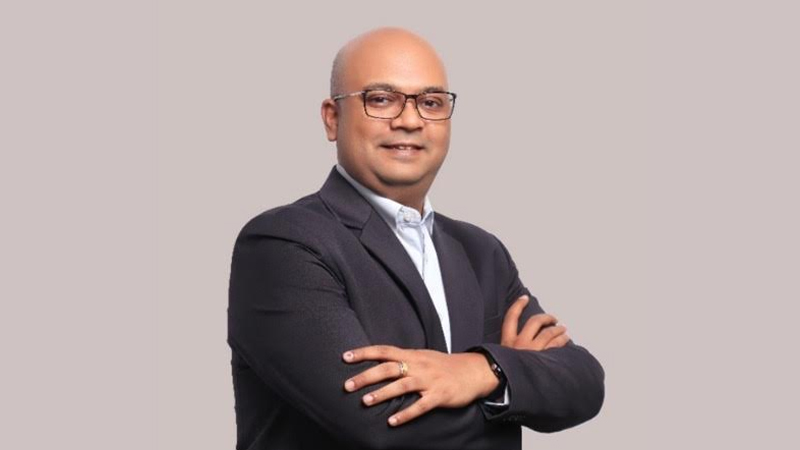
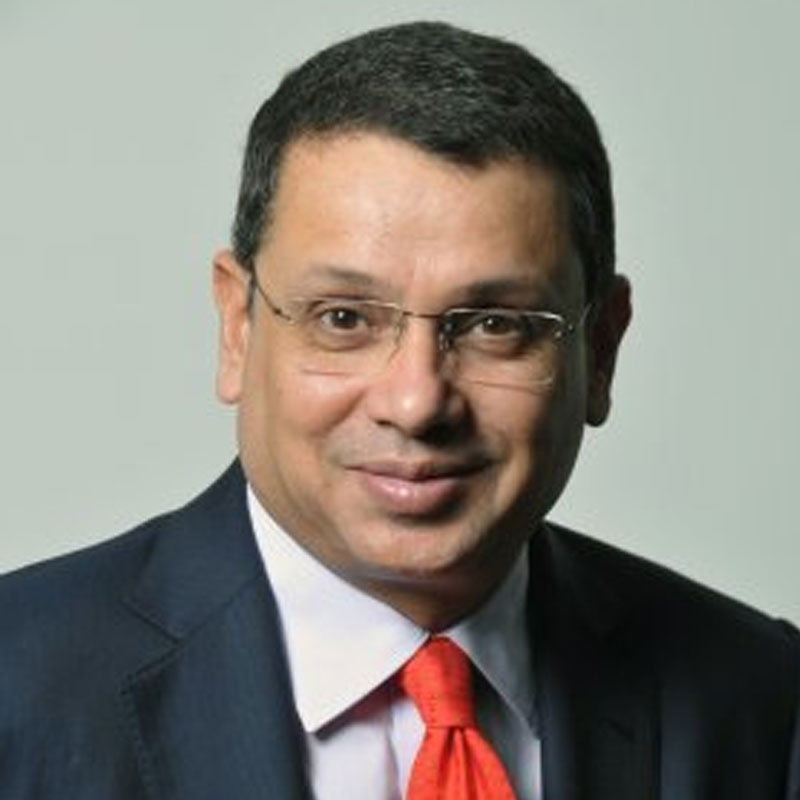
    MUMBAI: When the digital world calls, Madison Media answers with a double click and its newest hire is set to hit refresh on the agency’s future. Madison Media, part of Madison World, has roped in Vivek Das as chief digital officer, a role in which he will report to Ajit Varghese, partner and group CEO, Madison Media and OOH. With more than 20 years of experience spanning entrepreneurship, integrated media, and digital transformation, Das is no stranger to reshaping how brands connect with audiences.

    Most recently, he was on the India leadership team at Essencemedia.com, where he helmed Google India and Southeast Asia WPP’s second-largest account globally. His résumé also features leadership stints at Mindshare and VML (formerly Wunderman), besides a CEO turn at Foxymoron. Beyond the boardroom, he mentors LGBTQIA+ professionals and startup founders, reflecting a commitment to inclusivity and new-age entrepreneurship.

    Welcoming him aboard, Varghese noted, “Vivek joins us at a pivotal time… At Madison, we are building an AI-first planning framework and embedding digital-first thinking into everything we do. His rich experience makes him the perfect leader to accelerate this journey.”

    Das added his own perspective: “I am thrilled to join Madison at a time of great opportunity and change… In the era of platforms, LLMs, and Artificial Intelligence, I look forward to strengthening Madison’s leadership in new media and enhancing the value we bring to clients and the industry.”

    For Madison, this appointment isn’t just about filling a role, it’s about future-proofing its position in a market where AI, creativity, and consumer-first strategies are rewriting the playbook

  • Google India marketing chief calls it quits after 14 years

    Google India marketing chief calls it quits after 14 years

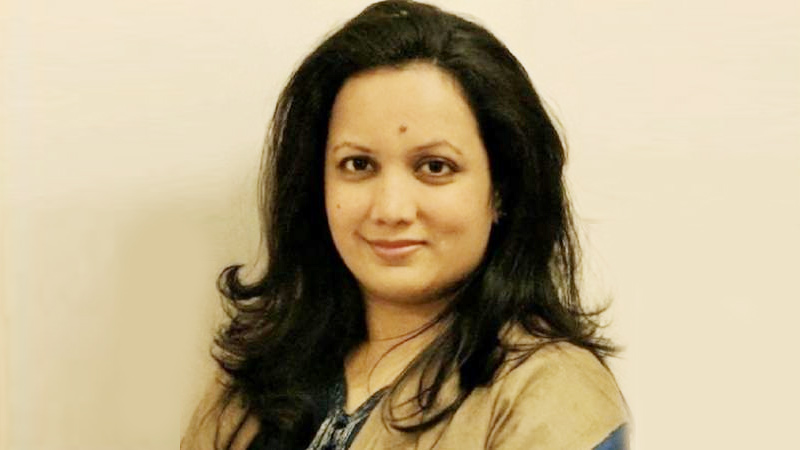
    MUMBAI: After nearly 14 years climbing Google’s ranks, Neha Barjatya has bid farewell to the tech behemoth. The marketing director announced her departure from Google India on LinkedIn, marking the end of a tenure that spanned the country’s digital transformation from the early mobile internet days to the current artificial intelligence boom.

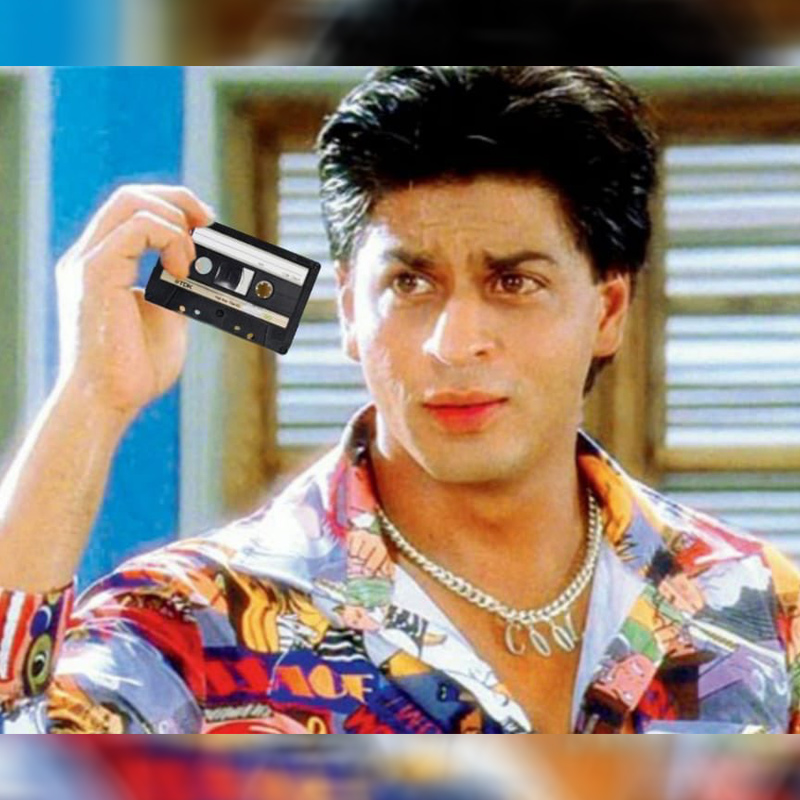
    Barjatya’s stint at Google reads like a greatest hits album of Indian digital marketing. She masterminded campaigns that brought back Hindi cinema’s Mr India with Pixel phones, gamified search with Google Googlies, and launched the country’s Pixel manufacturing operations. Most recently, she shepherded the launch of Gemini, Google’s AI assistant.

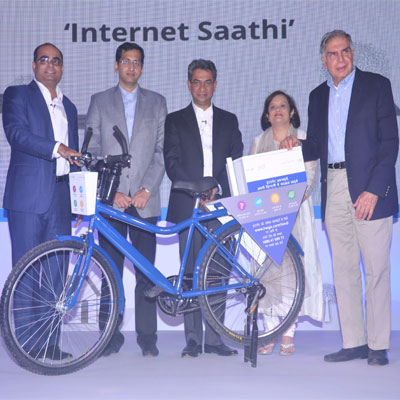
    But perhaps her most significant legacy lies in Internet Saathi, one of the world’s largest digital literacy programmes. The initiative, a collaboration between Google and Tata Trusts, has reached over 290,000 villages and benefited more than 30 million rural women. Barjatya even took a secondment to establish Frend (Foundation for Rural Entrepreneurship Development), aimed at creating livelihood opportunities for digitally skilled women.

    Her career at Google began in November 2011 as head of business marketing and digitising India initiatives. She climbed to marketing director in March 2020, overseeing consumer apps including Search, Gemini, and Maps, alongside platforms and devices such as Pixel, Android, and the Play Store.

    Before joining Google, Barjatya cut her teeth at Viacom 18 Media for over five years, following earlier stints at Zee Turner and advertising agency Lintas.

    In her farewell post, she credited leaders including Sapna Chadha, Sandeep Menon, and former country head Rajan Anandan for their support. “This company has taught me to push past hurdles, stay grounded in purpose and never lose sight of what’s possible,” she wrote.

    Barjatya’s next move remains under wraps, though she hinted at “the next chapter” without revealing details.

  • Alap Ghosh named first India CEO of Assembly

    Alap Ghosh named first India CEO of Assembly

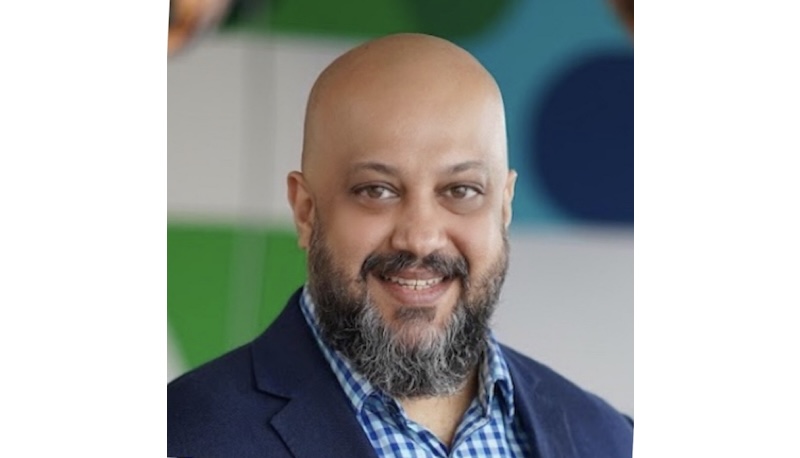
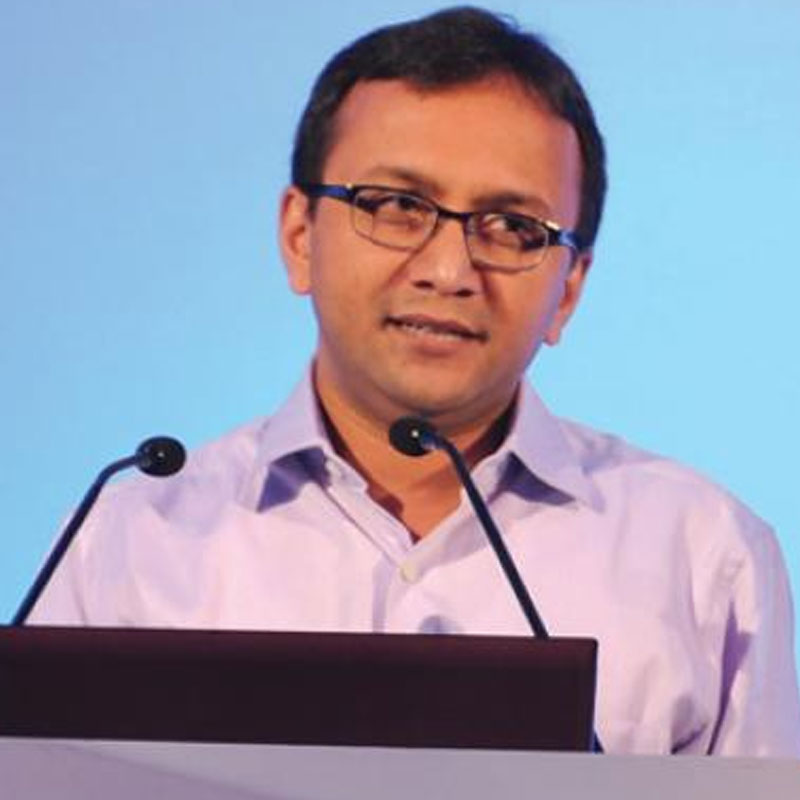
    MUMBAI:  Global omnichannel agency Assembly has appointed Alap Ghosh as its first-ever chief executive officer for India, effective 1 August. Based in Mumbai, Ghosh will report to matt adams, global chief operating officer, and lead the integration of Assembly’s media, tech, creative and commerce arms across India.

    A digital veteran with over 25 years under his belt, Ghosh joins from Google India where he helmed data and technology partnerships, driving innovation for enterprise clients. His earlier stints include leadership roles at Jellyfish and founding a data consultancy, equipping him with deep experience across adtech, martech, programmatic platforms and commercial strategy.

    “India is a critical growth market for Assembly and many of our global clients,” said Assembly global CEO Rick Acampora. “Alap brings the right mix of vision, scale and execution to help us build something truly distinct in the region.”

    Ghosh will be tasked with unifying Assembly’s footprint across Mumbai and Bangalore into a single offering that delivers connected omnichannel experiences. His remit includes accelerating growth, building talent depth and pushing innovation across data, media and creative.

    “India is moving at breakneck speed—creatively, digitally, and culturally,” said Ghosh. “By bringing our teams under one vision and one voice, we can build a next-gen agency model designed for where this market is headed.”

  • Google & Kantar study reveals key to news subscriptions

    Google & Kantar study reveals key to news subscriptions

    Mumbai: Google, in partnership with Kantar, has released a new research report titled, “The Indian News Consumer: Willingness to Pay and Key Drivers” at the third edition of the Google News Summit.

    At a time when newsrooms are experimenting with different combinations of formats, revenue streams and content types, the study shines a light on the levers that drive online news subscriptions and how these vary across languages. The study incorporates qualitative and quantitative data from over 2000 respondents and nine languages. The insights aim to equip publishers with the knowledge to navigate the digital landscape, capitalise on reader revenue opportunities, and foster sustainable growth, particularly in local language markets.

    Shedding more light on the findings of the research, Kantar director – B2B & technology, Biswapriya Bhattacharjee said, “Indian digital news consumers increasingly crave immersive, more relevant news consumption experiences, creating a prime opportunity for premium offerings. However, the price-sensitive nature of the market necessitates a diversified revenue strategy. What also comes out strongly is that in order to expand the user base, a meaningfully different and well-communicated value proposition is essential.”

    Google India head of India news partnerships, Durga Raghunath said, “The Indian digital news market is experiencing dynamic growth, driven by increasing internet penetration and an expanding ecosystem of local language publishers. Understanding the nuances of reader revenue models is crucial for the sustainability and growth of digital news. As part of our ongoing efforts to support the news ecosystem, this research provides valuable insights into reader preferences and behaviors, empowering publishers to make informed decisions about their monetisation strategies and build stronger connections with their audiences.”

    Understanding barriers and opportunities for reader revenue in India:

    Users, while recognising the value of quality journalism, are overwhelmingly driven by convenience and deterred by cost and a lack of clarity regarding the value proposition of paid subscriptions.

    ●    67 per cent of current subscribers in the study cited “reliable content” as a primary factor in their decision to subscribe.

    ●    Among those who haven’t subscribed, the top three barriers cited are “overwhelmed by too many plans/prices” (39 per cent), “limited budget” (35 per cent), and “lack of flexible payment/cancellation options” (33 per cent). This contrast underscores the need for publishers to clearly articulate the value proposition behind each while addressing pricing and flexibility concerns.

    ●    Once again, user preferences vary interestingly by language. The study consistently reveals that “news in the preferred language” is a highly valued content element across various language groups, including Hindi (67 per cent), Bengali (75 per cent), Tamil (63 per cent), and Gujarati (79 per cent).

    While subscription and other revenue models have varying appeal, the overall willingness to pay for digital news content, whether through subscriptions or other models, is comparable between local language and English language news consumers in India.

    ●    Both Kannada and Tamil speakers are relatively more receptive to subscriptions. They are also open to sharing first-party data and micro-transactions in the form of either pay-per-content or mini-access pass.

    ●    In contrast, first-party data is likely to be the way to unlock value with Bengali and Malayalam speakers. This diversity provides publishers with a wider range of revenue models to explore.

    Opportunities for news publishers

    ●    Marketing a clear value proposition: Publishers need to bridge the gap between subscription offerings and audience understanding of the key value proposition. Highlight the unique value of content, emphasizing features like in-depth reporting and specialised coverage not available for free.

    ●    Simplify and streamline subscription: Prioritise transparent pricing, simplification, and flexibility. Offering clear pricing, easy cancellation, and sufficient free trials can build trust, demonstrate value and drive conversions.

    ●    Diversify revenue streams: One size doesn’t fit all. Experiment with micro-transactions, first-party data sharing, and ad-supported models alongside subscriptions.

    ●    While users value ad-free experiences, affordability is an important consideration. Consider a hybrid model offering a small subscription fee with limited ads. Invest in robust newsletters to cultivate a loyal audience and provide additional value.

    ●    Offer flexibility and control: Empower users with flexible payment options like shorter billing cycles and customisable plans. While free trials attract new subscribers, focus on long-term value through bundled plans to ensure retention. Features like saving articles and content filtering provide greater control over their news experience.

    ●    Elevate the Indic language experience: The research also reveals that Indic language publications often encounter difficulties navigating subscription processes and accessing content. Dedicate resources to build a seamless experience for Indic language users, including intuitive interface design and easy language-switching functionality.

    While barriers to paid subscriptions exist, so do substantial opportunities. By prioritising a clear value proposition, a user-centric approach to design and functionality, payment flexibility, and tailored strategies based on language demographics, news publishers can enhance user confidence, increase willingness to subscribe, and drive growth in the evolving digital landscape.

  • Google report: AI analysis unveils demographic imbalances in Indian television programming

    Google report: AI analysis unveils demographic imbalances in Indian television programming

    Mumbai: “Reflecting India: An intersectional and longitudinal analysis of popular scripted television from 2018 to 2022” is a new five year longitudinal study led by the Geena Davis Institute on Gender in Media (GDI), to which Google Research has extended our AI-powered research support, with the Signal Analysis and Interpretation Laboratory (SAIL) at the University of Southern California (USC) as the study’s academic advisor, and the India Chapter of the International Advertising Association (IAA) as the media studies advisor.

    This first-of-its-kind large-scale, multi-lingual study examined media content across five Indian languages – Bengali, Hindi, Kannada, Tamil, and Telugu – in 10 scripted television shows that were the most watched between 2018 and 2022, according to the Broadcast Audience Research Council (BARC), India. The sample included a variety of genres such as soap operas, thrillers and mythological dramas. The study sample was organised by GDI and IAA.

    The report stated that female characters had more on-screen time than male characters, nearly 55.8 per cent for women compared to 44.2 per cent for men, with both Bengali and Telugu shows providing female characters the highest proportion of screen time, approximately 59 per cent, across all languages.

    While female names are mentioned more often in dialogue than male names, unique male names outnumbered unique female names. Perceived female names featured in 55.6 per cent of all instances in which names were mentioned in dialogue, but these names were only 46.7 per cent of the different names featured on the shows.

    Young adults (18–33 years old) are seen on screen the most, accounting for 75.6 per cent of all characters present on screen, with female characters over the age of 33 on screen for less time than their male counterparts.

    Characters with lighter skin tones were shown 8x more on screen than characters with medium or dark skin tones. However, between 2018 and 2022, the screen time of characters with medium skin tones increases proportionately with a decrease in screen time of characters with lighter skin tones.

    When shown on screen, female characters tend to be younger and with lighter skin tones than male characters. 70 per cent of female characters on screen were between the ages of 18 and 32 and had lighter skin tones, compared to 52.9 per cent for male characters, who represented a wider age and skin tone range.

    Tamil and Telugu language TV shows present a wider range of skin tones, with characters with darker skin tones occupying more screen time, approximately 23 per cent, than in other language shows, which showed characters with medium or dark skin tones between 13 per cent and 18 per cent of screen time.

    Google India marketing director Neha Barjatya said, “Access to digital is crucial to opening up the gateways of information, opportunity and progress, and we’re committed to building products that empower everyone to use the internet with convenience and confidence. Bridging the digital gender gap is core to this, and we’re committed to doing our part to ensure women’s participation in the digital economy is equitable – be they as creators, innovators, or entrepreneurs. As an AI-first company, we’re delighted to power this groundbreaking study and join hands with GDI, SAIL and IAA to build a better understanding of representation in popular media, and inform the industry’s progression towards greater inclusiveness.”

    MUSE Google AI research, product manager & lead Komal Singh said, “AI advances in computer vision and natural language processing technologies provide us a powerful computational lens to study human-centric representation in mainstream media, at scale. We were fortunate to have this meaningful and novel opportunity to apply the tech towards studying Indian TV across a breadth of languages and timeframe. This work is an example of Google’s responsible approach to AI at work — using AI technology along with partners in the service of encouraging more transparency, and equity for diverse communities.”

  • The second edition of IAA’s ‘Voice of Change’ summit galvanises the industry to ‘Break the Bias, together’

    The second edition of IAA’s ‘Voice of Change’ summit galvanises the industry to ‘Break the Bias, together’

    Mumbai: Strengthening its commitment towards gender-sensitive and gender-equitable content across all platforms and formats, the International Advertising Association (IAA) India Chapter, held the second edition of the Voice of Change summit: ‘Gender Portrayal from 30 seconds to 3 Hours’. The 2023 summit bolstered its mission further, with the first-of-its-kind Google AI-powered research study on gender and intersectional representation in scripted Indian television, moving the needle from previous edition’s analysis of gender portrayal in advertising content.

    Putting the spotlight on the definitive strides of the pan-India Voice of Change movement from its inception in 2021, IAA Women Empowerment Committee and Immediate Past president, Co-Chair, IAA India Chapter, Megha Tata said, “IAA has always championed causes which are fundamental to advertisers, consumers, and the media landscape. This, coupled with the path-breaking insights of the study in 2021, was the genesis for the Voice of Change initiative. We acknowledge our ability as a collective to define narratives, and the culture-defining power that media holds. This is indeed an incontestable responsibility that we hold.”

    Setting the tone for the transformative day, IAA Women Empowerment Committee chairperson Nina Elavia Jaipuria, urged everyone to champion gender-equitable portrayal on screen, as creators and consumers of content. She said, “Content serves as a mirror to the society, with a far-reaching impact on perception of gender-roles, affecting the lives we lead as a whole. We hope that the second edition of the summit will serve as an inspiration for us all to ‘Break the Bias’ together, and to drive change in cultural paradigms.”

    The first-of-its-kind, large-scale, multi-lingual study powered by Google AI titled, “Reflecting India – An intersectional and longitudinal analysis of popular scripted television from 2018 to 2022”, led jointly by the Geena Davis Institute on Gender in Media (GDI), the Signal Analysis and Interpretation Laboratory (SAIL) at the University of Southern California (USC) as the academic advisor, and the IAA as media studies advisor was also unveiled at the event. The study covered the 10 most popular scripted television shows in India across five languages – Hindi, Bengali, Tamil, Kannada, and Telugu – between 2018 to 2022, according to the Broadcast Audience Research Council (BARC), India.

    AI-enabled technology developed by Google Research MUSE (Media Understanding for Social Exploration) was used to infer the visual and intersectional attributes of perceived gender, perceived skin tone, and perceived age of the on-screen characters, with automation enabling accurate and consistent analysis, yielding a wealth of evidence that would have otherwise been impractical and difficult to collect manually.

    The study revealed several data-driven insights about representation in the India media and entertainment sector. Across all the shows analysed, young adults between the ages of 18 and 32 were seen the most, accounting for 75.6% of all characters present on screen, while characters with lighter skin appeared 8X more than characters with medium or dark skin tones. Female characters were present on screen and their names mentioned in dialogue more than male characters, amounting to over half of a show’s time, with 7 in 10 of all perceived female characters on screen typically being young and having lighter skin tones.

    Google India director, marketing Neha Barjatya said, “Access to digital is crucial to opening up the gateways of information, opportunity and progress, and we’re committed to building products that empower everyone to use the internet with convenience and confidence. Bridging the digital gender gap is core to this, and we’re committed to doing our part to ensure women’s participation in the digital economy is equitable – be they as creators, innovators, or entrepreneurs. As an AI-first company, we’re delighted to power this groundbreaking study and join hands with GDI, SAIL and IAA to build a better understanding of representation in popular media, and inform the industry’s progression towards greater inclusiveness.”

    Google AI research, product manager and ead on MUSE Komal Singh said, “AI advances in computer vision and natural language processing technologies provide us a powerful computational lens to study human-centric representation in mainstream media, at scale. We were fortunate to have this meaningful and novel opportunity to apply the tech towards studying Indian TV across a breadth of languages and timeframe. This work is an exemplar of Google’s responsible approach to AI at work — using AI technology along with partners in the service of encouraging more transparency, and equity for diverse communities.”

    The release of the study was followed by a stirring collective pledge by the IAA for all attendees – from advertisers to brand custodians and students – to acknowledge their crucial role in forming a more inclusive and empowering gender narrative, by making a conscious choice in content creation and consumption.

    Chief Guest Smt. Khushbu Sundar, Founder, Avni Cinemas and Member of National Commission for Women, graced the occasion, showing her support for the cause. In her persuasive anecdotal keynote speech, she touched upon how the real change needs to begin at home, exemplifying her upbringing that empowered her to celebrate both men and women as equals. The firebrand actor said, “The Voice of Change comes from within. The portrayal of gender on screen has undergone a significant change and has seen progress; women and men are now often seen as equal partners in decision-making. However, there is still room for improvement to eliminate regressive storytelling. We collectively have a responsibility to represent all genders in a responsible and empowered way. I would like to express my gratitude to IAA, the Geena Davis Institute on Gender in Media, and Knowledge Partner UNICEF, for taking up the responsibility of spreading this awareness. All creative minds are responsible for breaking perpetuated stereotypes. We must pause, think and take a step back, to take that giant leap towards equitable and sensitive gender portrayal.”

    UNICEF India Representative Cynthia McCaffrey said, “Gender inequalities in children’s lives and in the lives of those who care for them, hinder their growth, development, learning and eventually in reaching their full potential. Statistically, the lack of parity impacts girls and women the most but also disadvantages men and boys. Children observe and learn social cues from many forms of content including advertising and it plays a powerful role in shifting perceptions on gender roles. UNICEF is delighted to be the knowledge partner with IAA and its members on this very important journey to promote positive gender roles and practices through advertising, so every young person can live a life free from stereotypes and achieve their full potential”.

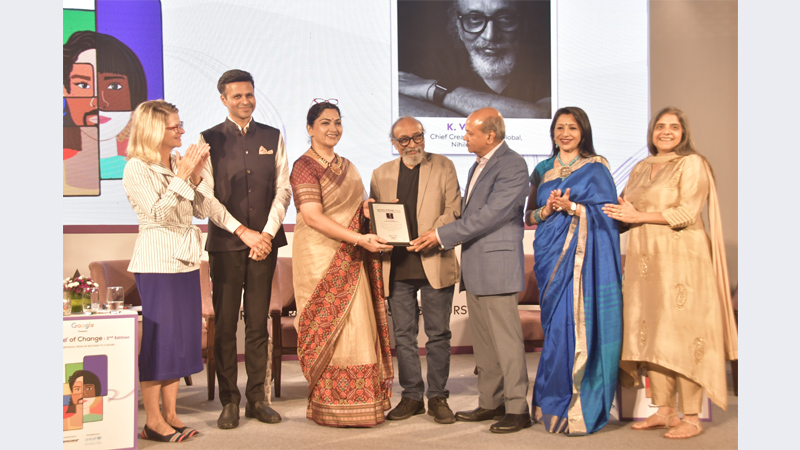
    The event saw the felicitation of Gender Warriors, industry stalwarts who have incessantly championed gender equity, and led by example as protagonists of change. This included advertising veteran KV ‘Pops’ Sridhar, who revolutionized the industry by challenging stereotypes to make way for a more equitable and inclusive advertising landscape; Dr. A. L.  Sharada, Director, Population First, whose work effectively continues to change norms and  advance gender equality in India through campaigns like ‘Laadli’; and Padma Shri Dr. Shyam Sundar Paliwal, whose social activism pioneered the Piplantri model, a remarkable initiative celebrating the birth of girl children with tree planting in Rajasthan.

    Additionally, the event also recognized the distinguished service of, and felicitated the IAA North Star awardees, Mr. Srinivasan Swamy, Chairman and Managing Director, R K SWAMY Pvt. Ltd. and Mr. Ramesh Narayan, Founder, Canco Advertising Pvt. Ltd, for their contribution to the IAA.

    The day proceeded with enlightening discussions, where panellists debated impending challenges and shared their experiences with the audience. The ‘From Screen to Screen: Gender Portrayal in the World of Entertainment’ panel brought together esteemed visionaries like Sameer Nair, MD, Applause Entertainment; Aparna Purohit, Head of Originals, Amazon Prime Video; Gaurav Banerjee, Content and Business Head, Disney Star, popular actor Manasi Salvi and actor, writer, director and stand-up comic, Sumukhi Suresh. Moderated by renowned journalist Anuradha Sengupta, the session saw the luminaries engage in a compelling dialogue on the evolving role of and the transformative power of storytelling for equitable gender representation. The dialogue traced the journey of gender portrayal in media and entertainment, the progress so far and the direction for further positive development. It touched upon the parallel evolution of content creators and consumers, and the role of today’s audience that looks for a progressive narrative in content on-screen, be it television or streaming platforms or cinema. The panellists also spoke about the need to mandate equitable gender participation on- and off-screen to create definitive change, and how creating gender-sensitive content can be well-balanced with commercial considerations when the intent and impact coincide.

    Leading creative powerhouses and industry stalwarts like Raj Kamble, Founder and CCO, Famous Innovation; Mansha Tandon, Head of Marketing, YouTube India; Dr. A. L. Sharada, Population First; and Ad & Film Director, Screenplay Writer Renzil D’Silva delved into ‘Gender portrayal in advertising and media’. Moderated by Prasad Sangameshwaran, Editor, ET Brand Equity, the panel candidly explored nuances like softer cues of imbalance in gender portrayal, while shedding light on the power of imagery and narrative in shaping perception of gender roles. The panellists discussed corrective measures and ways to make them a way of life, beyond academic discussions. They also shared their perspectives on pertinent aspects, for advertisers and brand custodians, like ensuring gender-sensitive messaging within a 30-second time limit which must also include brand specific mandates; and purposefully reimagining gender roles in advertisements while keeping in mind client delivery timelines and balancing it with direct consumer connect. The panellists also debated how, despite fundamental challenges of time, commercial deliberations, and popular culture that drives stereotypes, it is possible to inch towards gender equitable portrayals through subtle and effective changes in writing character roles.

    The enriching day concluded with an evocative and inspiring fireside chat with Dia Mirza. The actor, producer and UN Secretary General’s Advocate for Sustainable Development Goals, UNEP Goodwill Ambassador spoke to Celebrity Host, Atika Farooqui, about her conscious choice of roles as an artist in her professional journey, to advocate the values that deeply align with her. She also spoke about the progress made and the distance to go, when it comes to storytelling across cinema and OTT, by giving examples of the latest projects she was intentionally a part of to drive that much-needed change. Speaking of one of her latest movies, she illustrated how men too can be strong allies in telling revolutionary stories reflecting the women of today. The chat also touched upon her concerns pertaining to gender portrayal, such as assigning beauty to youth for women, formulated roles basis gender and the awareness around gender fluidity, and its impact on society. Dia said, “I believe there has been a shift in storytelling when it comes to depicting gender sensitivity and equity on screen, but we have a long way to go. I truly think that a lot can change in society with what we portray. For that change to happen, we must all come together, men and women alike. Representation matters. Each of us has a part to play towards creating a lasting change.” Dia also took the aforementioned pledge with audience, showing her commitment to the cause of breaking the shackles of stereotypes.  

    The game-changing second edition of the IAA: Voice of Change summit, packed with riveting discussions, forthright debates, and critical evidence-based insights probed deeper into the nuances, challenges, and possible solutions for breaking gender stereotypes effectively on screen. The event harkened the need for gender-equitable and gender-sensitive portrayal in all content across formats – be it a short video on social media, a television show, an advertisement, or a full-length feature film. With presenting event sponsor Google India, the Geena Davis Institute on Gender in Media, Knowledge Partner UNICEF and Associate Partner TVS Raider, the latest edition of the summit served as another milestone in the journey of IAA’s ‘Voice of Change’ movement, to develop the dialogue in favour of right benchmarks for gender equitable portrayals on screen and to continue this endeavour at the grassroot level across the length and breadth of the media and entertainment industry.

  • Google India welcomes Shekar Khosla as VP – marketing

    Google India welcomes Shekar Khosla as VP – marketing

    Mumbai: Google India has appointed Shekar Khosla as VP – marketing.

    Bringing nearly 30 years of experience, Khosla comes from Kellogg Company, where he served as the chief commercial officer, overseeing digital transformation, revenue growth management, sales, and marketing for nearly nine years.

    He was with Unilever for 20 years in various leadership roles.

  • Media tome throws light on the biz growth pre and post pandemic

    Media tome throws light on the biz growth pre and post pandemic

    Mumbai: The Indian media business is estimated to be a $19 billion industry in 2021 (EY estimates), said veteran business journalist Vanita Kohli-Khandekar. She observed that the media industry had doubled in the period between 2013 to 2019. But what’s remarkable is not only the change in size but also the composition of the industry.

    Khandekar was speaking at the launch of the latest edition of her book- ‘The Indian Media Business: Pandemic and After’ on Wednesday. The fifth edition of the book published by Sage Publications India was unveiled at a virtual event attended by noted industry leaders.

    To highlight the transformation that the industry has undergone in recent times, she opened the discussion with an intriguing question “What is a media company?”.

    Unlike in the past where media companies used to compete for consumers’ leisure time, today media consumption is no longer only about leisure and entertainment but has permeated every aspect of the consumers’ lives. “The pandemic imprisoned audiences in their homes and access to media via their smartphones, TVs and other devices were the only way they were connected to the world,” she said.

    In FY 2010, the top 10 media companies comprised Times Group (Rs 5000 crore), Zee Group (Rs 4,000 crore), Star India (Rs 3,500 crore), Airtel (Rs 2,900 crore), HT Media (Rs 1,500 crore), Sun (Rs 1,400 crore), Network18 (Rs 1,300 crore), Sony (Rs 1,300 crore), DB Corp (1,100 crore) and Jagran (Rs 900 crore). There isn’t a single digital media company in the top 10 list which is dominated entirely by linear broadcast media organisations.

    Fast forward to FY 2019 where the composition of the media landscape changed significantly. The top 10 companies were Zee Group (Rs 16,300 crore), Star India (Rs 13,500 crore), Times Group (Rs 10,000 crore), Google India (Rs 9,400 crore), Sony (Rs 6,300 crore), Tata Sky (Rs 6,200 crore), Network18 (Rs 5,100 crore), Airtel TV (Rs 4,100 crore), Sun Network (Rs 4,000 crore) and PVR Cinemas (Rs 3,100 crore).

    The pandemic reshuffled the top 10 companies once again but the composition remained largely unchanged. Disney-Star (Rs 14,350 crore), Zee Group (Rs 13,300 crore), Google India (Rs 13,000 crore), Times Group (Rs 10,000 crore), Sony (Rs 5,900 crore), Tata Sky (Rs 5,700 crore), Network18 (4,700 crore), Sun Network (Rs 3,800 crore), Airtel TV (Rs 3,100 crore) and Netflix (Rs 1,500 crore).

    Netflix breaking into the top 10 bracket in FY21 with only Rs 1,500 crore in revenues is indicative of how badly the pandemic impacted the industry on the whole. A leading cinema exhibition chain saw revenues drop from Rs 3,500 crores to effectively zero and a burn rate of Rs 100 crores a month in 2020. Khandekar observed that the opening of theatres and return of film exhibition business is a key indicator that the ecosystem has come back to health. Films are the Gangotri of the media business, she remarked.

    “A key trend during the pandemic was the explosion of audiences without the ability to monetise them,” said Khandekar. “Apart from digital media companies which saw a marginal increase in revenues, most media companies were not able to successfully monetise the growth in audiences during the pandemic.” According to her, Indian media companies have been successful at driving penetration of their business, however, post-pandemic they have realised the need to focus on effective monetisation.

    Khandekar observed that even though there is no import quota on entertainment in India, 90 per cent of the market is watching local content. “We don’t celebrate this industry enough,” she said, adding that the Indian media business is the highest tax-paying industry and could easily contribute five to seven per cent to the country’s GDP. Countries like the US and the UK nurture their media companies but in India, the TV broadcast ecosystem is caught in a regulatory mess and the entire industry is reeling from the pandemic. The media industry that employs over three million people is one of the best markers of India’s soft power,” she concluded.

    Some of the media industry leaders who attended the event included PVR Cinemas chairman and managing director Ajay Bijli, India Today Group vice-chairperson Kalli Purie, director of University of Oxford’s Reuters Institute for the study of journalism and professor of political communication Rasmus Kleis Nielsen and director of YouTube content partnerships at YouTube India Satya Raghavan.

  • Google’s Aditya Swamy, FB’s Sandeep Bhushan join ASCI board

    Google’s Aditya Swamy, FB’s Sandeep Bhushan join ASCI board

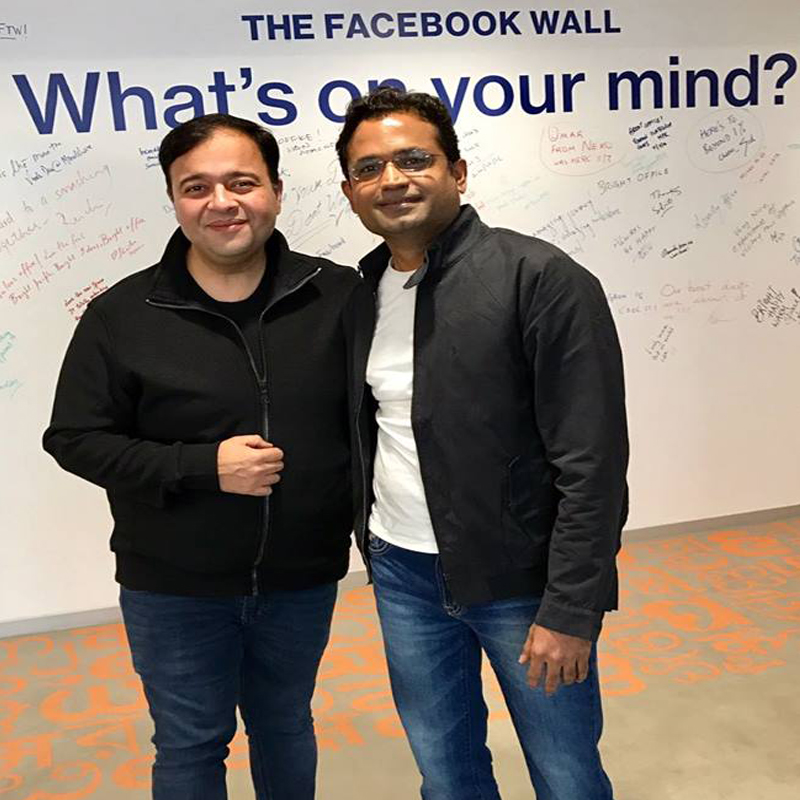
    Mumbai: Director of Google India, Aditya Swamy has joined the Advertising Standards Council of India (ASCI) board and Facebook India head of global marketing solutions, Sandeep Bhushan will be a special invitee to the board, announced ASCI on Friday. 

    As the advertising self-regulatory body shapes the narrative of Indian advertising in a post-COVID world, representation from two of the world’s largest digital companies on its top decision-making body is a landmark step.

    The wealth of experience and insights Swamy and Bhushan bring to the table will not only help the self-regulator formulate better policies and guidelines for the advertising industry, but it will also enable a better understanding of new challenges and their solutions, the organisation said in a statement. “As ASCI works to ensure the protection of consumer interests, along with those of other stakeholders like brands and agencies, having Google and Facebook on the board will help it to sharpen its ability to implement its guidelines as well,” it added.

    Swamy and Bhushan’s appointments strengthen ASCI’s refreshed vision for the future, which reflects in the recent launch of its new logo. The appointments also mark ASCI’s fast-widening focus on digital advertising and platforms, which began last year with a partnership with TAM to monitor 3,000 digital platforms for misleading marketing claims, as well as the launch of the Influencer guidelines and influencer monitoring through an AI platform.

    ASCI chairman Subhash Kamath said, “I am delighted to welcome both Aditya and Sandeep to the board, this is a landmark moment. As we strengthen our roots in the digital space and streamline its functioning, it is extremely important that we collaborate with and learn from the leaders. Google and Facebook are the biggest digital players. We look forward to them helping us become a better conscience keeper of the industry.”

    ASCI, secretary-general, Manisha Kapoor said, “Having Google and Facebook on our board is a great start to the new journey ASCI is embarking upon. It is vital for us to have a keen understanding of digital operations. We will benefit greatly from the expertise that both these companies bring with them.”

    As advertisers’ focus shifts from traditional media to digital spaces, ASCI is ensuring that it stays ahead of the curve and streamlines the shift. 

  • Google India MD Sanjay Gupta elected as IAMAI’s new chairman

    New Delhi: Industry body Internet and Mobile Association of India (IAMAI) on Friday announced that Google India vice president and managing director Sanjay Gupta has been elected as its chairman for 2021-23.

    He succeeds Amazon senior vice president and India country manager Amit Agarwal.

    IAMAI has also named Facebook India vice president and managing director Ajit Mohan as vice chairman of the association, succeeding Yatra.com co-founder and chief executive officer (CEO) Dhruv Shringi.

    Razorpay CEO and co-founder Harshil Mathur has been elected as the treasurer. He succeeds Times Internet Ltd, vice chairman, Satyan Gajwani.

    Talking about his appointment, Gupta said connecting over a billion Indians to the opportunities, the Internet can empower businesses, scale access to education, healthcare and drive financial inclusions in the country. “As a country, India has made tremendous progress and has proven the ability to deliver towards this vision. At this critical moment, the onus is on all of us to ensure that we make responsible progress towards delivering this vision, respecting everyone’s right to privacy, ensuring their safety, and making the Internet a powerful engine for India’s economic growth,” he added.

    Facebook’s Ajit Mohan said IAMAI has long played a positive role in ensuring that India’s exciting digital transformation delivers for everyone in the country. “At a time when digital is playing an increasingly important role in peoples’ lives, we are committed to bringing the best of this industry to be an enabling force for good for India,” he said.