Tag: Goods & Services Tax

  • GST relief for media industry in the offing?

    GST relief for media industry in the offing?

    NEW DELHI: There may be some relief for the media industry for certain segments in the offing relating to goods and services tax (GST) with the government open to reviewing certain norms.

    According to government sources, petitions from the media and entertainment industry has moved the government to review norms relating to sponsorship services by corporates and other bodies where reverse charge mechanism was not allowed.

    Reverse charge mechanism (RCM), which is one of the contentious issues raised late last year by some of the TV channels, has now been suspended until 30 June 2018 according to the sources.  The government is also looking at instituting a group of ministers (GoM) to look into RCM and its relevance in GST.

    GST, which was welcomed by most sections of the Indian business, has, however, resulted in increased paperwork and spends on manpower for most media companies.

    Earlier, it had been envisaged that GST — dubbed as one nation, one tax by the PM Modi government — would reduce the taxation burden on corporate houses and reduce multiplicity of taxes. It had also been envisaged that taxation on entertainment, cable and DTH services would come down under the GST regime as the entertainment tax levied by states would be subsumed in the GST.

    However, after GST was rolled out from April 2018, most companies,  including those in the media and entertainment sector, realised that GST compliance came with a price and, subsequently, a few states like Punjab have gone on to levy entertainment tax, which, in a way, has neutralised many of the benefits of GST.

    Also Read :

    GST: TV prod biz bemoans lack of clarity and increased paperwork

    Under GST, taxes on cable, DTH & entertainment services to come down

    GST on set-top boxes & optic fibre down to 18%

  • Dish TV India reports muted numbers for first quarter

    Dish TV India reports muted numbers for first quarter

    BENGALURU: The Essel Group’s television direct to home (DTH) Dish TV India Limited (Dish TV) reported 5 percent and 5.1 percent declines in subscription and operation revenue for the quarter ended 30 June 2017 (Q1-18, current quarter) as compared to the corresponding year ago quarter (Q1-17). Dish TV says that it is making a smart recovery from the lows of the demonetization impacted previous quarters. The company reported subscription revenue of Rs 6,917 million in the current quarter as compared to Rs 7,282 million in Q1-17. Operating revenue in Q1-18 was Rs 7,389 million as compared to Rs 7,786 million in Q1-17.

    Dish TV reported a net loss of Rs 139 million in the current quarter as compared to profit after tax of Rs 361 million in Q1-17. EBIDTA in Q1-18 was 22.9 percent down at Rs 2,016 million as compared to Rs 2,610 million in Q1-17. Total comprehensive loss in the current quarter was a Rs 134 million as compared to total comprehensive income of Rs 364 million in the corresponding year ago quarter.

    Dish TV reported net addition of 0.186 million subscribers in the current quarter which takes it subscriber base to 15.7 million. The company had closed the previous quarter (last quarter of fiscal 2017 or Q4-17) with 15.5 million subscribers.

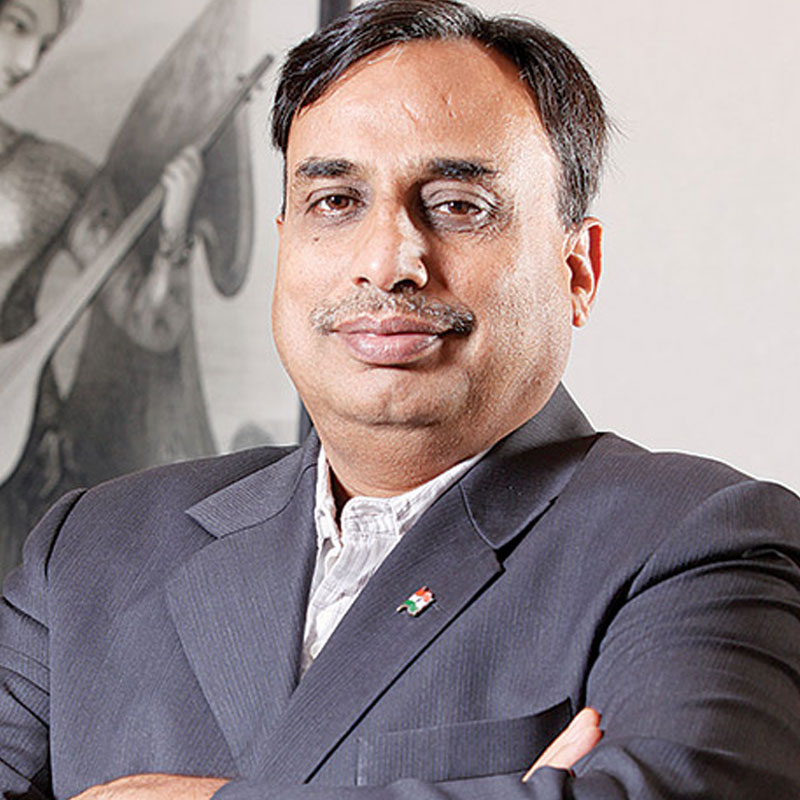
    Dish TV CMD Jawahar Goel, said, “With digitization spreading to rural India, our primary objective is to address the needs of pay-TV viewers in small towns and villages. For the first time in the history of DTH industry in India, indirect tax rates have been separately communicated to the consumers. In an attempt to make TV viewing affordable for viewers, Dish TV introduced the Rs. 160 per month (plus taxes) pack this month. In addition, by partly adopting TRAI’s new Tariff Order, Dish TV also started offering all channels, except Sports and select south channels, at affordable ala-carte prices of Rs. 8.50 and Rs.17.00 (plus taxes) per channel per month for SD and HD respectively. It would be worthwhile to mention here that none of these new offerings would be margin dilutive for our business.

    Dish TV’s total expenditure in Q1-18 increased 6 percent to Rs 7,788.5 million (105.4 percent of operating revenue) from Rs 7,350.6 million (94.4 percent of operating revenue) in the corresponding quarter of the previous year. Employee Benefit Expense in Q1-18 increased 1.5 percent to Rs 388.4 million (5.3 percent of operating revenue) from Rs 382.6 million (4.9 percent of operating revenue) in Q1-17. Operating Expenses increased 5.2 percent y-o-y in Q1-18 to Rs 3,731.5 million (50.5 percent of operating revenue) from Rs 3,547.5 million (45.6 percent of operating revenue) in the corresponding quarter of the previous year. Other expenses were flat at Rs 1,223.8 million (16.6 percent of operating revenue) as compared to Rs 1,223.6 million (15.7 percent of operating revenue) in Q1-17. Finance costs increased 12.1 percent y-o-y in Q1-18 to Rs 589.6 million (8 percent of operating revenue) from Rs 526.1 million (6.8 percent of operating revenue) in Q1-17.

    In its earnings release, Dish TV says that it is excited about the mega size, strength and reach that it is going to achieve post the formation of Dish TV Videocon Limited. The new company would be riding on the strength of a resurgent economy and a growing market that should help enhance the efficiencies from this mega merger. It says that the combination of DishTV and Videocon D2h would create one of the World’s largest DTH platform.

    Goel, said, “The proposed amalgamation will further help create scale in the highly fragmented TV distribution landscape in India while creating significant synergies through the combination. Drawing inference from our initial estimates and integration meetings held so far, we expect approximate net synergies from the amalgamation to the tune of Rs. 1,800 million in FY-18 and Rs. 5,100 million in FY-19. Significant amongst these would be synergies arising from unified content contracts as each major contract becomes due for re-setting.”

    Speaking about GST, Goel informed, ““Dish TV has successfully transitioned to the GST regime. The DTH industry has seen a reduction in the overall indirect tax rates under GST. Though benefits due to the unified tax may take some time to reflect in numbers, the sheer check on tax avoidance in the informal cable sector should be immediately helpful in reducing irrational competition from cable. The Harmonized System Nomenclature (HSN) codes, unit and rate which need to be separately declared in the invoice in value chain right from the broadcasters to the local cable operator, under GST will give a logical and systematic classification to goods and services thus reducing the possibility of misdeclaration by businesses. The total amount of GST to be collected and payable by Dish TV during the current quarter would be to the tune of Rs. 1,350 million.”

    Addressing concerns being raised on whether data prices could hit rock bottom levels such that some entertainment viewers would prefer streaming content, as perceived to have been done in the West, instead of sticking to the traditional cable/DTH distribution methods, Goel, said, “New technology would generally replace the traditional means only if it provides something better than what the incumbent is providing and at much more efficient price levels. The fact of the matter is that even at the current, all time low data prices, the cost of watching Standard Definition TV for a month through streaming devices would turn out to be at least 3-5 times higher than the popular average monthly DTH subscription.”

    Speaking on The Telecom Regulatory Authority of India’s (TRAI) Tariff Order, Goel, said, “The broadcasting community wanted forbearance on pricing which has been granted under the order. Distribution platforms have been allowed to charge for the network. The proposed Tariff Order, on seeing the light of the day, will ensure minimization of discriminatory pricing amongst distribution platforms thus ensuring a level playing field for all players.”

  • Demonetisation hits Dish TV numbers for Q3-17

    Demonetisation hits Dish TV numbers for Q3-17

    BENGALURU: Indian direct to home (DTH) company Dish TV India Limited (Dish TV) has reported just 3.3 per cent increase in subscription revenue for the quarter ended 31 December 2016 (Q3-17, current quarter) as compared to the corresponding year ago quarter (quarter ended 31 December 2015, Q3-16). Total Income from operations (TIO) in the current quarter actually declined three per cent as compared to Q3-17.

    Further, despite the sunset dates for DAS phases III and IV quickly approaching, the company could add just 220,000 subscribers (net additions) in the current quarter as compared t0 317,000 (net additions) in Q3-16. Dish TV says that it closed the current quarter with 1.53 crore net subscribers.

    In its earnings release, Dish TV says that only 30  of its subscribers made payments by digital means until demonetisation day – 8 November 2016. CMD Jawahar Goel explained further, “Limited cash supply made people defer their DTH recharges by a few days or weeks depending on the urgency of other basic necessities. The impact was stronger in the second tier and below towns and cities as most of the economy in these areas runs on cash. Our subscription revenues during the quarter could have been higher by around 8 per cent in a non-adverse scenario. Lower growth eventually resulted in lower average revenues per user as well.”

    The company says that the fiscal third quarter being the period of festivals is generally the largest contributor to new subscriber additions during the year. Demonetization however impacted Dish TV’s new subscriber additions also with the company recording an estimated 8-10 per cent lower subscriber adds during the quarter.

    Goel said further, “Subscribers as well as trade partners were extended temporary credit facilities basis their past transactions pattern. Subscriber awareness drives to promote alternate methods of payment were run both on the ground and on screen in addition to various other initiatives. Looking at the brighter side of it, demonetization does promise an eventual less-cash dependent population that should use online payment interfaces over cash for DTH recharges. That’s going to be a boon for the DTH business.”

    Goel is optimistic about the future. He said, “Though demonetization has led to an initial distress, it also will result in certain structural changes that are going to benefit the economy in the long run. As far as our business is concerned, the effect has already started coming in. As online payment transactions, credit cards and a less-cash society become buzz words today, we are happy to note an increase in our online transacting subscriber base from 30 percent to around 38 percent with around 22 digital wallets and the like being integrated with the company. Every online recharge transaction vis-à-vis EPRS based transaction implies savings on recharge commissions paid by us.”

    Let us look at the numbers reported by Dish TV for Q3-17

    As mentioned above, subscription revenue in the current quarter increased 3.3 percent to Rs 692.10 crore from Rs 669.90 crore. TIO declined 3 percent to Rs 747.98 crore from Rs 771.48 crore.

    Profit after tax (PAT) declined to almost a third (declined 61.0 Percent) to Rs 26.68 crore (3.6 percent margin – of TIO) in Q3-17 from Rs 68.49 crore (8.9 percent margin) in Q3-16. EBIDTA in the current quarter declined 6 percent to Rs 249.51 crore (33.4 percent margin) from Rs 265.45 crore (34.4 percent margin).

    Total Expenditure in Q3-17 increased 1.8 percent year-over-year (y-o-y) to Rs 664.04 crore from Rs 652.33 crore. Programming/content and other costs increased 6.2 percent y-o-y to Rs 220.10 crore in the current quarter from Rs 207.31 crore.

    Employee Benefits Expense in the current quarter increased 25.2 percent to Rs 36.12 crore from Rs 28.85 crore. Other expenses in Q3-17 increased 9.7 percent y-o-y to Rs 118.09 crore from Rs 107.68 crore. Other operating costs declined 36.6 percent in the current quarter to Rs 66.82 crore from Rs 105.35 crore in the corresponding year ago quarter.

    Finance costs in Q3-17 increased 8.3 percent to Rs 59.1 crore from Rs 54.46 crore in the corresponding year ago quarter.

    Commenting on the results, Goel said, “We believe that the negative impact of demonetization is only temporary and that with a strong subscriber growth rate, tight control on costs, reasonably steady free cash flows and a healthy balance sheet we should deliver sustainable growth. The rollout of the Goods and Services Tax (GST), a hopefully favourable license fee regime and a revenue conscious cable industry should only add to the strengths of Dish TV going forward.”

    Notes:The unit of currency in this report is the Indian rupee – Rs (also conventionally represented by INR). The Indian numbering system or the Vedic numbering system has been used to denote money values. The basic conversion to the international norm would be:

    (a) 100,00,000 = 100 lakh = 10,000,000 = 10 million = 1 crore.

    (b) 10,000 lakh = 100 crore = 1 arab = 1 billion.

    Also Read:

    The growth of DTH in India

    DTH adds 14 lakh active subscribers in Q2-17 as per TRAI data

    DishTV expands its HD offering

    Dish TV offers ‘Digishala’ to 15 million subs

  • Demonetisation hits Dish TV numbers for Q3-17

    Demonetisation hits Dish TV numbers for Q3-17

    BENGALURU: Indian direct to home (DTH) company Dish TV India Limited (Dish TV) has reported just 3.3 per cent increase in subscription revenue for the quarter ended 31 December 2016 (Q3-17, current quarter) as compared to the corresponding year ago quarter (quarter ended 31 December 2015, Q3-16). Total Income from operations (TIO) in the current quarter actually declined three per cent as compared to Q3-17.

    Further, despite the sunset dates for DAS phases III and IV quickly approaching, the company could add just 220,000 subscribers (net additions) in the current quarter as compared t0 317,000 (net additions) in Q3-16. Dish TV says that it closed the current quarter with 1.53 crore net subscribers.

    In its earnings release, Dish TV says that only 30  of its subscribers made payments by digital means until demonetisation day – 8 November 2016. CMD Jawahar Goel explained further, “Limited cash supply made people defer their DTH recharges by a few days or weeks depending on the urgency of other basic necessities. The impact was stronger in the second tier and below towns and cities as most of the economy in these areas runs on cash. Our subscription revenues during the quarter could have been higher by around 8 per cent in a non-adverse scenario. Lower growth eventually resulted in lower average revenues per user as well.”

    The company says that the fiscal third quarter being the period of festivals is generally the largest contributor to new subscriber additions during the year. Demonetization however impacted Dish TV’s new subscriber additions also with the company recording an estimated 8-10 per cent lower subscriber adds during the quarter.

    Goel said further, “Subscribers as well as trade partners were extended temporary credit facilities basis their past transactions pattern. Subscriber awareness drives to promote alternate methods of payment were run both on the ground and on screen in addition to various other initiatives. Looking at the brighter side of it, demonetization does promise an eventual less-cash dependent population that should use online payment interfaces over cash for DTH recharges. That’s going to be a boon for the DTH business.”

    Goel is optimistic about the future. He said, “Though demonetization has led to an initial distress, it also will result in certain structural changes that are going to benefit the economy in the long run. As far as our business is concerned, the effect has already started coming in. As online payment transactions, credit cards and a less-cash society become buzz words today, we are happy to note an increase in our online transacting subscriber base from 30 percent to around 38 percent with around 22 digital wallets and the like being integrated with the company. Every online recharge transaction vis-à-vis EPRS based transaction implies savings on recharge commissions paid by us.”

    Let us look at the numbers reported by Dish TV for Q3-17

    As mentioned above, subscription revenue in the current quarter increased 3.3 percent to Rs 692.10 crore from Rs 669.90 crore. TIO declined 3 percent to Rs 747.98 crore from Rs 771.48 crore.

    Profit after tax (PAT) declined to almost a third (declined 61.0 Percent) to Rs 26.68 crore (3.6 percent margin – of TIO) in Q3-17 from Rs 68.49 crore (8.9 percent margin) in Q3-16. EBIDTA in the current quarter declined 6 percent to Rs 249.51 crore (33.4 percent margin) from Rs 265.45 crore (34.4 percent margin).

    Total Expenditure in Q3-17 increased 1.8 percent year-over-year (y-o-y) to Rs 664.04 crore from Rs 652.33 crore. Programming/content and other costs increased 6.2 percent y-o-y to Rs 220.10 crore in the current quarter from Rs 207.31 crore.

    Employee Benefits Expense in the current quarter increased 25.2 percent to Rs 36.12 crore from Rs 28.85 crore. Other expenses in Q3-17 increased 9.7 percent y-o-y to Rs 118.09 crore from Rs 107.68 crore. Other operating costs declined 36.6 percent in the current quarter to Rs 66.82 crore from Rs 105.35 crore in the corresponding year ago quarter.

    Finance costs in Q3-17 increased 8.3 percent to Rs 59.1 crore from Rs 54.46 crore in the corresponding year ago quarter.

    Commenting on the results, Goel said, “We believe that the negative impact of demonetization is only temporary and that with a strong subscriber growth rate, tight control on costs, reasonably steady free cash flows and a healthy balance sheet we should deliver sustainable growth. The rollout of the Goods and Services Tax (GST), a hopefully favourable license fee regime and a revenue conscious cable industry should only add to the strengths of Dish TV going forward.”

    Notes:The unit of currency in this report is the Indian rupee – Rs (also conventionally represented by INR). The Indian numbering system or the Vedic numbering system has been used to denote money values. The basic conversion to the international norm would be:

    (a) 100,00,000 = 100 lakh = 10,000,000 = 10 million = 1 crore.

    (b) 10,000 lakh = 100 crore = 1 arab = 1 billion.

    Also Read:

    The growth of DTH in India

    DTH adds 14 lakh active subscribers in Q2-17 as per TRAI data

    DishTV expands its HD offering

    Dish TV offers ‘Digishala’ to 15 million subs

  • Broadcasters bat for parity with print medium under GST

    Broadcasters bat for parity with print medium under GST

    NEW DELHI: The Indian Broadcasting Foundation (IBF) today urged the government to level the playing field under the proposed GST regime for “all mediums”, including electronic, radio and print, as businesses across sectors had taken a hit due to demonetisation of high value currency notes November last.

    In a statement put out on Friday, the IBF, which is dedicated to the promotion of television broadcasting in and from India as an organisation, exhorted the government to treat broadcasting community at par with the print medium.

    “Just like the print media that has been clamouring for a zero rating of newspapers under the new GST regime, fuming under mass retrenchment and closing down of various editions, the electronic and the radio media, though bleeding under cancellations of advertisements (of) over Rs. 2000 crore (Rs. 20 billion) have requested the government to treat them at par with the print counterpart as they cater to imparting of not only news, entertainment, but also help educate the masses,” the statement said.

    The IBF statement comes a day after Minister of Information and Broadcasting M. Venkaiah Naidu directed his ministry’s top official, Secretary Ajay Mittal, to examine various concerns raised by the print media players, including the tax regime that would be ushered in under the proposed Goods & Services Tax (GST), wages in the sector and the way government hands out advertising business to newspapers and magazines.

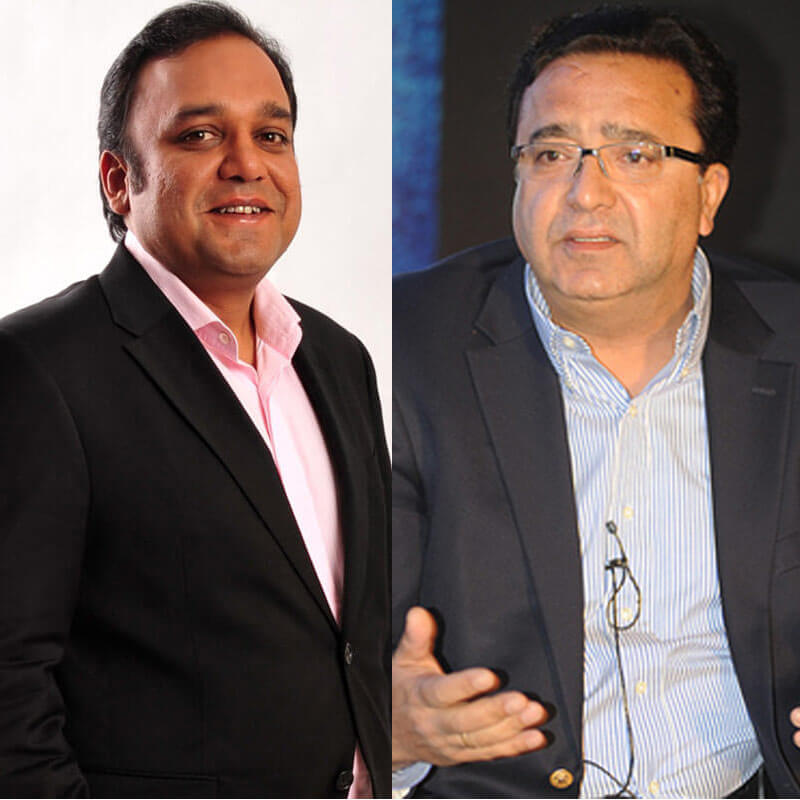
    President of IBF, representing broadcasters in the country with more than 400 channels and 90 per cent of viewership in the country, Punit Goenka said, “It is important that the government recognises TV services, which has evolved over the years as a product/service of mass consumption, to be classified and categorized under the item of mass consumption having a GST rate of 5 per cent so that it becomes affordable to masses.”

    Goenka further added: “Going by the number of TV households, which stands at 120 million, we submit to the government that broadcast services, that is, TV and radio, must be treated at par with the print (medium) in the new GST regime. This submission is based entirely on the fact that TV services have become integral part of everyday life of the vast majority in the country and the general economic downturn globally has impacted the sector extensively.”

    According to MIB data as on 31 December 2016, there are 899 licensed TV channels in the country of which 399 are news and current affairs channels, while 500 fall under the non-news and current affairs category. Building on this data, IBF highlighted that while many news channels had shuttered or are doing so, some others were downsizing to cope with falling revenues — a fall out of shrinking advertising revenue following demonetisation — and rising infrastructure and contest costs. “It seems that many (TV channel) licenses would get either get cancelled or submitted (back) voluntarily by the stakeholders,” IBF warned.

    Pointing out that the rates of DAVP advertisements (the government body that hands out government ads to media), which all broadcasters have to mandatorily carry on their networks, have remain unchanged since 2010, Sony Pictures Networks India president, network sales and international business Rohit Gupta said, “The rock-bottom rates are not at all in keeping with the existing market rates and allows little flexibility to carry out businesses.”

    Dwelling on the impact that rising costs can have on smaller TV channels’ investments in content, which can have “cascading” effects on viewer choice, Zee Entertainment president, legal & regulatory, A Mohan said, “We urge the government to free the media, print, television and radio (mediums) from obsolete taxation squeezes and attacks on revenue streams, as the vitality of this industry is essential to protect the fibre of the country, both socially and economically.”

    The IBF statement, which cautioned government against job losses and disruptions in the vibrant Indian media industry, advocated non-stifling tax regime that can reflect in the upcoming Budget 2017.

  • Broadcasters bat for parity with print medium under GST

    Broadcasters bat for parity with print medium under GST

    NEW DELHI: The Indian Broadcasting Foundation (IBF) today urged the government to level the playing field under the proposed GST regime for “all mediums”, including electronic, radio and print, as businesses across sectors had taken a hit due to demonetisation of high value currency notes November last.

    In a statement put out on Friday, the IBF, which is dedicated to the promotion of television broadcasting in and from India as an organisation, exhorted the government to treat broadcasting community at par with the print medium.

    “Just like the print media that has been clamouring for a zero rating of newspapers under the new GST regime, fuming under mass retrenchment and closing down of various editions, the electronic and the radio media, though bleeding under cancellations of advertisements (of) over Rs. 2000 crore (Rs. 20 billion) have requested the government to treat them at par with the print counterpart as they cater to imparting of not only news, entertainment, but also help educate the masses,” the statement said.

    The IBF statement comes a day after Minister of Information and Broadcasting M. Venkaiah Naidu directed his ministry’s top official, Secretary Ajay Mittal, to examine various concerns raised by the print media players, including the tax regime that would be ushered in under the proposed Goods & Services Tax (GST), wages in the sector and the way government hands out advertising business to newspapers and magazines.

    President of IBF, representing broadcasters in the country with more than 400 channels and 90 per cent of viewership in the country, Punit Goenka said, “It is important that the government recognises TV services, which has evolved over the years as a product/service of mass consumption, to be classified and categorized under the item of mass consumption having a GST rate of 5 per cent so that it becomes affordable to masses.”

    Goenka further added: “Going by the number of TV households, which stands at 120 million, we submit to the government that broadcast services, that is, TV and radio, must be treated at par with the print (medium) in the new GST regime. This submission is based entirely on the fact that TV services have become integral part of everyday life of the vast majority in the country and the general economic downturn globally has impacted the sector extensively.”

    According to MIB data as on 31 December 2016, there are 899 licensed TV channels in the country of which 399 are news and current affairs channels, while 500 fall under the non-news and current affairs category. Building on this data, IBF highlighted that while many news channels had shuttered or are doing so, some others were downsizing to cope with falling revenues — a fall out of shrinking advertising revenue following demonetisation — and rising infrastructure and contest costs. “It seems that many (TV channel) licenses would get either get cancelled or submitted (back) voluntarily by the stakeholders,” IBF warned.

    Pointing out that the rates of DAVP advertisements (the government body that hands out government ads to media), which all broadcasters have to mandatorily carry on their networks, have remain unchanged since 2010, Sony Pictures Networks India president, network sales and international business Rohit Gupta said, “The rock-bottom rates are not at all in keeping with the existing market rates and allows little flexibility to carry out businesses.”

    Dwelling on the impact that rising costs can have on smaller TV channels’ investments in content, which can have “cascading” effects on viewer choice, Zee Entertainment president, legal & regulatory, A Mohan said, “We urge the government to free the media, print, television and radio (mediums) from obsolete taxation squeezes and attacks on revenue streams, as the vitality of this industry is essential to protect the fibre of the country, both socially and economically.”

    The IBF statement, which cautioned government against job losses and disruptions in the vibrant Indian media industry, advocated non-stifling tax regime that can reflect in the upcoming Budget 2017.

  • GST Bill crucial for Start-Up India, Digital India success: IAMAI

    GST Bill crucial for Start-Up India, Digital India success: IAMAI

    MUMBAI: Industry body – Internet and Mobile Association of India (IAMAI) has urged the Parliament to pass the crucial GST (Goods & Services Tax) Bill in the forthcoming budget session. The industry body has said that the smooth passage of GST Bill is crucial for the success of mega economic and social projects, especially Digital India and Start-Up India.

    The GST Bill, which subsumes all indirect taxes to create one rate and integrate the country into a single market, is the biggest tax reform that is being undertaken since Independence, but is pending approval of the Rajya Sabha.

    The Digital India plan is about connecting, empowering and enabling citizens and encouraging local electronic manufacturing. Similarly, Start-Up India is focused on promoting entrepreneurship, and through small entrepreneurs, generating employment.

    Local manufacturing, NoFN, e-Gov, as a part of Digital India, where private sector is involved, crucially rests on the successful passage of GST Bill in Parliament, which seeks to create one market through one tax system. Similarly, start-ups, online market places, and other online service providers, all require a single market plan.

    IAMAI president Subho Ray said, “The extant tax structure of India is heavily fragmented, with multiple indirect taxes levied by different authorities at different stages of a transaction. Fiscal federalism has led to different procedures and rates of VAT and other forms of LBTs across the states. This creates logistical challenges for the industry, besides giving rise to compliance related complications. Conflict of interests between tax authorities in case of inter-state transaction is a major pain point for the industry today. GST will help the digital industry business model flourish by providing uniformity in tax rates and regulations across the country. This will help doing business in India easier, allow free-play to market dynamics and allow deeper penetration of these services.”

    Given that much of the developments in the digital industry are disruptive innovations, business models like online platforms, aggregators, etc are essentially services provided by intermediaries. Such services are revolutionising the existing markets of both goods and services. Thus, online ticketing services or e-tailing are providing newer modes of access for consumers to existing goods and services, said IAMAI.

    The digital industry unequivocally stands for the smooth passage of GST and hopes that the bill will be passed in the upcoming budget session, as any further delay will push back the transformative projects of the government.

  • GST Bill crucial for Start-Up India, Digital India success: IAMAI

    GST Bill crucial for Start-Up India, Digital India success: IAMAI

    MUMBAI: Industry body – Internet and Mobile Association of India (IAMAI) has urged the Parliament to pass the crucial GST (Goods & Services Tax) Bill in the forthcoming budget session. The industry body has said that the smooth passage of GST Bill is crucial for the success of mega economic and social projects, especially Digital India and Start-Up India.

    The GST Bill, which subsumes all indirect taxes to create one rate and integrate the country into a single market, is the biggest tax reform that is being undertaken since Independence, but is pending approval of the Rajya Sabha.

    The Digital India plan is about connecting, empowering and enabling citizens and encouraging local electronic manufacturing. Similarly, Start-Up India is focused on promoting entrepreneurship, and through small entrepreneurs, generating employment.

    Local manufacturing, NoFN, e-Gov, as a part of Digital India, where private sector is involved, crucially rests on the successful passage of GST Bill in Parliament, which seeks to create one market through one tax system. Similarly, start-ups, online market places, and other online service providers, all require a single market plan.

    IAMAI president Subho Ray said, “The extant tax structure of India is heavily fragmented, with multiple indirect taxes levied by different authorities at different stages of a transaction. Fiscal federalism has led to different procedures and rates of VAT and other forms of LBTs across the states. This creates logistical challenges for the industry, besides giving rise to compliance related complications. Conflict of interests between tax authorities in case of inter-state transaction is a major pain point for the industry today. GST will help the digital industry business model flourish by providing uniformity in tax rates and regulations across the country. This will help doing business in India easier, allow free-play to market dynamics and allow deeper penetration of these services.”

    Given that much of the developments in the digital industry are disruptive innovations, business models like online platforms, aggregators, etc are essentially services provided by intermediaries. Such services are revolutionising the existing markets of both goods and services. Thus, online ticketing services or e-tailing are providing newer modes of access for consumers to existing goods and services, said IAMAI.

    The digital industry unequivocally stands for the smooth passage of GST and hopes that the bill will be passed in the upcoming budget session, as any further delay will push back the transformative projects of the government.