Tag: Goldmines Telefilms

  • Shruti Bhargava returns to Republic Media Network as national branded content head

    Shruti Bhargava returns to Republic Media Network as national branded content head

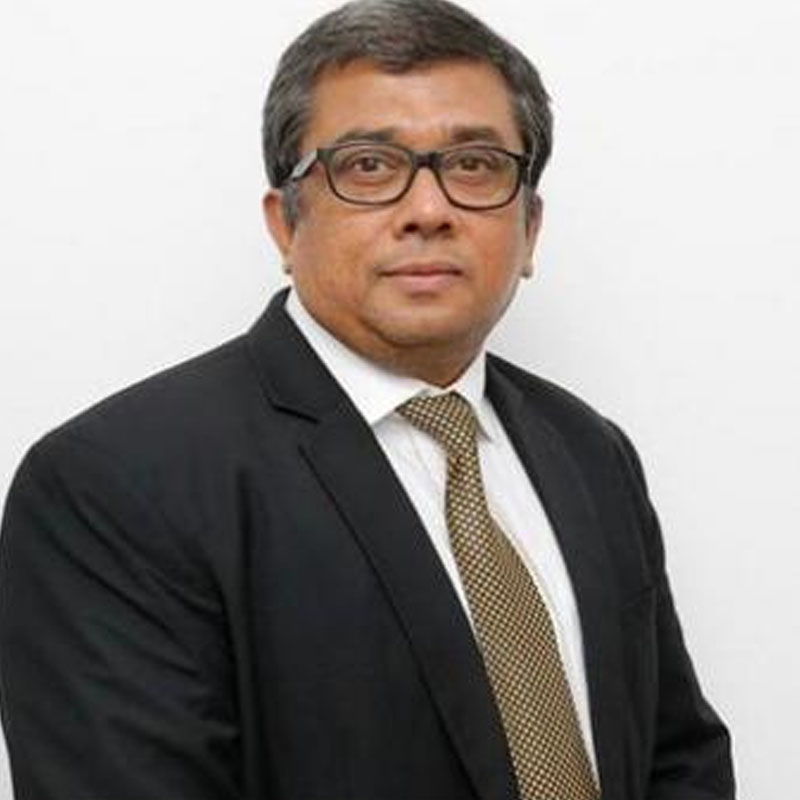
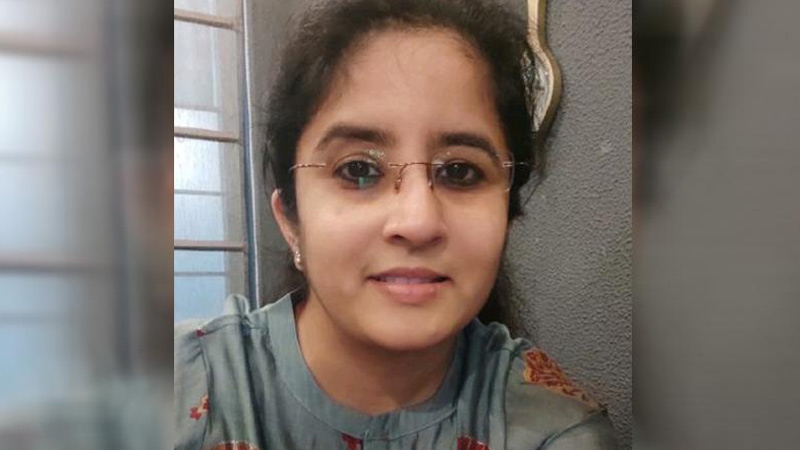
    MUMBAI: Shruti Bhargava has officially commenced her new role as the national head of branded content and associations at Republic Media Network. In her announcement on LinkedIn, she expressed her gratitude, stating, “Thank you Hersh Bhandari for your unwavering support and for the opportunities to help me grow in the professional journey.”

    With over 15 years of extensive experience in the media industry, Shruti Bhargava’s career reflects remarkable growth and versatility.

    She has held significant leadership roles, including general manager – north at Republic World since January 2024, overseeing operations and advertising revenue across platforms. Prior to this, she served as regional head – north & east India at Goldmines Telefilms, managing advertising revenue for diverse television channels. Between April and December 2022, she was general manager at Republic World, spearheading branded content initiatives and campaigns.

    Earlier, as deputy general manager at Republic Media Network Sales, she led the North India business for Republic TV from June 2021 to March 2022.

    Bhargava’s career also includes senior manager positions at TV Today and HT Media Ltd, where she managed advertising sales and marketing strategies across radio, television, digital, and print media, cementing her reputation as a well-rounded leader in the industry.

    Bhargava’s academic background includes a Bachelor of Technology in computer science from the Indian Institute of Technology, Kanpur, and a master’s degree from the University of Illinois at Urbana-Champaign. Additionally, she has participated in significant initiatives such as the International Antarctic Expedition as a Climate Force Ambassador.

    As Bhargava steps into this new chapter at Republic Media Network, her vision is set on strengthening brand partnerships and creating impactful content that resonates with audiences across the nation.

  • Goafest 2024 welcomes 50 Plus partners for the 17th edition

    Goafest 2024 welcomes 50 Plus partners for the 17th edition

    Mumbai: South Asia’s premier advertising and marketing festival, Goafest 2024 now unveils supporting partners for its 17th edition. Scheduled to take place from May 29 to 31, 2024 at The Westin Mumbai, Powai Lake, Goafest continues to drive interest for curated integrations and engagement from an array of brands. Supporting Goafest 2024 as the ‘Co-presenting’ partner is Snapchat along with WhatsApp as the ‘Technology Partner’, and Hindustan Times as the ‘Digital Partner’.

    Given the festival’s popularity and scale, 50 brands and platforms have partnered with Goafest 2024 for various integrations. From welcoming brands including Tata Motors, Mondelez, ITC Foods, Britannia, Guinness World Records, NoBroker, and MakeMyTrip, to platforms like ShareChat, Sony Liv, Flipkart Ads, Amazon Ads, Spotify, MiQ, The Trade Desk and Whisper Media, Goafest 2024 continues to cement its position as the most sought-after creative festival in South Asia.

    Additionally, broadcasters, publishers and content studios including ABP News, Amar Ujala, Dainik Bhaskar, Dainik Jagran, Dangal TV, Disney Star, Eenadu, Femina, Flowers TV, Goldmines Telefilms, Malayala Manorama, Mathrubhumi, News18 Network, Radio City, Rajasthan Patrika, Sakal Media, Sakshi, Sri Adhikari Bros, Sun TV, The Hindu Group, TV9, Viacom18, Vijayavani and Zee Media have also partnered with Goafest 2024 in different calibres.  PepsiCo, Kingfisher, and Pernod Ricard continue their long-standing association with Goafest as Beverage Partners.

    Speaking on these partnerships and engagements, Prasanth Kumar, President of the Advertising Agencies Association of India (AAAI) and CEO of GroupM, South Asia said, “We are delighted to have Snapchat as our Co-presenting Partner, WhatsApp as our Technology Partner and Hindustan Times as our Digital Partner, for Goafest this year. As South Asia’s largest creative fest, Goafest’s incredible significance continues to attract brands and advertisers, presenting them with an opportunity to deepen their engagement with the industry at large. On behalf of the organizing team, we welcome and are very thankful to all our partners and look forward to forging successful long-term associations that celebrate creativity, foster knowledge and thrive with adaptability.”

    Drawing over 2000 industry professionals each year, Goafest 2024 is co-hosted by The Advertising Agencies Association of India (AAAI) and The Advertising Club (TAC). Goafest has cemented its position as the definitive festival for the advertising and marketing industry over the last decade.

    For more details on delegate registration, partnership opportunities, masterclasses, talent initiative ‘Advertising Rocks’ and more, visit goafest.com 

  • Joy Chakraborthy steps down as CEO of Goldmines Telefilms

    Joy Chakraborthy steps down as CEO of Goldmines Telefilms

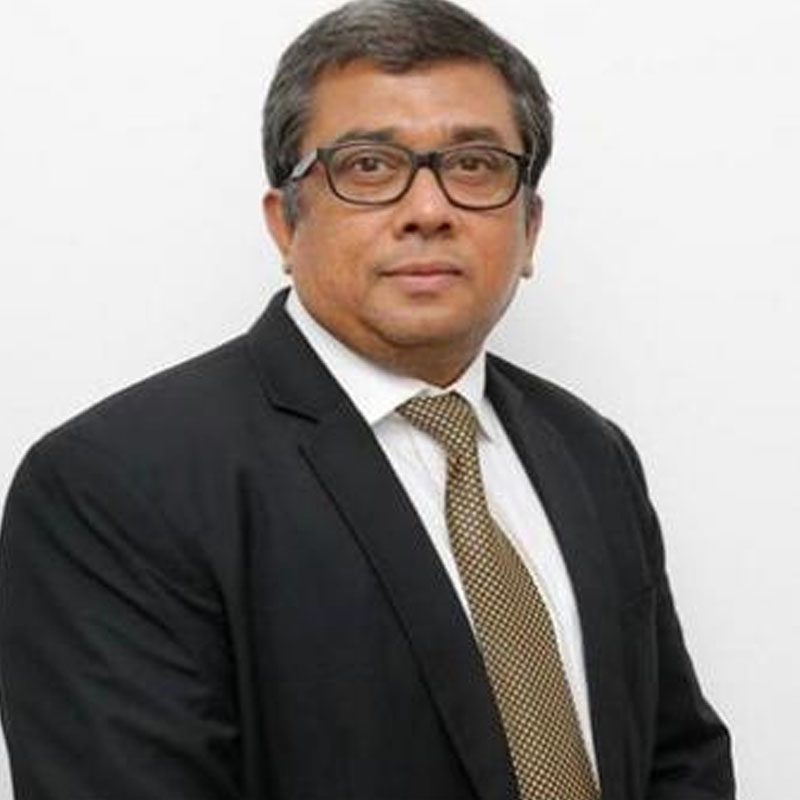
    Mumbai: Joy Chakraborthy has decided to step down as CEO of Goldmines Telefilms and is serving his three-month notice period. He joined the company in January 2022.

    “Since the time I joined Goldmines Telefilms, my promoter Manish (Shah) and I have worked in tandem to take our network to a new height in terms of viewership, brand perception, revenue etc.,” Chakraborthy told IndianTelevision.com. “We have seen monthly revenues jump more than three times what it was when I joined, with full implementation of sales processes and planning. During this period, we have also launched two more channels which will also be leaders in their genre.”

    “In spite of this growing curve, Manish and I have had certain differences in the principles of running a company, which can happen between any promoter and CEO. Keeping these in mind we have decided to part ways in an amicable way. I will be serving out my notice period as per my contract,” he further said.

    Chakraborthy is a media and entertainment industry veteran with almost three decades of experience. He has held several leadership roles including Enterr10 Television Pvt Ltd CEO, TV18 Broadcast Ltd president and CEO,  Bennett Coleman and Co Ltd director, TV Today Network CEO and  Zee Entertainment Enterprises Ltd executive director. He was also associated with Star TV as executive vice president.

  • Global pay TV subscription market decline hits $228.5 billion in 2021: MPA report

    Global pay TV subscription market decline hits $228.5 billion in 2021: MPA report

    Mumbai: The pay TV subscription market excluding online video subscription hit $228.5 billion globally in 2021, according to Motion Pictures Association (MPA) Theme Report. This is a decline from 2020 when the pay TV subscription market was at $233.1 billion. Cable remained the largest subscription market in terms of revenue. Online video subscription became the second-largest subscription revenue market in 2021, surpassing satellite TV, as a result of a $17.9 billion or 26 per cent increase, the report stated.

    The global total of online video subscriptions (1.3), such as Netflix or Disney+ increased by 14 per cent or 164.1 million when comparing 2021 to 2020, found the report. This was less than the number of online video subscriptions added in 2020 which was 232.1 million. The number of cable subscriptions decreased by one percent in 2021 to 526.5 million.

    The global box office market was $21.3 billion in 2021 up by 81 per cent compared to 2020 due to theatre re-openings following the Covid-19 pandemic lockdowns but remained well below pre-pandemic levels. The international box office market, excluding the US and Canada, stood at $16.8 billion, increased by 76 per cent and accounted for 79 per cent of the global market.

    The home/mobile entertainment market which includes content released digitally and on discs reached $78.5 billion globally, an increase of 14 per cent compared to 2020. The digital market was the driver of growth, according to the report.

    When pay television subscription is added to the total combined global theatrical and home/mobile entertainment market, the value increases to $328.2 billion, a six percent increase compared to 2020, matching 2019’s record high.

    Pay television subscription accounted for 70 percent of the total combined theatrical, home/mobile entertainment, and pay TV market, with the digital market (22 per cent), theatrical market (six per cent), and the physical market (two per cent) making up the rest.

  • Siddharth Chopra joins Pen Music as COO

    Siddharth Chopra joins Pen Music as COO

    Mumbai: Siddharth Chopra has joined Pen Music as chief operating officer. Pen Music owns TV channels BFLIX+ Movies, iLove Music and MTunes+.

    In his new role, Chopra will not only lead top-line growth but will also be responsible for scaling up business operations across functions and forming synergies to work towards organisational objectives, said the statement.

    He comes with over 16 years of experience and has led teams across the spectrum of established brands and newer products over his career. He has demonstrated successful revenue and business growth in his previous assignments. 

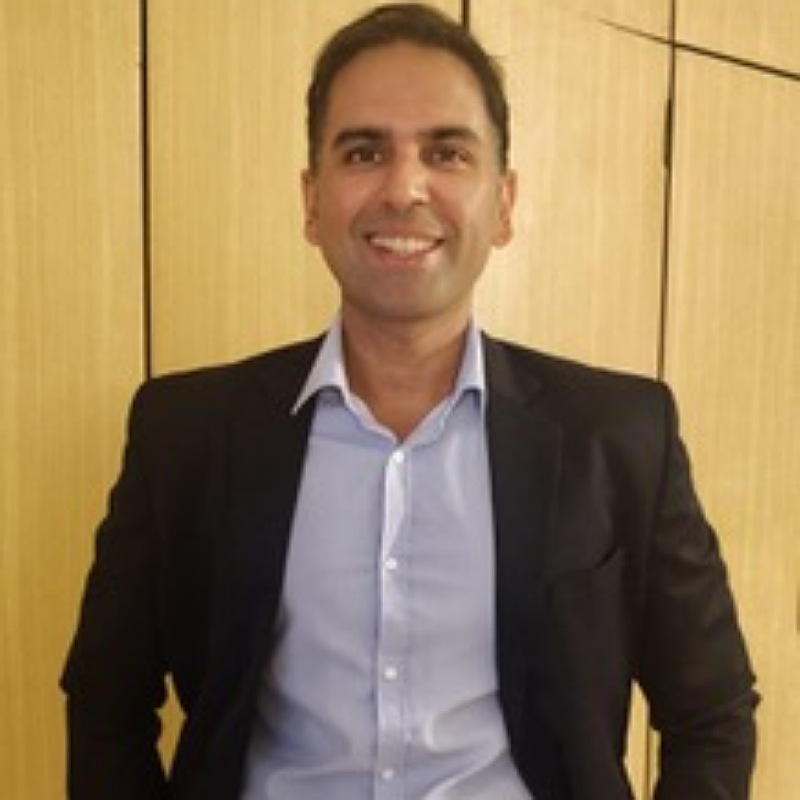
    Chopra joins from Goldmines Telefilms where he was responsible for scaling up revenue from scratch to scale over his last tenure. Prior to that, he was with the Times TV Network, where he was vice president and national revenue head for the English entertainment channels cluster. He has also worked with Turner International India – HBO and The Times of India.

    Pen Music’s BFLIX+ and iLove have been the fastest growing TV channels in the last two years delivering over 1.5 billion tune-ins every month, said the statement.

  • Winners of Indian Telly Awards – Bangla 2021 announced

    Winners of Indian Telly Awards – Bangla 2021 announced

    Mumbai: Started in the year 2000, the Indian Telly Awards, often referred to as the Tellys are presented every year by Indiantelevision.com to recognise the exceptional talent from the Indian Television industry.

    The mega ceremony held in Mumbai is attended by thousands of TV actors, producers, writers and directors to celebrate the best performances both on-screen and behind-the-scenes of television in India every year. Considering the evolving situation of the pandemic, the winners of 2021 were announced virtually during an event on 28 January 2022

    This year, the Indian Telly Awards honoured the regional language television industry, beginning with the City of Joy- West Bengal. Watch the virtual ceremony here.

    Here are the winners:

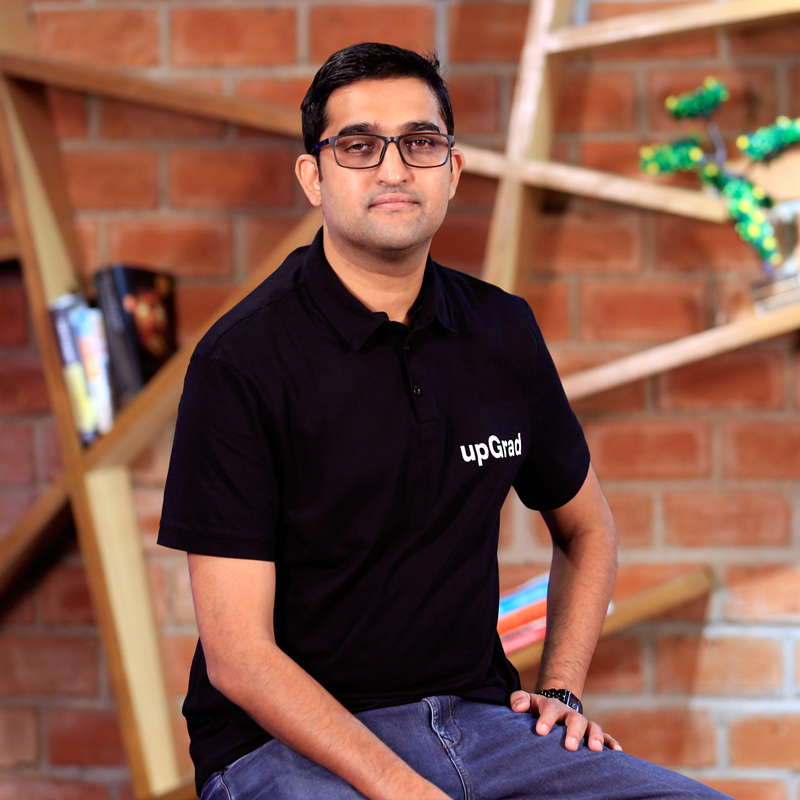
  • #Retrace2021: Associating with marquee properties on TV helped us take a quantum leap on digital: Arjun Mohan

    #Retrace2021: Associating with marquee properties on TV helped us take a quantum leap on digital: Arjun Mohan

    The only ed-tech “to have a ‘donkey’ as its brand ambassador”, upGrad has been hitting all the right notes, starting from its eye-grabbing ‘Don’t lick ass, instead kick ass’ 2020 ad to its fortune-teller donkey ad in early 2021 to drive across its “Sirf Naam Ki Nahi, Kaam Ki Degree” messaging. Having achieved the desired impact with its former campaign, the edtech consciously shifted its brand positioning to ‘Fast Forwarding’ one’s career with upGrad’s online courses, ending the year with a striking print campaign that took on CAT, while also tackling with humor the perception of ‘online’ MBAs not being effective.

    The seven-year-old start-up, known to make full use of its marketing channels to amp up the reach has crossed a subscriber base of two million learners at last count, and the jump from one million to two million came about in approx. eight months.

    As the person at the helm of upGrad’s India operations, Arjun Mohan has steered the edtech unicorn and helped put it on an upward trajectory. An experienced industry professional, Mohan has worked across domains spanning sales, marketing, and product development for over 15 years.  Before upGrad, Mohan worked with edtech major Byju’s as marketing vice-president and later as the chief business officer (CBO). A gold medallist from IIM Kozhikode, Mohan has worked with brands like Titan and Tata services.

    In a free-wheeling conversation with IndianTelevision’s Anupama Sajeet, the upGrad India CEO Arjun Mohan talks about steering the edtech brand through a post-pandemic world and on the key marketing innovations adopted by the brand in the past year. He also shares his thoughts on being a ‘hardcore optimist’ and the trends that might dominate the edtech industry in 2022.

    Edited excerpts:

    On looking back at how the year 2021 fared for upGrad

    In a growing industry, every year is a good year. So, from a business perspective, 2021 was a good year as overall business metrics have been quite good. But it was pretty challenging considering the multiple waves of Covid which struck us – the lockdowns, the inconsistencies of when to come to the office, and the problems that our consumers were facing. As a result, decisions were getting delayed. But then it was these challenges that pushed us and I believe as a result of that we were able to carve out several good ideas on all three aspects of business i.e. products, sales, and marketing. Hence we were able to create an impact in the market.

    On key innovations adopted by the brand in 2021

    Yes, between 2020 and 2021, there have been a lot of changes in the way upGrad communicated. That change is a testimony to consumer behaviour, where the association between education being something ‘serious’ is a thing of the past. And that is why we positioned the brand differently.  We realised that learning, upskilling, lifelong learning- all these aspects are no longer constrained to a few. There are guys who want to learn, upskill, and constantly improve themselves but at the same time, they want to enjoy life. We started talking to our consumers in a lighter vein, started communicating with working professionals in a language they connected to.

    One of the initial communications we did was on office politics- on how one should stop bothering about office politics and focus on specialisations and upskilling that will take your career ahead. The second campaign we built upon was ‘Sirf naam ki nahi, kaam ki degree’. We continuously heard from customers that “we would definitely think of doing this course, par ye degree koi kaam ki honi chahiye.” In India, a degree is associated with – a better job, a promotion, a better salary, a future, and so on. So, we worked on those insights and repositioned the entire company into offering courses that will actually be life-changing. That’s where we moved to our positioning of ‘kaam ki degree’.

    In 2022, we moved into phase two of it. Rather than just talking about online learning, we started focusing more on the value proposition part of it- On how the upGrad course/ degree is better than whatever options you have in the market. Thus, if you see our communication, it has also been based on the life-changing impact that upGrad courses have, followed by two or three shorties or 15-second films where we talk about the USPs. This format has been really helping us with the consideration part and we have been seeing that the conversion on the lead has been on the uptick. So, if last year the donkey was the high point from an ‘awareness’ perspective, then this year the MBA campaigns we did focusing on the ‘value proposition’ – that would be the highlight which saw a lot of impact for us. That’s been a big change in 2021. 

    On launching campaigns sans any celebrity endorsements

    While we do joke about it that every edtech out there has a celebrity brand ambassador- Byju’s has a SRK, Great learning has Virat Kohli, now Vedaantu has got Aamir Khan- and we have a donkey (!), it’s not been a conscious decision. If at a point in time we feel we need a celebrity vehicle we would do that. Currently, we are at an early stage of our brand building and the aspect we have been focusing on, as well as the TG we are talking about, is very different. This is not for mass India; this is for a smart audience. We didn’t see working professionals as the right vehicle for getting a brand ambassador. Even if you look at who or what they follow on OTTs or YouTube platforms – the kind of influencers these people follow are not celebrities. They are very individualistic and iconoclastic in that they follow what they think is right- they don’t believe they need to follow the crowd. And that’s why we stuck to the basics and the donkey!

    On exploring influencer marketing and subsequent ad-spends

    The way we look at brand marketing is that there are three pillars- The first pillar for us is ‘Content’ which includes social etc. Then comes the ‘Mass media’ which is where the TV and Print comes in and finally the ‘PR’ and all other aspects.

    For Content- we focus a lot on the content creators: influencers on YouTube, Instagram, OTT platforms, etc because our TG, especially the knowledge worker who is in IT/ ITES follows this segment a lot. We have started by working with multiple content creators like BeYouNick, Dhruv Rathee, who are very popular with this TG. We work with them on bringing Upgrad into their content very organically.

    Apart from relying on other content creators, we have also started creating our own original content called ‘the office canteen’. This again revolves around the theme of office politics, along with BeYouNick and YouTube, Google and has been a big success for us (trending with ten mn views).

    On the brand’s ad spend across TV, digital and print

    When it comes to mass media like TV and Print, rather than a ‘spray and pray’ our strategy has been focused on large properties.  When we do it, we do it big because we want to work on those properties which have a huge reach. So, we worked on IPL, the Test championship, UEFA, Wimbledon, and such. You can also see the sports association- as sport is connected with winners and ambitions so that works for us. Even in newspapers, our ad was an impact ad. It was more like moment marketing in that we took a dig at CAT, saying ‘CAT is so yesterday’. So that’s the kind of ‘big bang’ approach we are taking with mass media.

    We do digital marketing all the time and we’ve our leaps coming at particular CPL (Cost per lead) and traffic coming with a particular threshold. I want these brand properties on mass media to be at a point where I’ll get a quantum leap on the digital side of it. We plan it in such a way that our traffic moves a threshold and comes to a new benchmark. That’s been our larger strategy.

    Digital is where we get to do direct marketing. And we keep using large-scale marketing properties to get quantum jumps. Because, the kind of scale these properties give, digital will take years to reach there. We are also seriously looking at OOH. We shall do a clinical campaign, once our TG is back in the office, by trying to focus on places where we know our TG is- for instance, an IT park- and then do BTL inside such premises along with hoardings etc.

    So, all of this mass marketing is important to us, and we have a way to measure their impact. For that matter, even ‘Shark Tank’, where we are the title sponsors, we are quite sure that is the direction large-scale mass media is moving into. Rather than doing a couple of ads in between programs, writing your brand into the story is what really works. So that’s something we have really worked on and we have big plans for the show.

    On rising competition in ed-tech space and strengthening their USP

    We have complete confidence in our product. This product took almost five years to develop after multiple iterations. We were always clear that if we are able to get our customer to at least try our product then we can change his/ her perspective and even convince them that online is better than offline. There has been a lot of influx but if you see what’s happening today is that the players with a strong product, and sales & marketing capability are finally emerging out of this. So, I feel the solution for us is just to have our ears to the ground and keep on listening to the customer and then be ready with a solution that they will love. And that’s what we have been doing with our products, sales and marketing.

    On upcoming plans for 2022

    I am a hardcore optimist so I am sure 2022 will be superb for the brand. We are very clear we want to be the largest integrated edtech in the higher education space (post K-12) across the globe. Our international operations, which we started in 2021, is panning out well. We have our offices in the US, APAC and India where we have set up our subsidiaries. Post-India, our focus market will be the US- we really want to crack that market. So really looking forward to 2022 when we can take this to the next level.

    On key trends that might dominate the industry this year

    I think most of the ed-tech players in the K-12 segment will ultimately stabilise with the hybrid model, wherein there’s an offline component to it and an online component. But in higher edtech I don’t see that happening. Higher online learning has gotten established as a clear option or a side-by-side alternative to what used to exist earlier offline. There’s a very clear value proposition that you can continue upskilling even when you are working: ‘Learn while you Earn’.

    Hence, I believe, online education will be the preferred mechanism, at least from a Masters-degree perspective in India. The majority of Indians do not do a Master’s today because they are not sure whether thereafter, they will be able to get a job with that kind of a package. Even from a NNation-building perspective it is important for a country like India, with such a young population that we have highly skilled people. That’s when the country’s economy will move to the next level.

    Also, as we keep getting feedback from our learners, there has to be some social component to even online learning. So we are working to build a social module where learners can share their ideas, meet their lecturers, and have a session offline also. So that’s the way we see it and we will keep improving on it in 2022.

  • Eurosport & Jio TV acquire broadcast rights for 2022 AFC Women’s Asian Cup

    Eurosport & Jio TV acquire broadcast rights for 2022 AFC Women’s Asian Cup

    Mumbai: Eurosport India, Discovery Network’s sports brand, and Jio TV Network have acquired the broadcast rights for AFC Women’s Asian Cup India 2022. India hosts the 20th edition of Asia’s showpiece women’s football tournament between 20 January and 6 February.

    Eurosport India will telecast the tournament on television. Meanwhile, Jio TV will stream the matches of the competition on its online platform and across its network.

    The Football Sports Development Limited (FSDL), which currently holds the media rights for all Asian Football Confederation (AFC) competitions in the Indian subcontinent, has accorded the PayTV broadcast rights to Eurosport India.

    The 20th edition of the AFC Women’s Asian Cup India 2022 will feature 12 teams, which have been divided into three groups. Group A includes India, China PR, Chinese Taipei, and IR Iran, while Group B includes Australia, Thailand, Philippines, and Indonesia. Meanwhile, Japan, Korea Republic, Vietnam, and Myanmar have been slotted in Group C.

    The tournament will begin in a round-robin format where each team will face the other three teams of the group to secure a place in  the quarter-finals which will be held on 30 January. Hosts India will play their opening game against Iran on 20 January as they aim to gather home points to seal the top spot on an opening day.

    The sports event will act as the final stage of Asian qualification for the 2023 FIFA Women’s World Cup in Australia and New Zealand. With Australia having already qualified as co-host, five more teams will qualify for the main event directly while two of them will progress to the inter-confederation play-offs.

  • HBO Max and HBO end 2021 with ~73.8 million subscribers globally

    HBO Max and HBO end 2021 with ~73.8 million subscribers globally

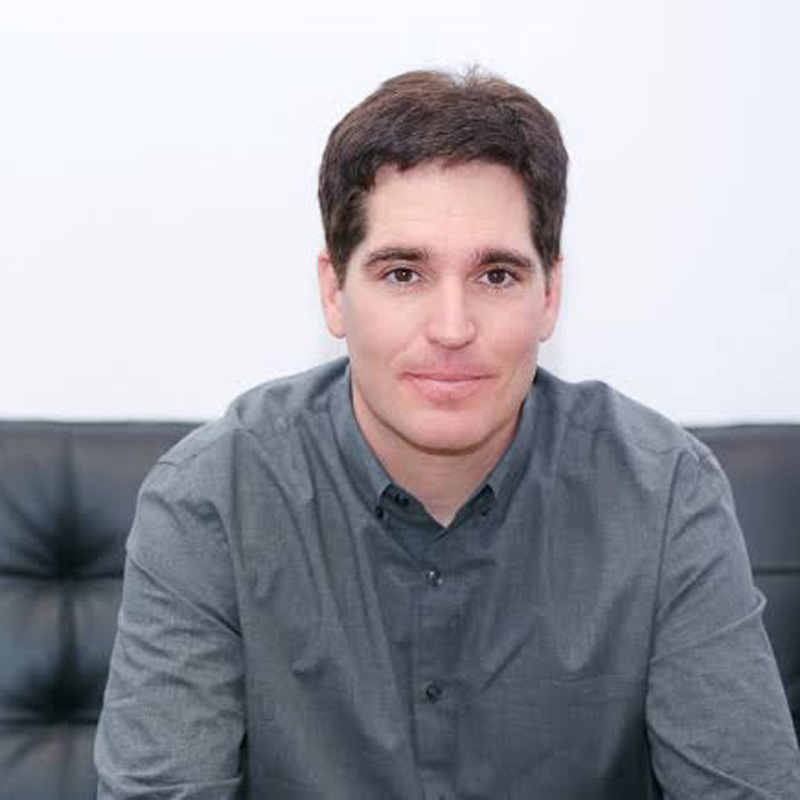
    Mumbai: HBO Max and HBO have ended 2021 with ~73.8 million subscribers across the globe, WarnerMedia CEO Jason Kilar announced on Wednesday ahead of the company’s fourth quarter earnings call.

    It has added 4.4 million subscribers in the fourth quarter beating its July 2021 forecast to end the year with 70-73 million subscribers. In October 2019, at an investor day event, the company was projected to reach 75-90 million subscribers by the end of 2025. However, it achieved that goal almost four years early, noted Kilar.

    “To say that this is a remarkable result would be an understatement,” said Kilar. “This performance is beyond what had been our best laid plans at the start of 2021.”

    After the service launched in the US in 2020, it was launched in 45 more countries in 2021. HBO Max is expected to arrive in India in 2022. HBO Max is distributed as an app across devices such as Apple TV, Amazon Firestick, Google Chromecast, Roku and a host of smart TVs. WarnerMedia has also launched an ad-supported version of HBO Max which offers the service to consumers at a lower price.

    At the beginning of 2021, the company had taken the controversial decision to release its slate of films under Warner Bros. Pictures simultaneously in theatres and HBO Max ignoring the theatrical window completely. This meant that the movie studio’s 18 films were available on the streaming service at the same time as their theatrical release. “We took a thoughtful risk (and some understandable heat), and it has worked,” remarked Kilar.

    Impressive content launches by the company include ‘Judas and the Black Messiah’, ‘Mare of Easttown’, ‘Friends Reunion’, ‘The White Lotus’, ‘The Suicide Squad’, ‘Dune’, ‘Succession’, ‘The Matrix Resurrections’ and ‘Return of Hogwarts’.

    The service also launched its live sports offering by picking up the rights to UEFA Champions League in Brazil and Mexico.

  • Gaana surprises listeners with new feature ‘AutoQueue’

    Gaana surprises listeners with new feature ‘AutoQueue’

    Mumbai: Music streaming app, Gaana has unveiled its latest product feature ‘AutoQueue’ that promises to offer personalised music listening to its users.

    The newly introduced feature is powered by a machine learning algorithm that factors the probability of songs being heard together (past behavior) as well as similarity of music, tempo/bpm, etc to predict possible songs a user would like to hear after they have manually played one song. The algorithm analyses thousands of signals and data points to come up with personalised song suggestions.

    The feature enables consumers to hit up a song and indulge in seamless streaming while Gaana plays similar songs on its own. The benefit is that it will dramatically reduce the time spent in manual searching & solves the problem of “listener’s block” (where one struggles to think of the next song to play). Autoqueue also makes the discovery of new music easier, as listeners get served apt songs they might not know of on their own.

    Gaana CEO Sandeep Lodha said, “In the last year and a half, audio streaming has played a major role in people’s lives and consumption is on the up. With AutoQueue we are going one step further to hyper-personalise each user’s app experience making it effortless to listen to great music. The feature is born of Gaana’s user research & tech capabilities and gives personalised endless background track to the lives our users live in the foreground.”

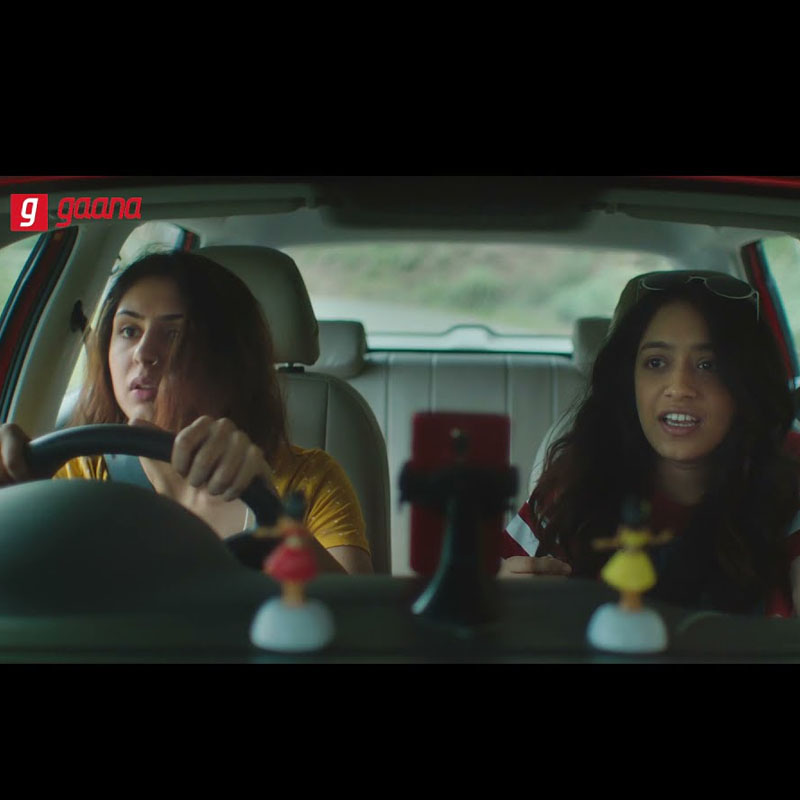
    The brand has also released an ad film to communicate the ease & joy of music listening with AutoQueue. The lighthearted commercial shows two girls going for a short drive that turns to a never-ending long drive, as Gaana AutoQueue keeps playing surprisingly apt songs that they love.