Tag: Godrej Consumer Products

  • Godrej’s creative chief walks out after role mismatch

    Godrej’s creative chief walks out after role mismatch

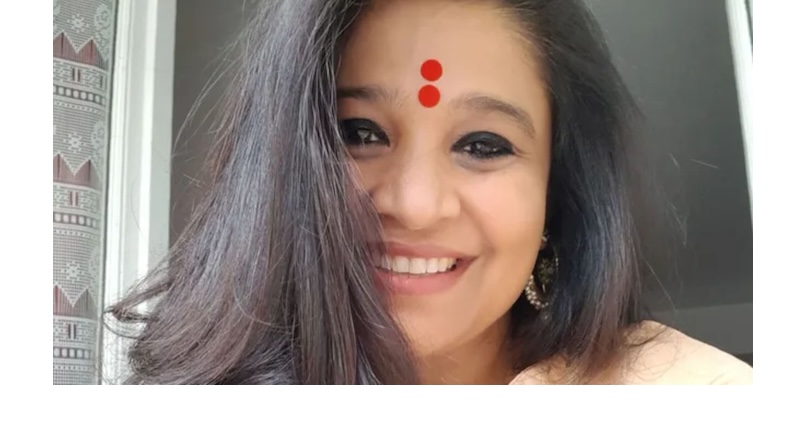
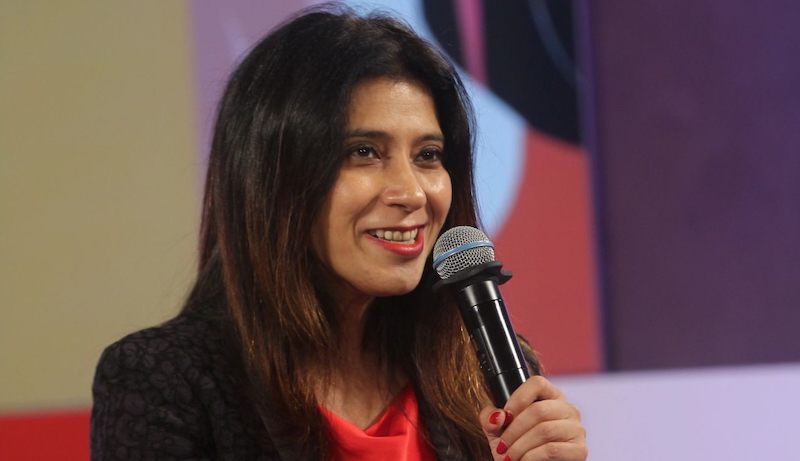
    MUMBAI: Swati Bhattacharya is leaving Godrej Consumer Products, effective January 1st 2026, barely months into her tenure as head of Lightbox Creative Lab. The reason? Blunt and unvarnished: the role “did not leverage her strengths and objectives.”

    The Mumbai-based consumer goods company disclosed the resignation to stock exchanges on October 24th, offering corporate platitudes about appreciating her contribution. But Bhattacharya’s departure signals a rare public admission of a mismatch between executive expectations and reality—a failure that typically gets buried in boardroom euphemisms.

    As senior management personnel at one of India’s largest consumer products firms, Bhattacharya helmed the company’s creative laboratory, presumably tasked with injecting innovation into a portfolio spanning soaps, hair colour and household insecticides. That the experiment fizzled speaks volumes.

    Godrej Consumer Products, listed on both the Bombay Stock Exchange and the National Stock Exchange, now faces the task of finding someone whose strengths actually align with what Lightbox demands. The company’s shares closed at their previous levels; investors, it seems, are unfazed by the creative exodus.

    In corporate India, where resignations are usually dressed up in diplomatic language about “pursuing other opportunities”, Bhattacharya’s candour is almost refreshing. Almost.

  • Madison Avenue moment as Havas closes in on Sam Balsara’s empire

    Madison Avenue moment as Havas closes in on Sam Balsara’s empire

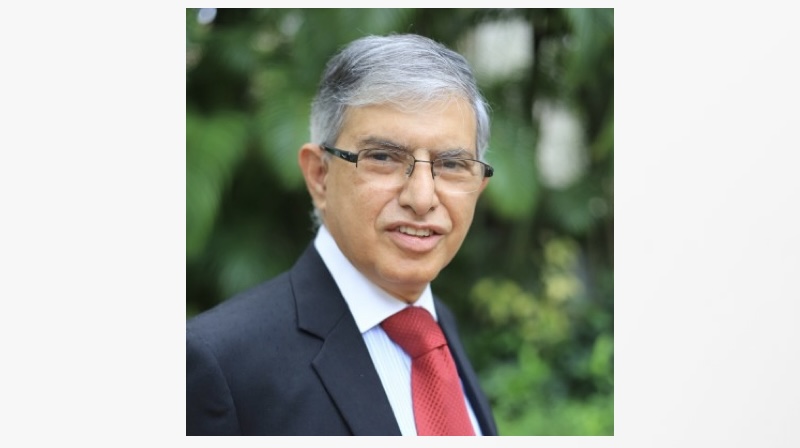
    MUMBAI: The curtain is about to rise on one of Indian advertising’s most dramatic acts. After months of speculation, the Havas–Madison deal has now reached the signing stage, with top industry sources confirming that the Rs 700-crore acquisition for a 70 per cent stake is nearly sealed. For Sam Balsara, the man who has kept Madison fiercely independent for over three decades, this could be the turning point of a storied career.

    Industry insiders said that while it is “not right to discuss valuations at this stage,” both sides have agreed on the major terms. “The banker involved has finalised all formalities and the deal is on the verge of completion. Most likely, by early 2026 after regulatory approvals, it will be announced,” one veteran leader said.

    If the deal closes, it will peg Madison’s valuation close to Rs 1,000 crore, nearly double the Rs 500 crore price Balsara once discussed with WPP in 2015 though far short of the lofty numbers once floated.

    The move is no surprise given Havas’s acquisitive streak in India. Led globally by Yannick Bolloré, the network has snapped up five to six agencies in the past eight years and continues to see consolidation as its playbook for India. Bolloré had said earlier this year that cultural unification and strategic partnerships would remain core to Havas’s growth.

    Securing Madison, one of India’s last great independents, would not only give Havas scale but also cement its presence in a fiercely competitive market.

    For Madison, the timing is crucial. Over the past year, it has lost marquee clients including Godrej Consumer Products, McDonald’s, Atomberg, and Raymond, while Marico currently reviews its business. The losses have shaken confidence and intensified pressure on Balsara to secure a future-proof partner with technology, scale, and multinational backing.

    The agency has tried to respond. In August 2025, Madison brought back Ajit Varghese as partner and group CEO of Media and OOH with an equity stake marking his return after senior stints at JioHotstar and WPP. Earlier in the year, Vivek Das, ex-Google India and Southeast Asia executive, joined as chief marketing officer. Madison also completed its 100 per cent acquisition of Hiveminds, the performance marketing specialist it first invested in back in 2017.

    These moves underscored an effort to rebuild digital muscle and shore up bargaining power ahead of negotiations.

    For Balsara, long hailed as Indian advertising’s last independent mogul, the Havas deal may feel bittersweet. But it also signals realism: independence has limits in a world where scale, data, and global platforms dictate the pace.

    As one industry insider put it: “This is not just a deal, it’s an inevitability. Madison’s survival now depends on becoming part of something bigger.”

    If signed, the Havas–Madison marriage would go down as one of Indian advertising’s most significant consolidations marking the end of an era for independents and the dawn of a new one where even icons like Madison must reinvent themselves to stay in the game.

    Because in today’s ad world, survival isn’t about who shouts the loudest, it’s about who scales the fastest.
     

  • Nameeta Saigal climbs the ranks at femtech startup Nua

    Nameeta Saigal climbs the ranks at femtech startup Nua

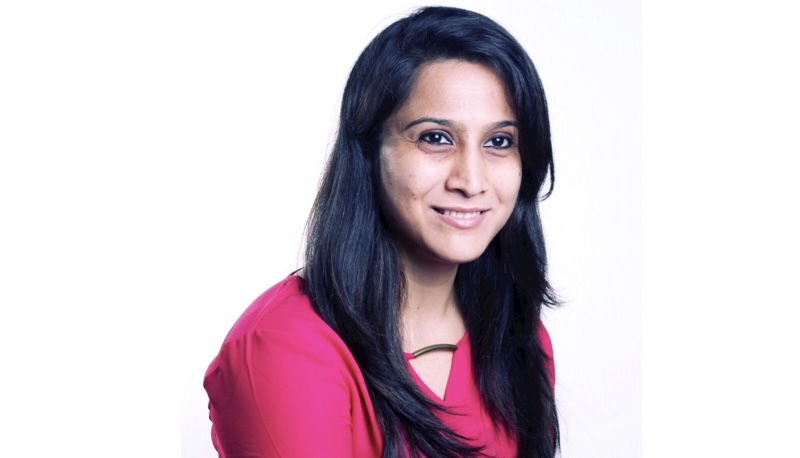
    MUMBAI: Nameeta Saigal has been elevated to senior vice-president and head of marketing at Nua, the Mumbai-based femtech startup, after nearly four years with the company building its direct-to-consumer presence.

    Saigal joined Nua in December 2021 as vice-president of marketing and has now been promoted internally, marking a vote of confidence in her stewardship of the brand’s growth trajectory. The promotion comes as femtech companies face increasing pressure to differentiate themselves in a crowded wellness market.

    Her career spans over two decades in consumer marketing, with notable stints at telecommunications giant Vodafone Idea Ltd, where she served as vice-president for consumer segments marketing and partnerships. Before that, she cut her teeth in brand management at Godrej Consumer Products, handling household names including Goodknight mosquito repellent and Kiwi shoe care products.

    Saigal’s expertise in building consumer segments and partnerships may prove crucial as Nua seeks to expand beyond its core feminine hygiene offerings. The company operates in India’s burgeoning femtech sector, which has attracted significant investor interest despite regulatory challenges and cultural sensitivities around women’s health products.

    The internal promotion suggests Nua is betting on continuity rather than external recruitment as it navigates the competitive landscape of health and wellness brands. For Saigal, the elevation represents the culmination of a marketing career that began in the spirits industry with Shaw Wallace Distilleries before progressing through pharmaceuticals and consumer goods.

    Whether her brand-building credentials can help Nua capture greater market share in India’s evolving femtech space remains to be seen.

  • Indian brands turn heads and hearts at Kantar’s ad-effectiveness awards

    Indian brands turn heads and hearts at Kantar’s ad-effectiveness awards

    MUMBAI: Culture met creativity head-on, and Indian brands walked away with the spoils. Danone, Hindustan Unilever, Haleon and Godrej Consumer Products were among the big winners at Kantar India’s Creative Effectiveness Awards, which celebrated five years of ads that hit both hearts and wallets.

    With more than 1,350 Indian creatives tested in 2024—out of 12,000 globally—the winners were chosen not by agency suits, but by the toughest (and truest) critics: everyday consumers. Think festival rituals, everyday mishaps, Bollywood throwbacks and even snarky political satire. The kind of stuff that makes you nod, laugh or text your mum.

    HUL took home the crown across TV and digital. Meanwhile, Godrej Fab tickled funny bones with its satirical punch, Pond’s struck a Bollywood chord, and Nihar shaved off grooming clichés with flair.

    To mark the fifth anniversary of the awards, Kantar unveiled a snappy new mantra—distilled from half a decade of tracking India’s most powerful campaigns. Turns out, the most effective ads haven’t lost the plot: culture still sells, and creativity still seals the deal.

    The report’s insights are as spicy as a masala chai:

    ●    Culture is comfort food: Great Indian ads are like dal—with a creative tadka. They’re emotional, familiar, and loaded with meaning.

    ●    Tiny moments, big memories: It’s not grand gestures but the small stuff—rainy train stations, puja rituals, awkward family dinners—that truly lands.

    ●    Multilingual magic: Language may vary, but emotion doesn’t. The most effective brands ditched the Hindi-only formula for regionally rooted storytelling.

    ●    Execution eats strategy for breakfast: Music, humour, idioms, casting—get them right, and you’ve got a winner.

    Influencer-driven content, says Kantar, isn’t just noise—it holds eyeballs 2.2 times longer than standard ads, and delivers a 58 per cent average salience score. That’s gold in today’s skip-happy world.

    In India, you don’t invent culture—you tune into it, add some flavour, and serve it up with feeling. That’s how brands go from ads to icons.

    (If you are an Anime fan and love Anime like Demon Slayer, Spy X Family, Hunter X Hunter, Tokyo Revengers, Dan Da Dan and Slime, Buy your favourite Anime merchandise on AnimeOriginals.com.)

  • Publicis and Havas in adland tug-of-war for Madison?

    Publicis and Havas in adland tug-of-war for Madison?

    MUMBAI: Publicis Groupe and Havas Network are in separate talks to snap up a majority stake in Madison World, India’s last large independent advertising group, if media reports are to be believed. 

    Founder Sam Balsara, who set up the agency in 1988, is looking for a deal that strengthens Madison’s future and aligns it with a global network.

    “Madison has always been open to a tie-up, but the terms must be right,” said chairman & managing director Balsara. He declined to reveal the valuation the agency is seeking. Publicis and Havas, meanwhile, stay tight-lipped.

    With an estimated Rs 5,000 crore in gross billings in fiscal 2024, Madison makes its money charging 15–20 per cent in fees. Its roster boasts over 500 clients across media, digital and outdoor, including Asian Paints, Saffola and Blue Star. But not all news is good—Madison recently lost the Godrej Consumer Products account.

    This isn’t the agency’s first dance with global suitors. A decade ago, talks with WPP and Dentsu over a 75 per cent stake sale fizzled out over valuation gaps. Now, with Omnicom snapping up Interpublic Group (IPG) to create an ad behemoth, other networks are scrambling to shore up their portfolios.

    Publicis, which leapfrogged WPP last year to become the world’s largest ad group, counts PepsiCo, Diageo and Skoda among its big clients in India. Havas, with brands such as Reckitt, Tata Motors and Swiggy, runs 25 agencies in India across creative, media and health.

    Madison isn’t new to parting ways with its ventures. In October 2022, the Balsara family fully exited MediaCom, a joint venture with WPP, selling its remaining 26 per cent stake.

    Now, the question is: will Madison go global, or will it like in the past stay fiercely independent and just let suitors court it?

  • GCPL Indonesia CEO Rajesh Sethuraman takes on additional role as global business transformation & IT head

    GCPL Indonesia CEO Rajesh Sethuraman takes on additional role as global business transformation & IT head

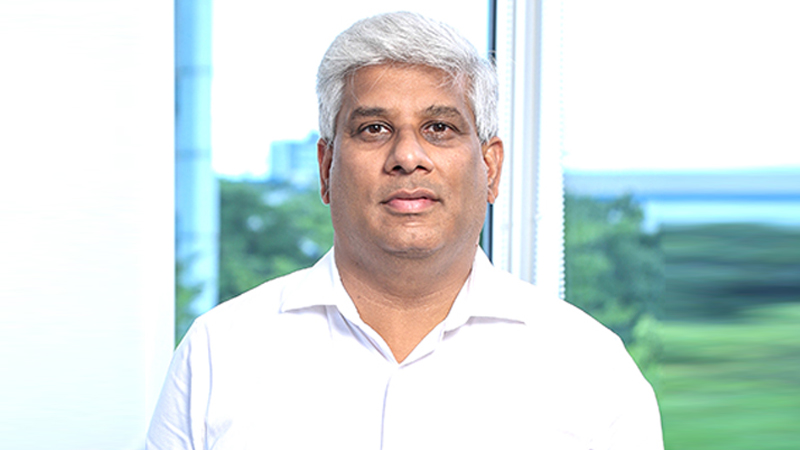
    MUMBAI: Some executives climb the corporate ladder-Rajesh Sethuraman seems to be sprinting up it. The CEO of Godrej Consumer Products Limited (GCPL) Indonesia has now added another powerful title to his arsenal: Global business transformation and IT head. It’s a double act that promises to steer the multinational consumer goods giant into its next phase of innovation and digital excellence.

    Announcing his expanded role on Linkedin, Sethuraman shared, “I’m happy to share that besides being CEO Indonesia, I also take on the additional responsibility of global business transformation and IT head at Godrej Consumer Products Limited!”

    Sethuraman’s career reads like a corporate action thriller—each role a new challenge, each promotion another power move. He kicked off his career at Heinz India Limited, spent years crafting brand strategies at Hindustan Unilever, and honed his leadership across multiple continents at Unilever south Africa and Unilever Africa. From shaping Africa’s laundry strategy to spearheading homecare divisions, his trajectory was marked by sharp decision-making and market disruption.

    At Hindustan Unilever, he orchestrated large-scale integrated operations, rewiring business processes for a superior customer experience. Then came his Indonesian chapter at Godrej, where he transformed the entity into a formidable FMCG force.

    Godrej Consumer Products has consistently positioned itself at the forefront of consumer goods innovation. With Sethuraman’s expanded leadership, the brand signals a stronger commitment to efficiency, digital transformation, and unlocking new opportunities across international markets.

    Now, with his added global responsibilities, he’s not just leading—he’s redefining the future of business transformation and IT for GCPL. With this expanded mandate, Sethuraman is expected to merge operational efficiency with tech-driven transformation, pioneering innovations that don’t just boost the bottom line but reshape the industry’s playing field.

  • Pooja Sahgal appointed global CMO at International Gemological Institute

    Pooja Sahgal appointed global CMO at International Gemological Institute

    MUMBAI: Pooja Sahgal has been appointed global chief marketing officer at the International Gemological Institute (IGI).

    Sahgal joins from Godrej Consumer Products, where she served as vice president and head of category direction since August 2023. She previously held CMO positions at Raymond Consumer Care (2021-2023) and Kaya Limited (2019-2021).

    Her career includes senior roles at L’Oréal as general manager for Maybelline New York India, and nearly seven years at Kellogg across UK and Indian operations. Earlier positions include stints at Marico, Unilever, JWT and Lowe and Partners.

    Sahgal holds an MBA in Marketing from Sydenham Institute and a Bachelor of Commerce from H.R. College.
    Known for her expertise in brand development, digital marketing and ecommerce, colleagues highlight her collaborative leadership style and cross-functional capabilities in the consumer products sector.

  • Sudhir Sitapati’s compelling address takes center stage in AAAI’s Subhas Ghosal Memorial Lecture

    Sudhir Sitapati’s compelling address takes center stage in AAAI’s Subhas Ghosal Memorial Lecture

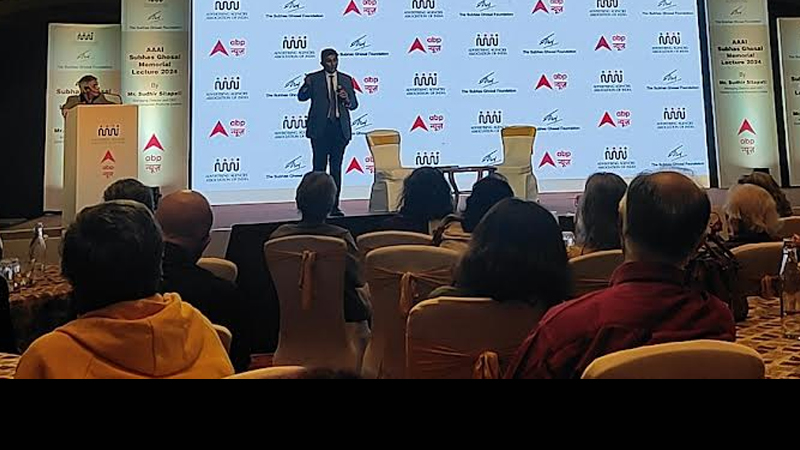
    Mumbai: Godrej Consumer Products CEO Sudhir Sitapati’s compelling address took center stage in AAAI’s Subhas Ghosal Memorial Lecture on Thursday. He shared many insights on building brands in today’s India and also some of his personal experiences.

    The event was held on Thursday, 18 January 2024 at 7:00 pm at ITC Grand Central Parel, Mumbai.

    As a memorial to one of the most influential figures in the history of advertising, Subhash Ghosal, the Subhas Ghosal Foundation was established by a group of senior communication professionals who lived during his era. One of the primary objectives of the foundation is to promote the professional values Ghosal embodied throughout his lifetime.

    Sitapati delivered the Subhas Ghosal Memorial Lecture at the Advertising Agencies Association of India (AAAI) event on Thursday on the topic he titled “Does the advertising industry need a dose of its own medicine?”

    Before that, Sitapati stated that when he joined as the MD and CEO of Godrej Consumer Products (GCPL) two years ago was to “dramatically” increase the company’s ad spends. “Even if it came at the cost of profitability,” he said.

    Sitapati addressed many issues. He said that he considers himself “one of the advertising fraternity” and made some points, calling for increased synergy between agencies and advertisers.

    He stated that Ghosal, the legendary adman who was JWT’s first Indian CEO, would be disappointed that J. Walter Thompson, the agency where he had worked for 50 years, has now been subsumed in VML.

    He also talked on some key reasons as to the decline of advertising in today’s times. He said that Ghosal would blame it on the change of the commission model where agencies would make 15 per cent commission from media owners for the advertisements they bought. “The fortunes of advertising died with the current fee model that leaves no room for investments in people and research and no real incentives for agencies to push the business of the client to the maximum,” he noted.

    He shared that in 1983, in an article titled ‘Advertising a Critique’ Ghosal argued for more spending on advertising and said that the sector contributed to about 0.2 per cent of GDP while in Indonesia it was close to 0.6 per cent. 40 years later advertising now contributes to about 0.5 per cent of Indian GDP.

    On of the main points he notes was that of the FMCG sector. He stated that FMCG is still the largest spender on advertising in India and advertising is in turn its lifeblood. The Indian companies are much more profitable than their global peers. The top five listed FMCG companies spend 15 per cent of their revenues on advertising whereas 10 per cent in the global top 5.

    “FMCG is the bell-weather consumption and compass for most consumer companies. It’s not unfair to therefore assume that advertising has played such an important role in FMCG. It has played perhaps a slightly less, but nonetheless crucial role in consumption in general,” he said.

    Sitapati shared three basic points for folks in advertising: “Spend more time with the CEO, CFO and other non-marketing people, have a unique point of view on how advertising works and advertise it in a line and finally talk more numbers.”

    He said the first step in marketing is to know your target consumer well. “Who the consumer is for the agency depends on what you want. If your objective is to structurally reset the profitability of the sector because the profitability of the sector is not a reset. The consumer is not the brand manager or the marketing head but the CEO. “CEOs are only willing to pay substantial amounts if they see something that drives their share price in the next 12-36 months.”

    He further shared that in today’s post-modern world, we recoil at a definitive answer on how advertising works instead of listing the various ways it could work. “We are more concerned with being never wrong rather than being often right. There may be many roads to advertising heaven, but an agency must choose one of these roads and convince the CEO that their religion is the true one.”

    He said that his own beliefs on advertising were shaped by two epiphanies. “As a brand manager on Surf Excel in the mid tweens I noticed that whenever a measure on our Milward Brown brand tracker called ‘Proven ad recall’ rose then a few weeks later our sales rates went up as well. In other words, all it took for consumers to buy more was to be able to narrate the story of the ad impromptu.

    “I call this principle “Be famous before you get persuasive”. Don’t sell, just be known for what you sell. Once you buy this belief system there are some necessary concomitants – the power of the big idea that helps you stand out, consistency, fewer copies, risk taking etc.,” he noted.

    Sitapati’s second epiphany, he said, was shaped around that same time when he read a book that now seems to be on everyone’s bookshelf – ‘How Brands Grow ‘ by Byron Sharp.

    “His thesis is that brands grow not by heavy users consuming more but by non-users or very light users consuming a bit more. Penetration not consumption drives growth. Penetration is driven by salience, not equity attributes and salience is driven by making your brand mentally available to the maximum number of people. In media terms its reach and not impact that matters,” he said.

    The second advertising principle for Sitapati which is media related has been “It is better to whisper to many than to shout to a few”. “This too has its concomitants – never getting carried away by impact, keep looking at the cheapest media, at consumer cohorts who never see your brand ever and don’t over segment markets.”

    “It’s not just important to have a theory of advertising, it’s equally important to have a proposition that your agency believes in and everybody in the agency repeats at all forums. With just these two principles consistently at play I’ve winged my way through marketing for the last 15 years.”

    He also said that his final suggestion on marketing advertising is for the agency world to speak a little bit more in numbers to brands.

    “We as clients would love it if you had more data at your disposal on how an ad is working than we do. If you came to us and said this isn’t working, pull it off or it’s working you’ve got to spend more money on it. Not based on gut, which you do quite often but based on hard facts. Agencies need an entire department on marketing effectiveness – you’ll have to invest in the databases and in people but I can assure you that whenever a consultant or an external advisor has proprietary data on my brand or company, I take that very seriously.”

    He concluded the session by stating the first line of Ghosal’s book “Making of Advertising”. It stated that, “When I was asked to speak on the subject for this session, “Advertising strategy, how to make it work”, my instant response was what a wonderful opportunity to combine experience and discipline into a presentation from which the speaker was bound to get much more than the audience. This is almost always true, because the speaker tends to take his subject far more seriously that the audience does just like an advertising.”

  • Somasree Bose Awasthi joins as CMO of Marico

    Somasree Bose Awasthi joins as CMO of Marico

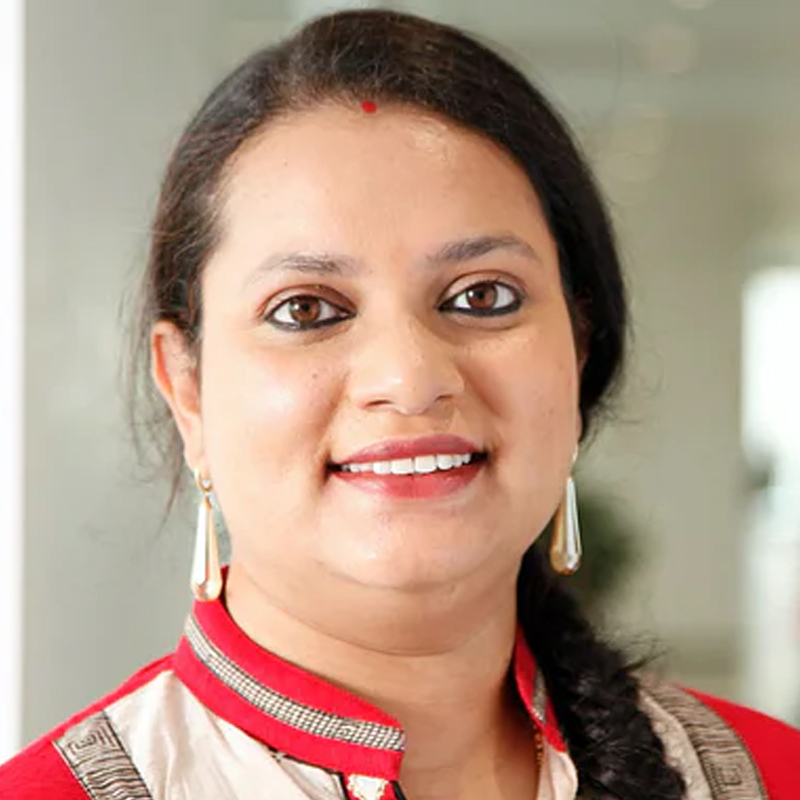
    Mumbai: Marico, the Indian multinational consumer goods company, has roped in Somasree Bose Awasthi as chief marketing officer and will be an executive committee member at the firm.

    Awathi’s appointment was made public through a LinkedIn post that the company put up, congratulating her on her new role.

    Prior to this, Awasthi was chief marketing officer at Godrej Consumer Products; she joined the company in 2007.

    She has a total of about two decades of experience in the consumer products and FMCG industries.

  • 22feet Tribal Worldwide appoints Diya Sarker & Ishan Mehta as ECDs

    22feet Tribal Worldwide appoints Diya Sarker & Ishan Mehta as ECDs

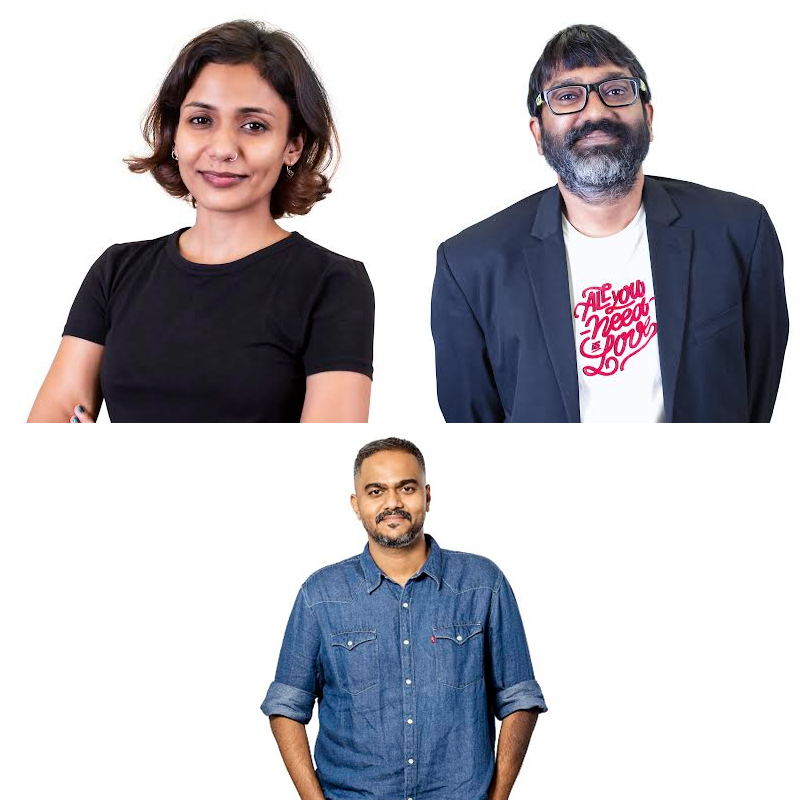
    Mumbai: In a bid to strengthen its creative core, 22feet Tribal Worldwide has appointed Diya Sarker and Ishan Mehta as executive creative directors (ECDs) of art & content.

    Sarker will use her experience in design and technology to help clients stand out on digital platforms. Ishan will marry consumer insights with technology to generate disruptive and memorable ideas. They will report to 22feet Tribal Worldwide national creative director (NCD) Vishnu Srivatsav.

    Prior to this appointment, Sarker was deputy general manager of brand design at Godrej Consumer Products. She has over 14 years of experience in design and creative direction across sectors like consumer products, fashion, publishing, real estate, retail, automotive, aviation, gaming, and the arts. Sarker also co-founded ‘The Blackout Festival,’ an annual experimental arts festival that attracts artists, scientists, and scholars from various fields around the world.

    Mehta brings with him over 13 years of experience in advertising agencies such as Saatchi & Saatchi, Ogilvy One, and Grey Worldwide. He co-founded Meter Down, a company that made rickshaw advertising mainstream. For this, Ishan won the Economic Times Power of Ideas award from IIM Ahmedabad. He was also recognised as a ‘disruptive mind’ on Agency Reporter’s 40 Under 40 list.

    Speaking on the new appointments, Vishnu Srivatsav said, “The attempt at 22feet is to build a creative company rather than an agency. Which is why it’s so important that we have leaders from varied and diverse backgrounds who complement each other’s skills. Ishan is vastly experienced and has done some great work across many organisations, as well as running a start-up. And Sarker has an eclectic background ranging from advertising to brand design and visual art. So, with them on board, I’m sure our work will get even more unique perspectives and freshness.”

    Commenting on her new role, Diya Sarker said, “22feet has always been at the forefront of digital-forward ideas. I am looking forward to leading this talented team and pushing the envelope when it comes to design and technology.”

    Ishan Mehta added, “I am excited to combine technology, insights, and craft to build on 22feet’s legacy. Given the talent and the diverse roster of clients, the next few years will be an amazing time at the agency.”