Tag: global

  • Global media & entertainment industry trends in 2024: A ChatGpt perspective

    Global media & entertainment industry trends in 2024: A ChatGpt perspective

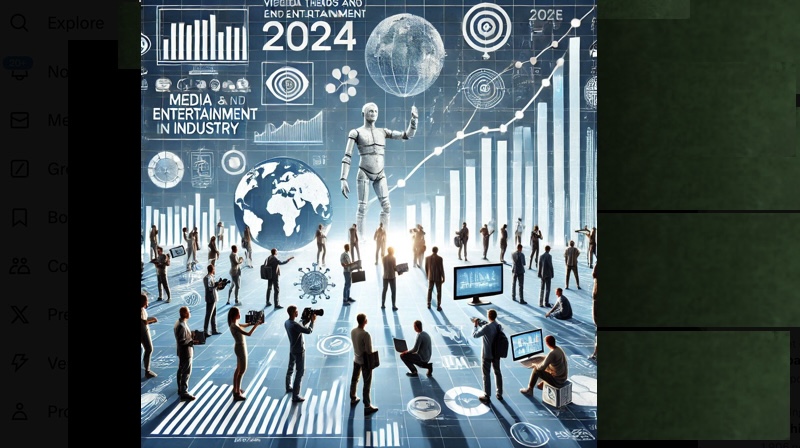
    MUMBAI: We asked ChatGPT to list the the major trends that shaped the media and entertainment industry globally. The points below popped up. It makes for an interesting read though it’s not totally accurate nor is it comprehensive. Our take will follow before the year end.  

    The global media and entertainment industry has experienced significant evolution throughout 2024, driven by technological advancements, changing consumer behaviors, and emerging trends. Here’s a summary of the major trends that shaped the industry:

    1. Rise of Artificial Intelligence in Content Creation
    * Generative AI Tools: AI technologies like ChatGPT, MidJourney, and Runway became central to content creation, enabling faster production of scripts, visuals, and music.
    * Personalised Content Recommendations: AI-powered algorithms enhanced streaming platforms’ ability to tailor content recommendations, improving user engagement.
    * AI-Generated Personalization: Tools creating localised or individualised media experiences surged, particularly in advertising and video games.

    2. Streaming Services Recalibrating Strategies
    * Ad-Supported Tiers: Subscription fatigue led many streaming platforms, including Netflix and Disney+, to push ad-supported, lower-cost tiers.
    * Content Consolidation: A focus on reducing content sprawl resulted in platforms combining offerings or trimming underperforming shows and films.
    * Global Expansion: Streaming services increasingly tapped into regional markets by producing localized content for Asia, Africa, and South America.

    3. Emergence of Immersive Media Experiences
    * Virtual Reality (VR) & Augmented Reality (AR): Devices like Apple Vision Pro and Meta Quest Pro drove interest in immersive storytelling, gaming, and live events.
    * Metaverse Content Development: Brands and creators experimented with interactive environments and events in virtual worlds.
    * Interactive Formats: Gamified content, branching narratives, and user-driven storylines gained traction.

    4. Short-Form and Snackable Content Dominance
    * TikTok and Beyond: The dominance of platforms like TikTok encouraged media companies to produce short, engaging clips.
    * Vertical Video Popularity: Content tailored for mobile-first consumption flourished, influencing even traditional media formats.
    * Attention Economy: Media companies innovated with concise storytelling to capture fragmented viewer attention.

    5. Return of Theatrical and Live Entertainment
    * Cinema Revival: Theaters saw a resurgence, boosted by blockbuster releases, event-driven screenings, and premium cinema formats like Imax and 4DX.
    * Hybrid Releases: While theatrical releases thrived, hybrid distribution (simultaneous streaming and cinema) became a viable model for mid-budget films.
    * Concert and Event Growth: Live music tours, particularly from major artists like Taylor Swift and Beyoncé, dominated revenue charts and demonstrated the demand for in-person experiences.

    6. Sustainability and Ethical Media Production
    * Green Media Practices: Film and television productions adopted eco-friendly measures, reducing carbon footprints and promoting sustainable workflows.
    * Diversity and Inclusion: Representation across media improved, but challenges remained in truly diversifying behind-the-scenes talent pools.
    * Social Impact Storytelling: Audiences increasingly gravitated toward narratives addressing climate change, mental health, and social justice issues.

    7. Monetisation through Digital Collectibles and NFTs
    * NFT Decline and Evolution: While hype cooled, NFTs remained relevant for ticketing, fan engagement, and collectible merchandise in gaming and music.
    * Web3 Integration: Blockchain technologies supported decentralized content ownership, giving creators more control and audiences new ways to engage.

    8. Gaming Industry’s Ascendancy
    * Cloud Gaming Growth: Services like Xbox Cloud Gaming and Nvidia GeForce Now expanded, making high-quality gaming more accessible.
    * Cross-Platform Integration: Games became more interoperable across devices and operating systems.
    * Esports Globalisation: The esports industry grew, tapping into emerging markets and younger demographics with global tournaments and localized leagues.

    9. News and Media Trust Challenges
    * Combatting Misinformation: AI-driven content verification tools and regulatory frameworks addressed fake news proliferation.
    * Subscription Models: News outlets leaned further into subscription-based models amid declines in advertising revenue.
    * Hyper-Local Journalism: A renaissance in local reporting emerged to meet demand for community-specific news.

    10. Increased Regulatory Scrutiny
    * Content Moderation: Governments globally demanded stricter regulation of harmful online content.
    * Antitrust Actions: Media conglomerates faced challenges around mergers and acquisitions amid antitrust concerns.
    * Data Privacy Laws: Compliance with emerging privacy laws reshaped advertising and data-gathering practices.

    These trends reflect a dynamic year for the media and entertainment industry, setting the stage for further innovation and evolution in 2025

    (Even the image has been generated using Microsoft Image Generator; no copyright is intended)

  • dentsu’s global ad spend report predicts 6.8 per cent growth for 2024

    dentsu’s global ad spend report predicts 6.8 per cent growth for 2024

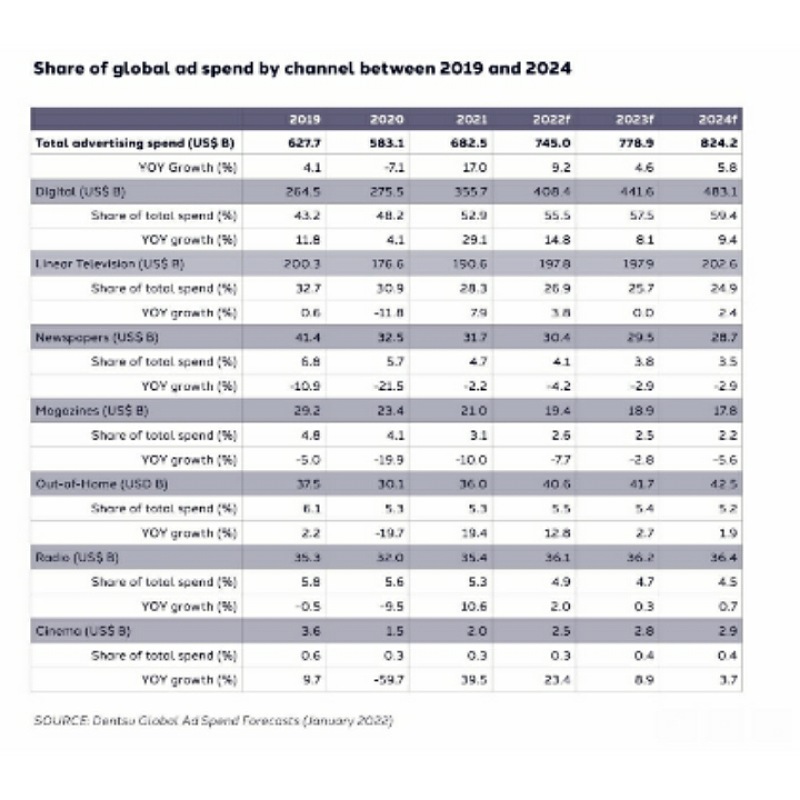
    MUMBAI: Advertisers, marketers and media establishments around the globe can bring out the bubbly. dentsu’s latest Global Ad Spend Forecasts has revealed a projected buoyant 6.8 per cent growth in global advertising spend for 2024, reaching $772.4 billion. This growth projection has been revised upwards following the return to double-digit growth (+10.7 per cent) of digital ad spend, the impact of sporting, political events and improved outlooks across the US, UK, Brazil & France. 
     
    Ad spend growth is forecast to continue at 5.9 per cent in 2025. The American region is expected to lead in 2025 with 6.3 per cent growth, driven by rich US and Brazilian markets where digital and streaming see sustained investments. The Asia-Pacific market is forecast to increase by 5.8 per cent, with AI-driven ad placements contributing to the increase in digital ad spend in markets like India. Lastly EMEA (Europe, the Middle East and Africa) has projected growth of five per cent, with strong digital performance in key markets including the UK. As the industry enters what dentsu identifies as the algorithmic era, data-enabled advertising will increasingly shape media strategies, with algorithmically enabled ad spend forecast to reach 79 per cent of total ad spend by 2027. 

    Artificial intelligence (AI) is no longer confined to experimental phases. It has become an integral tool for creating personalised, one-to-one consumer experiences. Generative AI applications like OpenAI’s GPT models are embedding themselves in everyday services, from Duolingo’s AI-driven tutor to Spotify’s personalised AI DJ. These advancements mark a new era of micro-moments that enhance user engagement by delivering tailored interactions at scale.

    As algorithms increasingly gatekeep content visibility, brands are tapping into niche communities and fandoms to drive meaningful connections. Influencers, from content creators like Mr Beast to hyper-localised niche experts, are key to cutting through the digital noise. Additionally, connected television’s growing reach provides fertile ground for cross-platform storytelling, combining scale with intimacy. Paid social is forecast to grow by 8.7 per cent in 2025 (7.8 per cent three-year CAGR to 2027), supported by an integrated ecosystem that blends shopping, video, search, and gaming capabilities. This channel remains critical for engaging younger audiences, with 79.7 per cent of gen Z using Instagram monthly and 42 per cent of CMOs planning to boost influencer marketing investments. Paid search is expected to increase by 6.7 per cent (6.5 per cent three-year CAGR 2027), driven by continuous advancements in AI-powered features that sustain relevance amid the rise of social and retail search.

    Retailers are stepping beyond traditional advertising, transforming their platforms into data-rich media ecosystems. Amazon leads this charge with a $50 billion ad revenue engine, while others like Walmart and TikTok are innovating through acquisitions and self-serve advertising solutions. This convergence is reshaping how brands measure success and optimize campaigns, fostering a holistic view of the consumer journey. From a media channel standpoint, the report highlighted that digital is expected to remain the fastest-growing channel, with a projected increase of 9.2 per cent in 2025 (8.8 per cent three-year CAGR to 2027) to reach $513.0 billion and capture 62.7 per cent of global ad spend. Significant growth is anticipated across key digital segments, with retail media leading the way at +21.9 per cent year-over-year (19.7 per cent three-year CAGR to 2027) as advertisers capitalise on the high value of retailer consumer data and increasingly invest in offsite advertising, including connected TV. 

    In a world flooded with content, quality emerges as a non-negotiable factor. Advertisers are increasingly prioritising transparent, sustainable programmatic supply chains and investing in impactful creatives to capture attention in crowded digital environments. 

    Attention metrics, such as “attentive seconds,” are now as critical as traditional ROI measurements, signaling a shift towards more meaningful audience engagement. Online video advertising is projected to rise by 8.0 per cent as advertisers continue to seek out high attention and trusted environments. Programmatic advertising is set to grow by 11.1 per cent and will account for more than 70 per cent of digital ad spend, with sustained momentum (10.9 per cent three-year CAGR to 2027). 

    Television ad spend growth is forecast to show marginal growth of 0.6 per cent in 2025, with connected television rapidly increasing (+18.4 per cent) thanks to ad-supported streaming, and broadcast television declining (-2.5 per cent). Meanwhile, print media continues to contract, while cinema and out-of-home (OOH) advertising continue to grow by 3.2 per cent and 3.9 per cent, respectively. 
     
    Significant ad spend increases are anticipated in finance (+6.4 per cent), pharmaceutical (+5.8 per cent), and travel and transport (+5.5 per cent) as these sectors adapt to meet evolving consumer needs. 

    Says dentsu’s global practice president- media Will Swayne: “Our 2025 forecast underscores the pivotal role of media in today’s economy. Data-driven and digital-first media investment strategies continue to reshape how brands connect with consumers. The surge in algorithmic media capabilities will drive fresh opportunities for brands to engage meaningfully and effectively with existing and new customers.Media investment strategy is key to transformation and growth as brands keep pace with evolving consumer behaviors.

    “As digital channels continue to lead the way, the global advertising landscape is entering a new phase of growth and innovation. The projected 9.2 per cent increase in digital ad spend for 2025, driven by segments like retail media and connected TV, underscores the immense value of data-driven strategies. As algorithmic media capabilities take center stage, brands have an unprecedented opportunity to connect with consumers in more personalised and meaningful ways. The future of advertising is not just digital – it’s deeply connected, data-empowered, and poised for transformative growth,” added dentsu chief executive officer – media South Asia Anita Kotwani.

    Despite technology’s global proliferation, access remains uneven. From regulatory hurdles to the high costs of advanced AI features, digital divides are becoming more pronounced. Brands must adopt nuanced, locally informed strategies to ensure inclusivity while navigating fragmented markets.

    The algorithmic era promises opportunities for innovation in media and marketing. However, success will hinge on a brand’s ability to adapt to evolving consumer behaviors, leverage cutting-edge AI tools, and balance global aspirations with local sensitivities.

    This year of impact calls for brands to be bold, innovative, and deeply attuned to the digital zeitgeist. The possibilities are infinite, but the imperative is clear: in 2025, making an impact is not optional—it’s the only way forward.

    (Picture generated using Dall-E 3 generative AI tool)

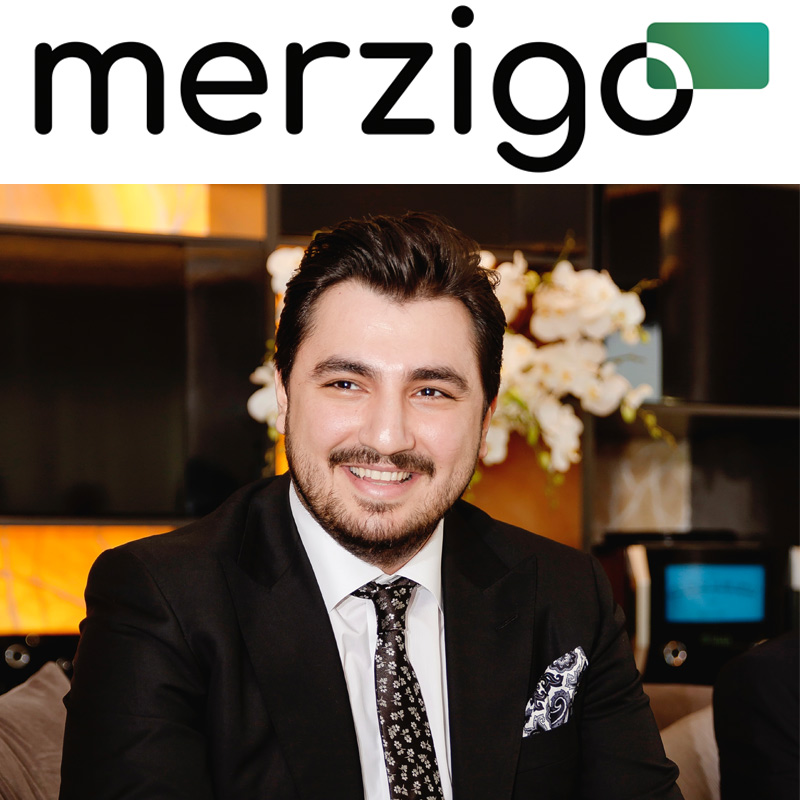
  • Merzigo has reached the leading position in Turkey with a 40% market share, says Yigit Dogan Celik

    Merzigo has reached the leading position in Turkey with a 40% market share, says Yigit Dogan Celik

    Mumbai: Merzigo, a leading Turkey-based technology company that offers video monetisation and channel management solutions for producers, broadcasters, and distributors in the global advertising-based video on demand (AVoD) market, has been a key player in presenting riveting content across the globe. The man behind the success story of the firm is Merzigo’s chairman and founder Yigit Dogan Celik.

    Born in 1988 and a graduate of MEF International School (in Istanbul, in the year 2007), Celik studied law at the University of East Anglia and business administration at Regent’s University (in the UK, in the year 2012). He kicked off his career in 2014 as a country representative at Havelsan, a prominent software and development company.

    In 2015, he went on to establish his own business and serve as the co-founder and head of sales at Merzigo. He became the chairman of the board of directors in 2019 at the content syndication company.

    Celik also continues to draw attention in Turkey and Europe with Key Networks Group’s continued investments in the OTT industry, production, and distribution. PowerHouse, an incubation centre under Key Networks Group, regularly invests in different technology and AI projects.

    He took important and strategic steps that contributed to the level of success that Merzigo has achieved today. His decisions led the organisation towards leadership in the digital marketing sector, both domestically and globally.

    In an interview with Indiantelevision.com, Celik discusses Turkey’s content market, Merzigo’s presence at Mipcom 2022, his interest in Indian content, and much more.

    Excerpts:

    On the objective behind such a big presence of Merzigo at Mipcom 2022

    Merzigo is a video monetisation and digital solution company for content rights owners, production houses, and broadcasters across the globe. We are already doing business with clients in the Americas, Europe, the Middle East and North Africa (MENA), and Asia through our offices in Istanbul, Mumbai, and London.

    At Mipcom 2022, our main goal is to focus on initiating new partnerships with potential clients and strengthening our position in the markets we are already active in. Our aim is to reach out to the ever-increasing base of partners and showcase our strong content offering. We expect to increase our already strong footprint globally and create stronger and more meaningful partnerships with our existing clients and newer prospects. We aim to further expand our global clientele so that Merzigo can become the leader in the AVoD market.

    On achieving the success you have at 34, about your journey pre-Merzigo and after setting it up

    Merzigo was founded in 2015 as a response to the market’s video monetisation needs. Our technological approach, expertise, and our own solutions helped us rapidly increase our market share and provide our domestic and international clientele with the best services available. As per our strategies, we have reached the leading position in Turkey’s market with a 40 per cent market share.

    Also, in line with our global vision, we continue to increase our market share to strengthen our position. As of 2022, Merzigo continues its activities under the newly restructured Key Networks Group, reaching a total of 400 employees. Merzigo’s leadership and knowledge in the digital sector’s monetisation and knowledge are elevated to a new level by these global strategies.

    On the Turkish adex market – whether it’s small or large, how advertising has evolved over time, especially in terms of digital video and AVoD, and how it is growing today

    Merzigo has a global presence. You can say that we are present wherever YouTube is present. We have been in the AVoD business since our establishment, and we have witnessed the market’s growth towards a more positive stance towards the AVoD model. We believe this shift will only accelerate due to the global landscape and the growing importance of accessibility. As you know, even major subscription video on demand (SVoD) platforms are considering AVoD plans that include advertisements. Hence, we believe we are on the right track. 

    On witnessing a tapering off of CPMs post opening up after the lockdowns

    Cost per mile (CPM) is a good indicator of how valuable advertisers find your videos and audience for achieving their own business goals. Your revenue will not be equal to your CPM times your views because CPM reflects what advertisers pay, not what you earn. Advertisers can control which geographies they’d like to reach with their ads. Different locations will have different levels of competition in the ad market, so CPMs will vary by geography.

    If there’s a shift in where most of your views are coming from, you may see a shift in the CPM. For instance, if you previously had views from a geography with higher CPMs but are now getting more views from geographies with lower CPMs, you may see a decrease in your CPM.

    On partners’ asset monetisation that you are managing on Turkish digital video platforms, which ones have managed to generate maximum revenue and why, and why have the others failed

    Survivor Turkey, The Voice Turkey, Turkey Got Talent, Fox TV in Turkey, and globally published Turkish series such as El Sultan (Magnificent Century), El Poder del Amor, and various international series channels launched in India, and from Spain, we signed a deal to monetize RTVE series are among our top channels.

    We also took over the management of some of Turkey’s leading free TV channels, multiplying their revenues per year by 10-fold during our first year. We are providing content in the following languages: Turkish, Spanish, Arabic, Romanian, Portuguese, English, French, Serbian, Italian, Urdu, Hindi, German, and Polish. Our content offerings are a perfect blend of emotion, drama, and variety, which are synonymous with almost all cultures in the world.

    On explaining your interest in international content – especially Indian

    Gripping stories, powerful characters, and edge-of-the-seat entertainment will ensure the viewers’ loyalty and stickiness. We aim to push the boundaries of entertainment by presenting new concepts and engaging content across genres to our audience. We pick up topics that are relatable to almost all cultures in the world and present gripping stories that are a perfect blend of emotion, drama, and variety. We bank on stories, which at their very core are stories about humans – their emotions, challenges, love, relationships, victories, defeats, and courage.

    Our strategy is to strike a good balance of content that works well with our audience and experiment with new and disruptive ideas constantly. And India being one of the world’s oldest and most diverse cultures, its series are a perfect blend of emotion, drama, and variety, which are synonymous with almost all cultures in the world. We believe there is tremendous headroom for growth for international content – and particularly India content – and hence we look at this as one of the key priorities for our content distribution.

    On your app being currently gestated: how will it be different from others, and what is the competition like

    ‘Baslat’ (meaning “start”) is our own OTT AVoD platform, which will be launching in Turkey in January 2023 on all platforms such as the web, phones, and smart TVs. Baslat will have an entirely different vision and intend to stand out in the AVoD market, offering an innovative and unique viewing experience for audiences in Turkey, as the viewers will be able to access premium content & original production for free. SVoD platforms in Turkey are increasing with new players entering the market, increasing the production budget and cost.

    Today, there are more places than ever to consume content. There’s a huge demand for variety in content, and audiences are more interested in the type of content and stories they can relate to. With the rise of OTT players, our focus is on how we can meet the needs of our viewers and focus on delivering different concepts and good stories to cater to the needs of both live and on-demand videos across different devices.

    On the target audience, and how will you monetise it

    We have always adapted to market demands and expectations, maintaining the standards that we have established over time and delivering high-quality content to audiences.

    The series dubbed in Turkish is a perfect blend of emotion, romance, family, and socially relevant issues that will immediately resonate with mainstream audiences. We will ensure content for all age groups.

    The most important issues are viewers’ habits when it comes to video consumption as well as piracy. We will be encouraging people to watch the content they wish to watch on a legal yet free platform. Our revenue model for Baslat will be through advertising sales.

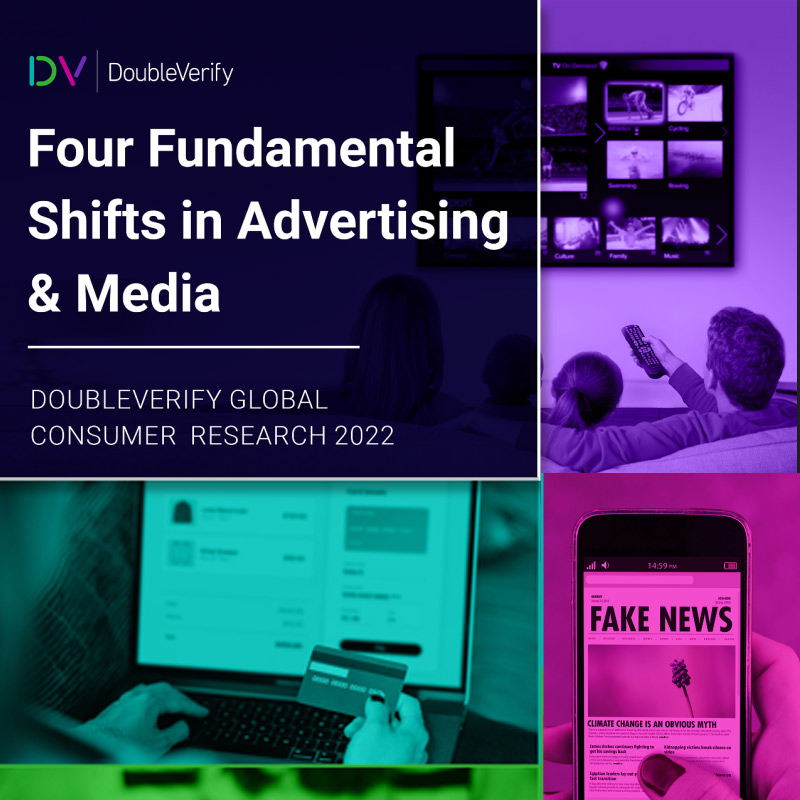
  • DoubleVerify releases report – ‘Four Fundamental Shifts in Advertising and Media’

    DoubleVerify releases report – ‘Four Fundamental Shifts in Advertising and Media’

    Mumbai:  DoubleVerify (DV), a leading software platform for digital media measurement, data, and analytics, has released its report for the year 2022, “Four Fundamental Shifts in Advertising and Media.”

    Two years after DV’s original report, this expanded edition analyses insights from over 16,600 global consumers in 18 countries. At a time of significant macroeconomic change, these findings reveal the dynamic relationships between consumers, digital content, and advertising—arming stakeholders with the insights they need to make well-informed strategic decisions.

    The report marks some significant takeaways. Firstly, the economic downturn continues to ‘stay at home’ content consumption—particularly on CTV and social media—with most (55 per cent) consumers now spending more time consuming content daily than they did pre-pandemic.

    Secondly, attention fuels media efficacy—two thirds (66 per cent) of respondents claimed an ad that captures their interest in the first five seconds will make them more likely to pay attention.

    Thirdly, online shopping surges and is bolstered by a contextual approach—54 per cent of respondents report buying more items online now than pre-pandemic, while 67 per cent are more likely to pay attention to an ad if it’s relevant to the content they’re viewing—such as reviews or gift ideas.

    Fourthly, trust and shared values foster loyalty, but consumers are quick to judge. Consumers are concerned about the spread of mis- and dis-information, and it shows—61 per cent are even less likely to purchase/use a brand again if they see it advertised alongside mis-/dis-information.

    “This study highlights that consumer consumption habits are evolving in response to macro social and economic trends—from intensifying concerns about inflammatory or polarising content to a continued shift in the platforms and channels consumers are turning to for content consumption,” said DoubleVerify CEO Mark Zagorski.

    He continued, “Brands must react to these changing habits to ensure they reach the right audiences as efficiently as possible and maximise their digital investments. As our research shows, with digital content consumption rising, there’s a clear opportunity to garner consumer attention and power campaign performance. To unlock this opportunity, brands must evolve their ad strategies—meeting their audiences where they consume content and focusing on contextually relevant, attention-grabbing ad placements that also safeguard their brand reputations.”

    “In these hyper-evolving times, these insights are significant for brands wanting to boost their digital ROI. This is especially important in India, where the market is highly competitive and dynamic. As demonstrated in the findings, digital content consumption and post-pandemic online shopping are higher in India than in any other region. This presents a huge opportunity for marketers who need digital media strategies that can effectively reach relevant audiences while ensuring that they don’t inadvertently advertise/promote misinformation and disinformation,” said DoubleVerify head of sales India Nachiket Deole.

    He added, “This is the era of new-age consumers, who are more aware, conscious, and empowered than ever. Thus, we are working with clients to help them develop the best strategies to protect their brand reputations while achieving scale, and deliver on the desired outcomes of influencing the customers to convert to a purchase.”

    Consumer appetite for content continues to soar—led by CTV, streaming, and social

    Globally, most consumers (55 per cent) are spending more time each day consuming content now than they did pre-pandemic. This is as high as 78 per cent in India, the highest of all regions surveyed. Inflation is a key driver, with almost half (45 per cent) of respondents globally noting the reason they’re spending more time consuming digital content is because they are staying at home due to the rising cost of living.

    CTV (connected TV) and streaming services have clear momentum, with 55 per cent of respondents having subscribed to additional services in the past 12 months. The increase in sign-ups is strongest in India, where 74 per cent have subscribed to additional services in the last twelve months. Meanwhile, globally, 27 per cent expect to spend more time on social media in the year ahead—peaking at 41 per cent among 18-24 year-olds.

    With costs under consumer scrutiny and digital content consumption rising, ad-supported content represents a growing opportunity for advertisers, with 59 per cent open to ad-supported video streaming apps if they cut prices.

    Brands must address attention fragmentation—or risk losing consumers

    Survey respondents reported that they believe they see between one and 50 ads per day—estimates suggest the true average figure is at least 4,000.

    Where an ad appears determines its impact, according to consumers. YouTube dominates as the number one proprietary platform for securing the attention of respondents in 15 out of 18 countries surveyed—followed by Facebook (39 per cent) and Instagram (28 per cent). Newer platforms continue to attract consumer attention and engagement. TikTok is rapidly expanding, and 43 percent of 18- to 24-year-olds say they intend to spend more time on the app in the coming year.

    Timing is essential, with two thirds (66 per cent) stating that they are more likely to pay attention if an ad captures their interest in the first five seconds.

    Shopping’s digital maturity presents a new opportunity for brands to make an impact

    Online shopping continues to grow, as most consumers—54 per cent, report buying more items online now than they did before the pandemic. Meanwhile, consumers in emerging markets are more likely than the general population to say they are shopping online more now than they were before the pandemic, with Indians leading the pack at 74 per cent.

    Pre-purchase habits are also evolving, with over half (53 per cent) highlighting that they use digital content to inform planned purchases more often than they did before the pandemic—in India, this is a notable 75 per cent. With two thirds (67 per cent) of consumers saying they are more likely to pay attention to an ad if it’s relevant to the content they’re looking at—like reviews or gift ideas. This reinforces the importance of contextually relevant ad placements.

    Brand values are key as consumers reward action against inflammatory content, mis- and dis-information

    Likely exacerbated by polarised news and opinions, the majority of survey respondents (68 per cent) are concerned that levels of mis/disinformation are increasing—and brands must be conscious of ad adjacency. In fact, 61 per cent would be less likely to purchase/use the brand again if they saw it advertised next to content that they determined to be mis-/dis-information. In India, this is 63 per cent.

    The majority of survey respondents (82 per cent) state they have been exposed at some point to mis-/dis- information on social media.

    Brand action on mis-/dis-information will be rewarded with trust from consumers. The majority (69 per cent) value brands that actively fight against mis-/dis-information and the same number (69 per cent) state that companies that are genuine and authentic appeal to them.

  • Festive bonanza: Explore brand advocacy to generate high marketing ROI

    Festive bonanza: Explore brand advocacy to generate high marketing ROI

    Mumbai: Brand advocacy is something that has been on the marketing charts for a while now and continues to do the rounds. With the festive season setting in and the digital bug which has already bitten everyone, companies are going all gaga about their brands, their new launches, etc., and brand advocacy is obviously on their roster of marketing initiatives in a robust manner. In this story, with some industry veterans, I look to explore brand advocacy and how it is going to help brands this festive season; the growth of brand advocacy; trends; innovations; and more.

    First things first, what exactly is brand advocacy? Brand advocacy is a method of growing your brand organically—it’s about people who love a brand and converse about it, continue to support the company and its products and services, and promote it too. This word-of-mouth marketing technique helps brands build their target group cost-effectively without spending an exuberant amount of money on traditional advertising.

    One of the notable examples of a brand using brand advocacy and being successful in its attempt was when Coca-Cola India did the “Share A Coke” campaign in 2018–19, which was an Indian spin-off of their global campaign, taking ‘relationships’ as the concept. Google Pay is another brand that, when launched, used the referral programme to organically boost its users’ acquisition. 

    According to the understanding of a few, brand advocacy is mostly used in the B2B industry. From a market sentiment perspective, one could look at most players being in the technology, financial, e-commerce, and education segments; those are the leaders at the moment.

    Growth in brand-by-brand advocacy can vary from category to category. For example, more than half of Indian consumers make brand and product recommendations in major categories such as food and groceries, computers, several financial services (insurance, savings accounts, credit cards, and home loans), mobile phones, and cars.

    During the festive season, on an average, 30–40 per cent growth can be expected in certain categories like food and groceries. Growth can be higher in the affluent segment of consumers and can touch 45–55 per cent. During festivities, 10-12 per cent growth in advocacy can lead to 2X growth in revenue.

    Brand advocacy and influencer marketing: same or different?

    Influencer marketing, to some extent, sounds like it’s the same as brand advocacy, doesn’t it? So, how exactly is brand advocacy different from influencer marketing? Or truly, is it the same? How similar or different are these, to and from each other?

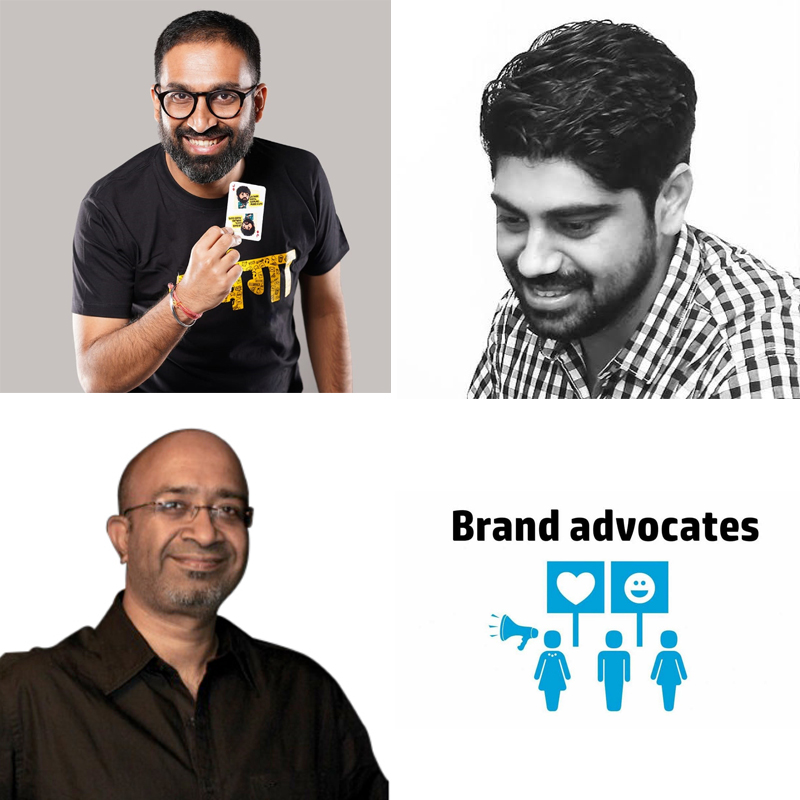
    An advocacy platform that enables brands to transform their stakeholders into brand advocates, Socxo chief marketing officer Ajit Narayan describes the distinction between the two, in the best possible manner. “They are both similar and different at the same time. like the coin used by Jai in “Sholay.” The toss is the same. But the result is always determined by the person tossing the coin in advance,” he spells out.

    When the term influencer marketing is used, it’s about using mid-tier influencers (who have a following of about 50k–5 lakh followers) as well as celebrities (1 million+ followers). But when it comes to brand advocacy, it is about leveraging nano-influencers (1k – 10k followers) and micro-influencers (10k – 50k followers) within the brand’s communities.

    Influencer marketing and brand advocacy may sound similar, but they’re not the same and both reside in different consumer mindsets. Influencer marketing is about someone in an influential position considered to be an industry thought leader or have followers speaking about the brand. He/she may or may not be a customer of the product/service.

    Brand advocacy, on the other hand, is defined by brand love from customers, employees, or consumers. Someone who advocates for the brand in multiple conversations.

    Influencer marketing and brand advocacy are both part of integrated digital marketing but are non-interchangeable terms. They are not the same as they fulfil the two distinct but unique needs of a brand in their marketing ecosystem.

    Influencers are change agents with great expertise in creating content that caters to a specific/niche set of an engaged audience. Influencer marketing is a system of identifying people who are already famous on social media and then getting into a process of content sharing about the brand/products/campaigns through them. Albeit, with a dash of flexibility for the influencer to share as per their preferences. However, this is applicable when the influencers are macro and celebrity influencers who have a say in the content.

    Whereas advocates are the supporters/loyalists of the brands (typically the customers) who may not have the power to influence but have an impact as they possess an affinity for a product/service. Brand advocacy is a two-pronged process. On the one hand, it identifies those key stakeholders (employees, customers, partners, fans) who are active on social media. But, not necessarily big influencers and marketing to their contacts using their networks.

    Brand advocacy in the advertising and marketing mix

    Brand advocacy is becoming the leading component in the advertising and marketing mix. The fact is that for such a thing to happen, one needs compounding, and as with everything else, compounding is a factor of time and consistency. Ajit asserts, “One cannot expect to generate big results just by randomly activating a program for three months.”

    But yes, brand advocacy is always at the forefront of any marketing communication mix. “Focusing on incentivisation and creating a brand narrative that allows first-time customers to come back through loyalty schemes and personalisation, which makes any prospect feel connected, can go a long way,” explains Puretech Digital senior vice president of digital marketing Kamaljit Saini.

    Especially in the festive season, brands want to reach the masses, so utilising TV and digital to reach out to a large number of people at a time is obvious. The question is, how does brand advocacy assist a brand in this? Or does it have its own role to play?

    Kamaljit elucidates, “I think brand advocacy mixed with influencer marketing has a major impact on how a brand is perceived and eventually grows in its targeted segment. It can help a brand become visible to larger audiences, build stronger brand awareness, and increase revenue without incurring any of the costs associated with other traditional marketing campaigns. An important role that advocacy plays in the overall marketing mix is that it allows brand visibility to grow organically and demonstrate the value proposition.”

    Ajit talks about the growth of brand advocacy as an advertising and marketing aid specifically for the festive season. He says that the former is growing at roughly 15–20 per cent or more and is bound to become a consistent add-on to traditional ways of marketing in the next five years. “The true value and power of brand advocacy will be the growth of individuals as potential micro-influencers, and it goes beyond just branding to contribute to the employer, brand, and culture of the organisation,” he adds.

    Brand advocates are 50 per cent more likely to influence others’ purchase decisions than regular customers. “As advocates are acquired organically with limited or no cost increment, brand advocacy will see a further boost through innovative gratification and referral schemes, which are already making an impact in D2C categories across all major existing and upcoming brands,” points out Kamaljit.

    Brand advocacy and the festive season

    It’s a fact that brand advocacy has been a part of the overall marketing mix for most brands. Kamaljit believes that since the advent of social media, active review channels and aggregating platforms, brand advocacy has gone to the next level.

    As per a Nielsen report, 92 per cent of consumers trust recommendations from brand advocates. “Although the influencer market is a hot topic these days, brand advocacy indeed has a greater potential to push for a larger ROI and has a much bigger contribution towards the campaign’s success. As it has been already established and it is a fact that Indian consumers are much more active advocates, the market size for brand advocacy will continue to grow in leaps and bounds during the festive season. Especially, post the pandemic, several brands have gone D2C in most of the consumer segments and brand advocacy is ever-increasing both in size and volume,” he tells.

    Pondering whether the online traffic is as much during the non-festive season as it is during the festive season, the reality is that festivities do drive volume with regard to traffic numbers, but it varies from category to category. Typically, consumer durables, food, groceries, electronics, gifting, personal care, etc., observe incremental growth on the back of significant discounts and offers during the festival season. Traffic during the festive season sees a jump as a number of people spend more time evaluating these offers online before making the purchases. The actual purchase could be made online or offline. Add to that, the huge shopping festivals launched by e-commerce brands contribute to the big jumps in digital traffic.

    Brand advocacy needs to be planned from a short-term or long-term perspective. “From a short-term angle, the brand should be a part of the consideration set. It helps to build trust if the brand is new and buyers feel more confident in buying the product. From a long-term point of view, there should be brand pull and customers should come to you rather than you going to them,” emphasises Social Panga co-founder Himanshu Arora.

    He adds, “During festive times, brand advocacy is even more important to pushing the purchase cycle and making sure that brand is a part of the consideration set.”

    As compared to non-festive times, one wonders about the kind of jump that is witnessed in the festive season with regard to the usage of brand advocacy by brands. Ajit is clear to spell out that brand advocacy isn’t a magic wand. “It takes time, patience, and a mix of a great engagement programme combined with the discipline of consistent activity.”

    Brand advocacy-an effective tool to build organic value 

    Organic reach is what brand advocacy delivers. And that too, from a peer-to-peer perspective. “Content alone does not deliver trust. By leveraging individuals to share and converse, brands get a bigger reach along with trust, which ads cannot deliver alone,” says Ajit.

    Everyone knows that the festive season is the best time to get noticed. There are categories which are more relevant to the festive times, like lifestyle, FMCG, etc. Himanshu points out, “Brand advocacy or coverage around the brand during the festive season will help the brand to be at the forefront of consumer minds and allow it to capture the mind space of the new customers.”

    An ideal purchase journey ends in brand advocacy. Above all, there’s a strong correlation between brand advocacy and brand performance. Hence, word of mouth matters. “It allows the brand to grow and helps with organic customer acquisition through referrals. With the help of a brand advocacy index, marketers can demonstrate how critical advocacy can be,” says Kamaljit.

    Boosting revenue through brand advocacy, trends and innovations

    Brand advocacy is a behaviour that involves a customer supporting or recommending a brand that they love. Having brand advocacy programmes at the core of the marketing mix can help amplify the brand and, in turn, boost revenue. Kamaljit adds, “It builds trust, enhances the reputation, increases the loyalty towards the brand and, above all, gets valuable insights to further improvise on the value proposition.”

    While conversing about the latest and upcoming trends in the field of brand advocacy, Ajit mentions that brand advocacy in international markets has evolved into a building block for corporate culture and employee influencer growth. This is the fundamental shift in marketing, where giving visibility and value to employees, etc., is more pronounced than asking them to keep sharing content.

    As per Kamaljit, the use of technology and artificial intelligence (AI) are going to be key in enhancing the overall customer experience through personalisation.

    Speaking about the innovations that one would encounter in brand advocacy, Ajit asserts that it is heading towards becoming a key element in organic social media marketing. As we know, online channels emphasise paid marketing over organic marketing for brand pages. While social media is the way to reach and connect, individuals are starting to play a larger role in the organisations and brands they relate to.

    “This leads to building and using tech stacks that connect social media from a 360-degree organic perspective, including the addition of technology to present links better, share them in innovative ways, and get back the lost traffic,” he says.

    According to Kamaljit, building brand advocacy through marketing technology solutions is also going to be one of the leading innovations in this arena. The use of technology will enable brands to personalise the consumer experience and provide differential customer service.

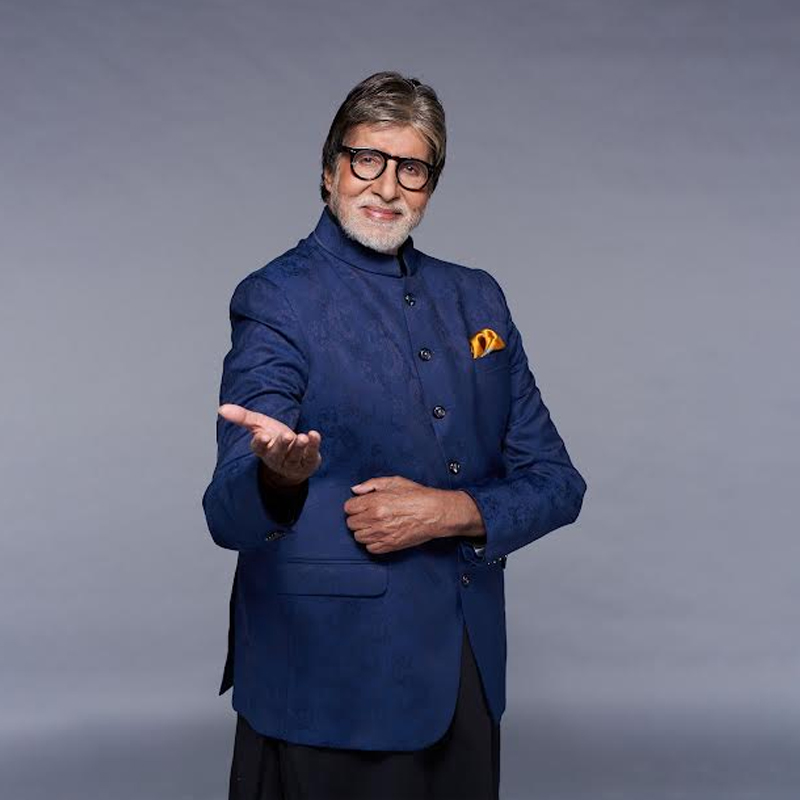
  • Amitabh Bachchan turns narrator for Warner Bros Discovery’s new series

    Amitabh Bachchan turns narrator for Warner Bros Discovery’s new series

    Mumbai: Warner Bros. Discovery, the leading global media and entertainment company, is in celebratory mode with India’s “Azadi Ka Amrit Mahotsav” on its 75th year of Independence and is all set to unveil its new series, The Journey of India, on October 10. Narrated by Bollywood legend Amitabh Bachchan, who is also the face of Incredible India, the series is ready to memorialise the country’s rich tapestry of heritage, innovation and contemporary marvels that have paved the way for the country’s cutting-edge advancement.

    The six-part special series premieres globally on the streaming platform, discovery+, in India, the US, the UK, and the Philippines. It will be broadcast in more than 140 countries, including India, Japan, Singapore, France, Switzerland, UAE, Egypt, Brazil, Iran, and Kenya, among others, on the Discovery network of channels.

    The series weaves a tale of India’s legacy with contributions from a range of esteemed personalities and leaders. Spanning a wide range of subjects, this one-of-a-kind series provides an in-depth look at the nation’s progress, influences and accomplishments during the past 75 years; from advancements in science and technology and our ambitious and successful space missions to the world of cinema that not only entertains but also inspires.

    From fascinating stories of faith found across the length and breadth of the country to a diverse food culture that is adored around the world, India in the last 75 years has slowly but steadily made its presence felt on the global stage. Featuring an extensive collection of historical footage, it also hears from a stellar line-up of respected personalities and subject matter experts.

    Warner Bros. Discovery general manager South Asia Arjun Nohwar said, “As India celebrates 75 years of Independence, this commemorative new series reflects Warner Bros. Discovery’s commitment to bringing to life unique stories that inspire. We are proud to work with the iconic Amitabh Bachchan to take the audience on a vibrant journey through India, capturing the ethos of the nation, its diverse culture, and the spirit of its people.”

    The Journey of India will premiere in India on Discovery Channel, TLC, Discovery Science, Discovery Turbo and DTamil. More details on the series will be announced in the coming weeks.

  • upGrad onboards Myleeta AgaWilliams as CEO – International

    upGrad onboards Myleeta AgaWilliams as CEO – International

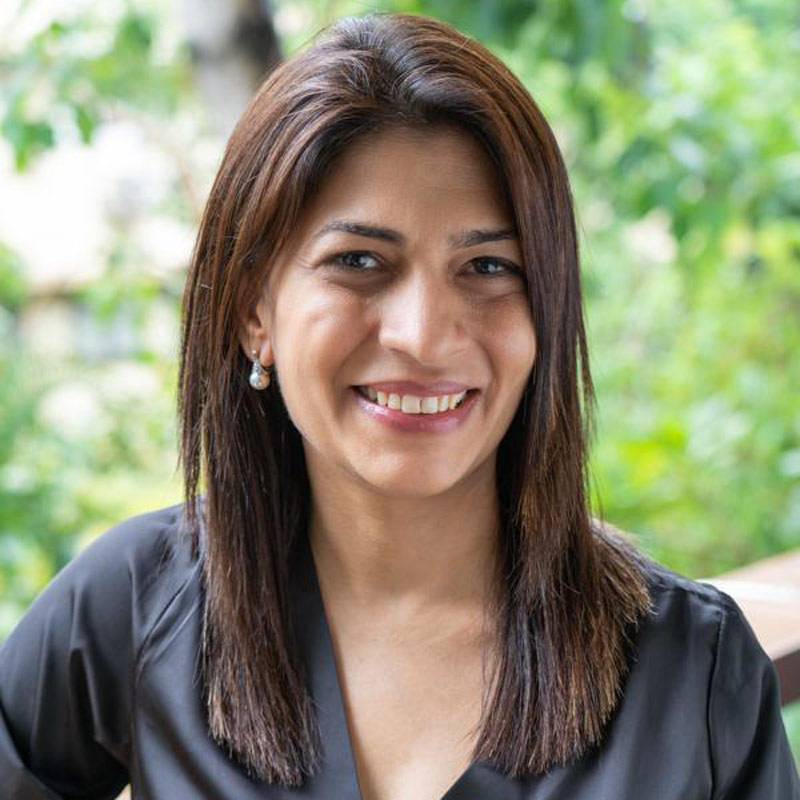
    Mumbai: EdTech company, upGrad has announced the appointment of Myleeta AgaWilliams as CEO-International to spearhead growth across the APAC, EMEA and US regions. She assumed office in August this year.

    With over two decades of experience in global and digital businesses, Myleeta will be responsible for managing end-to-end international operations and creating region-specific product pipelines, thereby driving high-impact revenue and profitability results.

    Myleeta AgaWilliams will be leveraging her experience in scaling businesses through strategic interventions across content and global distribution for broadcast and streaming media. She will engage with managerial teams based in multiple geographies to align short-term and long-term business objectives for accelerating profitability.

    Previously, she has managed diverse product portfolios and led marketing and sales teams across geographies at Netflix, BBC Studios, Discovery, and UTV, amongst others.

    Commenting on the appointment, upGrad co-founder & MD Mayank Kumar said, “We are at such a high point of our international expansion that we require a leader who has seen these markets evolve to make sound business decisions. Myleeta comes with a strong entrepreneurial mindset and cultural intellect that will augment our operations across existing and upcoming markets.”

    “While we are leading the higher education space in India and have penetrated successfully across SE Asia, we felt it’s the right time to go aggressive with other geographies, which will require strategic linear and non-linear movements to support the growth. Myleeta, who has built and scaled operations across niche markets including Asia, will continue to accelerate our ambition of becoming a global leader within the LifeLongLearning segment,” Kumar added.

    “Taking the hugely successful online learning portfolio that upGrad has pioneered to transform the lives and careers of learners across the globe is a fantastic opportunity,” said Myleeta while talking about her new role at upGrad.

    “In this next stage of growth, we will be looking at each of the markets in which we have ambitions to achieve scale and apply a nuanced and focused strategy, leveraging my past experience and deep knowledge of digital consumption habits. I am thrilled to be joining Ronnie, Mayank, Phalgun, and the leadership team at this exciting phase of high growth,” she concluded.

  • Interbrand elevates Gonzalo Brujó to global chief executive role; appoints Ashish Mishra as CEO- India & South Asia

    Interbrand elevates Gonzalo Brujó to global chief executive role; appoints Ashish Mishra as CEO- India & South Asia

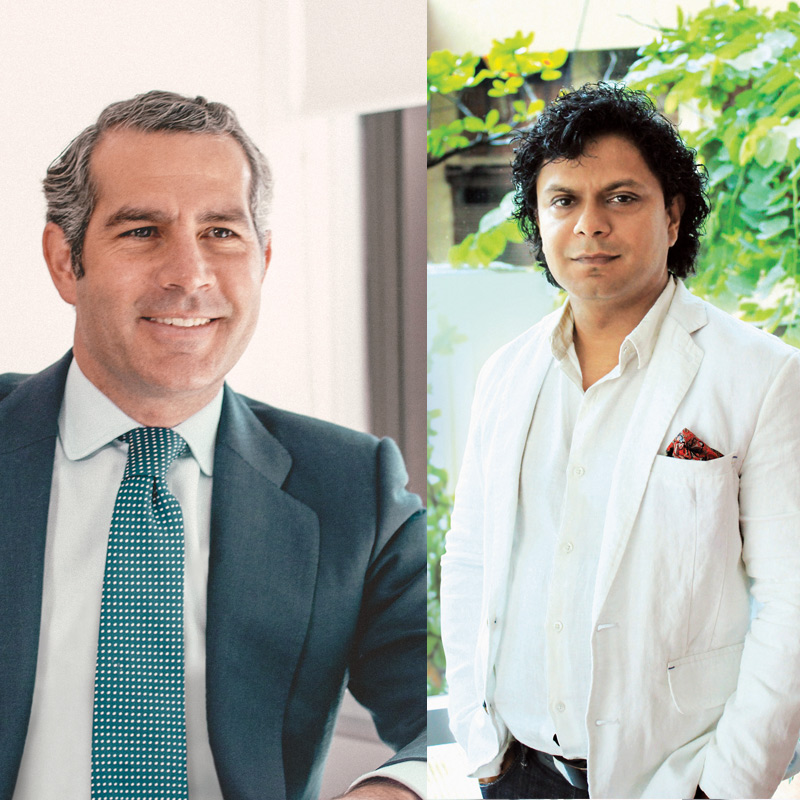
    MUMBAI: Brand consultancy, Interbrand, announced a series of senior staff promotions, aimed to create a revised leadership structure globally and for the South Asia region. Gonzalo Brujó is now the global chief executive officer (CEO). Brujó succeeds Charles Trevail, who will take on the role of executive chairman. Another key people development also took place with the elevation of Ashish Mishra as the CEO of India & South Asia.

    Brujó has been global president since February 2021, leading day-to-day operations of Interbrand whilst maintaining leadership of the company’s growth agenda, which builds off his highly successful tenure as global chief growth officer. He spent more than 15 years scaling the Interbrand business in Europe, Latin America and the Middle East.

    “It’s a great honour to step into this senior leadership role at Interbrand at such a pivotal moment,” said Brujó. “The role that brands play in our lives is fundamentally changing – as is the world we live in. Branding is no longer a moment in time, and the brands that stand still will quickly lose relevance. I am excited to partner with our world-class clients and employees to achieve game-changing results in this rapidly shifting landscape.”

    Ashish Mishra also spoke about what contributed to its consistently high performance in the local and adjacent markets. “We are the world’s premier brand consultancy and I’m privileged and honoured to be leading growth in these key markets to greater heights. But what’s more satisfying is the fact that we have been able to drive some much-needed shifts in the Indian business mindset. Elevating branding to a respectful, strategic status; getting a seat for branding at the management and board levels; encouraging the advertising and packaging design-bred marketing fraternity to begin to see brands as a strategic tool to drive business value. It also establishes the consciousness around the idea of brand value and valuation through our IPs – Best Global Brands and Best Indian Brands.”

    These elevations highlight Interbrand’s push to make what it calls “Iconic Moves”, which are bold steps taken to help brands leap ahead of customer expectations and drive competitive advantage. Iconic Moves are a part of pivotal shifts in the world of brands and branding being driven by Interbrand worldwide, according to the company.

    Currently, Interbrand India, a full-service consultancy started in 2013, will step up the branding practice across the region by letting their brands drive broader business arena opportunities, and developing more efficient business models, according to the company.

  • SUGAR Cosmetics raises $50 mn funding led by L Catterton

    SUGAR Cosmetics raises $50 mn funding led by L Catterton

    Mumbai: Omnichannel beauty company, SUGAR Cosmetics, announced on Tuesday the close of its $50 million Series D fundraise led by the Asia fund of L Catterton, global consumer-focused private equity firm. The upsized round saw strong interest from multiple private equity funds with continued participation from existing investors – A91 Partners, Elevation Capital and India Quotient, the company said in a statement.

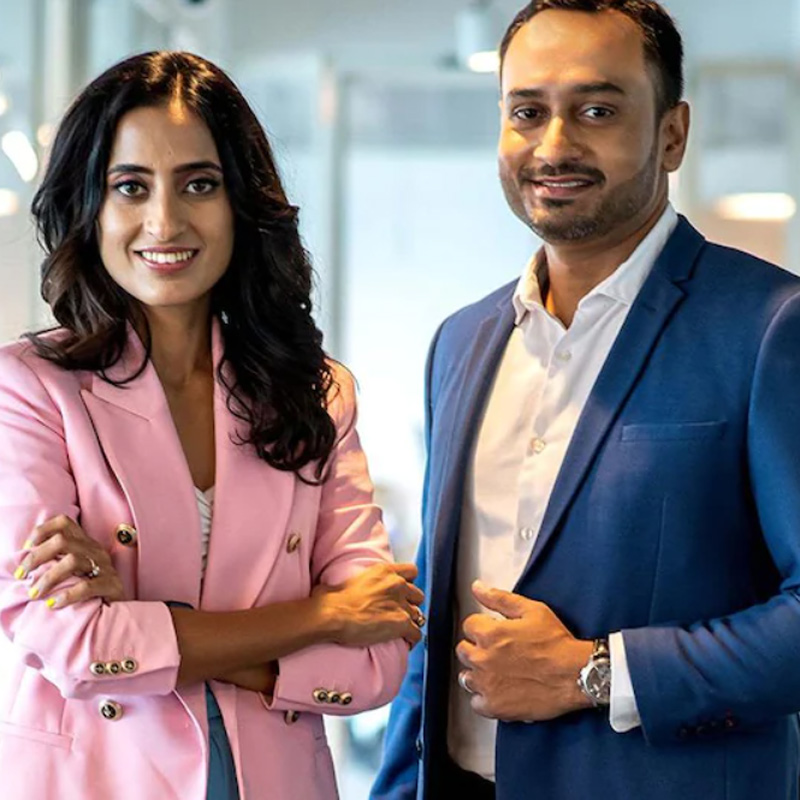
    Sharing the news on LinkedIn, SUGAR Cosmetics CEO Vineeta Singh wrote: Funding isn’t a milestone, but when it also coincides with the biggest month in sales for SUGAR Cosmetics, it’s time to express a ton of gratitude – for our crazy team, our passionate customers and of course the best set of investors ever!

    “Welcoming L Catterton the world’s largest consumer focused PE fund to our cap table along with A91 Partners, IndiaQuotient and Elevation Capital. Excited about having another feisty woman on the board, Anjana Sasidharan and can’t wait to build together the most loved beauty brand for young India,” she further added.

    The country’s beauty and personal care market has expanded considerably over the past five years, and is expected to reach approximately $21 billion in 2025. SUGAR stated that it has quadrupled its sales over the past five years, adding that it deploys new-age, impact-focused content marketing to develop lasting emotional connections.

    The cosmetics company said in a statement that its proliferation of online shopping and the creation of a robust local ecosystem of offline distribution partners has enabled it to attract customers from metros to Tier I and II cities. It added that the rising adoption of online shopping and greater product penetration in secondary cities are also driving the market’s enlargement.

    CEO Vineeta Singh said, “At SUGAR, we are devoted to creating innovative products that meticulously cater to the preferences of women with diverse skin tones and types who believe in expressing themselves with high-quality cosmetics and skincare products that complement their inner beauty. L Catterton shares our ethos of truly understanding what matters most to consumers, and my co-founder Kaushik and I are thrilled to welcome the firm as our partner,” further adding that the investor’s brand-building and value creation capabilities will fortify its growth.

    L Catterton Asia managing director Anjana Sasidharan said, “We have been impressed with how SUGAR has sustained its momentum of rapid growth across online and offline channels while maintaining healthy operating metrics… With a product-first mindset and deep understanding of their target consumers, SUGAR’s leadership team has established a strong position in India’s cosmetics market, which is at an exciting inflection point of expansion.”

    Known for being popular among Gen Z and millennials, the brand aims to further capitalise on its growth momentum in the rapidly growing beauty and personal care market. SUGAR Cosmetics has been scaling its physical presence with over 40,000 retail outlets across over 550 cities.

  • Havas launches its global e-commerce vertical Havas Market in India

    Havas launches its global e-commerce vertical Havas Market in India

    Mumbai: Havas Media Group (HMG) India, the media agency conglomerate of Havas Group India has announced the launch of Havas Market, a full-service e-commerce offering that aims to empower consumers in their shopping journey, providing meaningful e-retail experiences and generating incremental business for brands. Globally, Havas Market was launched in October 2020.

    To lead this division, HMG India has appointed Sharukh Lakhani as lead – Havas Market. With over 11 years of experience across various segments in the e-commerce space, Lakhani has expert knowledge of the brand, retailer and agency sides of the ecosystem. From start-ups like CouponDunia to established brands like Unilever & GNC, he has been instrumental in building successful e-commerce businesses on the back of strong partnerships with key platforms including Amazon, Flipkart, 1mg, and Healthkart, according to the agency. Lakhani joins from Wavemaker where he led the e-commerce media strategy for clients including Mondelez and Sun Pharma.

    Lakhani will closely work with Provit Chemmani, who leads the e-commerce expansion globally for Havas Group, Havas Media Group India head of digital services Rohan Chincholi, and a team of specialists across research, insights, performance media, content & analytics, said the agency.

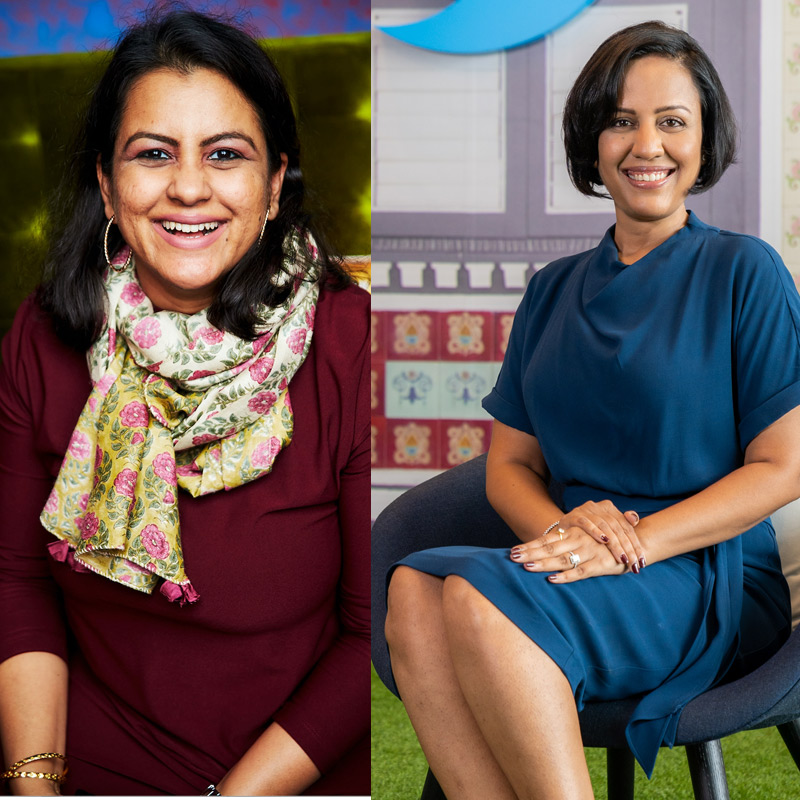
    Commenting on the launch, Havas Group India Group CEO Rana Barua said, “With the launch of Havas Market, India is poised to become a leader in creating meaningful shopping experiences. The division will give clients access to real-time market intel to help them form better decisions on the back of data and technology. I’m excited about the Group’s ambitious plans, forging into new avenues, that not only strengthen our capabilities but also ensure upskilling of our people and processes, thereby providing a seamless and integrated experience to our clients.”

    “The current e-retail landscape in India is very competitive and complicated for the consumer,” Havas Media Group India CEO Mohit Joshi said.

    “From fashion, beauty, electronics and mobile, to food, healthcare and entertainment, each product category has witnessed significant growth in e-commerce spending. India already has close to 200 million+ online transacting users. Given Havas Media Group India’s diversified client portfolio, we identified a great opportunity to develop an in-house e-commerce practice. With Havas Market, we want to become the go-to-market entity in the industry, offering an end-to-end solution and optimising clients’ e-retail business. I’m confident with Havas’ existing capabilities and the stellar team of experts, we will be able to scale the vertical to even greater heights.”

    Havas Market will provide a comprehensive understanding and analysis across all sales channels, including 50+ marketplaces, social commerce, direct to consumer, and digital to retail, using a unique methodology that goes beyond media. It will further include capabilities ranging from insights & research, retail & content management, paid media, sales analytics and more. With India experiencing tremendous e-commerce growth fuelled by pandemic-accelerated digital adoption and a rapid expansion in internet services, Havas Market provides a competitive edge from its ability to deliver one-stop e-commerce solutions to manage brands’ economies of scale.

    “Consumers today are constantly on the lookout for ease and convenience in their purchase journey. Havas Market will help brands rethink the retail journey and, in turn, reach an engaged audience. The approach will be guided by Havas Media Group’s Converged data partnership & Mx process that uses connection, context and content to create the most meaningful experience for consumers,” Rohan Chincholi commented.