Tag: Gideon Raff

  • Star World & HD to air s6 of ‘Homeland’ with U.S. release

    Star World & HD to air s6 of ‘Homeland’ with U.S. release

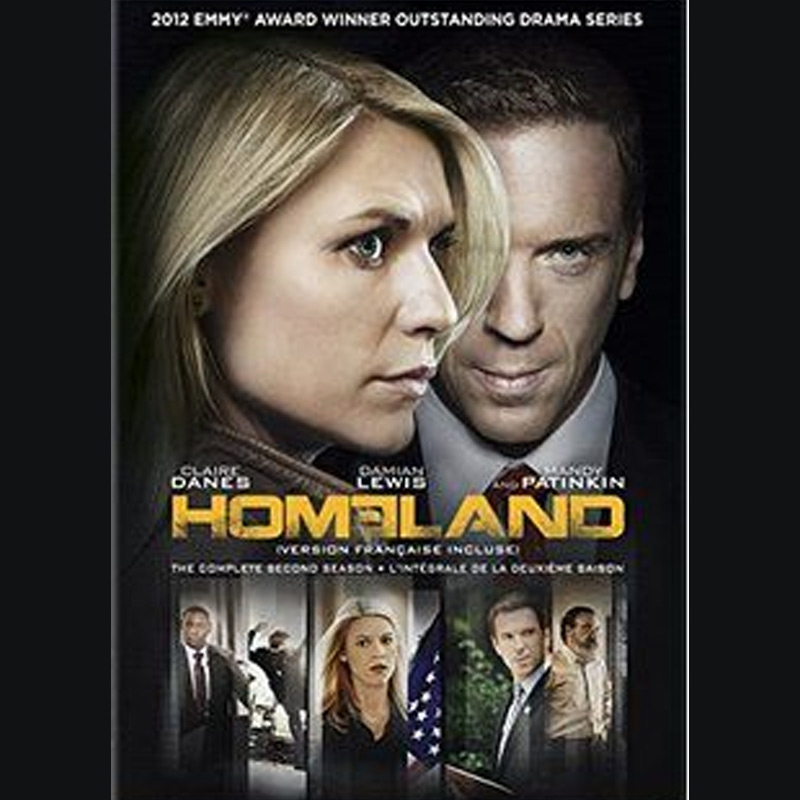
    MUMBAI: The current geopolitical issues have everyone at the edge of their seats. And even as the world watches with bated breath as events unfold, the brand new season of the Emmy and Golden Globe Award winning series Homeland brings to life these very events on television. Set to air on Star World and Star World HD from 16 January onwards on the same day as the U.S., Homeland is back with season 6 as it follows Carrie Mathison’s adventures in New York City.

    Developed by Alex Gansa and Howard Gordon, the political thriller is based on the original Israeli series Prisoners of War by Gideon Raff. The show stars Claire Danes, Rupert Friend, F. Murray Abraham, Elizabeth Marvel and Mandy Patinkin among others.

    “We were not going to tell a story about a terrorist attack on New York City,” said Gansa, “Instead, the season plays with psychological reverberations of the war on terror in the United States. We deal with the threat itself. “How real is it? How scary is it? How existential is it? Have we overreacted since 9/11? What are we doing, how much are we spending, and what kind of an industry have we built up over domestic counter-terrorism?”

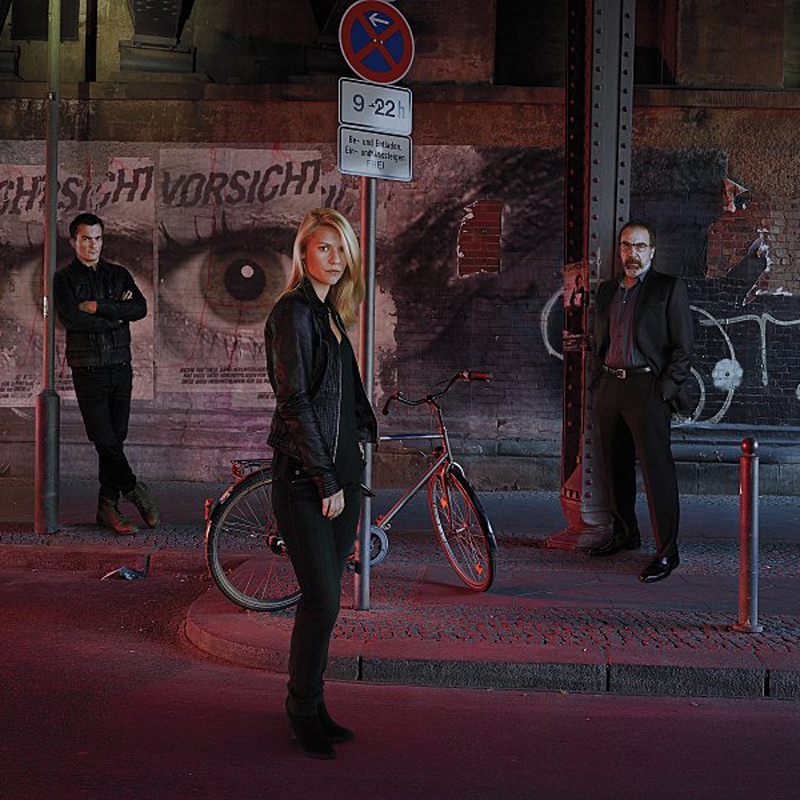
    Season 6 picks up several months after Carrie has thwarted the terrorist attack in Berlin and has moved to New York City to provide aid to mistreated Muslims living in the U.S. The sixth season is set during a post-election period with a woman president-elect who seduces the press, spars with the C.I.A. and stirs international political dramas before she even takes office.

    Danes added, “Carrie will always be in the middle. The pace isn’t going to get any slower; the questions aren’t going to get any simpler and the characters aren’t going to get any less complex.”

  • Star World & HD to air s6 of ‘Homeland’ with U.S. release

    Star World & HD to air s6 of ‘Homeland’ with U.S. release

    MUMBAI: The current geopolitical issues have everyone at the edge of their seats. And even as the world watches with bated breath as events unfold, the brand new season of the Emmy and Golden Globe Award winning series Homeland brings to life these very events on television. Set to air on Star World and Star World HD from 16 January onwards on the same day as the U.S., Homeland is back with season 6 as it follows Carrie Mathison’s adventures in New York City.

    Developed by Alex Gansa and Howard Gordon, the political thriller is based on the original Israeli series Prisoners of War by Gideon Raff. The show stars Claire Danes, Rupert Friend, F. Murray Abraham, Elizabeth Marvel and Mandy Patinkin among others.

    “We were not going to tell a story about a terrorist attack on New York City,” said Gansa, “Instead, the season plays with psychological reverberations of the war on terror in the United States. We deal with the threat itself. “How real is it? How scary is it? How existential is it? Have we overreacted since 9/11? What are we doing, how much are we spending, and what kind of an industry have we built up over domestic counter-terrorism?”

    Season 6 picks up several months after Carrie has thwarted the terrorist attack in Berlin and has moved to New York City to provide aid to mistreated Muslims living in the U.S. The sixth season is set during a post-election period with a woman president-elect who seduces the press, spars with the C.I.A. and stirs international political dramas before she even takes office.

    Danes added, “Carrie will always be in the middle. The pace isn’t going to get any slower; the questions aren’t going to get any simpler and the characters aren’t going to get any less complex.”

  • TV is story-teller’s new novel; audience is Bharat, not India: Star’s Banerjee

    TV is story-teller’s new novel; audience is Bharat, not India: Star’s Banerjee

    MUMBAI: Since five to six years, television has become the talking point. Th series such as ‘Breaking Bad’ to Transparent to Narcos to ‘Game of Thrones’ to 24, and now POW (Prisoners of Wars) has changed the experience of television viewing.

    Filmmakers nationally and internationally are now getting into television. Abhinay Deo who has done 24, Anurag Kashyap (Yudh), Anurag Basu( Rabindranath Series) and Nikkhil Adavni (POW) are getting into multi-series television shows.

    In a panel discussion on ‘Evolution of Storytelling on Television’ at ‘JIO Mami Mumbai Film Festival with Star’, the question of the hour was — Why all of a sudden television has become more important? The scale and scope for a nuanced story-telling on television, higher reach and inclusive nature of television vis-à-vis films, how TV entertains not just India but Bharat. How television impacts the lives of viewers directly and stimulates change in individuals and society at large?

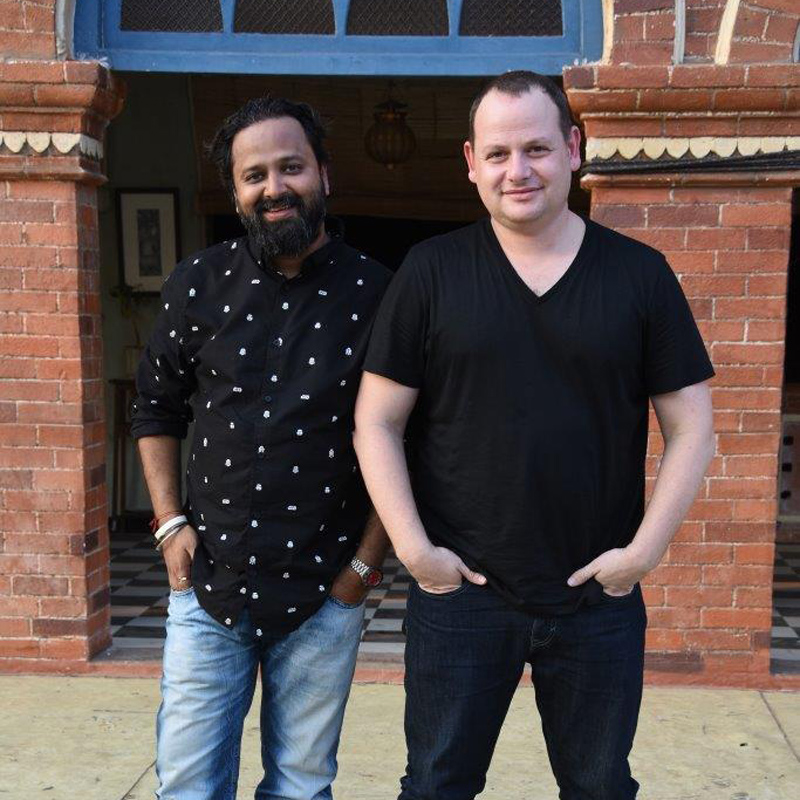
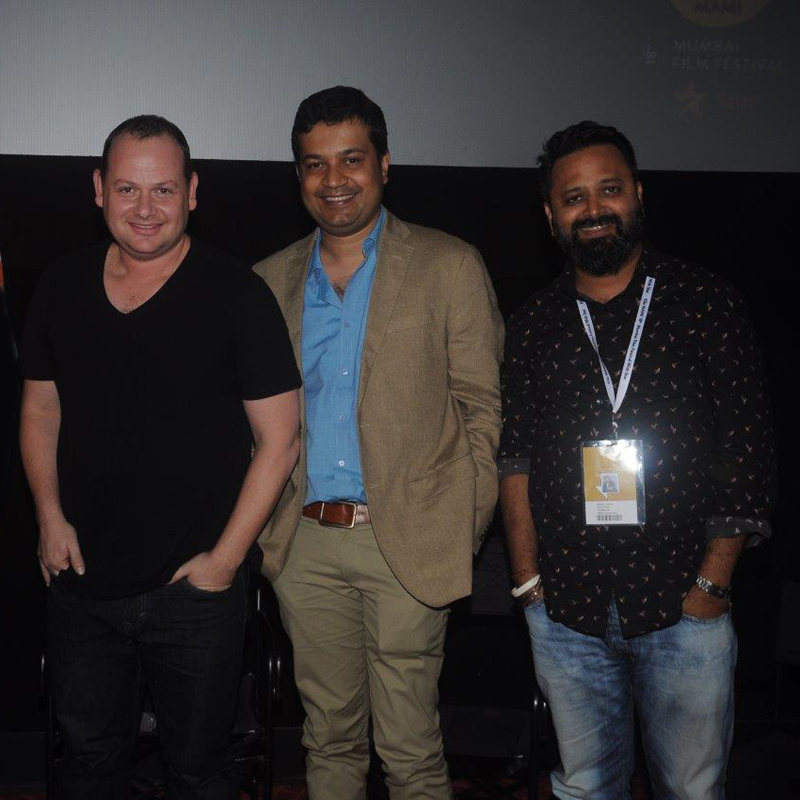
    And, who could better address this question than those who dabbled in the television space, the likes of — the Israeli writer and director Gideon Raff, the American filmmaker Cary Fukunaga, the Star India content studio head Gaurav Banerjee and the Indian filmmaker and director Nikkhil Advani.

    The session was moderated by Y-Films content and development head Nikhil Taneja. Taneja raised a question to the panellists: Why television has become more important all of a sudden?

    “I don’t know what’s happening worldwide but, in the United States, there has been probably a dearth of mid-range budget dramatic stories which are niche, and I think people were attracted to such stories, and there is an opportunity to tell such stories on television,” says Fukunaga.

    Raff adds, “There is a lack of scope for adult stories told in cinema nowadays. It’s harder and harder to tell stories in our way in cinema, and so, I think, a lot of such stories came to television.”

    While Banerjee believes that television is the new novel, and therefore a lot of stories which need to be told in a scheduled timeframe where graphs need to be longer is only possible on television. Also, television remains the medium for writers, and creative directors. “Television audience is larger, and they give more and more opportunity to get our crafts right whereas, I think, in film business, it is more of a first day, a first look (game), and therefore it has gone into the marketer’s domain,” opined Banerjee.

    public://Amrita-Puri-Nikkhil-Advani-Sandhya-Mridul_0.jpg
    Amrita Puri, Nikkhil Advani and Sandhya Mridul

    Advani, who recently forayed into television production with the Indian adaptation of ‘Prisoners of War’, recalls, “I approached it with a lot of skepticism when Star approached me. I did ‘D-Day’ and it was difficult film for me, and after the launch, everybody was saying that why don’t you make the D-Day part 2? So, a leading channel in Hindi GEC space wanted to do something similar, and they came to me with Hatufim. If you were on such a story with an amazing team, then why we shouldn’t come to television?”

    Before Ekta Kapoor came to television, the Indian women did not hold the remote control of a television set, which were controlled by men. After Ekta’s serial came in with women as the protagonist, the remote travelled to women. Somewhere, it empowered women in India. “How does television impact the lives of viewers directly and stimulates change in individuals and society at large?,” asked Taneja.

    Banerjee said that a study on television in India was done by two professors from University of Chicago in which they surveyed rural India, and researched the early time of satellite television. At that point in time, Ekta Kapoor was making around 47 of the top 50 shows. “There were women who were taking charge for the first time of their destiny,” he said.

    “For a large part of our county, we are talking to Bharat, and not to India. In Bharat, the experience in television viewing is new. There, a storyteller such as Ekta or shows such as ‘Diya Aur Baati Hum’ is changing destinies. A lot of comment has been made on ‘Naagin’ and ‘Bharamraskhas’. “I have nothing to do with these shows as they are not on my network, but nobody’s sleep has been affected more than mine with the normal success of these shows. If you want to tell a fantasy story around a snake, there is no problem with that. In the west, they have Twilight and you too have the ‘Game of Thrones’. Yes, I do have a problem with a lot of regressive content but that doesn’t happen on TV screen alone; that happens in news channels and in a lot of movies made in India,” opined Banerjee.

    You work with your story the way you want, your actors are not determined with what Friday Box Office is going to be like. For long formats on television, one can explore characters and graphs, but it’s not that the films are not fun. Its important to tell a story, and films and television are the media for reaching out to the masses.


  • TV is story-teller’s new novel; audience is Bharat, not India: Star’s Banerjee

    TV is story-teller’s new novel; audience is Bharat, not India: Star’s Banerjee

    MUMBAI: Since five to six years, television has become the talking point. Th series such as ‘Breaking Bad’ to Transparent to Narcos to ‘Game of Thrones’ to 24, and now POW (Prisoners of Wars) has changed the experience of television viewing.

    Filmmakers nationally and internationally are now getting into television. Abhinay Deo who has done 24, Anurag Kashyap (Yudh), Anurag Basu( Rabindranath Series) and Nikkhil Adavni (POW) are getting into multi-series television shows.

    In a panel discussion on ‘Evolution of Storytelling on Television’ at ‘JIO Mami Mumbai Film Festival with Star’, the question of the hour was — Why all of a sudden television has become more important? The scale and scope for a nuanced story-telling on television, higher reach and inclusive nature of television vis-à-vis films, how TV entertains not just India but Bharat. How television impacts the lives of viewers directly and stimulates change in individuals and society at large?

    And, who could better address this question than those who dabbled in the television space, the likes of — the Israeli writer and director Gideon Raff, the American filmmaker Cary Fukunaga, the Star India content studio head Gaurav Banerjee and the Indian filmmaker and director Nikkhil Advani.

    The session was moderated by Y-Films content and development head Nikhil Taneja. Taneja raised a question to the panellists: Why television has become more important all of a sudden?

    “I don’t know what’s happening worldwide but, in the United States, there has been probably a dearth of mid-range budget dramatic stories which are niche, and I think people were attracted to such stories, and there is an opportunity to tell such stories on television,” says Fukunaga.

    Raff adds, “There is a lack of scope for adult stories told in cinema nowadays. It’s harder and harder to tell stories in our way in cinema, and so, I think, a lot of such stories came to television.”

    While Banerjee believes that television is the new novel, and therefore a lot of stories which need to be told in a scheduled timeframe where graphs need to be longer is only possible on television. Also, television remains the medium for writers, and creative directors. “Television audience is larger, and they give more and more opportunity to get our crafts right whereas, I think, in film business, it is more of a first day, a first look (game), and therefore it has gone into the marketer’s domain,” opined Banerjee.

    public://Amrita-Puri-Nikkhil-Advani-Sandhya-Mridul_0.jpg
    Amrita Puri, Nikkhil Advani and Sandhya Mridul

    Advani, who recently forayed into television production with the Indian adaptation of ‘Prisoners of War’, recalls, “I approached it with a lot of skepticism when Star approached me. I did ‘D-Day’ and it was difficult film for me, and after the launch, everybody was saying that why don’t you make the D-Day part 2? So, a leading channel in Hindi GEC space wanted to do something similar, and they came to me with Hatufim. If you were on such a story with an amazing team, then why we shouldn’t come to television?”

    Before Ekta Kapoor came to television, the Indian women did not hold the remote control of a television set, which were controlled by men. After Ekta’s serial came in with women as the protagonist, the remote travelled to women. Somewhere, it empowered women in India. “How does television impact the lives of viewers directly and stimulates change in individuals and society at large?,” asked Taneja.

    Banerjee said that a study on television in India was done by two professors from University of Chicago in which they surveyed rural India, and researched the early time of satellite television. At that point in time, Ekta Kapoor was making around 47 of the top 50 shows. “There were women who were taking charge for the first time of their destiny,” he said.

    “For a large part of our county, we are talking to Bharat, and not to India. In Bharat, the experience in television viewing is new. There, a storyteller such as Ekta or shows such as ‘Diya Aur Baati Hum’ is changing destinies. A lot of comment has been made on ‘Naagin’ and ‘Bharamraskhas’. “I have nothing to do with these shows as they are not on my network, but nobody’s sleep has been affected more than mine with the normal success of these shows. If you want to tell a fantasy story around a snake, there is no problem with that. In the west, they have Twilight and you too have the ‘Game of Thrones’. Yes, I do have a problem with a lot of regressive content but that doesn’t happen on TV screen alone; that happens in news channels and in a lot of movies made in India,” opined Banerjee.

    You work with your story the way you want, your actors are not determined with what Friday Box Office is going to be like. For long formats on television, one can explore characters and graphs, but it’s not that the films are not fun. Its important to tell a story, and films and television are the media for reaching out to the masses.


  • Star World to air 1-5 of ‘Homeland’

    Star World to air 1-5 of ‘Homeland’

    MUMBAI:  Star World and Star World HD is all geared up to air the pulse-pounding action series ‘Homeland.’ The show tackles geopolitical moral conundrums of our current world. It has recently unveiled the teaser for the upcoming season 6 shows how Carrie Mathison will circumvent around another international espionage mystery. 

    Before the new season premieres in January, the two channels are giving viewers a chance to catch-up with all the drama from seasons 1-5 every Monday to Friday at 8 pm. The show, developed by Alex Gansa and Howard Gordon, is based on the original Israeli series Prisoners of War by Gideon Raff.

    The series stars Claire Danes as Mathison, a Central Intelligence Agency officer suffering from a bipolar disorder. It delves into the espionage and conspiracy that follow Mathison as she races against time to serve and save her nation against multiple enemies. Homeland has won several accolades across its five seasons.


  • Star World to air 1-5 of ‘Homeland’

    Star World to air 1-5 of ‘Homeland’

    MUMBAI:  Star World and Star World HD is all geared up to air the pulse-pounding action series ‘Homeland.’ The show tackles geopolitical moral conundrums of our current world. It has recently unveiled the teaser for the upcoming season 6 shows how Carrie Mathison will circumvent around another international espionage mystery. 

    Before the new season premieres in January, the two channels are giving viewers a chance to catch-up with all the drama from seasons 1-5 every Monday to Friday at 8 pm. The show, developed by Alex Gansa and Howard Gordon, is based on the original Israeli series Prisoners of War by Gideon Raff.

    The series stars Claire Danes as Mathison, a Central Intelligence Agency officer suffering from a bipolar disorder. It delves into the espionage and conspiracy that follow Mathison as she races against time to serve and save her nation against multiple enemies. Homeland has won several accolades across its five seasons.


  • Life is more imaginative than fiction in a story like POW, says writer-director Gideon Raff

    Life is more imaginative than fiction in a story like POW, says writer-director Gideon Raff

    MUMBAI: Sometimes, coming back home after 17 years is not always a happy ending. “Prisoners of War” is the story of three Israeli soldiers, who were held captive for that many years following their kidnapping while on a secret mission with their unit.

    The man behind penning down a beautiful story full of emotions, Israeli film and television director, screenwriter and producer Gideon Raff was in India to visit the sets of “POW- Bandi Yuddh Ke” which is the Indian adaptation of its Israeli version “Hatufim”. It was also made into ‘Homeland’,a runaway global hit, courtesy US cable network Showtime.

    “POW- Bandi Yuddh Ke” will be aired from 7 November at 10.30pm on Star Plus.

    “I love the set of POW, it is very much similar to the Israeli version, Nikkhil Advani has done a great job,” says Raff in an interview with indiantelevision.com.  Talking about the Indian adaptation, Raff informs that he met the entire cast of the show and loved the way Nikkhil has directed the story.

    Commenting on the production cost of the original “Hatufim” (US$ 200,000), Raff says, “ It doesn’t matter how expensive the show is. Nothing can be better if connects with the audience because something is real about it.” Raff has not seen any Indian series so far, but he is eagerly waiting for the Indian version and, with “POW- Bandi Yuddh Ke”, he looks forward to watch more Indian content.

    Excerpts:

    How did you come up with the idea of “Prisoners of War”?

    Israel is a very small country, and we all go to the army for the sake of training. The real stories of prisoners of war being brought back home always fascinated me. We learned that the government pays a high price to bring them back but we don’t hear about them once they are back. I started researching about the reasons.

    When they came back, they go through a very tough journey and many of them have symptoms of Post Commencement Stress Disorder (PCSD), many of them can’t get a job, and many of them get divorced. There is a high percentage of emotional and physical diseases among the PoWs. I found that it’s worth telling the story of people coming back, and that coming back is the first episode and not the last one.

    I researched and met many prisoners of war and spoke to their kids, sisters, wives, parents and doctors, and found that it’s a story that has to be told.  I realized that there is a world of drama there that hasn’t been tapped into. And, it is a fact when they come back, it’s not a happy ending.

    Israel is known for its air force and military. Everybody needs to serve in the forces for a fixed period. Has this created a general demand for stories that speak of the lives of soldiers?

    When I started my show, I thought it’s a story of soldiers, but it’s not. It’s a story of the people of Israel, and now it’s a story of Indians. It’s not a military show in that sense.

    public://POW.jpg

    You were also drafted into the Israeli army. Please share your experience while you were there. Do your experiences reflect in the story?

    Yes, it does. I can pinpoint what are my experiences. But, the fact is that I am an Israeli, the fact is that I was in army for three years all of that is a part of my story-telling. Also, the part that I am vegan is a part of storytelling and I am gay is a part too. But, there are significant lessons from the years in the army — definitely.

    How do you think the story will be received in India? Are you happy with the little changes that have been made in the storyline and setting?

    I think Star (Star Plus) is very brave to take a story like this and Nikhil (Nikhil Advani ) is very brave in the way he told the story. You can only do the best as an artiste, and then it’s in the hands of the audience. I think and hope that whatever happened in the Israeli version as they recognized the reality and truth about human conditions and really wanted to see more. I hope the same happens in India as well. I support the changes that have been made.

    How different was it to collaborate with the Indian broadcaster as compared to the US?

    I was more hands-on in the US version, and in the Indian version, I am more of a fan and spectator. They kept me in the loop and told me stuff, they loved to hear my ideas.

    How are shows such as Hatufim adapted for different territories? Which was an easier adaptation?

    The Indian version is an adaptation of “Prisoners of War”, and is very close to the Israeli version in terms of storyline, plot, emotions and the journey that characters go through. In the American version, we took the interrogation, the investigation part into the heart of the show because that was a bit easy for Americans to digest.

    Why is it important to have a real-life stories such as those of prisoners and then create fiction around it? Couldn’t there be pure work of fiction?

    Life is more imaginative than fiction in a story like POW and people have lived this. Hence, there is a responsibility to tell a story which is incredible. It is based on real life and real facts, and then fictionalised and pushed to make little bit dramatic.
     

  • Life is more imaginative than fiction in a story like POW, says writer-director Gideon Raff

    Life is more imaginative than fiction in a story like POW, says writer-director Gideon Raff

    MUMBAI: Sometimes, coming back home after 17 years is not always a happy ending. “Prisoners of War” is the story of three Israeli soldiers, who were held captive for that many years following their kidnapping while on a secret mission with their unit.

    The man behind penning down a beautiful story full of emotions, Israeli film and television director, screenwriter and producer Gideon Raff was in India to visit the sets of “POW- Bandi Yuddh Ke” which is the Indian adaptation of its Israeli version “Hatufim”. It was also made into ‘Homeland’,a runaway global hit, courtesy US cable network Showtime.

    “POW- Bandi Yuddh Ke” will be aired from 7 November at 10.30pm on Star Plus.

    “I love the set of POW, it is very much similar to the Israeli version, Nikkhil Advani has done a great job,” says Raff in an interview with indiantelevision.com.  Talking about the Indian adaptation, Raff informs that he met the entire cast of the show and loved the way Nikkhil has directed the story.

    Commenting on the production cost of the original “Hatufim” (US$ 200,000), Raff says, “ It doesn’t matter how expensive the show is. Nothing can be better if connects with the audience because something is real about it.” Raff has not seen any Indian series so far, but he is eagerly waiting for the Indian version and, with “POW- Bandi Yuddh Ke”, he looks forward to watch more Indian content.

    Excerpts:

    How did you come up with the idea of “Prisoners of War”?

    Israel is a very small country, and we all go to the army for the sake of training. The real stories of prisoners of war being brought back home always fascinated me. We learned that the government pays a high price to bring them back but we don’t hear about them once they are back. I started researching about the reasons.

    When they came back, they go through a very tough journey and many of them have symptoms of Post Commencement Stress Disorder (PCSD), many of them can’t get a job, and many of them get divorced. There is a high percentage of emotional and physical diseases among the PoWs. I found that it’s worth telling the story of people coming back, and that coming back is the first episode and not the last one.

    I researched and met many prisoners of war and spoke to their kids, sisters, wives, parents and doctors, and found that it’s a story that has to be told.  I realized that there is a world of drama there that hasn’t been tapped into. And, it is a fact when they come back, it’s not a happy ending.

    Israel is known for its air force and military. Everybody needs to serve in the forces for a fixed period. Has this created a general demand for stories that speak of the lives of soldiers?

    When I started my show, I thought it’s a story of soldiers, but it’s not. It’s a story of the people of Israel, and now it’s a story of Indians. It’s not a military show in that sense.

    public://POW.jpg

    You were also drafted into the Israeli army. Please share your experience while you were there. Do your experiences reflect in the story?

    Yes, it does. I can pinpoint what are my experiences. But, the fact is that I am an Israeli, the fact is that I was in army for three years all of that is a part of my story-telling. Also, the part that I am vegan is a part of storytelling and I am gay is a part too. But, there are significant lessons from the years in the army — definitely.

    How do you think the story will be received in India? Are you happy with the little changes that have been made in the storyline and setting?

    I think Star (Star Plus) is very brave to take a story like this and Nikhil (Nikhil Advani ) is very brave in the way he told the story. You can only do the best as an artiste, and then it’s in the hands of the audience. I think and hope that whatever happened in the Israeli version as they recognized the reality and truth about human conditions and really wanted to see more. I hope the same happens in India as well. I support the changes that have been made.

    How different was it to collaborate with the Indian broadcaster as compared to the US?

    I was more hands-on in the US version, and in the Indian version, I am more of a fan and spectator. They kept me in the loop and told me stuff, they loved to hear my ideas.

    How are shows such as Hatufim adapted for different territories? Which was an easier adaptation?

    The Indian version is an adaptation of “Prisoners of War”, and is very close to the Israeli version in terms of storyline, plot, emotions and the journey that characters go through. In the American version, we took the interrogation, the investigation part into the heart of the show because that was a bit easy for Americans to digest.

    Why is it important to have a real-life stories such as those of prisoners and then create fiction around it? Couldn’t there be pure work of fiction?

    Life is more imaginative than fiction in a story like POW and people have lived this. Hence, there is a responsibility to tell a story which is incredible. It is based on real life and real facts, and then fictionalised and pushed to make little bit dramatic.


  • Ang Lee likely to replace Spielberg on Warner’s Gods & Kings

    Ang Lee likely to replace Spielberg on Warner’s Gods & Kings

    MUMBAI: Looks like Ang Lee is going through a nice phase. Soon after he received the best director Oscar award for Life of Pi, the director found himself a TV project.

    Lee is committed to making his TV directorial debut with the pilot for FX‘s Tyrant from award-winning producers Howard Gordon and Gideon Raff.

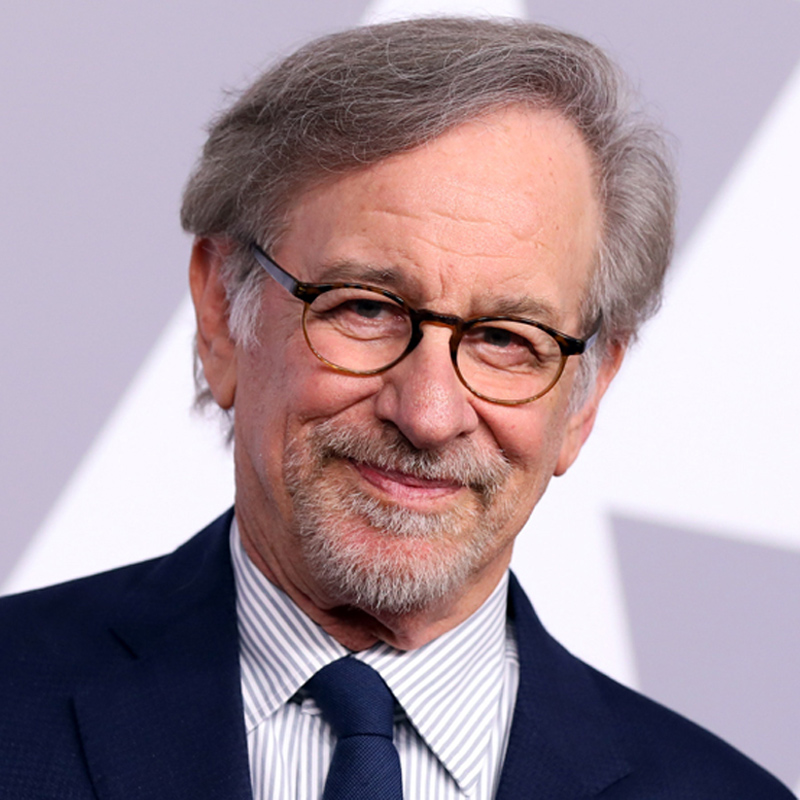
    And now it has come to light that Lee has been approached by Warner Bros to direct a biblical epic on Moses titled Gods and Kings. This after the studio failed to strike a deal with Steven Spielberg who was earlier tipped to direct the film.

    The 58-year-old filmmaker is said to be intrigued by the offer but things are yet to move to a formal level, it is said.

    Penned by Stuart Hazeldine and Michael Green, Gods and Kings is based on the Book of Exodus and other stories from the Old Testament. It follows the life of Moses from his birth to death.