Tag: GFK

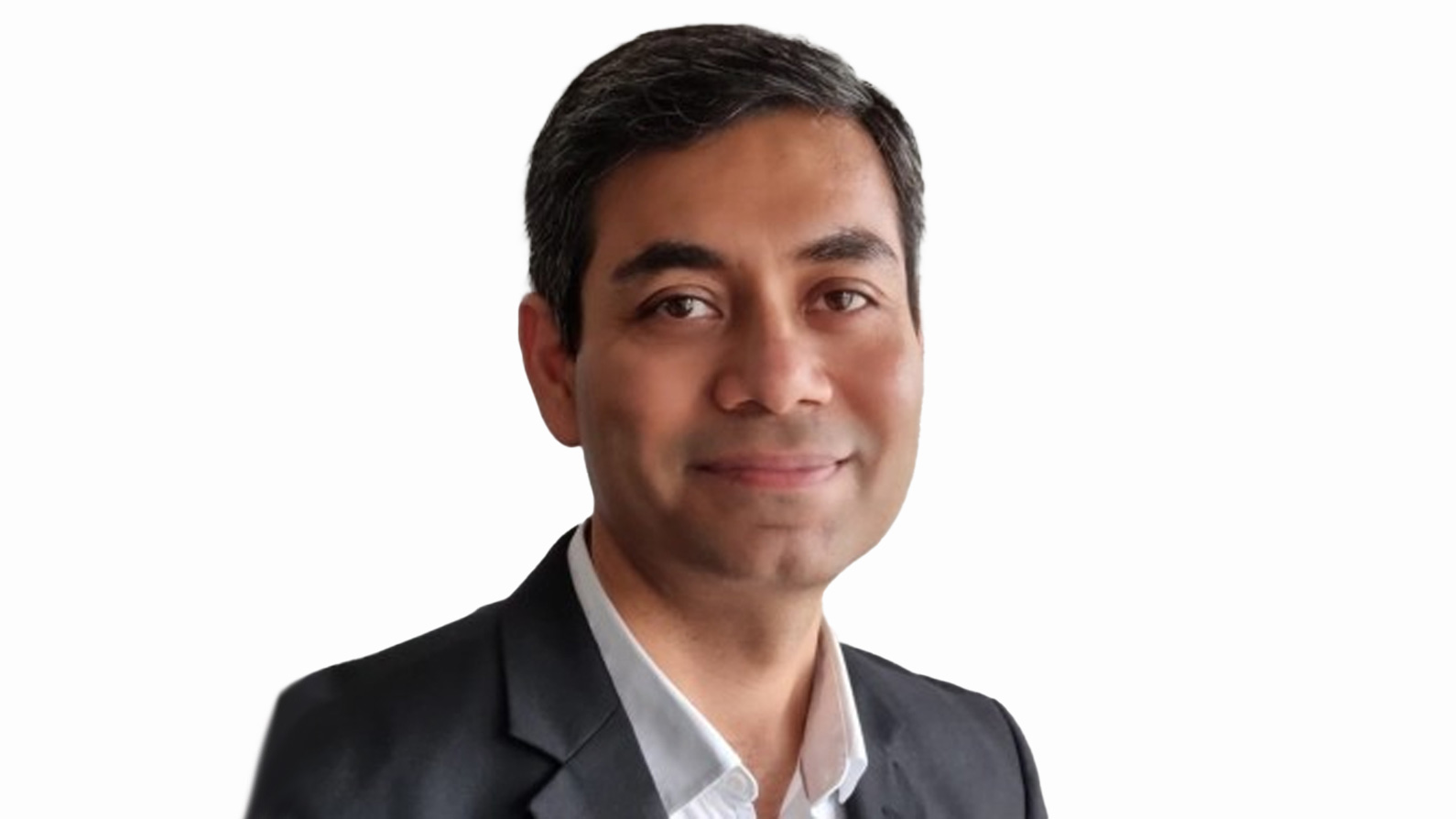
  • Vishal Bali joins Thomson Reuters as  MD Asia & emerging markets

    Vishal Bali joins Thomson Reuters as MD Asia & emerging markets

    MUMBAI:  Vishal Bali has taken over as Thomson Reuters managing director of Asia & emerging markets, effective January 2025. His appointment was announced in December 2024.  

    Bali, who is based in Sydney, brings extensive leadership experience from his tenures at GfK and Nielsen, where he focused on data-driven strategies and customer-centric solutions across multiple Asia-Pacific markets.

    Adrian Fognini, head of international at Thomson Reuters, announced that Bali will oversee growth strategies and business operations in Asia Pacific, Europe, the Middle East, and Africa. “Vishal’s impressive track record in driving long-term growth will help us deliver innovative solutions to our customers,” Fognini said.

    Bali expressed enthusiasm about his new role, stating, “I am thrilled to join a team known for its innovative technology and world-class talent. Together, we will simplify complexity for our customers and drive impactful growth.”

    This appointment follows the retirement of Jackie Rhodes, who led the Asia and emerging markets team for five years. Bali’s selection marks a significant step in Thomson Reuters’ commitment to strengthening its leadership team as it continues to adapt in a rapidly changing market.

  • Big ticket items are driving growth in the consumer durables industry this festive season: GfK

    Big ticket items are driving growth in the consumer durables industry this festive season: GfK

    Mumbai: The pandemic effect appears to be waning as buying momentum for home appliances and electronics has improved in 2022, more so for premium products.

    According to GfK market intelligence offline retail tracking, the top five consumer durable goods that contributed the most volume to growth during the festive season of 2021 compared to their annual sales were televisions (28 per cent), microwave ovens (28 per cent), vacuum cleaners (25 per cent) and washing machines (25 per cent). Based on past trends, these four products are expected to drive the growth of the consumer durable industry during this festive season as well.

    GfK head of market intelligence India Anant Jain said, “As a result of the epidemic outbreak, consumer goods sales have been facing challenges for the past two years, but now things appear to be returning to “normal.” The fact that certain significant industries experienced strong double-digit growth in Q1 of 2022 is proof that the offline market has received a stimulus with shoppers moving back to the market to shop. For select categories, like washing machines, microwaves, televisions, and vacuum cleaners, the festive season accounts for more than 25 per cent of their annual sales. Additionally, electric water heaters also sell more than 30 per cent of their annual volumes during the festive months. With a 17 per cent volume gain over the prior year in July 2022 and a 21 per cent increase in value for major domestic appliances, consumer durables enjoyed a good start to the second quarter of 2022 (AC, refrigerator, washing machine, microwave).”

    The second half of the year also looks promising for consumer durables due to the upcoming festivities in October. Every major manufacturer, retailer, and e-commerce platform is promoting their festive deals. Volume increased by 16 per cent year on year in October 2021. Sales of all major domestic appliance products are influenced by the festive season, especially during the Diwali months of October and November, and contribute roughly 17–19 per cent of all sales annually. This percentage is more for small domestic appliance categories, at about 21-23 per cent. During the forthcoming festive season, healthy growth and recovery of the early months lost owing to the third wave in January and February ’22 is anticipated.

    As businesses compete for customers by offering incentives, some trends have emerged in the retail landscape. In addition to standard regular discounts, marketers are enticing customers with exchange offers, lucky draws, cashback, gift sets, and extended warranties. The trend of premiumization is expected to continue this festive season as Indian consumers continue to seek products that provide superior performance and user experience.

    According to GfK’s assessment of industry expectations, some features and innovations are beginning to gain traction as ways to draw customers to new product launches. For instance, the industry anticipates products where design and personalisation come together to create the best possible customer experience. Consumers have responded favourably to smart appliances, which require minimal maintenance and have a wide range of capabilities. Some of the new features in products like refrigerators, which include voice commands to play music, check the weather, manage one’s calendar, and perform other daily tasks. Another example would be washing machines that use AI to detect load size, fabric types, and soil levels and will auto-adjust the optimal wash cycle and amount of detergent.

    There is similar innovation in the television category, where it is expected that laser TVs may eventually replace PTVs because they use 30 per cent less energy than PTVs of comparable size (>75 inches), have a better recyclability concept (87 per cent recyclability), and require less material across the supply chain.

  • BARC India receives RFI from multiple global vendors for digital measurement; to issue RPF soon

    BARC India receives RFI from multiple global vendors for digital measurement; to issue RPF soon

    MUMBAI: The Broadcast Audience Research Council (BARC) India, which had issued the Request for Information (RFI) for digital measurement in December last year, has received responses as many as 11 leading vendors from across the world.

    Those who have submitted the RFI include agencies like Kantar Media, IMRB and ComScore, Nielsen, MediaMetrie, Gracenote, Informate, GFK, Accenture, EY, eywa Media, Gemius and Verto Analytics.

    In order to expedite the process and launch digital measurement services this year, BARC India will be issuing the Request for Proposal (RFP) soon and the partner for the venture will be announced in the next couple of months. With this, BARC India has moved one step closer to providing audience measurement beyond television.

    BARC India’s intent, through its foray into digital measurement, is to measure total unduplicated audiences across all devices and platforms, measuring combined program impressions or advertisements regardless of where and how content/ad is being consumed, through a Single Source Panel.

    Once the venture takes shape, BARC India will be the first to provide a TV+ Digital viewership measurement service across the globe. BARC India, with this will cover more than 50 per cent of media spends between TV and digital.

    In order to make the service robust and accurate, BARC India will look at partnerships with publishers and content creators going forward.

    “A lot of content today is being created for online consumption, but all these impressions are unaccounted for. With our digital measurement we are looking at providing content creators and platform owners with insights on the consumption behaviour of viewers. We are happy with the response we have received from vendors globally,” said BARC India CEO Partho Dasgupta.

  • BARC India receives RFI from multiple global vendors for digital measurement; to issue RPF soon

    BARC India receives RFI from multiple global vendors for digital measurement; to issue RPF soon

    MUMBAI: The Broadcast Audience Research Council (BARC) India, which had issued the Request for Information (RFI) for digital measurement in December last year, has received responses as many as 11 leading vendors from across the world.

    Those who have submitted the RFI include agencies like Kantar Media, IMRB and ComScore, Nielsen, MediaMetrie, Gracenote, Informate, GFK, Accenture, EY, eywa Media, Gemius and Verto Analytics.

    In order to expedite the process and launch digital measurement services this year, BARC India will be issuing the Request for Proposal (RFP) soon and the partner for the venture will be announced in the next couple of months. With this, BARC India has moved one step closer to providing audience measurement beyond television.

    BARC India’s intent, through its foray into digital measurement, is to measure total unduplicated audiences across all devices and platforms, measuring combined program impressions or advertisements regardless of where and how content/ad is being consumed, through a Single Source Panel.

    Once the venture takes shape, BARC India will be the first to provide a TV+ Digital viewership measurement service across the globe. BARC India, with this will cover more than 50 per cent of media spends between TV and digital.

    In order to make the service robust and accurate, BARC India will look at partnerships with publishers and content creators going forward.

    “A lot of content today is being created for online consumption, but all these impressions are unaccounted for. With our digital measurement we are looking at providing content creators and platform owners with insights on the consumption behaviour of viewers. We are happy with the response we have received from vendors globally,” said BARC India CEO Partho Dasgupta.

  • Ultra HD screen sales to see 200% hike; touch 5 million by Dec 2015

    Ultra HD screen sales to see 200% hike; touch 5 million by Dec 2015

    MUMBAI: Consumers in key European TV markets are ready to embrace Ultra HD as a thrilling TV experience and to invest in equipment and content.


    Eutelsat Communications’ new forecast from GfK predicts a striking 200 per cent hike in Ultra HD screen sales from June to December 2015. It expects sales to hit the five million mark by the end of the year (3.6 million in Western Europe, 700,000 in Eastern Europe and 600,000 in the Middle East), representing 9.3 per cent of all TV sales in 21 key markets in these regions. Accumulated sales will result in a potential installed base of 6.2 million TV homes.  


    Additionally, Ultra HD screens in 2020 will represent more than 70 per cent of total sales across Europe and almost 60 per cent in the Middle East and North Africa. The annual volume of screens sold in these markets is expected by then to have reached 37 million.


    The pulse of Ultra HD was presented by Eutelsat at IBC in Amsterdam. It included key findings of new qualitative consumer research conducted for Eutelsat by market research firm TNS, and fresh data from GfK on Ultra HD screen sales.


    “Eutelsat has researched consumer awareness and appetite for the Ultra HD experience in order to support our broadcast clients as they evaluate business models and timing for rolling-out Ultra HD content. The stage is set for Ultra HD to be TV’s next big success story and Eutelsat, as a leader in satellite delivery, is ready to accompany clients in this new rendezvous with viewers,” said Eutelsat director of commercial development and marketing Markus Fritz.


    “Super contrast: resolution is just crazy”


    The consumer qualitative study was carried out in two waves in Italy, France, the UK, Germany, Poland, Russia and Turkey: the first wave in November 2014 and the second in June 2015. The objective, in a series of focus groups, was to expose pay-TV subscribers and free-to-air viewers to an unprompted Ultra HD experience and gather insight on their response.


    The results show common trends across all markets. Panellists identified sharpness, immersion and vivid colour as outstanding benefits and indicated a willingness to pay up to €10 a month to benefit from Ultra HD in the home. Their investment threshold for new TV sets also matched current price points of between €1,000 and €3,000 for screens within the 50” range. While Pay-TV subscribers showed a strong preference for linear Ultra HD channels, viewers used to free TV expressed a preference to gain their first experience through VOD and occasional, event-specific offerings.

  • GfK establishes integrated Social Media Analysis for marketers

    MUMBAI: GfK has established consistent standards for their global and integrated Social Media Analysis (SMA) offer, a move aimed at addressing the need of marketers.

    GfK‘s new offering leverages the company‘s global network to deliver flexible web content gathering and analyses in any language at market leading quality, the company said.

    It also said that the local specifics of the web landscape are taken into account, and the bigger picture is derived by integrating SMA insights with other essential context specific information available to GfK, such as survey data or knowledge on purchase behaviour.

    Dr. Ralph Wirth, a global innovation and digital specialist within GfK, said, “International marketing experts are often frustrated by the fact that there are hardly any truly global offerings in the field of social media analysis. This situation forces them to work with several different providers, which complicates the aggregation of results and the extraction of global insights.”

    GfK piloted their new SMA standards in a recent “status quo” study, run in the People‘s Republic of China, identifying, collecting and analyzing the online buzz for four leading smart phone brands. The success of the methodology has established GfK‘s global standard for SMA analysis; delivering a unique, language-agnostic and fully scalable solution.

    Wirth explains the idea behind conducting the study in China, “We chose China because it is the most challenging social media market available, combining strict regulations and a unique online landscape. Insights from our highly successful study have already been integrated into several ongoing projects in China. And we have proven that, by using human coders that are supported by automatic algorithms, we can deliver superior quality results and correct for nuances, such as irony and sarcasm – which is absolutely crucial for the way people talk online.”

    GfK‘s global SMA standards are the product of numerous projects run across their global network, including a broad range of commercial projects, as well as various “research on research” studies.

  • GfK to continue as ratings measurement agency in Germany

    MUMBAI: The Arbeitsgemeinschaft Fernsehforschung (AGF), the partnership of the TV stations ARD, ProSiebenSat.1, RTL Media Group Germany and ZDF, has commissioned GfK to continue monitoring TV viewing in Germany, initially until 2018.

    The contracts are worth around €130 million.

    TV usage in German households will be measured via a panel of 5,000 reporting households using the GfK TC score measurement device, which will be supplemented by the GfK UMX measurement technology based on the principle of audio-matching. These data will be made available to TV stations, their advertising sales organisations, media agencies and advertisers every single day.

    In addition to the introduction of the supplementary measurement technology GfK UMX, the system includes further innovations, which future-proof television audience measurement in Germany.

    For example, by doing away with conurbations – also West Berlin and East Berlin have now been com-bined as Berlin – the regional distribution of the panel households has been optimised. The process for recruiting households to replace those that leave the panel is adjusted to reflect the diverging options for receiving TV.

    Households and those who inhabit them now have the option of recording their changing personal characteristics online. The measurement of TV consumption in IPTV households was also introduced a few months ago.

    The absolute anonymity of the panel members, the highest data security and the quality of the audience share and market share determining the German TV market remain central to the operation of the system. GfK has been operating the TV research system in Germany for the AGF since 1985 and this is consequently the sixth successive contractual period.

  • 70 per cent subscribers use Mobile TV weekly: GFK study

    70 per cent subscribers use Mobile TV weekly: GFK study

    MUMBAI: A study by Growth From Knowledge (GfK) Technology has found that 70 per cent of active subscribers are tuning in to mobile TV services at least once a week.

    The majority of these subscribers watch mobile TV for less than half an hour at any one time, with 38 per cent claiming their typical viewing session is more than 20 minutes.

    More than half of the respondents said they signed up to mobile TV in order to have something to do during downtime. According to the study, 18 per cent said the main reason for acquiring mobile TV was to watch a programme when away from my main TV and 10 per cent said it was so they could catch a particular programme.

    GfK Technology director Colin Strong said, “The findings were encouraging and demonstrated a growing market for mobile TV services. As a time-filler the proposition of mobile TV is a good one but it is a vulnerable position to have as there are plenty of other activities that can become time fillers. Tapping into the drivers for TV has much more potential for growing the market.”

    The study has found that news, weather, sports and music videos were the most popular forms of mobile TV attracting 65 per cent, 56 per cent and 46 per cent of users respectively.

    “This is partly due to the viewer demographic which is somewhat younger and more male than the overall population, but also due to the nature of the medium which will be more appropriate for particular types of content,” added Strong.

    Technology consultancy Strategy Analytics predicts mobile firms will have about 50 million users of mobile TV by 2009, which it estimates will generate £3.5 billion in revenue.