Tag: Gen Z

  • Whiskers: Scent-sational grooming for the Gen Z crowd this Valentines Day!

    Whiskers: Scent-sational grooming for the Gen Z crowd this Valentines Day!

    Mumbai: For Gen Z, grooming is not just about looking good; it’s about making a statement, expressing individuality, and embracing authenticity. Whiskers understands this sentiment perfectly, which is why their products go beyond traditional grooming to offer a scent-sational journey.

    Whiskers India is a unisex grooming products brand, co-owned by Rannvijay Singha. Whiskers India offers a huge range of beard care and unisex skin care, body care and tattoo care products along with fragrance ranges such as deodorants and perfumes.

    What sets the brand apart is its ability to capture the essence of youth culture in its products. Their scents are not just generic perfumes and colognes; they’re carefully crafted to reflect the spirit of Gen Z – vibrant, energetic, and unapologetically bold. Whether you’re going on a romantic date or hanging out with friends, Whiskers’ fragrances will make sure you stand out in the best way possible.

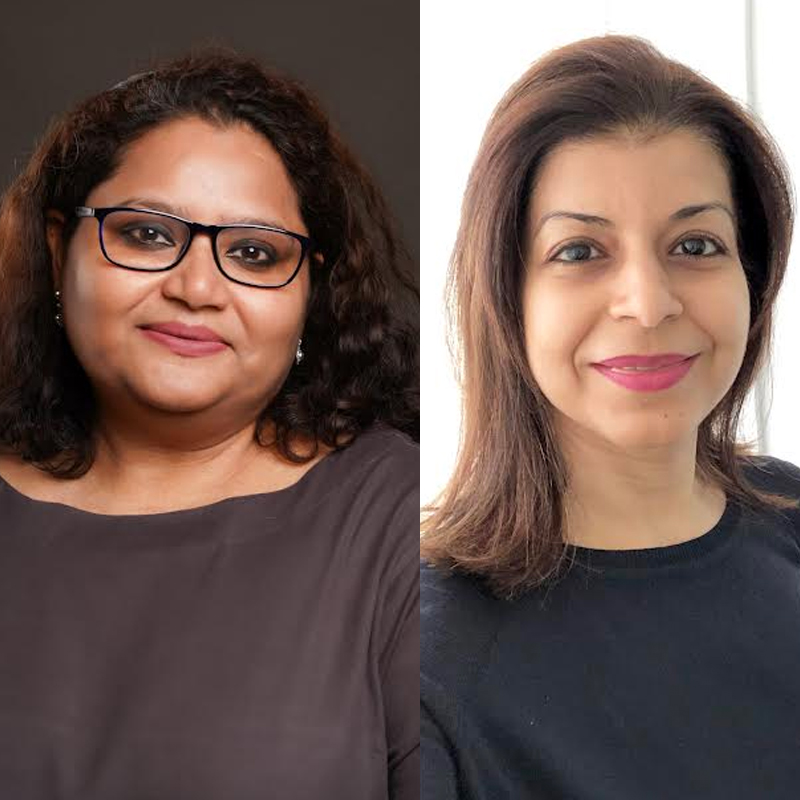
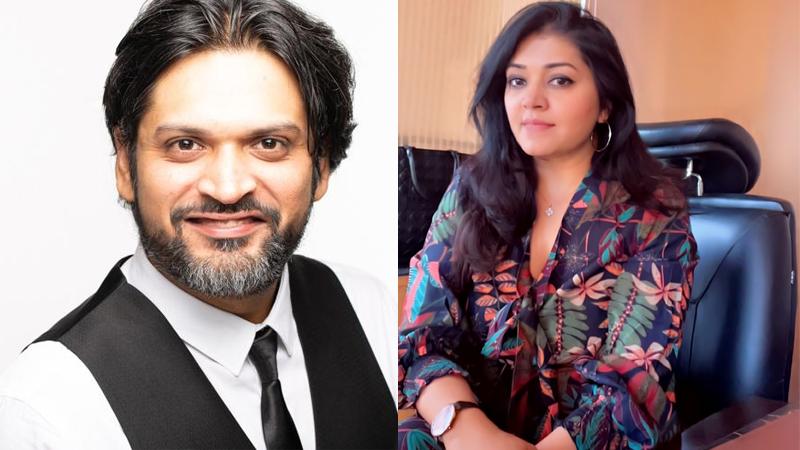
    Indiantelevison.com reached out to the brand’s CEO and co-founder Neeja Shah Goswami and Aakash Goswami as to how fragrance or lifestyle grooming brands incorporate elements of trends during this Valentines Day and also considering the preferences of the Gen Z audience.

    Edited excerpts

    Whiskers India CEO Neeja Shah Goswami

    For us, this February is special as we are all set to launch our six new fragrances on the market. A scent of love from us to our beloved community of consumers. To answer your question, love never gets out of trend, we just choose one day to express it, and that’s what brands should do, which is to express, innovate, and communicate.

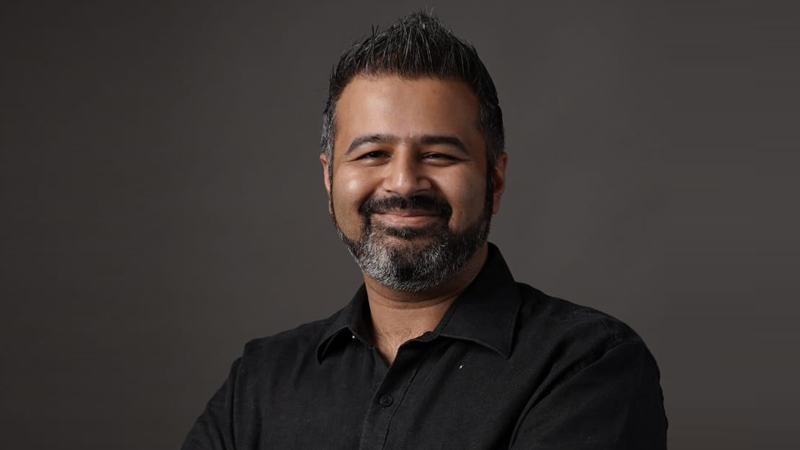
    Whiskers India co-founder Aakash Goswami

    Lifestyle grooming brands can leverage Valentine’s Day 2024 trends by emphasizing self-love and inclusivity. Incorporating diverse representations of love and relationships in their marketing campaigns appeals to Gen Z’s socially conscious values.

  • Zing introduces short-format video property ‘Snaackz’

    Zing introduces short-format video property ‘Snaackz’

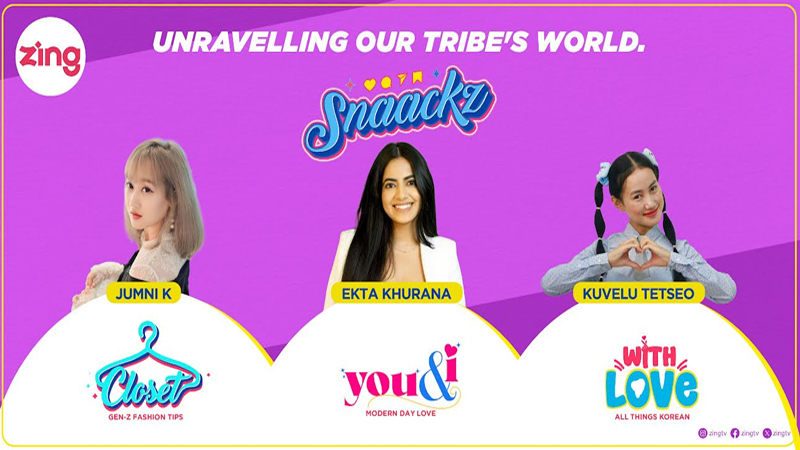
    Mumbai: Zing, one of the most popular youth entertainment channels, gets the pulse of its Gen-Z audience and strives to cater to their discerning taste. Whether it’s their distinctive fashion sense or love for Korean culture, Gen-Z does not shy away from expressing and embracing their life choices. They also take immense pride in being vocal about their stance on prioritizing mental health, navigating the complexities of modern-day love, and dealing with the ups and downs of their dating life. In a strategic move that proves Zing’s unwavering commitment to staying abreast with Gen-Z trends, Zing is set to launch ‘Snaackz’, a short-format video property tailored exclusively to the ever-evolving content preferences of the generation.

    At the heart of Snaackz are the topics that are a crucial aspect of Gen-Z’s life such as love, fashion, and culture. These videos will feature up-and-coming content creators who are experts in their respective domains. ‘With Love’ with Kuvelu Tetseo, who hails from Nagaland, will cover all things Korean which includes their culture and lifestyle. Kuvelu’s love and inclination for Korean culture makes her an ideal fit. ‘You & I’ with Ekta Khurana will delve into challenges faced by Gen-Z and help them navigate through the modern-day dating scene by providing tips, tricks, and love hacks. Ekta has been creating content in the space of love and mental well-being owing to her extensive work in the mental health domain. ‘Closet’ with Jumni Kamki will create fun and engaging content in the fashion space and dissecting the latest fashion trends for our audiences. Jumni, a popular fashionista from Arunachal Pradesh, has also been crowned as the first runner-up in the Miss Arunachal Pradesh pageant.  Zing has long been at the forefront of curating content that hits the right chord with the youth. Continuing that legacy, these content creators will only help the channel strengthen its connection with Gen-Z through Snaackz.  But that’s not all for Snaackz, stay tuned for more exciting updates to find out what Zing has in store for the audience with its latest offering.

    Reflecting on the launch of Snaackz, &TV and music channels business cluster head Vishnu Shankar shared, “Zing has consistently led the way in crafting content that deeply resonates with the Gen-Z audience. As an extension of our consumer-centricity, we have created Snaackz – a short format video property spanning relevant topics like Love, Fashion, and Korean Culture. As the go-to platform of Gen-Z, we are delighted to bring on-board extraordinary content creators to showcase their talent and continue to cater to the evolving content consumption needs of our audience.”

    So, don’t miss out on these fun ‘Snaackz’ between your favourite shows only on Zing!

  • “Unlike Gen- X, wireless technology is native to Gen-Z, not acquired”: Nu Republic’s Ujjwal Sarin

    “Unlike Gen- X, wireless technology is native to Gen-Z, not acquired”: Nu Republic’s Ujjwal Sarin

    Mumbai: Imagine a world where technology seamlessly intertwines with fashion, music, and creative culture, transforming ordinary devices into powerful expressions of style. Wear-tech, a thrilling fusion of fashion and technology, empowers individuals to make a style statement while embracing cutting-edge innovation. It’s a realm where utilitarian gadgets become bold expressions of personal style, breaking the mold and defining the future of wearable technology. In this realm of ‘wear-tech,’ one brand stands out as a pioneer and disruptor: Nu Republic.

    Indiantelevision.com spoke to Nu Republic founder Ujjwal Sarin on their differentiating aspect, TG that they cater to, and much more…

    In 2018, Ujjwal embarked on a remarkable entrepreneurial journey, founding Nu Republic – an Indian lifestyle wear-tech brand that beautifully converges music, fashion, technology, and creative culture. Nu Republic has earned a reputation for crafting cutting-edge wireless audio products, including true wireless earbuds, headphones, speakers, and wearables, designed for disruptors, pioneers, and individuals who defy conformity.

    Edited Excerpts:

    On the inspiration to start Nu Republic and focus on the intersection of technology and fashion in the consumer electronics industry

    At Nu Republic we believe that wear-tech products are worn by people, carried on as an accessory and are born to be stylish & fashionable – not merely functional. Unlike Gen-X, wireless technology is native to Gen-Z, not acquired.

    This conviction is at the center of Nu Republic’s mission to convert wearable technology, from black and boring function serving devices as a powerful mode of fashion, disruption and self-expression.

    Through our fashion-first design philosophy. We are on a mission to redefine the playing field by making high-style attainable and high-tech affordable.

    On seeing Farhan and Shibani Akhtar’s involvement as brand ambassadors shaping Nu Republic’s image and reach in the market

    Farhan and Shibani will be the ambassadors of Nu Republic – a brand that shares their unwavering commitment towards disruption and innovation. Farhan Akhtar, a versatile actor, director, and producer, and Shibani Akhtar, an accomplished model, singer, and television host, embody the ethos of Nu Republic & bring their individual expertise, effortless style to this collaboration.

    Farhan and Shibani are the OG trailblazers who have inspired us all.  Farhan has consistently pushed boundaries and disrupted the Indian film industry with his exceptional talent and revolutionary approach to acting, singing and filmmaking. Shibani, on the other hand, has carved a niche for herself in the world of fashion, music, and entertainment, redefining norms and inspiring individuals through her talent.

    Their disruptive mindset, creative brilliance, and their dedication to making a difference align perfectly with our brand’s mission

    We will be working closely with Farhan and Shibani and reach a diverse set of new audiences who believe in our mission, our products and align with our brand ethos.  

    On the differentiating aspect of Nu Republic from other consumer electronics brands; the innovations or features that make your products stand out and the TG that you cater to

    In personal audio and electronic industry, brands are locked in a price-driven race, resulting in uniform product aesthetics. Nu Republic breaks the mould, prioritising design innovation while keeping technology at par. This makes us stand out amidst a swathe of brands and deliver trailblazing excitement to our fans the citizens of Nu Republic.

    Nu Republic’s target audience is a fusion of tech-savvy fashionistas who relish style experimentation. With design-centric products that defy the ordinary, Nu Republic redefines technology as a fashion statement, appealing primarily to millennials and Gen Z.

    On the special promotions or plans that Nu Republic has in store for its customers to celebrate the ongoing festive season with your smart tech products

    Nu Republic has a massive launch plan this festive season. We have introduced a range of #5 head-turning products for our fans which will redefine their style.

    These products include the Transform-X, award winning True Wireless Earphones with head-turning design, Epic ANC Ture Wireless Earphones with Active Noise Cancellation, and Motorhead Series watches with built-in Gyro Sensors and a 360^-rotating dial.

    On some insights into the design process and the role aesthetics play in your product development

    At the heart of our product design philosophy are three cornerstones:

    ●   Design – Reject mediocrity, our products boast unique design traits that capture attention and ignite conversations and stoke emotion.

    ●   Technology –For us “tech” in wear-tech is nothing more than an enabler, and not an end. In our world only when head-turning design is combined technology, does the technology really become worthwhile and meaningful.

    ●   Emotion: we know your life is fast-paced – all we do is add some features to it that give you more control, comfort and long-lasting use to make your life easier. our philosophies to combine sophistication with speed, and agility with fun. this makes us funky and yet a class apart.

    On Nu Republic’s future expansion plans

    To march forward on our mission, we will continue to innovate design-centric products that enable people to embrace technology as an extension of their personality.

    From an availability perspective – Nu Republic’s street cred has grown and has earned us a dominant place on store shelves and e-commerce marketplaces. Our products are widely available across leading e-commerce marketplaces & retail stores. We will continue to expand deeper and make our products widely available to more customers across India. We are also expanding to other countries and will unveil the plans soon.

  • “Our commitment to modern Indian women of all ages remains steadfast”: Libas’ Sidhant Keshwani

    “Our commitment to modern Indian women of all ages remains steadfast”: Libas’ Sidhant Keshwani

    Mumbai: In the realm of fashion, ethnicity unfolds as a vibrant tapestry, encapsulating the cultural legacy and enduring elegance of the contemporary Indian woman. This fusion of tradition and style tells tales through fabric and design. Libas, an ethnic fashion brand, takes the spotlight in this sartorial narrative. With a vision to explore the uncharted territory of ethnic clothing, Libas effortlessly weaves together the latest trends, quality craftsmanship, and affordability. It stands as a comprehensive wardrobe solution, catering to every facet and occasion in the life of the modern Indian woman.

    Indiantelevision.com spoke to Libas founder & CEO Sidhant Keshwani on Libas carving its niche in the ethnic fashion market, observing greater traction and growth, and much more…

    Sidhant Keshwani took the reins of his family-owned brand, Libas as CEO back in 2013 and started the company with a turnover of 4 crores. He always wanted to enter the e-commerce industry, hence, he introduced his family-owned business to the online space and Libas started retailing through its website, www.libas.in. Sidhant’s vision and leadership enabled a massive growth of 100 per cent y-o-y, thereby resulting in a revenue of 600 crores in eight years. At Libas, he spearheads design, marketing, product, and communication. He is also responsible for setting up sales and distribution, sourcing, and manufacturing processes.

    Edited Excerpts:

    On Libas carving its niche in the ethnic fashion market and its differentiating aspect from other brands in this space

    We have carved a niche in the ethnic fashion market through a unique blend of modern sophistication and traditional heritage. What sets us apart is our commitment to quality, affordability, and innovation. We offer a wide range of premium and distinctive ethnic wear for special occasions, while simultaneously providing a mass-market product line of comfortable,  everyday wear for regular and office use. Our ability to cater to diverse customer needs and preferences, consistent focus on high-quality craftsmanship, and strategic approach to an omnichannel presence have contributed to our distinction in the competitive ethnic fashion landscape.

    On the TG that Libas caters to now versus when it was launched

    Libas has always catered to a diverse clientele, offering contemporary styles for youth and timeless designs for older generations. While we still serve this audience, our product range has expanded, attracting customers of all age groups. Our commitment to modern Indian women of all ages remains steadfast. In response to evolving fashion trends, we’ve also embraced Gen Z by introducing trendy items like coords, jumpsuits, and dresses. This strategic shift has broadened our market reach and adapted to evolving consumer preferences.

    On strategies that Libas has implemented to meet the expected surge in demand for ethnic apparel

    With the festive season on the horizon, we have proactively prepared to cater to the anticipated surge in demand for ethnic apparel. We have meticulously curated a diverse range of collections, blending modern sophistication with traditional heritage to cater to the varied preferences of our customers.

    Recognising the pivotal role of online platforms, we have strengthened our digital and physical presence through our website and a network of offline stores. We’ve also established collaborations with e-commerce giants like Flipkart.com and Myntra.com to reach a wider audience. Furthermore, strategic marketing efforts, digital engagement, and an unwavering commitment to enhancing the customer experience, including personalised assistance, are all integral parts of our approach to meet and exceed customer expectations during the festive season.

    On Libas striking a balance between preserving traditional ethnic fashion elements and  incorporating modern design trends in their clothing lines especially considering the diverse  preferences of your customer base

    We strike a delicate balance between preserving traditional ethnic fashion elements and infusing modern design trends into its clothing lines by offering a diverse range of collections that cater to the evolving preferences of its customer base. We meticulously combine the richness of Indian culture and heritage with contemporary style, resulting in ensembles that appeal to a wide spectrum of customers. It’s not just about creating fashionable clothing but also about ensuring that these garments are versatile, comfortable, and of high quality. This approach allows us to seamlessly blend the best of traditional and modern elements, providing customers with the opportunity to embrace their cultural roots while staying in tune with the latest fashion trends. Our commitment to quality craftsmanship and dedication to understanding and meeting diverse customer needs serve as the foundation for this successful balancing act.

    On the growth front for Libas, is there greater traction in e-commerce platforms or retail outlets in today’s market

    In today’s market, we anticipate significant traction and growth across both e-commerce platforms and retail outlets. During the COVID-19 pandemic, e-commerce saw a significant boost as consumers turned to online shopping for convenience and safety. Post-COVID, the retail sector has rebounded, and now, both e-commerce and retail are performing well. We recognise the increasing importance of online platforms, offering the convenience of shopping from anywhere, while we also value the significance of physical retail spaces, which provide a tactile and immersive shopping experience.

    We are keen on expanding both our online and offline presence to effectively capture market opportunities and meet the diverse preferences of our customer base. However, going forward for this festive season, we are reinforcing our efforts to increase visibility on our e-commerce platforms to tap into newer consumer regions.

    On Libas balancing its commitment to quality fabric and design with affordability and this contributing to its market share and customer loyalty

    We maintain our commitment to quality fabric and design while ensuring affordability through strategic sourcing, efficient operations, and an ultra-fast fashion approach. By optimising the supply chain and production processes, we deliver high-quality materials and craftsmanship at competitive prices with a swift turnaround. This approach has been instrumental in building customer loyalty, as evidenced by an impressive 35-40 per cent customer repeat rate. Customers appreciate our value proposition, which allows them to access well-crafted, stylish ethnic wear without breaking the bank or experiencing long waiting times. It has not only fostered trust and loyalty among existing customers but has also attracted new ones, contributing to our market growth and reputation as a brand that offers both quality and affordability in the ethnic fashion segment.

    On Libas’s recent entry into the global market, the challenges and opportunities encountered, and your future plans for international expansion

    We’ve strategically established our presence as a global fashion brand, including the recent launch of our worldwide website, with a specific focus on the US, UK, and UAE markets. Our international expansion is facilitated by effective online marketing strategies, allowing us to access a more extensive global marketplace. This approach aligns with our expansion strategy, emphasising a strong presence in online marketplaces. While we encountered some initial challenges related to textiles and logistics, we successfully addressed them prior to our expansion,  resulting in smooth operations to date. Additionally, we are eager to collaborate with international influencers, mirroring our successful partnerships in India, to further establish our global presence.

    On Libas’ approach to environmental and social responsibility in its production and sourcing processes, in a world increasingly conscious of sustainability and ethical fashion practices

    We are deeply committed to environmental and social responsibility in our production and sourcing processes. We emphasise sustainable practices by sourcing materials that are eco-friendly and safe for the environment. We also have a strong focus on ethical labor practices, ensuring that workers are treated fairly and paid adequately. We aim to be a responsible and conscientious brand, not only providing customers with quality products but also ensuring that our fashion choices have a positive impact on the environment and society.

    On the categories that Libas is planning to enter, and their alignment with the brand’s existing offerings

    We are diversifying our product lines by venturing into the categories of pre-draped sarees, coords, dresses, jumpsuits and loungewear. This expansion aligns with our ethos of blending modern sophistication with traditional heritage, offering customers a complete fashion experience. Incorporating these products into our offerings expands our range of choices, complementing our existing clothing collections and providing a more comprehensive selection for our patrons. This strategic move aims to cater to a broader range of customer needs and preferences while maintaining our commitment to quality, style, and affordability.

    On the vision and mission for the next three years

    In the next three years, we envision bringing a fresh perspective to Indian ethnic products,  drawing inspiration from handcrafting traditions and Indian culture, while infusing modern trends to ensure quality and comfort for every occasion. We aspire to become an ultra-fast fashion label by utilising real-time retail and AI-driven trend forecasting. This approach enables us to produce smaller batches of clothing ahead of time. If these styles gain popularity, production can be swiftly escalated, with the next batch rolled out within just 30 days, ensuring that our customers have access to the latest fashion trends promptly and in line with their preferences.

  • “Yuvaa was envisioned as a safe space for all genders and young people from all backgrounds” Yuvaa’s Nikhil Taneja

    “Yuvaa was envisioned as a safe space for all genders and young people from all backgrounds” Yuvaa’s Nikhil Taneja

    Mumbai: Yuvaa is India’s leading Gen Z-driven youth media, research and impact organisation. With the mission of empowering the youth by ‘making important things interesting’ for them by talking about urgent issues like youth empowerment, mental health, gender, sexuality, internet safety, misinformation, climate change and many more and have found great success in creating impact-driven content and entertainment.

    This year Yuvaa celebrated its fifth year anniversary by hosting its first business of Gen Z event, The Collab, that brought  together industry experts, change makers, influencers and key opinion leaders like Guneet Monga, Rohini Nilekani, Sameer Nair (Applause Entertainment), Divya Reddy Shah (L’Oreal India), Chandrasekhar Samiappan (YouTube India), S Venkatesh (RPG), Navya Naveli Nanda, Niharika NM, among others, to participate in conversations around Gen-Z issues. At the event, Yuvaa also gave its audience a sneak peek into their upcoming properties like India’s first chat series on masculinity ‘Be A Man, Yaar’ (feat. Vicky Kaushal, Nakuul Mehta, Naseeruddin Shah, Zakir Khan, among others); The ‘You Grow Girl’ Yuvaa Roadshow with Navya Nanda and L’Oreal Paris India, and Yuvaa’s flagship LGBTQ+ event, The Pride Class 2023.

    The organisation envisions facilitating meaningful conversations and impactful initiatives through their work in digital content and campus spaces. For the same, prominent youth icon and entrepreneur Navya Naveli Nanda and L’Oréal Paris have collaborated for an exciting pan India roadshow – You Grow, Girl. The roadshow, which aims at empowering and engaging the youth, will traverse 25 prestigious colleges across 8 cities, leaving an indelible impact on the lives of thousands of young individuals.

    They also released a first-of-its kind Gen Z insights report- ‘Not All Gen Z’, that provides insights based on responses from over 900 Gen Z participants, spanning over 20+ cities across T1, T2 and T3 India. This #NotAllGenZ report is an attempt to comprehend this misunderstood but distinctive group of individuals and to understand the Gen Z trends brands, organisations and parents need to pay more attention to.

    Indiantelevision.com caught up with Yuvaa co-founder & chief Nikhil Taneja, where he discusses some key issues which Gen Z faces and also some trending topics like internet safety, depression, mental health etc…

    Edited excerpts

    On what is Yuvaa all about and its main USP

    We like to call Yuvaa India’s first (and arguably most loved) Gen Z-driven youth media organisation. We work at the intersection of what is ‘important’ and what is ‘interesting’ to create impact in the lives of young people. In India, where over 65% of the population is under 35, which forms the world’s largest youth workforce, and where 1 in every 5 young people is affected by mental health issues, there was hardly any meaningful youth representation in politics, in policy-making or decision-making, or even in content and entertainment around urgent youth issues. Yuvaa has today become the rare organisation uses the power of mass and social media to work on social good, social justice and social impact.Today, it gives me great pride to say that we are a unique company that’s managed to do that through our work in content, campuses, events, research and social impact, and count among our partners, some of India’s biggest brands and non profits including Amazon Prime, Instagram, YouTube, Spotify, Tinder, IBM, L’oreal Paris, Rohini Nilekani Foundation, UNICEF India, The Bill & Melinda Gates Foundation, Save the Children and many more.

    As for our USP, in a world where every young person has something to say, Yuvaa was founded to be a platform that listens. Over the last five years, Yuvaa has visited over 150 campuses across India offline, and made over 10,000 pieces of content online, to create safe spaces where Young Indians could express without judgement. India has the largest youth workforce in the world, so it was a natural progression of our mission to also create safe, inclusive, empathetic and happy spaces at the workplace.

    On Yuvaa managing to resonate with Gen Z and effectively connect with them on various important subjects like mental health

    It again comes back to the idea of ‘listening’  to young people. We don’t talk down to young people, we don’t look down on them, we don’t treat them as a ‘demographic’ or an ‘audience’, but we treat them as equals, and as our partners in everything we are doing. We create content and communication through community engagement. The Gen Z are active participants in our decision making process, and the listening – and sharing – loop that we create with them is the reason they think they have a stake in Yuvaa too.

    We also ensure that everything we do is in a language accessible to young people – we are not trying to preach to them, we are talking as friends to them in a relatable vocabulary they speak as well. Young people, who do not get safe spaces in their homes or communities, find that in us, and that’s why we have managed to resonate with them. And we are so grateful about this.

    On sharing insights on the significance of Yuvaa’s fifth-year anniversary celebration

    When you are building your first ever startup, every day you have not failed feels like a milestone :). So I’ve been proud of each and every single day the team worked together to create impact with what we do at Yuvaa. From our first viral video to our first chat show to our first Spotify Original Podcast (Dear Teenage Me) to our first two Yuvaa Original Short Films with Amazon Mini TV (Gray and Tasalli Se) to our multiple roadshows, open mics, offline events, researches, content pieces, dev sector and brand partnerships, to reaching half a million followers on Instagram to giving students free therapy through The Yuvaa Therapy Project, it’s been such a gratifying journey. But if I had to pick two key moments that were personally significant I’d say:

    The Yuvaa Volunteers Programme: During the devastating second wave in India, we started a volunteer programme called Yuvaa Volunteers, where he led a rotating team of over 500 volunteers in over 40 Indian cities. Over 3 months, the team worked 24/7 to help connect people to available hospitals, oxygen cylinders, medical support, mental health counseling, and ended by helping over 2500 families in 8 regions of India. During the time, Yuvaa also partnered with Inner Hour to hold Twitter spaces to talk about grief and mental health, with Dharma Productions to scale our reach, and also held sharing circles for young Indians to express themselves. Yuvaa Volunteers led to the formation of the UNICEF-Yuwaah Content Creator Coalition, through which 110 content creators created 1650 pieces of content on COVID misinformation awareness and vaccine awareness, to a cumulative reach of 150 million+. To be able to actually help people during a tough time as a country, was one of the reasons Yuvaa was founded, and I feel so proud that we could step up when it mattered.

    The Leadership Transition: In June, I officially transitioned out of the CEO role to take on a ‘Chief’ role, moving from captain to coach, to appoint a young team to lead the company into the future. When I started Yuvaa, I had always believed that if 5 years down the line, Yuvaa was successful in what it did, a ‘Yuvaa’ should be leading it. So it was one of my life’s proudest moments that I could hand over the reigns of the company to our new CEO, Yuvaa, who has helped make Yuvaa what it is over the last 4 years in an Editor-in-Chief capacity. The other two members of the leadership team include Anusha Shetty and Yash Pise, both of whom, like Kevin, have shown up every day to build Yuvaa as their own company. I truly believe, in the hands of these young leaders, Yuvaa will be able to be one of the most significant youth media companies in the country over the next 5 years.

    On ‘The Pride Class 2023’, organised by Yuvaa, its objectives and outcomes

    Yuvaa was envisioned as a safe space for all genders and young people from all backgrounds. I have always noticed that content or conversations that cater to progressive audiences, or that talks about progressive issues, has a sassiness to it that comes in the way of including people who are ignorant bout these conversations. There have also been some very popular channels or content pieces that choose to ‘clap back’ or ‘shut down’ people who aren’t progressive enough. But at Yuvaa, we’ve felt that the only way we can make a real difference is by bringing in people, versus shutting them out. By being empathetic and ‘wholesome’, we have a much greater chance of getting folks who may be a bit more conservative, to be a part of the conversation.

    We have been a LGBTQIA+ positive company and space online and offline from the very beginning, and have been creating content around it since we started in 2018. In fact, our first chat show was called Edugaytion, and its intent was to have conversations with well known folks from the LGBTQIA+ community to ‘edu-gay-te’ people who were interested in knowing more about queer issues. We also did a 26 part reel series called the A to Z of LGBTQIA+, where we explained every term associated with queer inclusivity. In 2022, we first launched The Pride Class, as a way of carrying the empathetic and wholesome vibe of our queer conversations into an offline space and event, with the intent being not just felicitation but celebration.

    YouTube Shorts has partnered with us on Pride Class in both 2022 and 2023, and the event has now become a flagship for Yuvaa every year, in which we identify queer young folks who use their voices for expression, advocacy or awareness. We do a ‘graduation ceremony’ for these creators, where they get masterclasses from queer icons, certificates and gifts from Yuvaa and its partners, and an evening of joy, along with queer comedians and musicians. It’s one of the happiest days of the year for everyone at Yuvaa, and we hope that in supporting young queer voices, we are making them feel seen, so that they may feel empowered to continue using them to normalize queer conversations.

    On the “Not All Gen Z” report seeking to address the common misunderstandings surrounding Gen Z

    At Yuvaa, we’ve championed Gen Z for 5 years now, and it’s great to see more brands and industries taking note of this generation as they enter the workforce and become more significant spenders and consumers. One thing that we’ve noticed, however, is that in the attempt to understand Gen Z better, society at large tends to try to put them in boxes or assign labels to them based on a few interactions or experiences. Our #NotAllGenZ Report is an attempt to correct some of these misconceptions, or at least explain where certain misconceptions come from.

    The report looks at Gen Z’s relationships with five themes – parenting, gender, sex, brands and content consumption – to try to help brands and organisations better understand Gen Z. While it is often assumed that women tend to prefer watching romcoms and ‘soft’ content, we actually found that Gen Z women are 10 per cent more interested in thrillers rather than romcoms. While Gen Z is seen as a ‘woke’ generation and women are accused of having a ‘feminist agenda’, out study shows that 74 per cent of Gen Z women think that men actually have it harder than they do – and by the way, nearly 70 per cent of Gen Z men believe that women have it harder than they do. While influencer marketing is all the rage and the creator economy is booming, our study shows that Gen Z consumers are 50 per cent more likely to buy something on the recommendation of a friend, rather than the recommendation of an influencer or content creator.

    Hence, the report lays out some surprising findings on Gen Z’s behaviour, consumption patterns and thinking – we at Yuvaa have always strived to make young people feel less alone, and we feel like helping brands and organisations better understand Gen Z is a big step to making them feel more heard, seen and represented.

    On Yuvaa’s role in promoting internet safety and combating misinformation among the youth

    Yuvaa has always been committed to creating safe spaces for young people, and since the internet is a space that so many young people spend so much time in, that commitment is as much to online spaces as it is to offline ones.

    Over the last three years, we’ve worked on multiple campaigns to do with online safety and combating misinformation – during the peak of the first wave of Covid, we tied up with UNICEF YuWaah and trained 110 creators to create over 1500 pieces of content around Covid misinformation, reaching 200 million people across Instagram and Takatak (now Moj). We also worked on the UN Verified campaign and created a music video talking about Covid misinformation featuring celebrities like Nakuul Mehta, Saba Azad, Akash Bannerjee and journalists like Raghu Karnad, Shereen Bhan and Meghnad S. We consulted with Dharma Productions to fact check and create content around awareness of misinformation at this time as well.

    We have a long-term association with Meta wherein we’ve spoken about the different facets of internet safety over the last 4 years – including content pieces that have amassed millions of views, conversations with prominent content creators and actors like Prajakta Koli, Rohit Saraf, Ahsaas Channa, Navya Nanda, Dolly Singh, Sejal Kumar and more, and workshops and trainings for cohorts of young creators under the #366DaysOfKindness and #YuvaaKindnessChampions campaigns aimed at making the internet a kinder place.

    Yuvaa is also a founding member of the Misinformation Combat Alliance, India’s first collection of media organisations and independent experts founded specifically to fight misinformation. We’re currently working with the US Consulate on a campaign to train a cohort of young aspiring misinformation warriors from Western India in the run-up to the elections.

    On plans to continue researching and releasing more insights about Gen Z or other important youth-related topics in the future

    Yes, absolutely. Listening to, caring about and deeply, and authentically understanding what the Gen Z think, feel, hope for, aspire to, need, want, is all at the very core of what makes Yuvaa what it is today. As an election year approaches, we are excited about putting together a plan about voting awareness, and hope to be fundamental in helping young people be more aware about their rights in our thriving democracy. We will also certainly keep publishing our flagship #NotAllGenZ report at The Collab each year, and hope to put out specific reports on binge-ing habits of young people, on gender, on mental health and more, periodically too.
  • Myntra announces its latest campaign for FWD ‘Spot it, Get it’

    Myntra announces its latest campaign for FWD ‘Spot it, Get it’

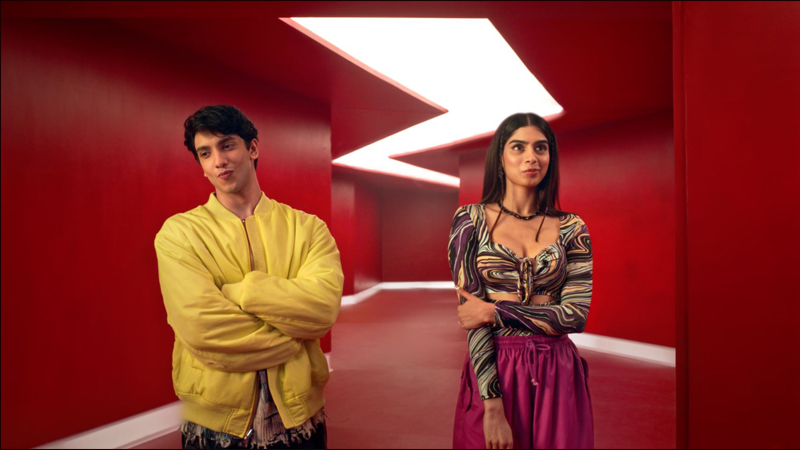
    Mumbai: Myntra, one of the leading fashion, beauty and lifestyle destinations, has unveiled the ad film for FWD, its immersive trend-first destination for Gen-Z, starring its new brand ambassadors Khushi Kapoor and Vedang Raina. As part of the campaign, ‘Spot it, Get it’, Khushi and Vedang appear in a film, highlighting FWD as the go-to destination for all viral fashion trends and its immersive experience that allows users to effortlessly transition from ‘spotting’ the viral fashion trends to ‘getting’ them on FWD, powered by Myntra’s photo-search feature.

    Khushi, the quintessential fashionista, has already made waves with her personal style, while Vedang embodies a versatile and suave fashion sense, true to his personality. When it comes to fashion, Khushi and Vedang are already style icons among youth in their own right. The pair’s playful energy, stylish personas, matched with their vivacious charm, makes them a fitting dynamic duo to represent Myntra FWD. With the roll-out of the new ad film, Myntra aims to strengthen its bond with the Zoomers, further strengthening FWD as the go-to destination for the latest  trends and unmatched fashion experiences.

    ‘Spot it, Get it’, the revolutionary photo-search feature on Myntra, is designed to empower users with an effortless way to discover and shop for the hottest viral fashion trends available on FWD. When users come across a captivating fashion trend they wish to embrace, either spotted on a person anywhere, or on their favourite celeb on social media, or online, they can simply take a picture of that fashion trend and upload it through the photo search feature on the Myntra app. Once they ‘search’, the platform showcases a wide array of similar trend-first styles for the fashion-forward consumers. Android users can additionally simply ‘share’ the photo with ‘Myntra’ from the list of apps, to swiftly spot and access these extensive collections of trendiest styles from FWD on Myntra.

    The new ad campaign speaks directly to the fashion-forward and tech-savvy youth, who are always in search of immersive shopping experiences and the latest viral fashion trends. FWD, with a whopping 67,000+ styles and eclectic mix of 500+ popular brands from across the globe, catering to both men and women, emerges as the ultimate answer to Gen-Z’s sartorial desires – offering just the shopping experience they want.

    The campaign also focuses on how finding trends is made even simpler with Myntra’s one-of-a-kind photo-search feature. Therefore, individuals can instantly adopt styles of their favorite trendsetters as their own, in an instant, through FWD.

    The campaign’s core message reinforces FWD’s status as the go-to destination for the freshest and trendiest looks. If there’s a trending fashion, consumers will find it on FWD.

    The film is set in the backdrop of viral fashion trends, where individuals are keen to get the admirable fashion they spot on others. The film opens with the camera zooming into the peephole of a swanky apartment and there the young Bollywood stars, Kapoor and Raina, as a couple sporting some hip styles, are seen getting ready for their outing. Through various situations, the film shows Khushi and Vedang being ‘spotted’ on the arrival of the elevator by other people  – a young couple, a pizza delivery boy, and a young woman – smitten by the fashion quotient and the outfits of Khushi and Vedang. As Khushi and Vedang turn to each other with a bemused expression and say ‘Spotted!’, the other individuals are shown dressed in similar clothing as theirs and say ‘Got It’ referring to the ease of accessing the desired look and now transformed through FWD.

    The film thus follows the story of Kapoor and Raina who get a little closer to their destination each time they step out, before getting spotted. The film uses the creative device of a ‘reset’ – each time they’re spotted they are transported back to the apartment where new worlds of trend come alive. The ‘Spotted, Got it’ scenarios highlight Myntra’s one-of-a-kind photo-search feature, which enables fashion-forwards  to simply use a picture to instantly shop for similar trends that are tailored to their preferences, thus making ‘Spotted, Got it’ a reality.

    Through the film, Kapoor and Raina rock uber stylish and trendy outfits from Myntra FWD, perfectly in sync with Gen-Z’s fashion choices. Lively, upbeat music complements the whole setting, while the vibrant colors of the film resonate with Gen-Z’s dynamic spirit and vibrant lifestyle. The film perfectly encapsulates the Gen-Z way of life that FWD represents, with trendy, edgy clothing and also subtly highlights all the features that will provide customers an exemplary experience.

    Agency: Ideas Farm

    Creative Credits: Jetesh Menon – Creative Head; Pratheek Rao – Art Director; Nikhil Rajani – Director; Priyanka Dey and Hardik Sanghavi – Business & Strategy Head; Pooja Shah – Servicing Head; Arnold Fernandes – DOP; Music Director – The Jam Room (Rahul-Nariman)

    Production House: Carryon Films (Producer: Aditya D’cruz)

    Commenting on the release of the ad film, Myntra senior director marketing Vijay Sharma said, “With Myntra FWD, we are building the hottest trends destination for the Gen-Z of India. FWD looks at the world of fashion from the Gen-Z lens. Through the ad film, starring faces of FWD – the trendsetters Khushi Kapoor and Vedang Raina – we invite our viewers into the world of FWD, a world  filled with the freshest fashion that helps you get noticed, while also focusing on our photo search feature that eases access to the latest trends in just a few seconds.”

    Priyanka Dey, who heads business for the creative agency Ideas Farm said, “It was a unique opportunity to turn a functional feature-driven comms to an elevated brand world where not only is the feature at the front and centre but we were also able to ensure that a brand ethos gets created, without compromising on storytelling. We wanted to capture the essence of Gen-Z culture by blending fashion and romance with an interesting narrative that would appeal to them.”

    Myntra is implementing a 360-degree campaign approach, leveraging TV, Digital and Social platforms to deliver the campaign ad film across the nation.

    Myntra FWD, an immersive fashion experience for Gen-Z on Myntra, offers an easy discovery of  an assortment of 67,000+ styles and access to an eclectic mix of 500+ popular brands from across the globe, catering to both men and women. Solving for the inspiration, discoverability, and access to emerging global fashion trends, FWD features some of the most popular brands on the platform, including H&M, Trendyol, bebe, Tokyo Talkies, Sassafras, Hersheinbox, Street 9, Athena, Bonkers Corner, Freakins and Boohoo, among others. FWD simplifies a user’s shopping journey from trend-spotting to purchase, while also having a large influencer army to create relatable, stylish and inspirational content, for the digitally-savvy zoomers.

  • ITC Fiama highlights the importance of mental well-being in a fun way

    ITC Fiama highlights the importance of mental well-being in a fun way

    Mumbai: ITC Fiama immerses its communication outreach in pop culture with “#FeelGoodWithFiama,” a unique meme video series to help mitigate the stigma of mental health and therapy. The series was rolled out to mark World Meme Day on 12 November 2022.

    Conceptualised by Brand David, ITC Fiama’s Feel Good with Fiama campaign aims to reach digitally savvy gen-z and millennials through the existing meme culture and motivate them to have constructive conversations about their state of mental well-being.


    Memes have continued to be a constant in the fast-paced, dynamic lifestyle of young adults and have often served as a powerful way to cope with stress. The brand has repurposed iconic memes into meme videos showcasing real-life situations, providing a strong message on the importance of opening up and sharing their feelings.

    Fiama takes the first step in making expert therapy and counselling more accessible and affordable through a virtual clinic in partnership with the MINDS Foundation. It encourages individuals to seek help in an intimate virtual space without fear of embarrassment or the prevailing stigma. The MINDS Foundation has specially put together a team of highly qualified therapists for this virtual clinic, thereby offering expert advice, therapy, and counselling at the convenience of one’s own privacy.


  • Havas Group India concludes the Havas Spark 2.0 internship programme with Gen Z Report 2022

    Havas Group India concludes the Havas Spark 2.0 internship programme with Gen Z Report 2022

    Mumbai: Havas Group India has recently concluded the second edition of its flagship internship programme, Havas Spark, and launched the intern-led Havas Spark 2.0 Gen Z Report 2022.

    One of the advertising industry’s biggest internship programmes, Havas Spark 2.0, which kicked off in April 2022, saw 21 bright, young interns transform into integral members of the Havas Group India network. Launched in 2021, Havas Spark is a one-of-a-kind, six-month intensive training programme that gives aspiring industry entrants an opportunity to explore various career paths in a structured yet flexible manner.

    In a graduation ceremony conducted on 11 October, which marked the completion of Havas Spark 2.0, a report called Gen Z Report 2022 was launched. The study presented in the report was conceptualised and executed by the interns as part of their curriculum. The purpose of the study was to provide insights about the newest generation of Indian consumers by exploring how they perceive brands, what drives their purchase decisions, their media consumption patterns, and more.

    To get a more defined and representative view of gen-z within the Indian context, individuals aged 16–24 years across nine metro and tier-1+ cities formed the sample. An additional layer of insight was added by virtue of the researchers, i.e., the Havas Spark interns, belonging to generation-z themselves. The final report, which included both quantitative as well as qualitative analysis approaches, shed light on several interesting outcomes that help us better understand gen-z and bust commonly held misconceptions about them.

    One of the top insights of the study was that 70 per cent of gen-zs are more willing to consider buying from a brand that stands up for environmental and social causes that they believe in. The revelation that gen-z prefers brands whose values align with their own raises questions about the presumption that they are careless and voracious consumers. Furthermore, sustainability, for gen-z, transcends the label of “environmental cause” to encompass a more conscious, mindful mindset that is manifested in small actions as well as larger, more institutional-level ones; for example, not littering, carrying one’s own bag to the market, or even reusing plastic containers, all inform the concept of sustainability.

    Another interesting insight is that when it comes to attracting gen-Z’s attention, the humour factor (27 per cent) works best, followed by luxurious (26 per cent), emotional (17 per cent), and with satire and serious tones each taking 15 per cent. This may be indicative of why instant and meme marketing are so popular.

    From the perspective of brands, sustained brand loyalty from consumers is prized. Inability to adapt to changing times emerges as one of the key reasons gen-z (according to the study, 60 per cent) lose interest in a brand. Other reasons include poor user experience (54 per cent), poor customer service (49 per cent), a limited product range (42 per cent), false celebrity endorsements (32 per cent), and, finally, unjustified product prices (21 per cent).

    Brands that are digitally savvy, adopt the latest tech to make the consumer journey more seamless, and effectively leverage social media platforms are the go-to choice for gen-z. When it comes to digital consumption, social media is where gen-z expresses themselves the most (18 per cent), with Instagram and YouTube being the most popular platforms.

    On average, 29 per cent of gen-z spend one-two hours per day on these two platforms. When it comes to influencers, gen-z feels that influencers represent their own values and beliefs and reflect what they aspire to be.

    In addition to generating insights, the study served the dual purpose of busting some preconceived notions about gen-z. One of the most misunderstood aspects about them is their relationship with money. Contrary to the belief that they do not handle their finances responsibly, results reveal that gen-z is an extremely money-savvy generation. They actively discuss and educate themselves on wealth growth and management, redefining money as a means of elevating quality of life.

    As per the report, some other observations about gen-z are:

        Gen Z is a stressed and anxious generation, but at the same time, they are proud advocates of mental health and wellbeing.

        Gen Z prefers smart work that stimulates growth as opposed to hard work. Additionally, gen-z believes organisational structure is important, but hierarchical boundaries should be porous, allowing them the ability to impact final decision-making.

        Gen Z continues to demand transparency and authenticity from brands over big claims and celebrity endorsements.

    Havas Group India chief human resource officer Vandana Tilwani said, “The programme is meticulously designed so that the newcomers are actively involved in the day-to-day operations of their respective disciplines as well as challenged to go the extra mile by engaging with clients via live projects. This experience not only gives the interns a taste of how the industry operates but is also a conscious effort on the part of Havas Group India to pump fresh voices and perspectives back into the industry.”

    She added, “The experience of working on the gen-z 2022 report has been a key element in the overall learning journey of the Spark. Our effort is to provide as much real experience as possible in these six months, which is why the whole programme has been designed to ensure that the transition into a full-time role is seamless and natural.”

    Commenting on the findings of the Gen-Z 2022 Report, Havas Media Group India head of strategy Sanchita Roy said, “Gen-Z is perhaps one of most misunderstood generations of our times and probably the most enigmatic at the same time. In keeping with our philosophy of finding meaningfulness in everything we do, we launched the second edition of our gen-z study with the Havas Spark interns this year. The study, divided into two parts, not only explores gen-z’s relationship with brands and the media but also busts some of the myths surrounding them. The report will help brands not only make a meaningful difference but also plan more effectively as they try to forge stronger and better connections with this digitally native audience with a natural penchant for quick changes.”

  • Vossle witnessed an average spike of 200% in its sign-ups over the last 6 months: cofounder Prafulla Mathur

    Vossle witnessed an average spike of 200% in its sign-ups over the last 6 months: cofounder Prafulla Mathur

    Mumbai: Augmented reality (AR) isn’t just a fancy term anymore. It has, in fact, become a much sought-after means of accomplishing brand goals. The major factors driving the growth of web AR are the booming gaming industry and the rapid penetration of the internet, which are driving brands across the world to adopt web AR to increase their engagement with customers on their websites.

    Here’s where Vossle, a cloud-based, no-code web AR development SaaS platform, comes into the picture.

    Launched in January 2021, Vossle was co-founded by Prafulla Mathur and Pulkit Mathur. According to the duo, with the platform, businesses can create augmented reality in under a minute. It requires no app downloads to experience world targets, image target-based campaigns, games, or face detection-based try-ons using Vossle’s core AR+AI engine. It reaches millions of users instantly with an app-less AR experience that works on every modern smartphone browser the moment you publish it.

    Prafulla Mathur and Pulkit Mathur are serial tech entrepreneurs, and are also the founders of Queppelin, a global metaverse development company.

    Vossle raised funds from Nimbuzz ex-CEO Vikas Saxena. Nimbuzz was acquired by the UK’s New Call Telecom for $250 million. Vossle grew quickly and now operates in Gurugram and New York.

    In an exclusive confab with Indiantelevision.com, Vossle co-founder Prafulla Mathur discusses the application of Web AR by various brands and across categories, how it is being used in the advertising and marketing space, and so much more.

    For starters, the global augmented reality (AR) and virtual reality (VR) market size was valued at Rs 1,222.7 billion in 2020 and is projected to reach Rs 37,073.65 billion by 2030, registering a CAGR of 40.7 per cent.

    Discussing the expansion plans of Vossle over the next two years, Mathur reveals, “We are expanding Vossle technology teams as we are releasing new product features. Our current teams are in India and New York (USA), and we will add further teams at these offices. We are also adding more customer support teams (both through email, phone, and the Vossle tech forum) to help our customers.

    “Elaborating on Vossle being a no-code platform, Mathur reveals that it democratises AR for everyone by removing the dependence on development/coding teams. “You can think of Vossle as Shopify for web AR. With Shopify, businesses can create websites without writing any code and do not have to bother with hosting them. Similarly, with Vossle, businesses can create various types of AR without any coding knowledge and use them out-of-the-box as the created AR experiences are also automatically hosted on Vossle,” he explains.

    About the subscription model: Apart from a free trial, Vossle offers two subscription plans, namely, commercial and enterprise plans. In the free trial, users can create unlimited AR experiences with 100 free views. The commercial plans are for $99 per month, wherein users can create various types of AR experiences like in-line AR, face filters, try-ons, games, world tracking experiences, image tracking experiences, green screen chroma key videos, and so on. Users can create unlimited experiences and are offered 10,000 views + $0.01 per extra view. In the enterprise plans, along with all the commercial plan benefits, users can avail themselves of the option for white labelling and custom branding.

    Use cases of Vossle’s technology

    One of the most eminent use cases of Vossle’s technology is that of in-line AR being used for improving website search engine optimization (SEO). Any effective SEO strategy aims to keep visitors on the website for longer session durations. Vossle’s inline AR Feature makes it possible by embedding AR experiences inside a website, which has a 90-times higher engagement rate from website visitors.

    Mathur emphasises that AR is also utilised for product packaging. Brands which integrate AR into their packages are able to capture the audience way more than their competitors. This also gives analytics and insights on customer profiles, store level sales, and customer engagement analytics and makes brands better prepared to update inventory at the highest engagement stores.

    Advertising and marketing also constantly utilise AR. “Traditional marketing strategies are no longer sufficient to stay up with the times. The key to creating a digitally transformed company is to build upon new strategies such as integrating AR into business models,” points out Mathur. For instance, Tanishq, a product of the Tata Company, is one such example of excellent AR marketing. The company used Vossle’s virtual try-on feature to make a gorgeous 3D reproduction of their newest jewellery and made it possible for users to virtually put it on.

    Gaming is another instance wherein AR is used extensively. Nothing compares to AR for attracting audiences, engaging their attention for longer sessions, and boosting click-through rates. Web AR games amplify this even further. For example, Pond’s, a major skincare brand from Hindustan Unilever (HUL), needed a smart, potent, and engaging marketing strategy to connect and influence the younger audience and expand their loyal customer base. Thus, the brand created a unique web AR game on Vossle—users have to pop the bubbles with their facial movements. With each bubble they pop, their skin becomes more radiant and glowing. The game also has an end-to-end ecommerce flow with integrated discount coupons.

    Another example is that of a web AR experience of a 3D basketball game that can be played by scanning the code. The player has to shoot baskets through the hoop with their finger. This is just one of the many examples of how any idea can be turned into a web AR game with Vossle.

    AR being heavily applied in e-commerce. Online retail has already started adopting 3D AR product visualisations. Amazon is already offering 3D product visualisations, Lenskart (a prominent eyewear e-commerce player in India) offers eyewear try-ons, and Tanishq has offered Vossle jewellery try-ons. Mathur says, “This not only improves the shopping experience by allowing customers to visualise and virtually try-on a product before buying, it also reduces returns as the customers are making an informed decision.”

    Education is also an additional use case of AR. Players in the education space are now integrating Vossle into their online courses to explain concepts in a unique way by providing a real-life context to the students through AR. This interactive way of learning results in faster understanding and higher knowledge retention.

    Web AR – led promotions and the effect of web AR on sales

    Mathur brings out, “We witnessed an average of a 200 per cent jump in our monthly Vossle sign-ups over the last six months. Many of these signups are from brand marketers or their agencies. Additionally, some of the largest marketing, advertising, and creative agencies have become Vossle’s service partners, clearly indicating the huge investments that the brands are making towards creating web AR campaigns.

    “Talking about the effect of web AR on sales, Mathur elucidates that as the users’ gaze times are very high when viewing AR, they stay for longer durations on brand websites when AR is embedded on the page. This improves the websites’ SEO rank and hence drives traffic, resulting in higher sales.

    Brands selling their products online also give ads on Google, which is called search engine marketing (SEM). Inline AR on its landing page increases the quality score of such ads, reducing the ad rates for the brand and resulting in more targeted users being able to see it within the same budget.

    Additionally, brands that integrate AR into their packages are able to capture the audience way more than their competitors. “One of the recent campaigns we did for an FMCG company received 500K views in a month on their web AR experience through their packaging. This resulted in higher sales for the brand,” says Mathur.

    Brands and categories utilising Vossle’s web AR technology

    Along with many others, some of the few brands that Vossle is already working in tandem with are Pond’s, Tanishq, and Emirates NBD, which is a banking behemoth in the Middle East and uses Vossle web AR to wish their users on every festival like Mother’s Day or Chinese New Year.

    Speaking about the categories implementing AR, Mathur states that it is used for inline AR—website owners from across education, retail, furniture, jewellery, and consumer goods like beauty products, etc. are taking a lead in using inline web AR.

    It is also employed for packaging-based AR implementations. Consumer packaged goods (CPG) are leading the way in offering web AR experiences to engage customers. They have millions of packages on superstore shelves and in consumers’ homes, which is a huge marketing opportunity they can leverage.

    Reach, target group and brand experiences for consumers

    While deliberating over the kind of reach that web AR has, Mathur says that it works in browsers (Chrome, Safari, etc.) on devices like smartphones (Android, iOS) and laptops/desktops. All combined, a total of 5-8 billion devices across the globe are compatible with web AR.

    What is kept in mind while creating web AR brand experiences for consumers? “No-code platforms for web AR like Vossle have eliminated the need to write code, which used to be a big task earlier. Additionally, Vossle offers a fully hosted web AR creation experience. Hence, website owners and brands who want to create a web AR experience only have to focus on creating interesting content. Vossle helps with that too, with its integrated content library and empanelled service partner to create custom content for Vossle users,” deciphers Mathur.

    Needless to say, web AR as technological advancement is more attractive to the youth. Do brands usually use such experiences to target Gen Y, Gen Z and millenials only? Or if such web AR experiences are also created for the higher age groups, how does Vossle bring in traction from such age groups? Mathur concludes, “Every medium such as movies, television, videos or stories has different user groups and demographics preferring different types of content regardless of the medium. Same is with web AR which can create different content types for different interest groups like fun and educational for kids, exciting stuff like face filters and games for 16-30 year olds, and product visualizations and try-ons for 30-60 year olds.”

  • GUEST ARTICLE: How D2C brands are using metaverse and how it will transform virtual commerce

    GUEST ARTICLE: How D2C brands are using metaverse and how it will transform virtual commerce

    Mumbai: India’s direct-to-consumer (D2C) brands have grown tremendously during the pandemic and in the post-pandemic era, with a large cohort of consumers moving to digital in search of innovative products and more engaging and immersive experiences. The pandemic caused D2C brands to become super popular, which in turn forced large and established companies to jump on the D2C bandwagon. According to KPMG, there are over 800 D2C brands in India today, and the D2C sector, currently worth $44.6 billion, is expected to touch $302 billion by FY 2030.

    D2C brands target young consumers, millennials and Gen Z, delivering personalisation at scale and increasing innovation in the virtual world and tap into the growing global virtual-commerce market, estimated to be worth $190 billion by CB Insights.

    With technology becoming more affordable and sophisticated, D2C brands are at an advantage. In a controlled, immersive virtual environment, brands can offer customers the complete – albeit virtual – brand experience and deliver a lasting impact. For example, a virtual store in the metaverse is a brand experience in itself, with the brand mnemonics, signature sounds, layout, and colours. Consumers also get the option to interact directly with brand representatives. This enhanced brand experience goes a long way in building brand trust.

    The metaverse is also good at customising experiences. Great customer service builds brand loyalty and customer retention. By analysing vast amounts of data on a customer’s interactions in the metaverse, brands can predict which products, solutions, and experiences individual customers would prefer and like. D2C brands are in a better position to serve better without being intrusive, thereby building and elevating the overall brand experience.

    Popular homegrown D2C brands like Super Smelly, Argatin Keratin, Ochre Athletica, Indus People, and Zorin Furniture are looking to disrupt the market with their product positioning and personalised consumer experiences.

    They have also taken bold steps to connect with their consumers in the metaverse and are working on innovative ways to enhance the virtual brand experience. They are already offering products and experiences and enabling commerce in the virtual world.

    The metaverse is growing at a fast pace. In the first six months of 2022 alone, globally, over $120 billion has been invested in building metaverse infrastructure and technology. Moreover, the metaverse is steadily becoming an important component in the omnichannel sales strategy of companies.

    Marquee brands such as Gucci have debuted in the virtual world with the metaverse. Gucci created Gucci Garden, a digital replica of the real-world installation (called Gucci Garden Archetypes) in Florence, Italy. Similarly, Sotheby’s, the world’s largest broker of art and luxury goods, created a metaverse gallery showcasing curated virtual art houses.

    According to McKinsey, 79 per cent of consumers active in the metaverse have purchased products in the recent past.

    These numbers show the power of the metaverse as a selling platform. It’s important for D2C brands to identify the right platform to reach out to their target audience and have an interactive content strategy to engage them.

    Importantly, the privacy and safety of consumers have to be at the centre of every consumer-facing engagement that brands plan for consumers in the metaverse.

    The author of this article is VOSMOS co-founder & Kestone president Piyush Gupta.