Tag: Gen Z

  • Vertigo TV gets viewers giddy with global micro & vertical dramas

    Vertigo TV gets viewers giddy with global micro & vertical dramas

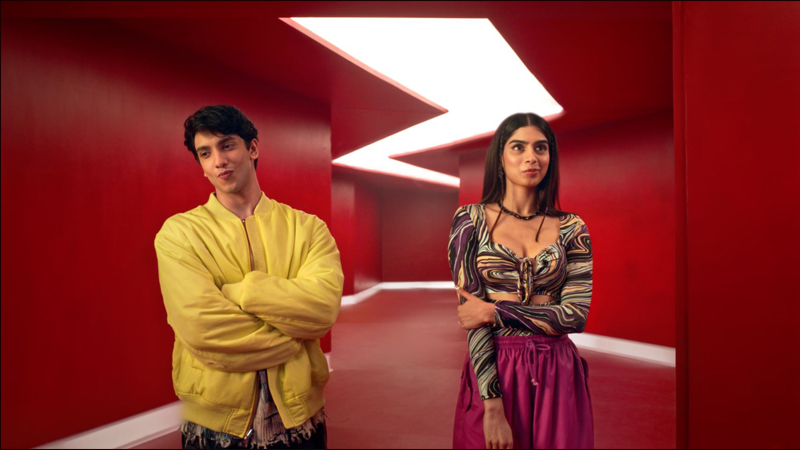
    MUMBAI: Vertigo TV, the newly launched vertical drama app from One Take Media, is off to a flying start—grabbing eyeballs with its snackable, binge-worthy content that’s tailor-made for the smartphone generation.

    In just three months, Vertigo TV has packed in over 100 shows, offering a dizzying mix of Chinese, Korean, Japanese, Spanish, English, and Hindi micro-dramas. Each series unfolds in ultra-short, one-to-two-minute episodes, with entire story arcs wrapped up in 40 to 60 instalments—perfect for on-the-go binge sessions.
    vertigo TV

    “The app of today,” as founder and CEO Anil Khera calls it, Vertigo TV mirrors a fast-twitch attention economy where Gen Z and millennials crave instant storytelling hits without the drag. Every drama is shot vertically, optimised for quick breaks, commutes, or those between-meeting scrolls.

    Built to hook viewers within 10 seconds, the app’s catalogue pairs high-octane plots with slick production values and a global-meets-local flavour. Subtitled international dramas sit alongside desi originals, giving Indian audiences a front-row seat to the world’s fastest-growing storytelling trend.

    Priced at Rs 499 a year, Vertigo TV is now live on Android and iOS, and ready to rattle India’s crowded streaming scene. With its bold micro-drama format and lightning pace, One Take Media isn’t just chasing attention—it’s rewriting how India watches stories, one vertical at a time.

    For partnerships, email info@onetakemedia.in or visit www.onetakemedia.in

  • Meta maps India’s digital evolution from creators to AI and micro dramas

    Meta maps India’s digital evolution from creators to AI and micro dramas

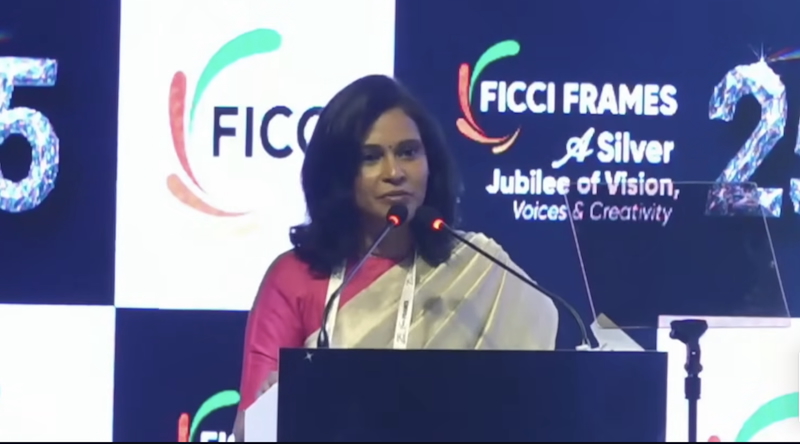
    MUMBAI: At the 25th edition of Ficci Frames, Meta’s top leadership: Sandhya Devanathan, vice president, Meta India, and Meta India managing director and country head Arun Srinivas, laid out a comprehensive view of how India’s digital, entertainment, and creator ecosystems are evolving at breakneck speed. 

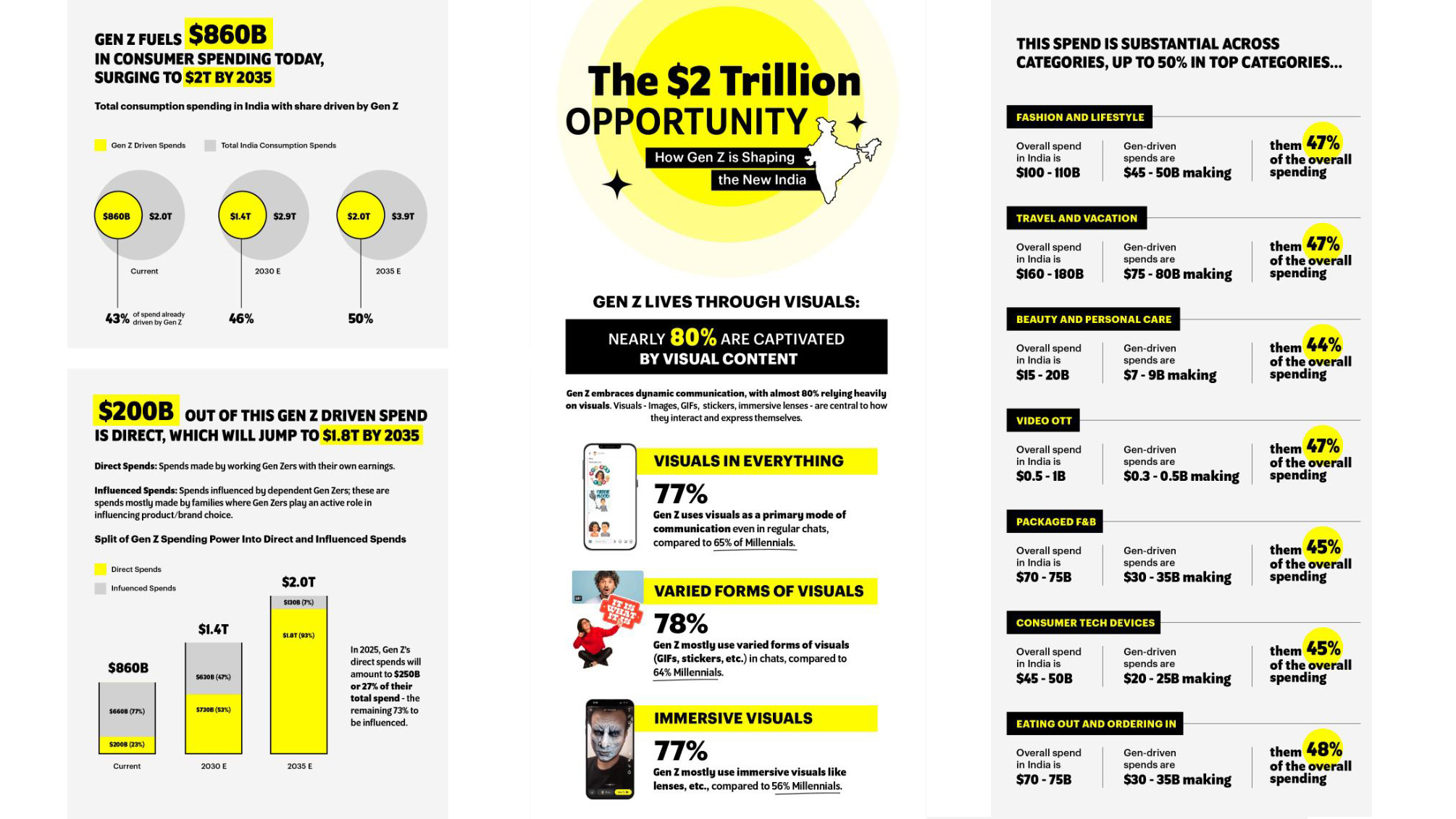
    From the rise of Gen Z as the dominant consumer force to the explosion of short-form video, AI-driven content, and micro-dramas, both leaders stressed on how India is not just adapting to global digital trends, it is carving them. 

    “India’s growth is unique and inevitable,” Devanathan said, opening her session on New Age Tech Platforms: Redefining Access, Innovation and Scale. “One trillion dollars of our future economy will be driven by digital.”  

    With over four billion reels shared globally every day, she noted, India stands out as both the largest creator market and a leader in the innovation of content. 
    That digital drive, she explained, rests on India’s growing online base of over 650 million social media users and 270 million online shoppers. Yet, she noted that to make prosperity more inclusive, more small businesses need to come online. Only about five million of India’s 65 million SMEs are currently digitally enabled.
    “The Indian creator economy is among the most vibrant in the world,” Devanathan noted. “Creators here aren’t just entertainers, they are entrepreneurs, cultural catalysts, and small businesses rolled into one.”

    Meta, she explained, continues to invest heavily in tools that empower creators to monetise their craft: from performance insights and AI-powered production aids to immersive advertising formats that help brands connect authentically with their digital-native audiences. 

    Devanathan also highlighted the versatility of “many Indias”: the digitally savvy India, the vernacular-first India, and the emerging India Each requires its own approach to content, access and engagement. “Winning in India,” she said, “means understanding these layers of India and building for all.”
    Meta, she noted, sits at the heart of this digital revolution. India is now home to the largest community of Instagram creators and the biggest user base for Meta AI worldwide. The country also boasts one of the world’s largest Whatsapp communities, with over 200,000 small businesses using “Click to Whatsapp” to drive sales every month.
    Beyond platforms, Meta is investing in digital infrastructure, from the Project Waterworth subsea cable (a subsea cable network that will span 50,000 kilometres and will reach depths of up to 7000 metres) to supporting data centres that fuel AI innovation. Devanathan also spoke about Meta’s work with the Nudge Institute and Pragati AI for Impact, which harnesses artificial intelligence for social good. 

    Building on that foundation, Arun Srinivas focused on the behavioural shifts defining media and entertainment consumption in India today, particularly among Gen Z and gen Alpha audiences.

    “Gen Z isn’t the future; they’re the present,” he exclaimed. “They are already shaping how content is discovered, processed, and shared.”

    According to Srinivas, the average Gen Z consumer processes information three times faster than previous generations and takes less than 1.5 seconds to decide whether to engage with a piece of content. “They need less attention, but more repetition,” he noted, explaining how frequency, rather than single exposure, now drives brand recall and conversions.

    He also pointed to India’s massive short-form video boom, with 97 per cent of Indians watching short videos daily, surpassing television viewership. “Linear TV time is declining month on month,” he said, adding that this isn’t limited to urban India, “rural and small-town audiences are consuming just as much, if not more.”

    Among the new frontiers Srinivas spotlighted was the rise of micro dramas: serialised short videos running between one and five minutes per episode.

    “This is storytelling redesigned for the mobile-first world,” he said. “India’s short-form drama market could touch 10 billion dollars by 2030, driven by vernacular content and tier-II and tier-III audiences.”

    Startups and creators are already experimenting with dubbed Korean and Chinese mini-series adapted for Indian viewers, marking a new phase in the fusion of entertainment and digital innovation.

    Both Devanathan and Srinivas emphasised the transformative role of artificial intelligence across Meta’s platforms, from content creation and personalisation to ad optimisation and discovery.

    “AI isn’t replacing creativity; it’s amplifying it,” Devanathan said. “It’s enabling creators to produce higher-quality work faster, and helping brands find the right audiences with precision.”

    Srinivas added that more than four million advertisers globally used AI-generated creatives last quarter, producing over 15 million ad assets  and achieving double-digit ROI improvements compared to campaigns created by humans. 

    Outlining Meta’s larger ambition, he noted that the company aims to make Meta AI the world’s most widely used personal assistant. “With more than 100 billion dollars invested in AI in just four years, we’re building systems that make digital creativity more accessible and intelligent for everyone,” he said.
    Bringing that vision to life, Devanathan closed her session with an AI-generated video: a vivid cascade of colours that unfolded into the words, “Change is the canvas from which opportunity paints its masterpiece.” 

    Both leaders saw eye to eye on one message, that India’s digital future will be built at the intersection of creators, commerce, and connection.

    Srinivas highlighted how Meta’s latest tools, such as the Edits app for easy video production and new AI-powered creative platforms, are enabling India’s vast creator base to thrive. Meanwhile, Devanathan emphasised Meta’s partnerships with brands, small businesses, and policymakers to foster a sustainable, inclusive digital ecosystem.

    “Our goal,” she said, “is to ensure that India’s creative economy doesn’t just grow in size, it grows in diversity, opportunity, and global influence.”

    Concluding the session, Srinivas offered a peek into Meta’s newest innovation, the Ray-Ban Meta smart glasses, designed to merge content, communication, and AI assistance in one device.

    “These glasses are a glimpse of a future where connection becomes truly immersive,” he said.

    As both Devanathan and Srinivas made clear, India’s digital landscape is entering a new chapter, one driven by speed, creativity, and intelligence. With the next generation of consumers redefining how content is created and consumed, Meta’s vision is not just to keep pace, but to help build the infrastructure of tomorrow’s digital culture. 


  • What has made Saiyaara a Rs 300 crore box office wonder?

    What has made Saiyaara a Rs 300 crore box office wonder?

    MUMBAI: The box office success of Saiyaara has been a topic of wide discussion over the past month. The film has performed exceptionally well, crossing Rs 300 Cr at the domestic box office, and becoming the second-highest grosser of 2025 in India, behind Chhaava, at the time of writing this report. A popular theory attributes this success to the influence of Gen Z (those born between 1997 and 2012, currently aged 13-28). It’s an easy conclusion to draw, given the film’s genre and debutant cast. But is it really true? Can one audience segment alone propel a film with no franchise or star value to cross the Rs 300 Cr mark? This analysis explores that question.

    According to Ormax Media analysis, the remarkable box office success of Saiyaara is less about a single generation’s love affair with a fresh romance and more about how different cohorts engage with emotion on screen. On paper, the culprit seemed obvious. Gen Z—those aged 13 to 28—looked tailor-made for the film’s youthful leads, moody soundtrack, and breakneck visuals. Social chatter, sneaker fashion and music streams all suggested the movie was “their” moment. But Ormax Media’s data complicates the narrative.

    The firm’s proprietary OPR (Ormax Power Rating), a 0–100 index that tracks likeability and advocacy, is a trusted predictor of word-of-mouth and sustained collections. A score above 60 typically signals robust engagement, translating into strong box office legs beyond opening weekend. Over four weeks of tracking, Saiyaara notched a sturdy OPR, with Gen Z audiences scoring it at 68 and those aged 29+ close behind at 63. A respectable gap, but not wide enough to explain the runaway commercial phenomenon.

    Saiyaara

    The real story, says Ormax Media, emerges when the data is split by gender. Women across generations responded almost identically strongly, suggesting that themes of love, empathy and sacrifice cut across age barriers. Among men, however, the divergence was stark. Gen Z men mirrored women’s enthusiasm, while older men slipped sharply, delivering an OPR of just 56.

    Why does this gap matter? For Ormax analysts, it reflects shifting life priorities. Gen Z men—many still students, young professionals or in early relationships—saw in Krish Kapoor, the protagonist, an avatar of their own anxieties and aspirations. At 22, Krish is all swagger and style: racing bikes across Mumbai flyovers, flaunting Air Jordans, and smoking defiantly. But when his girlfriend Vaani is diagnosed with Alzheimer’s, he doesn’t flee. Instead, he pauses his rising music career to stay by her side. The arc resonated with younger men who are wrestling with questions of identity, love and loyalty in their own lives.

    “Cinema becomes a tool of self-discovery for this cohort,” Ormax Media notes. “It validates emotions that are difficult to articulate, reassuring them that ‘forever’ love is not entirely a myth.”

    Older men, by contrast, appear to want films to serve as escape hatches from the daily grind of careers, mortgages, and parenting. For them, Saiyaara may be admirable cinema, but not essential viewing. As Ormax points out, this explains the 10-point OPR gap between the two male groups.

    For women, the generational divide all but vanishes. Ormax’s data highlights how relationship-driven storytelling continues to resonate across age brackets, aligned with academic research suggesting women are both socialised, and to some extent biologically primed, to prioritise empathy and relational bonds in narrative consumption. Saiyaara capitalised on this, shaping Krish’s trajectory not as a melodramatic sacrifice but as a nuanced portrait of resilience and commitment.

    The outcome: a Rs 300 cr-plus blockbuster that defied industry cynicism around non-franchise, debutant-led films. Saiyaara’s triumph is not solely Gen Z’s doing. Rather, it is the uncharacteristic enthusiasm of young men—an audience often elusive for romantic dramas—that Ormax Media credits with tipping the film from respectable hit to cultural juggernaut.

  • Blunt and loud: Go5 launches edgy new audio brand for India’s Gen Z

    Blunt and loud: Go5 launches edgy new audio brand for India’s Gen Z

    MUMBAI: Go5 Incorporation, the force behind TecSox and Deal99.in, has just dropped its boldest bet yet — Blunt, a new audio brand that’s unapologetically built for India’s Gen Z. Ditching dull tech and overpriced polish, Blunt speaks to creators, hustlers, gamers, and style-conscious college-goers looking for gear with guts.

    Launched with wireless neckbands, TWS earbuds, wired earphones, and Bluetooth speakers, Blunt blends punchy sound with underground design — think matte blacks, LED trims, industrial accents and attitude-heavy branding. Built-in quick charge, long battery life, and deep bass come as standard.

    Go5 Incorporation founder & promoter, Puneet Gulati said, “We saw a cultural gap where most affordable audio products were either plain functional or overpriced lifestyle gear. Blunt was born to challenge that. It’s gritty, raw, and real just like its audience.”

    The brand leans heavily into subcultures – from streetwear and indie music to gaming and hip-hop — making it as much a cultural statement as a tech offering. It’s tech that flexes.

    Backed by Go5’s success with TecSox — which sells over a million units with a sub-2 per cent return rate — Blunt enters the market with scale and street cred.

    In short, Blunt isn’t just about what you hear. It’s about how loud you live.

  • “Increasingly Indian brands are recognising that embracing the LGBT community has to be an ongoing process” – Insight Cosmetics Mihir Jain

    “Increasingly Indian brands are recognising that embracing the LGBT community has to be an ongoing process” – Insight Cosmetics Mihir Jain

    June is Pride Month – a time when rainbows pop up across corporate India, from brand logos to Instagram grids. But behind the hashtags and the colourful symbolism, a tougher question lurks: is this genuine progress or just another seasonal PR parade?

    Over the years, India Inc. has inched forward in recognising sexual diversity. But is it truly embracing the LGBTQIA+ community, or simply ticking the inclusion box for 30 days a year? To explore this, Indiantelevision.com turned to leaders in the advertising and marketing fraternity.

    The result? A split screen. Some argue meaningful strides have been made; others insist we’re barely past square one.

    In the first of two interviews in our Executive Dossier series, Rohin Ramesh sits down with Mihir Jain, sales and marketing director at Insight Cosmetics — a homegrown beauty brand that belongs to the first category who points out that a lot of progress has been made. He believes Pride isn’t a campaign, but a compass. For Jain, inclusion runs through everything: who gets cast in ad films, how transgender and non-binary employees are supported at work, and what it means to be truly representative in an industry long dominated by narrow norms.

    He also unpacks how shifts in law — from the Transgender Persons (Protection of Rights) Act, 2019, to the Supreme Court’s evolving take on queer partnerships — are nudging brands to think broader and better.

    Is Indian marketing still stuck in a heteronormative bubble? Is LGBTQIA+ storytelling breaking into Tier II and III markets? And what do Gen Z and Alpha really expect from brand narratives?

    For companies like Insight, Pride isn’t just a parade — it’s a promise.

    Excerpts from the conversation follow.

    On brands evolving from symbolic gestures during pride month to sustained representation in product design, hiring policies, partnerships and campaigns that sparked conversation vs those that felt like rainbow-washing.

    The evolution of Pride marketing has shifted from token gestures to more deliberate, long-term inclusion strategies. Brands are increasingly embedding LGBTQIA+ representation into product design, hiring policies, and year-round collaborations. At Insight Cosmetics, we’re taking conscious steps in that direction by collaborating with LGBTQIA+ influencers and gradually opening our platform to ensure everyone feels seen. The distinction lies in consistency; representation must extend beyond a single month and into the everyday DNA of the brand. Activations that really ring true are those that stem from authenticity, not perceived as “rainbow-washing.” In order to really make a difference, though, inclusion must be an enduring and considered brand commitment.

    On creative, PR, and digital agencies working to ensure LGBTQ+ stories are told authentically, with lived experience and not just layered filters.

    Ad agencies, PR agencies, and digital agencies are becoming the go-to facilitators of authentic LGBTQIA+ narratives. The shift these days is towards co-creation alongside the community, not for them. Lived experience narratives have emotional depth and cultural richness that cannot be matched by any design filter. At Insight Cosmetics, we ensure our partnerships with LGBTQIA+ creators are real, respectful, and rooted in their own stories, not just filtered narratives. This model of partnership values unique voices without losing sincerity and inclusivity in content. In this way, agencies and brands collectively drive storytelling that captures the actual diversity and authenticity of queer experience.

    On Indian brands showing up for the queer community throughout the year, or only when it trends.

    Although Pride month tends to be a catalyst for visibility, true inclusion cannot be time-sensitive. More and more Indian brands increasingly understand that embracing the queer community has to be an ongoing process. At Insight Cosmetics, we’re working to make our platform inclusive throughout the year  not just when it trends, but as a continuous commitment. At every level of partnership to policy formation within our organization, we labor throughout the year to make representation a core value. The goal is to make LGBTQIA+ visibility the norm in brand space, not only when it’s trendy, but as a continuous commitment to values and advocacy of diversity.

    On the data about LGBTQ+ inclusion driving brand loyalty, especially among Gen Z and millennial consumers.

    Today’s consumers, especially Gen Z and millennials, expect brands to take a strong position on inclusion. Numbers show that this segment compensates brands that express a genuine commitment to LGBTQIA+ rights with more engagement and loyalty. Performative action is readily called out and dissected. At Insight Cosmetics, we see this reflected in how engaged and supportive our audience is when we partner with LGBTQIA+ creators in meaningful ways. These collaborations not only validate our values but also enhance customer trust. Inclusion is no longer a choice for brands; it is a key driver of loyalty and relevance for a socially conscious consumer marketplace.

    On brands showing solidarity without falling into legal or cultural backlash traps, given the legal grey areas around same-sex marriage in India.

    In a litigious landscape where homosexual marriage is still a gray area, brands have to walk with courage and cultural care. The discourse has to be on validating identities, not commodifying stories. At Insight Cosmetics, we aim to create a safe, inclusive space through representation and collaboration, while being mindful of cultural context and the lived realities of the LGBTQIA+ community. By keeping an eye on lived experience and avoiding tokenism, brands can demonstrate authenticity.

    On facilities being provided within the organisation for cross dressers and transgenders and lesbian, for instance transgender toilets.

    Workplace inclusivity begins with transparent and inclusive hiring processes. At Insight Cosmetics, we’re committed to building a safe and inclusive work environment for all individuals, regardless of gender identity or sexual orientation. Our hiring is open and welcoming to transgender, non-binary, and LGBTQIA+ individuals.

    On brands ensuring they’re not misrepresenting queer identities in Tier II and Tier III towns, since majority LGBTQIA+ marketing in India remain urban-centric.

    It’s true that a lot of LGBTQIA+ marketing in India focuses on urban audiences. To avoid alienating or misrepresenting queer identities in Tier II and III towns, brands need to engage with local voices, use relatable storytelling, and avoid stereotypes. At Insight Cosmetics, we’re mindful of representation across geographies and are working toward more inclusive content that resonates beyond metros, while staying respectful of different lived experiences.

    On the representation of the LGBT community in ad films being around their sexual preferences or as stereotypes only.

    While earlier ad films often reduced LGBTQIA+ representation to stereotypes, spoofs, or tokenism, we’re now seeing a welcome shift. More brands are portraying queer individuals as real people with full identities, beyond just their sexual orientation. At Insight Cosmetics, we believe in telling authentic, respectful stories where everyone is seen as human first, not as a label or trend.

    On marketers rethinking the idea of the ‘Indian family’ in their narratives, post the 2022 Supreme Court ruling recognising cohabiting same-sex couples.

    The 2022 Supreme Court ruling was a landmark moment, encouraging marketers to slowly expand their definition of the ‘Indian family.’ While the heteronormative lens remains dominant, we are seeing more brands beginning to embrace diverse family structures in their narratives reflecting evolving social realities and the importance of inclusivity.

    On the LGBT market being a big enough market in India to be targeted for products specially designed for them.

    The LGBTQIA+ community in India is a growing and influential market, with increasing visibility and purchasing power. While many products are designed to be inclusive for all, there is potential for offerings tailored to specific needs like gender-neutral cosmetics, skincare for diverse skin types, and products that celebrate individuality. At Insight Cosmetics, we focus on creating versatile products that resonate with everyone, including the LGBTQIA+ community.

    On where the right attitude towards the LGBTQ+ community in an organisation truly begins — leadership, middle management, or peers.

    The right attitude towards the LGBTQIA+ community begins at the leadership level, as inclusive values need to be modeled from the top down. That said, middle management and peers play a crucial role in carrying those values into day-to-day interactions and creating a truly supportive environment.

    On your plans for pride month

    For pride month, we’re excited to do an Instagram influencer campaign featuring a prominent gay influencer. He will be doing a get ready with me video showcase makeup skills and sharing his personal journey of coming out and navigating societal challenges. Through this authentic storytelling, we aim to celebrate individuality and foster greater acceptance.

  • Big screen, big truths as Acharya Prashant comes to PVR Aura Bhopal

    Big screen, big truths as Acharya Prashant comes to PVR Aura Bhopal

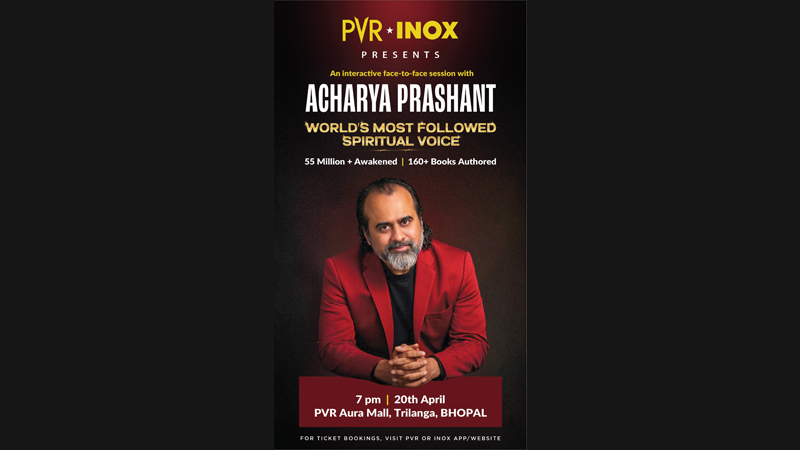
    MUMBAI: Popcorn, pause, and Prashant, Bhopal’s silver screen is set to swap blockbusters for Brahm Gyaan. PVR Inox Limited, India’s largest cinema chain, has teamed up with the PrashantAdvait Foundation to present a live spiritual session with none other than Acharya Prashant, on 20 April 2025 at PVR Aura Mall, Bhopal.

    Curated as part of PVR Inox’s Alternate Content in Cinemas initiative, the one-of-a-kind event invites audiences into an intellectually charged dialogue with one of the most followed spiritual thinkers of our time inside the immersive atmosphere of a cinema hall.

    Known for bringing ancient wisdom into modern lives, Acharya Prashant is an IIT Delhi and IIM Ahmedabad alumnus turned spiritual reformer. With a staggering 55 million plus YouTube subscribers, 3.5 billion plus views, and 160 plus published books, he has reshaped how the digital generation discovers clarity, consciousness and calm.

    PVR Inox Limited Chief Business Planning & Strategy Kamal Gianchandani said “With Acharya Prashant, we’re not just hosting a session, we’re creating a space for stillness, insight, and inner transformation. Our cinemas have always been places where stories come alive, and with Alternate Content, we’re now bringing voices that awaken something deeper within. This is cinema reimagined as a catalyst for reflection.”

    The event is expected to draw everyone from Gen Z seekers to seasoned meditators, offering a much-needed escape from the chaos of daily life. Think of it as an evening of mental detox meets cinematic magic.

    The much-awaited event is set to take place at PVR Aura Mall, Bhopal, on 20 April 2025, during the evening session. Attendees are encouraged to check the official website pvrcinemas.com for exact show timings. Bookings are now open and can be made via the PVR Inox app or website, so be sure to grab your seats early!  

    Seats are limited, but the insights may just be limitless. Whether you’re a spiritual novice or a seasoned seeker, this might just be your cue to switch off your phone and switch on within.

  • PivotRoots snags Bindu’s digital account, aiming to fizz up national expansion

    PivotRoots snags Bindu’s digital account, aiming to fizz up national expansion

    MUMBAI: Bindu, the South Indian jeera fizz sensation, has tapped PivotRoots, a Havas company, to handle its digital marketing, as it sets its sights on national domination. The company is aiming to turn Bindu into the “OG” of jeera beverages, and it is bringing in the big guns to make it happen.

    With India’s beverage market set to explode in 2025, Bindu is looking to ride the wave, and PivotRoots is tasked with crafting a multi-platform digital strategy to make it the go-to jeera drink. It is talking “culturally attuned, digital-first” approaches, which is marketing speak for “we’re going to get down with the kids.”

    Bindu Jeera Fizz  director of marketing Megha Shankar says: “Bindu has been a beloved name in South India for years, celebrated for its rich legacy and authentic taste. As a proud Make in India brand, we are now set to expand nationwide, introducing Jeera Fizz to a wider audience while staying true to our roots. Our focus is on bridging tradition with innovation to make the brand relevant for today’s Gen Z and millennial consumers. With this partnership, we aim to create engaging narratives that drive strong consumer connections and establish Bindu as the go-to choice for Jeera beverages across India.”

    PivotRoots co-founder & chief commercial officer Hetal Khalsa is equally enthusiastic: “We are excited to collaborate with Bindu and bring its legacy to a larger audience through strategic storytelling and digital innovation. Our goal is to reshape perceptions, deepen consumer engagement, and position Bindu not just as a beverage but as an essential part of everyday moments across India.”

    Bindu’s portfolio is more than just jeera fizz. The company has everything from ginger and lime sodas to fruit juices and even potato chips. It’s even dabbling in energy drinks, because why not? It’s a proper beverage bonanza.

    The agency aims to leverage content, emerging digital channels and product trials to get Bindu known and consumed across the nation. It’s a proper fizz-fest brewing.

  • Schmooze’s meme-based dating campaign tops trends and captivates Gen z

    Schmooze’s meme-based dating campaign tops trends and captivates Gen z

    MUMBAI: AI-powered dating app Schmooze has made waves on social media with its ‘Memebaseddating’ campaign, which puts humour at the centre of modern matchmaking. Aimed at Gen z, the campaign quickly gained traction, with memes and witty posts flooding online spaces and sparking widespread conversation.

    The hashtag quickly gained traction, generating over 13 million impressions and securing the one trending spot on X (Twitter), with more than 2,500 organic posts driving engagement. Instagram giant ‘Sarcastic_us’, boasting 11.2 million followers, further amplified its reach, ensuring memes dominated digital conversations.

    Schmooze’s campaign even caught the attention of Stephen Colbert, who gave it a playful nod on The Late Show. His witty take on meme-based dating boosted the app’s pop culture presence, drawing even more curiosity to the platform.

    Taking the campaign beyond screens, Schmooze brought meme culture to the streets with branded auto-rickshaws in major Indian cities like Delhi, Bengaluru, and Kolkata. Wrapped in humour-infused taglines, these vehicles transformed daily commutes into moments worth sharing.
    Schmooze
    The transit media execution, powered by Brandonwheelz, enhanced visibility across urban hubs. “By merging digital narratives with real-world interactions, we created an engaging brand experience,” said Brandonwheelz CEO & co-founder Mohammed Asghar.  

  • Titan zips into fragrances with Fastrack perfumes

    Titan zips into fragrances with Fastrack perfumes

    MUMBAI:  It’s moving on to a new track. Youth fashion brand Fastrack has moved into the premium mass fragrance market with the launch of a new perfume range which is catering to the growing demand for affordable yet high-quality fragrances. 

    The target audience: Gen Z. The Indian perfume market is experiencing rapid growth, particularly in the value segment (sub-Rs 1000). This surge is driven by a new generation of consumers who prioritise personal care and self-expression. With increased awareness and the influence of social media, more and more people are recognizing the power of fragrances to enhance their personality and lifestyle. 

    Through consumer research, the brand has identified key occasion-based usage scenarios and developed fragrances that perfectly complement these moments.

    “The Indian fragrance market is experiencing a significant shift. Our research shows that young Indians are ready to graduate from deodorants to fine fragrances, but they seek affordable options that don’t compromise on quality,” stated Titan Co CEO fragrances &  fashion accessories division Manish Gupta. “The launch addresses a critical market gap in the affordable premium segment, as young consumers increasingly upgrade from deodorants to fine fragrances. These cohorts use fragrances not just as a grooming essential, but as a means of self-expression and style enhancement. As a trusted youth brand, our new perfume range is uniquely positioned to serve this emerging consumer base with premium fragrances that align with their lifestyle and aspirations. “

    The new collection comprises six distinct fragrances. For men, the range includes Night Out, a sophisticated woody fragrance with oriental notes; Rush, a fresh woody scent for dynamic personalities; and Ease, a classic fougère for everyday confidence. The women’s collection features Lush, an indulgent floral fragrance; Girl Boss, a powerful floral scent for the modern professional; and Wander, an oriental fragrance for the free spirit.

    Fastrack’s new range is strategically priced at Rs 845 for 100ml, targeting the high-potential sub-Rs 1,000 segment. 

    TVFastrack
    Fastrack has released two engaging films that resonate with the values and aspirations of Gen Z. Sick Leave celebrates the importance of mental health and self-care, challenging traditional notions of workplace culture. Date – a twist you didn’t see coming emphasises the importance of empathy, understanding, and authenticity in modern relationships.
     

  • Gen Z expects brands to be transparent, socially responsible, and engaging: Rohit Sakunia

    Gen Z expects brands to be transparent, socially responsible, and engaging: Rohit Sakunia

    Mumbai: As brands navigate the complexities of a dynamic marketplace, a new trend is emerging: the preference for gen Z individuals in marketing agencies. Born between the late 1990s and early 2010s, they are not just the target audience for most campaigns; they are becoming the architects of those campaigns. Their perspectives on culture, community, and creativity align seamlessly with the demands of a new-age consumer base that values relatability over rigidity.

    This shift towards tapping into gen Z talent is not a fleeting trend. It signals a deeper understanding that those who live and breathe the cultural zeitgeist are best equipped to translate it into compelling brand narratives.

    Indiantelevision.com caught up with Art E Mediatech founder Rohit Sakunia, an independent marketing agency with a presence in Delhi, Mumbai, and Dubai to know more insights on this topic.

    Edited excerpts

    On driving the shift towards gen Z as the preferred target audience for marketing agencies

    The shift towards gen Z as a primary audience is driven by their growing purchasing power and their undeniable influence on digital culture. Being the first digitally native generation, they shape online trends and behaviors, making them critical for brands aiming to remain relevant. What sets gen Z apart is their loyalty—it’s not easily earned but is reserved for brands that genuinely align with their social values and personal identities.

    For instance, brands like Nike have successfully tapped into this by aligning their campaigns with causes that matter to gen Z. At the same time, companies like Glossier have built communities around inclusivity and self-expression. This approach fosters a strong emotional connection and ensures long-term engagement. gen Z’s digital fluency and trendsetting behavior can drive viral success, and when brands resonate authentically with their values, the resulting loyalty is both impactful and enduring.

    On describing the key characteristics of gen Z that make them appealing to marketers

    Working with brands targeting a young, dynamic audience has shown me that gen Z values authenticity, inclusivity, and personal connection. These traits make them incredibly appealing to marketers. In my experience, adapting strategies to embrace these characteristics has been key—like developing influencer partnerships that genuinely align with their values. A great example is how zoomers’ affinity for authenticity drives the popularity of brands like Patagonia, which champions environmental causes transparently and integrates these values into its product lines.

    By focusing on these aspects, I’ve honed my ability to create personalized, community-centered campaigns that truly resonate with this audience. It’s rewarding to see these efforts translate into higher engagement and brand loyalty, underscoring how understanding and embracing gen Z’s unique characteristics can make a real difference for brands.

    On rise of gen Z impacted traditional marketing strategies

    The rise of gen Z has significantly reshaped traditional marketing strategies, and transitioning brands from conventional methods to more agile, digital-first approaches has been a defining part of my career. Managing campaigns on platforms like TikTok and Instagram has challenged me to think creatively and stay adaptive, ensuring our strategies resonate with this audience.

    TikTok’s emergence as a primary marketing platform reflects gen Z’s demand for engaging and creative content, prompting brands to embrace short-form video formats and storytelling styles that feel authentic. This evolution has allowed me to refine my expertise in areas like short-form video content and influencer marketing, both of which are critical for building genuine connections with younger audiences.

    On zoomers use of technology and social media influence their preferences and behaviors

    Gen Z’s use of technology has shaped them into discerning consumers who value accessibility, quick answers, and seamless online experiences. Their reliance on social media platforms like Instagram, Snapchat and TikTok for discovery drives their preference for brands that deliver visually compelling and easily shareable content. This behavior has redefined how brands connect with this audience, emphasizing the importance of creating experiences that are both interactive and engaging.

    For instance, utilising features like filters or challenges on Instagram or TikTok can capture their attention effectively while fostering a sense of community. Social media not only influences their purchasing decisions but also cultivates their need for connection, making community-building a critical component of marketing strategies tailored to this generation.

    On key expectations zoomers has from brands and marketing campaigns

    Gen Z expects brands to be transparent, socially responsible, and engaging. They look for campaigns that align with their personal values, are inclusive, and reflect diversity in meaningful ways. This generation also values quick response times and personalized interactions, expecting brands to actively engage with them on social media and demonstrate authenticity through action rather than just words.

    For instance, companies like Ben & Jerry’s resonate strongly with gen Z by publicly supporting social issues, which not only strengthens their brand image but also builds trust with consumers who deeply value activism and meaningful change. These expectations challenge brands to go beyond traditional marketing and truly embody the values they promote.

    On challenges marketing agencies face when targeting gen Z and overcoming them

    Targeting gen Z presents both an exciting opportunity and unique challenges for marketing agencies. This generation is incredibly discerning, with little patience for inauthentic content, short attention spans, and a high demand for meaningful engagement. To navigate these hurdles successfully, agencies must rethink their strategies—prioritising transparency, crafting bite-sized yet impactful content, and collaborating with relatable influencers over mainstream celebrities.

    For example, the use of micro-influencers has proven effective, as they can authentically engage with niche gen Z communities, creating trust and fostering genuine connections. Pairing this with data-driven insights to craft hyper-personalized campaigns ensures that the messaging resonates deeply with this audience, turning challenges into opportunities for stronger engagement and loyalty.

    On seeing the relationship between marketing agencies and zoomers evolving in the next 5 to 10 years

    In the next 5 to 10 years, I believe the relationship between marketing agencies and gen Z will evolve into a more collaborative and purpose-driven partnership. As gen Z matures, their expectations will continue to rise, particularly in terms of brands being proactive on social issues. This will drive agencies to engage more directly with gen Z consumers, working alongside them to co-create campaigns and experiences that feel authentic and meaningful.

    In addition, agencies will need to embrace new technologies, like augmented reality and AI, to meet gen Z’s increasingly tech-savvy standards. Future campaigns may include interactive AR experiences or community-driven initiatives, where gen Z has a direct voice in shaping brand messaging and even product development. This shift will not only redefine how brands engage with gen Z but also elevate the way they collaborate with this generation to drive long-term loyalty and impact.