Tag: GDP

  • Guest column: Holiday spirit to spur demand for advertising

    Guest column: Holiday spirit to spur demand for advertising

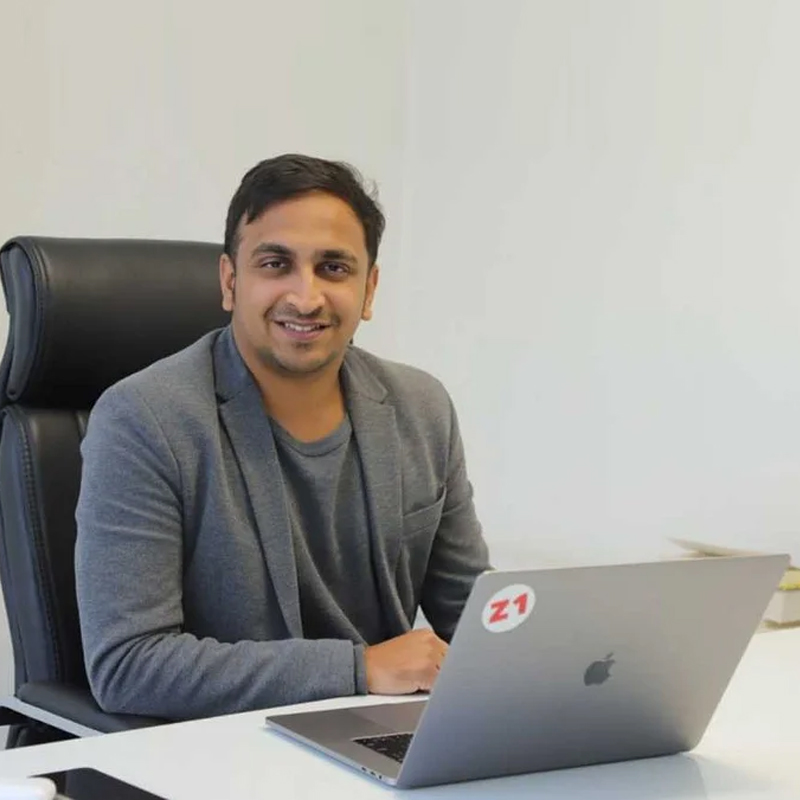
    NEW DELHI: The pandemic seems to be behind us. Though it hasn’t really disappeared, a slight ray of hope and safety has emerged from the talks of a vaccine soon becoming available. The effect of the prolonged lockdown has impacted economies across the globe, with India being no exception to it. In fact, for an economy which was already reeling under fiscal pressures, the pandemic and resultant lockdown only exacerbated things further. 

    To put things in perspective, look at the dismal performance of the economy in Q1. GDP contracted by a whopping 23 per cent in the June quarter of FY21 after having expanded by a not so impressive 3.3 per cent in the last quarter of FY20. With the first two quarters being wiped out, the third quarter numbers are only expected to be marginally good compared to the ones preceding it. In fact, the GDP in Q3 had expanded by slightly more than 5 per cent in FY19 and 4.6 per cent in FY20. The prolonged lockdown which completely shut down economic activity will have a paralysing effect on the Q3 GDP growth too.  

    A depressed economic growth has an all-pervasive impact on sectors, whether primary or tertiary. The advertising sector too has taken its fair share of hits. Most of the festive season this year has been under the shadows of the pandemic. Bigger festivities have been a complete washout until Diwali. But from here on there seems to be a light of hope. 

    With the world slowly opening, advertisers are likely to spend the remainder of the festive season trying to cover up for what was lost during the lockdown period. A paradigm shift in the overall marketing scenarios following the pandemic will obviously need a change in advertising strategies, creatives and mediums. This is likely to bode well for the advertising world. 

    What will drive advertising going forward?

    With Diwali witnessing a slight uptick in activity, a lower spread rate of Covid2019 will help in maintaining the momentum from here on out. The focus now shifts to year-end festivities starting with Thanksgiving towards the end of November and moving towards Christmas and New Year. 

    One factor that will drive demand from consumers is the very fact that across the board they have been weary of spending big and focusing on saving in a scenario where job losses and pay cuts have been bothering them. Targeted advertising towards the consuming class will hence drive the fortunes of the industry over the next couple of months until New Year.

    The large swathe of middle and upper middle-class consumers are key in the Indian context. This is exactly the layer of society which has been able to weather the economic storm of the pandemic to some extent. With salary structures crawling back to normal, spending habits too can be expected to return to pre-Covid levels. 

    In the changed mindset that we are presently living, fine tuning advertising to the temperaments of consumers will become essential. While products suited to the changed environment, where safety takes precedence over all else will be in demand, pricing will be the next crucial element to target consumers. 

    Though a bumper season is not what it looks like, a rejuvenated spirit among advertisers will surely buoy spirits keeping them high enough to be prepared for a better festive season next year. After all hope is the only reality!

    (The writer is founder & CEO of VDO.AI. Indiantelevision.com may not subscribe to his views.)
     

  • Pune based sisters launch ecommerce platform – Maneraa, that promises visibility for aspiring designers and budding brands in India

    Pune based sisters launch ecommerce platform – Maneraa, that promises visibility for aspiring designers and budding brands in India

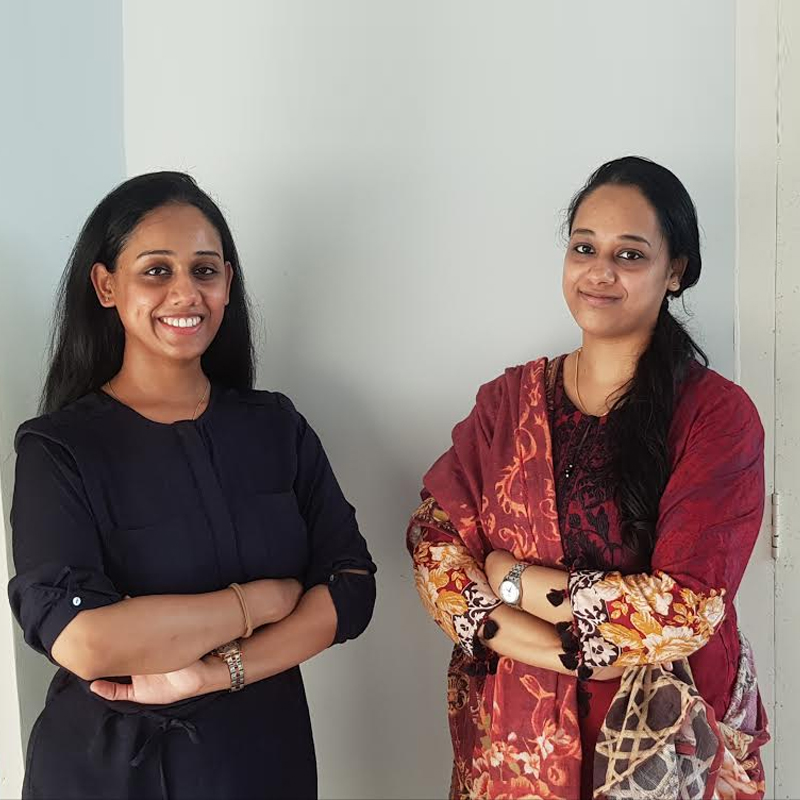
    Dec 2020, India: Maneraa, a new-age multi- brand lifestyle and fashion ecommerce platform has been launched in India by Pune based sisters and fashion enthusiasts Shabna Salam and Shaiba Salam. The brand is an online aggregator that provides a whole new made-in-India online shopping experience for women, men and kids.  They offer a range of products that have been created by lesser known brands specially handpicked for their design and quality by the founders.

    The concept behind this brand is to recognise the potential for small, unbranded fashion & lifestyle retailers, to help them manage quality and to give them an opportunity to share their unique products with the India-wide market on an online aggregator platform. Maneraa is an equal-opportunity platform that bridges the gap between aspiration and access for both buyers and sellers.

    The company seeks to provide shoppers the desired uniqueness and exclusivity in their wardrobe through beautiful designer wear that does not come with a hefty price tag. The platform sells traditional fusion and western wear and features a varied array of exquisite accessories and lifestyle products.

    Commenting on the launch Shabna, Founder & Director – We want to position Maneraa as a ‘Creator of happiness’. Maneraa will craft a space in the ecommerce market where our buyers get to choose from hundreds of brands with new designs that have been created by talented yet unrecognised designers from around the country. Our sole purpose is to make the online shopping experience on our platform incredibly delightful by giving consumers a one stop solution to find fashionable yet affordable products.

    Adds Shaiba, Co-Founder,-  Fashion is no longer the domain of the urban elite – young men and women in Tier-2 and Tier-3 cities are increasingly developing a taste for looking good without spending too much. E-commerce is the ideal way to reach these buyers, and platforms like Maneraa allow them to shop from hitherto a number of brands at affordable prices whenever they wish.

     She adds, “The SME industry is a dominant one in India and Maneraa also seeks to improve India’s GDP by giving new impetus to unbranded sellers. Each retailer is provided with an e-commerce shopfront and an inventory/order management software through which they can process and track orders. Once their accounts are set up, small retailers with high-quality fashion products but no market exposure can compete side by side with major brands for the customer’s attention.”

    Maneraa seeks to onboard over 500 unique sellers by 2021 to cater to 2 million+ buyers across India. With its commitment towards sustainable growth and its inclusion of all its employees and sellers in its goal to create happiness, Maneraa is all set to become one of the top affordable fashion brands in India in the years to come.

  • Guest Column: The ‘make or break’ budget

    Guest Column: The ‘make or break’ budget

    The recent cash ban has sucked a lot of momentum out of one the world’s fastest growing economy. Finance Minister Arun Jaitley is meticulously examining ways which can boost the slumping economy, as a result of s. No budget is effortlessly manageable, but 2017 is certainly taking challenges to a new high with several global and national factors to take note of.

    Arun Jaitley should be immaculately prepared as this is one of the most awaited budgets ever, in the history of India. The fourth budget of the NDA term, this budget demands to be the beautiful balance of crisis management and future prospectus. The government, a couple of months ago was of the notion that they will be able to reap a humongous amount of money as unreturned old currency notes. In the government’s perspective, this sum could have been later invested in infrastructural development along with other progressive measures. This plan seems to have misfired with a huge chunk of ‘unamounted’ currency finding its way back to the banks. This concern has to be dealt with caution, immediately.

    One factor that can be attributed to the demonetisation effect is the increased collection of direct taxes. This may further culminate in more of such fraudulent cases giving into the pressure and larger chunks of money being deposited in the banks as some kind of income.

    Expectations are riding high as government may benefit the salaried class by increasing the margin of the income tax slab. Taking into consideration the existing miniature base of the tax payers in the country, many experts have warned the government against taking such a move.

    The government clearly has to strike a balance between staying loyal to the fiscal deficit roadmap and borrowing large amounts to spend on improving the economy. As a nation that’s pacing towards becoming a global power, the minister will have to bring down the fiscal deficit to three per cent of GDP in FY18 to maintain the stability. Many have observed based on the current scenario that the government may announce a target of 3.5 per cent which is slightly more achievable.

    By far, the hardest challenge would be to make up for the crack caused by the private sector’s unwillingness to invest in the economy due to debt-heavy balance sheets and insufficient demand. Also, scrapping the fiscal plans would require exaltation by rating agencies will need time to be set up. The alternative would not be a cakewalk either; not loosening the grip on fiscal deficit could weaken demand in the economy more.

    For capital markets, it’s a mixed scenario. On a positive note, there might be some extra incentives for new investors in equity markets. But as a flipside, it is being assumed that the government may increase the threshold for long term capital gains to three years from the current one year. The current system favors long term investors as they do not have to pay long term capital gains when they sell. This privilege is often taken advantage of by several high net worth individuals to launder their unaccounted income, by counterfeiting long term capital gains.

    Prime Minister Narendra Modi mentioned that the financial markets must make a fair contribution to nation-building through taxes and we are looking forward to a revolutionary budget that’s inclusive of all.

    public://Untitled-3_11.jpg

    (Santosh Nair is the editor of Moneycontrol. The views expressed here are personal, and Indiantelevision.com need not necessarily subscribe to them)

  • Guest Column: The ‘make or break’ budget

    Guest Column: The ‘make or break’ budget

    The recent cash ban has sucked a lot of momentum out of one the world’s fastest growing economy. Finance Minister Arun Jaitley is meticulously examining ways which can boost the slumping economy, as a result of s. No budget is effortlessly manageable, but 2017 is certainly taking challenges to a new high with several global and national factors to take note of.

    Arun Jaitley should be immaculately prepared as this is one of the most awaited budgets ever, in the history of India. The fourth budget of the NDA term, this budget demands to be the beautiful balance of crisis management and future prospectus. The government, a couple of months ago was of the notion that they will be able to reap a humongous amount of money as unreturned old currency notes. In the government’s perspective, this sum could have been later invested in infrastructural development along with other progressive measures. This plan seems to have misfired with a huge chunk of ‘unamounted’ currency finding its way back to the banks. This concern has to be dealt with caution, immediately.

    One factor that can be attributed to the demonetisation effect is the increased collection of direct taxes. This may further culminate in more of such fraudulent cases giving into the pressure and larger chunks of money being deposited in the banks as some kind of income.

    Expectations are riding high as government may benefit the salaried class by increasing the margin of the income tax slab. Taking into consideration the existing miniature base of the tax payers in the country, many experts have warned the government against taking such a move.

    The government clearly has to strike a balance between staying loyal to the fiscal deficit roadmap and borrowing large amounts to spend on improving the economy. As a nation that’s pacing towards becoming a global power, the minister will have to bring down the fiscal deficit to three per cent of GDP in FY18 to maintain the stability. Many have observed based on the current scenario that the government may announce a target of 3.5 per cent which is slightly more achievable.

    By far, the hardest challenge would be to make up for the crack caused by the private sector’s unwillingness to invest in the economy due to debt-heavy balance sheets and insufficient demand. Also, scrapping the fiscal plans would require exaltation by rating agencies will need time to be set up. The alternative would not be a cakewalk either; not loosening the grip on fiscal deficit could weaken demand in the economy more.

    For capital markets, it’s a mixed scenario. On a positive note, there might be some extra incentives for new investors in equity markets. But as a flipside, it is being assumed that the government may increase the threshold for long term capital gains to three years from the current one year. The current system favors long term investors as they do not have to pay long term capital gains when they sell. This privilege is often taken advantage of by several high net worth individuals to launder their unaccounted income, by counterfeiting long term capital gains.

    Prime Minister Narendra Modi mentioned that the financial markets must make a fair contribution to nation-building through taxes and we are looking forward to a revolutionary budget that’s inclusive of all.

    public://Untitled-3_11.jpg

    (Santosh Nair is the editor of Moneycontrol. The views expressed here are personal, and Indiantelevision.com need not necessarily subscribe to them)

  • Guest Column: Budget ’17 needs to incentivise digital adoption, stir rural economy

    Guest Column: Budget ’17 needs to incentivise digital adoption, stir rural economy

    This year’s Union Budget, called unique, has been the talk of the town. First, it’s going to be scheduled on 1 February 2017instead of the usual presentation on 28 February. Second, it’s the first time that the Railway Budget is going to be merged with the Union Budget.

    However, I would like to consider it unique for other reasons as well. We are aware of the fact that this exercise has come against the backdrop of demonetisation. Due to this, demand has dropped and the GDP of the country has been affected gravely. While experts have already envisioned a poor growth rate, I would like to consider a worst possible situation of seven per cent plus rate as still healthy. What affects us the most in marketing, branding and advertising sectors of the media industry is consumer business segment.

    The consumer business sector has seen a lot of volatility of late due to impending rollout of GST (Goods and Services Tax) and demonetisation. The retail and FMCG segments have been directly affected. This means stringent marketing budgets, which has slowed brand development exercises.

    Hence, I would like to term the budget “unique” if my budget expectations are met. What are my expectations? The following:

    1. Shaking up rural economy

    Prime Minister Narendra Modi has been talking about this for a long period of time. The finance minister had given hints to incentivise foreign companies to come here and market Indian agricultural produce. I am eagerly looking forward to this as this would mean sizable investment in this sector and more start-ups getting into it promoting healthy business and growth rates.

    2. Promote digital payments

    Now that the government has shown us the dream of a cashless economy, I am expecting clear incentives for financial technology companies and cashless transacting businesses. Some bit of it has already started, but some better provisions will ensure more innovation in the sector, thus leading to consumer ease.

    3. Government investment in health and education

    We have seen the government going strong on the Swachha Bharat (Clean India) campaign and many brands associating themselves to a larger social cause. I am expecting a similar impetus in the health and education sectors.

    4. Clarity on GST game plan

    A clearer roll out timeline for the GST is the need of the hour to end the uncertainty looming large everywhere. I am expecting a clearer picture after the budget is announced.

    5. Tax relaxation

    After the demonetisation drive, the government seems to have successfully collected a significant amount of money. The individual salaried person is definitely expecting a relaxation of tax slabs and rates. I am hoping that the fiscal deficit will be lower and, hence, the base line tax rate coming down, which can essentially widen the base and make the environment more conducive for business.

    public://Saswata Das.jpg (Saswata Das is partner & executive director WOW Design. The views expressed here are personal, and Indiantelevision.com need not necessarily subscribe to them)

  • Guest Column: Budget ’17 needs to incentivise digital adoption, stir rural economy

    Guest Column: Budget ’17 needs to incentivise digital adoption, stir rural economy

    This year’s Union Budget, called unique, has been the talk of the town. First, it’s going to be scheduled on 1 February 2017instead of the usual presentation on 28 February. Second, it’s the first time that the Railway Budget is going to be merged with the Union Budget.

    However, I would like to consider it unique for other reasons as well. We are aware of the fact that this exercise has come against the backdrop of demonetisation. Due to this, demand has dropped and the GDP of the country has been affected gravely. While experts have already envisioned a poor growth rate, I would like to consider a worst possible situation of seven per cent plus rate as still healthy. What affects us the most in marketing, branding and advertising sectors of the media industry is consumer business segment.

    The consumer business sector has seen a lot of volatility of late due to impending rollout of GST (Goods and Services Tax) and demonetisation. The retail and FMCG segments have been directly affected. This means stringent marketing budgets, which has slowed brand development exercises.

    Hence, I would like to term the budget “unique” if my budget expectations are met. What are my expectations? The following:

    1. Shaking up rural economy

    Prime Minister Narendra Modi has been talking about this for a long period of time. The finance minister had given hints to incentivise foreign companies to come here and market Indian agricultural produce. I am eagerly looking forward to this as this would mean sizable investment in this sector and more start-ups getting into it promoting healthy business and growth rates.

    2. Promote digital payments

    Now that the government has shown us the dream of a cashless economy, I am expecting clear incentives for financial technology companies and cashless transacting businesses. Some bit of it has already started, but some better provisions will ensure more innovation in the sector, thus leading to consumer ease.

    3. Government investment in health and education

    We have seen the government going strong on the Swachha Bharat (Clean India) campaign and many brands associating themselves to a larger social cause. I am expecting a similar impetus in the health and education sectors.

    4. Clarity on GST game plan

    A clearer roll out timeline for the GST is the need of the hour to end the uncertainty looming large everywhere. I am expecting a clearer picture after the budget is announced.

    5. Tax relaxation

    After the demonetisation drive, the government seems to have successfully collected a significant amount of money. The individual salaried person is definitely expecting a relaxation of tax slabs and rates. I am hoping that the fiscal deficit will be lower and, hence, the base line tax rate coming down, which can essentially widen the base and make the environment more conducive for business.

    public://Saswata Das.jpg (Saswata Das is partner & executive director WOW Design. The views expressed here are personal, and Indiantelevision.com need not necessarily subscribe to them)

  • Jio-Apple strike a win-win deal as Airtel plans aggressive 4G offer

    Jio-Apple strike a win-win deal as Airtel plans aggressive 4G offer

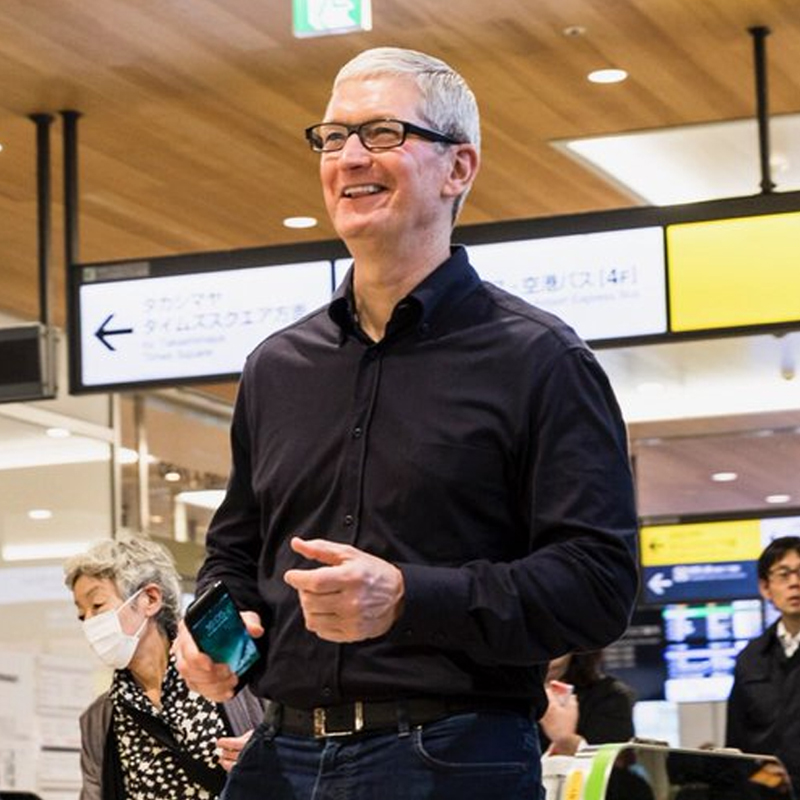
    MUMBAI: Even as Reliance Jio is giving a tough fight to the market leader Airtel, and other leading incumbent operators Vodafone and Idea, it is making significant tie-ups with cell-phone makers to up its 4G gameplan. Substantial investments are being made in high-speed telecom networks in India, said Apple CEO Tim Cook citing Reliance Jio’s 4G roll-out although he admitted its smartphone has “not done as well” in the country.

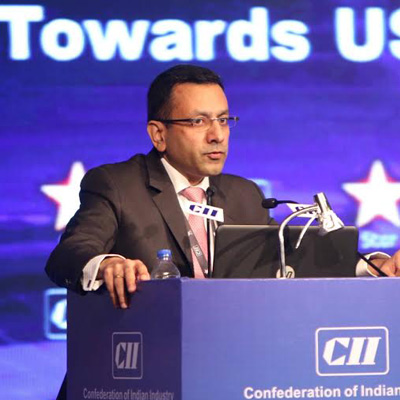
    Airtel meantime is reportedly planning to launch aggressive 4G bundled offers to take on Reliance Jio as India’s No 1 mobile carrier struggles to boost penetration and revive its slowing data revenue growth amid competition. Bharti Airtel managing director – India & South Asia Gopal Vittal agreed that it’s difficult to compete with a free services offer as it expects Jio’s full-fledged price launch to take place in December. Vittal said it will approach the regulator to clear any confusion over interconnection points (PoIs) as it has provided more PoIs to Jio than any other telco.

    Reliance Jio was the first of its kind all-IP network in India with 4G coverage in 18,000 cities and 200,000 villages, Cook said in the company’s fourth quarter earnings call. He said Apple is partnering with Reliance Jio, which is offering a free year of service to purchasers of new iPhones, to ensure “great iPhone performance” on their network. “Our iPhone sales in India were up over 50 per cent in fiscal 2016 compared to the prior year, and we believe we’re just beginning to scratch the surface of this large and growing market opportunity,” Cook said.

    He, however, noted that Apple’s smartphone has “not done as well” in India in general and one of the key reasons for that is the “(high-speed telecom networks) infrastructure hasn’t been there”. The Apple head was optimistic on the efforts being made by the Narendra Modi-led government to create jobs and develop infrastructure.

    Whether India could in future be as big of an opportunity as China for Apple, Cook said it is important to look not only at per capita income in India but also the number of people that are or will move into the middle class over the next decade. He said this class will “really want a smartphone, and I think we can compete well for some percentage of those.

    “I think it’s clear that the population of India will exceed China sometime in probably the next decade or so. I think it will take longer for the GDP to rival it, but that’s not critical for us to have a great success there,” he said.

  • Jio-Apple strike a win-win deal as Airtel plans aggressive 4G offer

    Jio-Apple strike a win-win deal as Airtel plans aggressive 4G offer

    MUMBAI: Even as Reliance Jio is giving a tough fight to the market leader Airtel, and other leading incumbent operators Vodafone and Idea, it is making significant tie-ups with cell-phone makers to up its 4G gameplan. Substantial investments are being made in high-speed telecom networks in India, said Apple CEO Tim Cook citing Reliance Jio’s 4G roll-out although he admitted its smartphone has “not done as well” in the country.

    Airtel meantime is reportedly planning to launch aggressive 4G bundled offers to take on Reliance Jio as India’s No 1 mobile carrier struggles to boost penetration and revive its slowing data revenue growth amid competition. Bharti Airtel managing director – India & South Asia Gopal Vittal agreed that it’s difficult to compete with a free services offer as it expects Jio’s full-fledged price launch to take place in December. Vittal said it will approach the regulator to clear any confusion over interconnection points (PoIs) as it has provided more PoIs to Jio than any other telco.

    Reliance Jio was the first of its kind all-IP network in India with 4G coverage in 18,000 cities and 200,000 villages, Cook said in the company’s fourth quarter earnings call. He said Apple is partnering with Reliance Jio, which is offering a free year of service to purchasers of new iPhones, to ensure “great iPhone performance” on their network. “Our iPhone sales in India were up over 50 per cent in fiscal 2016 compared to the prior year, and we believe we’re just beginning to scratch the surface of this large and growing market opportunity,” Cook said.

    He, however, noted that Apple’s smartphone has “not done as well” in India in general and one of the key reasons for that is the “(high-speed telecom networks) infrastructure hasn’t been there”. The Apple head was optimistic on the efforts being made by the Narendra Modi-led government to create jobs and develop infrastructure.

    Whether India could in future be as big of an opportunity as China for Apple, Cook said it is important to look not only at per capita income in India but also the number of people that are or will move into the middle class over the next decade. He said this class will “really want a smartphone, and I think we can compete well for some percentage of those.

    “I think it’s clear that the population of India will exceed China sometime in probably the next decade or so. I think it will take longer for the GDP to rival it, but that’s not critical for us to have a great success there,” he said.

  • Why Sir Martin Sorrell is keen on India

    Why Sir Martin Sorrell is keen on India

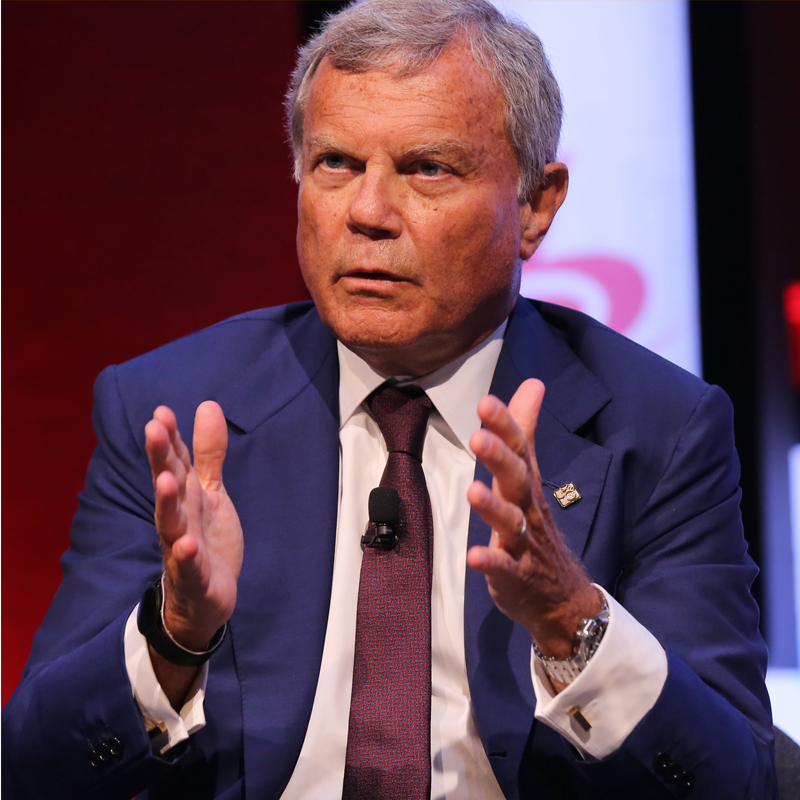
    Amsterdam: When you get a guy like Sir Martin Sorrell to keynote, you can expect to get some statements. That’s exactly what Sir Martin made at IBC 2016, the audiovisual equipment industry’s annual European get together at the RAI Exhibition Centre in Amsterdam, Netherlands.

    Sir Martin Sorrell waxed eloquent about Prime Minister Narendra Modi. Said he: “Modi has made an incredible difference. I don’t know what is with these guys whose second part of their name begins with the M initial. Modi. Argentina’s Macri. They all have done a..Merkel. May (Britain’s new prime minister) maybe.”

    He went on to state that India has supplanted Brazil for the WPP group. “India is very important. We have 50 per cent of the market. We are interested in India because of its population size, GDP growth and also the young population’s growth. Then, the intellectual firepower in India is really strong. If you look at India 25 years hence, and it is going to become even more important. And then there’s the Muslim population. The third biggest Muslim population, probably going to get even bigger.”

    Sorrell also praised the talent he has in India. “Our people are outstanding. People like Srini, Piyush, Ranjan, Tarun, they are absolutely outstanding people. If you could export them from India, or if we had the same quality of people around the world, I could retire,” he said.

    “I only own two per cent of the company; but I am identified with the company,” he responded to a question whether he would retire. “I will carry on as long they will let me. WPP is not a matter of life or death for me, it is more than that. They will carry me out to the glue factory.”

  • Why Sir Martin Sorrell is keen on India

    Why Sir Martin Sorrell is keen on India

    Amsterdam: When you get a guy like Sir Martin Sorrell to keynote, you can expect to get some statements. That’s exactly what Sir Martin made at IBC 2016, the audiovisual equipment industry’s annual European get together at the RAI Exhibition Centre in Amsterdam, Netherlands.

    Sir Martin Sorrell waxed eloquent about Prime Minister Narendra Modi. Said he: “Modi has made an incredible difference. I don’t know what is with these guys whose second part of their name begins with the M initial. Modi. Argentina’s Macri. They all have done a..Merkel. May (Britain’s new prime minister) maybe.”

    He went on to state that India has supplanted Brazil for the WPP group. “India is very important. We have 50 per cent of the market. We are interested in India because of its population size, GDP growth and also the young population’s growth. Then, the intellectual firepower in India is really strong. If you look at India 25 years hence, and it is going to become even more important. And then there’s the Muslim population. The third biggest Muslim population, probably going to get even bigger.”

    Sorrell also praised the talent he has in India. “Our people are outstanding. People like Srini, Piyush, Ranjan, Tarun, they are absolutely outstanding people. If you could export them from India, or if we had the same quality of people around the world, I could retire,” he said.

    “I only own two per cent of the company; but I am identified with the company,” he responded to a question whether he would retire. “I will carry on as long they will let me. WPP is not a matter of life or death for me, it is more than that. They will carry me out to the glue factory.”