Tag: Gaurav Banerjee

  • The biggest focus area for Hotstar is big scale-big idea-high concept series: Gaurav Banerjee

    The biggest focus area for Hotstar is big scale-big idea-high concept series: Gaurav Banerjee

    MUMBAI: Streamers in India are now bombarded with ‘original’ content on over-the-top (OTT) platforms. With so many shows, the only way to make a mark is by telling stories that matter and offering narratives in their comfort language. Hotstar gets both of it right. The late entrant in the game of originals does want to win the crown with ‘x’ number of shows but with quality stories. Hotstar is also ready to tap the regional market this year.

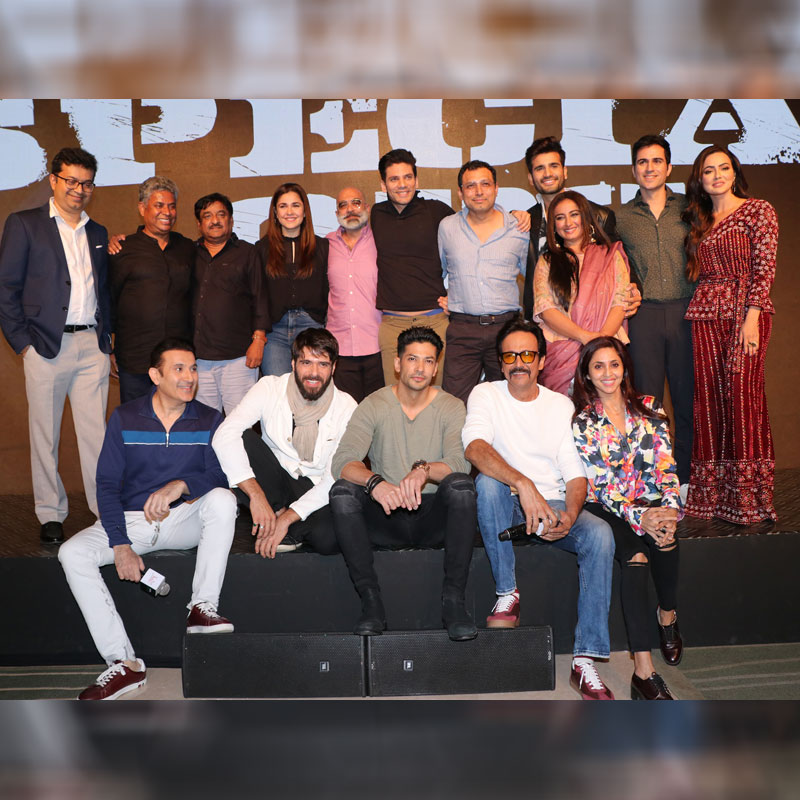
    It has launched its first masterstroke of the year, Special Ops. The eight-episode series marks the digital debut of filmmaker Neeraj Pandey. The seventh series under Hotstar Specials is not targetted at any particular audience segment but the makers hope everyone watches it, as Star India Hindi Entertainment head Gaurav Banerjee said.

    Banerjee noted the importance of the full-length trailer as it would draw more viewers if it receives a good response. Given Pandey's stature and calibre, the OTT platform is depending on those aspects to pull viewers this time.

    Banerjee said that they would leverage the reach of the Star network and Hotstar to make this widely known to fans and to let them know that something “exciting and interesting” is now available. He is also hopeful of IPL giving a further boost to its attraction.

    In a candid chat, Banerjee also spoke on Hotstar’s strategy going forward.

    Edited excerpts:

    Thriller seems to be a common genre in the OTT ecosystem. How is Special Ops different from other shows?

    We can’t know what other people are doing. Therefore, we have stuck to the simple task of believing in our showrunner, his story and the knowledge of his craft. We've been talking to Neeraj and developing the show for the last 18 months. We have to believe that the story that we are telling has relevance, so viewers should see it and want to watch it. And you must believe that the storyteller has a lot of conviction. They're really motivated and inspired to tell that story.

    How many shows do you have in the pipeline for the rest of the year? What are the new formats you are looking at?

    We have several shows in the pipeline. But we are not defining our success by quantity, only by quality. So we don't want to build a big library. We don't want to drop a show every week. What we really want to do is to have some shows which viewers deeply care about or that hugely excites them. I think for us, that is success. So we have a deep pipeline of ideas that excites us but we want those to be really extraordinary. We don't want to build this business on the strength of library or frequency of launches.

    How are you looking at digital original movies?

    We have done a couple. But the biggest focus area for us is big scale-big idea-high concept TV series. I think that's something that that in India is pretty new. We have been at it for the last 13 months. That's what we will truly stay committed to. We want to learn how to make those well, market them, write them differently and cast them properly.  

    What is your plan in the regional market? Will you come out with regional shows this year?

    We will this year. So I'm happy to confirm that Hindi will not be the only language in which we will be running productions. We want to run productions and make original content on Hotstar in other Indian languages as well. There are already two Tamil shows which we are in very advanced production right now.

    Are you only focusing on South Indian languages?

    Tamil is a huge market for us. In the Hotstar India Watch Report which we reported a while ago, we said that Big Boss Tamil was the most-watched piece of content. I think the Telugu market is important as well. We have big creative teams across many Indian languages.  We have a very strong presence in Bengal with Star Jalsha, great presence in Marathi with Star Pravah, we have the best Malayalam channel Asianet. So I think all those are very powerful content engines and people everywhere are looking for ideas and talking to us and hopefully, we will see a lot of that come through.

    What viewership trends have you noticed?

    I think viewers are looking for variety. And what has worked very well for us is that we have offered a wide range of content. I think people have liked that. The second thing is something that really connects, that people watch a lot. So, I think engagement is fabulous. They can watch a long complex drama when they find the content is engaging and they haven't seen earlier. 

  • Hotstar Specials launches ‘Special Ops’

    Hotstar Specials launches ‘Special Ops’

    MUMBAI: Hotstar Specials, along with Friday Storytellers, is set to launch the biggest spy action thriller of 2020, Special Ops. This fast-paced 8-episode series is based on the role of Indian intelligence in a series of real terror attacks that India faced over the last 19 years. Starting with the 2001 attack on Indian Parliament, the show goes back and forth in time covering several other events including 26/11, Kashmir terror attacks amongst others; and the chase for the single mastermind behind these attacks – making it the longest manhunt in Indian Intelligence for India’s deadliest enemy.

    The show has been written by Neeraj Pandey, Deepak Kingrani and Benazir Ali Fida; all of them have spent years carefully researching the ways of Indian intelligence. Every aspect of the show has been conceptualized and created to deliver a high-quality thrilling experience. Keeping with the scale, it has been shot across numerous international locales including Turkey, Azerbaijan, Jordan and India. 

    Special Ops features an ensemble cast including acclaimed actor Kay Kay Menon along with the powerhouse talents such as Karan Tacker, Saiyami Kher, Divya Dutta, Vinay Pathak, Muzammil Ibrahim, Meher Vij, Vipul Gupta, Sajjad Delafrooz, Parmeet Sethi, Gautami Kapoor, Sana Khaan, Sharad Kelkar, KP Mukherjee, and many others.

    Specials Ops is slated to release on 17 March 2020 in seven languages on Hotstar VIP.

    STAR India Hindi Entertainment head Gaurav Banerjee said: “Neeraj Pandey is one of the most distinguished filmmakers of our time and we are delighted to partner with him for his digital debut. Our goal with Special Ops is to create an action-packed spy series that’s at par with global standards when it comes to quality and scale; it takes forward the Hotstar Specials agenda of bold and varied story telling on a big scale.”

    Neeraj Pandey, who has created the show, added: “Special Ops is a story I thought of many years ago – it’s a big idea that required a lot of patience and research to pursue and develop. With newer and exciting formats of storytelling gaining prominence, we were able to build a fabulous team to create this larger-than-life story that strings together many real events from the past two decades. For the first time in the history of Indian entertainment, the 2001 Indian Parliament Attack has been recreated on celluloid. That’s just one of the many big moments from the show.”

    “A big idea requires the right scale and platform to bring it altogether. This is an exciting partnership for us and has many firsts – first digital series from Friday storytellers, Neeraj’s first on the digital platform and our association with the largest OTT Hotstar. The show has the right mix of scale, talent and pace to enthral and entertain the audiences,” said Shital Bhatia who has produced the show.

  • TV and video people who made an impact in 2019 – Part II

    TV and video people who made an impact in 2019 – Part II

    MUMBAI: Moving on to Part 2 installment of Indiantelevision.com’s TV and video people who stood out in 2019. The first part was put out on 2 January 2020, and highlighted executives in random order. We will be following a similar tack in the second installment too. We scoured developments through the year and the role the executive played in bringing those to fruition. Their actions should have been impactful on the company they work with, and on industry.

    We reiterate that best efforts have gone in preparing this list, and any misses are purely accidental, or out of ignorance; no malice is intended. The list is random – not in any order of importance.  Part 3 will follow soon. Read on:
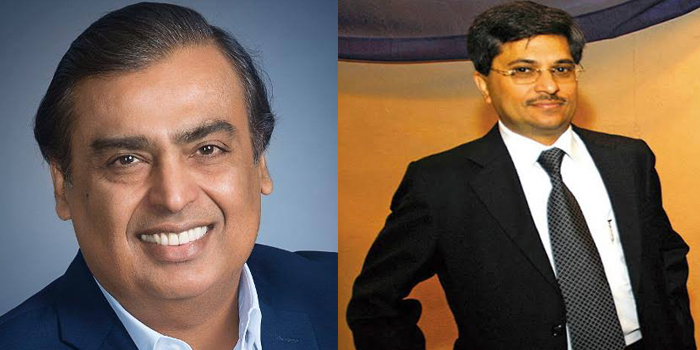
    Mukesh Ambani & Manoj Modi

    Ambani and his college friend, and no 2 in Reliance Industries, Manoj Modi, were the talk of the town during 2019. The year saw Ambani roll out fixed wired broadband services under Jio Fiber. Lower-than-expected data and broadband costs is something Ambani has got us used to, so they don’t surprise us any more.

    Ambani and Modi followed that dictum with Jio Fiber as well.

    The year also saw them and the distribution team getting tied up with the assimilation of Hathway and DEN – two multisystem operators Reliance acquired in 2018.

    Ambani continued to battle with Airtel and Vodafone with lower priced plans, and lured away subscribers from the two forcing them to bleed. Add to that the whammy hurled at them by the government regarding adjusted gross revenue (AGR) amounts payable which amounted to Rs 1.47 lakh crore for the sector. Both Vodafone-Idea and Airtel ran up humungous losses. Succor came towards the end of 2019, when all three agreed to raise data rates, something which is expected to benefit the three in terms of accruals.

    The year also was the one when the group vacillitated between retaining its ownership of  Network18 and TV18 and dumping it to interested parties like Sony Pictures Network India. The news was that the deal was close to closure in early December 2019, but into the new year and announcements are yet to be made.
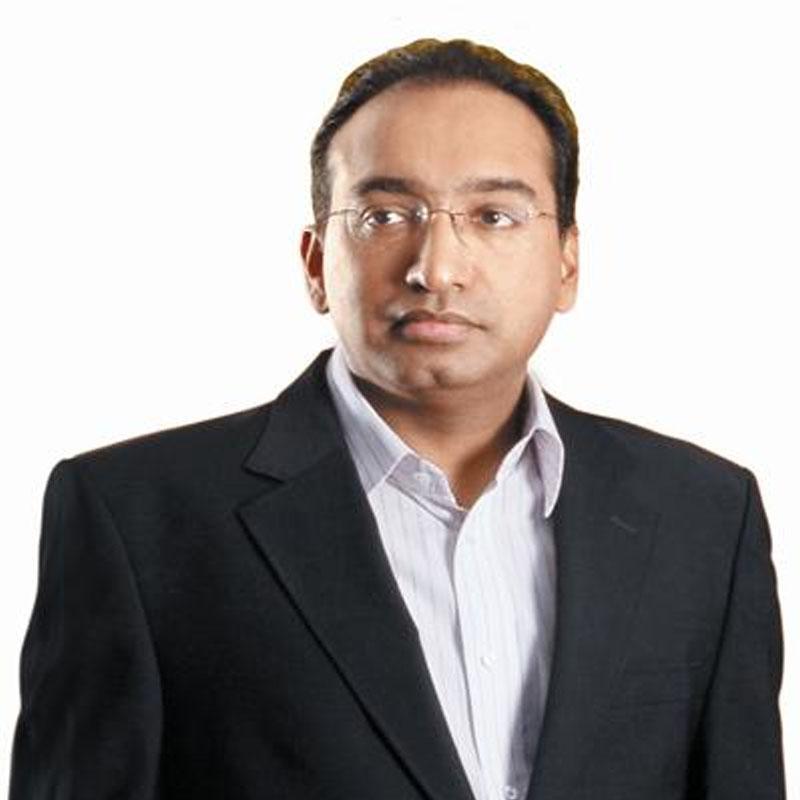
     

    Sameer Nair

    After redefining the TV industry in the first decade of this century, media veteran Sameer Nair has now taken on the bet of premium web content. The man who has seen the earliest phase of Indian TV industry now has been leading the resurrection of Kumar Mangalam Birla’s content studio Applause Entertainment.

    Taking advantage of the Indian OTT explosion, Applause Entertainment delivered originals in 2019 to Hotstar, MX Player, SonyLIV, Amazon Prime Video and is in talks with other players as well for new projects.

    Rather than building Applause as a production house, Nair has built it as a studio that is investing in content and working with the best talent – whether it is directors or producers or on screen talent.

    Under his leadership, Applause Entertainment has already put out shows like Criminal Justice, Hostages, and  Hello Mini. More are being gestated and developed, and 2020 is likely to see some more of its offerings being rolled out with a greater impetus being put on content by the international and local streamers.
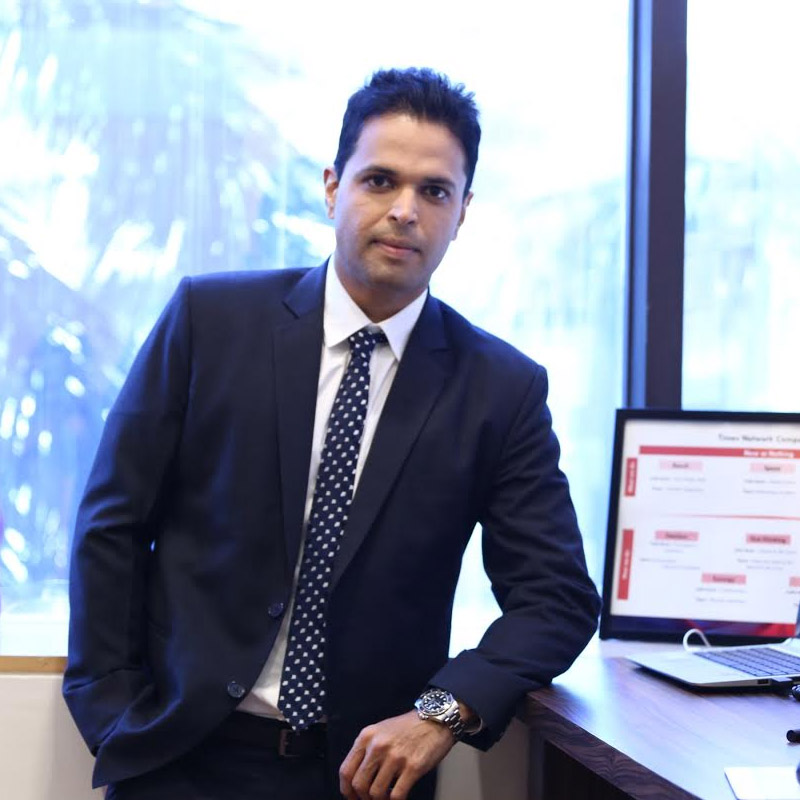
     

    Nikhil Gandhi

    Nikhil Gandhi was just your ordinary fast rising young TV executive with lots of enthusiasm and energy for his job at the Times Network, as head of its entertainment news channel Zoom and its production arm Zoom studio. But he was catapulted into the limelight towards late 2019, with his appointment as the Indian head of TikTok, a short form video user generated content app, which is the fastest growing amongst all in the Indian firmament.

    TikTok is blazing a trail and the youth cannot get enough of it. In fact, a new star has emerged on the digital horizon – that of the TikTok influencer who competes with traditional celebrities, courtesy this Chinese app, which is part of ByteDance.

    Mid-2019, its turkey, however, looked to be cooked with the government banning it from the digital stores in India, following the Madras high court saying it encouraged pornography and digital content. However, the court reversed its decision soon thereafter, and the app’s downloads continued to grow in a flood.

    Gandhi is now in the hotseat at TikTok at a time when the world is grappling with monetising digital video- whether professionally generated or user generated better. At his disposal, he will have his experience as a man manager, a distribution executive, and later as a content creator. Combining that the with the digital insights from Chinese leadership at ByteDance, he could well take it on a higher trajectory in 2020.
     

    Vijay Subramaniam

    The once advertising sales exec today holds probably the most important position in content in India – that of the originals head of Amazon’s Prime Video offering. For the large part, he has kept out of the limelight. It’s to his credit that his international originals boss Jame Farrell has let him lead all the creative initiatives and take creative decisions in India.

    And with reason: the soft-spoken bespectacled executive has done a stellar job so far. The digital shows he has commissioned are some of the better written, developed, and produced in India – Inside Edge Part 1 and II, Mirzapur, Four More Shots Please, Comicstaan, and Family Man. All of these received critical acclaim apart from generating oodles of buzz.

    That – apart from the fact that a Prime membership promises overnight delivery – have helped accelerate subscriptions to the service. 2020 will bring its challenges for Subramaniam and his team. Netflix is aggressively investing in content, as are the other players like Zee5, Hotstar and Voot. The demand for good creators, writers is growing and there’s only a limited number who understand development for the digital space.
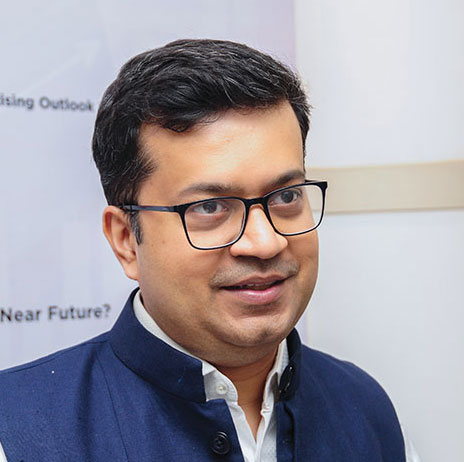


    Gaurav Banerjee

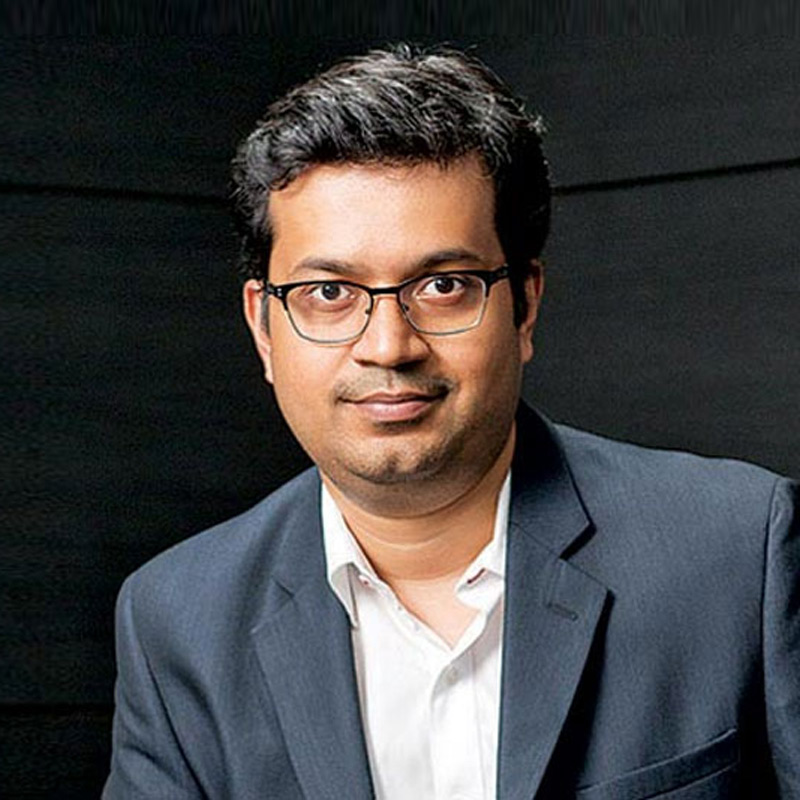
    Star India Hindi entertainment president and head Gaurav Banerjee – GB as he is known – has a long association with the organisation and ecosystem. A former TV news journalist and producer, he has, laong with his boss Uday Shankar, churned out TV shows for Star Plus and Star Bharat which have constantly ranked tops on the BARC ratings. In a world of digital intermediation, Star’s channels and TV shows  – some which have been running for thousands of episodes – continue to make waves with audiences.

    GB’s creative and content expertise will be put to the test in the coming year as he has to sign up creators, and create cutting edge content for Hotstar Specials at lower budgets than that of the international streamers. So far what he has unveiled has generated some buzz amongst audiences and the creative community.

    GB strongly believes in the power of storytelling, the flexibility of creators on OTT platforms. His focus on a variety of content can be seen in Hotstar’s content bank –  a sports documentary, a big edgy legal drama, thriller, comedy , and a female-centric drama. Banerjee is equally contributing to new age video content as he did to traditional TV.


    Tarun Katial

    Tarun Katial has had a career full of smash hits and his latest long-running date with the Zee group’s OTT platform Zee5 is no exception. Over the past two years, Katial has taken the platform to the top level in both the AVoD and SVoD segments. He has restructured the team and rebuilt business strategy with his boss Amit Goenka’s assent. His 3V strategy – vernacular, video and voice – has proved to be highly successful.

    From striking deals with telecom players, a unique content deal with ALTBalaji, to engaging with top talents across the regions, bringing new tools for advertisers and consumers – Katial and his team have been proactive in reaching the audacious mission of 15 million daily active users (DAU). With its unique but massy content, ZEE5 can be a real threat to Hotstar.  
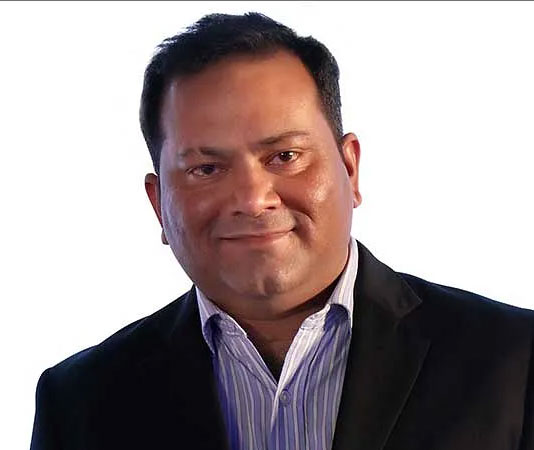


    Danish Khan  

    Sony Pictures Networks India’s Sony Entertainment Television business head Danish Khan is a typical backroom TV executive, who shies away from publicity, preferring to let his work do the talking. He has over the past couple of years kept a sharp eye on profitability at the channel he heads, keeping away flamboyant spending. Sticking to the knitting of delivering good non-fiction shows  – like The Kapil Sharma Show, KBC – which attract audiences in drove, he has helped SET stay at the top of the entertainment channel pie. Not that he has not experimented with fiction, just that it has not been as successful as his non-fiction initiatives.  

    His good efforts were rewarded during the year; he was handed the additional  mandate of turbocharging its digital streaming initiative SonyLiv. A relative slow mover in the streaming sweepstakes, SonyLiv has a lot of catching up to do. And Danish – a lot of learning. But he has shown that he is up to the task, given the fact that he led marketing at the entertainment channel once and today he heads it.  

    To help him in his SonyLiv responsibility, Danish has roped in the A-Team that works with him at SET, Ashish Golwalkar and Aman Srivastava.

    Under his leadership the streamer is all set to increase its focus on subscription and original content while its business has largely been driven by advertising revenues and catalogue offerings till now.  
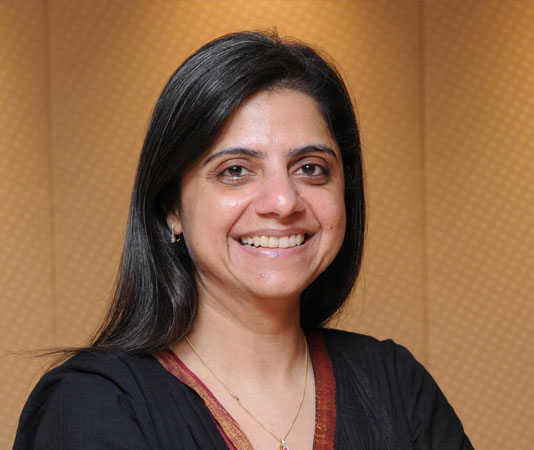
    Nina Elavia Jaipuria

    From heading marketing at Sony to heading Kids TV and Hindi mass entertainment at Viacom18, Nina Elavia Jaipuria has had an interesting journey.

    In September 2018, she was entrusted with the additional responsibility of leading Viacom18’s Hindi mass entertainment channels, bringing Colors, Rishtey and Rishtey Cineplex under her purview.

    Today, as head – Hindi and kids TV network, Jaipuria now leads two of the company’s foremost broadcast ventures. Under her leadership, in 2019, Hindi entertainment channels launched many fiction and non-fiction shows helping Colors stay on top, amongst the top three or four in the category throughout the year. The show Bigg Boss continued to make waves digitally in 2019, probably being one of the most talked about shows of the year.

    In 2020, Jaipuria will continue to take the brands to the next level with bold, disruptive and empowering stories for respective channels.  
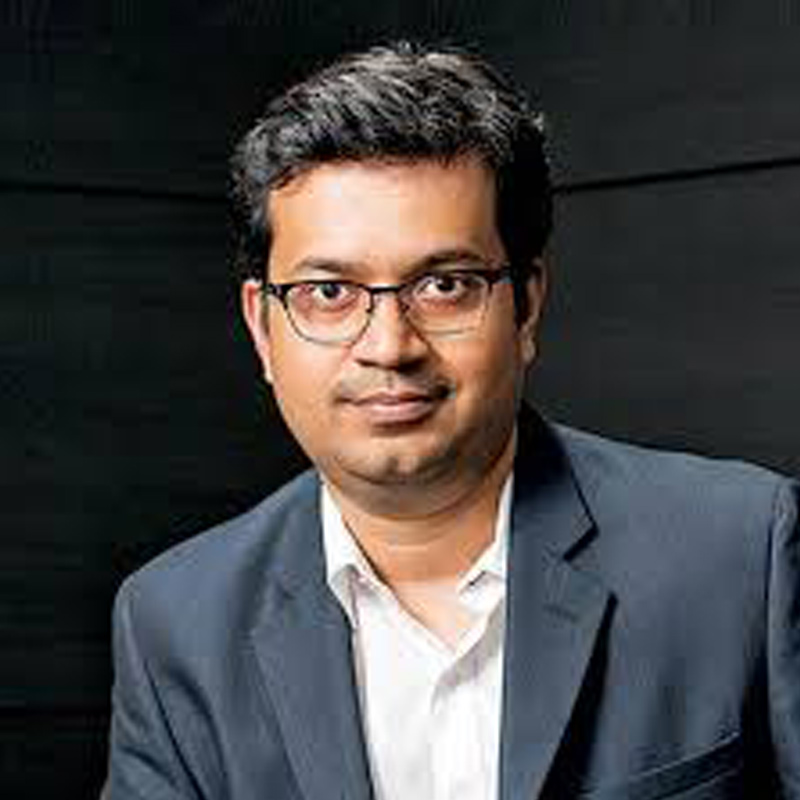
  • Star India’s Gaurav Banerjee on Hotstar’s content diversity, SVOD uptake & nurturing talent

    Star India’s Gaurav Banerjee on Hotstar’s content diversity, SVOD uptake & nurturing talent

    Hotstar has consistently outperformed some of the global over the top (OTT) platforms in India with the help of a mix of TV show content, sports and the recently-added originals. After Criminal Justice, the next original to launch under the Hotstar umbrella will be Out of Love. Launching 22 November, the series is based on BBC’s award-winning series Doctor Foster.

    Star India Hindi entertainment president and head Gaurav Banerjee attributes the platform’s success to its content mix. Compared to traditional TV, the digital space provides flexibility to creators to play with content narratives, style and direction.

    On the sidelines of the Out of Love launch, Banerjee spoke about Hotstar’s upcoming content strategy, feedback to Hotstar Specials, viewership ratio, online content regulation along with other topics in a freewheeling chat with Indiantelevision.com.Edited excerpts:

    Hotstar Specials entered the market at the beginning of this year when one of the main goals was to turn AVOD consumers into SVOD base. How has been the initial response? How has it helped to increase the SVOD base till now?

    It has been an incredibly good journey. We are very excited about the response we got. People have liked the shows. Our attempt at creating different types of content has been noticed. Sports documentary, a big edgy legal kind of drama, thriller, comedy and now a female-centered drama – we have it all. We have been overwhelmed by some of the responses we got from viewers and critics for shows like Criminal Justice. Obviously, we are doing this to power up Hotstar VIP and that strategy is playing out well.

    This is just a start. Everything takes time, consistency, effort and a series of quality content. For all digital content in our country, this is day zero. We have a lot to learn.

    What does your inside data say about viewership demography?

    Hotstar as a platform skews twoard the younger Indians. We have a great opportunity with all these types of content which are edgier and varied. The second opportunity from the creative point of view is very interesting; we can play with season length and episode length. In television, over a period of time, the format gets settled. Whereas here it can be led by the kind of stories we have such as the right point to finish a particular episode. This allows for a lot of flexibility for creative people.

    You have worked with renowned production houses or studios for Hotstar Specials. Are you considering giving a chance to young producers like you did for television business? 

    Yes we do and thank you for noticing that about Star India and that's something we are deeply proud of that we are that platform where new voices can come in and tell big stories. But we are just starting out. This is like a startup and there is a lot of content with new filmmaking, stories and talent. Hopefully, there will be a lot to talk about in the coming weeks and months.

    Now many of the platforms are launching a number of originals to build a loyal subscriber base. When do you see SVOD monetisation actually turning easier?

    Brands, including Hotstar VIP, are already attempting this. This will happen as the per capita and GDP grows and people will want to be discerning about the choices they want to make. They would want to watch higher quality and they will be willing to pay for it.

    Cinema prices have gone up but viewers are willing to pay. As a content creator platform, we have to create the experience that people really like, whether it is the technology experience, marketing, talent or stories. All of that has to combine to create something which you say that you like and makes you agree to pay more for it.

    Do you see a model emerging in the future where viewers can go for a bundled model in OTT like cable TV?

    It’s hard to tell. But I think that having an incredible content asset should be any company’s priority. Even with so many OTT platforms, viewers have a lot more choices today. So, people can decide where they want to spend. Essentially everyone is competing for time.

    What is your content strategy for 2020?

    Our first goal is variety. We want different stories and keep expanding them. This year we did a sports documentary, thriller and a social drama. A lot of OTT drama has been male-oriented. Out of Love is breaking that. It’s female-centric, emotional and about marriage. We want to keep experimenting and attract the best talent in the country. We want to work with the best actors, directors, showrunners all the time and we will do everything we can to create the right culture and figure the right scale of ambition so that Hotstar will be their target destination to work.

    Lately, online content regulation has been the talk of the town. What is your take on this?

    My team and I, across TV and digital, believe that we don’t want to do anything irresponsible. We won’t do edgy content just for the sake for it. That’s an ethical choice we all need to make. We need to figure out a method so that people don’t think of this as a chaotic classroom where there are just unruly kids and they need a class monitor or a strict supervisor. That’s the maturity needed from the creative community, platforms and the entire ecosystem and I feel if we do that we are all going to be fine.

  • Govt aiming to reduce ‘copyright process’ time, Star favours reforms to leverage animation & game tech

    MUMBAI: The Indian Government’s priority is to streamline the copyright process and decrease the turnaround time for applications on IPR to less than three months. 

    Star India content studio president Gaurav Banerjee, participating in a discussion, emphasised the need for big-ticket reforms and sustained pace of policy change and control to leverage technological advancements in gaming, animation, design and other creative services.

    Reiterating the need for a well-regulated copyright regime in India, the controller-general of patents, designs and trademark O.P. Gupta said, “DIPP recently assumed the responsibility of (enforcing / implementing)  the Copyright Law.  At present, it takes about 16 to 18 months to close an application or assess discrepancies. We aim at decreasing this pipeline to less than three months.” 

    Gupta was speaking at ‘Copyright and the Creative Economy’ — an interactive session in Mumbai organised by the Federation of Indian Chambers of Commerce and Industries (FICCI), in association with Department of Industrial Policy and Promotion (DIPP).”

    The discussions focused on emerging trends and concerns relating to copyright, the capacity of the Indian creative sector to fuel the economic growth along with the role of regulator in rebuilding India’s creative strengths.

    “While the law is in the right direction,” Gupta said, “it is the mindset of the people that needs to evolve. To address this issue the DIPP is proactively taking steps to create awareness. To amicably change mindsets, we are rolling out programmes with school and college children.”

    The size of the Indian creative economy is expected to reach USD 34.8 billion by 2021 (FICCI EY Report – Digital Inflexion Point: Indian Media and Entertainment, 2017). India’s media and entertainment (M&E) industry is set to expand at a faster pace of 10.55 per cent CAGR, outshining the global average of 4.2 per cent CAGR, according to consulting firm PwC. In its annual sector forecast for 2017-2021, PwC said the Indian M&E sector will touch $45.1 billion by 2021, up from $27.3 billion at the end of 2016. 

    This potential can however, can only be tapped if backed by a conducive regulatory framework which incentivises creativity.

    In 2016, the National IPR Policy brought the administration of copyright under the Department of Industrial Policy and Promotion, and highlighted the intrinsic linkages between commercialization, consumer choice and creativity. Most recently, the Copyright Act was amended by the Finance Act, 2017 to subsume the Copyright Board within the Intellectual Property Appellate Board (IPAB), that also oversees aspects of trademark and patents.

    Banerjee emphasised on the need for building a case for authorship. He said, “A platform like ours has the reach of over 700 million users, and the degree of engagement is for over three hours a day. However, what are we making of this opportunity? Rather than treating television and films as fleeting fancies of youngsters, we must create a stable and lucrative model that will enable ‘power of ideas’ and commercial success that is rewarding and sustainable.”  

    FICCI deputy secretary-general Arun Chawla emphasised the need to strike a balance between the access to creative knowledge and entertainment along with rewards for copyright-holders. This need is recognised as a global challenge which has shaken the business models of pre-digital creative industries.

    The Copyright issue poses different degrees of challenges for various sectors with Media and Entertainment (M&E). The industry which is recession proof, and enables over 7.5 million jobs directly and indirectly, is often seen from the narrow lenses of protection against piracy.

    Necessitating an ecosystem approach towards the creative economy’s growth and regulation, wherein the distinctions between content and carriage are delineated and the intrinsic and positive relationship between them is understood by industry and government alike, is still debatable.

    The internet has also emerged as a new area for the enforcement of copyright. Responses to digital piracy like rights information management and encryption have in turn raised several concerns with regards to privacy, cybersecurity and the freedom of speech and expression.

    Also Read:

    Copyright owners call for competitive pricing over TRAI regulation 

    Kahaani 2 producer free to choose digital distributor, says CCI, K Sera Sera offers ‘no comment’

    Copyright case: Sun TV restrained from using Sony music recording

  • FICCI Frames 2017: Birth of other mediums cannot kill traditional TV

    MUMBAI: The fast changing scenario and the content ecosystem have gone through a significant change over the years and are keeping all the production houses and the broadcasters on their toes.

    The ‘Grammar of the new TV content’ on the second day of FICCI FRAMES 2017 was discussed as experts from the industry sharing vital pointers in regards to the future of the television content and how this is expected to evolve with many changes coming its way, on a regular basis.

    Moderated by Star India president and content studio head Gaurav Banerjee, the session saw Balaji Telefilms creative director and joint managing director Ekta Kapoor, Keshet International Asia head Gary Pundey, Trailer Park senior producer Robin Humbert, BBC Worldwide Asia Content VP Ryan Shiotani, Discovery Networks International South Asia head and GM Karan Bajaj, and GoNews founder and editor-in-chief Pankaj Pachauri expressing their views..

    Answering a question on TV content, Shiotani said: “As a business we focus on high quality content across the genres. We focus primarily on three areas, one is the distribution of the content around the world, running of branded BBC channels and the third thing is the production around the world. For us, it is very clear to focus on high quality storytelling and production value. The emotional connection with the audiences is something we will continue to do in India and other markets around the world.”

    Sharing her experience, the czarina of the Indian TV ecosystem Ekta Kapoor said: “Television is India’s biggest, most prominent and aggressive medium of entertainment. Women’s Day was celebrated by television. But technology cannot marginalize such a large medium and such a large voice. It challenges, actually give birth to fresher and more interesting content.”

    Bajaj added: “In countries like the US, the UK and all developed broadcast markets, the smart TV penetration has shot through the roof. From 10 to 12 per cent smart TV penetration has reached 50 to 60 per cent in the last six months.”

    Voicing a different viewpoint, Pachauri said: “We are talking about essentially television and digital. We have not touched yet how to change the grammar of the content. India and Bharat are going to come together because of digitization. As far as digital content and its grammar is concerned, we have to change are attitude towards television and no one is trying to change that. We started India’s first digital news television on phone because there are more phones in India then television. Within five years, TV as as we know it would just die. We need new grammar for this new television.”

    Taking the cue, Banerjee claimed that radio was supposed to die in the 1950s, the film industry was over in the 70s, and Doordarshan was expected to be over in the 80s. “We keep foretelling these deaths but the reality is, it is not going to happen. Even in America where a lot of these changes have happened, TV is still incredibly big. The big advantage television has is its reach. Even people watching on digital will watch on television as well.”

    But Pachauri said in India, from 2011 to 2016, the total reach of news television has gone down by 15 per cent according to Nielsen data. “I am not saying that the news will die, or serials or TV will die. There is a new player in the market and we have all to align with that,” he added.

    Talking about the content Balaji produced, Kapoor said: “A lot of questions are raised by India and answered by Bharat. Unfortunately we have to be aware of the problems. If there wouldn’t be any identification to these stories, they won’t be told.”

    She said, “There are three mediums which actually cater to the same people in three different ways. We all have the family phase, the outside world phase, and the individual phase (‘us’ phase). TV is the family phase where the whole family watches the same content. Film is the communal viewing, a screen with 300 people viewing, and digital is content that you want to consume alone. Clearly, for me it is the stories that matter and I cannot say this through other two mediums.”

    Bajaj added: “Discovery is going through intense localization drive, and in the last ten years we have produced 5 to 10 hours of local content, and this year in September we will be moving to 300 hours local content. The learning for us is also this- that it is not the numbers of local hours but that the storytelling in India is different. We are used to very larger than life and entertaining stories so for 200 to 300 hours of local content, we have to shift from the documentary maker to the storytellers and its an interesting journey for us.”

  • Star Plus gambles with afternoon programming in the run-up to IPL

    MUMBAI: Star Plus is not only known for experimenting and being bold with its content but also with its time slots. It was the first Indian GEC which turned the prime time clock back by launching Sasural Genda Phool and Saath Nibhana Saathiya in the 7pm band more than half a decade ago.

    Now it’s about to make its boldest – some are labeling it precocious – move yet by announcing the launch of four shows from 12:30 pm to 2:30 pm from 3 April in the thick of the IPL season. For long, GECs have been loathe to air shows in the afternoon band as advertising revenues have not matched up with the investments that shows demand these days. Even for afternoon shows.

    The Star Plus team has also given it a name: Star Plus Dopahar.

    “Our earlier early prime experiment did well, and we have the belief and faith that even Star Plus Dopahar will work well with our audience who are hungry for new and differentiated content,” says Star Plus president and head of content Gaurav Banerjee.  

    “Star Plus is brave enough to get  new stories on the channel. At times, we face failure but that failure becomes the reason of our success.”

    Adds Star Plus GM Narayan Sundararaman: “We, at Star Plus, are constantly striving to reframe and reinvent Hindi entertainment television. Our goal is to make compelling content available to the consumers across all parts of the day. There is a sizeable television viewing audience in the afternoon. At present,  the options available to these viewers are repeat telecasts. Our aim is to present viewers with a spectrum of original content therein growing the entire category.”

    And, Star has got a mixed bag of producers – who have delivered TRP busters –  to churn out the shows. Among them: Shashi and Sumeet Mittal, Sandip Sickand and Balaji Telefilms, Ved Raj, Dheeraj Sarna, Nandita Mehra and Bhairavai Raichura.

    The channel’s flagship brand ‘Diya Aur Baati Hum’ by Shashi-Sumeet Productions will return with a sequel — that the channel’s fans have been demanding – under the name of ‘Tu Sooraj Mein Saanjh, Piyaji’.  The sequel marks the homecoming of the Bhabho with the next generation of the Rathi family – Sooraj and Sandhya’s children.  Fresh characters, returning favorites, the biggest fandom in the country, an iconic love story – Star Plus believes it doesn’t get bigger than this for viewers.

    A Turkish show that has been winning the hearts of viewers worldwide with its emotions transcending geographies, ‘Fatmagul’ will be adapted in India titled ‘Kya Kasoor Hai Amla Ka?’ The story tackles complex emotions and a sensitive subject of violation of the innocence of a woman. Set in scenic Dharamshala, it is being remade with Indian sensibilities by Purnendu Shekhar, Nandita Mehra and Bhairavi Raichura (24 Frames).     

    ‘Ek Aastha Aisi Bhee’ by Ved Raj and Dheeraj Sarna is a story of god’s special child, a girl who brings a fresh and unique perspective on faith. She believes that, in serving humanity, she is serving god.

    A girl in her quest for love, Deepika chooses to weigh herself with the scale of confidence while her partner Piyush chooses to weigh himself down with the insecurities of his imperfection in ‘Dhhai Kilo Prem’. From the creative mind of Sandiip Sikcand and produced by him in collaboration with Balaji TeleFilms, this love story will measure love with a different scale, says a company press release.

    The move appears to be getting the nod from media observers. Says one of them: “It is an interesting initiative. The 56 IPL matches begin from 5 April and go on till 21 May when the final will be played. Most of the league and qualifiers matches are either at 8 pm or 4 pm. So Indian audiences are going to gravitate to their telecast. In single TV homes which have cricket fanatics in them, the women and ladies normally forego their entertainment shows on account of the preoccupation with the cricket on TV during prime time.”

    He adds: “Star Plus’ new gambit will give the women in the home (home makers) a shot at entertainment during the afternoon. Now we will have to wait and watch whether their stories are sticky enough. If the TV shows catch on, not only will the noon slots become appealing to audiences but they will also get well-heeled advertisers to pay heed to the opportunity. It is living up to the motto that Star India CEO Uday Shankar has been pushing  — that of new thinking (Nayi Soch).”

    Hence, as the cliché goes, it is over to the king viewer at home. Or should we say queen viewer to resonate with this thinking?

    Also Read:

    Star Plus brings ‘Nayi Soch’ with Aamir for Women’s day

    Star Plus takes over Colors, Rishtey retains top position: BARC wk 7

    Star Plus salutes Moms through Dhoni, Kohli and Ajinkya in promos

  • Star Plus Dopahar launched with original, diverse and differentiated content

    MUMBAI: Star Plus has announced Star Plus Dopahar, an afternoon time-band (12:30 to 3 pm) on television, with a spectrum of original, diverse and differentiated content.

    In a category with fierce competition, Star Plus, as the leader, has always anchored change by redefining the rules of the game. The commitment of the brand to continuously reinvent by bringing cutting-edge, differentiated content keeping the viewer as the core focus, has ensured it is always at its numero uno position.

    The channel is set to disrupt the grammar of the category yet again with the launch of a fresh viewership slot pioneering fresh, gripping, original content in afternoons with four shows in Star Plus Dopahar.

    Star Plus GM Narayan Sundararaman said, “We, at Star Plus, are constantly striving to reframe and reinvent Hindi entertainment television. Our goal is to make compelling content available to the consumers across all parts of the day. There is a sizeable television viewing audience in the afternoon. At present, the options available to these viewers are repeat telecasts. Our aim is to present viewers with a spectrum of original content therein growing the entire category. The insight that has fuelled the proposition is a simple one: Afternoon is the only time of the day when the women of the house have a few moments to themselves. Today’s women value her ‘me time’ and Star Plus is committed to engage her with original stories, specially created for her.”

    The myriad bouquet of content for this afternoon slot has the best storytellers in the country coming together — Shashi and Sumeet Mittal, Sandip Sickand and Balaji Telefilms, Ved Raj, Dheeraj Sarna, Nandita Mehra and Bhairavai Raichura.

    Star Plus president and head of content Gaurav Banerjee, “We believe it is compelling stories which will draw viewers to the shows in the afternoon. We have seen this with several breakaway hits in the past where we had observed viewership habits by offering cutting-edge and differentiated content. Our endeavour is to provide shows with varied storylines and different backgrounds that strike a chord with the viewers which they can relate to — emotionally, so that they connect with the characters, thus truly becoming companions in ‘dopahar’.

  • TV is story-teller’s new novel; audience is Bharat, not India: Star’s Banerjee

    TV is story-teller’s new novel; audience is Bharat, not India: Star’s Banerjee

    MUMBAI: Since five to six years, television has become the talking point. Th series such as ‘Breaking Bad’ to Transparent to Narcos to ‘Game of Thrones’ to 24, and now POW (Prisoners of Wars) has changed the experience of television viewing.

    Filmmakers nationally and internationally are now getting into television. Abhinay Deo who has done 24, Anurag Kashyap (Yudh), Anurag Basu( Rabindranath Series) and Nikkhil Adavni (POW) are getting into multi-series television shows.

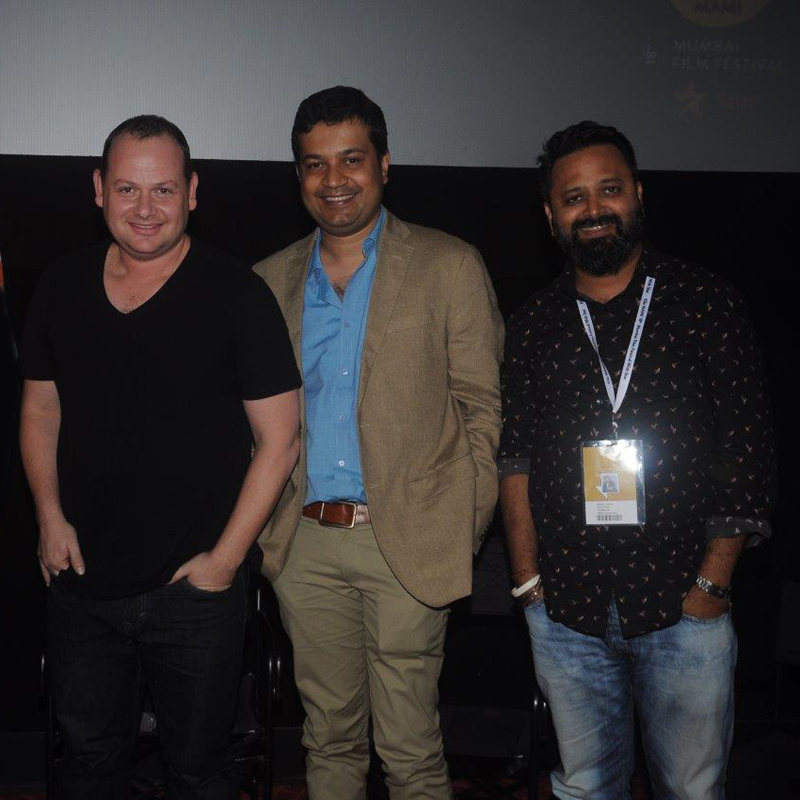
    In a panel discussion on ‘Evolution of Storytelling on Television’ at ‘JIO Mami Mumbai Film Festival with Star’, the question of the hour was — Why all of a sudden television has become more important? The scale and scope for a nuanced story-telling on television, higher reach and inclusive nature of television vis-à-vis films, how TV entertains not just India but Bharat. How television impacts the lives of viewers directly and stimulates change in individuals and society at large?

    And, who could better address this question than those who dabbled in the television space, the likes of — the Israeli writer and director Gideon Raff, the American filmmaker Cary Fukunaga, the Star India content studio head Gaurav Banerjee and the Indian filmmaker and director Nikkhil Advani.

    The session was moderated by Y-Films content and development head Nikhil Taneja. Taneja raised a question to the panellists: Why television has become more important all of a sudden?

    “I don’t know what’s happening worldwide but, in the United States, there has been probably a dearth of mid-range budget dramatic stories which are niche, and I think people were attracted to such stories, and there is an opportunity to tell such stories on television,” says Fukunaga.

    Raff adds, “There is a lack of scope for adult stories told in cinema nowadays. It’s harder and harder to tell stories in our way in cinema, and so, I think, a lot of such stories came to television.”

    While Banerjee believes that television is the new novel, and therefore a lot of stories which need to be told in a scheduled timeframe where graphs need to be longer is only possible on television. Also, television remains the medium for writers, and creative directors. “Television audience is larger, and they give more and more opportunity to get our crafts right whereas, I think, in film business, it is more of a first day, a first look (game), and therefore it has gone into the marketer’s domain,” opined Banerjee.

    public://Amrita-Puri-Nikkhil-Advani-Sandhya-Mridul_0.jpg
    Amrita Puri, Nikkhil Advani and Sandhya Mridul

    Advani, who recently forayed into television production with the Indian adaptation of ‘Prisoners of War’, recalls, “I approached it with a lot of skepticism when Star approached me. I did ‘D-Day’ and it was difficult film for me, and after the launch, everybody was saying that why don’t you make the D-Day part 2? So, a leading channel in Hindi GEC space wanted to do something similar, and they came to me with Hatufim. If you were on such a story with an amazing team, then why we shouldn’t come to television?”

    Before Ekta Kapoor came to television, the Indian women did not hold the remote control of a television set, which were controlled by men. After Ekta’s serial came in with women as the protagonist, the remote travelled to women. Somewhere, it empowered women in India. “How does television impact the lives of viewers directly and stimulates change in individuals and society at large?,” asked Taneja.

    Banerjee said that a study on television in India was done by two professors from University of Chicago in which they surveyed rural India, and researched the early time of satellite television. At that point in time, Ekta Kapoor was making around 47 of the top 50 shows. “There were women who were taking charge for the first time of their destiny,” he said.

    “For a large part of our county, we are talking to Bharat, and not to India. In Bharat, the experience in television viewing is new. There, a storyteller such as Ekta or shows such as ‘Diya Aur Baati Hum’ is changing destinies. A lot of comment has been made on ‘Naagin’ and ‘Bharamraskhas’. “I have nothing to do with these shows as they are not on my network, but nobody’s sleep has been affected more than mine with the normal success of these shows. If you want to tell a fantasy story around a snake, there is no problem with that. In the west, they have Twilight and you too have the ‘Game of Thrones’. Yes, I do have a problem with a lot of regressive content but that doesn’t happen on TV screen alone; that happens in news channels and in a lot of movies made in India,” opined Banerjee.

    You work with your story the way you want, your actors are not determined with what Friday Box Office is going to be like. For long formats on television, one can explore characters and graphs, but it’s not that the films are not fun. Its important to tell a story, and films and television are the media for reaching out to the masses.


  • TV is story-teller’s new novel; audience is Bharat, not India: Star’s Banerjee

    TV is story-teller’s new novel; audience is Bharat, not India: Star’s Banerjee

    MUMBAI: Since five to six years, television has become the talking point. Th series such as ‘Breaking Bad’ to Transparent to Narcos to ‘Game of Thrones’ to 24, and now POW (Prisoners of Wars) has changed the experience of television viewing.

    Filmmakers nationally and internationally are now getting into television. Abhinay Deo who has done 24, Anurag Kashyap (Yudh), Anurag Basu( Rabindranath Series) and Nikkhil Adavni (POW) are getting into multi-series television shows.

    In a panel discussion on ‘Evolution of Storytelling on Television’ at ‘JIO Mami Mumbai Film Festival with Star’, the question of the hour was — Why all of a sudden television has become more important? The scale and scope for a nuanced story-telling on television, higher reach and inclusive nature of television vis-à-vis films, how TV entertains not just India but Bharat. How television impacts the lives of viewers directly and stimulates change in individuals and society at large?

    And, who could better address this question than those who dabbled in the television space, the likes of — the Israeli writer and director Gideon Raff, the American filmmaker Cary Fukunaga, the Star India content studio head Gaurav Banerjee and the Indian filmmaker and director Nikkhil Advani.

    The session was moderated by Y-Films content and development head Nikhil Taneja. Taneja raised a question to the panellists: Why television has become more important all of a sudden?

    “I don’t know what’s happening worldwide but, in the United States, there has been probably a dearth of mid-range budget dramatic stories which are niche, and I think people were attracted to such stories, and there is an opportunity to tell such stories on television,” says Fukunaga.

    Raff adds, “There is a lack of scope for adult stories told in cinema nowadays. It’s harder and harder to tell stories in our way in cinema, and so, I think, a lot of such stories came to television.”

    While Banerjee believes that television is the new novel, and therefore a lot of stories which need to be told in a scheduled timeframe where graphs need to be longer is only possible on television. Also, television remains the medium for writers, and creative directors. “Television audience is larger, and they give more and more opportunity to get our crafts right whereas, I think, in film business, it is more of a first day, a first look (game), and therefore it has gone into the marketer’s domain,” opined Banerjee.

    public://Amrita-Puri-Nikkhil-Advani-Sandhya-Mridul_0.jpg
    Amrita Puri, Nikkhil Advani and Sandhya Mridul

    Advani, who recently forayed into television production with the Indian adaptation of ‘Prisoners of War’, recalls, “I approached it with a lot of skepticism when Star approached me. I did ‘D-Day’ and it was difficult film for me, and after the launch, everybody was saying that why don’t you make the D-Day part 2? So, a leading channel in Hindi GEC space wanted to do something similar, and they came to me with Hatufim. If you were on such a story with an amazing team, then why we shouldn’t come to television?”

    Before Ekta Kapoor came to television, the Indian women did not hold the remote control of a television set, which were controlled by men. After Ekta’s serial came in with women as the protagonist, the remote travelled to women. Somewhere, it empowered women in India. “How does television impact the lives of viewers directly and stimulates change in individuals and society at large?,” asked Taneja.

    Banerjee said that a study on television in India was done by two professors from University of Chicago in which they surveyed rural India, and researched the early time of satellite television. At that point in time, Ekta Kapoor was making around 47 of the top 50 shows. “There were women who were taking charge for the first time of their destiny,” he said.

    “For a large part of our county, we are talking to Bharat, and not to India. In Bharat, the experience in television viewing is new. There, a storyteller such as Ekta or shows such as ‘Diya Aur Baati Hum’ is changing destinies. A lot of comment has been made on ‘Naagin’ and ‘Bharamraskhas’. “I have nothing to do with these shows as they are not on my network, but nobody’s sleep has been affected more than mine with the normal success of these shows. If you want to tell a fantasy story around a snake, there is no problem with that. In the west, they have Twilight and you too have the ‘Game of Thrones’. Yes, I do have a problem with a lot of regressive content but that doesn’t happen on TV screen alone; that happens in news channels and in a lot of movies made in India,” opined Banerjee.

    You work with your story the way you want, your actors are not determined with what Friday Box Office is going to be like. For long formats on television, one can explore characters and graphs, but it’s not that the films are not fun. Its important to tell a story, and films and television are the media for reaching out to the masses.