
Connect with us


MUMBAI : Even as market speculation continues around workforce changes at Sony Pictures Networks India, the company’s internal focus remains on aligning its leadership structure with...
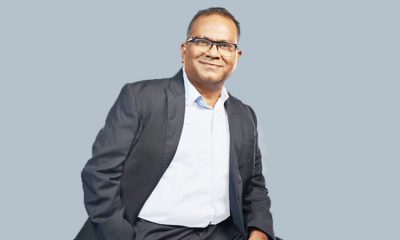

MUMBAI: Danish Khan is calling time on a long, influential run at Sony Pictures Networks India, marking the end of a decade that helped redraw the...


MUMBAI: Artificial intelligence is barging into India’s media and entertainment business, and the country must use it to jump from a bit-player to a global powerhouse....
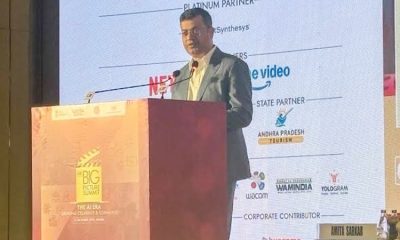

MUMBAI: Lights, camera… recalibration! At the CII Big Picture Summit 2025 in Mumbai, Sony Pictures Networks India MD & CEO and CII National Council on Media...
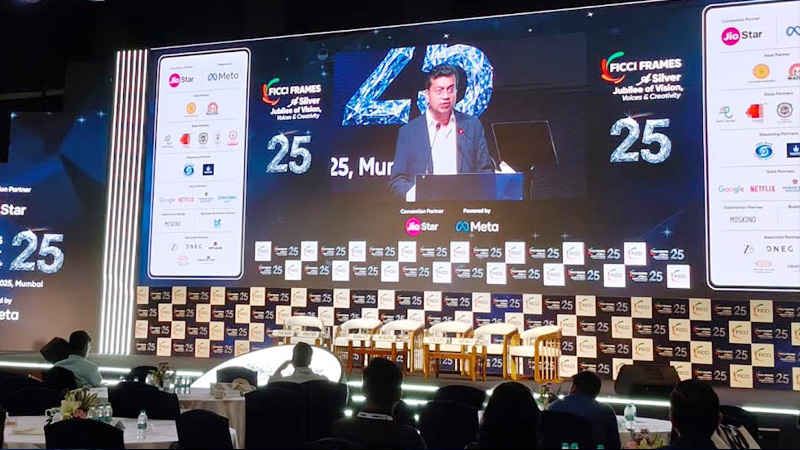
MUMBAI: If cricket can become a family blockbuster, why not Indian stories? That was the rallying cry from Sony Pictures Networks India managing director & CEO...

MUMBAI: Who says prime-time dreams are only for big spenders? Sony Pictures Networks India (SPNI) is handing small and mid-sized businesses the remote control to the...
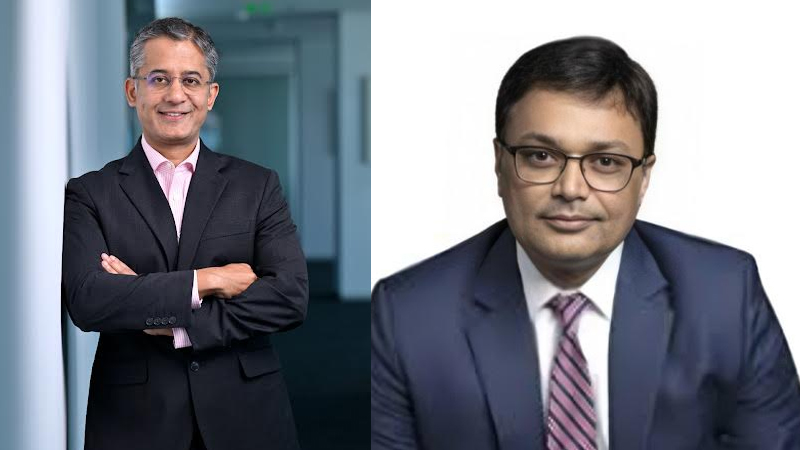
MUMBAI: The Indian Broadcasting & Digital Foundation (IBDF) has sent out a clear signal at its 26th Annual General Meeting in New Delhi: television remains the...
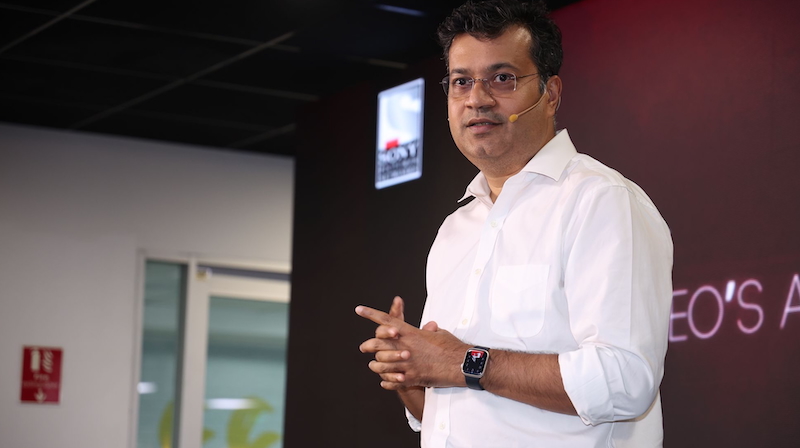
MUMBAI: Sony Pictures Networks India (SPNI) has hired Boston Consulting Group to conduct a comprehensive audit of its operations, according to media reports. The review, ordered...
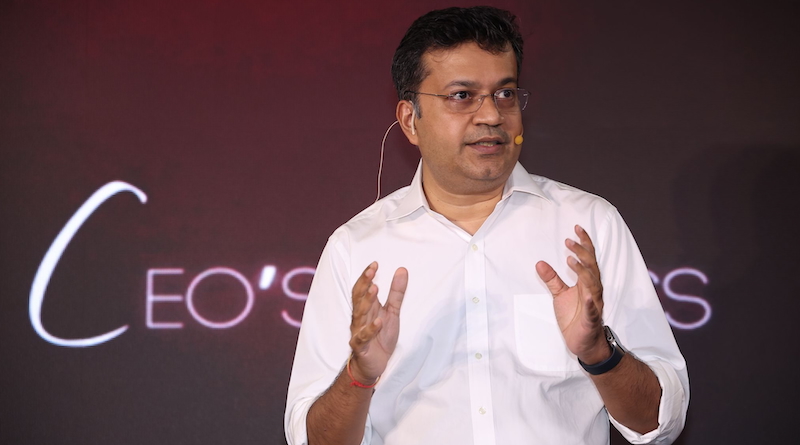
MUMBAI: Sony Pictures Networks India has secured Gaurav Banerjee as managing director and chief executive officer until August 2029, cementing a five-year tenure that shareholders rubber-stamped...
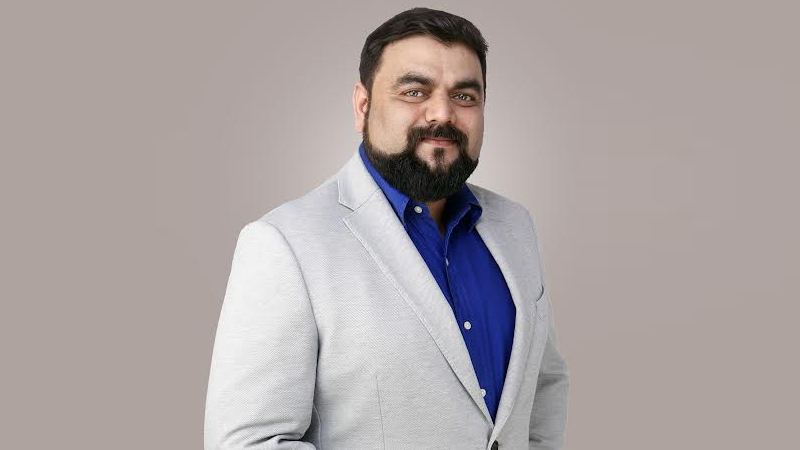
MUMBAI: When the newsroom meets the boardroom, sparks are bound to fly. Sony Pictures Networks India (SPNI) has tapped journalist-turned-communications strategist Gaurav Laghate as its new...
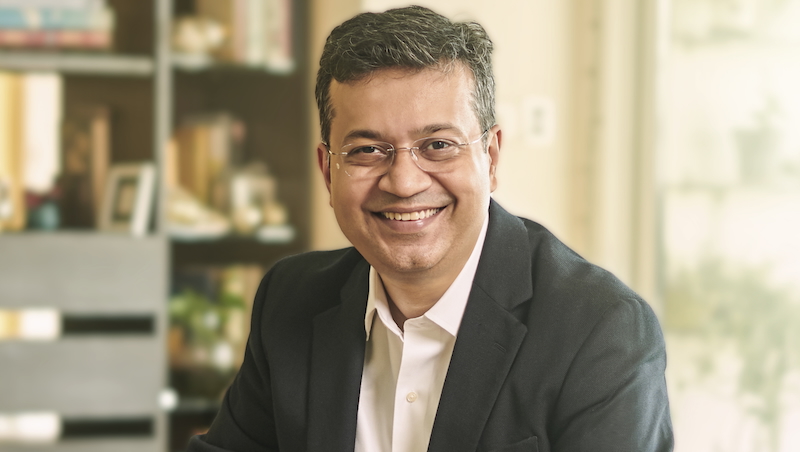
NEW DELHI: Gaurav Banerjee, managing director and chief executive of Sony Pictures Networks India (SPNI), has been named chairman of the Confederation of Indian Industry’s national...
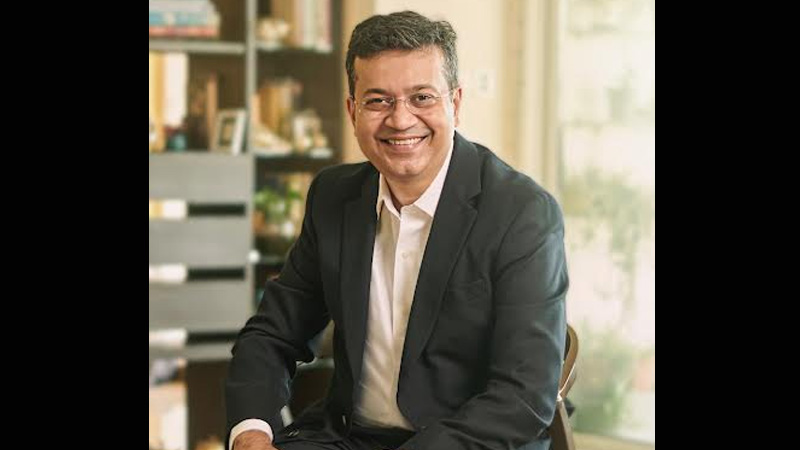
MUMBAI: Gaurav Banerjee, Sony Pictures Networks India (SPNI)’s Managing Director & Chief Executive Officer has been appointed as Broadcast Audience Research Council (BARC) India’s new Chairman...
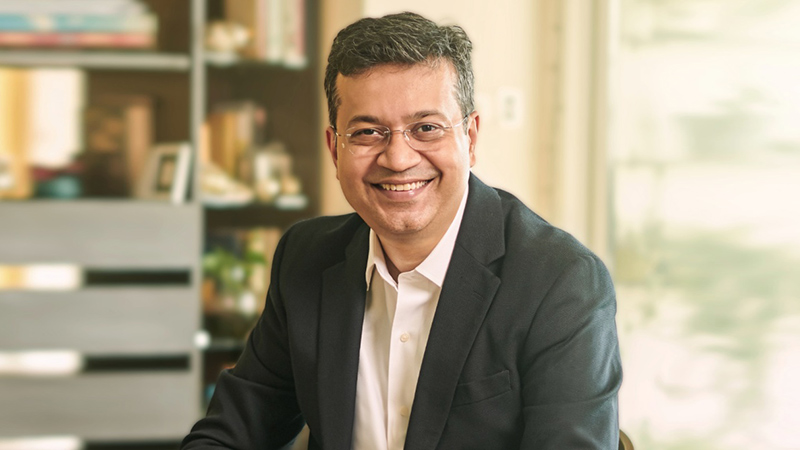
MUMBAI: Sony Pictures Networks India (SPNI) managing director & CEO, Gaurav Banerjee has been named chairman of the Broadcast Audience Research Council (BARC) India. He replaces...
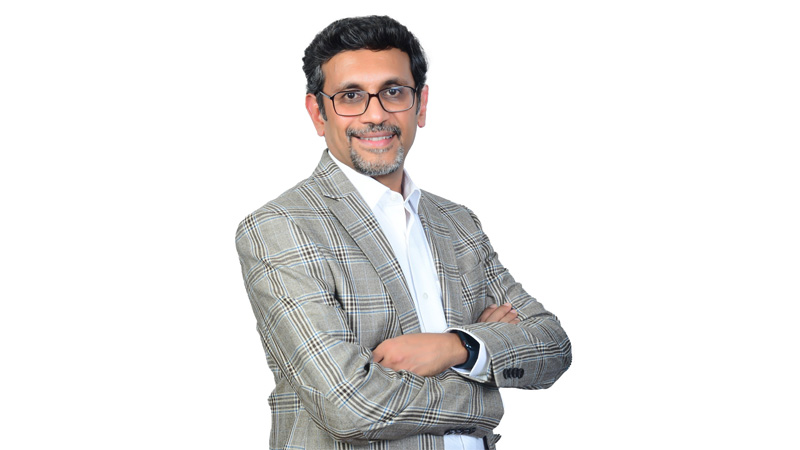
MUMBAI: Mumbai’s media corridors just got a new power player. Sony Pictures Networks India (SPNI) has appointed Mukund Acharya as its chief technology officer (CTO), effective...
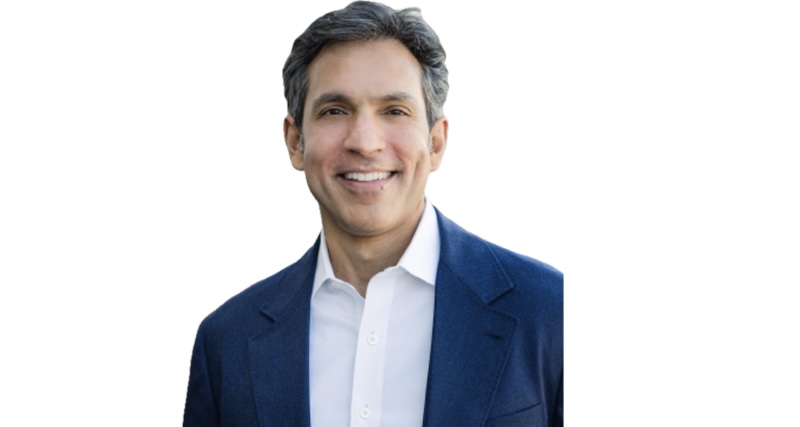
MUMBAI: Sony Pictures Entertainment (SPE) is doubling down on India, rebooting its strategy under new leadership and betting big on digital, cricket and content to reclaim...
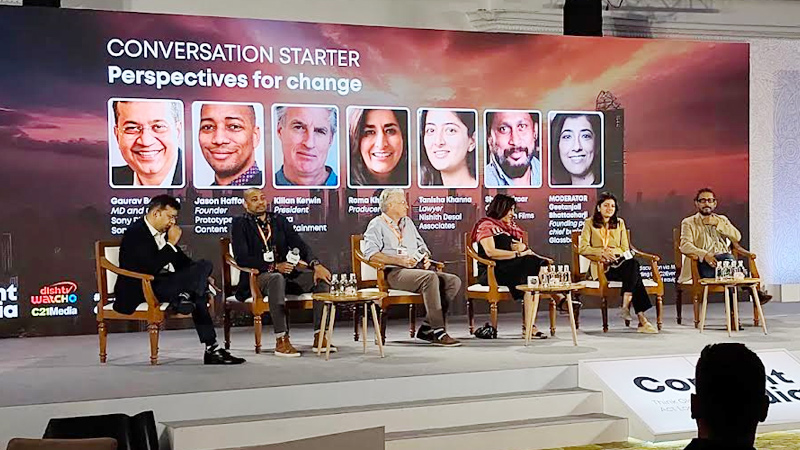
MUMBAI: Move over, primetime television, the new battleground for eyeballs is digital. With smartphones doubling as multiplexes and streaming platforms serving as global entertainment highways, Indian...
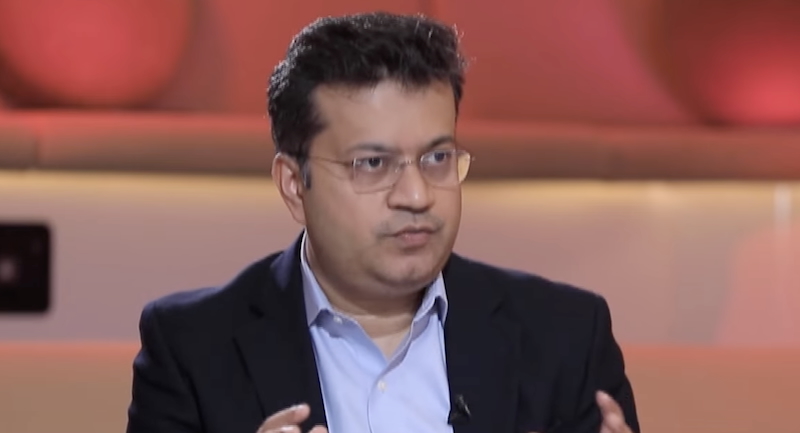
MUMBAI: Six months into his tenure as CEO of Sony Pictures Networks India, Gaurav Banerjee (GB as he is called internally and by those who know...
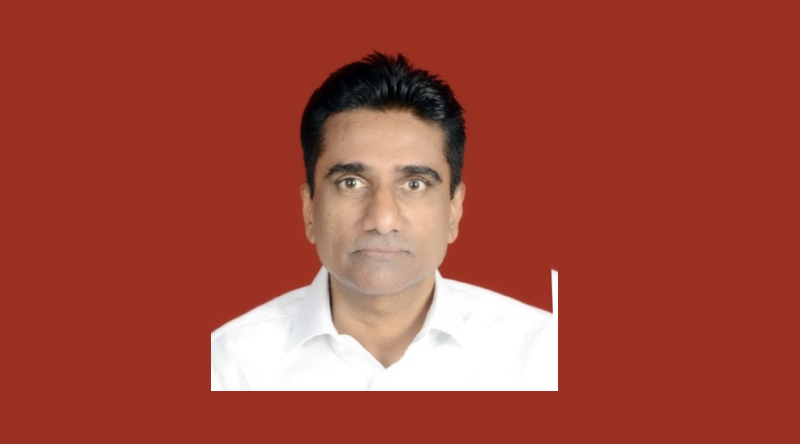
MUMBAI: Sony Pictures Networks India or Culver Max Entertainment has hired veteran television executive Rajaraman Sundaram as head content strategy. One wonders what one should read...

MUMBAI: Almost every leading TV executive – whether Uday Shankar or Punit Goenka or Gaurav Banerjee – has spoken about his or her belief that television...
MUMBAI: There’s quite a few new names sitting atop the Indian Broadcasting & Digital Foundation following its 25th annual general meeting held in New Delhi earlier...
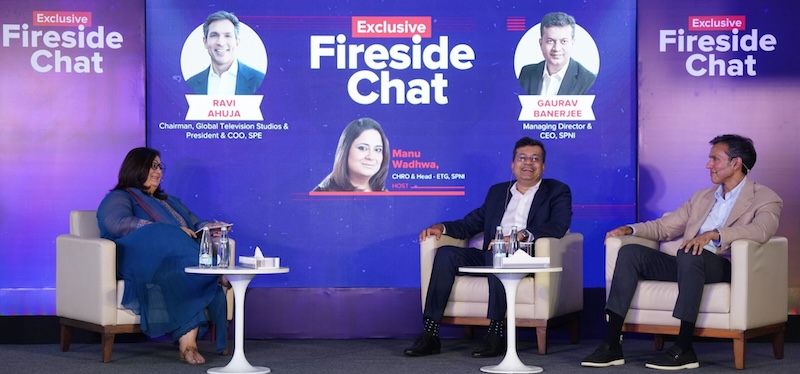
MUMBAI: That Sony Pictures Networks (SPN) president & chief operating officer Ravi Ahuja would come a-visiting Mumbai and the broadcast major’s Malad office was known to...
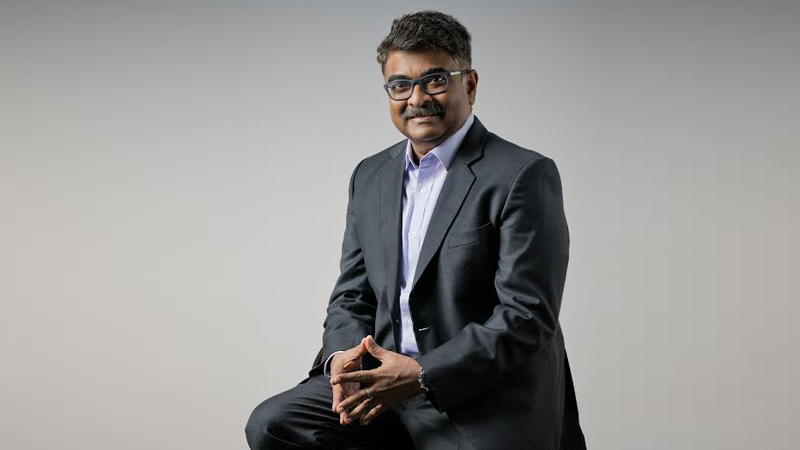
Mumbai: Sony Pictures Networks India has announced the appointment of Sibaji Biswas as its new chief financial officer (CFO), effective the first week of January 2025....

MUMBAI; It’s homecoming for television creative professional Nimisha Pandey. Market sources say that she is set to join Sony Entertainment Television’s profitable Sony SAB channel as...

MUMBAI: It’s celebration time at Sony Pictures Networks. The company is celebrating its twenty-ninth anniversary. The leading entertainment and sports network which turned up a healthy...
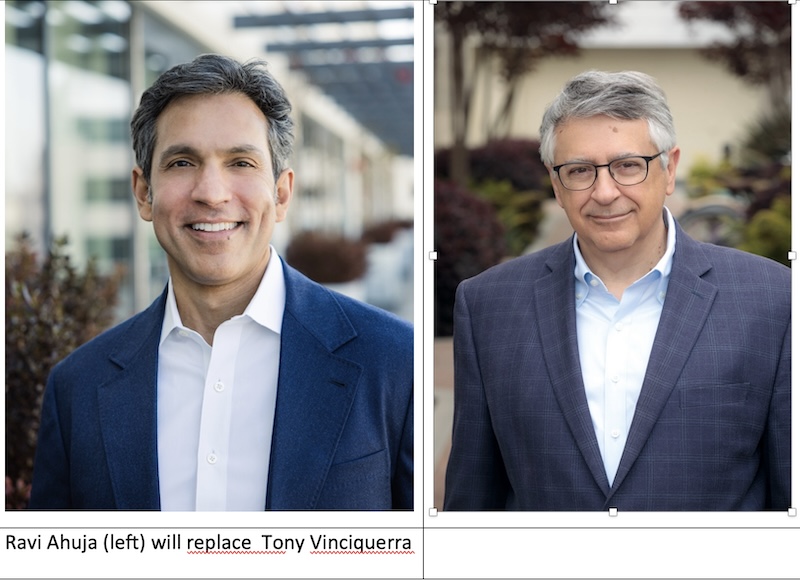
MUMBAI: Now here is another executive of Indian descent taking on the top leadership position in a global company. Ravi Ahuja, who was Sony Pictures Entertainment’s...
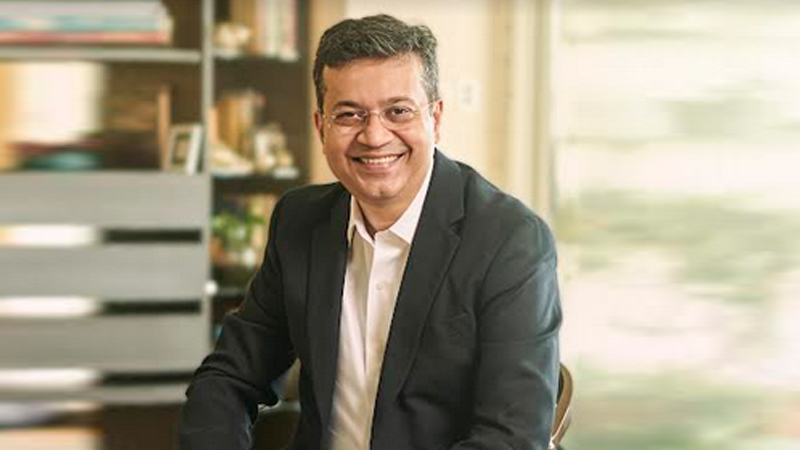
MUMBAI: After some amount of speculation about whether Disney Star India head honcho Gaurav Banerjee would be hopping over onto Sony Pictures Networks India as big...
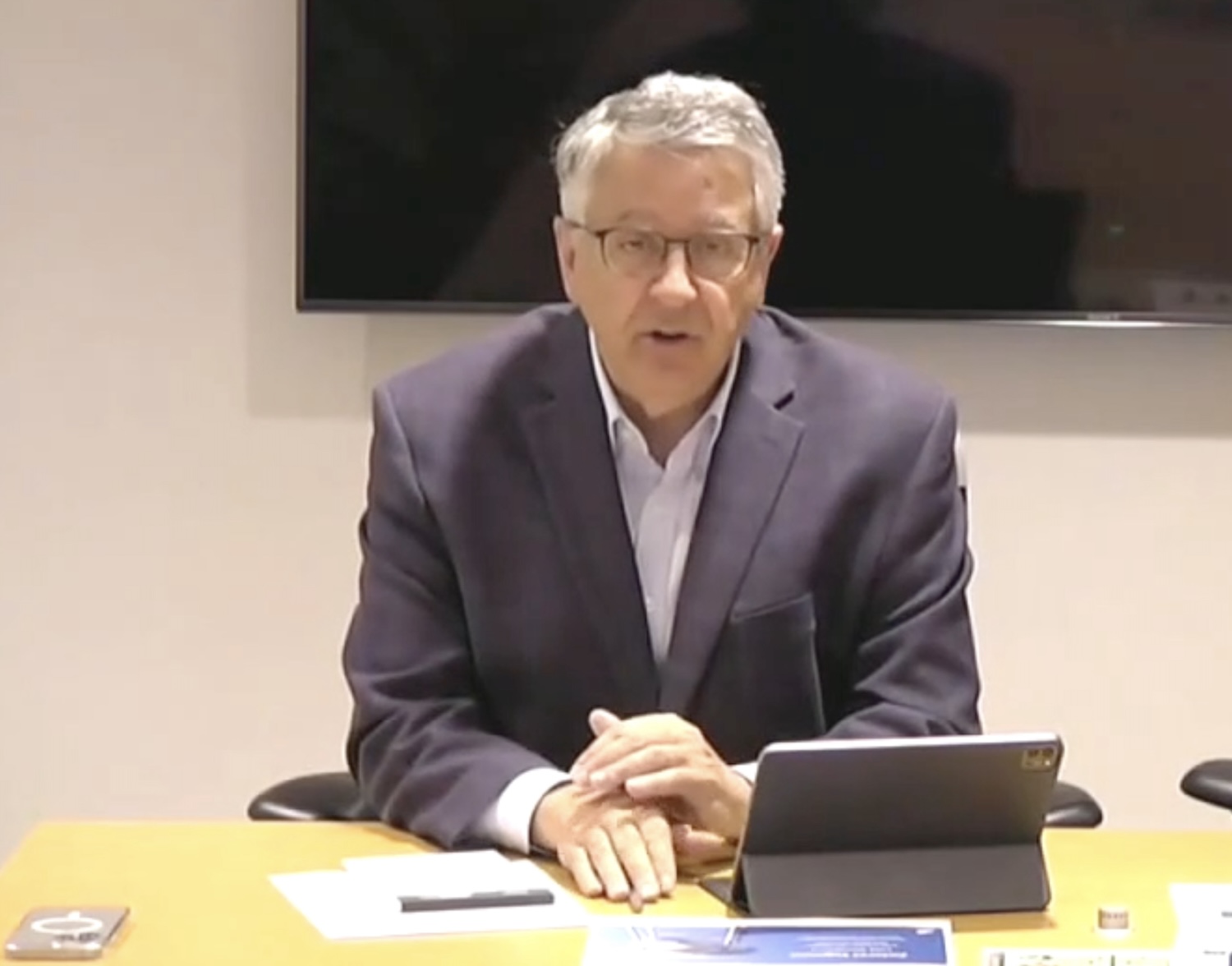
MUMBAI: Why did the deal between Zee and Sony Pictures fall through? Sony Pictures Entertainment chairman & CEO CEO Tony Vinciquerra gave some insights on 30...

Mumbai: Sony Pictures Networks India (SPNI) has appointed Gaurav Banerjee, formerly with Disney Star, as its new CEO, succeeding NP Singh. Singh recently announced his departure...

Mumbai: In less than 50 years, Earth has lost 69% of the average wildlife population. Wildlife play a significant role in the stability of the environment,...
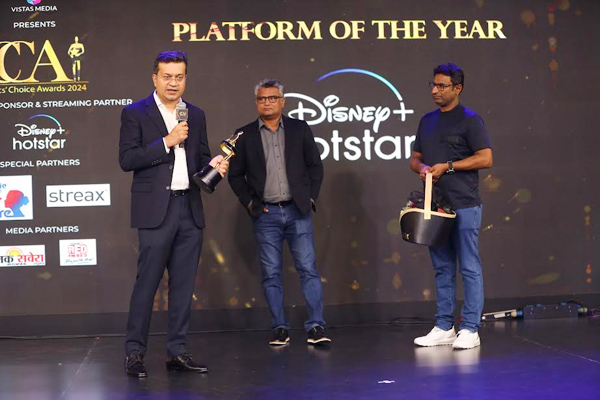
Mumbai: Film Critics Guild and Group M Motion Entertainment, in collaboration with Vistas Media Capital, announced the winners of the Critics’ Choice Awards 2024. Disney+ Hotstar...
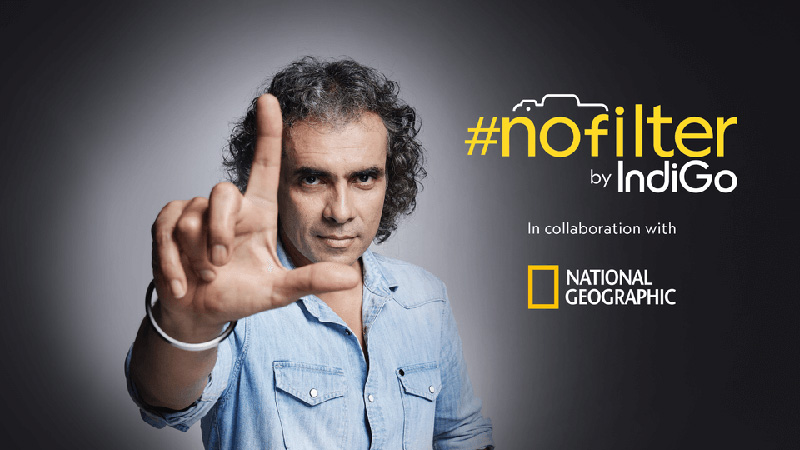
Mumbai: IndiGo, India’s preferred airline, recently collaborated with National Geographic India to bring forth #nofilter by IndiGo, an inspiring platform that seamlessly blends the realms of...

Mumbai : Disney Star Network, India’s one of the leading TV network has capped off another remarkable year, with its six Hindi movie channels – Star...

Mumbai: JUNGLE has unveiled their latest campaign – ‘The Jiggle Wiggle Campaign’ – for BATTLEGROUNDS MOBILE INDIA (BGMI), showcasing how the popular battle royale game has...
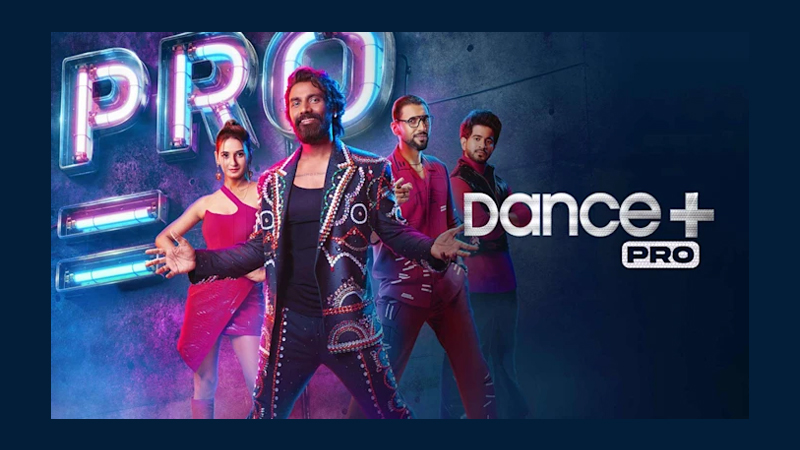
Mumbai: Carrying on the legacy of being home to one of the biggest dance shows in India, Disney+ Hostar is thrilled to announce an all-new season...

Mumbai: Make way as Aarya Sareen (Sushmita Sen) flaunts her claws and takes on the throne as the new don in town in Aarya Season 3....
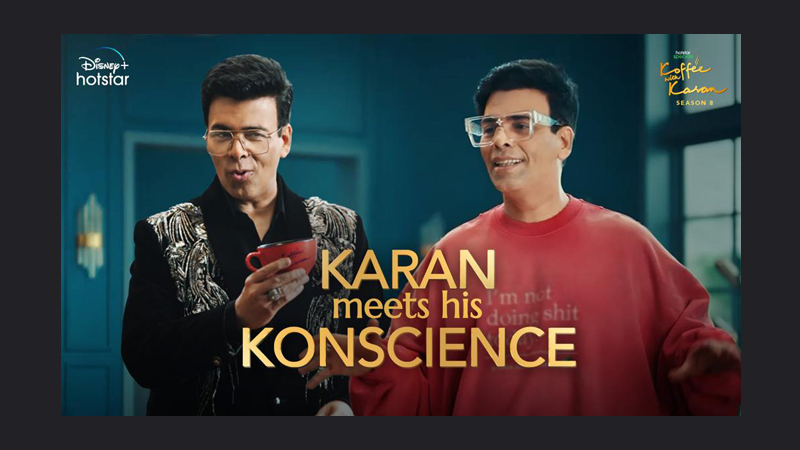
Mumbai: No escape, no getting away! This time around, the chat will be edgier, crazier and candid leading to a whole lot of revelations. The producer,...

Mumbai: India is a country known for its opulent traditions, vibrant culture, and striking festivals! It embraces a tapestry of over a thousand festivals, creating a...
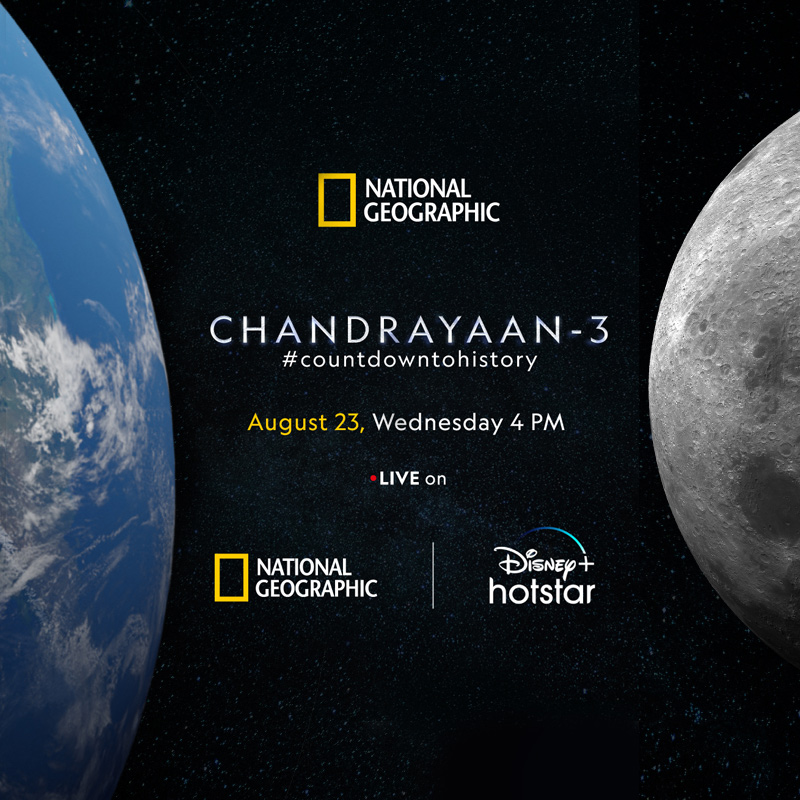
Mumbai: Harnessing the power of storytelling and exploration, National Geographic, with its rich legacy of over 130 years, has been on a mission to go deeper,...

MUMBAI: Delivering an address at a session of Ficci Frames Fasttrack 2022 called ‘The Magic of Online Curated Content (OCC)’, Disney+ Hotstar head content Gaurav Banerjee...
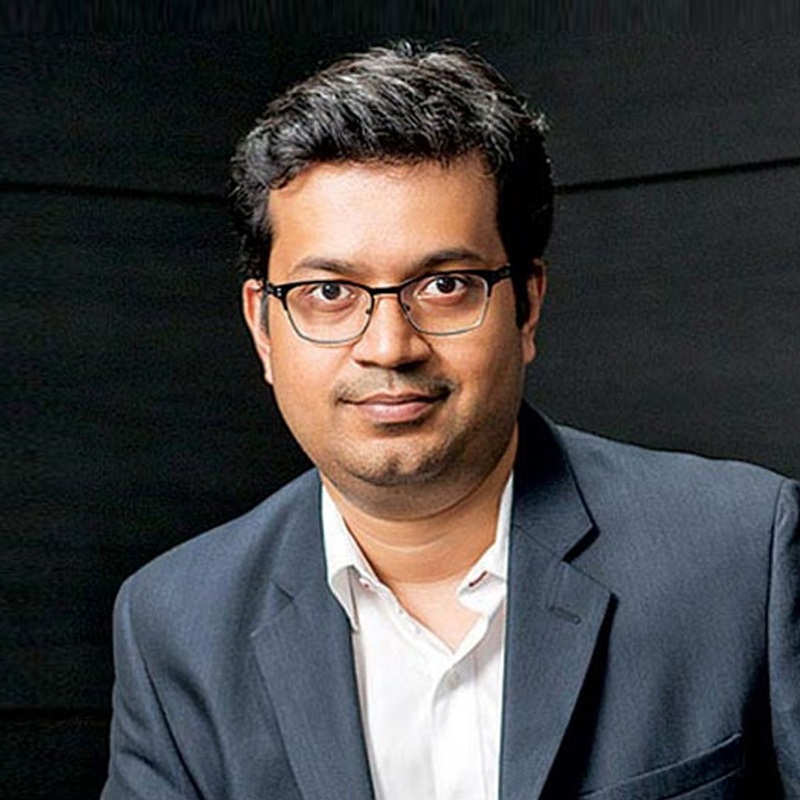
Mumbai: Gaurav Banerjee has successfully straddled the realms of television and digital to deliver the most popular content in India. He runs Star India’s content studio...

Mumbai: Disney+ Hotstar, in association with All3Media International, is set to create the Indian adaptation of award-winning Irish show “Blood.” The show will be produced by...

Mumbai: Disney+ Hotstar has released the second trailer for “Rudra – The Edge of Darkness.” The six-episode series starring Ajay Devgn in the lead is slated...

Mumbai: Streaming service platform Disney+ Hotstar’s web series “Aarya” has been nominated at the 49th International Emmy Awards. Directed by Ram Madhvani and starring Sushmita Sen,...

Mumbai: Star & Disney India has expanded the roles of senior executives Kevin Vaz and Gaurav Banerjee. Previously, head of kids, infotainment and regional entertainment channels,...
MUMBAI: Streamers in India are now bombarded with ‘original’ content on over-the-top (OTT) platforms. With so many shows, the only way to make a mark is...
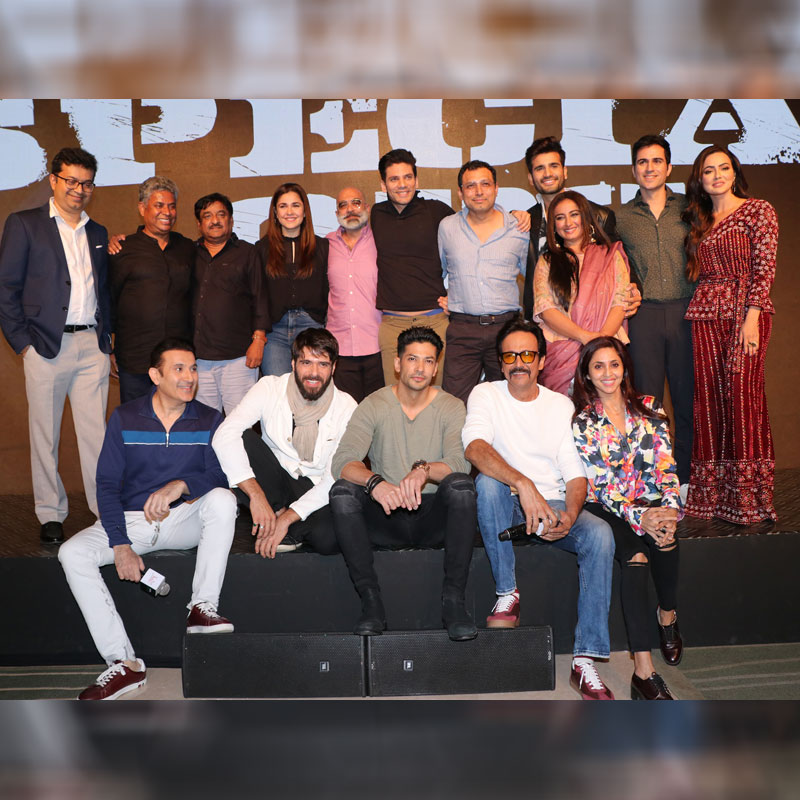
MUMBAI: Hotstar Specials, along with Friday Storytellers, is set to launch the biggest spy action thriller of 2020, Special Ops. This fast-paced 8-episode series is based...

MUMBAI: Moving on to Part 2 installment of Indiantelevision.com’s TV and video people who stood out in 2019. The first part was put out on 2...
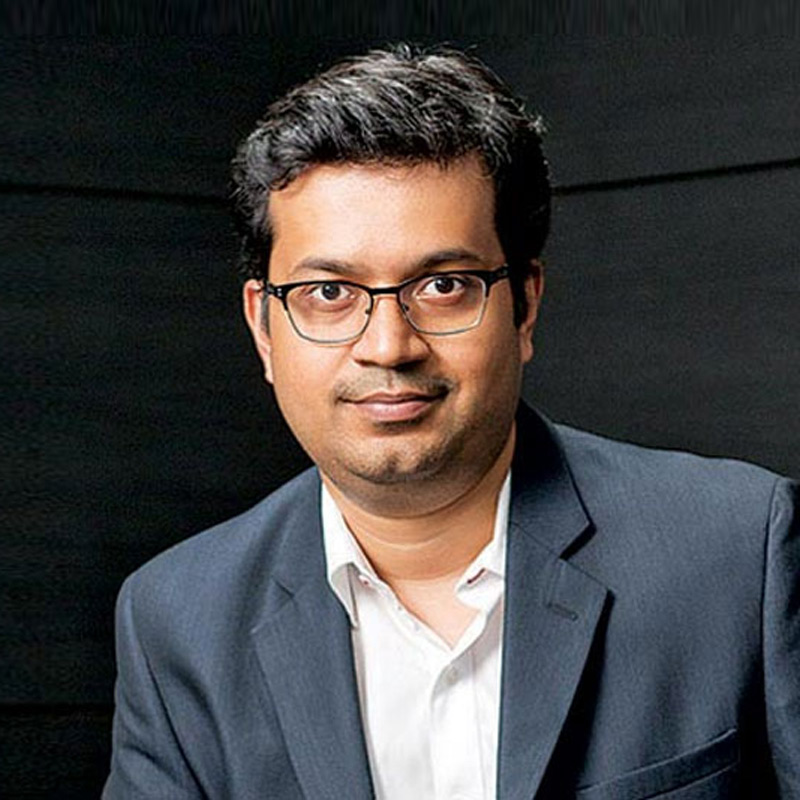
Hotstar has consistently outperformed some of the global over the top (OTT) platforms in India with the help of a mix of TV show content, sports...
MUMBAI: The Indian Government’s priority is to streamline the copyright process and decrease the turnaround time for applications on IPR to less than three months. Star...
MUMBAI: The fast changing scenario and the content ecosystem have gone through a significant change over the years and are keeping all the production houses and...


