Tag: Funding

  • “ShareChat & Moj are focused on building robust creator economy in India”: Senior director Shashank Shekhar

    “ShareChat & Moj are focused on building robust creator economy in India”: Senior director Shashank Shekhar

    Mumbai: Social media company ShareChat which was founded back in 2015, became a unicorn in April 2021. It has raised several funding rounds over the years, most notably in 2021 as it scales up rapidly. Earlier this year, it raised $255 million from Google, Times Group, and Temasek. It is now valued at $5 billion after this multi-tranche funding round.

    In the first part of the round, ShareChat raised $266 million in December 2021 from Alkeon Capital, Temasek, HarbourVest, Moore Strategic Ventures, and India Quotient. Twitter, Tiger Global, and Snap are among the other investors of ShareChat.

    ShareChat’s parent company is Mohalla Tech. ShareChat, besides its app, also runs short-form video content platforms Moj and TakaTak. It had acquired Takatak from MXMedia earlier this year. The platforms cater to over 400 million users.

    Indiantelevision.com caught up with ShareChat & Moj senior director of content strategy and operations, Shashank Shekhar. Among other things, he shed light on how the company has built diversified monetisation avenues beyond advertising in areas like virtual gifting and video commerce.

    He leads content operations for the organisation and focuses on driving the growth of the user and creator communities across all languages. In his role, he manages the content operations, creator growth and management, feed and product operations, and the overall app experience. Prior to joining ShareChat, Shashank was an entrepreneur. He founded Circle Internet, an Indian language hyperlocal content platform in 2018, and Elegart Solar Technologies, a company focused on offering outdoor solar lighting solutions in 2014. Shashank also briefly worked with Grabhouse as category head-commercial in 2015.

    He is a BTech graduate in Material Science and Engineering from the Indian Institute of Technology, Kanpur. He is fluent in two languages—Hindi and English—and enjoys exploring all content related to social media.

    Edited excerpts:

    On the monetisation strategy for ShareChat

    Shashank: We opened ShareChat to monetisation through advertising in early 2020. We have been building ShareChat’s ad platform for over two years now. We personalise ads using machine learning and AI algorithms as this enables marketers to target their customers more effectively and makes advertisements feel very organic to the consumer. As a result, we can improve revenue yield while keeping customer retention rates high.

    As several brands want to collaborate with us to tap into regional markets with their large-scale campaigns, we are helping micro-influencers monetise their content through native brand endorsements.

    Last year, we launched virtual gifting on ShareChat Live Audio Chatrooms. This year we rolled out video commerce. We are the only platform in India that offers all three avenues of monetisation-brand collaboration, gifting, and commerce-to creators in a consolidated bouquet.

    We also introduced a self-serve advertising platform, ShareChat Self Serve Ads, a few months ago that enables SMBs to create highly targeted multilingual advertisements. So far, it has supported more than 1,500 SMBs in posting highly targeted advertisements on ShareChat.

    On the content creators and remuneration

    Shashank: More than 32 million creators use the ShareChat app, and nearly 50 million creators use Moj. A passion for creating content no longer fuels the creator ecosystem. It’s a lucrative career option, and creators are equipping themselves with the right tools, skills, and technology to stay ahead of the curve. ShareChat and Moj are focused on building a robust creator economy in India.

    To enable creator growth, Moj recently launched the ‘Moj For Creators’ programme to build a path of accelerated growth for talented creators at different stages. With plans to facilitate creator earnings worth Rs 3,500 crore by 2025, we have several revenue sources for creators on the platform—virtual gifting, influencer marketing, and video commerce. These avenues will help creators across India earn a sustained livelihood and pursue a full-time career as content creators, thereby fuelling the creator economy.

    Virtual gifting is among the successful revenue models for monetising the Live Audio Chatroom feature on ShareChat. The feature enables users to send virtual gifts in the form of digital tokens to the hosts or the chatroom creators, making them feel valued. We are one of the largest Indian virtual gifting platforms in the country right now. We have generated more than Rs 390 crore in annualised earnings through virtual gifting on ShareChat and have recently launched it on Moj, witnessing a similar trajectory of growth.

    On the live and video commerce partnership with Flipkart

    Shashank: Our Live and Video Commerce partnership with Flipkart has also been a key development. While enriching the viewing experience on the platform by providing convenient access to products that content creators are showcasing, it also allows creators to share their curated tastes with their community and opens a revenue stream for them. In recent months, Moj has also become a key social commerce platform in the country through its partnership with Flipkart.

    On trends being seen when it comes to user generated content

    Shashank: In the last two years, we have seen the growing popularity of live streaming content across both our platforms. ShareChat Live Audio chatroom has emerged as India’s largest voice-based hangout destination with 12 million+ MAUs. Users from across the country are joining the chatrooms to connect with like-minded people and express themselves. We have seen interesting use cases of our community organising birthday parties, satsangs, sermons, discussing movies, celebs launching songs and products, connecting with astrologers, jamming together through this feature.

    We recently announced the launch of live video streaming on Moj, giving creators from across the country access to create highly engaging content across different creative formats such as live talk shows, live game streaming, jam sessions, stand-up comedy, shayari, cooking, astrology, and much more. Since its beta launch, Moj LIVE is already witnessing one million daily active users watching live content on the platform.

    On the whitespace that exists

    Shashank: Of late, we have witnessed a growing preference for shorter video content from both the creator and viewer perspectives. Most of our user community prefer watching short videos that are less than 30 seconds, and are also inclined towards long format videos that are less than three minutes long.

    Users these days are looking for quick doses of entertainment and infotainment that can be consumed on the go. While comedy and challenges are the most popular content categories, infotainment content, where information is presented innovatively, in a fun manner, has a higher chance of getting more engagement. Moreover, we have seen an increase in interest in lifestyle content categories like food, fashion, beauty, and grooming, and e-gaming content is also getting popular amongst teenagers. 

    On the languages that people prefer for content consumption

    Shashank: By virtue of the large number of creators and users of that language in our country, Hindi content is consumed the most across our platforms. In the southern regions of India, regional languages like Tamil, Telugu, Malayalam, and Kannada take precedence. Other Indian languages are also gaining high traction among our users.

    On the plan to go deeper in terms of language offerings 

    Shashank: Today ShareChat is India’s leading homegrown social media platform that operates in 15 Indian languages, which include Hindi, Marathi, Gujarati, and Punjabi. Kannada, Malayalam, Bengali, Tamil, Telugu, Odia, Assamese, Haryanvi, Bhojpuri, Rajasthani, and Urdu.

    We are already present in the major languages of our country, and the short-term focus is to go deeper within them and deliver an unparalleled social experience for our community.

    On the challenge in scaling up rapidly

    Shashank: The ecosystem of social media and short videos has experienced rapid growth. Users have a wide range of options, and there is fierce competition. Only businesses with a strong retention engine—i.e., those with a high percentage of users who frequently use the app—will succeed in this market. The keys to ensuring users and creators continue to be dedicated to the apps are and will be constant innovation and product enhancement.

    The delivery of a user-specific content stream will largely depend on sophisticated recommendation engines. Most social media businesses are working to tackle the significant problem of hiring AI expertise and developing these networks.

    On the challenge posed by other platforms

    Shashank: With over 650 million Indians on the internet, there is a lot of ground to cover for all. Consumers stick to a particular platform if it is highly personalised to their interests. Both Moj and ShareChat exclusively focus on Indian users and customise the product based on their needs.

    Our goal is to make Moj and ShareChat the top two social media platforms in India. We have observed interaction overlaps between our platforms and US-based global social media platforms. This indicates that ShareChat and Moj are fulfilling certain needs of Indian audiences with their capability to reach out to language-first audiences.

  • Why startups facing strong headwinds with massive layoffs

    Why startups facing strong headwinds with massive layoffs

    MUMBAI: Social commerce startup CityMall became the latest startup to announce mass lay-offs. In a LinkedIn post on 19 June, the firm said that it has laid off 191 employees alluding to the current funding environment and a change in its business model as reasons. In addition, SoftBank-backed Unacademy laid off another 150 employees last week, after letting go of around 600 employees or 10 percent of its workforce in the beginning of this year. Around the same time, Coinbase sacked about 8 percent of its India workforce, amid a crash in digital assets. While crypto companies have taken a hit in 2022 because of uncertainties revolving around their legal validity in India, they aren’t the only ones to feel the chills of a market meltdown.

    Several Indian startups seem to be on a lay-off spree currently, after the hiring augmented for a brief period, leading to thousands of workers staring at an uncertain future amid heightened inflation & economic downturn, thereby, adversely impacting startups in the recent months. Startups that issued pink slips this year included unicorns such as Vedantu (laid off 642 employees in May), Cars24 (laid off 600 in May), Ola (laid off 1,200 earlier this year), Meesho (laid off 150 in April), MPL (laid off 100 in May), Trell (laid off 300 in March) and Unacademy (laid off 750 over the last few months).

    So far, over 10,000 employees have been laid off by 24 startups, based on media reports. The new-age sectors which have witnessed the maximum layoffs are edtech and ecommerce. Just a year back, several of these new companies were hiring robustly, offering ambitious pay packages, having raised intense funding, and expanding vigorously.

    Furthermore, Indian startups were the largest spenders during the IPL season, even leaving the heavyweight FMCG brands far behind in its ad spends. It is noteworthy that all the official sponsors of IPL this season comprised only startups. These majorly included fintechs and edtechs, such as Unacademy, Upstox, RuPay, and CRED, apart from Swiggy Instamart & Dream11, with each official sponsor shelling out excessive moolah.

    Gaming platform Mobile Premier League (MPL) was the official kit sponsor for the Indian Cricket Team while edtech brand, Unacademy was the official partner of IPL 2022 and sponsor of Kolkata Knight Riders team. E-comm brand Meesho was the sponsor of IPL’s official broadcaster Star Sports and the Gujarat & Rajasthan teams.

    What kind of challenges the Great Indian Startup is facing? Is the party finally over for startups? What is the current market scenario? Will startups recover and increase hiring in future? We spoke to the experts to understand the current situation of the market and future growth?

    According to Talent acquisition marketplace, FlexC founder and CEO Girish Kukreja said that most of the startups witnessed a sharp surge in demand for their products and services, when Covid was at its peak. “The market trend then showed a very bright upward growth. It multiplied the demand for human power to cater to the needs of current users and attract more consumers to the business. But most of these employees were hired probably in haste, with little to no solid plans for managing the growth and succession planning of these employees within the organisation.”

    However, when things moved to the pre-pandemic world, so did consumer’s behaviour also changed in many aspects. It, therefore, resulted in a setback for these firms. Hence, the layoffs happened, Kukreja believes.

    After a funding blitzkrieg that lasted for nearly two years, venture capital investments globally have gone down as technology valuations have taken a hit in 2022 in the post-pandemic economic situation, coupled with inflation and international unrest. As the startup ecosystem braces for a funding winter and subsequent slowdown, it is increasingly becoming clear that most of the players in the space hired too many & too soon.

    Despite that, Kukreja does not believe that it’s all over for ‘the great Indian startup party’. “In terms of overall startup employment, the current layoff numbers reported are a minor percentage- possibly five to ten per cent,” he states, adding, “Making mistakes and learning along the way is a part of every startup’s journey. The only mistake these startups made at that point was to hire many permanent employees.”

    The startup culture in India is pretty resilient and it will adapt & get back on track in no time, he says, citing the example of an edtech startup called Physics Wala that entered the unicorn club amid the layoffs.

    Some of these online-first edtech startups, such as BYJU’S and Unacademy are also reinventing themselves by moving to a hybrid model, with plans to open offline coaching centres, blending their online and offline teaching models.

    Several others have also resorted to curtailing expansion plans by closing down non-core verticals, moderating marketing and advertising spends, while going on a hiring freeze to tide over the bleak phase.

    Grapes CEO & cofounder Shradha Agarwal attributes the “mass layoffs” phenomenon against the startups experiencing a funding peak in 2021 to “the unplanned hiring spree in the rush to onboard talents”.

    “To achieve immediate results, startups experiment with new approaches that often misguide the management to formulate inadequate growth analysis. As a result, they expand into new growth plans and venture into new verticals which fails due to an unrealistic approach,” she says. This puts a lot of pressure on the workforce, and companies resort to cutting down on human resources as the only viable solution owing to its easily controllable factor compared to the other fixed costs, which are beyond their hands, Agarwal adds.

    Despite the glitch in the framework, the startup culture is there to stay given its business nature, Agarwal believes. “The industry is versatile where it has the ability to change and mould its business models according to the market conditions.” The startups must focus on proper recruitment strategies with specific skills hiring for longer sustainability, rather than being concerned about short-term goals, she states.

    Staffing solutions provider, Gi Group Holding India country manager Sonal Arora  does not see the layoffs being witnessed in recent times as necessarily being a sign of troubled times ahead for the Indian start-ups ecosystem. “Some of these start-up companies across various industries are in a process of consolidating their workforce. It is a strategic step that every organisation aiming to expand adopts,” she states. “In some cases, they have matured in terms of their business model and decided which are the products/ services they want to focus on, which will eventually result in better or improved services.”

    Experts highlight that layoffs are not a new phenomenon and have always been a part of various industries, considering that the layoffs are happening at a large scale around the same time in several startups is what has garnered a lot of attention.

    According to Arora, India continues to be the centre of emerging technologies. “This means that in the future we will continue to attract various series of funding and interest from venture capitalists,” she concludes.

  • Purplle raises $33 mn in Series E from Paramark Ventures, existing investors

    Purplle raises $33 mn in Series E from Paramark Ventures, existing investors

    Mumbai: Online cosmetics retailer Purplle raised $33 million in Series E funding from South Korea’s Paramark Ventures as well as existing backers Blume Ventures, Kedaara and Premji Invest, the company announced on Friday.

    With the latest round of funding, the startup takes its total funding to over $215 million and joins India’s coveted unicorn club with a valuation of $1.1 billion.

    Purplle.com has gone through four rounds of funding from reputed investors in closing 2021 with $140 million.

    “We are humbled by the conviction of our investors in brand Purplle, being a testament to the value we have created over the years,” said Purplle.com co-founder and CEO Manish Taneja. “We welcome our new investor, Paramark Ventures, and look forward to cross-country synergies. The infusion is an opportunity to further our mission of building the beauty industry in India with technological investments, scaling of our private brands, and industry-first innovations. Staying true to our purpose of making Purplle ‘Har Indian Ka Beauty Destination’ we are strongly positioned for the next phase of accelerated growth.”

    “We have been tracking Purplle for several years now. We are deeply impressed with the team and platform that the founders have built over the years and are glad to be partnering with them at this stage.” said Paramark Ventures founder and managing partner Chunsoo Kim.

    “Purplle is addressing the enormous vacuum in the beauty and personal care industry in India in a way that the rising demand from massive Indian consumers can be best served beyond the limited set of customers in a few major cities. And, we find the team’s determination and endeavour to build a long lasting business to serve such needs of the Indian market through technology and customer delight both apparent and inspiring,” further added Kim.

  • UK based broadcaster BBC plans to build ‘digital-first’ focused services

    UK based broadcaster BBC plans to build ‘digital-first’ focused services

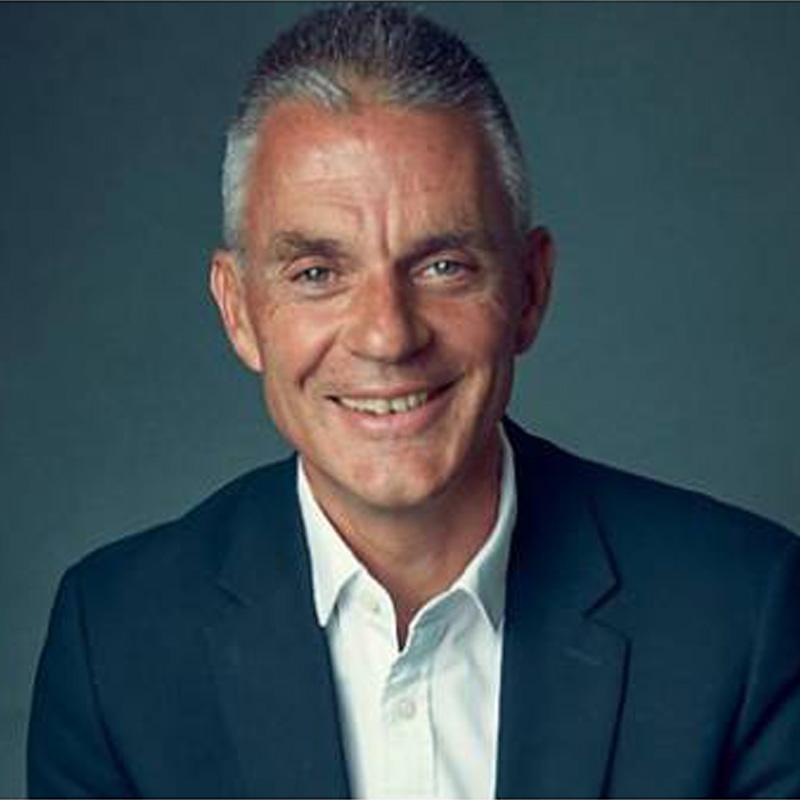
    Mumbai: UK pubcaster BBC director-general Tim Davie shared his plan to build a “digital-first” British Broadcasting Corporation (BBC). The plan will see the broadcaster prioritising its apps and websites over traditional broadcasting channels, said in a company statement.

    In the statement, BBC revealed closing its children-focused channel CBBC and art-skewing BBC-Four including slashing 1,000 jobs over time while putting more investment into digital services like iPlayer.

    Davie also said, “Quite simply, the success of our online services is the success of the BBC over the next five years. Each needs to be in the top two or three in their market in the UK, with our online services growing globally too.”

    Elaborating on iPlayer he said, “Today, iPlayer reaches less than 50 per cent of BBC viewers on average per week. Our ambition is to grow this to 75 per cent. We’ll do this by re-allocating significant amounts of money every year into video that delivers on iPlayer, across a broad mix of genres.”

    “We will propose to Ofcom to expand boxsets and archive, to have more BBC series available on demand. And we want to ensure that news and current affairs is as important to iPlayer as it is on broadcast, which means new on-demand content and formats to build new audience habits.”

    “We will continue to personalise iPlayer to make it much more relevant to every age group and different parts of the UK.”

    While speaking about budget slashing he said, “What we are laying out today is a £500 million plan for the next few years. This is made up of two things: £200 million a year of cuts which are necessitated by the two-year licence fee freeze. This represents the majority of our £285 million a year challenge by 2027-28. £50 million of this £200 million is already baked into our current budgets. The rest is delivered by stopping things and running the organisation better where we can. Then there’s a further £300 million a year which is about moving money around the organisation and delivering additional commercial income. This means that we are not just cutting money everywhere but making choices where to invest.”

    He also said that the plan is not to simply deploy flat savings targets across every department but to act more deliberately. “Focussing resources on frontline areas where we can maximise the value we deliver to those that pay for us.”

    Davie is clear that the future is digital. “The market challenge is clear. Though broadcast channels will be essential for years to come, we are moving decisively to a largely on-demand world. Today around 85 per cent of the time people spend with the BBC is with linear broadcasts. Too many of our resources are focused on broadcast and not online. And less than 10 per cent of our usage is signed in, so we can’t offer a properly tailored service, unlike all our global competitors. If we do not respond faster to these changes we will cede too much ground to those who are not driven by public service values.”

    “The vision is simple: from today we are going to move decisively to a digital-first BBC. We have a chance to do something that no-one else is doing: build a digital media organisation that makes a significant positive impact, culturally, economically and socially. A global leader driven by the search for truth, impartiality, outstanding creativity, and independence.”

    So what will happen to linear broadcast with the enhanced focus on digital? “As we move money into digital, we will inevitably have to spend less on linear distribution. But we will do this with great care – our big channels will be popular for the next decade, at least, and they are incredibly powerful.”

    Davie added: “We do plan to stop scheduling separate content for Radio 4 Long Wave, consulting with partners, including the Maritime and Coastguard Agency, ahead of the closure of the Long Wave platform itself. 5Live on medium wave will also close no later than December 2027, in line with a proposed industry-wide exit from the platform.”

    “Over time we expect to consolidate and share more content between services, and expect to stop broadcasting some of our smaller channels on linear. This will include services like BBC Four, CBBC and Radio 4 Extra. But we won’t do this for at least the next three years because for the moment they are still delivering value to millions of viewers and listeners, at low extra cost.”

    He further said that when it comes to network TV, the UK pubcaster will reduce the volume of hours commissioned a year by around 200. “We’ll still offer thousands of originated hours and a very broad range, but fewer hours will mean we are not constantly thinning programme budgets.”

    “We will focus our money where we are distinctive and more uniquely BBC. We will make tough choices about titles which may be performing on linear but are not doing enough to drive viewers to on-demand. A number of them will be cancelled this year. Importantly, higher-impact content will attract more investment from third parties to make our money go further.”

    “And while we will continue to play a vital role in classical music in this country, we must be realistic about the resources we use. We will continue to support the classical music sector, invest in Radio 3 and improve our educational impact. However, we will look to reduce licence fee funding in our performing groups – preferably by looking for alternative sources of income where possible.”

    In terms of news one of the things he mentioned was that putting digital first applies just as much to its international news services. The world service he pointed out is critical to the BBC, and its growing digital reach means bigger impact with audiences, more brand value for the BBC and the UK, and bigger opportunities for commercial growth.

    “Broadcast services will continue to play a vital role but unfortunately the licence fee settlement means that we cannot offer every service on all the platforms we do today. So we propose to move some of our broadcast radio and television services off linear where digital provides the better future route to audiences. This builds on the model we’re already using in Latin America and parts of Europe. Of course, we will protect broadcast services where that’s likely to remain the best way of reaching people in the long term.”

    He said that the government’s commitment to extend its £94 million annual funding for the world service for a further three years is very welcome. But he also noted that UK licence fee funding for the world service, which has been around £254 million in recent years, is now running at over £290 million including world news – a level that is unsustainable following the licence fee settlement.

    “We will set out plans in the coming weeks for how we will initially reduce licence fee spending on the World Service by around £30 million by the start of 2023/24, while protecting the full breadth of languages.”

    “At the same time, our strategic review will identify the right longer-term model for a digital-first world service and lay out a strong case for more investment from the government over the coming years. This case for a strengthened world service is compelling but we can only expect UK licence fee payers to fund so much.”

    One of the challenges in digital is that on the tech front there is work to be done. “Around 30 million UK adults come to BBC online on average per week, and 200 million globally on digital platforms. We are now up to over 45 million UK accounts, with over 25 million signed in monthly. But we have much work to do to be a leading-edge player in functionality, user experience and data.”

    “We’ve already begun investing more in product development, with an extra £10 million this year. From 2025 we expect to be investing up to an additional £50 million per year, transforming our level of personalisation and our use of real time data, and making our services as easy to use as possible.”

    “In news, we will fully roll out and continuously improve the new News app as a signed-in experience. We will grow our live news pages and transform the quality, prominence and impact of local news.”

    “In sounds, we will continue to improve our on-demand music offer. We will showcase some of the best non-BBC podcasts from British creators and host more of our podcasts on sounds first, before distributing more widely. We want to deliver local and network news better across Sounds and ensure we are securing distribution in connected cars.”

    He concluded by saying, “This is our moment to build a digital-first BBC. Something genuinely new, a Reithian organisation for the digital age, a positive force for the UK and the world. Independent, impartial, constantly innovating and serving all. A fresh, new, global digital media organisation which has never been seen before. Solely driven by the desire to make life and society better for our licence fee payers and customers in every corner of the UK and beyond. They want us to keep the BBC relevant and fight for something that in 2022 is more important than ever. To do that we need to evolve faster and embrace the huge shifts in the market around us.”

    “I believe in a public service BBC for all, properly funded, relevant for everyone, universally available, and growing in the on-demand age. This plan sets us on that journey.”

  • Major League Cricket raises $120 mn funding, Microsoft CEO Satya Nadella among lead investors

    Major League Cricket raises $120 mn funding, Microsoft CEO Satya Nadella among lead investors

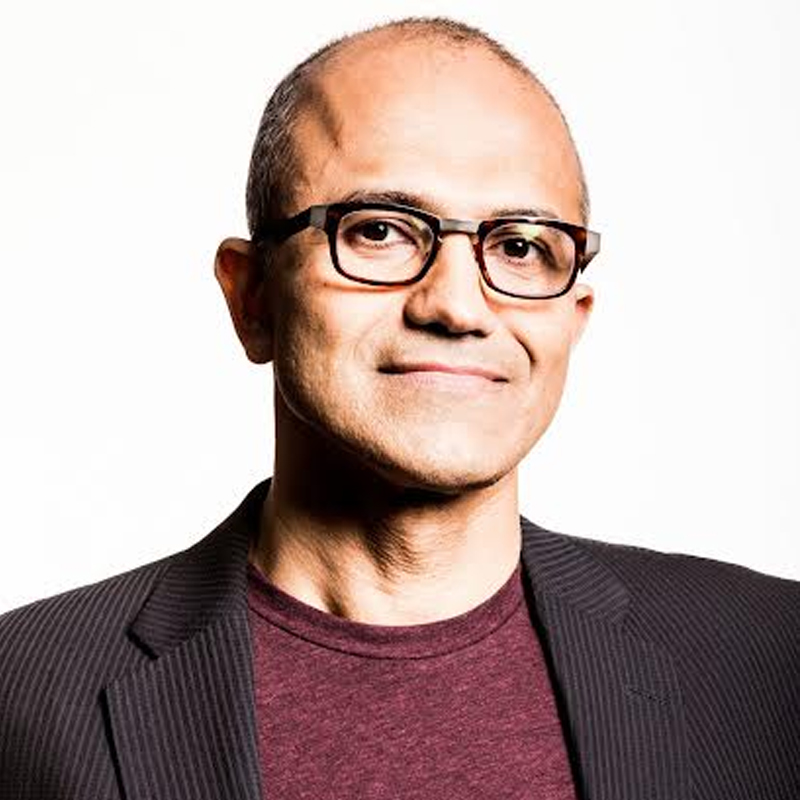
    MUMBAI: Microsoft CEO Satya Nadella is the leading investor in the $44 million Series A and A1 fundraising round by New York-based Major League Cricket (MLC), a T20 competition featuring six franchises that have been sanctioned by USA Cricket. The league is targeted to launch next year.

    With an additional commitment of $76 million in further fundraising over the next 12 months in place, MLC plans to deploy more than $120 million to launch the country’s first-ever professional Twenty20 cricket league and herald a new era for the world’s second most popular sport in the US, according to a press statement issued by MLC on Wednesday.

    “The significant funding committed by an outstanding group of investors will allow Major League Cricket to build first-class facilities and accelerate the sport’s development across the country, bringing world-class professional cricket to the world’s largest sports market,” MLC co-founders Sameer Mehta and Vijay Srinivasan said in a joint statement.

    “This investor group comprises leading business executives and successful tech entrepreneurs who have led some of the world’s most prominent companies. They bring tremendous experience and expertise in support of MLC’s plans to launch a transformative Twenty20 league and establish America as one of the world’s leading homes for international cricket events,” it further added.

    The other investors for MLC include the likes of Adobe CEO Shantanu Narayen, Madrona Venture Group managing director Soma Somasegar, founding partners at Milliways Ventures and Rocketship VC Anand Rajaraman and Venky Harinarayan, chairman of Infinite Computer Solutions Zyter Sanjay Govi and Perot Jain managing partner Anurag Jain, among others.

  • Emerald Media, Mayfield India sell stakes in Amagi

    Emerald Media, Mayfield India sell stakes in Amagi

    Mumbai: KKR’s pan-Asian media investment platform Emerald Media and Mayfield India on Saturday announced they have sold their stake in Amagi, a global leader in cloud-based SaaS technology for broadcast and connected TV.

    Accel, Avataar, Norwest Venture Partners, along with existing Amagi investor Premji Invest have collectively invested well over $100 million to pick up the stake held by Emerald Media and Mayfield India, said the statement.

    “Emerald Media and Mayfield India were early investors in Amagi. They invested at a time when cloud technology in broadcast media was in its infancy,” commented Amagi co-founder and CEO Baskar Subramanian.

    Amagi is one of the largest cloud deployments in the world with distribution in 40 countries across cable, connected TV and OTT. The company supports over 800 channels on its platform including playout and redundancies. It has developed deep technical integration with ad-supported platforms such as The Roku Channel, Samsung TV Plus, Pluto TV, Plex, Redbox, Stirr, Vizio, Xumo and other top 30 OTT platforms, providing one of the most comprehensive distribution coverage for content owners to reach their audiences in the US, LatAm, Europe, and Asia.

    “Our journey of partnering with Baskar, Srividhya and Srinivasan in bringing alive their vision of becoming one of the fastest-growing media SaaS companies in the world has been an enriching one,” said Emerald Media managing director Rajesh Kamat. “Amagi has today catapulted to international success with a global footprint and a robust growth trajectory on the back of its bold and pioneering technology innovation along with their ability to foresee the needs of the industry.”

    “Mayfield being the first institutional investor in Amagi in 2013, we have observed this company grow from an India-focused technology and services player to a truly global and dominant SaaS enterprise on the back of their unique and homegrown IP stack. We wish all three founders and the incoming investors all the best in the years to come,” said Mayfield India managing partner Vikram Godse.

    Amagi has a state-of-the-art cloud broadcast operations center that can support 1000+ live linear channels. The company clients include A+E Networks UK, beIN Sports, CuriosityStream, Discovery Networks, Fox Networks, Fremantle, NBCUniversal, Tastemade, Tegna, Vice Media, and Warner Media among others.

  • From the verge of closing shop, SUGAR Cosmetics delivers 49X returns to investor

    From the verge of closing shop, SUGAR Cosmetics delivers 49X returns to investor

    MUMBAI: How many people know that the now cult-favourite beauty brand of Gen Z and millennials, SUGAR was once on the verge of shutting shop due to lack of funding?

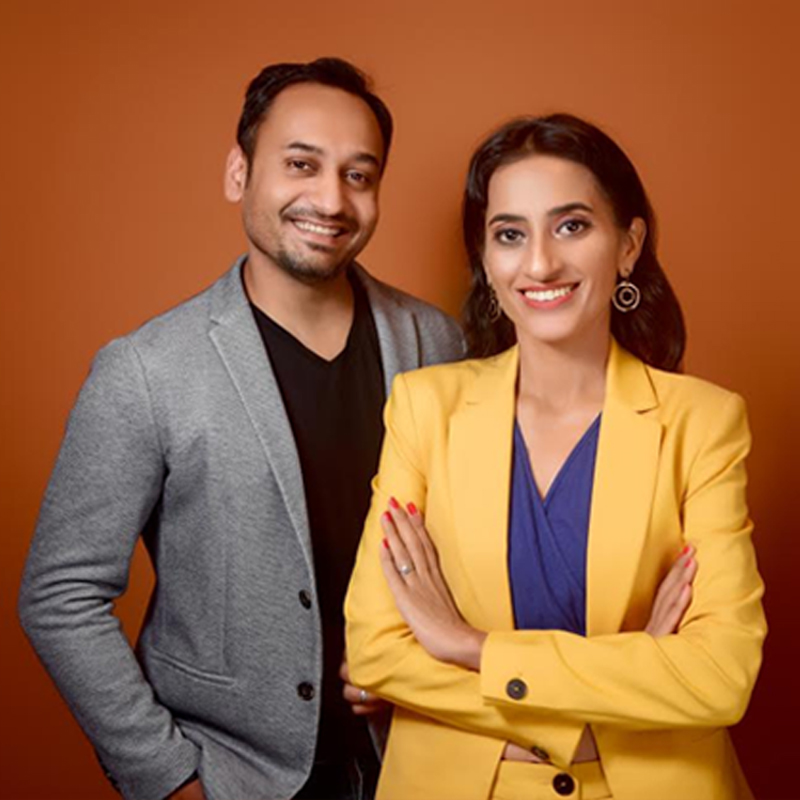
    The direct-to-consumer SUGAR Cosmetics founded in 2015 by IIM Ahmedabad alumni Vineeta Singh and Kaushik Mukherjee is one of the fastest-growing premium beauty brands in India today. However, things were far from rosy for the Mumbai-based start-up back in 2016 when it did not even have enough money to import its first batch of lipsticks manufactured in Germany. 

    Pulling back the curtain on an untold story of a contrarian bet for the brand in 2015, Co-founder & CEO Vineeta Singh says, “SUGAR Cosmetics started as a direct-to-consumer cosmetics brand in 2015 with products that were specifically created for young Indian women. Very few people know that it was also at this time when the company was pivoting from the beauty subscription service to a cosmetics brand, it came very close to shutting down.”

    Had it not been for a leap of faith from its earliest backer, India Quotient, dipping into their ‘reserve for AMC fees’ funds for a sizeable sum of Rs 1 crore, the founder admits the picture would have been starkly different today.

    “In 2016, having already infused capital from their first fund, the partners at India Quotient, Madhukar Sinha and Anand Lunia, were clear that their fiduciary duty towards their limited partners ruled out any possibility of any further investment from their successor fund without an external investor leading the round. However, for reasons best known to them, they took an extremely risky call of lending the company Rs 1 crore from the funds ‘reserve for AMC fees’ amount that VCs earn for managing the fund,” says Singh.

    Without India quotient’s cash infusion, Apart from being unable to pay their German manufacturers to release the products that were ready for delivery, the company would never have reached the 2017 Series A which eventually set the brand up on a different trajectory altogether, she details. “It gives us immense joy to be able to return 49X of their investment to them and thank them for the pivotal role they’ve had and continue to have as SUGAR scales,” she gushes. 

    The cruelty-free brand has quickly made its way into most makeup aficionado’s hearts and vanity bags. The year 2021 was off to a strong start for the digital-first beauty player as it announced a $21 Million (Rs 153 crore) Series C funding round in early February. As part of this, India Quotient marginally trimmed its holding to clock a 49X return on its investment at an IRR of 61 per cent.  

    Till date, the company has raised a total of $33 Million funds. India Quotient has consistently backed the founding team through all four rounds of funding, including the recently concluded Series C where it co-invested with Elevation Capital and A91 Partners. As a result, India Quotient is currently the second largest institutional investor of the company with a stake worth more than its first two funds put together.  

    The early-stage investor firm first invested in the vision back in 2013 when the parent company Vellvette Lifestyle was pursuing a beauty subscription service business model. In 2015, SUGAR Cosmetics was launched under the same company with a limited range of Crayon Lipsticks, Vivid Lipsticks, Matte Eyeliner and Kajal that disrupted the online cosmetics market and went viral through rave reviews on Instagram and YouTube. Starting with net revenue of Rs 3 crore in 2016-2017 the brand successfully clocked in Rs 105+ crores in its fourth fiscal year, reaching an 85 per cent year-on-year growth rate. This, while notching up 1.5+ million followers across social media platforms on the side.  

    India Quotient founding partner Madhukar Sinha said, “Ever since the launch of our operations in 2012, we have invested in over 70 start-ups. While we first backed the founders in 2013, we did infuse some amount in SUGAR Cosmetics in 2016 from the first fund’s reserve for AMC fees amount – we just knew that this association was to go a long way. The projections of the online beauty industry and the all-in approach of the team just had to be seen through to the Series A fundraise in June 2017.”

    Besides investments in keeping the brand’s fast-moving product range ahead of the curve, SUGAR plans on using their latest funds in building both digital and retail distribution to further their reach in existing and new geographies, particularly in tier-2 and tier-3 towns of India. The brand’s Android and iOS apps have seen a million downloads with a 4.6-star rating, indicating a strong community of beauty enthusiasts that the brand speaks to. The retail footprint is also expected to grow from the current 10,000+ retail outlets to 40,000+ in the current year. 

    Sinha affirms, “Seeing the brand grow to become a cult-favourite among millennial women was a proud moment for us as well because we knew that the gut feel was validated. Watching how quickly SUGAR was carving their mark in the beauty industry, we returned to invest in the brand in their Series B & Series C rounds as well. For a brand that is merely 5 years old, SUGAR has taken the industry by storm and we are happy to be a part of their success journey.” Indeed.

  • Bira 91 raises new capital to fuel growth

    Bira 91 raises new capital to fuel growth

    MUMBAI: Bira 91 has just concluded an equity investment in the company led by its existing investors – Sequoia India and Sofina.

    The $30m equity will be utilised by the company to grow its business in India. Last year, the company commissioned two new breweries, one each in Andhra Pradesh and Karnataka and quadrupled its production capacity. With the launch of Boom in several markets, the company doubled its national market share in FY 2020 to a little less than three per cent  of the overall beer market. The company also expanded its presence to more than 400 cities in FY 20, up from 50 in FY 19.

    Speaking on the occasion CEO Ankur Jain said, “We continue to grow our business in both existing and new markets. Our market shares in several markets are now higher than 5 per cent of overall beer, and more than 20 per cent share of premium beer. Along with Boom, our other new launches of Bira 91 IPA with Pomelo and the Malabar Stout have been well received. 2020 is a key inflexion point for the company where we expect to reach double-digit market shares in a number of states throughout the year.”

    Led by existing investors Sequoia India and Sofina, the new round also saw participation from Sixth Sense – a leading consumer fund, Neoplux – a Korean private equity fund and several high reputation family offices. The new capital will be utilized to expand India business, expand its India footprint and consolidate its leadership position in the premium beer market in India.

  • Pepperfry raises Rs 250 cr for expansion

    Pepperfry raises Rs 250 cr for expansion

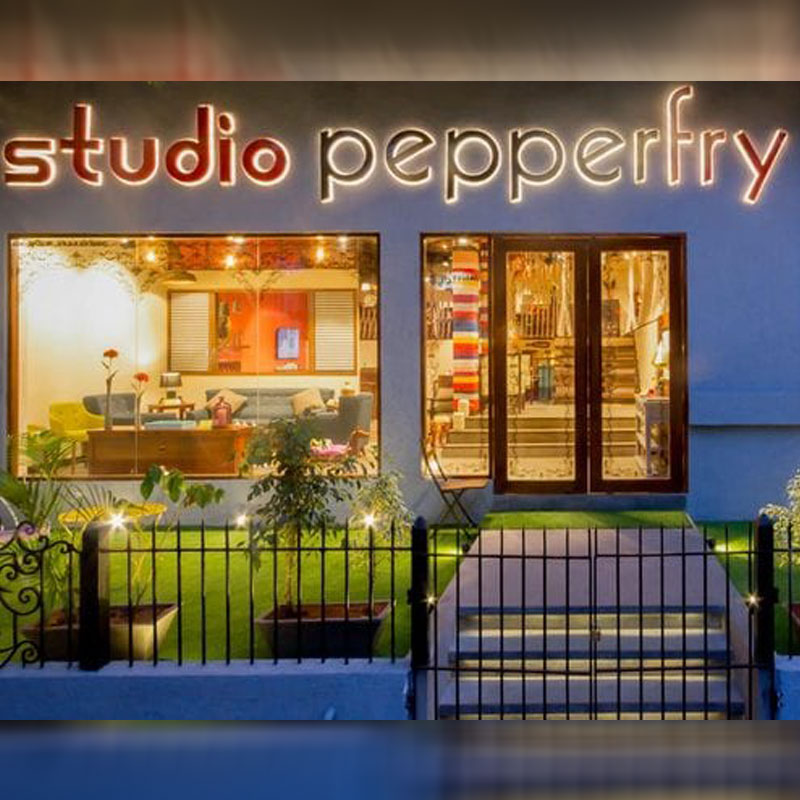
    MUMBAI: Pepperfry, a furniture and home marketplace, has raised Rs 250 crore in a fresh round of funding from State Street Global Advisors, the asset management business of State Street Corporation, an investment management company with $ 2.78 trillion in assets under management (AUM).

    The fresh funds will be deployed to expand Pepperfry’s experience centres in tier II towns, invest behind developing AR/VR technology for virtual touch and feel, and enhance the private brand franchise in preparation for its next financial milestone of an IPO.

    Pepperfry founder and CEO Ambareesh Murty considers the company as fortunate to have partners who believe in Pepperfry’s business and are aligned with their strategy.

    Including this current round, Pepperfry has raised over Rs1200 crore of capital since it began operations six years ago.

    Home furniture and decor is amongst the largest consumption categories in India, expected to reach Rs 350,000 crore in market size by 2020. Leveraging this opportunity, Pepperfry aims to differentiate across the value chain, build supply and demand side differentiation by working with thousands of small manufacturers, develop an extensive portfolio of private brands, establish an omnichannel footprint of over 25 Pepperfry experience centres and build India’s largest consumer-facing big-box supply chain serving customers in 500 Indian cities.

    In the last five years, the company’s revenue has grown at a compounded annual growth rate of over 83 per cent, and with this fresh round of investment, aims to accelerate past the break-even point and become a profitable business over the next 12-18 months.

  • Zomato raises $60 million from Vy Capital and existing investors

    Zomato raises $60 million from Vy Capital and existing investors

    MUMBAI: Zomato, the popular restaurant search and discovery service, has closed a fresh round of funding of $60 million at a post-money valuation of $660 million.

    These funds will be used to accelerate Zomato’s global expansion and new product development. This round of funding is being led jointly by Info Edge (India) and Vy Capital, with participation from Sequoia Capital. This takes Zomato’s total funding to over $113 million. Zomato has earlier raised $53 million from Info Edge (India) and Sequoia Capital over multiple rounds of funding.

    Founded in 2008, Zomato provides up-to-date detailed information, menus and photos for over 300,000 restaurants across the 18 countries it is present in on both web and mobile.

    Zomato founder and CEO Deepinder Goyal said, “Zomato is well on its way to becoming the world’s local expert in dining out. In the past year, we have added eight countries and millions of new users to our foodie truck. From just restaurant discovery and menus, Zomato has now become a vast global community driven by social interactions. This is an exciting point in our journey, as we accelerate our way across the globe, and build a product that will continue to redefine the way people dine.”

    Info Edge founder Sanjeev Bikhchandani added, “Our first investment in Zomato was made almost 4 years ago, and the team has shown phenomenal progress since then to build the Zomato that we know and use. The company is growing very fast, and we are proud to back them up to further grow the business – both inside and outside of India.”

    Vy Capital founding partner Alexander Tamas said, “Zomato is one of the first internet companies out of India with a consumer product that is scaling on a global basis and a team that is executing extremely well against the opportunity. We look forward to being long-term partners of the company as it establishes itself among the global internet leaders.”

    Headquartered in New Delhi, Zomato plans to expand to 14 more countries across Europe, Southeast Asia, Australia, and the Americas.