Tag: FTA channels

  • Star India consolidated its market share post-lockdown: Kevin Vaz

    Star India consolidated its market share post-lockdown: Kevin Vaz

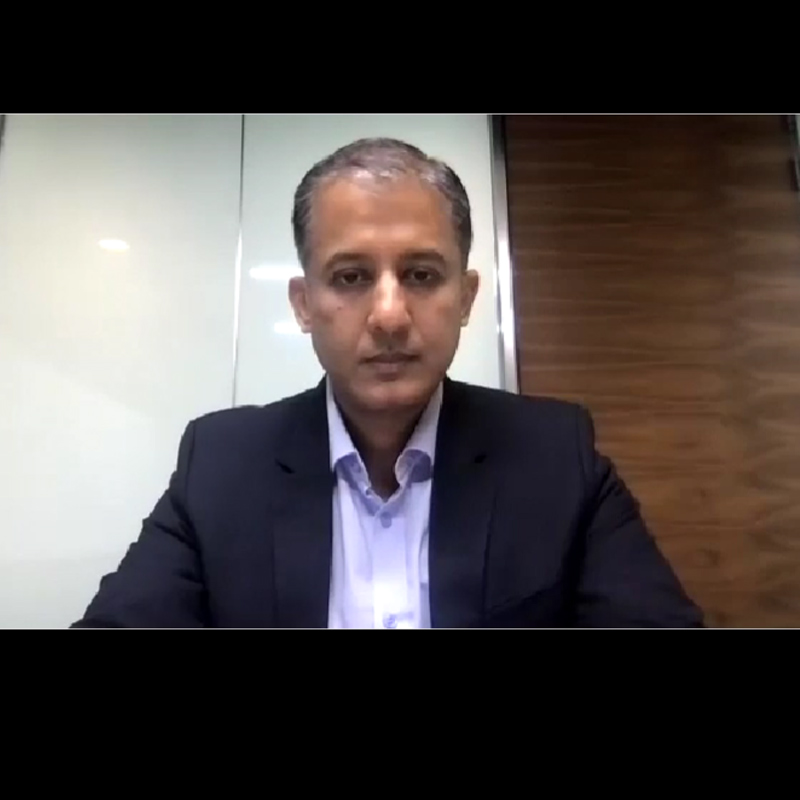
    Mumbai: In the 18 months post-lockdown, Star TV network has emerged as the top broadcaster with over 30 per cent network share and strong growth across network channels, said Star and Disney India president and head – network entertainment channels Kevin Vaz.

    In the Hindi segment – Star Plus and Star Utsav are leaders, and Star Plus has grown to a seven year high, said Vaz while addressing the APOS India summit that began virtually on Tuesday. 

    While there have been tectonic shifts in the regional markets, Vaz said Star Pravah initially ranked third among the top channels reached the top position, and Star Vijay, which was Star India’s first regional channel competing in one of the toughest markets, became number one in primetime. Markets where Star TV had a stronghold – Malayalam (Asianet) and Telugu (Star Maa) have only grown further.

    In conversation with Media Partners Asia co-founder and senior partner Vivek Couto, he also spoke about the recovery of TV advertising business, the future of regional TV, investments in content on TV, resurgence of free-to-air (FTA) and future of mass TV.

    “There are several positive macroeconomic factors that are indicating that the economy is bouncing back,” noted Vaz, adding that the IMF has predicted 10 per cent growth in the coming year. “IIP Index reported 11.9 per cent growth in August. GST collections are up by 17 per cent compared to 2019. The last three months have seen GST collections crossing Rs one crore every month. The successful vaccination drive where 1.2 billion Indians have received at least one shot has led to a positive future outlook.”

    In terms of depth of advertisers, Vaz observed that the set of advertisers has shifted in the past five years. For instance, five years ago 92 per cent of advertising for the Indian Premier League (IPL) came from categories such as beverages, telecom, handsets and consumer durables. However, now the new age companies such as e-commerce, fintech, gaming and edtech are changing the paradigm.

    “These companies have grown their contribution from eight per cent to 40 per cent with the remaining 60 per cent constituted by traditional advertisers. Five years back there were 35 unicorns in the country. This year there are 72 unicorns which are expected to grow to 100 unicorns in the year ahead. These companies have a lot of funds, they want to grow their customer base and advertising on TV is their first point of call,” said Vaz.

    Discussing the situation during the lockdown, Vaz said TV broadcasters were caught in a dichotomy as advertisers were pulling back yet with the consumer sitting at home, this was the best chance to create strong partnerships and serve them really good content. “We decided to double down on investments and keep investing in brands keeping the consumer at the focus. We also changed the programming schedule. For example, Star Pravah increased its original programming from two hours to five hours and regional channels such as Star Vijay and Star Maa started serving 45-55 hours of original content every week. The result we see today is that every channel is a leader,” he added.

    TV has a lot of scope to grow in the country, noted Vaz. There are 300-325 million households out of which TV reaches 210 million. The rural markets added 20 million homes in the last five years, he said. Every week 750 million viewers tune in to watch TV and consume one trillion minutes of content, indicating that TV is the preferred entertainment medium. Vaz said that TV viewers in regional markets consume four hours of TV every day which is 25 per cent higher than the national average. So, growth in HSM markets will come by getting them to stick to TV for a longer period of time.

    In terms of content investments, Vaz said that Disney and Star India’s strategy is agnostic to screens. He remarked, “We continue to invest more on TV by launching new channels, opening in new markets. In each market, we intend to have one entertainment, one movie and one music channel to serve wholesome viewing to the consumer.”

    He also talked about how the production values on TV have also been scaled up with the launch of big historical dramas and mythological shows. Apart from regular fiction shows, he said finite shows where production values are higher will also be part of TV offering.   

    Speaking about the resurgence of FTA channels, Vaz said, “We are committed to serving every consumer segment. The FTA market is an incremental opportunity. There are 40 million FTA households. The awareness of pay channels is not high in these markets. Most consumers will begin their TV journey with an FTA channel. The monetisation opportunity is to upsell them. It is important to target this audience as their consumption is disproportionate in the rural markets.”

  • FTA market rides growth wave amid pandemic

    FTA market rides growth wave amid pandemic

    Mumbai: Riding high on the launch of new channels, the advertising volumes and values of free-to-air (FTA) has grown by 25 to 30 per cent and is estimated to have a share of 25 to 30 per cent of the Rs 30,000 crore of total TV AdEx. This growth coupled with changes in viewership post the pandemic has charted the growth story of the FTA market during the pandemic.

    Out of the 901 licensed private satellite TV channels, 574 are free to air, according to the Telecom Regulatory Authority of India (TRAI). The launch of new channels including Shemaroo MarathiBana, ShemarooTV, Dangal Kannada, Ishara TV, Sun Marathi, Filamchi, Azaad, Dhinchaak, Colors Cineplex Bollywood, Asianet Movies, Filamchi Bhojpuri have grown the advertising share of free TV.

    “The first half of the year has been really good for FTA. The viewership had been very consistent in the early stages of 2021, with the demand peaking in the period before the second wave,” said MediaCom national director Srinivas Rao.

    According to Enterr10 Media Network chief business officer Shrutish Maharaj the FTA genre has grown by 25-30 per cent both in terms of volumes and value. “Had the pandemic and some policy changes not hit the industry, the organic growth had the potential to be much better,” Maharaj added. FTA space has also seen a lot of action with multiple launches in Uttar Pradesh, Bihar, Maharashtra, West Bengal, Punjab etc.

    Earlier only the big broadcasters were able to invest in original programming. However, that has changed over recent time, with a host of original programmes creating a vibrancy on FTA channels. “This is changing because FTA channels are no longer catering only to rural markets where viewers were playing catch-up. They now have significant penetration in urban markets as well,” said Maharaj. Some channels even look at a ratio of 40:60 of original programming to acquired content to be an ideal mix. 

    Traditionally, FTA channels tend to perform well in rural markets and have been mainly supported by FMCG advertisers who may contribute up to 70 per cent of the ad volumes. The reliance on FMCG spends is also believed to have constrained the growth of the FTA channels, as the category is mature.

    Though the FMCG is still the largest spending category on FTA, the dependence of FTA on FMCG has reduced considerably with categories like services, healthcare, education, manufacturing and construction, telecom, media contributing significantly. There has been the advent of new categories and a few others have recorded phenomenal growth.

    Some of these advertisers who came onboard include Amazon, Myntra, Flipkart, BYJU’S, Google, Facebook, indicating a shift towards the FTA audience which is discerning and dependable to drive the next phase of growth for them.

    Since the core audience of FTA channels is mainly from the heartland, most broadcasters try to place their channels on DD Free Dish, the free DTH platform by Prasar Bharati. At a one-time cost of Rs 2,000, any viewer may watch up to 160 channels distributed on the platform at no recurring cost. It is estimated that there are 50 million DD Free Dish set-top-boxes in the country.

    The advantage of being available on DD Free Dish is significant. Hindi general entertainment channel (GEC) The Q grew its client list by six times after launching on the free DTH platform, according to The Q chief executive officer Simran Hoon. “The Q has also not faced any problem of discounted ad rates like other FTA players post launching on DD Free Dish,” she added.

    Depending on the market that FTA channel caters to, viewership may increase up to 50 gross rating points (GRPs) by solely being distributed on the platform.

    “This is because DD Free Dish audience accounts for 30 per cent of the Hindi-speaking market,” pointed out Shemaroo TV, chief operating officer – broadcast business, Sandeep Gupta. “A channel can definitely survive just by being on DD Free Dish and not any other individual platform. It has a significant share of the audience in the core heartland markets such as Uttar Pradesh, Uttarakhand, Madhya Pradesh, Chhattisgarh, Bihar, and Jharkhand.”

    The availability of channels on DD Free Dish also improves the performance of the channel in rural markets drastically, highlight media experts. However, the biggest issue is that the base size of DD Free Dish is low, leading to scale still being low. Hence, the advertiser interest in FTA channels available on DD Free Dish would depend on the markets the brand is targeting,” said MediaCom’s Rao.

    At the end of the third annual e-auction that concluded in February, broadcasters bid as high as Rs 16.5 crore to be on DD Free Dish and Prasar Bharati made Rs 731.34 crore from the sale of 57 MPEG-2 slots.

  • Prasar Bharati relaxes DD FreeDish fees for FTA channels

    Prasar Bharati relaxes DD FreeDish fees for FTA channels

    MUMBAI: The Covid 2019 pandemic is not just decimating human lives it has also resulted in the broadcasting sector falling sick with shootings ceasing, ad revenues shrivelling, and subscription revenues drying up. To cope up with the rapidly turning toxic business environment, free-to-air (FTA) channels wrote to minister of information &  broadcasting Prakash Javadekar in April seeking a waiver of carriage fees on DD Free Dish. Then strangely there was silence from both sides, apart from a few howls from the FTA owners.

    Howevever, reports are that the pubcaster has heeded their plea and given them the option to defer their installments for the next three months or pay them partly.

    In a letter/email dated 17 May – which is currently available with Indiantelevision.com –   Prasar Bharati has stated that a channel can avail of deferment from the requirement of paying the carriage fee in an advance monthly statement, up to three months, subject to it furnishing separate bank guarantees towards the amount of each installment amount with interest after availing of this deferment for three months. This deferment is applicable for May, June and July. 

    It has also added that the channels have to furnish the bank guarantee by 22 May for the instalment of May and for June, July by 27 May and 27 June respectively. Moreover, if a channel has already paid the instalment for May, it can avail the benefit for the next three months. 

    Prasar Bharati has also drawn up another option if a channel finds it difficult to furnish a bank guarantee. Instead of paying the full amount of the installments, it can pay 67 per cent of the carriage fee for three months, that is, May, June and July. However, the balance has to be paid later along with the interest with regular installments.

    The channels not seeking any of the relaxations have been offered an incentive of  0.5 per cent on the total payment. Moreover, channels which were removed or had opted out of the platform can also come back by availing these relaxations.

    There are close to 150 occupants on DD FreeDish. Thanks to the service’s wide reach and availability, Dangal – a regional language channel –  has more often than not beaten private satellite Hindi entertainment channels to the top spot in BARC’s ranking.


  • How Doordarshan aims to fill void of GECs’ exit from Free Dish, FTA space

    How Doordarshan aims to fill void of GECs’ exit from Free Dish, FTA space

    MUMBAI: Public broadcaster Prasar Bharati, during its 154th board meeting, gave Doordarshan a major shot in the arm as it approved, in principle, significant investment in new and quality content during the year 2019-2020. The meeting was chaired by Prasar Bharati chairman A. Surya Prakash in the presence of the CEO Shashi Shekhar Vempati and member Rajeev Singh.

    According to Vempati, the plan for new content on Doordarshan will be finalized in the next few days. This infusion of fresh content by Doordarshan should fill the vacuum from the exit of several GEC channels from the free-to-air (FTA) space in general and from DD Free Dish in particular, Vempati hopes.

    While BARC India has not been making its viewership data public in recent weeks, the importance of DD Free Dish as a platform has become abundantly clear going by the measurement since 1 March. This underscores the opportunity for Doordarshan to regain its space in GEC genre, Vempati added.

    Post the implementation of TRAI tariff order, several major broadcasters like ZEE and Star India have converted their FTA channels into pay and taken off popular channels from Doordarshan's FTA DTH platform Free Dish.

    The planned investment in new content on Doordarshan will be targeted towards capturing this opportunity, Vempati stated.

  • Surya Food Agro begins testing of news, GEC channels

    Surya Food Agro begins testing of news, GEC channels

    MUMBAI: The general entertainment channel (GEC) space is growing bigger and tougher with the addition of a new player soon. FMCG major Surya Food Agro had announced in 2016 that it wanted to enter the news space with the channel Surya Samachar. Now, the company is looking to foray into the GEC space for the Hindi masses.

    Both channels are currently in the testing phase and are likely to be launched soon. The Ministry of Information and Broadcasting’s list of permitted private satellite TV channels shows Surya Samachar and Surya Sagar Entertainment among them. The entertainment channel will show dramas, Hindi movies and reality shows.

    Surya Samachar, the Hindi free-to-air (FTA) news channel, started its test transmission from 27 March 2018. Both channels are being beamed off INSAT4A at 83 degrees east and will be available on all major cable TV and pay DTH services.

    The most recent addition to the GEC sector was Discovery Networks’ Jeet with its differentiated purpose-driven content. There is no dearth of FTA entertainment channels either with all the big networks having their presence with Star Bharat, Zee Anmol, Rishtey, Sony Pal and Star Utsav.

    In an interaction with Indiantelevision.com earlier, Sab and Max cluster senior EVP and business head Neeraj Vyas highlighted that FTA is a growing investment area. “FTA is a zone which is growing and we are looking at a base between 25-30 million homes now. FreeDish is a very important platform to reach out to masses today,” he said.

    According to Broadcast Audience Research Council data of week 12, Zee Anmol, Sony Pal, Star Utsav and Star Bharat retained their first, second, third and fourth positions with 629562 impressions (000s), 502663 impressions (000s), 451600 impressions (000s) and 376909 impressions (000s) respectively.

    Moreover, Rishtey, Dangal TV, Big Magic, Zee TV and Colors retained their fifth, sixth, seventh, eighth, ninth and tenth positions respectively with 316857 impressions (000s), 257564 impressions (000s), 233288 impressions (000s), 206741 impressions (000s), 157823 impressions (000s) and 144025 impressions (000s).

    FTA channels are in high demand since they cater to a segmented audience. The success of FTA channels is due to DD’s free DTH service FreeDish which has penetrated small towns and rural India. FMCG brands dominate ads on FTA channels with 75-80 per cent of contribution while smartphones, telecom players and two-wheelers have scope too. The channel, if it manages to make a mark, can save advertising cost for PriyaGold and even ensure good reach and revenue with its own channel.

    Also Read :

    Katrina Kaif becomes face of PriyaGold chocolate bar

    Living Foodz to add Tamil feed in FY 18-19

    TLC to target Tamil, Telugu markets

  • Guest Column: Four market forces lending the power to risk in Indian TV industry

    Guest Column: Four market forces lending the power to risk in Indian TV industry

    Overall, the outlook for the M&E industry is very positive and robust. This is spearheaded by continuing top performance by Television and projected unprecedented performance by digital.

    Strong long term economic fundamentals driven by domestic consumption – as high as 70% of GDP- constitutes the core reason for the outlook to be rosy. This combined with delayed yet inevitable completion of digitisation with its resultant benefits.  In the long run, government policies of demonetisation and GST also lending further boost to GDP would further help.

    Rising share of FTA channels, even as it may pull down long term subscription revenue forecast, is expected to only contribute to the overall health of the industry.

    The future very clearly revolves around digital.  With the government’s unabashed push for digital consumption and digital payments, mass adoption of technology is a foregone conclusion. Digital media is no longer being viewed as an additional distribution platform but as a core revenue engine.

    Investment Outlook

    public://F1_19.jpg

    Driven by growth, the investment outlook through an analysis of the past as also last year 2016 is very rosy.

    public://F2_10.jpg

    Key Market Force for Investments

    Four key market drivers favouring India and Indian M&E industry in general and Television industry in particular, are:

    1. Favourable demographics
    2. Tremendous Market Potential
    3. Immense Talent Availability
    4. Increasing Digital consumption

    Favourable demographics

    Per capital income growth rate is projected to double from 2016 to 2020. India has the largest youth population in the world (350 million).  Spend on leisure activities in India is projected to grow at a CAGR of 8.4% up to 2025.

    Tremendous Market Potential

    Traditionally urban India has been a major source of revenue.  TV reach in rural markets has expanded rapidly from 78 million hhs in 2015 to 99 million in 2016 (up 27% yoy). Many TV broadcaster have therefore launched rural-specific ‘Free-to-air’ to tap the growing potential.

    Immense Talent Availability

    The M&E industry employs 0.6 million people as of 2016 which is likely to increase to 1.3 million by 2022. The government has set up M&E Skills Council (MESC) with a   mandate to develop 1.2 million skilled workforce by 2020.

    Increasing Digital consumption

    Penetration of high-speed broadband and wireless internet and proliferation of low-cost smartphone devices have led to an increase in consumption of digital media content such as online media, music streaming and on-demand video streaming. Plummeting data cost will continue to support high growth in the segment, particularly in video streaming.  Attracted but high growth, there has been an unprecedented increase in OTT service providers including world leaders in OTT like Netflix and Amazon.

    Conclusion

    Impending challenges galore. For every sub-segment of Media and entertainment industry. These relate to requirements to innovate, to evolve with this change and to evolve for building sustainable business models.

    Media and entertainment companies will need to be flexible and nimble to be able to make the most of this unfolding opportunity. The long-term future for the television industry is very robust with CAGR projections above 14% for both segments of ad revenues and subscription revenues. The Indian Media & Entertainment industry is expected to leap forward after a slow 2016.

    public://Untitled-3_17.jpg

    (Piyush Sharma, a global tech, media and entrepreneurial leader, created the successful foray of Zee Entertainment in India and globally under the ‘Living’ brand. The views expressed here are of the writer’s and Indiantelevision.com may not subscribe to them.)

  • TV in India may grow 10.3%, overall AdEx by 11.5% in ’17: IPG Magna

    MUMBAI: India is recovering from the aftereffects of demonetisation, and the currency deficit faced during this period has helped the country leap frog towards a lesser cash economy.

    The country is set to move towards a uniform tax regime with Goods & Services Tax (GST), effective July 2017, while this fuels growth it is likely to create a fleeting disruption in the short term when the industry realigns and adapts to the new tax structure. GDP in real terms is estimated to grow +7.2% in 2017 compared to +6.8% in 2016 according to International Monetary Fund (IMF). Within the next decade India will gallop to become one of the largest consumer markets in the world according. Rising affluence, ease of doing business, urbanization and enabling infrastructure will contribute to this status.

    Advertising revenue which is accounts for 0.38% of GDP (gross domestic product) is likely to grow CAGR of +12.6% to touch INR 992 bn by 2021. Within Advertising, offline is estimated to grow at a CAGR of +9.7%, while digital will grow at +25.5% CAGR in the next five years. Mobile is projected to overtake desktop by 2020. Television will still be the largest media in 2021 with a market share of 39%.

    In 2017, Adex is estimated to grow +11.5% to touch INR 611bn, predicts Magna, the intelligence, investment and innovation strategies agency of IPG Mediabrands. Ad spends will be driven by sectors like social, fin-tech, and payment banks, telecom service, content distribution platforms etc., in addition to FMCG, Auto and Ecommerce.

    Television, the foundation of advertising spends, continues to dominate the industry with its market share of 41% and will grow+10.3%.  With BARC release of rural audience data, new revenue stream in the form of FTA channels have gained significance. Quality localized content and HD experience will help regional TV to keep their audiences hooked. Sporting leagues outside of Cricket is finding way to generate mass involvement and Television will play a larger role. Star Sports Tamil demonstrating tangible results will increase fandom for local/state level formats.

    Print in India has been successful in guarding its revenues well with revenue expected to grow by +5.7% and India is one of the large markets where circulation is still growing thanks to rising literacy. The second biggest category with 36% share despite growing is losing its share to Digital year-on-year. Traditional sectors like auto, telecom and education will contribute to ad spend growth.  After a gap of 3 years, the category will invigorate with the release of new IRS and help publishers realize merit based value. Audit Bureau of Circulation (ABC) measuring digital consumption will lend authority and help in monetization. We expect the ad spends to grow beyond the estimated +5.7% in 2017 thanks to government’s focused campaign to popularize their marquee initiatives.

    Digital will grow +28%, and, within digital, mobile is driving spends with a growth rate of +65.7%. The launch of 4G triggered low price data products there by increase in usage. With improved speed Video, native and customized content has tremendous potential to grow.  BARC putting out a road map on digital panel takes India one step closer to a robust measurement not only for digital but also to showcase capabilities in incremental metrics. With expanding content library, OTT viewing is no more restricted to national languages. Aggressive push by Amazon and Netflix to address the original content gap will attract larger base of audience. With mobile increasingly being the choice of access, traffic will be higher than desktop resulting in advertising propelled by mobile which is estimated to expand at CAGR of 48%. E-commerce, Telecom, Auto, BFSI, Durables are large contributors to the revenue.

    Radio reach with around 150 new frequencies sold during phase III is set to deepen further and will help generate incremental revenue. We estimate radio to grow +13% and continue to grow at CAGR of 13.8% in the next 5 years. Currently the measurement is limited to 4 cities, widening this will help radio increase its share from the current 4%

    OOH will grow +12% in 2017. Technology integration will increase effectiveness and helps DOOH to drive ad spends. Urbanization in the form of new Metro lines and smart cities, modernization of Indian Railways and their new advertising policy etc., will provide opportunities for a planned development of quality assets and also push the industry to innovate and move beyond billboards. Regional cinema is pushing boundaries to outdo Bollywood cinema which augurs well for the industry.

    Table 1 – Media owner revenue by category in INR Cr Net

    public://F1_12.jpg

    Table 2 – Traditional Vs Digital Adex growth rate

    public://F2_5.jpg

    Table 3 – Mobile gaining shares over desktop

    public://F3_0.jpg


  • TRAI tariff & quality of services regulations

    TRAI tariff & quality of services regulations

    NEW DELHI: The maximum retail price of a general entertainment television channel under the digital addressable system cannot exceed Rs 12 and that of a sports channel cannot go above Rs 19, according to the draft of the DAS tariff order issued by the Telecom Regulatory Authority of India.

    The maximum prices of other genres are: movies – Rs 10, infotainment – Rs nine, kids – Rs seven, news and current affairs – Rs five, and devotional – Rs three.

    Even as the TRAI permitted broadcasters to offer bouquets if they wish to, it has said that the total price of the bouquet will not exceed 85 per cent of the total individual price of each of the channels in such a bouquet.

    Furthermore, as consumers are often unsure of the fact that free to air channels are not be charged, the Authority has decided that bouquets of pay channels and FTA channels have to be separate — there can be no bundling of pay and FTA channels both, at the broadcaster as well as at the distributor of television channels level, as it will help to reduce forced bundling of packages with FTA channels in view of fixed fee/CPS deals being executed by the broadcasters. The Tariff order states that broadcasters will have to qualify a channel as a pay TV or a free channel.

    All stakeholders have been asked to respond to the tariff order draft by 24 October, after which TRAI will form its final opinion and issue the Telecommunication (Broadcasting and Cable Services) (Eighth) (Addressable Systems) Tariff Order 2016.

    The maximum retail price of a pay channel transmitted in SD format in a given genre shall not exceed the rate specified for such genre.  

    The maximum retail price of a pay channel transmitted in HD format shall not be more than three times the maximum retail price of corresponding channel transmitted in SD format, But if the corresponding SD channel of a HD channel is not available, the maximum retail price of such HD channel shall not exceed three times the rate specified for corresponding genre.

    The ceiling on maximum retail price shall apply to all the existing pay channels as well as to new pay channels that are launched or converted from free to air channel to pay channel after the commencement of this tariff order.

    In the new framework, the number of genres has been reduced to 7 from existing 11. Some of the existing genres have been grouped together to form a new genre, while some genres have been retained.

    In case a genre has been retained as it is, the maximum retail price of a channel to the customer in that genre will be 1.20 times the existing price cap for that genre for addressable systems. In case, multiple genres have been clubbed to form a new genre, maximum retail price of a channel in that genre to the customer will be 1.20 times the existing price cap of that genre which has the highest price cap for addressable systems.

    Meanwhile, TRAI also issued a draft of the Standards of Quality of Service and Consumer Protection (Digital Addressable Systems) Regulations, 2016 and wanted stakeholders to react to these by 25 October 2016.

    The broadcaster will have to ensure that the maximum retail price of such bouquet of pay channels in a relevant geographical area shall be uniform for all distribution platforms in that area; that it should not contain any free to air channel or HD or SD variants of the same channels or any premium channels.

    The Q of S Regulations have addressed almost every aspect of the cable TV ecosystem going forward fixing the responsibility of the broadcaster, the cable TV platform, the distributor and consumer. It covers everything from subscriber management systems to disconnection and reconnection of services to a la carte pricing to package pricing to the tariffs that can be charged by cable TV operators, MSOs, and broadcasters to billing to creating consumer awareness about DAS. 

    Referring to the discussions it held with stakeholders, TRAI says the Authority had prescribed a genre-ceiling subject to inflation linked hikes. All the channels have to prescribe channel rate in accordance with the applicable genre-ceilings in non-addressable and addressable systems.

    Some broadcasters had submitted that they agree with genre-wise pricing, maximum and minimum defined for channel pricing with regular revision of caps from time to time.

    Broadcasters have also submitted that the price cap should be based on channel popularity, number of channels in a particular genre and actual viewership based on distributor of television channels disclosures. They have further opined that a maximum of 33% discount on wholesale price across all genres must be allowed with the frequency to revisit genre ceilings be 1 to 2 years.

    A majority of the distributors of television channels have submitted that the price caps may be determined by TRAI using the existing commercial agreements data filed with TRAI.

    According to them, one such method to arrive the genre-wise price caps can be a simple average of current RIO rates of channels in a genre. Most of the distributors of television channels have further submitted that there exists and inverse relation between price of a channel and popularity-viewership. As a-la-carte rates increase, penetration of the channel decreases thereby decreasing ad-revenue. They are of the opinion that a maximum of 40-50% discounts should be allowed on the RIO rates for fair and non-discriminatory pricing of channels to all the distributors of television channels. They further suggested that the frequency to revisit genre ceilings may be 1- 5 years.

    The existing framework for genre ceiling is working well. Therefore in order to have continuity, the Authority is of the view that existing genre ceiling should continue. However, in the new framework, broadcasters will provide distribution fee of 20% on the MRP to distributors of television channels. Accordingly, the Authority has proposed a new genre-ceiling for MRP to customers with adequate scope to cater for additional business margins at 20% of the existing genre ceilings for addressable systems. It is expected that the prices will be regulated by the market forces based on the demand of channels or TRP.

    Also Read:  TRAI releases draft tariff & consumer DAS regulations

  • TRAI tariff & quality of services regulations

    TRAI tariff & quality of services regulations

    NEW DELHI: The maximum retail price of a general entertainment television channel under the digital addressable system cannot exceed Rs 12 and that of a sports channel cannot go above Rs 19, according to the draft of the DAS tariff order issued by the Telecom Regulatory Authority of India.

    The maximum prices of other genres are: movies – Rs 10, infotainment – Rs nine, kids – Rs seven, news and current affairs – Rs five, and devotional – Rs three.

    Even as the TRAI permitted broadcasters to offer bouquets if they wish to, it has said that the total price of the bouquet will not exceed 85 per cent of the total individual price of each of the channels in such a bouquet.

    Furthermore, as consumers are often unsure of the fact that free to air channels are not be charged, the Authority has decided that bouquets of pay channels and FTA channels have to be separate — there can be no bundling of pay and FTA channels both, at the broadcaster as well as at the distributor of television channels level, as it will help to reduce forced bundling of packages with FTA channels in view of fixed fee/CPS deals being executed by the broadcasters. The Tariff order states that broadcasters will have to qualify a channel as a pay TV or a free channel.

    All stakeholders have been asked to respond to the tariff order draft by 24 October, after which TRAI will form its final opinion and issue the Telecommunication (Broadcasting and Cable Services) (Eighth) (Addressable Systems) Tariff Order 2016.

    The maximum retail price of a pay channel transmitted in SD format in a given genre shall not exceed the rate specified for such genre.  

    The maximum retail price of a pay channel transmitted in HD format shall not be more than three times the maximum retail price of corresponding channel transmitted in SD format, But if the corresponding SD channel of a HD channel is not available, the maximum retail price of such HD channel shall not exceed three times the rate specified for corresponding genre.

    The ceiling on maximum retail price shall apply to all the existing pay channels as well as to new pay channels that are launched or converted from free to air channel to pay channel after the commencement of this tariff order.

    In the new framework, the number of genres has been reduced to 7 from existing 11. Some of the existing genres have been grouped together to form a new genre, while some genres have been retained.

    In case a genre has been retained as it is, the maximum retail price of a channel to the customer in that genre will be 1.20 times the existing price cap for that genre for addressable systems. In case, multiple genres have been clubbed to form a new genre, maximum retail price of a channel in that genre to the customer will be 1.20 times the existing price cap of that genre which has the highest price cap for addressable systems.

    Meanwhile, TRAI also issued a draft of the Standards of Quality of Service and Consumer Protection (Digital Addressable Systems) Regulations, 2016 and wanted stakeholders to react to these by 25 October 2016.

    The broadcaster will have to ensure that the maximum retail price of such bouquet of pay channels in a relevant geographical area shall be uniform for all distribution platforms in that area; that it should not contain any free to air channel or HD or SD variants of the same channels or any premium channels.

    The Q of S Regulations have addressed almost every aspect of the cable TV ecosystem going forward fixing the responsibility of the broadcaster, the cable TV platform, the distributor and consumer. It covers everything from subscriber management systems to disconnection and reconnection of services to a la carte pricing to package pricing to the tariffs that can be charged by cable TV operators, MSOs, and broadcasters to billing to creating consumer awareness about DAS. 

    Referring to the discussions it held with stakeholders, TRAI says the Authority had prescribed a genre-ceiling subject to inflation linked hikes. All the channels have to prescribe channel rate in accordance with the applicable genre-ceilings in non-addressable and addressable systems.

    Some broadcasters had submitted that they agree with genre-wise pricing, maximum and minimum defined for channel pricing with regular revision of caps from time to time.

    Broadcasters have also submitted that the price cap should be based on channel popularity, number of channels in a particular genre and actual viewership based on distributor of television channels disclosures. They have further opined that a maximum of 33% discount on wholesale price across all genres must be allowed with the frequency to revisit genre ceilings be 1 to 2 years.

    A majority of the distributors of television channels have submitted that the price caps may be determined by TRAI using the existing commercial agreements data filed with TRAI.

    According to them, one such method to arrive the genre-wise price caps can be a simple average of current RIO rates of channels in a genre. Most of the distributors of television channels have further submitted that there exists and inverse relation between price of a channel and popularity-viewership. As a-la-carte rates increase, penetration of the channel decreases thereby decreasing ad-revenue. They are of the opinion that a maximum of 40-50% discounts should be allowed on the RIO rates for fair and non-discriminatory pricing of channels to all the distributors of television channels. They further suggested that the frequency to revisit genre ceilings may be 1- 5 years.

    The existing framework for genre ceiling is working well. Therefore in order to have continuity, the Authority is of the view that existing genre ceiling should continue. However, in the new framework, broadcasters will provide distribution fee of 20% on the MRP to distributors of television channels. Accordingly, the Authority has proposed a new genre-ceiling for MRP to customers with adequate scope to cater for additional business margins at 20% of the existing genre ceilings for addressable systems. It is expected that the prices will be regulated by the market forces based on the demand of channels or TRP.

    Also Read:  TRAI releases draft tariff & consumer DAS regulations

  • No plans to remove 12 mins ad cap for TV channels: TRAI sources

    No plans to remove 12 mins ad cap for TV channels: TRAI sources

    NEW DELHI: The Telecom Regulatory Authority of India (TRAI) is not considering any move to do away with the advertising cap of 12 minutes per hour for all television channels.


    A TRAI source told Indiantelevision.com that even otherwise, a notification issued by the Authority can only be amended through another notification after the issuance of a consultation paper and consultation with stakeholders.


    When his attention was drawn to the reported statement of a union minister to the effect that the ad cap served no purpose, the source said that TRAI had not received any instructions in this regard and would in any case take its own decision. He also drew attention to the fact that the matter was pending in court.


    Meanwhile, the National Cable & Telecommunication Association and the Malwa Cable Operator Sangh have urged the Authority not to consider a blanket rolling back of its own decision – Standards of Quality of Service (Duration of Advertisements in Television Channels) Regulations 2012 – of an ad cap of 12 minutes per hour for all TV channels.


    In separate but similar letters to TRAI chairman R S Sharma, the two bodies have said that it is imperative to appreciate the difference between those channels, which charge subscriptions and those that are free to air (FTA) before any decision is taken.


    In their letters, Vikki Choudhary and Rahul Rawat who head the two organisations respectively have said it is important to categorise TV channels into three groups – FTA channels, FTV (Free To View) channels and Pay TV channels.


    The FTA and the FTV channels do not charge any subscription while Pay TV Channels charge a monthly subscription fee from consumers, collected through the Distribution Platform Operators (DPOs).


    They have therefore said there should be no advertisement duration permitted on these Pay TV channels. The duo pointed out that this is also an international norm and a logical way of doing the TV channel broadcast business worldwide.