Tag: Freedom of speech

  • Bombay HC seeks government’s response over stay on IT media rules

    Bombay HC seeks government’s response over stay on IT media rules

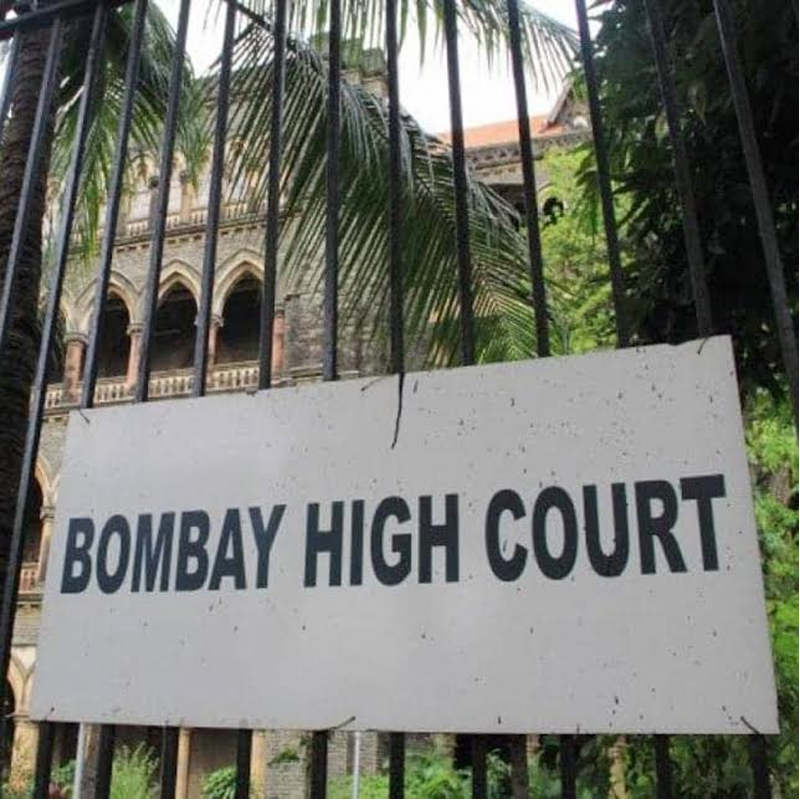
    New Delhi: The Bombay high court has asked the central government to submit a response as to why an interim stay should not be given to the implementation of the Information Technology (IT) Rules, 2021, as demanded by two petitions.

    “File a short affidavit on why interim relief should not be granted,” the HC told the Union government, adjourning the hearing to 13 August.

    The court was hearing two petitions filed by digital news portal `The Leaflet’ and journalist Nikhil Wagle who had challenged the new regulations notified by the government in February this year. According to the petitions, the new rules are “vague”, “draconian”, and bound to have a “chilling effect” on the freedom of press and right to free speech guaranteed by the Constitution.

    The petitions had also contended that the rules “go beyond the parameters set by the Information Technology Act and limits set under Article 19 of the Constitution.”

    It is significant to note that similar petitions opposing the new rules have been filed in high courts across the country. The government has been asked to submit its response by 13 August.

    In a separate case, the government told the Delhi high court on Tuesday, that Twitter was prima facie in compliance with the new IT Rules by appointing a chief compliance officer (CCO), resident grievance officer (RGO) and nodal contact person on permanent basis.

    The Information Technology (Intermediary Guidelines and Digital Ethics Code) Rules, 2021 seek to regulate dissemination and publication of content in cyber space, including social media platforms.

    The rules also recommend a three-tier mechanism for the regulation of all online media. Under the rules, the digital publishers are required to take urgent steps for appointing a grievance officer, if not done, and place all relevant details in the public domain. They also need to constitute self-regulatory bodies through mutual consultation so that the grievances are addressed at the level of publishers or the self-regulating bodies themselves.

  • ‘Freedom of speech’ vital in progressive society, says Nandita Das

    NEW DELHI: Three short films made by renowned filmmakers Sudhir Mishra, Nandita Das and Ram Madhvani on meaningful subjects marked the India Today conclave on its closing day in Mumbai. India Today Group editorial director Kalli Purie said the films had been commissioned by the group to mark four decades of its existence.

    Nandita Das said: “Freedom of expression is needed for any society to be progressive else we will go back in time if there are no diverse views or analysis, if a child cannot ask questions.”

    The three films addressed poignant and almost dark issues as compared to the power play in politics to the bloodshed of the Partition.

    The 30-minute-long screening began with Mishra’s “Life Support” that revolves around the play of power in politics with three protagonists. “It doesn’t show anyone in particular; it’s about power and its sad stories,” said Mishra. Explaining his film in which a young politician and “heir apparent” of a political party condones his father’s killing ordered by a powerful politician, he added, “There are people who have compromised. We don’t have an answer to everything and that’s the power of a story, it’s all about many things.”

    Das’s film was on celebrated Pakistani writer Saadat Hasan Manto played by Nawazuddin Siddiqui, “In Defense of Freedom”. The film explores the need and importance of freedom of expression, as Manto questions why he should not write about the not-so-pleasant things in society. Through Manto’s life and preachings, Das emphasizes the need for freedom of expression in our society as well. “Manto is still so relevant even after all these years,” she said. “In any democratic or progressive society, freedom of speech, although ambiguous to define, should be cherished,” she added.

    Even as Nandita’s film drew attention to the freedom to express, the last film screened brought back to public memory the pain of the Partition. In his film “This Bloody Line”, filmmaker Ram Madhvani tells the story of Mohamed Ali Jinnah and the Partition and the fact that the Radcliffe Line led to the biggest mass migration in the history of mankind. He used poignant videos and pictures from the Partition of filled trains carrying people to their new country, of assaulted and injured women and children. “Till today, this line makes us bleed” said the concluding message. “This film is a reaction to the sadness and anger we feel,” he said.