Tag: FoxyMoron

  • Welspun launches digital campaign on water crisis

    Welspun launches digital campaign on water crisis

    MUMBAI: Welspun India Limited’s domestic brand, Welspun, has recently launched an innovative digital campaign to raise awareness around the decreasing groundwater levels across the country. The campaign is rolled out using digital ad banners backed by unique API integration, which shows the residents, the groundwater levels in their city on a real-time basis alongside highlighting Welspun’s range of reversible bed sheets that save up to 40 per cent of water during washing.

    NITI Aayog’s recent report highlights that the groundwater levels in some of the biggest Indian cities have fallen significantly. It states that the reasons for the rapidly depleting water supply across cities include increased urbanization, climate change and weak infrastructure. In the absence of proactive measures towards water conservation, 21 Indian cities are estimated to be on the brink of running out of groundwater in 2020. Taking cognizance of this, Welspun has launched an impactful campaign to shed light on the water crisis faced by the country.

    The innovative ad banners are served to users showing them the real-time groundwater level of their respective cities. They are curated using a specially designed API that allows the groundwater level data to be pulled from the official source and incorporated in the banner concurrently. The banners will also display Welspun’s two-in-one bed sheets as one of the immediate solutions to conserve water thereby urging consumers to do their bit.

    The campaign is currently live in Maharashtra, West Bengal, Kolkata, Kerala, Jharkhand and many more regions where the groundwater levels are severe.

    Welspun India Limited CEO domestic retail business Manjari Upadhye said, “Sustainability at Welspun India is not just a component of our business philosophy, but is also an ethos embedded in every aspect of our value chain. Taking cognizance of the depleting groundwater levels across the country, we have launched a digital campaign that adopts an innovative approach to sensitize the citizens about the prevailing water crisis. The API integrated ad banners not only give a real-time update on the city’s groundwater levels but also urges people to take a small step towards water conservation by using Welspun’s two-in-one bed sheets that saves 40 per cent water while being washed.”

    FoxyMoron media director Umesh Shashidharan said, “Using the API, we are making customers understand the criticality of the situation and enabling them to take action by providing a product which does make a difference. It works best for the brand as the education about the water crisis and integration of product is happening seamlessly. All this was also backed with customized and automated programmatic targeting.”

    “We hope Welspun’s efforts to bring awareness, are enabling much necessary change towards water conservation,” he added.

    Through this campaign, Welspun has reached more than two million users so far and is witnessing a click-through rate of 2.4 per cent, which is four times higher than 0.50 per cent industry average for mobile banners on programmatic.  Users who are in the critical ground water level zone have engaged 28 per cent more than those users in moderate and good ground water level zone.

  • Pulse launches marketing campaign #PulsePePulseChallenge

    Pulse launches marketing campaign #PulsePePulseChallenge

    Mumbai: PassPass Pulse, India’s favourite candy known for its sweet and spicy flavours, has launched one of the most exciting Influencer marketing campaigns, #PulsePePulseChallenge on all major social media platforms.

    The challenge is to stack three Pulse candies on top of each other in 15 seconds. It may sound easy, but this entire exercise should be done using only one hand. As the clock ticks, this seemingly relaxed challenge tests you for focus, stability and agility.

    The idea behind the challenge was to encourage candy lovers to engage in a fun activity with Pulse. The challenge was kickstarted with some of the biggest influencers in the market like Aparshakti Khurana, Prajakta Koli, Ashish Chanchlani, Kriti Vij etc. The influencers loved executing this activity, so they also challenged their followers to give it a try and post on their respective social media handles.

    The #PulsePePulseChallenge has been executed in collaboration with Pollen, FoxyMoron’s influencer marketing vertical. The ongoing campaign will be running till 07 January across all major social media platforms.

    Pass Pass Pulse is a known product from the Dharampal Satyapal Group, a rapidly growing, multi-diversified conglomerate with presence in diverse industry sectors.

  • Heinz’s ingenious way to stop you from skipping the ad

    Heinz’s ingenious way to stop you from skipping the ad

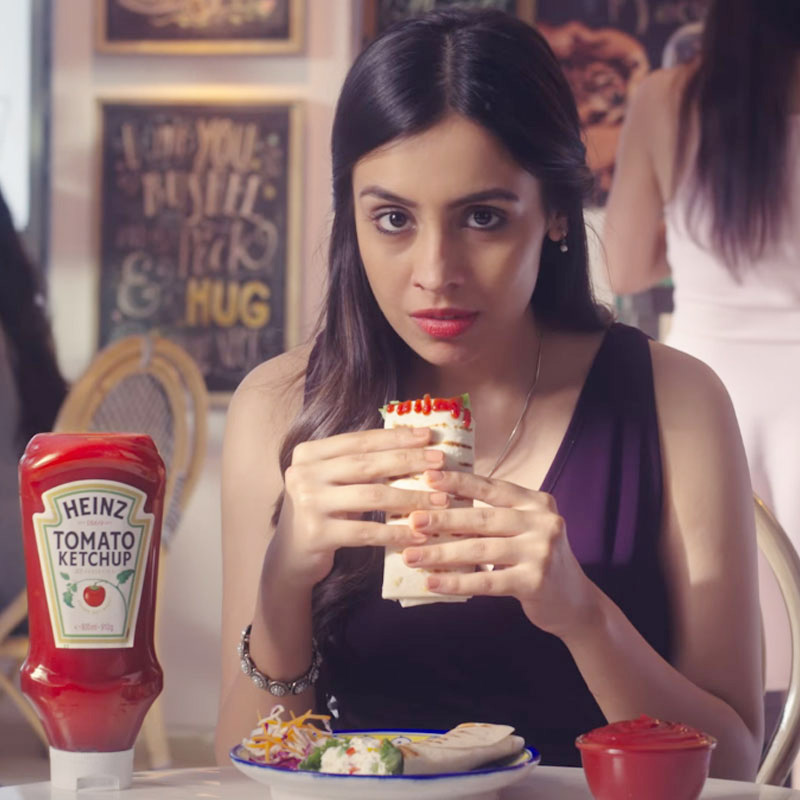
    MUMBAI: Heinz Tomato Ketchup has launched its new campaign which features mouth-watering food and how people are so engrossed in eating the Heinz ketchup that they ignore everything else.

    When Heinz Tomato Ketchup aspired to spread its brand message, the brand wanted to do so in a unique manner that grabs the viewer’s attention. Kraft Heinz in collaboration with digital agency FoxyMoron found an ingenious way to circumvent this using a quirky technique to create curiosity and keep the viewer hooked on. Most viewers on YouTube view pre-rolls as white noise before tuning into videos that hold their interest. These interactive pre-rolls are first of its kind, where unlike any other skip ad, the protagonist is so engrossed in eating that he/she tells the viewer to skip the advertisement and leave them alone.

    The campaign consists of six pre-rolls ads wherein the protagonists do exactly the opposite and tell the viewer to hit the skip button. The videos then proceed to showcase how the protagonist enjoys the taste of Heinz Tomato Ketchup so much that they don’t care about their surroundings or anything else at all.

    This helped build curiosity by telling the viewer to skip the advertisement within the first five-seconds, followed by showcasing common and relatable individuals indulging in food with Heinz Tomato Ketchup.

    By telling its viewers to hit the skip button, Heinz Tomato Ketchup created intrigue and got the viewers to watch what the pre-roll had to offer and the results did not disappoint!

    FoxyMoron co-founder Suveer Bajaj adds,“With the five innovate pre-roll concepts we developed for Heinz Ketchup, we toyed with the idea of tempting users to skip an ad, or continue enjoying the ketchup experience that Heinz presents us all with on a daily basis. We saw a shocking completion rate of 32 per cent (2X industry standard) on skippable inventory proving that the daring slice-of-life creative managed to manifest a delicious everyday ketchup experience for all!”

  • Blackberrys gives digital mandate to FoxyMoron

    Blackberrys gives digital mandate to FoxyMoron

    MUMBAI: Menswear fashion brand Blackberrys has assigned its digital mandate to FoxyMoron after a multi-agency pitch. The account will be managed from the agency’s north office.

    As per the mandate, FoxyMoron will be managing the digital creative, media, search engine optimisation as well as website maintenance and development duties. This entails strengthening the brand’s digital presence by showcasing their dynamic apparels and building a distinct brand personality.

    Blackberrys vice president brand experience Ramesh Kaushik says, “As a brand we stand committed to our consumers, and hence need partners who are common to us in this cause. With a strong belief in good, relevant and useful content, our digital strategy is to break away from one-way disruption and engage consumers in co-created platforms. Just like Blackberrys wardrobe solutions, the heart of our digital strategy is in being ahead of times yet relevant, engaging our consumers in their journey towards success.”

    FoxyMoron to us is a right fit since they have established credibility in the industry with their disruptive and differentiated approach, and have in depth knowledge of digital ecosystem. Given our clear focus on content and a two-way engagement, we are confident of FoxyMoron’s high-level understanding of Indian consumer, their tastes and preferences. They are aware of what our business needs with change in focus, scope and what is best in terms of engagement, measurements and sustainable approach,” he adds.

    FoxyMoron creative director of north Gokul Pillai mentions, “Knowing that they are in the business of making men look good, it is going to be interesting working on this brand! We not only look forward to building the brand, but have strong vision and values to back the motive. We are determined to align our expertise to steer the brand towards its goals.”

    FoxyMoron business head of north Prachi Bali adds, “To be their partners at a time when the brand is redefining itself and to be able to disseminate this message to an ever-changing digital audience is a job which requires a great deal of agile thinking and trust. We’re excited about the possibilities for the brand when it comes to chalking out a holistic strategy in terms of digital creative, media, technology, web and search.”

  • Aditya Birla Capital talks money in new campaign

    Aditya Birla Capital talks money in new campaign

    MUMBAI: Aditya Birla Capital Limited (ABCL) has launched its latest campaign #DearMoney across 51 TV channels, 14 radio stations, several OOH locations, Facebook, YouTube, Instagram and several websites. With this launch, all ABCL businesses inclusive of Aditya Birla Finance Limited, Aditya Birla Sunlife Mutual Fund, Aditya Birla SunLife Insurance and Aditya Birla Health Insurance, have come together as one to serve the end-to-end financial needs of its retail and corporate customers through one brand.

    The campaign highlights the launch of a whole new category — money, and the launch of a whole new way in which financial brands enter and become a part of peoples’ lives through their life’s needs. Given that the complexities surrounding money are unique to every individual, most of us do not like to talk about it, not just with others, but often even with ourselves.

    The objective of the campaign is to provoke people to start a conversation about money and with money. In a unique one-on-one conversation across all channels and mediums, the campaign touches upon the issues the people of India have in relation to their finance and self-realise the need for money in various aspects of their life. It encourages people to actively thinking about it, so that they can take the first step towards financial planning.

    Aditya Birla Capital chief marketing officer Ajay Kakar says, “We are here to enable individuals to protect what they value; to invest so they can live a life they aspire to live; and to finance their dreams, needs and desires. We want to build this into a brand such that whenever a customer thinks of money, they think of us.”

    Directed by Ram Madhvani, the TVC has been created by Taproot Dentsu India with FoxyMoron media handling the digital campaign roll-out and MindShare India being responsible for digital and TV media planning. FITCH India was responsible for the creation of the new visual brand identity for Aditya Birla Capital.

    Taproot Dentsu India chairman and chief creative officer Agnello Dias says, “We needed an open letter from the people of India to a puzzle called money. We focused on taking this conversation out of homes and dining tables to start a collective exchange about all things money. Hopefully the film will encourage each of us to start having real-time conversations with our own #DearMoney in a light-hearted yet insightful way.”

    Mindshare South Asia chief digital officer Vinod Thadani says, “The roll-out across various mediums like mobile, digital, social and native, have been extremely innovative and at a scale aimed to reach out to as many people as we can. With every medium having its own unique conversation, the campaign has been one of the most engaging and interesting that we have worked on yet.”

  • Decoding the Indian online video watchers remains an enigma

    Decoding the Indian online video watchers remains an enigma

    MUMBAI: Perhaps the biggest challenge for programmers on online media is to define and segregate the online viewers who will take to OTT mediums in India.

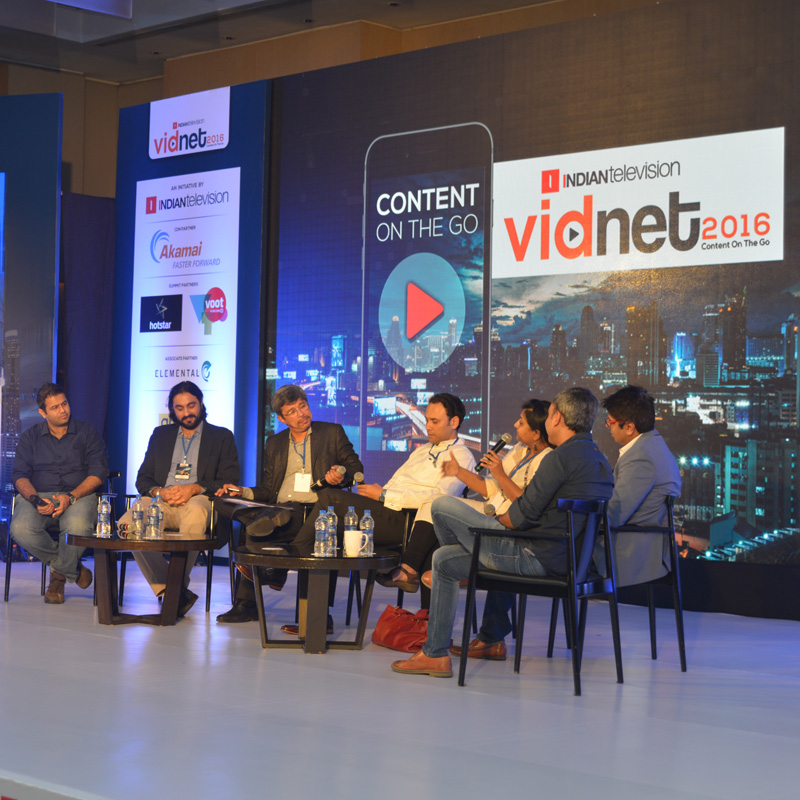
    Following the presentation on OTT trends in the APAC region by Media Partners Asia executive director Vivek Couto at VidNet, this question expectedly assumed importance.

    Indian Television Dot Com’s founder CEO and editor in chief Anil Wanvari flagged off the discussion by asking Isobar India MD Shamsuddin Jasani to define who is a customer for him?

    “A person who is consuming digital content through any medium be it TV, mobile, YouTube, Facebook, etc is my customer. I would spend dollars on a person who is consuming content via digital platforms, what is he consuming, time spent on that piece of content,” said Jasani.

    Adding his perspective on defining a digital customer was FoxyMoron co-founder Suveer Bajaj. He seconded the definition of an OTT consumer and added that he was one who migrated to the digital medium. “I have come across consumers who are consuming three hours on digital. There is a very powerful change that we are seeing right now. These people are plunging on digital than TV.”

    Citing example from his own personal experience, Jasani highlighted how his 6-year old kid consumes around six to seven hours of video content on various platforms like Voot, YouTube, etc. He opined that this is a powerful change that he is witnessing from TV which happens through demand. Bajaj further added that it is not just on demand but also on the go.

    dittoTV business head Archana Anand strongly believed on the platform’s subscription model. Underlining the success of ditto TV’s campaign and aggressive pricing, Anand believed that she and her team had grown the pie by reaching out to people who are not internet savvy audience and is very clear on not getting content for free. “We have marked the people who perhaps are not typical OTT audience to whom TV is being provided at a subscription of Rs 20. There is a huge audience who is alien to OTT in India and we are trying to get them on board by handholding them throughout the entire procedure of getting our app by just a missed call.

    Arre co-founder Ajay Chacko was sure he did not intend to become an OTT platform. “The way we are defining our consumers is not just through access and comfort but by creating new forms of content to drive change.”

    Voot, the AVOD platform from Viacom18 which is often credited with bolstering kids and originals apart from content from the various channels falling under the network, has targeted their digital natives. Their Head marketing and partnerships Akash Banerji dissected consumers into different categories depending upon-access and comfort, demographics and content business offers.

    Discussing the first point, he explained that there are 180 million TV households in India with an average of at least two persons in every house, meaning 350 million subscribers on Internet who are not necessarily active users. “In India, we have 120 video consumers out of which 20-30 million are native digital who are consuming videos online. It is up to a platform whether they are targeting digital natives or getting internet consumers who are not consuming videos or are looking at growing the pie of digital.”

    The discussion went a notch up with the panelists enlightening the audience on the regional content that the content providers have created so far.

    Even the consumers come from varied backgrounds. At the base of the pyramid is the young, college or office going people who are mostly from the metropolitans. The older males and women who are consuming on mobile and desktop are not consuming high velocity content like the youth comprise the mid level. Banerji said that in the past 18-24 months, he has also seen consumers evolving from tier 2 and tier 3 markets primarily consuming content on mobiles. “Rural consumers which are about 200 million i.e 80 per cent of India are also coming up on board in the next few years.”

    Voot follows clear cut understanding of content and is leveraging on its popular content library of TV shows from market. Kids content and Voot originals are the other two important key factors for the platform. “Our Voot originals do not have to follow any format or template. They have to resonate with the consumers”, he added.

    Banerji strongly believes that it is a myth for any business to chase app download numbers. “The players should work on active users and the video watch time.”

    With the second most important driver being content, focusing on just the demographics is not enough. Yash Raj Films Head of content and development Nikhil Taneja said the digital audience is primarily between the ages of 18 to 34. “We are not targeted at providing entertainment to the audiences through effective storytelling and providing emotions through content.”

    He also spoke about the different gender differences by sharing some interesting statistics about the traction and viewership of YRF’s shows. The platform, being a YouTube channel, manages to get some revenue from their channel but also has various other ways to make money. “We launch our own talent and if that talent gets picked by an advertiser, we are benefitted. Our show Love Shots has been picked up by airlines. It is definitely early for advertisers to invest but that does not stop us from creating good quality content.”

    Adding to that, Jasani said, “The customers are agnostic in accessing content and consume digital data through Wi-fi and other services available to them. The offline viewing space is also brewing up rapidly in India. If we are putting an advertiser on every stage of digital consumption, there is no need for him to be on TV.” With various service providers launching 4G, Jasani opined that within 18 months the data is going to become cheap. “Adding to cheap data rates is the launch of smartphones for Rs 2,000 which is also going to grow in the future.”

    Banerji also shed light on how the viewing dynamics are changing and why that change is happening. “With consumers in control of what they consume and content being the king, the need for quality content is just going to grow. The illusion that most of us have on the content that can go on a digital platform has to be broken”.

    The panel discussion also concentrated on the discovery of content in various languages which is currently difficult. The players said they were collectively working on the challenge.

    One thing that all the panelists accepted was to keep innovating and experimenting with content.

    Anand spoke of how asked how she is facing a challenge from payment gateways as they are in English which majority of the Indians do not understand. “Even if there is a potential customer, he has to be guided to pay for my subscription and so.80 per cent of my potential subscribers cannot be captured.” She opined that all the players in the eco-system and various payment platforms have to think in this direction.

    But are there advertisers willing to get on board? Bajaj said that it is no more about ads but content. Selective content will attract specific advertisers.

    “Advertisers are squeamish to put money. We decide after evaluating how it will help the brand after a year. We are no more selling a product but brand through its content,” said Taneja.

    “We are not finicky about not putting ads on dittoTV. There is an ad replacement technology through which I can have two different ads on TV and digital for the same content,” added Anand.

    Jasani said the digital advertising pie is small as the major audience is not yet online. The consumers are not ready to pay for content but the fact that innumerable content creators are evolving cannot be sidelined. With both AVOD and SVOD having their own perks and challenges, there is no tangible answer that any player can provide currently.

    It is an exciting space where everyone is experimenting and innovating. The panel discussion concluded by citing that both the models will co-exist at least for 10 years down the line.


  • Decoding the Indian online video watchers remains an enigma

    Decoding the Indian online video watchers remains an enigma

    MUMBAI: Perhaps the biggest challenge for programmers on online media is to define and segregate the online viewers who will take to OTT mediums in India.

    Following the presentation on OTT trends in the APAC region by Media Partners Asia executive director Vivek Couto at VidNet, this question expectedly assumed importance.

    Indian Television Dot Com’s founder CEO and editor in chief Anil Wanvari flagged off the discussion by asking Isobar India MD Shamsuddin Jasani to define who is a customer for him?

    “A person who is consuming digital content through any medium be it TV, mobile, YouTube, Facebook, etc is my customer. I would spend dollars on a person who is consuming content via digital platforms, what is he consuming, time spent on that piece of content,” said Jasani.

    Adding his perspective on defining a digital customer was FoxyMoron co-founder Suveer Bajaj. He seconded the definition of an OTT consumer and added that he was one who migrated to the digital medium. “I have come across consumers who are consuming three hours on digital. There is a very powerful change that we are seeing right now. These people are plunging on digital than TV.”

    Citing example from his own personal experience, Jasani highlighted how his 6-year old kid consumes around six to seven hours of video content on various platforms like Voot, YouTube, etc. He opined that this is a powerful change that he is witnessing from TV which happens through demand. Bajaj further added that it is not just on demand but also on the go.

    dittoTV business head Archana Anand strongly believed on the platform’s subscription model. Underlining the success of ditto TV’s campaign and aggressive pricing, Anand believed that she and her team had grown the pie by reaching out to people who are not internet savvy audience and is very clear on not getting content for free. “We have marked the people who perhaps are not typical OTT audience to whom TV is being provided at a subscription of Rs 20. There is a huge audience who is alien to OTT in India and we are trying to get them on board by handholding them throughout the entire procedure of getting our app by just a missed call.

    Arre co-founder Ajay Chacko was sure he did not intend to become an OTT platform. “The way we are defining our consumers is not just through access and comfort but by creating new forms of content to drive change.”

    Voot, the AVOD platform from Viacom18 which is often credited with bolstering kids and originals apart from content from the various channels falling under the network, has targeted their digital natives. Their Head marketing and partnerships Akash Banerji dissected consumers into different categories depending upon-access and comfort, demographics and content business offers.

    Discussing the first point, he explained that there are 180 million TV households in India with an average of at least two persons in every house, meaning 350 million subscribers on Internet who are not necessarily active users. “In India, we have 120 video consumers out of which 20-30 million are native digital who are consuming videos online. It is up to a platform whether they are targeting digital natives or getting internet consumers who are not consuming videos or are looking at growing the pie of digital.”

    The discussion went a notch up with the panelists enlightening the audience on the regional content that the content providers have created so far.

    Even the consumers come from varied backgrounds. At the base of the pyramid is the young, college or office going people who are mostly from the metropolitans. The older males and women who are consuming on mobile and desktop are not consuming high velocity content like the youth comprise the mid level. Banerji said that in the past 18-24 months, he has also seen consumers evolving from tier 2 and tier 3 markets primarily consuming content on mobiles. “Rural consumers which are about 200 million i.e 80 per cent of India are also coming up on board in the next few years.”

    Voot follows clear cut understanding of content and is leveraging on its popular content library of TV shows from market. Kids content and Voot originals are the other two important key factors for the platform. “Our Voot originals do not have to follow any format or template. They have to resonate with the consumers”, he added.

    Banerji strongly believes that it is a myth for any business to chase app download numbers. “The players should work on active users and the video watch time.”

    With the second most important driver being content, focusing on just the demographics is not enough. Yash Raj Films Head of content and development Nikhil Taneja said the digital audience is primarily between the ages of 18 to 34. “We are not targeted at providing entertainment to the audiences through effective storytelling and providing emotions through content.”

    He also spoke about the different gender differences by sharing some interesting statistics about the traction and viewership of YRF’s shows. The platform, being a YouTube channel, manages to get some revenue from their channel but also has various other ways to make money. “We launch our own talent and if that talent gets picked by an advertiser, we are benefitted. Our show Love Shots has been picked up by airlines. It is definitely early for advertisers to invest but that does not stop us from creating good quality content.”

    Adding to that, Jasani said, “The customers are agnostic in accessing content and consume digital data through Wi-fi and other services available to them. The offline viewing space is also brewing up rapidly in India. If we are putting an advertiser on every stage of digital consumption, there is no need for him to be on TV.” With various service providers launching 4G, Jasani opined that within 18 months the data is going to become cheap. “Adding to cheap data rates is the launch of smartphones for Rs 2,000 which is also going to grow in the future.”

    Banerji also shed light on how the viewing dynamics are changing and why that change is happening. “With consumers in control of what they consume and content being the king, the need for quality content is just going to grow. The illusion that most of us have on the content that can go on a digital platform has to be broken”.

    The panel discussion also concentrated on the discovery of content in various languages which is currently difficult. The players said they were collectively working on the challenge.

    One thing that all the panelists accepted was to keep innovating and experimenting with content.

    Anand spoke of how asked how she is facing a challenge from payment gateways as they are in English which majority of the Indians do not understand. “Even if there is a potential customer, he has to be guided to pay for my subscription and so.80 per cent of my potential subscribers cannot be captured.” She opined that all the players in the eco-system and various payment platforms have to think in this direction.

    But are there advertisers willing to get on board? Bajaj said that it is no more about ads but content. Selective content will attract specific advertisers.

    “Advertisers are squeamish to put money. We decide after evaluating how it will help the brand after a year. We are no more selling a product but brand through its content,” said Taneja.

    “We are not finicky about not putting ads on dittoTV. There is an ad replacement technology through which I can have two different ads on TV and digital for the same content,” added Anand.

    Jasani said the digital advertising pie is small as the major audience is not yet online. The consumers are not ready to pay for content but the fact that innumerable content creators are evolving cannot be sidelined. With both AVOD and SVOD having their own perks and challenges, there is no tangible answer that any player can provide currently.

    It is an exciting space where everyone is experimenting and innovating. The panel discussion concluded by citing that both the models will co-exist at least for 10 years down the line.