Tag: FMCG

  • TAM report: SBS Biotech was the leading advertiser during Q’1, Q’2 and Q’3 of 2023

    TAM report: SBS Biotech was the leading advertiser during Q’1, Q’2 and Q’3 of 2023

    Mumbai: TAM AdEx India has released a quarterly advertising report on FMCG sector for Jul-Sept’23.

    TV:

    Ad volumes on television for the FMCG sector witnessed growth in Apr-Jun’23 and Jul-Sept’23 by four per cent and three per cent over Jan-Mar’23. Also, Jul-Sept’23 observed growth of two per cent in ad volumes over Jul-Sept’22 for the FMCG sector.

    May’23 had the highest share of ad volumes of 12 per cent for the FMCG sector. Whereas, Feb’23 had the lowest share of ad volumes on television advertising for the FMCG sector.

    Toilet Soaps, Toilet/Floor Cleaners and Washing Powders/Liquids retained their first, second and third positions respectively in Jul-Sept’23 compared to Apr-Jun’23. Tea and Mosquito Repellents were the only new entrants in the top 10 category list during Jul-Sept’23 over Apr-Jun’23. The top 10 categories collectively added 47 per cent share of ad volumes on TV for the FMCG sector.

    Hindustan Unilever and Reckitt Benckiser (India) retained their first and second positions throughout first, second and third quarters of year 2023.

    Together, the top 10 advertisers covered 71 per cent share of ad volumes on TV advertising for the FMCG sector. The top seven advertisers present in all the quarters of the year 2023 i.e. Jan-Sep. Britannia Industries and Nestle India entered the top 10 advertisers list and secured ninth and tenth positions compared to their 12th and 11th positions in Apr-Jun’23.

    The top 10 brands collectively added the highest share of ad volumes of 17 per cent in Apr-Jun’23. Out of the top 10 brands present in Jul-Sept’23, five of them belonged to Reckitt Benckiser (India), four belonged to Hindustan Unilever and one belonged to Wipro. Dettol Toilet Soaps ascended to first position in Jul-Sept’23 compared to its fourth position in Apr-Jun’23. Santoor Sandal and Turmeric, Lifebuoy Toilet Soap and Surf Excel Easy Wash were the new entrants in the top 10 brand list in Jul-Sept’23 over Apr-Jun’23.

    GEC channel genre was majorly preferred by the FMCG sector advertisers in Jul-Sept’23 with 37 per cent share of ad volumes. The top two channel genres i.e. GEC and Movies together accounted 63 per cent of the ad volumes’ share for the FMCG sector during Jul-Sept’23.

    Feature films is the most commonly used genre for promoting FMCG brands on television with 28 per cent share. The top two program genres i.e. feature films and drama soap together added 43 per cent share of ad volumes on TV.

    Prime time had the highest advertising share on TV followed by afternoon and morning time-bands. Prime time, afternoon & morning time bands together accounted for 72 per cent share of ad volumes.

    Advertisers of the FMCG sector majorly preferred 20 – 40 secs ad size on TV with 70 per cent share of ad volumes followed by <20 secs ads.

    Print:

    Ad space in print medium for FMCG sector witnessed growth of six per cent and 12 per cent during both the quarters Apr-Jun’23 and Jul-Sept’23 respectively. Also, Jul-Sept’23 observed growth of seven per cent in ad space for FMCG sector compared to Jul-Sept’22.

    The highest share of ad space on print medium was observed in Aug’23 with 13 per cent and the lowest share of ad space was in Feb’23 with nine per cent for FMCG sector.

    During Jul-Sept’23, the range of OTC products ascended to first position with nine per cent share of ad space compared to its third position in Apr-Jun’23. Tooth pastes and range of food products were the new entrants in the top 10 category list during Jul-Sept’23 over Apr-Jun’23. The top categories together contributed 47 per cent share of ad space in Jul-Sept’23.

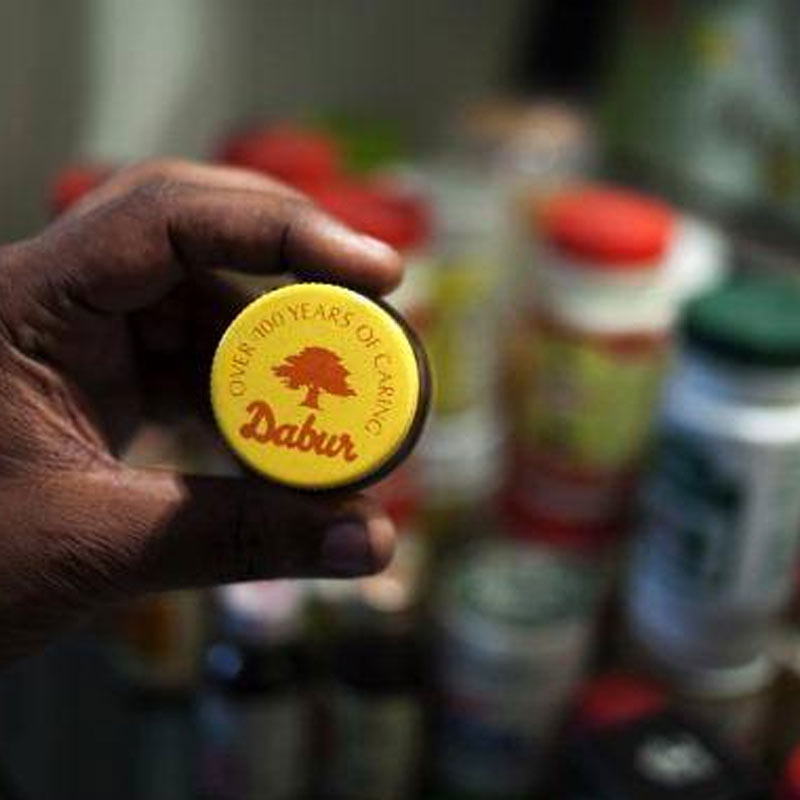
    SBS Biotech was the leading advertiser during Q’1, Q’2 and Q’3 of Y 2023. It had 14 per cent share of ad space during Jul-Sept’23. The top 10 advertisers together added 41 per cent share of ad space in Jul-Sept’23. Divya Pharmacy was an exclusive advertiser that entered the top 10 advertiser list and secured third position compared to AprJun’23. Hindustan Unilever, Dabur India, and K P Pan Foods were the new entrants in the top 10 advertisers list in Jul-Sept’23 over Apr-Jun’23.

    The top 10 brands in Jul-Sept’23 together added the highest share of ad space of 20 per cent. Patanjali Divya OTC products was an exclusive brand that entered the top 10 list and secured first position in Jul-Sept’23 over Apr-Jun’23. Dr Ortho Oil descended to the second position in Jul-Sept’23 compared to its first position in Apr-Jun’23. Patanjali range of products, Patanjali Dant Kanti and Pushp Tikha Tadka Mirch Powder were the entrants in the top 10 brand list in Jul-Sept’23 over Apr-Jun’23. Out of the top 10 brands present in Jul-Sept’23, four of them belonged to SBS Biotech and two belonged to Patanjali Ayurved.

    In the period of Jul-Sept’23, Publication with the Hindi language dominated by securing a 51 per cent share of advertising space. The top five publication languages together accounted for 85 per cent share of ad space.

    North Zone was the leading territory for advertising with 36 per cent share of ad space during Jul-Sept’23 for the FMCG sector. Mumbai & Kolkata were the top two cities in Pan India during Jul-Sept’23.

    Sales promotion for ‘FMCG’ sector accounted for 18 per cent share of ad space in the print medium. Among sales promotions, volume promotion occupied 39 per cent share of the pie followed by discount promotion with 22 per cent share in Jul-Sept’23.

    Radio:

    The FMCG sector observed growth in ad volumes on Radio Medium by 12 per cent and 19 per cent during Apr-Jun’23 and Jul-Sept’23 respectively. Compared to Jul-Sept’22, ad volumes of the FMCG sector observed growth of 48 per cent in Jul-Sept’23.

    May’23 and Aug’23 had the highest share of ad volumes of 13 per cent on radio medium for the FMCG sector. Whereas, Jan’23 & Feb’23 had the lowest share of ad volumes of nine per cent.

    In Jul-Sept’23, Pan Masala category retained its first position with 14 per cent share of ad volumes compared to Apr-Jun’23. Range of Hair Car was a new category that entered the top 10 category list and secured seventh position in Jul-Sept’23 over AprJun’23. The top 10 categories together added 59 per cent share of ad volumes during Jul-Sept’23. Edible oil and rubs and balms were the new entrants in the top 10 category list in Jul-Sept’23 over Apr-Jun’23.

    Vishnu Packaging secured first position in the first three quarters of Y 2023. Together, the top 10 advertisers added 46 per cent share of ad volumes in Jul-Sept’23. Compared to Apr-Jun’23, Vishnu Packaging and SBS Biotech retained their first and second positions with 11 per cent and 8 per cent share of ad volumes in Jul-Sept’23. DN Global Marketing and Lakshmi Snacks were exclusive brands that entered the top 10 advertiser list in Jul-Sept’23 over AprJun’23.

    Vimal Pan Masala was consistent in securing the first position during the first three quarters of the year 2023. Jan-Mar’23 had the highest collective ad volume share of the top 10 brands with 35 per cent for FMCG category. There were four exclusive advertisers present in Jul-Sept’23 compared to Apr-Jun’23. Glaxo Smithkline entered the top 10 list in Jul-Sept’23 and secured third position, compared to its 34th position in Apr-Jun’23.

    Gujarat was the leading state with 24 per cent share of ad volumes on Radio for the FMCG sector. The top three states occupied 56 per cent share of ad volumes for the FMCG sector.

    Advertising for FMCG was preferred in the evening followed by morning time-band on the radio. Together, evening and morning time bands added 70 per cent share of ad volumes on radio advertising for FMCG sector.

    Digital:

    Ad impressions on Digital medium for the FMCG sector witnessed growth of 29 per cent during Apr-Jun’23 compared to Jan-Mar’23. Whereas, Jul-Sept’23 observed a de-growth of six per cent over Jan-Mar’23. Also, ad impressions decreased by 29 per cent in Jul-Sept’23 compared to Jul-Sept’22.

    In digital medium, Apr’23 & Jun’23 both had the highest monthly ad impressions of 14 per cent, whereas Feb’23 and Jul’23 had the lowest share of ad impressions i.e. nine per cent.

    Corporate-pharma/healthcare ascended to first position with 11 per cent share of ad impressions compared to its second position in Apr-Jun’23. Out of the top 10 categories, five of them were new entrants in Jul-Sept’23 compared to Apr-Jun’23. The top 10 categories together added 45 per cent share of ad volumes during Jul-Sept’23.

    Hindustan Unilever ascended to first position in Jul-Sept’23 with seven per cent share of ad impressions compared to its third position in Apr-Jun’23. Out of the top 10 advertisers present in Jul-Sept’23, four of them were new entrants compared to Apr-Jun’23. The top 10 advertisers together accounted for 48 per cent share of ad volumes on radio in Jul-Sept’23 for the FMCG sector.

    Hear.Com retained its first position in Jul-Sept’23 compared to Apr-Jun’23.

    The top 10 brands of Jan-Mar’23 and Jul-Sept’23 had the maximum share of ad impressions i.e. 28 per cent. Fortune Xpert Total Balance and Britannia Nutri Choice Seeds were exclusive brands present in Jul-Sept’23. Out of the top 10 brands present in Jul-Sept’23, seven of them were new entrants compared to Apr-Jun’23.

    Programmatic (86 per cent) was the top transaction method for digital FMCG advertising based on impressions during Jul-Sept’23. Programmatic and ad network transaction methods together captured 94 per cent share of FMCG ad impressions on digital.

  • FMCG distributors to boycott HUL products in Maharashtra

    FMCG distributors to boycott HUL products in Maharashtra

    Mumbai: FMCG distributors demanding restoration of old margin structures from the leading maker HUL on Thursday said they would boycott its products in Maharashtra, starting with Taj Mahal Tea.

    According to PTI, The distributor said that if the company does not pay attention to their demand, they will boycott the Kissan brand and leading detergent brand RIN along with Tata Mahal Tea brand going ahead.

    Recently HUL has reduced the margin of distributors by 60 basis points and increased the variable margin by up to 100 to 130 basis points of its distributors.

    HUL owns brands such as Lux, Surf Excel, RIN Pond’s and Dove has reduced the fixed margin by 60 basis points and increased the variable margins by up to 100 to 130 basis points for its distributors. The Distributor demands a minimum 5 per cent margin. The All India Consumers Products Distributors Federation (AICPDF) , an umbrella body for distributors, has raised concern over the new margin structure.

    AICPDF on Thursday shared a statement from the Maharashtra Consumer Distributors Federation (MSCPDF) in which they have started non-cooperation against HUL from January 11. MSCPDF plans to keep the Taj Mahal Tea brand as Inactive till January 25.

    An E-mail sent to HUL remained answered till press time. The Federation also said from March 1 a nationwide movement will be organised by 1000 distributors in front of HUL head office in Mumbai.
     

  • ITC Sunfeast unveils first 100 per cent paper based packaging

    ITC Sunfeast unveils first 100 per cent paper based packaging

    Mumbai: ITC Sunfeast Farmlite, a range of wholesome biscuits from ITC Foods, has launched its new offering Sunfeast Farmlite digestive biscuit family pack in 100 per cent outer paper bag packaging. An industry innovation in packaging, this move establishes the brand as a trendsetter in the biscuit category.

    Sunfeast Farmlite, is the brand to embrace 100 per cent outer paper packaging in the industry. The ergonomics of design aspects have been carefully curated, making the paper packaging consumer-friendly, visually appealing and convenient. This latest innovation aligns with the brand’s effort towards reducing plastic and encouraging consumers to make sustainable choices in their everyday purchases.

    Today, consumers are increasingly prioritising not just wellness and nutrition in their purchasing decisions but environmentally responsible brands are also increasingly being sought after. Sunfeast Farmlite acknowledges this requirement, and the new packaging caters to their enlightened preferences.

    Commenting on the initiative, Ali Harris Shere, chief operating officer, Biscuits & Cakes Cluster, ITC Foods Division said, “We believe that we have to be not only agile, consumer focused and innovative, but also purpose driven. The launch of the first-ever outer bag made from 100 per cent paper is a significant step towards the brand’s commitment to promote sustainable packaging. Consumers too are increasingly becoming more conscious of responsible choices, and we are committed to providing them with products in packaging that are sustainable. This is an industry-first initiative and plans are underway to adopt this packaging for other biscuit products in due course of time.”

    This initiative is in line with ITC’s Sustainability 2.0 vision which strives to strengthen the company’s multi-dimensional efforts in sustainability, which includes creation of an effective circular economy for post-consumer packaging waste.

    Sunfeast Farmlite digestive family pack with the new 100 per cent outer paper bag packaging will be available with the 800 g SKU on Flipkart. Will soon be available on other e-commerce/quick commerce platforms and supermarkets as well.

  • Tata Coffee will merge with Tata Consumer Products Limited

    Tata Coffee will merge with Tata Consumer Products Limited

    Mumbai: Tata Coffee will merge with Tata Consumers Products Ltd ( TCPL). On Thursday The Board of Directors of TCL (Tata Coffee Limited) in collaboration with TCPL acknowledged the conditions under 29 clauses of provisions are fulfilled and stated in regulatory filings. The upcoming merger will be effective from 1 January 2024. It will be a composite scheme of arrangements among TCPL, and TCL.

    As per media reports, TCPL will issue one equity share to existing Tata Coffee shareholders. After demerger or amalgamation TCL will dissolve with the statutory process.

    Tata Consumer Products is known for its quality and innovation. Tata Consumers Limited has different product lines of Coffee, Tea, Salt, Liquid Foods, and beverages. In the last few years, Tata Consumers gave better returns on stock investment.

    This FMCG consolidated business will help Tata Group for its momentum to market share expansion. Tata Consumer Products also has a strong presence abroad in the FMCG segment. According to industry experts, it is likely to add to its earnings by 3-5%. In the next financial year.

    According to the Forbes India report, TCPL is the 8th largest FMCG player in India with a market cap of Rs 0.879 Lakhs Crores.

  • Ds Group is set to usher in Christmas with the launch of  CGI video for Pulse.

    Ds Group is set to usher in Christmas with the launch of CGI video for Pulse.

    Mumbai: The confectionery division (DS Foods Limited) of Dharampal Satyapal Group (DS Group), a multi-business corporation and a FMCG conglomerate, is set to usher in the joyous spirit of Christmas with the launch of a Computer-Generated Imagery (CGI) video this season for Pulse.

    In today’s digital era, CGI has become a tool for capturing online consumers’ attention, offering a powerful means of conveying brand messages in creative and visually compelling ways, ultimately enhancing consumer engagement. Recognising the significance of candies and merry-making during Christmas celebrations, Pulse has unveiled a quirky and fun CGI video.

    The video, featuring brand ambassadors Abhishek Banerjee and Saurabh Shukla, unfolds on a bustling road with people strolling and cars in motion. A prominent billboard showcasing the brand ambassadors holding Pulse candy. In a whimsical turn of events, Santa Claus and his sleigh emerge from the clouds, swooping down to pluck a pulse candy from the billboard before disappearing into the sky. The video concludes with a playful message that reads, “Even Santa can’t resist the Tanginess of Pulse. Pran Jaaye Par Pulse Na Jaaye!!”

    Enclosed is the link of the video –


    A post shared by Pulse (@passpass_pulse)


    Commenting on the campaign launch, DSFL DS Group GM, Marketing Arvind Kumar expressed, “We are thrilled to launch yet another creative campaign this Christmas. Pulse has consistently demonstrated its dedication to making all celebrations and festivals memorable. ‘Christmas’ is a time of joy and celebration, and we wanted to infuse that spirit into our brand. Pulse’s innovative utilisation of CGI technology exemplifies our unwavering commitment to remaining at the forefront of creativity and engagement. This campaign is our way of spreading happiness and extraordinary moments during the Christmas holiday season.”

  • Interactive Avenues wins e-commerce mandate for TTK Healthcare

    Interactive Avenues wins e-commerce mandate for TTK Healthcare

    Mumbai: Interactive Avenues, the digital arm of IPG Mediabrands India has secured the e-commerce mandate for TTK Healthcare, a diversified conglomerate with a wide range of healthcare and FMCG products. The account was won by the agency following a multi-agency pitch process and will be handled from their Chennai office.

    Interactive Avenues will be responsible for elevating TTK Healthcare’s e-commerce presence and increasing sales across key marketplaces and quick commerce platforms. Their mandate includes e-commerce strategy, content creation, media activation, catalogue management, and more.

    Commenting on the association, TTK Healthcare DGM – digital marketing & ecommerce Arjun Siva said, “We are delighted to appoint Interactive Avenues as our ecommerce agency. We’re confident their proven digital expertise will help us drive growth and efficiencies across ecommerce platforms, especially for our brands Skore & MsChief in the sexual pleasure category and Eva, our personal enhancement brand.”

    Interactive Avenues EVP south Aparna Tadikonda added, “TTK Healthcare has significantly contributed to the advancement of India’s FMCG & healthcare ecosystem for over 6 decades, and is also a pioneer of the condom industry in India. We are thrilled to be working with them. We will focus on delivering a seamless customer journey and driving digital growth powered by our proprietary data-driven frameworks and tools.”

  • “Brand leaders are only brand leaders by heavy expenditure”: Willpower Group’s Jayant Bhat

    “Brand leaders are only brand leaders by heavy expenditure”: Willpower Group’s Jayant Bhat

    Mumbai: The advertising industry is gaining momentum after COVID-19 due to large exposure to digital platforms. Large conglomerates are spending heavily on advertising consumers and also prefer quality products. In the current scenario to meet equilibrium companies are meeting their working capital needs. Hence revenue generation of the company is facilitated by rising cost of production and spending on marketing and advertising brands especially in the FMCG sector (Fast Moving Consumer Goods) increased advertisement costs almost by 10 % or more.

    Artificial Intelligence (AI) tools and the introduction of Chat GPT bring ads closer to the target audience. It is helping consumers to make the right decisions to buy a product. Collective market information and intelligence consumers are getting on one click. However, it is not sufficient for brands to collect information depending on AI. It cannot assure arithmetic and qualitative accuracy but it helps brands to identify consumer purchasing behaviour.

    As per a report by GroupM advertising expenditures of Indian companies are expected to grow by 15.5% on a year-on-year basis. In 2022 the FMCG sector had 38 % percent itself in overall digital advertising expenditure. According to this year’s GroupM’s ‘ This year, Next Year’ 2023 Global End of the Year Forecast, Indian adex (Advertising Expenditure) grew by 11.2 per cent anticipated to generate Rs 16.9 billion. In FY24 adex is expected to grow by 12.1 per cent to reach Rs 152740 crores. Increasing digital spending on the plate is allowing brands to maintain profit margins. Spending heavily on R&D (Research and Development) causes companies to raise prices along with advertisement costs.

    Marketer’s eye on D2C (Direct to Consumers) – With rising costs marketers are concentrating more on product offering directly to the consumers without any intermediaries, channels, or middlemen. Companies want to omit variable costs. The rising patterns of Affiliate marketing, and direct sales taking shape in the FMCG Industry.

    On this issue, Indiantelevision.com exclusively had interaction with Willpower Group of Companies chairman and CEO Jayant Bhat.

    Edited excerpts

    On Big Private FMCG players spending heavily on advertising budgets

    Large Private FMCG leaders have been into heavy advertising for decades now. They are brand leaders only due to heavy advertising and the ability to hold on to heavy marketing expenses along with scalability factors. Smaller start-ups have tried to scale based on burning money without sufficient reach. It would be a killer attempt to spend money heavily on marketing as FMCG is a low margin if attempted to scale on the basis of a distribution model. With changing times modes of advertising have changed and so have the psyche of consumers. So one must have a deep thought process to reach people.

    On finding the future of small retail businesses in rapidly changing technology

    Small retail businesses won’t be majorly affected as most of the smaller outlets are doing business on need-based requirements. This means as and when requirements arise customers visit them as they have been doing for since long time. There is space for everyone in the FMCG business arena. With the advent of DMART, everyone shouted that Kirana stores would be finished. With the advent of ‘ Big Basket’ ‘ Zepto’ etc, all thought Kirana stores will be killed. But nothing of that sort happened nor will happen. We are seeing Kirana stores are now taking orders on WhatsApp and delivering products at no extra cost.

    On looking at the current market segmentation of FMCG when it comes to revenue generation

    CMS (Current Market Segmentation) of FMCG varies business models and factors. Needless to say, FMCG will continue to grow by about 10 per cent to 12 per cent per annum. Newer categories and product variants will be introduced with a customer mindset ready to accept new concepts easily.

    On Willpower entering into a new concept of business structuring

    Willpower Group by design is into multiple businesses and multiple concepts. As our core business is consulting for scalability and mentoring to improve revenues as well as processes, we get good companies who are more than willing to tie up with Willpower and join with us.

    Our last venture is Dropservicing and we are launching the same in January 2024. We firmly believe that the Dropservicing business model is going to rule 2024 till 2034. Till now, we have focused on setting up manufacturing units and investing heavily in businesses that would give returns years later. Now we have decided to be an intermediary between service providers and service seekers.

    What typically happens is those who want services from freelancers are afraid that they will not get services as promised. We are building a network of freelancers who would get projects from us and will ensure that work is completed as promised. In case one freelancer fails to deliver we will get it done from someone else. It will be responsible for projects we take in hand.

    On people’s lack of awareness about organic and your take on spending on marketing

    Emphasising natural products is one thing and its reach is another. Pricing plays a major role for most Indians and keeping pricing as per the expectations of the majority of Indians. It is due to the price sensitivity of the Indian market the addition of chemicals and other ingredients to the maximum possible.

    But our business model is sustainable only under the direct-to-consumer business model. Our experience in the retail business has not been good. Our policy is against the heavy burning of money for customer acquisitions. Today companies burn about Rs 5 to earn one rupee revenue, forget profitability. We don’t spend anything on marketing other than direct marketing as well as free sources on FM, Instagram, etc. I have seen many brands coming and dying every year in the name of brand building only because of heavy spending.

    On the essence of your philosophy for the product and its marketing

    • If it’s not unique and different, it’s just not Willpower

    • Give a purity report to every customer and create awareness that they need to ask for a purity report from any company that sells it’s consumable products to them

    • Avoid chemicals or use chemicals to the minimum possible

    • Honouring commitments, showing transparency, and admitting mistakes

    • Focusing on the Direct to Consumers business model, using minimum expense on customer acquisition.

    • Promote the subscription-based model and acquire advance revenue through a subscription model.

    • This model helps in retaining customers for a longer duration

    • Let the quality speak than discounts

    On predicting something in the FMCG sector instead of e-commerce

    – E-commerce would switch over to M-Commerce i,e Mobile Commerce. In effect, it is e-commerce only. Customers today are used to convenience. Customers visit large format stores only for convenience. We are going to start our own e-commerce website www.sirfsale.com in January 2024. That is going to be our extension of the direct-to-consumer business model.

    The future would be with the ones who offer more convenience to consumers. Offering convenience is the key to success for every entrepreneur. Deep discounts are just fake whitewash and should not be considered a success because the customer is never loyal to brands that offer discounts. They keep rolling from one brand to another in search of discounts. So the burnt money to acquire such customers is often lost.

  • RP- Sanjiv Goenka Group (FMCG) appoints KlugKlug as their influencer marketing tech stack platform

    RP- Sanjiv Goenka Group (FMCG) appoints KlugKlug as their influencer marketing tech stack platform

    Mumbai: RP-Sanjiv Goenka Group (FMCG), the renowned Indian multinational conglomerate with interests spanning across various sectors, announces a strategic partnership with KlugKlug, an influencer marketing tech SaaS platform, to bolster its influencer marketing outreach for its foray into the fast-moving consumer goods (FMCG) industry.

    RPSG Group, known for its diverse business portfolio encompassing power and energy, carbon black manufacturing, retail, IT-enabled services, FMCG, media and entertainment, infrastructure, and education, is taking this step in leveraging the power of influencer marketing for its FMCG ventures.

    KlugKlug CEO and co-founder Kalyan Kumar expressed his enthusiasm about this collaboration, stating, “The KlugKlug family is very excited to join hands with RPSG (FMCG) to drive their influencer marketing initiatives, a new focus area for them. Through a data-driven approach, we have harnessed the power of precise influencer searchability, enabling RPSG (FMCG) to connect with influencers who can authentically convey their brand’s story and drive sales. The role of luck is getting lesser everyday with the role of this happy tech of ours”

    KlugKlug, a New Delhi-based tech powerhouse, specializes in providing accurate and data-driven solutions for influencer marketing decisions. The collaboration with KlugKlug will empower RPSG (FMCG) to identify and partner with the most suitable influencers who can effectively communicate their FMCG brand messages to the intended audience.

    RPSG Group vice president marketing – personal care Deepak Pant said, ‘’RPSG evaluated KlugKlug and having seen its capabilities and testimonials from leading brands and E-commerce platforms, we decided to onboard KlugKlug after being convinced about how it can help RPSG scale its IM efforts with data led optimization. Audience-based filtering of Influencers towards ROAS was an eye-opener. KlugKlug insights will be invaluable in helping us build our Influencer scale-up program.”

    Through KlugKlug’s technology and real-time insights, RPSG (FMCG) anticipates achieving significant efficiencies in its influencer marketing campaigns on day one, and do away with audience losses of 20% to 80% most Brands currently face. This partnership ensures that RPSG (FMCG) can make informed decisions swiftly, resulting in more effective influencer marketing strategies.

    Looking ahead, KlugKlug’s recently launched very comprehensive Real Time Automated Reporting has set it above most competitors globally, and roadmap includes the development of newer features that knows the future of growing Influencer anywhere in the world. The platform aims to facilitate transparent collaboration between influencers and brands by offering a comprehensive suite of services for campaign management, performance monitoring, and data analysis. In response to the burgeoning interest in influencer marketing, KlugKlug plans to expand its services to new markets and social media platforms.

  • Mediker launches new campaign “Mediker On Juey Gone”

    Mediker launches new campaign “Mediker On Juey Gone”

    Mumbai: Mediker, an anti-lice treatment brand from FMCG major, Marico Ltd launched its new communication campaign – “Mediker On Juey Gone!”

    Lice infestation is a common problem for most households with young girls aged six to 15 years. According to a recent study conducted by IMRB, lice affect over 37 per cent of urban households in South & East regions and is an even bigger hair concern than dandruff*. The concept behind the ad film originates from a common worry among mothers regarding lice affecting their children’s hair, especially during school, at exam time & generally across Indian households, in hot and humid weather conditions.

    *As per Kantar IMRB Rider study’2020.

    The new communication attempts to educate consumers, that a mere lice comb is not enough to remove lice effectively. The conventional lice comb only targets the big lice, leaving behind small lice that stick to the scalp, inadvertently allowing further growth of their eggs and eventually new baby lice, which further become big and lay more eggs. Over time, this vicious cycle perpetuates, leading to a recurring problem.

    To address this persistent challenge, Mediker a market leader in anti-lice treatment, offers a safe-for-kids, doctor certified solution# Its breakthrough formula contains 100 per cent natural actives – Neem & Coconut, designed to break the life cycle of lice in just four weeks^.

    ^Use Mediker every Sunday for four weeks for effective lice removal #Mediker is clinically tested and safe to use. Basis Clinical Study, 2023

    Commenting on the importance of Mediker in the current context, Marico Ltd chief marketing officer Somasree Bose Awasthi stated, “Mediker’s new TVC encapsulates our commitment to providing effective solutions that address real-life challenges faced by our consumers Powered by 100% Natural Actives of Coconut & Neem, Mediker promises to solve the persistent issue of lice by breaking the life cycle from within thereby bolstering children’s self-assurance and overall well-being, something that is very important to every parent. We are thrilled to introduce this powerful solution that helps assure parents of their children’s well-being and nurtures healthy hair”.

    The TVC will make its debut in Telugu and Bengali, catering specifically to the vibrant markets of Andhra Pradesh, Telangana, and West Bengal. Through this compelling and informative brand film, Mediker aims to raise awareness about the comprehensive approach to lice removal and establish itself as a reliable partner in every family’s hair care journey.

    Speaking on the brand film, MYO founder Deepa Geethakrishnan said, “In a functional problem solution category, the big creative challenge was to demonstrate the expertise of Mediker while keeping the story authentic and something the mothers can instantly relate to, but with a smile”.

    Mediker is now available at all leading retail outlets pan India & e-commerce platforms such as Amazon, Flipkart.

  • Mamaearth rolls out new campaign “#IssWinterGlowNaturally” with Shilpa Shetty Kundra

    Mamaearth rolls out new campaign “#IssWinterGlowNaturally” with Shilpa Shetty Kundra

    Mumbai: Mamaearth has launched its latest integrated marketing campaign, “#IssWinterGlowNaturally,” featuring Shilpa Shetty Kundra.

    The campaign film was created by Mamaearth’s internal creative team and produced by Estoot.

    The campaign film highlights the brand ideology of bringing the wisdom and goodness of household DIY recipes into easy-to-use formats with the same goodness of natural ingredients without any toxins. What’s the most frequently used recipe in Indian households for dry and dull winter skin? Of course, it’s honey and malai.

    The film opens with Shilpa Shetty Kundra walking into her friend’s house and unfolding a scenario that leaves her intrigued and confused. To help her friend with a trusted natural solution without all this ‘chip chip’ and ‘jhanjhat’, Shilpa recommends Mamaearth Honey Malai Cold Cream. Crafted with the goodness of natural ingredients like ‘honey’ and ‘malai,’ the cold cream is toxin-free and made safe certified. She is positioning Mamaearth Honey Malai as an easier way of giving one’s skin the moisturization and nourishment it needs this winter.

    The film is a simple yet powerful representation of the brand’s philosophy and product proposition of “goodness inside.”

    Talking about the campaign, Mamaearth co-founder and chief information officer Ghazal Alagh said, “With the growing awareness of the benefits of traditional ingredients and recipes, millennials are increasingly looking for products with natural ingredients that are safe. Mamaearth has been striving to bring together nature’s goodness with science and create a product portfolio inspired by our grandmother’s kitchen recipes and filled with goodness inside. Honey and malai are very common ingredients that we have seen at home for ages; hence, we decided to launch this range and present to our consumers a product that provides the goodness of these ingredients hassle-free. Through this film, we have tried to highlight the latest proposition and offering, and we are certain it will resonate with the millennials, and they will choose nature’s goodness with Mamaearth’s Honey Malai range.”

    “I have always strongly believed in traditional homemade tricks and age-old self-care hacks. One of the reasons for partnering with Mamaearth was their strong foundation in keeping the ethos of Ayurveda alive with ancient recipes innovating and catering to modern consumers today. With the Mamaearth Honey Malai Cold Cream, the brand reiterates its belief in the goodness of nature, not just in caring for your skin but also Mother Earth, and I hope the consumers relate to the film and choose Mamaearth goodness as I did,” says Shilpa Shetty Kundra.

    Estoot founder Navkiran Brar added, “This campaign showcases our shared creative ethos: simple stories that are clutter-breaking. By mixing humour with traditional wisdom – like Honey Malai for dry winter skin – we’ve created an honest communication piece that will resonate with viewers of all ages.”