Tag: FMCG

  • P&G India rejigs tech leadership as Nikunj Jain exits, Jai Pankaj steps in

    P&G India rejigs tech leadership as Nikunj Jain exits, Jai Pankaj steps in

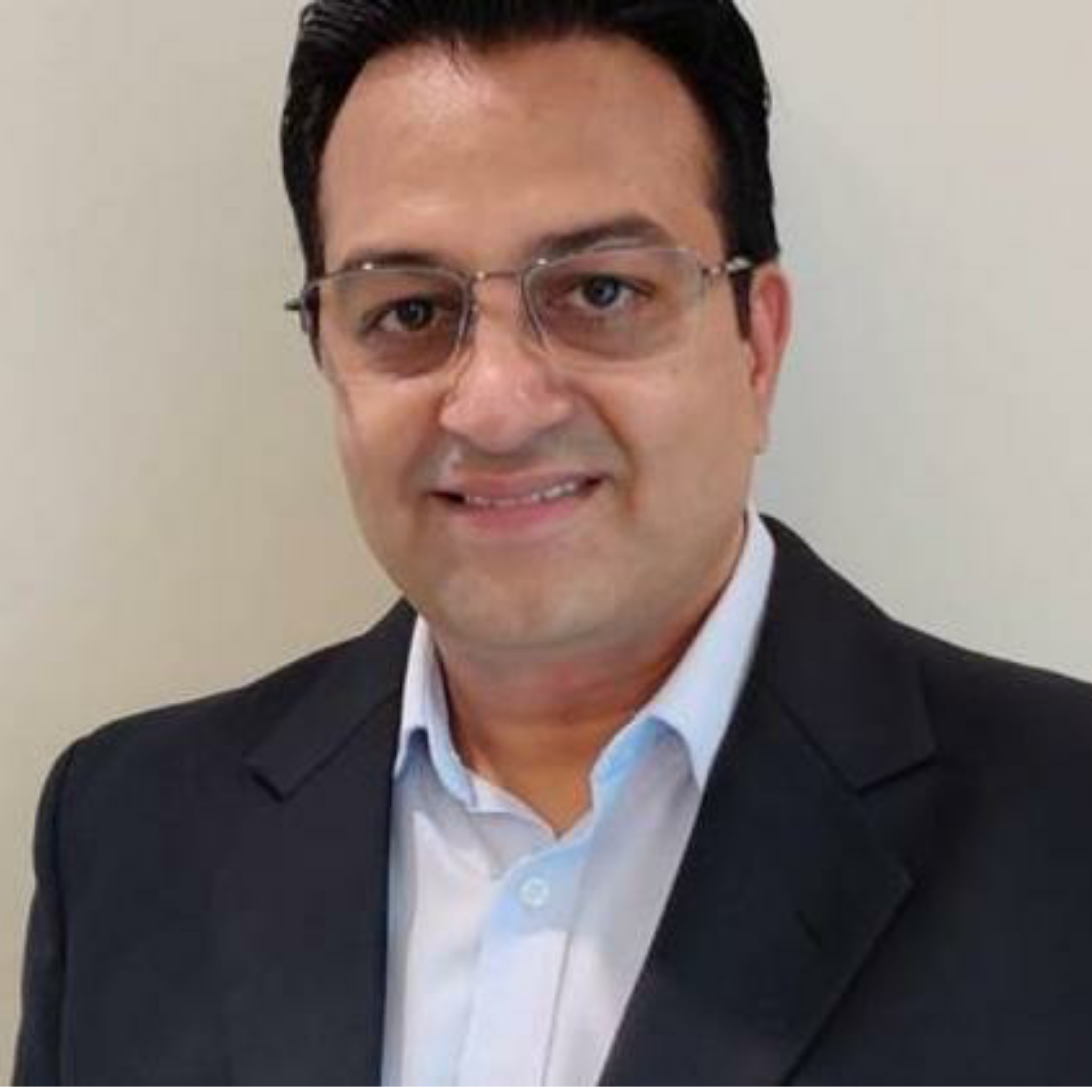
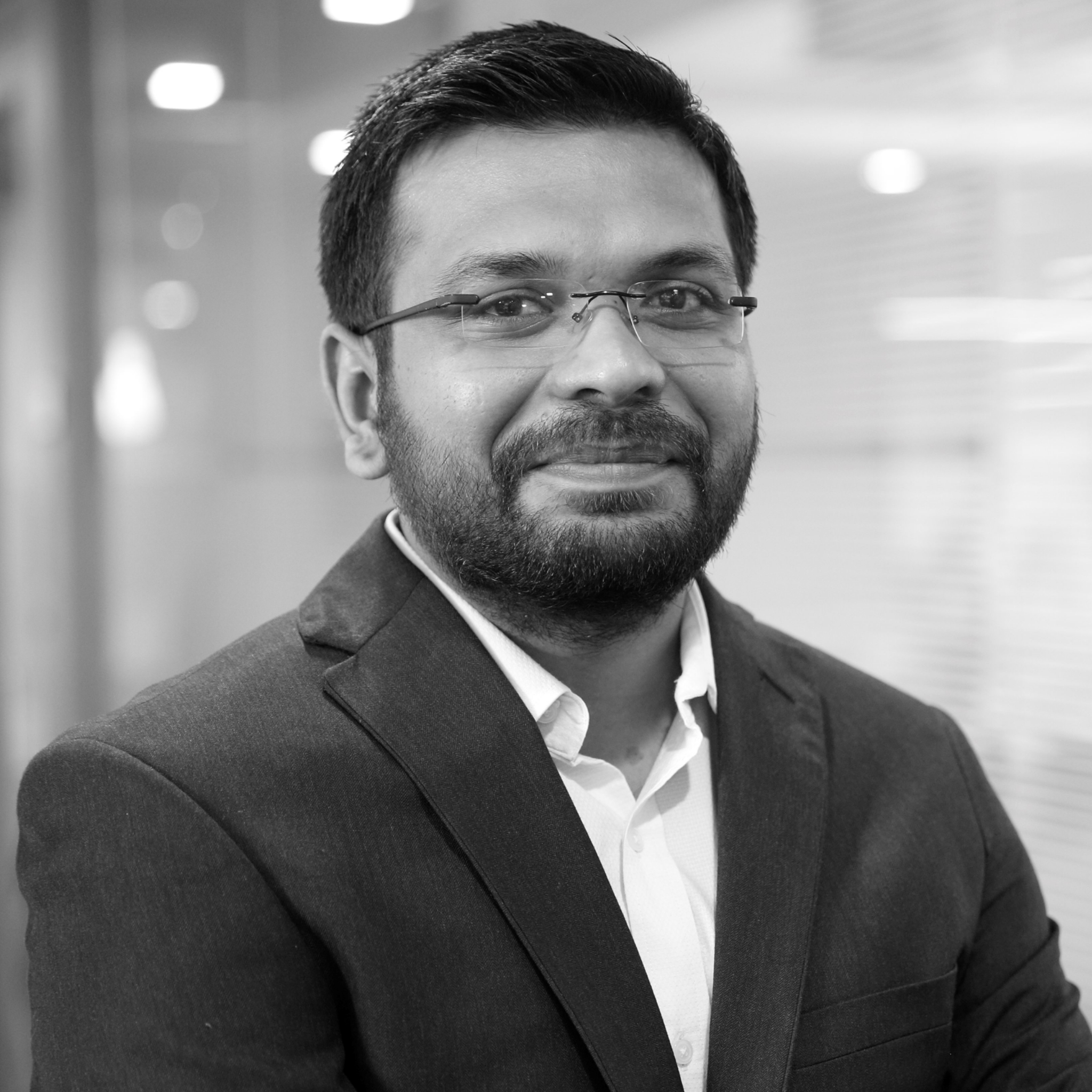
    MUMBAI — Procter & Gamble Hygiene and Health Care has announced a top-level shuffle in its technology leadership. Nikunj Jain, the current head of information technology, will step down from his role at the close of business on 30 June 2025, as he prepares to relocate overseas for a new assignment within the P&G group.

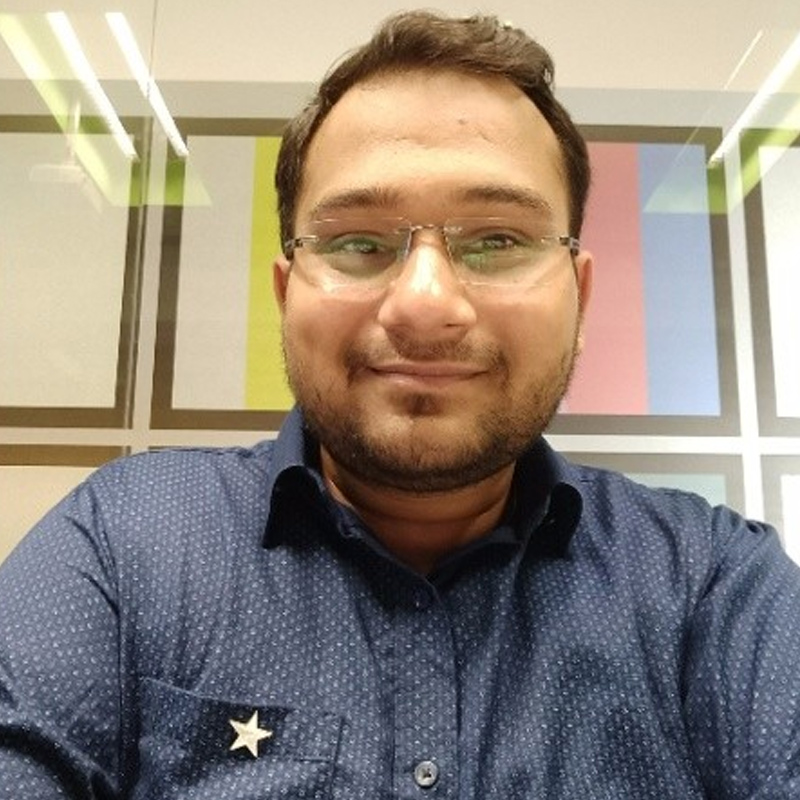
    Replacing him is Jai Pankaj, a P&G veteran with over 15 years at the company. He will assume the role of head of IT effective 1 September 2025, and relocate back to India.

    Pankaj, a B.E. in chemical engineering from NIT Karnataka and an MBA from IIM Lucknow, is currently based in Indonesia. He serves as the chief information officer for P&G’s Indonesian business as well as its e-commerce operations across Asia, the Middle East and Africa. Over the years, he has spearheaded critical IT initiatives, including Martech and data science for P&G India, and managed tech strategy across 15 markets, including Japan and Korea.

    The leadership transition was formally communicated to the National Stock Exchange and the Bombay Stock Exchange in accordance with regulatory disclosure norms.

    With Jain’s departure and Pankaj’s homecoming, the FMCG major appears to be tightening its digital strategy amid an increasingly tech-driven consumer landscape.

    (If you are an Anime fan and love Anime like Demon Slayer, Spy X Family, Hunter X Hunter, Tokyo Revengers, Dan Da Dan and Slime, Buy your favourite Anime merchandise on AnimeOriginals.com.)

  • Shamik Guha takes charge at EssenceMediacom: From baby oils to big brands

    Shamik Guha takes charge at EssenceMediacom: From baby oils to big brands

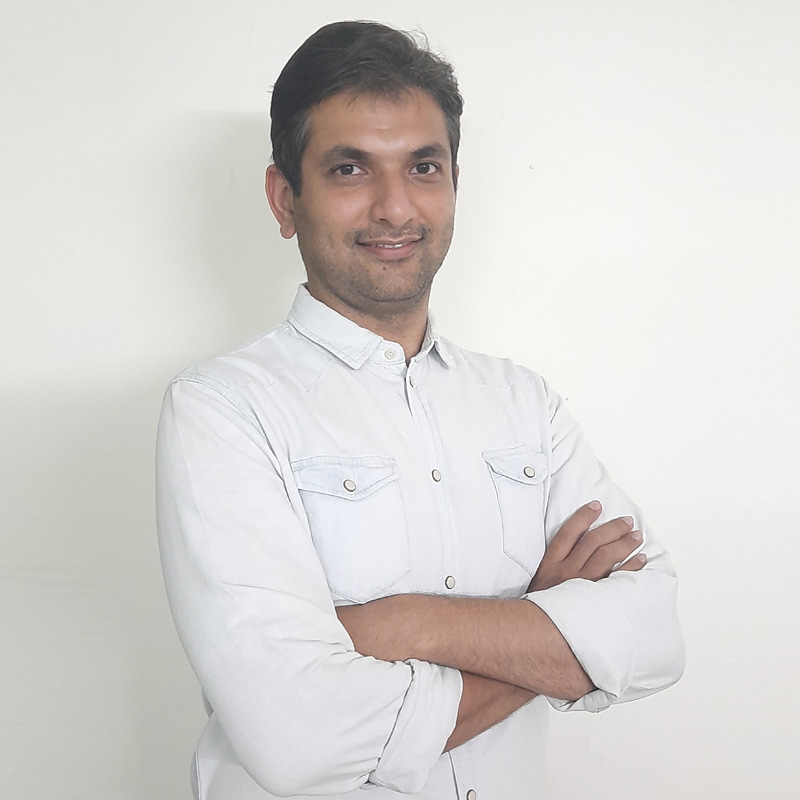
    MUMBAI: Shamik Guha has swapped healthcare for high-stakes hygiene as he steps into the role of general manager – client services at EssenceMediacom, where he’ll now steer the media strategy for FMCG titan P&G.
    From baby oils to baby steps in data science, Guha’s journey reads like a masterclass in media evolution. With over 18 years of industry hustle—spanning Emami, Lintas, OMD, Dabur, Abbott, and now EssenceMediacom—he’s worn every media hat from planner to P&L boss.

    At Abbott, he helped nutritional juggernauts like Pediasure and Ensure bulk up in market share, while tightening cost controls and orchestrating full-funnel media. Before that, his time at Dabur saw him blend Ayurveda with mass-market savvy, launching new SKUs and managing crores in baby and women’s health categories.

    From pushing IPL impact buys at Freecharge to stoking strategy at Dabur and crunching data at Seagull, Guha’s career has been one long pitch-perfect campaign. Now, with P&G’s mighty portfolio on his media menu, expect the playbook to only get sharper
    .
    New gig, same hustle. Shamik Guha’s back on the agency side—and he’s not playing small.

  • Flipkart rewrites retail media with speed data and a dash of drama

    Flipkart rewrites retail media with speed data and a dash of drama

    MUMBAI: What do love, Lays and logistics have in common? Flipkart, apparently. At its Goa Fest 2025 masterclass, the e-commerce giant rolled out a full-funnel manifesto for how brands can advertise smarter, sell faster and even deliver anti-love chocolates in 10 minutes flat. Packed with metrics, media strategy, and a sprinkling of Valentine’s wit, the session was a whirlwind tour of how retail media is no longer just about deals but about data, delight and deep hyperlocal targeting.

    At the Flipkart masterclass held at Goa Fest 2025, the brand flipped the script on what e-commerce advertising can do showcasing how its ecosystem is now a robust, intelligent ad-tech playground for everyone from FMCG giants to rural D2C sellers.

    Launched as Flipkart’s quick commerce vertical, Flipkart Minutes is not just delivering tomatoes in 10 minutes, it’s shipping electronics. Over 25–28 per cent of all orders now include phones and gadgets, especially in Tier 2 India, where users increasingly need a “Pogo phone” faster than their Wi-Fi can buffer.

    But the brilliance isn’t just logistical, it’s hyperlocal advertising. Brands can now target delivery guys’ helmets in Koramangala or run a Valentine’s Day campaign only for Bangalore. Flipkart cited Cadbury’s 42 per cent YoY sales growth from a split “pro-love” and “anti-love” campaign using Minutes, a strategy that played both sides of the heart-shaped field.

    Flipkart’s Iris analytics platform empowers advertisers with full-funnel insights. Beyond ROAS (Return on Advertising Spend), brands now get New-to-Brand (NTB) metrics measuring how many fresh eyeballs saw and clicked their products.

    With over 2,000 types of audience signals in play and 80 per cent of advertisers using them, Flipkart is serious about understanding behaviour, not just demographics. Think: not just who’s browsing, but what they previously bought, which pin codes they search from, and what their most-used credit card says about them.

    Perhaps the most disruptive insight? Flipkart is offering a line of ad credit to small and rural advertisers based on past performance. Instead of upfront payments, sellers can now use ad credit and pay back as a percentage of actual sales freeing up crucial cash flows.

    Flipkart’s Brand Self-Serve portal has gone from being a display hub to an intelligent coach. Its Keyword Planner allows precise targeting (e.g. phones under Rs 30,000), while PCS Spotlight brings masthead-style prominence right inside search results.

    Thanks to 6–7 layers of search recommendations, even first-time advertisers can run effective campaigns. Add to that Product Performance Ads and a creative Brand Solutions team, and what you have is not just ads, but entire storytelling experiences optimised for ROAS and reach.

    Flipkart’s anecdotal evidence packs punch. Coke targeted party hours before New Year’s by finding users buying Lays and Chakna—not soda. Cadbury ran two opposing Valentine’s Day campaigns, pro-love for Silk, anti-love for Gems and saw their sales shoot up 42% over last year’s campaign.

    With Big Billion Day on the horizon, Flipkart is focusing on customer loyalty targeting, allowing brands to reach habitual discount-hunters during specific periods.

    Their ambitious roadmap includes pushing retail media as a top-funnel tool too. It’s no longer just a performance play. Retail media is now about brand discovery, contextual engagement, and creative risk-taking without betting the whole national ad budget.

    From smart shopping insights to delivering slow-mo smartphones faster than you can say “Galaxy S24 FE,” Flipkart’s masterclass proved one thing: retail media isn’t just booming, it’s blooming.

  • Byte the Future AI is Serving Up Personalised Innovation

    Byte the Future AI is Serving Up Personalised Innovation

    MUMBAI: Who knew your AC could get to know you better than your flatmate? At GoaFest 2025, the session “From Code to Commerce: Growth in the AI Age” proved that artificial intelligence is no longer just a boardroom buzzword, it’s in your shampoo, your samosa delivery, your summer holiday plans, and maybe even your next Instagram ad.

    AI isn’t just flipping the script, it’s writing it, testing it, and turning it into 150,000 personalised versions overnight. In a power-packed panel at GoaFest 2025, leaders from HUL, Voltas, Makemytrip and Swiggy sat down with journalist Anuradha SenGupta to unpack how artificial intelligence is moving from the back end to front-of-house, making businesses smarter, faster, and far more personal.

    Voltas CMO Pragya Bijalwan  revealed how AI is transforming the home appliance business from cold machines to warm experiences. “Walk into a room and your AC already knows your favourite temperature,” she quipped. But it’s not just comfort AI is driving predictive maintenance, energy efficiency, and post-sale service readiness. Voltas uses customer data platforms to pre-empt service needs and personalise communication. One such campaign featuring their long-standing mascot ‘Mukti’ achieved a staggering 98 per cent CTR and an 87 per cent full-view rate with many recipients believing the video was speaking directly to them.

    HUL, head of media & digital marketing Tejas Apte shared how AI now powers product prototyping through the company’s Agile Innovation Hub, even allowing 3D-printed SKUs based on global trendspotting. AI also fuels the “Shikhar” app, used by kirana store partners now responsible for 20 per cent of HUL’s sales. Retailers can simply snap a photo of their shelf, and AI recommends stock-ups, upsells and even helps co-create hyperlocal ad campaigns. “Last year, we generated 150,000 AI-personalised video ads with Arshad Warsi customised to individual kirana stores,” said Apte.

    For Makemytrip, AI is less about flash and more about function. Director Sanket Tulangekar outlined how Myra, their AI assistant, has evolved to summarise reviews, answer natural language queries, and assist with travel planning. Myra now uses multi-agent orchestration, acting like an intelligent concierge handling everything from hotel bookings to activity recommendations. Tulangekar stressed the importance of red-teaming, bias testing, and moderation in ensuring AI-generated content is both accurate and safe.

    Over at Swiggy, VP Arjun Choudhary revealed how generative AI has quietly revolutionised internal operations. Sales teams now use AI co-pilots for performance insights, and restaurant partners receive personalised business analytics through conversational dashboards. “Even non-tech teams are generating demos and PRDs using AI,” said Choudhary. AI also boosts consumer experience through in-session personalisation and catalogue video generation. The company recently condensed a three-month cataloguing task into a single week using AI.

    Panelists agreed AI is now function-agnostic relevant across departments, not just digital teams. While job fears loom, Bijalwan emphasised it’s an evolution, not a threat. “It’s like when Google launched, initially scary, but now second nature,” she said.

    Ethics, however, remain a looming shadow. From labelling AI-generated ads to ensuring consent with India’s DPDP Act, companies are cautiously optimistic. “Change is inevitable,” the panel echoed, “but accountability must keep pace.”

    Whether you’re in media, FMCG, travel or tech, one thing’s clear: in the age of AI, relevance isn’t optional, it’s algorithmic.

  • ITC profit rises eight per cent as revenue hits Rs 18,953 crore in Q3 FY25

    ITC profit rises eight per cent as revenue hits Rs 18,953 crore in Q3 FY25

    MUMBAI: ITC has wrapped up the third quarter of FY25 on a strong note, delivering an eight per cent year-on-year (YoY) growth in gross revenue to Rs 18,953 crore, despite facing inflationary headwinds. The company’s diversified portfolio—spanning FMCG, agri-business, cigarettes, and paper—helped offset rising input costs in wheat, edible oil, and tobacco.

    The cigarette segment, ITC’s profit engine, recorded an 8.1 per cent YoY rise in net revenue, with segment profit before interest and tax (PBIT) up 4.1 per cent, aided by strategic portfolio interventions and premium offerings. FMCG (excluding cigarettes) grew four per cent YoY, driven by atta, spices, frozen snacks, and personal care products. The agri-business segment surged 9.7 per cent, powered by leaf tobacco and value-added agri exports, lifting PBIT by a robust 21.6 per cent.

    ITC’s paper and packaging business remained under pressure due to low-priced Chinese and Indonesian imports and rising domestic wood prices, though portfolio expansion and export growth provided some relief. Meanwhile, the recently demerged hotels business delivered its best-ever quarterly performance, with a 14.6 per cent YoY revenue jump to Rs 922 crore and a 43.4 per cent rise in PBT to Rs 302 crore, driven by weddings, retail, and F&B. The Hotels business was officially demerged into ITC Hotels Limited (ITCHL) with effect from 1st January 2025 and is now reported as ‘Discontinued Operations’ in line with Indian Accounting Standards.

    EBITDA for the quarter rose 3 per cent YoY, with a 4.5 per cent increase excluding the paper segment. Profit before tax (PBT) before exceptional items stood at Rs 6,847 crore, while profit after tax (PAT) reached Rs 5,638 crore. Earnings per share (EPS) for the quarter stood at Rs 4.51.

    The board has recommended an interim dividend of Rs 6.50 per share, reinforcing ITC’s strong shareholder returns. Looking ahead, the company remains optimistic, banking on premiumisation, strategic cost management, and sustained investments in emerging growth segments.

  • Ad wars 2024: Who ruled TV screens and who got washed away?

    Ad wars 2024: Who ruled TV screens and who got washed away?

    MUMBAI: Television advertising in 2024 wasn’t just background noise—it was prime-time gold, stealing the spotlight from even the most dramatic soap operas. According to TAM AdEx – 2024 Television Advertising Recap, TV ad volumes surged 14 per cent compared to 2020, proving that the battle for consumer eyeballs is still raging.

    Globally, television ad spending is expected to touch $177 billion, with India alone seeing a nine per cent rise in TV ad expenditures compared to 2023. The second quarter alone saw a six per cent growth over the first, while the fourth quarter took a six per cent dip—probably because people were too busy binge-watching holiday specials to pay attention to ads.

    But who poured in the most cash? Which industries turned up the volume? And which brands refused to be skipped? Buckle up—this one’s a wild ride through the world of TV ads.

    Who was buying all that airtime?

    If you turned on your TV in 2024, you were likely bombarded with ads from the food & beverages sector, which took a massive 21 per cent share of ad volumes, proving that snack cravings and screen time go hand in hand. Not far behind, personal care/personal hygiene lathered up with 16 per cent. The household products sector scrubbed in at 9 per cent, because apparently, nothing pairs better with your TV drama than a cleaner floor.

    But who ruled the ad wars? Hindustan Unilever dominated with 16 per cent of all ad volumes, closely followed by Reckitt Benckiser (India), which boasted five out of the top ten most advertised brands. If you feel like every other commercial was selling you a soap or detergent, you weren’t wrong.

    If you thought soap operas were dramatic, the real drama happened in the soap advertising department. Toilet Soaps dominated the charts yet again, refusing to be flushed away. Laundry detergents, toothpastes, and floor cleaners scrubbed into the top 10, proving that cleanliness is next to advertising greatness.

    Quarterly showdowns

    2024 was a tale of peaks and dips. The second quarter flexed its muscles, rising by six per cent over Q1, only for Q4 to slump by six per cent compared to Q3. Maybe by year’s end, consumers had perfected the art of muting commercials.

    Despite the dips, 92 per cent of all TV ad volumes came from just five channel genres—dominated, unsurprisingly, by general entertainment channels (GECs) and news. If nothing else, advertisers know exactly where the eyeballs are.

    Which brands stole the spotlight? The award for most persistent ad on TV goes to Harpic Power Plus 10x Advanced, which climbed over 60 spots to claim the top brand of the year. It was followed closely by Dettol Toilet Soaps, Dettol Antiseptic Liquid, and Jiocinema App. Because what’s better than watching ads? Watching ads about an app that shows more ads!

    Surprisingly, digital brands also made a larger impact, with e-commerce and fintech stepping up their ad spends. The TV ad game isn’t just about FMCG anymore; the tech world wants a piece of your screen time too.

    Co-branding went bonkers. Indian cinema blockbusters and brands continued their love affair in 2024, with Pushpa 2 leading the charge, accounting for 21 per cent of co-branded ads. The film with the most brands fighting for screen time? Fighter, which partnered with a record 13 brands—making sure even if the movie didn’t knock out box-office records, it definitely conquered ad slots.

    Who surprised us?

    While the usual suspects stayed strong, some underdogs made surprising leaps. Paints saw a 51 per cent increase in ad secondages, because who doesn’t love a fresh coat of paint before their favourite reality show? Travel and tourism ads doubled, surging by 100 per cent, as people started daydreaming about vacations rather than just watching them on TV. But the real showstopper? Beauty accessories/products grew a jaw-dropping 303 times, proving that looking good isn’t just for movie stars anymore.

    And the exclusive advertisers? Over 4,010+ new advertisers joined the television ad game in 2024. Leading the pack was Velnik India, proving that fresh faces aren’t just for reality TV anymore. From fintech to online shopping platforms, new players saw TV as the ultimate stage to make their mark.

    If you thought TV ads were taking a back seat, think again—because brands are still duking it out for your attention like it’s prime-time gladiator combat. As long as there are eyeballs to mesmerise and remotes to misplace, ad makers will be there, squeezing their pitches between your favourite shows. Industry experts predict that 2025 will bring even smarter AI-driven ad placements, hyper-personalised content, and interactive ads that might just talk back if you ignore them.

    So, buckle up for more soaps (literally and figuratively), more snacks (because snack ads are never going away), and an avalanche of co-branded spectacles. If 2024 was a preview, 2025 is shaping up to be the full-length feature film of advertising dominance.

  • Poshn names Anit Kunj Gupta as finance director to lead growth strategy

    Poshn names Anit Kunj Gupta as finance director to lead growth strategy

    MUMBAI: What happens when you mix a food supply chain revolution with 20 years of financial wizardry? You get Anit Kunj Gupta, the latest heavyweight addition to Poshn’s leadership team.

    If you thought supply chain logistics and financial planning couldn’t get exciting, think again. Poshn, founded in 2021, isn’t just another startup; it’s a game-changer in India’s food value chain. And Anit’s arrival promises to turbocharge their ambitious growth plans.

    Poshn announced the appointment of Anit Kunj Gupta as senior director – finance & accounts, ushering in a new era of financial excellence and strategic leadership. Anit’s expertise, honed at industry giants like Zydus Wellness, Whirlpool Corporation, Udaan, and Carlsberg Group, makes him uniquely equipped to streamline Poshn’s financial framework and help SMEs thrive in the food value chain.

    India’s food value chain has always been ripe for disruption, and Poshn has been shaking things up by empowering SMEs with innovative solutions. Now, with $8 million (approximately Rs 65 crore) in equity and another $8 million in debt raised during their pre-Series A funding, the stakes couldn’t be higher.

    With Anit on board, Poshn looks ready to:

    . Expand private label offerings

    . Optimise supply chain processes

    . Penetrate new markets

    How does someone like Anit Kunj Gupta, with two decades of financial experience, approach a startup in full-throttle growth mode?

    Poshn’s co-founder, Shashank Singh expressed excitement about Anit’s appointment, “We are thrilled to welcome Anit to the Poshn family. His extensive experience in the food supply chain and his work with SMEs will solidify our position as a global leader in the food value chain.”

    Meanwhile, Anit himself couldn’t hide his enthusiasm, “I am delighted to join Poshn at such a pivotal phase of its journey. Poshn’s mission to simplify the food value chain resonates deeply with my professional ethos.”

    But here’s the kicker. Anit isn’t just about numbers. When he’s not crunching financials, he’s either driving, playing chess, or cracking jokes. A finance guy with a sense of humour? Now that’s a rarity!

    With an experienced leader like Anit in the driver’s seat, Poshn is poised to navigate the complexities of the food supply chain and emerge as a force to be reckoned with. So, the next time you think of food supply chains, remember: Finance is the secret ingredient.

  • Karan Singh moves to JioStar network as vertical head for FMCG, beverages, and alcoBev

    Karan Singh moves to JioStar network as vertical head for FMCG, beverages, and alcoBev

    MUMBAI: Seasoned media sales professional Karan Singh has been retained in the JioStar network scheme of things. He has been  named as the vertical head – FMCG, beverages & alcobev, Jiostar. At Viacom18, he was associate vice president – Colors Rishtey, Colors Cineplex Superhit and  Colors Cineplex Bollywood  managing advertising spends for the channels. He consistently delivered revenue growth and drove  innovative advertising solutions.

    Karan, a dynamic leader with a proven track record in media sales, business development, and brand solutions, brings over 17 years of experience in the media and advertising industry. His expertise spans revenue strategies, large-scale product launches, and high-stakes commercial negotiations, making him a perfect fit for the new role at JioStar Network.

    Previously, Karan held prominent positions at Viacom18, where he served for nearly 14 years.. Prior to this, he played pivotal roles at Star TV India and Radio Mirchi, where he was instrumental in establishing revenue functions and scaling up market presence.

    Karan holds a post graduate diploma in marketing from Amity University and has further honed his leadership skills through the young leader development program at XLRI Jamshedpur.

    In his new role, Karan aims to leverage his extensive experience to strengthen JioStar Network’s presence in the FMCG, beverages, and alco-bev sectors, driving growth and innovation in the rapidly evolving media landscape.

  • 2024: The year that was – A snapshot of the snacks & sweets segment

    2024: The year that was – A snapshot of the snacks & sweets segment

    MUMBAI: Snacks are some small nibbles you munch on just to satisfy your cravings sometimes. But it’s no surprise that consumption has surged in a big way  – in fact the growth has been unprecedented – in 2024. The increasing population, growing incomes of people, and the shifting priorities of consumers are increasing the demand for snacks. 

    According to a report by global market research group, Imarc  the Indian snacks market was valued at ?42,694.9 crore in 2023. It is expected to swell dramatically by more than doubling by 2032, reaching ?95,521.8 crore. 

    This impressive growth is being driven by consumers’ love for convenience, the increasing role of e-commerce, and improved food safety standards.

    festivals increasing demand

    Festivals Lead to Increased Demand

    The festive season brings  joy not only to consumers but also to the FMCG brands. During this time of the year, gifting, celebration, and indulgence in snacks and sweets are synonymous.

    Many brands launched new products this year and created special hampers to meet the festive demand with variety and innovation.

    According to logistics intelligence platform for online retailers Clickpost’s report, online sales in this year’s festival season surged by as much as 49 per cent through tier-2 and tier-3 cities. And for brands, it’s probably the perfect opportunity in recent times to garner new customers, boost sales, and even better their market reach in those relatively smaller towns and cities.

    Kush Aggarwal

    Rural Growth and online expansion

    Rural areas are now an important part of the growth of FMCG brands. NielsenIQ data reports that rural markets expanded by six per cent in the Q3 of 2024, a rate greater than that of urban areas, which grew at 2.8 per cent. Small producers, however, also appeared to recover, playing a big role in the overall growth of the industry.In the meantime, the e-commerce expansion has shaken the snack and sweets industry. In the past three years, India has acquired 125 million online buyers and expects to add 80 million more by end-2025. This trend is increasing the accessibility of snacks and sweets throughout the country by improving convenience and availability more than ever.

    Swiggy delivery
    Consumer Trends Shaping the Industry

    Consumer preference is one of the major drivers of innovation in the snacks and sweets segment. Younger generations (Genz, Gen Alpha),  along with the influence of western eating patterns, are raising the demand for quick, ready-to-eat options. Sustainability too is gaining priority. On the other hand, brands are adopting eco-friendly packaging using recyclable materials, compostable, and biodegradable materials as well. This is being done to protect the environment as well as to satisfy the so-called woke younger segments sensitivity to sustainability. 

    Looking Ahead

    The Indian FMCG industry, especially the snacks and sweets category, has shown resilience in a challenging economic environment. From festive sales and rural growth to online expansion and sustainable packaging, the sector continues to evolve to meet consumer demands. Brands are not just satisfying cravings but also creating delightful experiences, making snacks and sweets a key part of India’s dynamic food landscape.

    (The views in this article are the author’s and Indiantelevision.com needn’t subscribe to them)

  • Haldiram Foods appoints Nitesh G as VP of sales

    Haldiram Foods appoints Nitesh G as VP of sales

    MUMBAI: After decades of driving sales across the FMCG sector, a seasoned veteran is embarking on a new chapter.

    Nitesh G, a stalwart in the fast-moving consumer goods industry and former chief business officer, has taken on the mantle of vice president of sales at Haldiram Foods International Ltd. Known for his strategic acumen and unmatched expertise, Nitesh’s appointment in December 2024 signals a bold move by the iconic Indian brand to further solidify its leadership in the competitive food market.

    Nitesh announced his new role on LinkedIn, stating, “I’m happy to share that I’m starting a new position as Vice President of Sales at Haldiram Foods International Ltd.”

    With over two decades in the fast-moving consumer goods (FMCG) sector, Nitesh brings a wealth of experience to Haldiram’s. Prior to this appointment, he served as CBO at Mrs. Bectors Food Specialities Ltd, overseeing brands such as Cremica and English Oven.

    Nitesh’s career includes significant roles at Cream Bell Ice Cream, Britannia Industries Limited, and Vodafone, where he honed his expertise in sales and business development.

    In his new position, Nitesh will spearhead Haldiram’s sales strategies, aiming to expand market reach and strengthen the brand’s presence in the competitive snack-food industry.