Tag: FMCG

  • Mobile third largest ad medium; may grow to Rs 10,000 cr by ’18

    Mobile third largest ad medium; may grow to Rs 10,000 cr by ’18

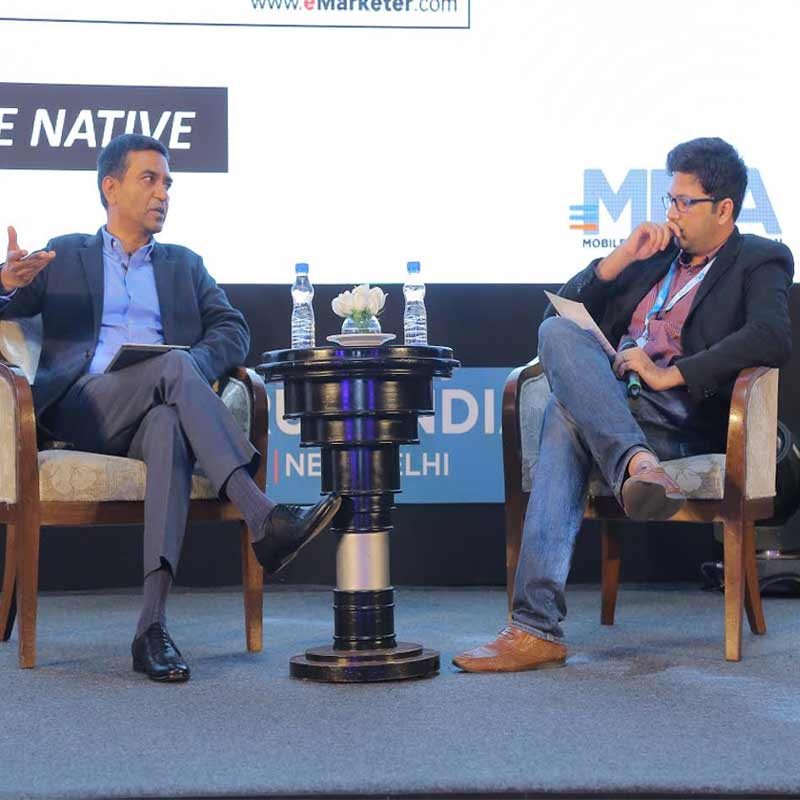
    MUMBAI: The Mobile Marketing Association (MMA), in association with GroupM, one of India’s largest media and marketing conglomerate, has released a report on the mobile marketing ecosystem in India. Called the ‘Mobile Ecosystem and Sizing Report’, this report states that the mobile medium is the third largest mass media in India in terms of ad spends, after television and print. The ad spends on mobile media is estimated to be Rs. 4200 crore by the end of 2016, and is expected to grow to Rs. 10,000 crore by end of 2018.

    The report is an endeavour to decode the burgeoning Indian mobile market in terms of reach of the medium, rural-urban divide in-terms of usage habits and increasing mobile data usage. The report takes into account the mobile service providers and handset manufacturers ecosystem as well. It is a collaborative effort by the marketing and mobile industry, championed by the research team at GroupM India.

    The growing use of mobile in rural media-dark markets has made brand marketers look at increasing their ad spends on mobile marketing. While spends are increasing, organizations are still evolving in terms of familiarity with mobile marketing. Industry sectors such as e-commerce and BFSI are leading the way in mobile advertising, while sectors such as FMCG are now going beyond the SMS and IVR-based mobile solutions The report also brings in perspective on the role of local language in enabling the next spurt of growth in rural India.

    CVL Srinivas, CEO, GroupM South Asiasaid, “It is clear that brands cannot ignore the power of the small screen. It may be the third largest (after TV and print) in terms of ad spends but is by far the leader in terms of time spent and consumer engagement.”

    PepsiCo India Holdings chairman and CEO, D Shivakumar, said, “MMA felt there was a distinct need for a single comprehensive report that covers the mobile marketing ecosystem in India and provides insights to marketers to help them make sharper decisions.”

    “Marketers are aware that mobile is arguably the closest you can get to the consumer with its powerful promise of ‘immediacy’. The consumer is getting steadily used to everything in the ‘now’ with regards to content, commerce, information or utilitarian. This very concept has transformed the mobile into a tool of action and transaction,” said Mobile Marketing Association India manager, Preeti Desai.

    2015 has been a good year for mobile subscriber growth in India. Over 60 million new mobile subscribers were added since the start of year, at an average 5 million subscribers added every month. This was a 20% growth in comparison to 2014. Research has found that in the last 5 years, rural tele-density in India has increased by 60%; rural mobile internet subscriber saw a 90% YOY growth in 2015 and they are using the internet primarily with their mobile phones.

    In terms of usage, the report clearly states the varied usage patterns between urban and rural consumers. While urban consumers are adopting 3G and 4G technology at a much faster rate, the growth spurt in new technology and smartphone penetration is coming from the Tier 2, Tier 3 and rural markets. There is a high demand for affordable smartphones in rural markets, as mobile phones are replacing or supplementing TV as an important entertainment and marketing medium, alongside other traditional communication methods. Handset manufacturers are also looking at developing distribution channels to meet this high demand and thus as seen in the report, eTailers are gaining significance where 29% of smartphone purchases in 2015 happened via e-commerce channels.

    This increase in higher speed data penetration along with growth in smartphones will lead to data driven marketing. It is also reported that traditional TV players are getting more vertical with OTT driving the case for mobile as the stronger secondary screen. [Leading video publishers have seen watch-time in India grew 80% over the last one year, of which 55% of the watch time was on mobile. 90% content upload on these services was from mobile as well]. All this could mean that Native and Video formats are set to dominate mobile marketing in the years to come. Consumers look at Native ads 53% more often than they look at traditional mobile display ad. Also, mobile based audio and video streaming apps provide measurable reach, with 100+ million monthly active user base in India according to the report.

    MMA’s objective through this report is to give the readers a comprehensive view of the mobile marketing ecosystem in India and the various factors that influence it like the various mobile marketing channels, the mobile marketing landscape and the growing subscriber, internet and app user base. It also highlights some of the case studies that readers of the report can leverage to better understand the medium from a marketing perspective. Going forward, MMA also plans to follow up with a second report that will deep dive on topics like use of location and other signals on mobile for predictive analytics and intelligence and mobile measurability.
  • Mobile third largest ad medium; may grow to Rs 10,000 cr by ’18

    Mobile third largest ad medium; may grow to Rs 10,000 cr by ’18

    MUMBAI: The Mobile Marketing Association (MMA), in association with GroupM, one of India’s largest media and marketing conglomerate, has released a report on the mobile marketing ecosystem in India. Called the ‘Mobile Ecosystem and Sizing Report’, this report states that the mobile medium is the third largest mass media in India in terms of ad spends, after television and print. The ad spends on mobile media is estimated to be Rs. 4200 crore by the end of 2016, and is expected to grow to Rs. 10,000 crore by end of 2018.

    The report is an endeavour to decode the burgeoning Indian mobile market in terms of reach of the medium, rural-urban divide in-terms of usage habits and increasing mobile data usage. The report takes into account the mobile service providers and handset manufacturers ecosystem as well. It is a collaborative effort by the marketing and mobile industry, championed by the research team at GroupM India.

    The growing use of mobile in rural media-dark markets has made brand marketers look at increasing their ad spends on mobile marketing. While spends are increasing, organizations are still evolving in terms of familiarity with mobile marketing. Industry sectors such as e-commerce and BFSI are leading the way in mobile advertising, while sectors such as FMCG are now going beyond the SMS and IVR-based mobile solutions The report also brings in perspective on the role of local language in enabling the next spurt of growth in rural India.

    CVL Srinivas, CEO, GroupM South Asiasaid, “It is clear that brands cannot ignore the power of the small screen. It may be the third largest (after TV and print) in terms of ad spends but is by far the leader in terms of time spent and consumer engagement.”

    PepsiCo India Holdings chairman and CEO, D Shivakumar, said, “MMA felt there was a distinct need for a single comprehensive report that covers the mobile marketing ecosystem in India and provides insights to marketers to help them make sharper decisions.”

    “Marketers are aware that mobile is arguably the closest you can get to the consumer with its powerful promise of ‘immediacy’. The consumer is getting steadily used to everything in the ‘now’ with regards to content, commerce, information or utilitarian. This very concept has transformed the mobile into a tool of action and transaction,” said Mobile Marketing Association India manager, Preeti Desai.

    2015 has been a good year for mobile subscriber growth in India. Over 60 million new mobile subscribers were added since the start of year, at an average 5 million subscribers added every month. This was a 20% growth in comparison to 2014. Research has found that in the last 5 years, rural tele-density in India has increased by 60%; rural mobile internet subscriber saw a 90% YOY growth in 2015 and they are using the internet primarily with their mobile phones.

    In terms of usage, the report clearly states the varied usage patterns between urban and rural consumers. While urban consumers are adopting 3G and 4G technology at a much faster rate, the growth spurt in new technology and smartphone penetration is coming from the Tier 2, Tier 3 and rural markets. There is a high demand for affordable smartphones in rural markets, as mobile phones are replacing or supplementing TV as an important entertainment and marketing medium, alongside other traditional communication methods. Handset manufacturers are also looking at developing distribution channels to meet this high demand and thus as seen in the report, eTailers are gaining significance where 29% of smartphone purchases in 2015 happened via e-commerce channels.

    This increase in higher speed data penetration along with growth in smartphones will lead to data driven marketing. It is also reported that traditional TV players are getting more vertical with OTT driving the case for mobile as the stronger secondary screen. [Leading video publishers have seen watch-time in India grew 80% over the last one year, of which 55% of the watch time was on mobile. 90% content upload on these services was from mobile as well]. All this could mean that Native and Video formats are set to dominate mobile marketing in the years to come. Consumers look at Native ads 53% more often than they look at traditional mobile display ad. Also, mobile based audio and video streaming apps provide measurable reach, with 100+ million monthly active user base in India according to the report.

    MMA’s objective through this report is to give the readers a comprehensive view of the mobile marketing ecosystem in India and the various factors that influence it like the various mobile marketing channels, the mobile marketing landscape and the growing subscriber, internet and app user base. It also highlights some of the case studies that readers of the report can leverage to better understand the medium from a marketing perspective. Going forward, MMA also plans to follow up with a second report that will deep dive on topics like use of location and other signals on mobile for predictive analytics and intelligence and mobile measurability.

  • Amazon India seasonal sale boosts Prime Video subscribers

    Amazon India seasonal sale boosts Prime Video subscribers

    Mumbai: Amazon’s bet seems to have paid off. In the past few weeks, it has been accumulating original content and striking content licensing deals. Amazon had been firming up its content strategy by tying up with several Bollywood production houses for original TV shows and films while it was gearing up for its Prime Video service launch in India. Among the few notable deals it has made were with Dharma Productions and T-Series. Amazon Prime Video, the paid subscription service of Amazon India, yesterday emerged as the highest selling product for the e-tailer.

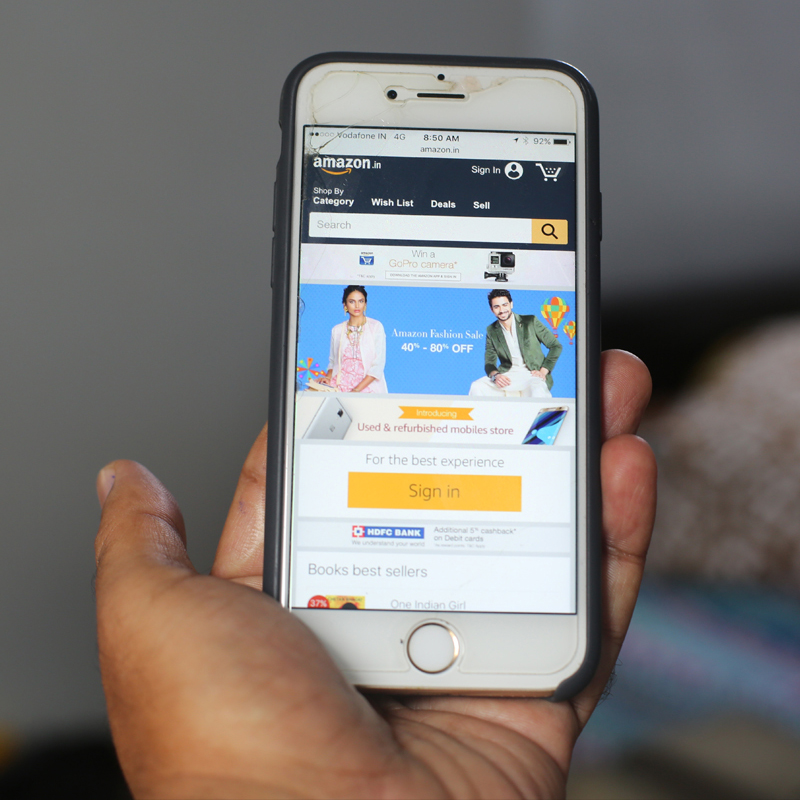
    Amazon’s five-day festive season sale period ended on Wednesday, and one out every three units sold was membership of Prime Videos, Amazon India country manager, Amit Agarwal, told FE. The e-tailer moreover claims to have sold more than 5 million units over a period of five days. The paid subscribers of Amazon Prime will be default users of the video streaming service called Prime Videos.

    After the entry of global video over-the-top (OTT) player like Netflix in India early this year, Amazon is the second large player to announce the launch of its video streaming service in India. Amazon India is presently selling the membership at a 50 per cent discounted rate of Rs 499 for a year.

    “Despite a slump in the market, Amazon India has been growing at a rate of 150% over the the last three years. This sale was three times bigger and 30 times bigger than last Diwali,” said Agarwal. Mobile, fashion and lifestyle and Fast Moving Consumer Goods (FMCG) were the other top selling categories on the platform during the sale period.

    The e-tailers claim that mobile saw a five times jump in number of orders placed apart from television which grew by 25 times. While large appliances saw a seven times growth in terms of sale.

    According to Agarwal, the platform saw a five times growth in the number of new customers who came online to shop, compared to last year. Tier 2 and smaller towns contributed to 70% of the orders. Agarwal added that during the festive season sale period, Amazon continued to witness high traffic both on the website as well as on its mobile app. “80% of the traffic came through mobile. In fact, the app recorded seven time growth in direct traffic,” he explained.

    Amazon has also signed deals with Excel Entertainment to create original TV shows for the platform and with Vishesh Films for its film catalogue. Given the backdrop of competition in the OTT space, Amazon is also reportedly participating in the IPL tender with a keen interest to bid for the digital rights.

    As a result of the partnerships with T-Series, Amazon Prime members would soon enjoy a wide variety of some of the best Bollywood movies in the country, all within a few weeks of their theatrical release, said Amazon Video India director and country head Nitesh Kripalani.

    Amazon CEO Jeff Bezos had announced that the company would be investing an additional $3 billion in India, taking the total investment to more than $5 billion. It reportedly plans to invest around $300 million in producing original content for India. Amazon had launched its Prime subscription service in India in July.

  • Amazon India seasonal sale boosts Prime Video subscribers

    Amazon India seasonal sale boosts Prime Video subscribers

    Mumbai: Amazon’s bet seems to have paid off. In the past few weeks, it has been accumulating original content and striking content licensing deals. Amazon had been firming up its content strategy by tying up with several Bollywood production houses for original TV shows and films while it was gearing up for its Prime Video service launch in India. Among the few notable deals it has made were with Dharma Productions and T-Series. Amazon Prime Video, the paid subscription service of Amazon India, yesterday emerged as the highest selling product for the e-tailer.

    Amazon’s five-day festive season sale period ended on Wednesday, and one out every three units sold was membership of Prime Videos, Amazon India country manager, Amit Agarwal, told FE. The e-tailer moreover claims to have sold more than 5 million units over a period of five days. The paid subscribers of Amazon Prime will be default users of the video streaming service called Prime Videos.

    After the entry of global video over-the-top (OTT) player like Netflix in India early this year, Amazon is the second large player to announce the launch of its video streaming service in India. Amazon India is presently selling the membership at a 50 per cent discounted rate of Rs 499 for a year.

    “Despite a slump in the market, Amazon India has been growing at a rate of 150% over the the last three years. This sale was three times bigger and 30 times bigger than last Diwali,” said Agarwal. Mobile, fashion and lifestyle and Fast Moving Consumer Goods (FMCG) were the other top selling categories on the platform during the sale period.

    The e-tailers claim that mobile saw a five times jump in number of orders placed apart from television which grew by 25 times. While large appliances saw a seven times growth in terms of sale.

    According to Agarwal, the platform saw a five times growth in the number of new customers who came online to shop, compared to last year. Tier 2 and smaller towns contributed to 70% of the orders. Agarwal added that during the festive season sale period, Amazon continued to witness high traffic both on the website as well as on its mobile app. “80% of the traffic came through mobile. In fact, the app recorded seven time growth in direct traffic,” he explained.

    Amazon has also signed deals with Excel Entertainment to create original TV shows for the platform and with Vishesh Films for its film catalogue. Given the backdrop of competition in the OTT space, Amazon is also reportedly participating in the IPL tender with a keen interest to bid for the digital rights.

    As a result of the partnerships with T-Series, Amazon Prime members would soon enjoy a wide variety of some of the best Bollywood movies in the country, all within a few weeks of their theatrical release, said Amazon Video India director and country head Nitesh Kripalani.

    Amazon CEO Jeff Bezos had announced that the company would be investing an additional $3 billion in India, taking the total investment to more than $5 billion. It reportedly plans to invest around $300 million in producing original content for India. Amazon had launched its Prime subscription service in India in July.

  • Zoom-ing in on the music aficionados

    Zoom-ing in on the music aficionados

    MUMBAI: Zoom aims at providing special type of content in the Bollywood space which is not happening on any other channel. Apart from branded content, music is the mainstay of this category. Distinguishing its position from the rest through differentiated Bollywood content available on the channel apart from being high on music is Zoom, the Bollywood and lifestyle channel from the Times Network.

    With a huge presence of its content on digital, the channel is clear on music being their forte. The channel is in a win-win situation as it witnesses a huge demand from the audience for Bollywood as well as music content.

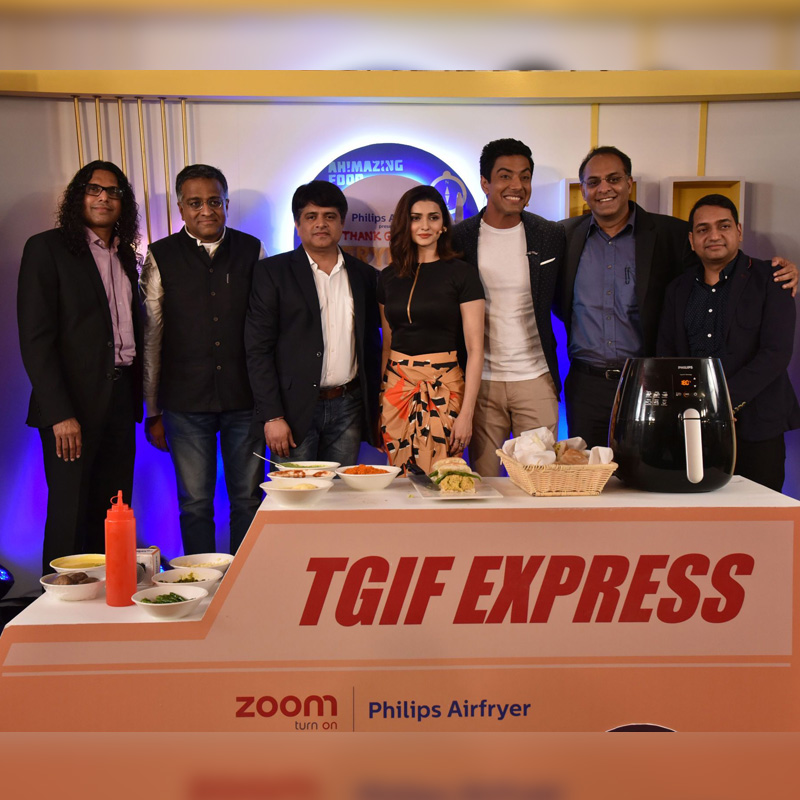
    Apart from riding high on its content, the channel is also planning to launch an app for its audience. The channel has also brought the third season of Thank God It’s Fryday (TGIF) in partnership with Philips.

    “Though we have branded content, music is still the bread and butter of this category. Given the fact that 90 per cent of our content is completely music, we will not compromise on it,” says Times Network president (revenue) Ashit Kukian.

    The channel also plans to launch a couple of shows within 10 days. While, some of the shows will be new, others will be existing shows that worked well and were loved by the audience. The shows will be in line with the Bollywood and lifestyle theme.

    Since the time of its inception, the channel has seen a positive growth both, in terms of advertising revenue and viewership. “Every brand under the Times Network is trying to evolve with the changing needs of the consumer. The viewer’s needs change from what it was a few years ago. We are evolving both as a network and a channel,” says
    Kukian.

    Targeted at a well-defined audience from whoever is interested in music, 15-35 remains to be the channel’s core audience. With a strong Hindi and English song library, the channel sees more traction coming from the west and north of India.

    “As any other product, you will have age cohorts reflecting from either side of the defined category as well. If a channel plays more retro, than you can have a larger,higher age-bracket viewers. As we have more Hindi and English type of content, you will have people from the west or north dominating and consuming more,” explains the revenue
    head.

    With several branded shows, it sees a mix of advertising categories which cuts across age-groups, demographic and psychographic lifestyles. It has a lavish portfolio of advertisers from across categories like FMCG, e-commerce, auto, etc. “FMCG by and large uses a lot of music as a category”, comments Kukian.

    It intends to penetrate deeper as they believe that there is much more to do, especially when the entire music space is getting cluttered.

    “We are looking at larger share of value. In that sense, our current pricing is well in tune with what we deliver to the audience. As we peak up and our numbers increase, currency correction will happen from time to time. We do not have the understanding that now if it is six months old, we have to increase the rate. We believe that if we are delivering higher value to our advertisers, we will increase the rate which is acceptable to the advertisers,” adds Kukian.

    Kukian believes that with a portfolio of 10 to 12 channels the volumes in the music space are fragmented. “if you go by the clear division, anything which is about 8-10 per cent of the share is good and we are well above that”.

    With Sony Pictures Networks’ Sony Mix, 9XM, 9X Jalwa, ETC, Star India’s Channel V which recently got converted into a music-only channel, Viacom18’s VH1, MTV and the newest addition of Hindi music channel MTV Beats, the music genre is only getting more aggressive. But, the presence of these channels does not hamper the growth of Zoom. The channel does not see its relevance decreasing. “Whether they can be called as competitors, the answer is a yes and no. Yes, because we are operating in the same category, and no because I don’t think anyone else is giving that type of content. The entire music category is under stress from an overall perspective. But, within the category, each of us are being able to do the best we can,” he adds further.

    Even the availability of various online streaming services are not a threat for the clearly mapped action plan of Zoom. With the booming number of web series available on the internet today, Kulian believes that the content that is available through the existing terrestrial TV has a huge demand due to some reason, and will continue to be there.

    “Online streaming services will co-exist because the terrestrial TV follows a model and has its own reason due to which it has prevailed so far. Whether there will be a change of behaviour happening between people completely moving to streaming, I don’t think so. Music channels are distinctively going to be there in the next four to five years,” says Kukian.

    “Digital penetration is limited in India and the fact that we have come into using 3G or 4G, streaming is still a challenge from a consumer’s viewing experience,” he added.

    With the cost of content rising from what it was three years ago, the channel is keen on holding special events like music concerts, gigs, etc.

    “If there is a viewer-led on-ground event, we will be happy to do that. Right now, we do one or two small things but I would want to be a part of bigger events and we are working on that,” adds Kukian.

    Having sold as an independent channel due to its offering, the channel does not see distribution as a hurdle as it is available across all major MSOs and DTH platforms.

    Kukian says, “Zoom is sold as an independent channel. If there are advertisers who want to bundle it with them, we do cooperate.”

    With the advancement in technology and the improvement of infrastructure in our country, many broadcasting networks have either launched HD feed of their existing SD channels or have launched a HD channel directly. But, Zoom definitely does not see itself in that zone. “At this point in time, I don’t think an HD feed is necessary because for us the product itself is the differentiator and consumer experience is the next level,” says Kukian.

    Coming from a rich heritage as a brand and banking on differentiated content as its USP, the channel envisions to be amongst the top 2-3 brands just like the other channels under the Times umbrella which operate in various categories.

  • Zoom-ing in on the music aficionados

    Zoom-ing in on the music aficionados

    MUMBAI: Zoom aims at providing special type of content in the Bollywood space which is not happening on any other channel. Apart from branded content, music is the mainstay of this category. Distinguishing its position from the rest through differentiated Bollywood content available on the channel apart from being high on music is Zoom, the Bollywood and lifestyle channel from the Times Network.

    With a huge presence of its content on digital, the channel is clear on music being their forte. The channel is in a win-win situation as it witnesses a huge demand from the audience for Bollywood as well as music content.

    Apart from riding high on its content, the channel is also planning to launch an app for its audience. The channel has also brought the third season of Thank God It’s Fryday (TGIF) in partnership with Philips.

    “Though we have branded content, music is still the bread and butter of this category. Given the fact that 90 per cent of our content is completely music, we will not compromise on it,” says Times Network president (revenue) Ashit Kukian.

    The channel also plans to launch a couple of shows within 10 days. While, some of the shows will be new, others will be existing shows that worked well and were loved by the audience. The shows will be in line with the Bollywood and lifestyle theme.

    Since the time of its inception, the channel has seen a positive growth both, in terms of advertising revenue and viewership. “Every brand under the Times Network is trying to evolve with the changing needs of the consumer. The viewer’s needs change from what it was a few years ago. We are evolving both as a network and a channel,” says
    Kukian.

    Targeted at a well-defined audience from whoever is interested in music, 15-35 remains to be the channel’s core audience. With a strong Hindi and English song library, the channel sees more traction coming from the west and north of India.

    “As any other product, you will have age cohorts reflecting from either side of the defined category as well. If a channel plays more retro, than you can have a larger,higher age-bracket viewers. As we have more Hindi and English type of content, you will have people from the west or north dominating and consuming more,” explains the revenue
    head.

    With several branded shows, it sees a mix of advertising categories which cuts across age-groups, demographic and psychographic lifestyles. It has a lavish portfolio of advertisers from across categories like FMCG, e-commerce, auto, etc. “FMCG by and large uses a lot of music as a category”, comments Kukian.

    It intends to penetrate deeper as they believe that there is much more to do, especially when the entire music space is getting cluttered.

    “We are looking at larger share of value. In that sense, our current pricing is well in tune with what we deliver to the audience. As we peak up and our numbers increase, currency correction will happen from time to time. We do not have the understanding that now if it is six months old, we have to increase the rate. We believe that if we are delivering higher value to our advertisers, we will increase the rate which is acceptable to the advertisers,” adds Kukian.

    Kukian believes that with a portfolio of 10 to 12 channels the volumes in the music space are fragmented. “if you go by the clear division, anything which is about 8-10 per cent of the share is good and we are well above that”.

    With Sony Pictures Networks’ Sony Mix, 9XM, 9X Jalwa, ETC, Star India’s Channel V which recently got converted into a music-only channel, Viacom18’s VH1, MTV and the newest addition of Hindi music channel MTV Beats, the music genre is only getting more aggressive. But, the presence of these channels does not hamper the growth of Zoom. The channel does not see its relevance decreasing. “Whether they can be called as competitors, the answer is a yes and no. Yes, because we are operating in the same category, and no because I don’t think anyone else is giving that type of content. The entire music category is under stress from an overall perspective. But, within the category, each of us are being able to do the best we can,” he adds further.

    Even the availability of various online streaming services are not a threat for the clearly mapped action plan of Zoom. With the booming number of web series available on the internet today, Kulian believes that the content that is available through the existing terrestrial TV has a huge demand due to some reason, and will continue to be there.

    “Online streaming services will co-exist because the terrestrial TV follows a model and has its own reason due to which it has prevailed so far. Whether there will be a change of behaviour happening between people completely moving to streaming, I don’t think so. Music channels are distinctively going to be there in the next four to five years,” says Kukian.

    “Digital penetration is limited in India and the fact that we have come into using 3G or 4G, streaming is still a challenge from a consumer’s viewing experience,” he added.

    With the cost of content rising from what it was three years ago, the channel is keen on holding special events like music concerts, gigs, etc.

    “If there is a viewer-led on-ground event, we will be happy to do that. Right now, we do one or two small things but I would want to be a part of bigger events and we are working on that,” adds Kukian.

    Having sold as an independent channel due to its offering, the channel does not see distribution as a hurdle as it is available across all major MSOs and DTH platforms.

    Kukian says, “Zoom is sold as an independent channel. If there are advertisers who want to bundle it with them, we do cooperate.”

    With the advancement in technology and the improvement of infrastructure in our country, many broadcasting networks have either launched HD feed of their existing SD channels or have launched a HD channel directly. But, Zoom definitely does not see itself in that zone. “At this point in time, I don’t think an HD feed is necessary because for us the product itself is the differentiator and consumer experience is the next level,” says Kukian.

    Coming from a rich heritage as a brand and banking on differentiated content as its USP, the channel envisions to be amongst the top 2-3 brands just like the other channels under the Times umbrella which operate in various categories.

  • Epic TV ropes in Aditya Pittie as director tv

    Epic TV ropes in Aditya Pittie as director tv

    MUMBAI: It’s an epic move. Aditya Pittie of the Pittie Group as has hopped on board Epic TV as a director. He will lead the day-to-day operations of the linear television channel, focusing on all the commercial functions of revenues and costs.

    He will be responsible for taking Epic to the next level with stronger monetisation and alliances with advertisers and MSOs.

    Epic channel founder & MD Mahesh Samat said, “Aditya will bring in a fresh energy and a new impetus behind Epic. As the channel moves from the first phase of launch to the next phase of consolidation and monetisation, we need leadership that will take Epic to this next key step of its long-term journey. With his drive, focus and result-orientation, Aditya is uniquely qualified to lead the linear television business into the future.”

    Samat will continue to be on the board of the company and will focus on the strategic and business development areas of the company with a focus on digital and non-linear opportunities.

    Apart from spearheading the Pittie group, he has had extensive experience in real estate, media and FMCG. He has successfully turned around Sanskar TV in the past and recently launched a bouquet of channels under the Shubh brand. He has also been responsible in making Patanjali consumer products the success story they are today in modern retail, becoming their biggest distributor.

    The channel has been well-received with viewers and met with critical acclaim for its distinctive content.

    Pittie adds, “Epic is a strong brand in the television space and it’s an honour for me to lead the team and fulfill its legacy. In this phase of the company, we will focus on monetisation and work with our customers very closely to help brands and businesses achieve their goals through unique partnerships, while continuing to grow Epic’s viewership.”

    Epic’s has close to 500 hours of unique and original content in Indian history, folklore and mythology using a very contemporary story-telling approach. The platform used to show case the content so far has been the linear television format. However, the landscape of video streaming is changing dramatically due to the increase in mobile Internet users which is expected to reach to 792 million users by 2018. This represents a huge opportunity to showcase great content to the urban viewer. The Indian diaspora of 27 million people also represent great potential for good quality content.

    Adds Samat, “Digital is the most significant opportunity for content creators and EPIC is uniquely positioned to take advantage of this opportunity with its strong and distinctive content. With the app and other syndication opportunities, we expect this to be a strong part of the business model in the coming years.”

  • Epic TV ropes in Aditya Pittie as director tv

    Epic TV ropes in Aditya Pittie as director tv

    MUMBAI: It’s an epic move. Aditya Pittie of the Pittie Group as has hopped on board Epic TV as a director. He will lead the day-to-day operations of the linear television channel, focusing on all the commercial functions of revenues and costs.

    He will be responsible for taking Epic to the next level with stronger monetisation and alliances with advertisers and MSOs.

    Epic channel founder & MD Mahesh Samat said, “Aditya will bring in a fresh energy and a new impetus behind Epic. As the channel moves from the first phase of launch to the next phase of consolidation and monetisation, we need leadership that will take Epic to this next key step of its long-term journey. With his drive, focus and result-orientation, Aditya is uniquely qualified to lead the linear television business into the future.”

    Samat will continue to be on the board of the company and will focus on the strategic and business development areas of the company with a focus on digital and non-linear opportunities.

    Apart from spearheading the Pittie group, he has had extensive experience in real estate, media and FMCG. He has successfully turned around Sanskar TV in the past and recently launched a bouquet of channels under the Shubh brand. He has also been responsible in making Patanjali consumer products the success story they are today in modern retail, becoming their biggest distributor.

    The channel has been well-received with viewers and met with critical acclaim for its distinctive content.

    Pittie adds, “Epic is a strong brand in the television space and it’s an honour for me to lead the team and fulfill its legacy. In this phase of the company, we will focus on monetisation and work with our customers very closely to help brands and businesses achieve their goals through unique partnerships, while continuing to grow Epic’s viewership.”

    Epic’s has close to 500 hours of unique and original content in Indian history, folklore and mythology using a very contemporary story-telling approach. The platform used to show case the content so far has been the linear television format. However, the landscape of video streaming is changing dramatically due to the increase in mobile Internet users which is expected to reach to 792 million users by 2018. This represents a huge opportunity to showcase great content to the urban viewer. The Indian diaspora of 27 million people also represent great potential for good quality content.

    Adds Samat, “Digital is the most significant opportunity for content creators and EPIC is uniquely positioned to take advantage of this opportunity with its strong and distinctive content. With the app and other syndication opportunities, we expect this to be a strong part of the business model in the coming years.”

  • Lower e-commerce spending slows down TV ad growth: Madison

    Lower e-commerce spending slows down TV ad growth: Madison

    MUMBAI: H1 2016 has not been a good time for the advertising industry – TV specially – according to leading Indian ad agency Madison Media.

    Against the projected 20 per cent TV ad growth for the full year, only 11 per cent growth has been achieved in H1 2016. This compares poorly with the gee-whiz 35 per cent growth rate achieved in H1 2015 over H1 2014 on the back of a substantial increase in e-commerce spends and the ICC World Cup.

    The drop in the TV ad growth rate is also the main reason why the total ad market growth in H1 2016 has only been 12.9 per cent, says Madison Media. This has led to a downgrade of the earlier projected growth rate for 2016 from 16.8 per cent to 13.2 per cent. The drop in value of advertising growth has been accompanied by a reduction in the volumes of adverts on most TV programming genres, with the exception of Hindi movie and Kannada channels.

    The Madison-Pitch report says that the TV industry attracted around Rs 10,198 crore in ad spending in H1 2016 as compared to Rs 9186 crore in H12015. FMCG advertisers splurged 16 per cent more in H1 2016 at Rs 5,346 crore (Rs 4,622 crore in H1 2015) but contributed 72 per cent to the growth rate of the industry. E-commerce as a category shaved spending by 37 per cent as it fell from Rs 629 crore in H1 2015 to Rs 394 crore in H1 2016.

    “The drop in growth rates in TV is led by a lower contribution of e-commerce which is a category known to pick and choose high priced inventory / impact programmes and substituted by FMCG users who resort to everyday advertising and seek high value for money,” explained Madison Media & OOH CEO Mr Vikram Sakhuja.

    Clothing fashion and jewelry ad spending also slipped into the negative zone with a 22 per cent plunge from Rs 308 crore in H1 2015 to Rs 241 crore in H1 2016.

    The telco internet and DTH segment, however, maintained its growth of last year with spends of Rs Rs 1198 crore (Rs 1068 crore in H1 2015),

    In a release sent out last week, Madison Media said it expects this trend to continue and if it does, the overall ad industry should be on course to hit a spend of Rs 50,000 crore by end 2016. However, the agency says it is culling down its TV growth rate number from 20 per cent to 11 per cent.

    Which Madison World chairman Sam Balsara says is not good news at all. “The drop in growth rate of TV advertising does not augur well for the economy as generally a spurt in ad spends leads to higher GDP growth.”

  • Lower e-commerce spending slows down TV ad growth: Madison

    Lower e-commerce spending slows down TV ad growth: Madison

    MUMBAI: H1 2016 has not been a good time for the advertising industry – TV specially – according to leading Indian ad agency Madison Media.

    Against the projected 20 per cent TV ad growth for the full year, only 11 per cent growth has been achieved in H1 2016. This compares poorly with the gee-whiz 35 per cent growth rate achieved in H1 2015 over H1 2014 on the back of a substantial increase in e-commerce spends and the ICC World Cup.

    The drop in the TV ad growth rate is also the main reason why the total ad market growth in H1 2016 has only been 12.9 per cent, says Madison Media. This has led to a downgrade of the earlier projected growth rate for 2016 from 16.8 per cent to 13.2 per cent. The drop in value of advertising growth has been accompanied by a reduction in the volumes of adverts on most TV programming genres, with the exception of Hindi movie and Kannada channels.

    The Madison-Pitch report says that the TV industry attracted around Rs 10,198 crore in ad spending in H1 2016 as compared to Rs 9186 crore in H12015. FMCG advertisers splurged 16 per cent more in H1 2016 at Rs 5,346 crore (Rs 4,622 crore in H1 2015) but contributed 72 per cent to the growth rate of the industry. E-commerce as a category shaved spending by 37 per cent as it fell from Rs 629 crore in H1 2015 to Rs 394 crore in H1 2016.

    “The drop in growth rates in TV is led by a lower contribution of e-commerce which is a category known to pick and choose high priced inventory / impact programmes and substituted by FMCG users who resort to everyday advertising and seek high value for money,” explained Madison Media & OOH CEO Mr Vikram Sakhuja.

    Clothing fashion and jewelry ad spending also slipped into the negative zone with a 22 per cent plunge from Rs 308 crore in H1 2015 to Rs 241 crore in H1 2016.

    The telco internet and DTH segment, however, maintained its growth of last year with spends of Rs Rs 1198 crore (Rs 1068 crore in H1 2015),

    In a release sent out last week, Madison Media said it expects this trend to continue and if it does, the overall ad industry should be on course to hit a spend of Rs 50,000 crore by end 2016. However, the agency says it is culling down its TV growth rate number from 20 per cent to 11 per cent.

    Which Madison World chairman Sam Balsara says is not good news at all. “The drop in growth rate of TV advertising does not augur well for the economy as generally a spurt in ad spends leads to higher GDP growth.”